The Maintenance Reality That Every Northern Indiana Restaurant Faces

Running a restaurant in Mishawaka, Elkhart, Goshen, or the surrounding St. Joseph and Elkhart County communities means operating in one of the most physically demanding commercial environments that any building type creates, and doing so through the specific seasonal cycle that lake-effect climate creates in northern Indiana's restaurant landscape. The concentrated foot traffic of a busy dinner service, the heat and humidity that kitchen operations sustain throughout every operating shift, the grease that food preparation distributes across kitchen surfaces and into ventilation systems, the continuous water use that commercial kitchen operations require, and the sheer volume of door operations, chair movements, and customer contact that a busy northern Indiana restaurant generates through each service period all act on the restaurant's physical environment at rates that general commercial properties don't approach.
Lake-effect winters add a dimension to northern Indiana restaurant maintenance that restaurant operators in more temperate markets don't navigate. The heavy snowfall that communities throughout the service area receive through the cold months means that restaurant entries manage the concentrated boot traffic carrying ice, salt, and abrasive sand from winter weather management that the entry systems, floor surfaces, and entry hardware experience through every winter service period. The freeze-thaw cycling that lake-effect winters create in door frames and hardware advances the entry system conditions that summer's peak dining season then reveals as the sticking, dragging, and hardware failure that high-traffic restaurant entries make immediately apparent to every customer who uses them. And the ice and snowmelt that winter concentrates at restaurant exterior approaches creates the entry condition that careful post-winter assessment and correction addresses before summer's dining season brings peak outdoor and patio dining activity that well-maintained approaches support and compromised ones undermine.
The maintenance demand profile that northern Indiana restaurant operation creates is more active, more varied, and more time-sensitive than most restaurant owners anticipate when they open, and the daily operational focus of running a busy dining establishment consistently pushes maintenance toward deferral when the choice is between scheduling a maintenance call and managing the next service. The solution that experienced Mishawaka, Elkhart, and Goshen restaurant operators have discovered is the regular handyman service relationship that catches conditions early, addresses multiple items efficiently during each service visit, and prevents the critical failures that deferred maintenance creates in the demanding physical environment that restaurant operations produce through every operating day.
Mr. Handyman of Northern St. Joseph and Elkhart Counties serves restaurants throughout the area with the regular commercial maintenance relationship that northern Indiana restaurant physical environments specifically require.
Why Northern Indiana Restaurants Generate Specific Maintenance Demands

The Physical Intensity of Restaurant Operations in Lake-Effect Climate
Restaurant operations in St. Joseph and Elkhart County create the same physical demands on building environments that restaurant operations create everywhere, amplified by the specific seasonal transitions that lake-effect climate creates in northern Indiana. The front of house presents the concentrated customer traffic, the furniture movement, the door operation volume, and the customer contact with surfaces, hardware, and fixtures that daily restaurant service generates at the intensity that popular Mishawaka and Elkhart restaurants create through lunch and dinner service cycles. But the lake-effect seasonal transition from winter's entry conditions to summer's humidity creates specific maintenance challenges at the transition points that northern Indiana restaurant entries experience more actively than equivalent restaurants in milder markets.
The door that has been managing winter's freeze-thaw effects and heavy boot traffic through the cold months enters summer's high-volume dining season with the accumulated hardware wear, weatherstripping compression, and door closer drift that lake-effect winter creates in restaurant entry systems. Summer's elevated humidity then acts on the wood components of those entry systems in ways that add the seasonal expansion sticking to the accumulated winter wear, creating the specific entry system condition that northern Indiana restaurants face at the beginning of each summer dining season if pre-season assessment and service hasn't addressed the conditions that winter accumulated.
The Regulatory Dimension in Northern Indiana Restaurant Operations
Indiana restaurants operate under the Indiana State Department of Health's food service establishment inspection requirements that create the regulatory maintenance dimension whose physical plant component regular handyman service specifically maintains at the compliant condition that inspections evaluate. The specific physical plant conditions that health inspections most consistently identify in northern Indiana restaurants include equipment base caulking that has failed and created the joint between equipment and floor surface that food debris accumulates in and cleaning cannot adequately address, wall surface damage adjacent to food preparation areas that has advanced to the condition where the surface is no longer smooth and cleanable as the food code requires, ceiling tile damage or staining above food preparation areas, and the plumbing fixture and drainage conditions that the food code's specific equipment requirements govern.
Regular handyman service that maintains these specific physical plant conditions before the health inspection documents them as deficiencies is the proactive maintenance approach that keeps northern Indiana restaurant operators ahead of the compliance conversation rather than responding to inspection findings with the urgency that follow-up creates.
The Specific Maintenance Categories Regular Restaurant Service Addresses
Furniture and Fixture Tightening and Repair
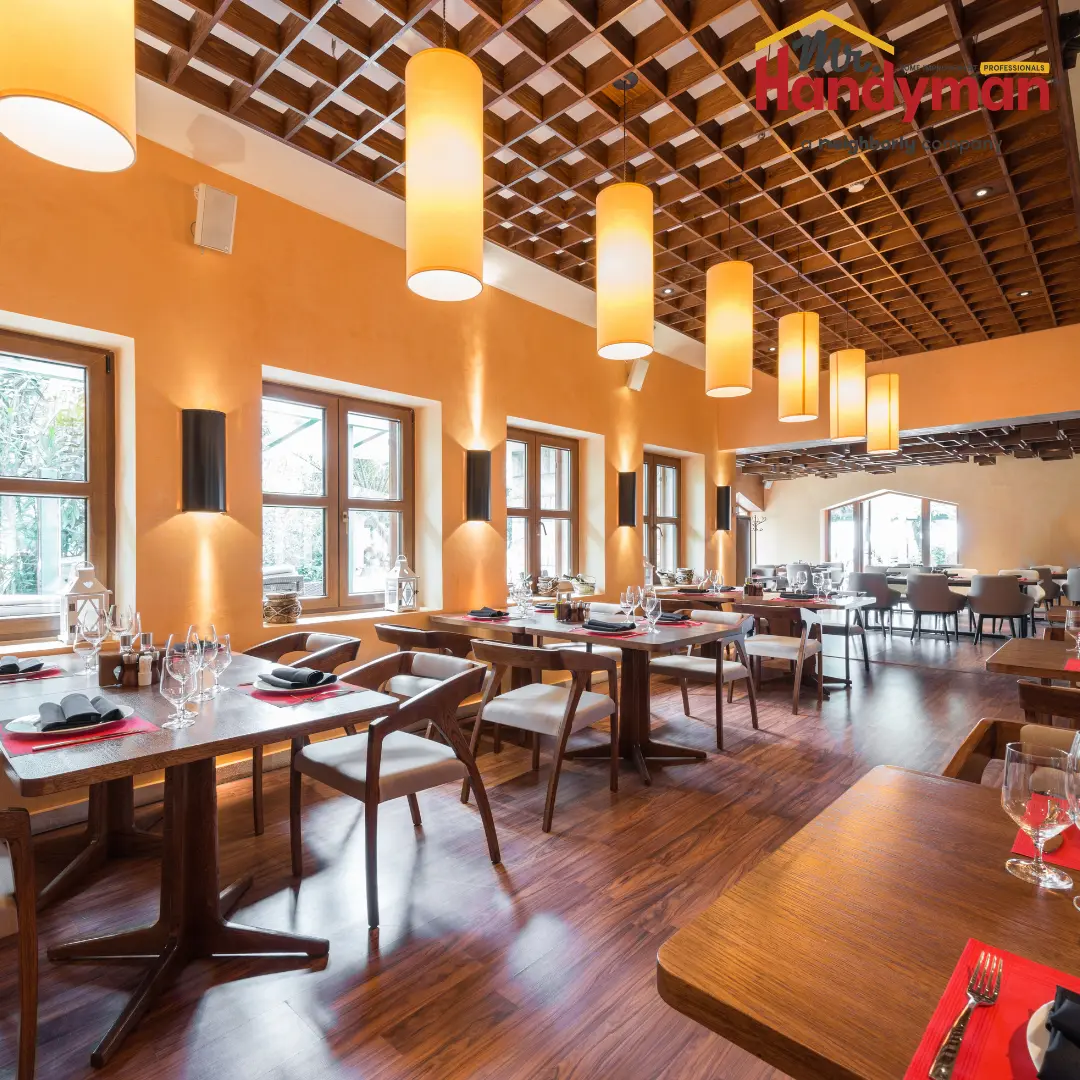
Restaurant furniture in Mishawaka, Elkhart, and Goshen dining rooms experiences the physical demands of daily service at the specific intensity that northern Indiana restaurant traffic creates through the compressed outdoor dining season that lake-effect climate produces. When summer's warm months arrive and restaurant dining rooms operate at peak capacity through the outdoor season that northern Indiana's limited warm weather creates as the most active dining period, the furniture that has accumulated the joint loosening through winter's stacking and unstacking cycles carries that accumulated wear into the season when dining room use is most concentrated and when furniture structural failure creates the most consequential customer experience problems.
Regular handyman service that includes furniture joint inspection and tightening as a standard component of each service visit identifies loose joints before they advance to the structural failure that wobbling chairs eventually reach, and addresses them with the wood glue injection, screw replacement, and joint reinforcement that chair joint service requires to restore the stable condition that restaurant seating quality demands. Table base tightening at column and base connections, booth seat and back inspection at wall attachment and seat frame connections, and bar stool structural inspection at footrest and seat connections are the furniture elements that regular northern Indiana restaurant handyman service systematically maintains through each service visit.
Door and Hardware Service Through Lake-Effect Seasonal Transitions
Restaurant doors in St. Joseph and Elkhart County experience the operation volumes that customer, staff, and delivery personnel traffic creates through each operating day amplified by the specific lake-effect seasonal conditions that northern Indiana creates at restaurant entries through the annual cycle. Front of house entry doors operated through northern Indiana's winter season carry the ice, salt, and abrasive debris that winter weather management deposits at commercial entries, and that abrasive winter environment advances threshold wear, weatherstripping compression, and door closer fluid contamination at rates that restaurant entries without lake-effect winter exposure don't experience at the same intensity.
Walk-in cooler and freezer doors in northern Indiana restaurant kitchens present the specific maintenance condition that the temperature differential between the cold storage interior and the ambient kitchen environment creates in door gaskets and door closure systems. Walk-in door gaskets that have lost their compression seal allow the temperature differential between cold interior and warm kitchen to advance ice formation at the door perimeter that gasket failure in cold storage applications consistently creates. Replacing walk-in door gaskets before seal failure has advanced to ice formation maintains both food safety and energy efficiency that failed gaskets compromise simultaneously.
Wall and Ceiling Surface Maintenance
Restaurant wall and ceiling surfaces in St. Joseph and Elkhart County accumulate the damage that northern Indiana restaurant operations create through each operating period, with the lake-effect seasonal transition adding the specific conditions that winter's heating season and summer's humidity create in restaurant interior surfaces at the rate that the dramatic northern Indiana seasonal temperature and humidity range produces. Front of house dining room walls accumulate the scuffs and chair back contact marks that intensive dining room use creates at the specific heights that seating configurations produce. Back of house kitchen walls accumulate the grease splash, moisture, and physical impact from equipment and supply movement that commercial kitchen operations create throughout each operating shift.
Regular surface repair and paint touch-up that addresses accumulated dining room wall damage before it advances to the condition requiring comprehensive repainting, and maintenance of kitchen wall surfaces in the areas that health code cleanability requirements govern, is the surface maintenance program that regular restaurant handyman service sustains through the ongoing operation cycle that northern Indiana restaurants navigate through the lake-effect annual pattern.
Restroom Fixture and Hardware Maintenance
Restaurant restrooms in Mishawaka, Elkhart, and Goshen receive the customer traffic volume that dining room occupancy creates through each service period, and the fixture, hardware, and surface conditions that restroom use generates at those volumes advance faster than comparable commercial restrooms with lower traffic intensity. Customer-facing restroom condition is among the most direct reflections of a restaurant's overall maintenance standards in northern Indiana's competitive dining market, because customers who use the restroom during their dining experience form impressions of the restaurant's attention to detail that food and service quality alone doesn't convey with equivalent directness.
The Scheduling Approach That Works for Northern Indiana Restaurant Operations
Working Around Service Periods in a Seasonal Market
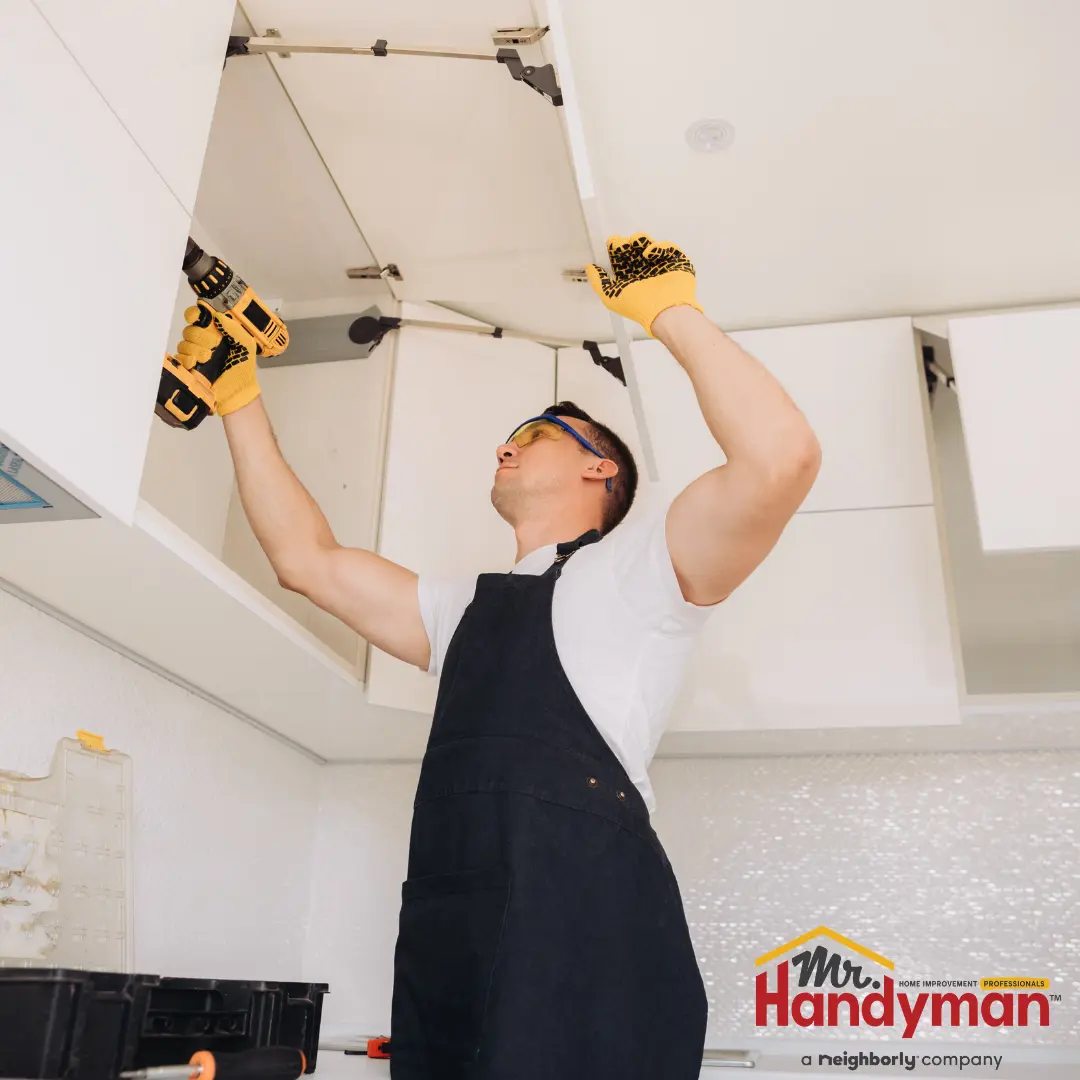
The specific scheduling challenge that northern Indiana restaurant maintenance creates is matching maintenance access against the service periods that restaurants cannot interrupt, within the compressed summer outdoor dining season that lake-effect climate creates as the most active and most revenue-critical operating period for Mishawaka, Elkhart, and Goshen restaurants. Mr. Handyman of Northern St. Joseph and Elkhart Counties' commercial scheduling for restaurant clients works within the pre-opening morning window, the post-service closing window, and the mid-week low-traffic periods that most northern Indiana restaurants have available between service periods, delivering the maintenance scope that each service visit addresses without creating the operational disruption that maintenance during active service would require.
The pre-opening morning window is the most productive maintenance access period for front of house work including furniture tightening, door and hardware service, and dining room wall touch-up. The post-closing window provides access to both front of house and back of house environments after the cleanup that each service ends with, allowing kitchen area maintenance including equipment base caulking, kitchen wall surface maintenance, and the various back of house repairs that kitchen operations require outside of operating hours.
The Regular Service Visit Cadence for Northern Indiana Restaurants
Monthly or quarterly regular service visits that address accumulated maintenance items across the restaurant's full facility, rather than individual reactive service calls that address single urgent conditions one at a time, produce the most efficient maintenance delivery and the most consistent facility condition for St. Joseph and Elkhart County restaurant clients. Each regular service visit generates a scope list from the inspection that begins the visit, addressing the accumulated items from the preceding service period alongside any specific items the restaurant operator has identified between visits.
This regular cadence approach provides the northern Indiana restaurant operator with the predictable maintenance cost and consistent facility condition that reactive repair management doesn't produce, and specifically addresses the lake-effect seasonal transition conditions that each annual cycle creates at the beginning of summer's active dining season and at the beginning of winter's demanding maintenance period before they accumulate to the customer-impacting or compliance-creating conditions that reactive management addresses only after they have already reached their most consequential stage.
Northern Indiana-Specific Restaurant Maintenance Considerations
Pre-Summer Dining Season Preparation
Northern Indiana's compressed outdoor dining season creates a specific pre-season maintenance urgency that restaurants in more temperate markets without equivalent seasonal compression don't experience at the same intensity. The outdoor dining areas, patio furniture, and exterior approaches that St. Joseph and Elkhart County restaurants prepare for the limited warm-weather dining season that lake-effect climate creates deserve the pre-season assessment and maintenance that positions them for the summer's full outdoor dining capacity from the season's first warm days. Patio furniture inspection and tightening, exterior entry approach assessment for the winter wear that lake-effect conditions create, and outdoor lighting confirmation before summer's extended evening dining hours require full exterior lighting performance are the specific pre-summer restaurant maintenance items that the lake-effect seasonal transition creates as annual priorities.
Post-Lake-Effect Entry System Service
The restaurant entry systems that have managed northern Indiana's winter season enter summer's peak dining period carrying the accumulated winter effects that regular pre-summer service addresses before the summer dining season places maximum loading on those systems. Door closer adjustment that corrects the closing speed drift that lake-effect thermal cycling creates, weatherstripping replacement at entry door locations showing the compression set that winter's repeated freeze-thaw door cycling advances, and threshold service at the abraded and salt-damaged conditions that winter weather management creates at northern Indiana restaurant entries are the specific post-lake-effect maintenance items that pre-summer restaurant entry service addresses before summer's dining season reveals them as customer-facing problems.
Health Inspection Season Preparation
Indiana's restaurant health inspection program conducts inspections throughout the year, and Mishawaka, Elkhart, and Goshen restaurants whose regular handyman service maintains physical plant conditions continuously are better positioned for inspections that may occur at any point in the operating year than restaurants whose physical plant conditions have accumulated between less frequent maintenance attention. The specific physical plant items that health inspection documents as observations or violations when not maintained include equipment base caulking in food preparation areas, wall surface damage in areas adjacent to food contact surfaces, ceiling tile damage or staining above food preparation and storage areas, and the plumbing fixture and drainage conditions that Indiana's food code addresses.
The Financial Case for Regular Service in Northern Indiana's Seasonal Market
Preventing the Failure That Costs More Than the Prevention
The financial argument for regular restaurant handyman service rather than reactive repair management carries specific weight in northern Indiana's seasonal restaurant market, where the compressed summer outdoor dining season creates a revenue concentration that equipment failure or facility condition problems during peak summer months affects disproportionately relative to equivalent problems during slower winter periods. The chair joint that receives tightening service during a regular monthly visit at modest cost becomes the chair that fails structurally during a peak summer service period, creating the customer incident and emergency replacement during the most revenue-critical operating weeks of the northern Indiana restaurant year.
The cumulative financial return of regular maintenance that prevents conditions from reaching the failure and customer impact stage consistently exceeds the cost of the regular service program across the typical northern Indiana restaurant's operating year, and the summer dining season's revenue concentration makes the return from preventing peak-season maintenance failures proportionally greater than equivalent calculations for restaurants in markets without the same seasonal revenue concentration that lake-effect climate creates in Mishawaka, Elkhart, and Goshen dining establishments.
Frequently Asked Questions
How does Mr. Handyman of Northern St. Joseph and Elkhart Counties structure regular service agreements for local restaurants?
Mr. Handyman of Northern St. Joseph and Elkhart Counties structures regular restaurant service around each restaurant's specific maintenance needs, operating schedule, and service access windows, developing the visit cadence and scope that each restaurant's facility condition and operational pattern requires. Monthly service visits address the higher-demand maintenance accumulation that busy northern Indiana restaurant environments create between visits. Quarterly service visits serve restaurants whose maintenance accumulation rate and budget parameters make the longer interval appropriate, particularly through the winter operating season when indoor dining patterns create different accumulation rates than summer's outdoor and indoor combined activity produces.
What restaurant maintenance work falls within Mr. Handyman's permitted scope in northern Indiana?
Mr. Handyman of Northern St. Joseph and Elkhart Counties handles the full range of restaurant facility maintenance within the permitted commercial handyman scope including furniture joint tightening and repair, door hardware and closer service, walk-in door gasket replacement, wall and ceiling surface repair and painting, restroom fixture and hardware service, equipment base caulking, lighting fixture and lamp replacement, exterior condition maintenance, and the general facility repairs that restaurant operations generate through daily service. Work involving licensed plumbing, electrical, or mechanical scope requires the appropriate licensed trade contractor involvement that Indiana's licensing requirements govern.
How does the lake-effect seasonal transition specifically affect northern Indiana restaurant maintenance timing?
The lake-effect seasonal transition from winter to summer creates a specific pre-season maintenance window that northern Indiana restaurants benefit from addressing comprehensively before the summer dining season's peak activity begins. The entry system conditions that winter's freeze-thaw cycling, heavy boot traffic, and ice management materials advance through the cold months, the patio furniture and exterior approach conditions that winter storage and snowmelt exposure create, and the interior surface conditions that winter's heating season creates in restaurant environments all warrant the pre-summer assessment and correction that positions northern Indiana restaurants for summer's compressed but revenue-critical outdoor dining season from the first warm week forward.
What is the recommended service visit interval for a busy Mishawaka or Elkhart restaurant?
Monthly service visits are the recommended interval for high-volume restaurants in Mishawaka, Elkhart, and Goshen whose daily traffic volume and operational intensity create maintenance accumulation rates that quarterly intervals allow to advance to customer-impacting conditions between visits. The lake-effect seasonal transition periods of spring and fall, when northern Indiana's dramatic weather changes create the specific entry system, exterior surface, and patio conditions that each seasonal transition produces in restaurant facilities, may warrant additional assessment visits that address the transition conditions that the regular monthly cadence captures alongside routine accumulated items.
The Northern Indiana Restaurant That Regular Maintenance Protects
The Mishawaka, Elkhart, and Goshen restaurant whose regular handyman service relationship maintains furniture tightness through each operating season, whose door and hardware conditions serve customer traffic without the difficulty that neglected lake-effect winter wear creates at the beginning of each summer dining season, whose wall and ceiling surfaces present the maintained condition that customer dining environments require, whose restrooms reflect the maintenance standards that the dining room service establishes, and whose physical plant conditions stay ahead of the health inspection findings that reactive maintenance allows to accumulate is the restaurant whose physical environment supports the food, service, and experience quality that the restaurant's reputation in northern Indiana's competitive dining market is built on.
Mr. Handyman of Northern St. Joseph and Elkhart Counties is ready to develop the regular service relationship that each Mishawaka, Elkhart, and Goshen restaurant's specific facility and operational needs require.
Website: https://www.mrhandyman.com/northern-st-joseph-elkhart-counties/
Serving Northern St. Joseph and Elkhart Counties with dependable service and the expertise your home deserves.