
Indiana Spring Storms Hit Differently When the Ground Is Still Thawing
Spring in Northern St. Joseph and Elkhart Counties arrives not as a gentle seasonal shift but as a compressed, sometimes volatile transition from one of the most demanding winter climates in Indiana into the active rainfall season that follows. The lake-effect snow that Lake Michigan delivers to this corner of the state through the heating season leaves behind saturated, slowly thawing soils that have absorbed months of accumulated snow and ice by the time spring rain events begin arriving. When the first significant spring storms track through Northern Indiana, they are not landing on receptive ground. They are landing on soil that has been through extended below-zero cold, deep frost penetration, and the slow thaw process that Elkhart and St. Joseph County properties begin working through in March and April while rain events are already adding to the moisture load.
That combination creates plumbing consequences specific to this corner of Indiana that homeowners who have lived through a few Northern Indiana springs understand intuitively and that new residents to the South Bend, Mishawaka, Elkhart, and Goshen areas need to understand specifically. The underground plumbing infrastructure, the sump systems serving full basements that are standard construction throughout the region, and the building connections between exterior drainage and interior systems are all tested by spring storms in ways that the slowly thawing, still-saturated soil conditions of Northern Indiana amplify significantly beyond what the same rainfall would produce in a more freely draining soil environment.
Understanding where those plumbing consequences appear, what specific storm conditions create them, and how to manage and prevent the most costly outcomes gives Northern St. Joseph and Elkhart County homeowners the practical awareness that the compressed Northern Indiana spring season specifically requires.
What Northern Indiana's Spring Storm Pattern Does to Drainage Systems
The spring storm pattern in Northern St. Joseph and Elkhart Counties reflects the region's position within the Great Lakes moisture system. As Lake Michigan's ice cover retreats and the temperature differential between the lake and the warming land mass diminishes, the lake-effect precipitation that dominated the heating season transitions toward the organized frontal systems that deliver the spring and early summer rainfall that this portion of Indiana receives. The result is a spring season whose rainfall arrives when soil drainage capacity is at its annual minimum, because the frost depth that Northern Indiana's winter produces extends deeper into the ground than most Indiana regions experience, and the thaw front that retreats downward through March and April lags significantly behind the spring rain events that are already arriving at the surface.
Soil saturation and limited infiltration during the spring thaw period in Northern St. Joseph and Elkhart Counties means that rainfall falling during March and April has almost nowhere to go except across the surface or into the drainage systems designed to capture and redirect it. A soil profile still frozen at depth does not accept surface water in the normal percolation pattern that fully thawed ground allows, and the result is the surface ponding, concentrated runoff, and the hydrostatic pressure against foundation components that the region's full basement standard creates as the dominant below-grade vulnerability.
Sanitary sewer surcharging during significant spring storm events affects Northern St. Joseph and Elkhart County neighborhoods whose combined or aging sewer infrastructure manages both sanitary and storm flow. When the surface runoff that saturated soils cannot absorb concentrates in stormwater systems that are already managing maximum spring flow, the surcharging pressure that builds in underground infrastructure can reverse flow at the lowest available household connections, producing the drain backup in basements and first-floor fixtures that communicates the sewer system's capacity condition rather than a household plumbing failure.
The Basement Sump System: Northern Indiana's First Line of Defense

The full basements that Northern St. Joseph and Elkhart County construction has standardized reflect the region's building tradition and the frost depth requirements that Northern Indiana's climate creates for structural footing placement. Those basements are assets that the region's homeowners use, finish, and depend on for living space, utility function, and storage in ways that a purely utilitarian below-grade space would not create the same vulnerability profile for. A finished or actively used basement in Northern Indiana that lacks adequate sump protection is one significant spring storm event away from the water damage that inadequate below-grade moisture management creates in the contents and improvements that the space contains.
Sump pump capacity assessment before Northern Indiana's spring storm season specifically evaluates whether the installed pumping capacity matches the actual water volume that saturated soil conditions around Northern St. Joseph and Elkhart County foundations produce during sustained spring rain events. A pump that manages gradual groundwater conditions adequately may be overwhelmed during a spring storm that delivers two to three inches of rain onto ground that cannot absorb it, concentrating the runoff against foundation perimeters in volumes that exceed the design assumptions of an undersized sump installation.
Discharge line condition after Northern Indiana's winter is among the most consequential spring sump assessment items in this market. The extended below-zero temperatures that St. Joseph and Elkhart Counties experience through the heating season create the discharge line freezing conditions that reduce effective pumping capacity by restricting the pipe that must carry pump output away from the structure. A discharge line that froze during January's cold snaps and was not cleared may still carry a restriction into spring's first significant storm event.
Interior Plumbing Symptoms That Northern Indiana Spring Storms Produce
The interior plumbing symptoms that Northern St. Joseph and Elkhart County homeowners observe during and immediately after significant spring storm events are the visible evidence of the underground and below-grade conditions that the region's saturated soil, limited spring drainage capacity, and aging municipal infrastructure create when storm volumes test those conditions simultaneously.
Gurgling floor drains and toilets during active spring storm events in Northern Indiana homes are communicating the sewer system pressure that storm-related surcharging creates when combined sewer infrastructure in older South Bend, Mishawaka, and Elkhart neighborhoods reaches capacity under the runoff volumes that saturated soils cannot absorb. The gurgling is the displacement of air through trap seals by the pressure differential that surcharging conditions create in the sewer lateral between the home and the municipal connection. This symptom during intense Northern Indiana spring storms indicates the municipal system condition rather than a household plumbing failure, and the correct immediate response is stopping household water use rather than attempting household drain clearing that addresses the wrong location.
Basement floor drain backup during spring storm events is the Northern Indiana plumbing symptom whose property damage consequence is most directly tied to how quickly the homeowner responds and whether the sump system is simultaneously keeping pace with groundwater infiltration. A basement floor drain backing up during a significant spring storm in Elkhart or St. Joseph County may be receiving the sewage and water that municipal surcharging is pushing backward through the lateral simultaneously with the groundwater that the sump is managing from the other direction, creating the property damage scenario that backflow prevention devices address from the sewer side and adequate sump capacity addresses from the groundwater side.
Slow drains throughout the home that appear during or immediately after spring storms but improve between storm events communicate the sewer infrastructure condition that storm volumes expose in Northern St. Joseph and Elkhart County properties with root intrusion, lateral deterioration, or the sewer connection conditions that the region's older housing stock in established South Bend and Elkhart neighborhoods creates in underground drain infrastructure through decades of service.
Tree Root Intrusion: The Northern Indiana Spring Revealer

The mature tree populations in Northern St. Joseph and Elkhart County's established neighborhoods have spent decades extending root systems toward the moisture that older clay tile and cast iron sewer laterals represent, and the spring storm season's surge volumes reveal the root intrusion that gradual household use managed adequately without producing the complete blockage that storm-season flow rates cannot pass.
South Bend's established neighborhoods including the areas surrounding the University of Notre Dame, the near-north neighborhoods, and the established residential corridors of Mishawaka carry the mature tree populations that decades of growth have established adjacent to the original sewer infrastructure. Root intrusion in these neighborhoods is not an exceptional condition but a routine maintenance consideration that camera inspection at appropriate intervals identifies and hydrojetting addresses before storm-season surge volumes test the remaining flow capacity that roots have progressively reduced.
Elkhart and Goshen neighborhoods with original clay tile sewer infrastructure carry the lateral conditions that Northern Indiana's frost depth cycling produces in below-grade clay pipe over decades of service. Clay tile joints that frost movement has shifted, that root intrusion has exploited, and that the region's below-zero temperature events have stressed through the soil movement that deep freeze conditions create in clay soil environments present the combination of structural deterioration and biological obstruction that spring storm surge volumes reveal when they exceed the residual capacity those conditions allow.
Protecting Northern Indiana Basements From Spring Storm Plumbing Events
Backflow prevention installation for Northern St. Joseph and Elkhart County homes served by combined or aging sewer infrastructure is the plumbing protection measure whose return is most directly tied to the specific storm conditions that Northern Indiana's spring season creates. An overhead sewer conversion that repositions the household drain system above the sewer main's surcharging level eliminates the backflow vulnerability that below-grade drain connections present during the significant storm events that the region's spring delivers. For properties where overhead conversion is not practical, a properly specified and maintained backflow prevention valve in the sewer lateral intercepts the surcharging pressure before it reaches household fixtures.
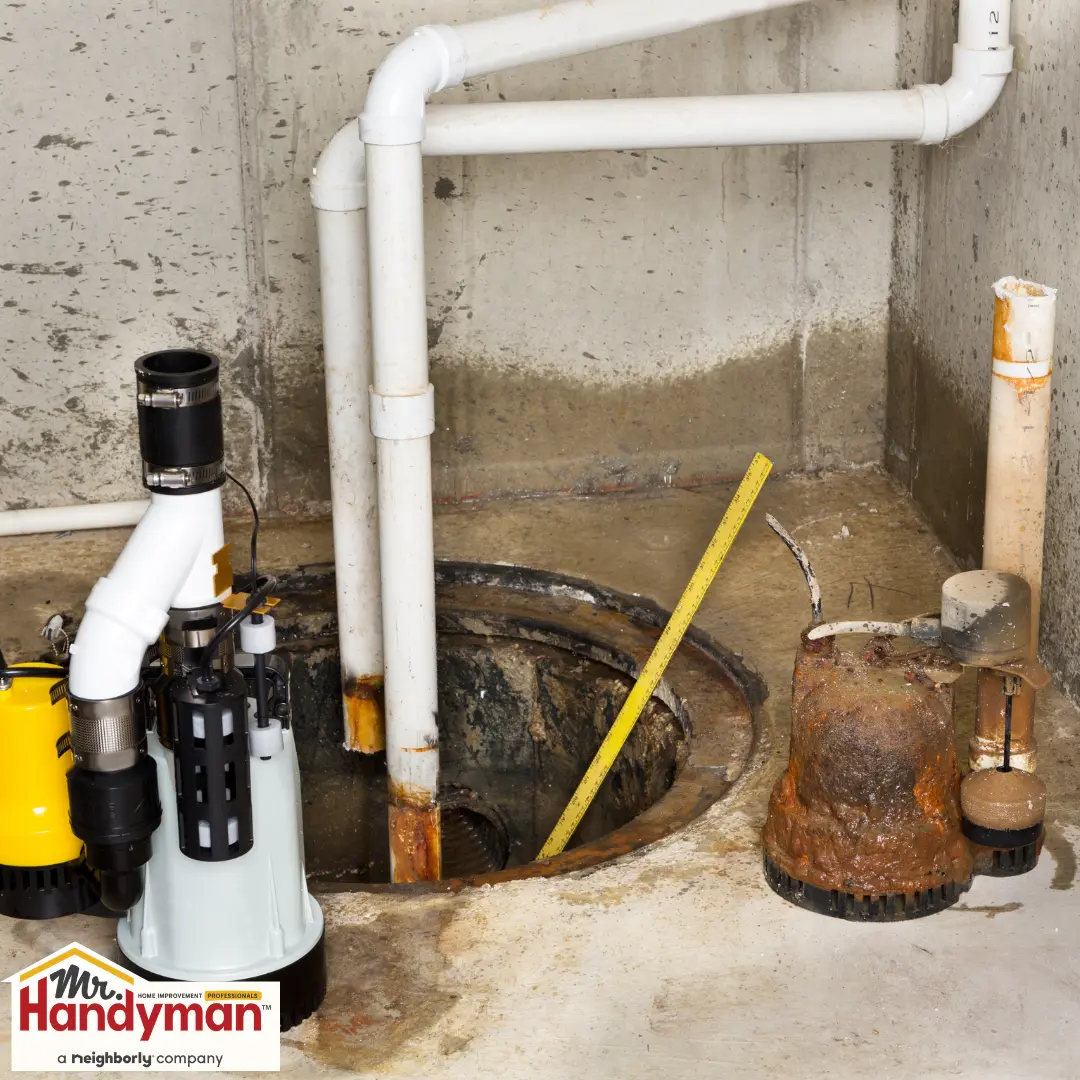
Sump system redundancy through battery backup installation or secondary pump addition addresses the vulnerability that power outages during Northern Indiana's spring storms create for the sump protection that full basements depend on. The organized frontal systems and thunderstorm activity that deliver Northern Indiana's spring rainfall also produce the lightning strikes and grid disruptions that interrupt power at the moments when sump operation is most critical for the saturated soil conditions those storms create. A sump pit without backup protection that loses power during a significant spring storm event has no protection through the hours that power restoration may require in Northern Indiana's rural and semi-rural areas across the service region.
Foundation grading assessment after the frost heave that Northern Indiana's deep freeze events produce in the soil adjacent to home foundations identifies the grading changes that each winter's freeze-thaw cycling creates in the critical drainage zone around the home's perimeter. The soil that expands during freeze events and settles during thaw produces the grading irregularities that direct surface water toward foundations during spring storm events rather than away from them, and spring grading correction that restores positive drainage before the storm season's active period converts the soil movement that winter produced into a completed repair rather than an ongoing contribution to basement moisture pressure.
Frequently Asked Questions
Why do my drains back up during spring storms but work fine otherwise in my Northern Indiana home?
Storm-related drain backup in Northern St. Joseph and Elkhart County homes during spring events typically indicates municipal sewer surcharging rather than household drain blockage. The combined sewer infrastructure that serves older neighborhoods in South Bend, Mishawaka, and Elkhart reaches storm flow capacity during significant spring events when saturated soil cannot absorb runoff, creating the pressure reversal that household drain connections experience as backup. The improvement between storm events reflects the municipal system's return to normal pressure rather than a self-clearing household blockage.
How much sump pump capacity does a Northern Indiana basement actually need?
Sump pump capacity requirements in Northern St. Joseph and Elkhart County depend on the specific inflow rate that the property's soil conditions, foundation perimeter drainage, and the storm events the region delivers create at the sump pit. Standard residential sump pumps rated at one-third horsepower may be adequate for properties with good perimeter drainage and modest groundwater exposure. Properties in lower positions, with significant perimeter drainage tile, or in the areas of the service region that Northern Indiana's spring water table dynamics affect most intensively may require the higher capacity that one-half or three-quarter horsepower pumps provide. Professional assessment that estimates actual inflow rates provides the basis for capacity selection rather than standard specifications that may not reflect the specific property's Northern Indiana storm season demands.
Is a finished Northern Indiana basement worth protecting with an overhead sewer conversion?
For finished basements in Northern St. Joseph and Elkhart County homes where the improvement investment is significant and where the sewer infrastructure serving the property is the combined or aging type that surcharging during spring storms historically affects, overhead sewer conversion is worth the investment evaluation that the specific property's sewer history and current infrastructure conditions inform. The cost of a single significant backup event in a finished Northern Indiana basement typically exceeds the overhead conversion investment many times over when cleanup, remediation, and finish replacement costs are calculated, and the protection that conversion provides applies to every subsequent spring season rather than requiring annual reassessment.
Should I install a battery backup sump even if my current pump works well?
For full basements in Northern St. Joseph and Elkhart County, battery backup installation is warranted regardless of current primary pump performance because the storms delivering the most significant spring rainfall in this region also produce the power outages that primary pumps cannot operate through. A sump system performing reliably under normal conditions provides no protection during the storm-related power outage that Northern Indiana's spring severe weather season delivers, and the battery backup addresses the specific failure mode that normal operational performance cannot prevent.
How do I know if my Northern Indiana home needs sewer camera inspection?
Homes in Northern St. Joseph and Elkhart County's established neighborhoods with original clay tile or cast iron sewer infrastructure, with mature trees adjacent to the sewer lateral path, or with a history of storm-related drain backup or slow drain symptoms correlating with spring events should have professional sewer camera inspection at three to five year intervals regardless of current symptom status. Root intrusion advances toward the blockage threshold gradually, and the spring storm event that reveals complete blockage typically arrives before the incremental slow drain symptom that would have prompted earlier investigation.
Northern Indiana Spring Storms and Your Plumbing
The spring storm season in Northern St. Joseph and Elkhart Counties tests plumbing systems through the specific combination of conditions that Lake Michigan's climate legacy, the region's frost depth, and the aging municipal infrastructure of established Northern Indiana communities create simultaneously. Preparation that addresses sump capacity, backflow vulnerability, foundation drainage, and the sewer lateral conditions that the region's tree populations and infrastructure age create reduces the storm season's plumbing consequences from emergency discoveries to managed conditions.
The team at Mr. Handyman of Northern St. Joseph and Elkhart Counties has the regional experience to help homeowners assess and address the plumbing vulnerabilities that Northern Indiana's spring storm season specifically creates.
Website: https://www.mrhandyman.com/northern-st-joseph-elkhart-counties/
Serving homeowners throughout Northern St. Joseph and Elkhart Counties with dependable service and the expertise your home deserves.