
Northern Indiana's Water Heater Decision Has Specific Regional Dimensions
The decision between repairing and replacing a water heater is one that homeowners everywhere eventually face, but the factors shaping that decision in Northern St. Joseph and Elkhart Counties have a regional character that moderate-climate guidance does not fully address. The sustained below-zero temperatures that Lake Michigan's influence delivers to the South Bend, Mishawaka, Elkhart, and Goshen areas through the heating season, the hard water that the region's groundwater sources supply to homes throughout Northern Indiana, and the full basements that are standard construction across the service area all create water heater service conditions that advance the deterioration, efficiency loss, and component wear that eventually require the repair versus replacement evaluation at rates specific to Northern Indiana rather than national averages.
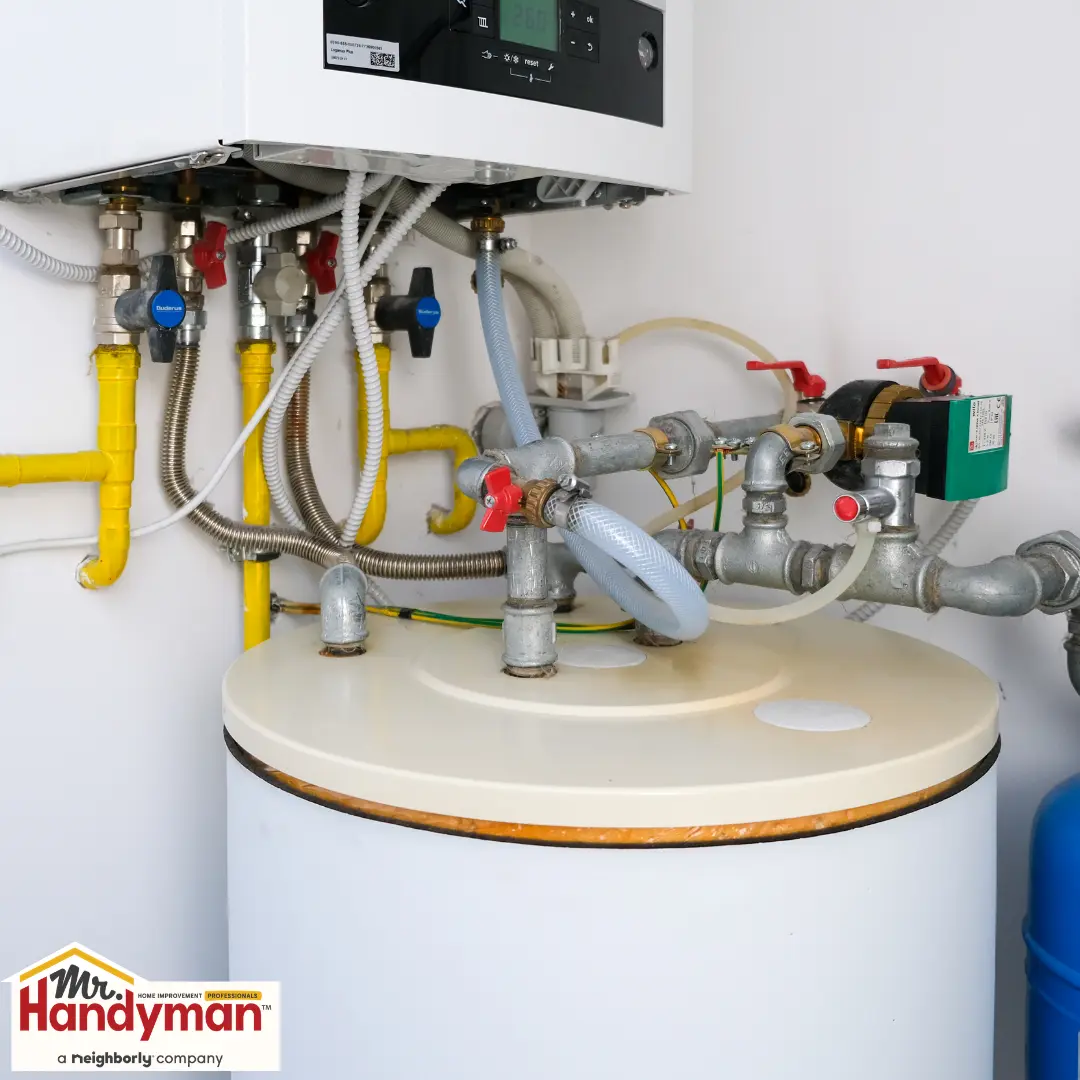
The timing dimension that distinguishes Northern Indiana's water heater decision from more casual markets is the consequence of a water heater failure during the heating season that Northern Indiana's climate produces. A water heater that fails during a January cold snap in South Bend or Elkhart is not producing the minor inconvenience that the same failure in a moderate climate might create. It is eliminating hot water in a home where temperatures outside may be below zero, where the household's daily routines depend entirely on indoor systems, and where emergency service scheduling during peak heating season demand may not be as immediately available as the situation requires. The homeowner who evaluates their water heater's condition in spring, before the heating season that will test it most severely, is making that evaluation with the scheduling flexibility and the unhurried assessment quality that emergency circumstances eliminate.
Understanding the factors that shape the repair versus replacement decision in Northern Indiana's specific context, why regional conditions accelerate the deterioration that creates that decision earlier than moderate-climate guidance suggests, and what the financial and practical considerations of each option look like in this market gives Northern St. Joseph and Elkhart County homeowners the framework for the most informed decision available before circumstances force a less considered one.
How Northern Indiana's Hard Water Affects Water Heater Condition
Hard water is among the most significant and most regionally specific factors in Northern Indiana water heater performance and service life. The groundwater that serves communities throughout Northern St. Joseph and Elkhart Counties, whether through the municipal systems of South Bend, Mishawaka, Elkhart, and Goshen or through the private wells that rural properties across the service area depend on, carries the mineral content that the region's geology delivers to residential water supply in the form of dissolved calcium and magnesium.
Sediment accumulation in tank water heaters is the hard water consequence whose effect on performance and longevity is most directly measurable. As mineral-bearing water is heated in the tank, the calcium and magnesium that the water carries precipitate from solution and settle to the tank bottom where they accumulate in the layer of sediment that progressively insulates the heating elements in electric units and the heat exchanger surfaces in gas units from the water above them. A Northern Indiana water heater without annual flushing maintenance has been adding to this sediment layer through every year of operation, and the efficiency reduction and capacity limitation that the accumulated insulation produces advances in proportion to the sediment volume that the regional water chemistry has been depositing since the last maintenance visit.
The rumbling and popping sounds that Northern Indiana homeowners frequently describe as their water heaters' end-of-life symptom is almost always the sediment condition rather than a structural failure. Water trapped in sediment layers expands into steam during heating cycles, producing the sounds that alarmed homeowners interpret as imminent failure. This symptom indicates maintenance deferred past the point of optimal management rather than necessarily immediate replacement, and the professional flush and assessment that properly evaluates this condition distinguishes the unit that sediment maintenance can restore to adequate function from the unit whose additional conditions make replacement the appropriate response.
Anode rod depletion in Northern Indiana water heaters occurs at rates that the region's hard water supply accelerates beyond what softer water supply properties experience between service intervals. The sacrificial anode rod that protects the tank's steel interior from corrosion reacts with the mineral content and water chemistry that Northern Indiana's supply delivers, depleting the rod through that reaction rather than through the tank corrosion it is designed to prevent. A depleted anode rod in an otherwise structurally sound Northern Indiana tank water heater represents a repair opportunity rather than a replacement necessity, but identifying depletion before the tank corrosion that an unprotected interior develops makes the timing of that assessment critical.
Service Life Expectations in Northern Indiana's Conditions
National water heater service life guidance typically cites eight to twelve years for standard tank installations. In Northern St. Joseph and Elkhart County homes, the combination of Northern Indiana's hard water mineral accumulation rates, the thermal cycling that the region's sustained cold creates in tank assemblies that supply cold incoming water through heating season months, and the demand concentration that the full basements and comprehensive indoor living that Northern Indiana homes sustain through the extended heating season creates in hot water use produces realistic service life expectations closer to eight to ten years for units without consistent annual maintenance.

The distinction between maintained and unmaintained units is particularly significant in Northern Indiana's hard water environment because the maintenance gap compounds through each year that sediment accumulation continues without the annual flushing that removes what the previous year's regional water chemistry deposited. A Northern Indiana water heater at year eight with consistent annual maintenance is in a fundamentally different condition than one at year eight that has never been flushed.
The ten-year evaluation threshold in a Northern Indiana home is the point where repair investment requires specific justification rather than the automatic application that a developing symptom might otherwise receive.
The Specific Symptoms That Guide the Decision in Northern Indiana Homes
The symptoms that Northern St. Joseph and Elkhart County water heaters present carry the regional interpretation that Northern Indiana's hard water, thermal cycling, and demand conditions create in ways that the same symptoms in moderate-climate homes may not communicate identically.
Rust-colored or discolored hot water from household fixtures in Northern Indiana homes indicates tank interior corrosion that the sacrificial anode rod has either not been protecting adequately or has been unable to protect against the specific water chemistry that the regional supply delivers to the tank interior. The distinction between an anode rod that has depleted and a tank that has corroded past the point of protection restoration requires the professional assessment that draining and inspecting the tank provides, because the treatment for each condition is fundamentally different. Anode replacement in a sound tank extends service life. An actively corroding tank requires replacement regardless of the unit's calendar age.
Water pooling at the tank base in a Northern Indiana home is the symptom that definitively indicates replacement rather than repair. The tank wall breach that produces this symptom cannot be repaired, and the urgency of replacement in Northern Indiana's context reflects the additional consequence of a complete tank failure during the heating season when the hot water that the failing system provides is serving the household needs that a Northern Indiana winter makes most critical. A tank showing any moisture at its base warrants professional assessment on a timeline that does not defer to seasonal convenience.
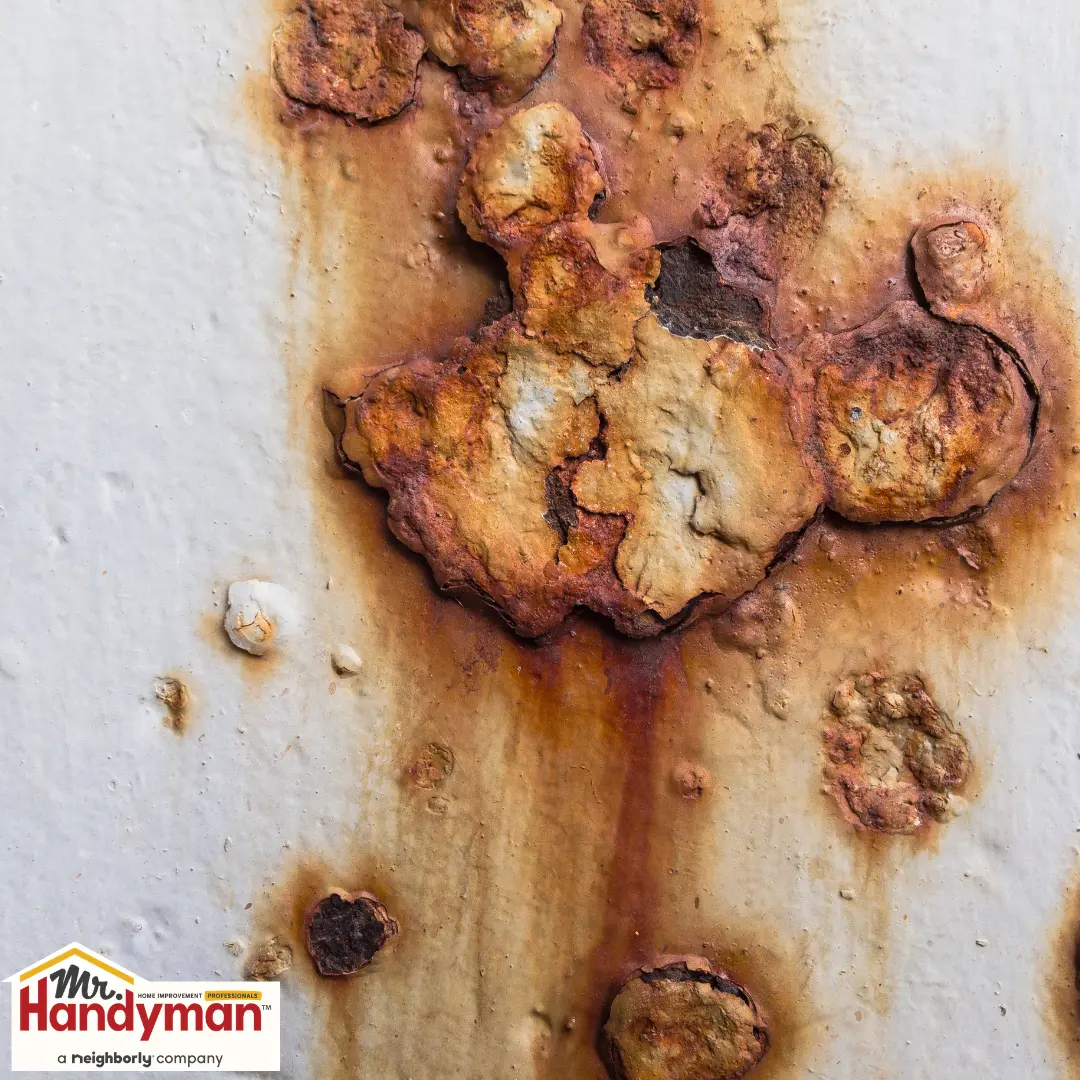
Insufficient hot water volume that has developed gradually over time in a Northern Indiana home requires the diagnostic distinction between capacity inadequacy and condition failure before the appropriate response can be determined. A household whose size or hot water use patterns have grown since the original water heater installation may be experiencing the capacity mismatch that replacement with a properly sized unit resolves. A household whose water heater delivered adequate volume previously but no longer does may be experiencing the sediment accumulation that Northern Indiana's hard water produces in the tank bottom, reducing effective capacity by occupying volume that water should fill. Professional flush and capacity assessment distinguishes these conditions before the replacement decision is made based on a symptom that maintenance might have resolved.
Rising energy costs from water heating that cannot be explained by rate increases or household behavior changes communicates the efficiency reduction that sediment insulation and component aging create in Northern Indiana water heaters as regional conditions advance their deterioration. A unit operating at reduced efficiency against Northern Indiana's utility rates is producing both the service limitation and the operating cost increase that replacement with a current high-efficiency unit addresses simultaneously.
How Northern Indiana Conditions Shape the Financial Case for Replacement
The financial comparison between repair and replacement in Northern Indiana water heater decisions reflects the specific cost factors that the region's conditions create for units operating past the service life thresholds that regional conditions establish.
Energy efficiency improvement from replacement with a current unit delivers financial return against Northern Indiana's utility rates that the unit being replaced was not providing through its declining operating years. Indiana Michigan Power, Northern Indiana Public Service Company, and the other utilities serving Northern St. Joseph and Elkhart County communities supply electricity and natural gas at rates that the efficiency gap between an aging Northern Indiana water heater and a current high-efficiency replacement translates into measurable monthly savings. The Northern Indiana home whose water heater has been operating with the sediment insulation that regional hard water has been depositing since installation is paying an efficiency penalty on every heating cycle that replacement eliminates.

Tankless water heater consideration for Northern Indiana homes addresses the specific demand profile that full basements, comprehensive indoor living, and the extended heating season create in regional hot water use patterns. A properly specified commercial-grade tankless unit eliminates the standby heat loss that tank units produce continuously and the sediment accumulation problem that Northern Indiana's hard water creates in tank bottoms, delivering both the efficiency improvement and the maintenance simplification that regional conditions make particularly valuable. The incoming cold water temperature that Northern Indiana's heating season delivers to tankless units requires the flow rate and sizing calculations that properly account for the temperature rise the unit must achieve from the cold supply that winter provides.
The emergency replacement premium that failed water heaters during Northern Indiana's heating season command reflects the service availability and scheduling pressure that peak demand for heating-related service creates in the South Bend, Mishawaka, Elkhart, and Goshen markets during the winter months. The homeowner who makes the replacement decision in spring from a position of scheduled planning accesses the product selection, contractor availability, and installation quality that emergency circumstances compress into whatever is available immediately at whatever cost the urgency of the situation creates.
Making the Proactive Decision in Northern Indiana
Spring evaluation timing for Northern Indiana water heater assessment provides the combination of post-winter condition assessment and pre-heating-season replacement scheduling that no other seasonal timing replicates for this market. The heating season's thermal cycling and demand concentration have completed their most recent contribution to the unit's condition by spring, and the contractor and equipment availability that spring evaluation accesses before summer's demand for cooling-related service compresses is at its most favorable for the deliberate replacement planning that informed decisions deserve.
Sizing assessment at replacement in Northern Indiana homes should specifically account for the incoming water temperature during the heating season, the household's hot water demand patterns, and the full basement living that Northern Indiana homes typically support. A tankless unit sized for the household's average demand without accounting for the cold incoming water temperature that a South Bend or Elkhart January delivers will underperform during the heating season months when hot water demand and cold supply temperature coincide at their most demanding combination.
Frequently Asked Questions
At what age should a Northern Indiana water heater be seriously evaluated for replacement? Seven years of service in a Northern St. Joseph or Elkhart County home with Northern Indiana's hard water conditions and heating season thermal cycling is the appropriate threshold for beginning replacement evaluation in earnest. At seven years, a maintained unit has remaining service life that a developing symptom's repair investment can still access economically. An unmaintained unit at seven years may already be showing the sediment accumulation and efficiency reduction that makes replacement more financially defensible than continued repair.
Is annual water heater flushing worth the effort in a Northern Indiana home? Annual flushing in Northern Indiana is among the most financially justified water heater maintenance investments available to homeowners in this market specifically because the hard water mineral content that Northern Indiana's supply delivers produces sediment accumulation at rates that make the efficiency and capacity consequences of skipped annual flushing more significant here than in softer water supply environments. A Northern Indiana water heater that receives consistent annual flushing reaches its service life threshold in better condition and at a later calendar age than an identical unit in the same home without that maintenance.
What water heater type performs best in Northern Indiana's conditions? Tankless water heaters with the flow rate and temperature rise specifications appropriate for Northern Indiana's incoming cold water temperatures during the heating season eliminate the sediment accumulation problem that regional hard water creates in tank units and deliver the efficiency improvement that eliminates standby heat loss. For homes where tankless installation is constrained by venting, gas supply capacity, or budget, a high-efficiency tank unit with stainless steel or glass-lined tank construction, combined with annual flushing maintenance and anode rod monitoring appropriate for Northern Indiana's water chemistry, provides the regional performance that standard tank units without these specifications do not deliver at the same service life and efficiency levels.
How does Northern Indiana's hard water affect the repair versus replacement decision specifically? Northern Indiana's hard water accelerates both the sediment accumulation that reduces efficiency and capacity and the anode rod depletion that allows tank interior corrosion to develop in ways that softer water supply properties do not experience at the same rates. This acceleration means that the service life thresholds at which repair investment becomes less justified arrive earlier in Northern Indiana homes than national guidance suggests, and the condition assessment that professional evaluation provides at those thresholds reflects the regional water chemistry's contribution to the unit's actual condition rather than the calendar age alone that general guidance uses as its primary metric.
What should I budget for water heater replacement in Northern Indiana? Installed costs for standard tank water heater replacement in Northern St. Joseph and Elkhart County reflect the regional labor market and the specific installation conditions that the home creates. Standard replacements with comparable units in straightforward installation configurations represent the lower end of the cost range. Tankless installations, units requiring code compliance upgrades, expansion tank additions, or configurations requiring venting modifications represent higher investment levels whose full cost estimate requires the professional assessment that site-specific conditions determine. Spring evaluation that proceeds without the emergency timeline pressure of a failed unit provides the competitive estimate access that informed budget planning requires.
The Right Decision Before Northern Indiana Winter Tests the Wrong One
The water heater evaluation that Northern St. Joseph and Elkhart County homeowners complete in spring from a position of informed deliberation produces better outcomes than the emergency assessment that a January failure forces during the heating season that Northern Indiana's climate makes most demanding. The information, the scheduling access, the product selection opportunity, and the financial planning that spring evaluation provides all deliver better replacement outcomes than the reactive response that continued deferral eventually requires.
The team at Mr. Handyman of Northern St. Joseph and Elkhart Counties has the regional experience to assess your water heater's condition against Northern Indiana's specific service conditions and provide the honest evaluation that the replacement versus repair decision your household's needs and home's specific circumstances warrant.
Website: https://www.mrhandyman.com/northern-st-joseph-elkhart-counties/
Serving homeowners throughout Northern St. Joseph and Elkhart Counties with dependable service and the expertise your home deserves.