Western Pennsylvania Families Planning to Stay
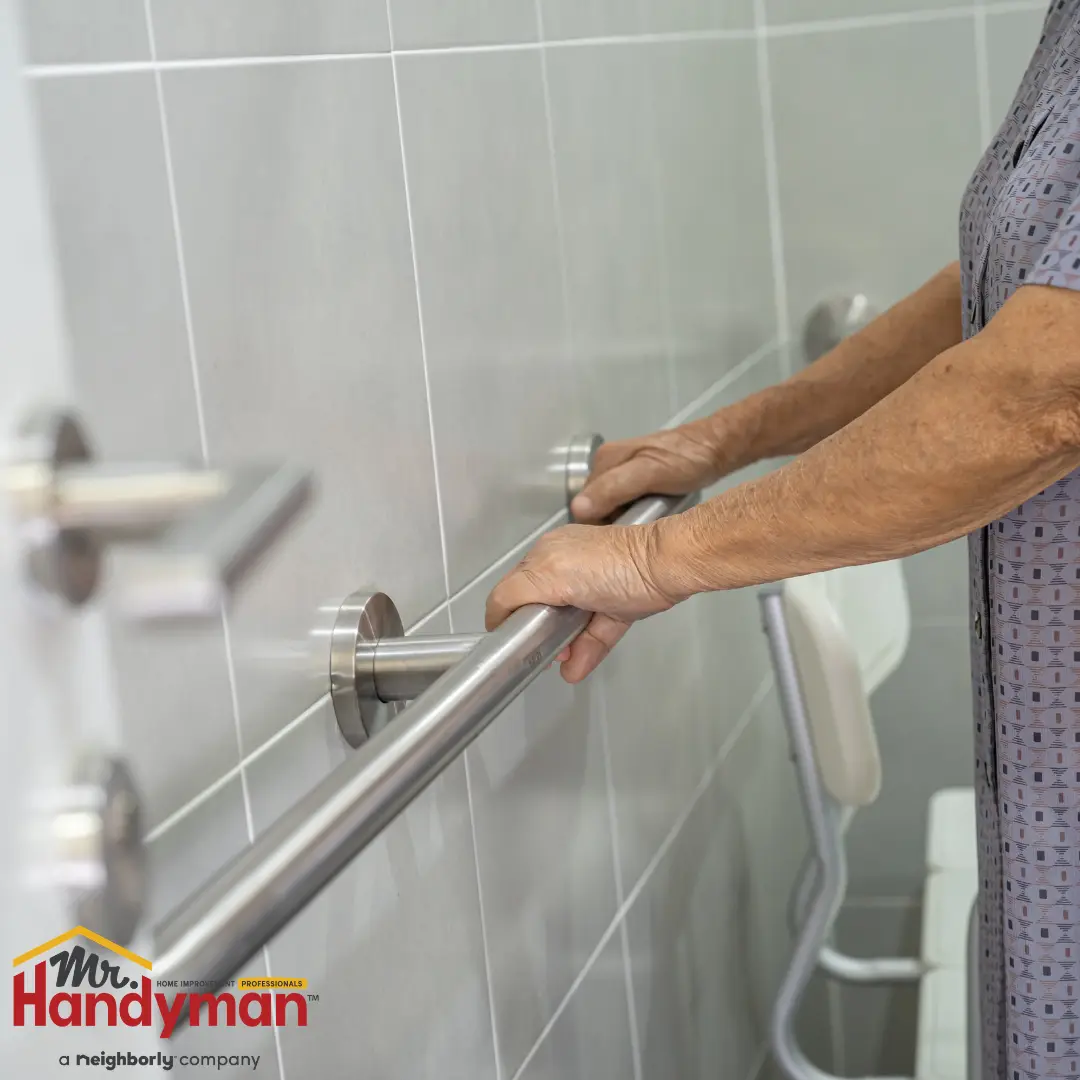
The decision to age in place reflects a deeply personal commitment to independence, familiar surroundings, and the community relationships that Greensburg, Monroeville, Murrysville, Penn Hills, Irwin, Latrobe, and the broader Pittsburgh east suburban and Westmoreland County communities create as the social fabric that long-term Western Pennsylvania residents have built through the decades those neighborhoods and communities have sustained them. The longtime Wilkinsburg and Homestead families whose deep roots in those established Pittsburgh east suburban neighborhoods span generations, the Greensburg and Jeannette households whose community relationships reflect decades of Westmoreland County residential investment, and the Penn Hills and Monroeville families whose established neighborhood connections and proximity to the Pittsburgh metropolitan area's healthcare, cultural, and family resources create the community attachments those households value all together create the aging-in-place motivation that the regional residential character and the long-established community relationships those households sustain as the home modification investment priority allowing those families to remain where they belong.
The Western Pennsylvania climate creates the aging-in-place context that specifically distinguishes the Pittsburgh east suburban and Westmoreland County home modification investment from comparable modifications in more moderate markets. The genuine freeze-thaw cycling and road salt season the regional winter delivers creates the exterior accessibility hazard that ice and snow accumulation on entry approaches, walkways, and steps creates for the aging household member navigating those outdoor positions through the genuinely long cold season. The extended Western Pennsylvania winter concentrating the household's full daily activity in interior spaces through five months of genuine cold amplifies the interior circulation, the stair navigation, and the bathroom accessibility demands those indoor concentration months create as the daily movement the aging household member's independence specifically requires. The Western Pennsylvania landscape's significant topographic variation creates the exterior grade change conditions that many Pittsburgh east suburban and Westmoreland County properties carry at entry approaches and walkway positions that aging-in-place ramp and pathway improvement investment specifically addresses.
The significant older housing stock across communities like Wilkinsburg, Penn Hills, Homestead, and Jeannette creates the specifically regional aging-in-place modification context that the pre-WWII and mid-century construction standards produced without the accessibility features current building standards incorporate. The narrow doorways that 1920s and 1930s craftsman bungalow construction commonly produced, the steep interior stairs that multi-story Pittsburgh east suburban homes of that era carry, and the standard-height toilets and tub-only bathroom configurations those construction decades created all represent the specifically older Western Pennsylvania housing stock's accessibility limitations that targeted modification investment most productively addresses for the aging household seeking to remain in those established community environments.
Bathroom Accessibility: The Most Consequential Investment
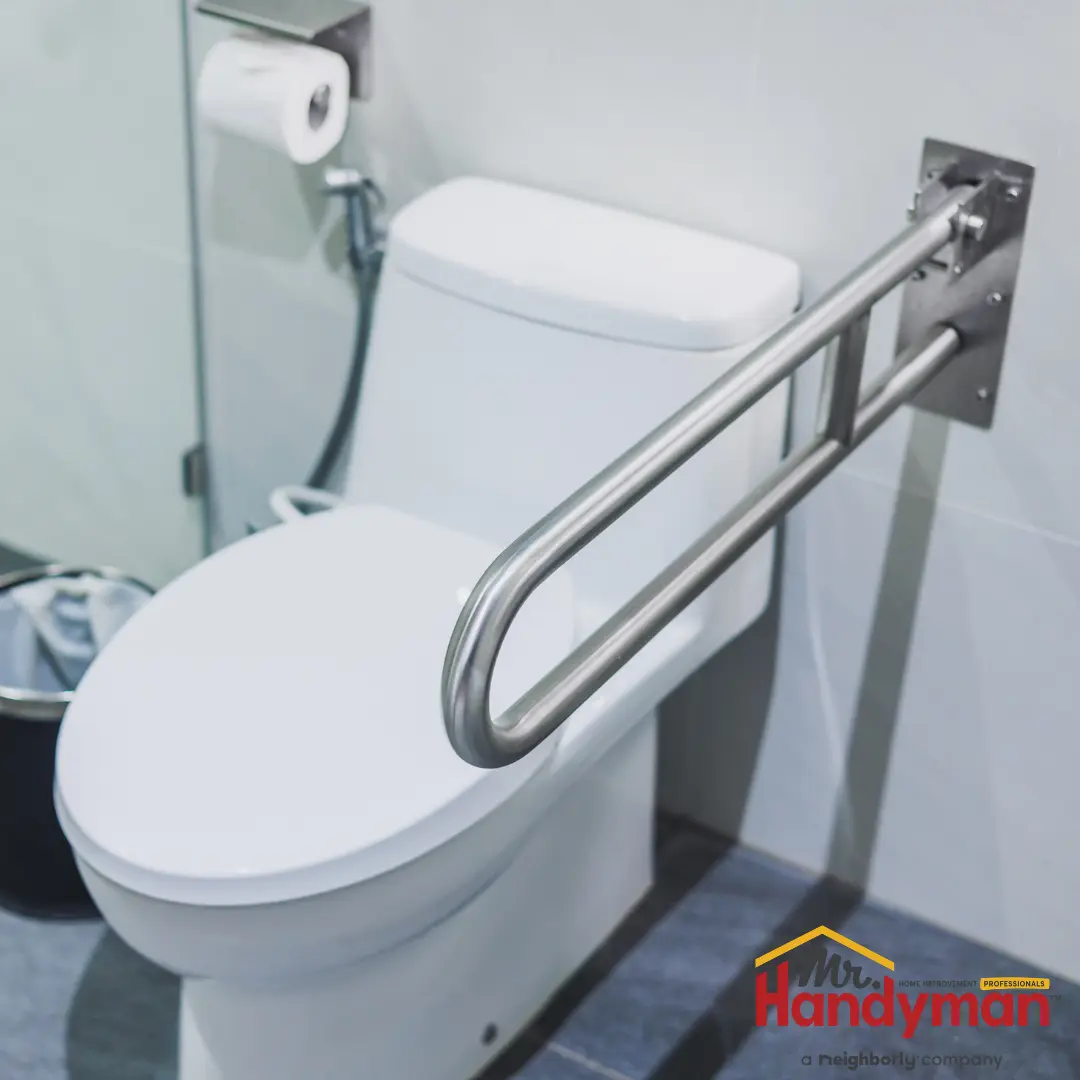
The bathroom represents the highest fall-risk environment in the Pittsburgh east suburban and Westmoreland County aging-in-place home because the combination of wet surfaces, the confined movement space, and the transition demands that tub entry, toilet use, and shower access create for the aging household member all converge in the bathroom environment the modification investment specifically converts from the fall-risk position its original configuration created into the safely accessible space adequate modification provides.
Grab bar installation at the toilet, the tub, the shower, and the transition positions between those bathroom elements delivers the most immediately consequential single aging-in-place modification the Pittsburgh east suburban and Westmoreland County bathroom presents. The grab bar installation confirming structural connection at wall stud or blocking positions rather than the drywall-only mounting inadequate installation creates the load-bearing capacity that emergency weight transfer during a fall prevention response requires. A grab bar pulling away from the wall during the balance recovery demand it was installed to support creates the fall acceleration it was intended to prevent, making the structural connection confirmation professional grab bar installation provides the most consequential installation quality distinction aging-in-place bathroom modification warrants throughout the Pittsburgh east suburban and Westmoreland County residential context.
The Monongahela River water's moderate mineral hardness advancing mineral scale on hardware surfaces between cleaning events warrants the brushed nickel or matte finish grab bar specifications that resist the mineral scale visibility that polished chrome alternatives communicate at those close-range daily-contact bathroom hardware positions between cleaning events. The brushed finish grab bar specification providing the Monongahela River water mineral scale resistance that daily-contact bathroom hardware positions specifically warrant in the Western Pennsylvania residential context delivers both the safety function and the maintenance advantage that adequate bathroom accessibility hardware specification provides.
Walk-in shower conversion from tub-only or combination configurations addresses the tub entry barrier representing the most significant single fall risk for the aging Pittsburgh east suburban and Westmoreland County household members. The curbless or low-threshold walk-in shower with the non-slip tile specification, the handheld showerhead providing flexible showering position capability, and the seating provision allowing seated showering when standing fatigue the aging household member's endurance creates all deliver the shower environment specifically safer for the aging-in-place household member in the Western Pennsylvania residential context. The frameless glass enclosure the Western Pennsylvania residential market rewards delivers the visual openness that enclosed shower stall configurations restrict while providing the water containment the walk-in shower position requires for the aging household member's daily showering independence.
Comfort height toilet installation addresses the seated-to-standing and standing-to-seated transition the standard toilet height creates as the repeated daily mobility challenge the aging household member's joint health and strength specifically struggle with through the extended Western Pennsylvania indoor season's concentrated interior use of those bathroom positions. The comfort height toilet at 17 to 19 inches reduces the transition demand and complements the grab bar installation at the adjacent wall positions that adequate bathroom accessibility modification incorporates alongside the toilet replacement in the Pittsburgh east suburban and Westmoreland County aging-in-place bathroom context.
Non-slip flooring installation in the bathroom positions the aging household member navigates daily addresses the wet floor fall risk that the smooth tile and vinyl flooring specifications older Pittsburgh east suburban and Westmoreland County homes commonly carry create at those bathroom positions. The textured tile, the slip-resistant vinyl, and the bath mat positioning all together address the wet floor fall risk those bathroom floor positions present to the aging household member throughout the daily hygiene routine those bathroom positions serve through the extended Western Pennsylvania indoor season.
Exterior Accessibility for the Western Pennsylvania Climate
The exterior accessibility modifications aging-in-place investment in Pittsburgh east suburban and Westmoreland County homes specifically warrants reflects the genuinely challenging Western Pennsylvania winter that the road salt season, the ice and snow accumulation on entry approaches and walkways, and the freeze-thaw cycling at exterior step and ramp surfaces create as the specifically regional exterior accessibility context those aging-in-place modifications must address for the aging household member navigating those outdoor positions through the extended cold season.
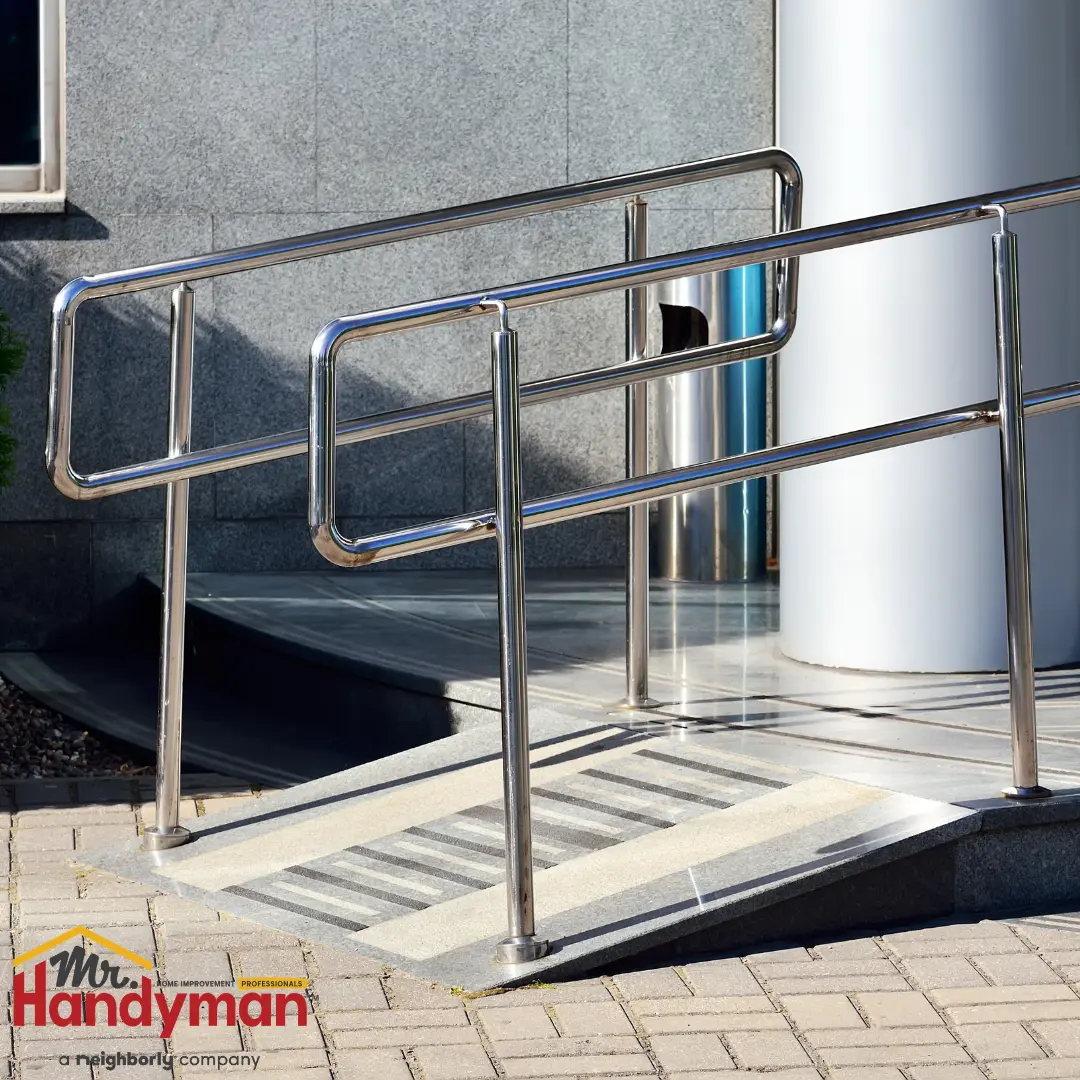
Ramp installation at entry positions where existing step or stair configurations create the approach barrier the aging household member's mobility challenges warrants the professional assessment confirming the ramp slope, the landing dimensions, the handrail specifications, and the surface texture specifications the ADA guidelines and the specifically Western Pennsylvania winter's ice and snow accumulation at those ramp surfaces both require. The non-slip surface texture specification resisting the ice formation and snow accumulation the Western Pennsylvania winter creates on inadequately specified outdoor ramp surfaces delivers the specifically regional exterior ramp safety requirement those Western Pennsylvania aging-in-place ramp installations warrant beyond what the ADA slope and handrail guidance without the winter ice and snow surface safety dimension the regional cold season creates at those exterior accessibility positions addresses.
The winter ice management consideration for exterior ramp and walkway accessibility in Western Pennsylvania homes warrants the heated mat installation, the calcium chloride ice management positioning, and the drainage grade specification that prevents ice formation in the specific exterior pathway positions the aging household member navigates during the genuinely long Western Pennsylvania cold season. The exterior ramp serving a Pittsburgh east suburban or Westmoreland County aging-in-place modification warrants the winter ice management planning that the regional cold season's genuine ice and snow accumulation at those exterior ramp surfaces specifically motivates beyond the temperate market's accessibility guidance without the Western Pennsylvania winter's ice management dimension.
Exterior handrail installation at every exterior step position the entry approach, the garage entry, and the property walkway positions the aging household member navigates warrants the graspable handrail profile, the mounting height, and the structural connection specifications that adequate exterior stair safety modification requires alongside the corrosion-resistant hardware specification the Western Pennsylvania road salt season's chemical contact at those exterior metal hardware positions motivates. The hot-dipped galvanized or powder-coated exterior handrail hardware specification resisting road salt chemical contact at those building envelope-adjacent positions delivers the structural connection durability that aging-in-place exterior stair safety warrants through multiple subsequent Western Pennsylvania winters without the corrosion the road salt season advances in inadequately specified exterior handrail hardware between the maintenance assessment events those positions warrant.
Exterior lighting enhancement at entry approach positions, at exterior step positions, and along the walkway between parking and the primary entry addresses the visibility the aging household member's reduced night vision requires at those exterior positions through the genuinely long Western Pennsylvania winter's early darkness. Motion-activated lighting confirming illumination at those exterior positions without the manual switch engagement the aging-in-place entry approach cannot always afford and pathway lighting maintaining consistent illumination along the walking surface between the parking position and the entry together address both the visibility dimension and the ice and snow hazard those outdoor surface positions present to the aging household member navigating those exterior positions during winter evening hours.
Interior Mobility Modifications
Lever door handle replacement throughout the aging-in-place home addresses the round knob hardware grip strength reduction, arthritis, and hand mobility limitations the aging process creates. The lever handle that the forearm or wrist can operate without the grip strength and wrist rotation round knob operation delivers the independent door passage the aging household member's daily movement specifically benefits from. The Monongahela River water mineral scale-resistant brushed or matte finish lever handle in the period-compatible profile for the Wilkinsburg craftsman bungalow or the Penn Hills mid-century ranch delivers both the functional independence those daily-contact door hardware positions require and the design compatibility the specific home's architectural character warrants in the Pittsburgh east suburban and Westmoreland County aging-in-place lever handle replacement context.
Widened doorway assessment evaluates whether existing doorway clearances throughout the Pittsburgh east suburban and Westmoreland County aging-in-place home provide the minimum 32-inch clear width that wheelchair and walker passage requires. The narrow doorways that pre-WWII Wilkinsburg craftsman and Homestead brick row house construction commonly produced present the most urgent doorway widening assessment needed in the specifically older Pittsburgh east suburban housing stock those aging-in-place modifications specifically address. The doorway widening framing and drywall modification provides the wheelchair or walker clearance the aging household member's independence requires without the whole-room renovation that adequate doorway clearance provides within the more targeted framing modification scope.
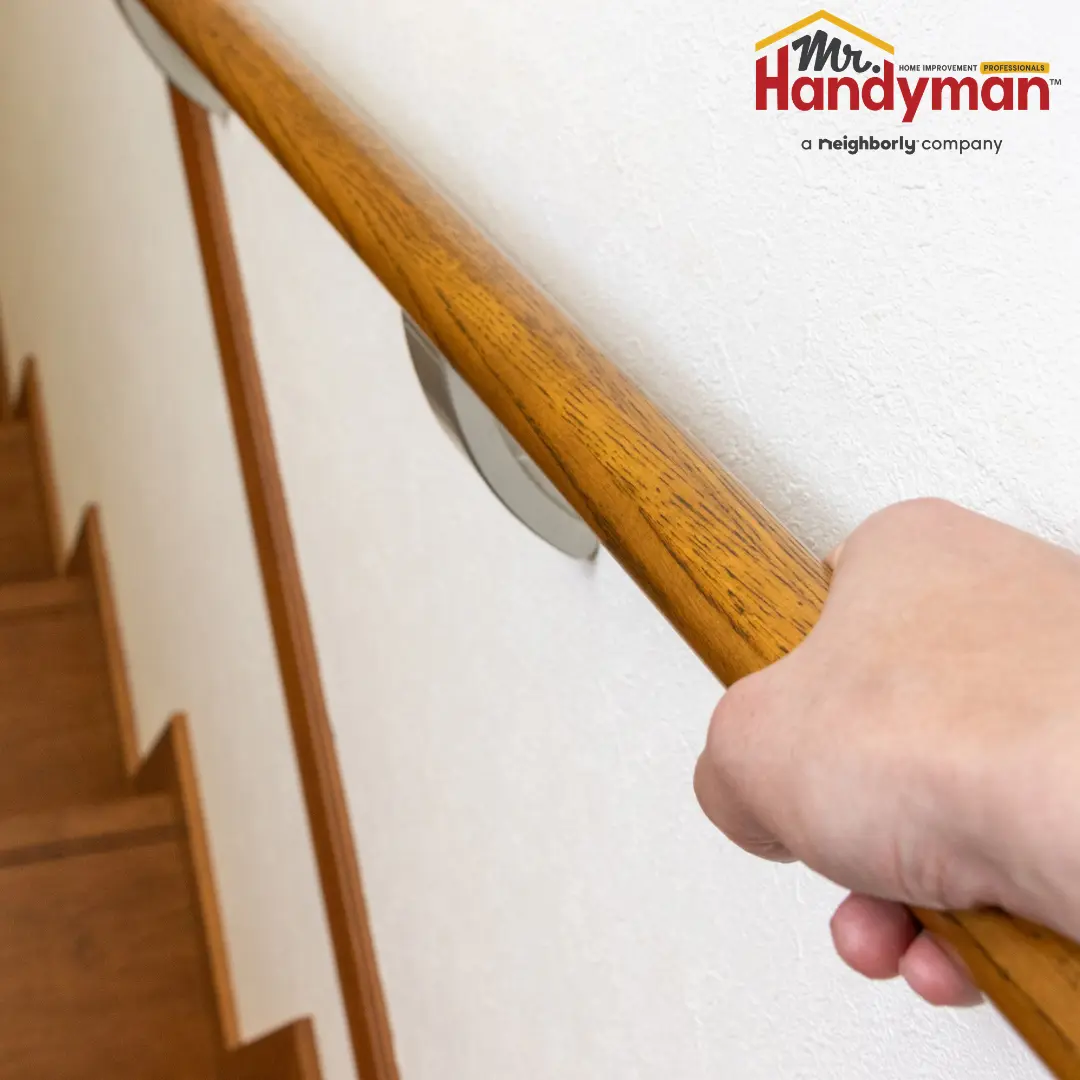
Handrail installation at every interior stairway the Pittsburgh east suburban home's multi-story floor plan requires the aging household member to navigate addresses the balance support stair ascent and descent demands. The graspable handrail providing continuous support from the top landing to the bottom landing at the graspable diameter and the mounting height ADA specifications establish delivers the stair navigation support professional handrail installation provides throughout the aging-in-place home's daily use. The multi-story Wilkinsburg craftsman bungalow and the Homestead brick row house whose steep interior stair configurations the construction standards those decades produced carry the most urgent interior handrail adequacy assessment needs among the Pittsburgh east suburban older housing stock those aging-in-place modifications specifically serve.
Threshold reduction at interior doorway transitions between rooms at different floor level heights the older Pittsburgh east suburban construction commonly created addresses the trip hazard those interior threshold positions present to the aging household member navigating those transitions during the extended Western Pennsylvania indoor season's daily circulation through those interior positions. The threshold reducer or the threshold removal and floor transition correction at those specific interior positions delivers the trip hazard reduction the aging household member's daily circulation through those interior doorway positions requires during the five months of primary indoor concentration the genuinely long Western Pennsylvania cold season creates in those aging-in-place household environments.
Frequently Asked Questions
What is the most important aging-in-place modification for a Pittsburgh east suburban and Westmoreland County home?
Grab bar installation in the bathroom with confirmed structural connection at wall stud or blocking positions delivers the most immediately consequential single modification because the bathroom represents the highest fall-risk environment and the grab bar at the toilet, tub, and shower positions specifically addresses that risk at the wet surface and confined movement space conditions daily use creates. The Monongahela River water mineral scale-resistant brushed or matte finish specification at those grab bar positions adds the specifically Western Pennsylvania maintenance advantage those bathroom hardware positions warrant in the regional water supply context.
How does the Western Pennsylvania winter specifically affect exterior aging-in-place modification priorities?
The genuine ice and snow accumulation the Western Pennsylvania cold season creates on exterior ramp surfaces, entry walkways, and exterior step positions, the road salt chemical contact at exterior handrail hardware advancing corrosion in inadequately specified exterior metal positions, and the early darkness the genuinely long Western Pennsylvania winter creates at exterior entry and pathway positions all together create the specifically regional exterior aging-in-place modification context that winter ice management planning, corrosion-resistant handrail hardware specification, and motion-activated exterior lighting together address in the Pittsburgh east suburban and Westmoreland County aging-in-place residential context.
How does the older Pittsburgh east suburban housing stock specifically affect aging-in-place modification scope?
The narrow doorways that pre-WWII Wilkinsburg craftsman and Homestead brick row house construction produced without the accessibility clearances current building standards incorporate, the steep interior stair configurations those multi-story homes commonly carry, the standard-height toilet and tub-only bathroom configurations those construction decades created, and the limited original closet inventory those modest footprint homes provided all represent the specifically older Western Pennsylvania housing stock's accessibility limitations that targeted doorway widening, interior stair handrail installation, comfort height toilet replacement, walk-in shower conversion, and bathroom grab bar installation together address for the aging household seeking independence in those established Pittsburgh east suburban community environments.
Should Pittsburgh east suburban and Westmoreland County aging-in-place modifications be phased over time?
Bathroom accessibility modifications addressing the immediate highest fall-risk environment warrant first phase priority. The specifically Western Pennsylvania exterior accessibility modifications addressing exterior ramp installation, corrosion-resistant handrail hardware, winter ice management planning, and motion-activated exterior lighting warrant second phase priority given the genuinely long cold season's exterior navigation demands. Interior mobility modifications including lever door handles, doorway clearance widening, interior handrails at every stairway position, and interior threshold reduction warrant third phase completion organized around the extended Western Pennsylvania indoor season's daily circulation through those interior positions the aging household member navigates independently.
What professional assessment should Pittsburgh east suburban and Westmoreland County homeowners seek before beginning aging-in-place modifications?
A certified aging-in-place specialist assessment incorporating both the standard mobility evaluation and the specifically Western Pennsylvania regional dimensions provides the planning foundation effective aging-in-place investment builds from. That assessment should specifically address the winter ice management requirements at exterior ramp and walkway positions, the corrosion-resistant hardware specifications the road salt season's chemical contact at exterior positions motivates, the period-compatible lever handle and grab bar finish selections the Wilkinsburg and Homestead historic neighborhood contexts warrant, the doorway clearance adequacy throughout the older Pittsburgh east suburban housing stock the assessment evaluates, and the interior stair handrail adequacy at every multi-story stair position those established Pittsburgh east suburban homes carry as the specifically regional aging-in-place modification scope that professional assessment most productively establishes before improvement investment proceeds.
Pittsburgh East Suburban and Westmoreland County Homes Prepared for Independence Through Every Season
The aging-in-place modifications that Greensburg, Monroeville, Murrysville, Penn Hills, Irwin, Latrobe, Wilkinsburg, and the surrounding Pittsburgh east suburban and Westmoreland County communities invest in delivering the independence, the safety, and the familiar community connection remaining in those Western Pennsylvania homes specifically provides through every season the regional annual calendar creates. Grab bars with Monongahela River water mineral scale-resistant brushed finish specifications at the bathroom positions daily use creates the fall risk those installations address. Walk-in shower conversions with non-slip tile specifications eliminating the tub step-over barrier aging mobility challenges. Exterior ramps with winter ice management planning and corrosion-resistant handrail hardware addressing the genuinely long Western Pennsylvania cold season's exterior navigation demands. Lever handles with period-compatible profiles sustaining independent interior circulation throughout the home's daily movement. Interior handrails at every stairway position the multi-story Pittsburgh east suburban floor plan requires navigating. Threshold reductions at interior doorway transitions addressing the trip hazard those positions present during the five-month indoor concentration. Each aging-in-place modification delivering its independence and safety return through every season the specifically Western Pennsylvania annual calendar creates as the genuinely demanding but deeply familiar regional environment those improvements equip the aging Pittsburgh east suburban and Westmoreland County household member to navigate safely and independently through the long cold months and the compressed but excellent warm seasons those communities create throughout the active regional calendar.
Mr. Handyman of Pittsburgh East Suburbs and Greensburg
Website: https://www.mrhandyman.com/pittsburgh-east-suburbs-greensburg/ Serving homeowners and businesses throughout Pittsburgh East Suburbs and Greensburg with dependable service and the expertise your home deserves.