
Why Breakrooms and Common Spaces Deserve the Same Attention as Customer Areas
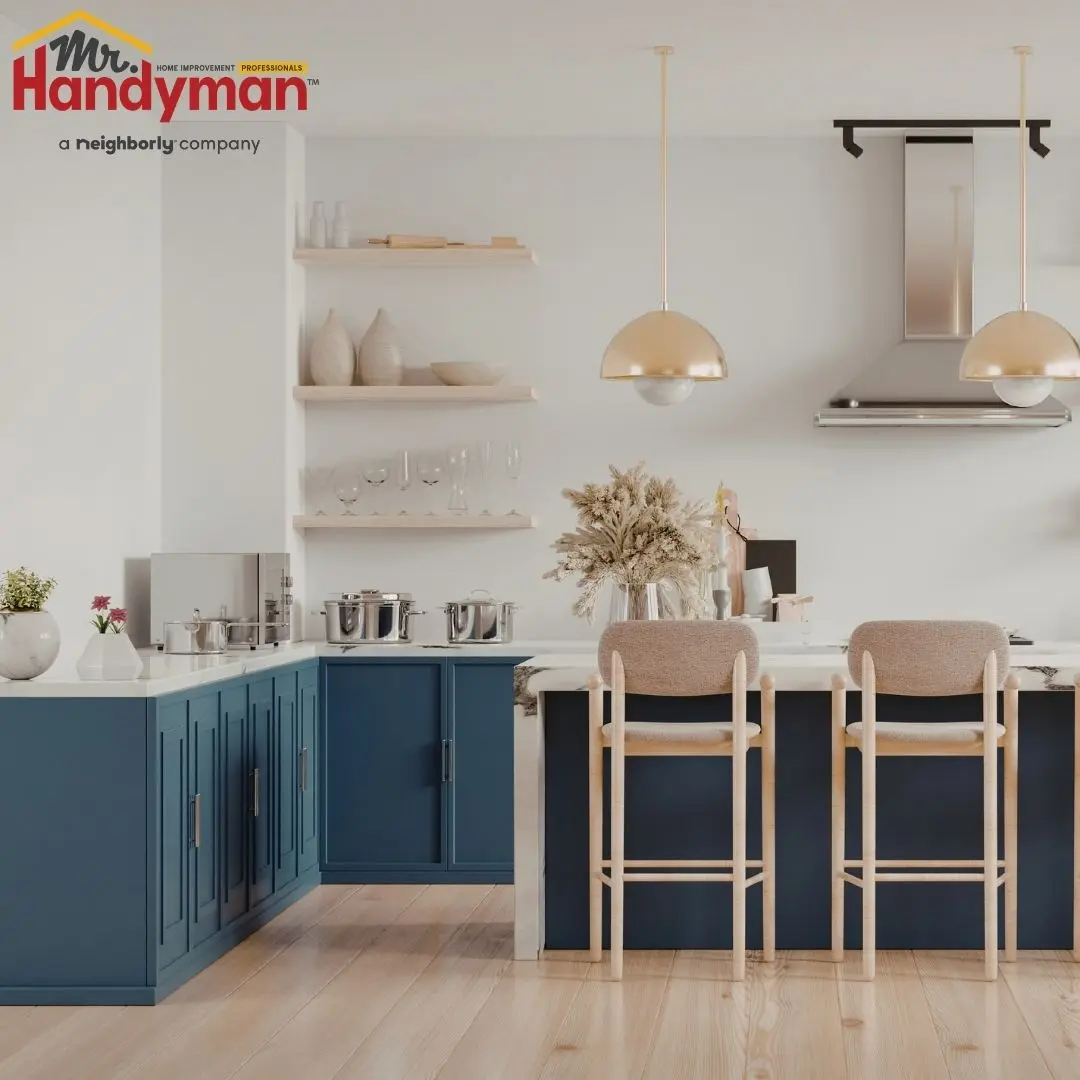
In most commercial properties, the spaces that customers never see receive the least maintenance attention. Breakrooms, staff lounges, shared workspaces, and employee common areas are treated as secondary priorities behind customer-facing areas, and the logic behind that prioritization is understandable. What customers see affects revenue directly. What employees see affects something less immediately measurable but no less consequential.
The condition of employee common spaces has a direct relationship with staff morale, productivity, and retention in ways that are increasingly well documented. Employees who work in facilities that are well-maintained, functionally equipped, and genuinely comfortable during breaks and transitions perform better and stay longer than those who work in facilities where the message communicated by the condition of staff spaces is that their comfort and experience are not a priority. In West Nashville, Belle Meade, and Clarksville's competitive labor market, where businesses across retail, hospitality, healthcare, and professional services compete for qualified staff, the physical environment of the workplace is a tangible differentiator in recruitment and retention.
Summer intensifies these dynamics in Middle Tennessee's commercial environment. Businesses that operate at peak capacity during summer months bring on additional seasonal staff, run existing staff at higher utilization rates, and depend more heavily on the operational efficiency that well-functioning common spaces support. A breakroom that barely served a regular staff complement becomes genuinely inadequate when summer brings expanded headcount and longer operating hours. Addressing the condition and functionality of staff common spaces before peak season begins is a practical investment in the operational performance of the business during its most demanding period.
The Breakroom as a Functional and Morale Asset
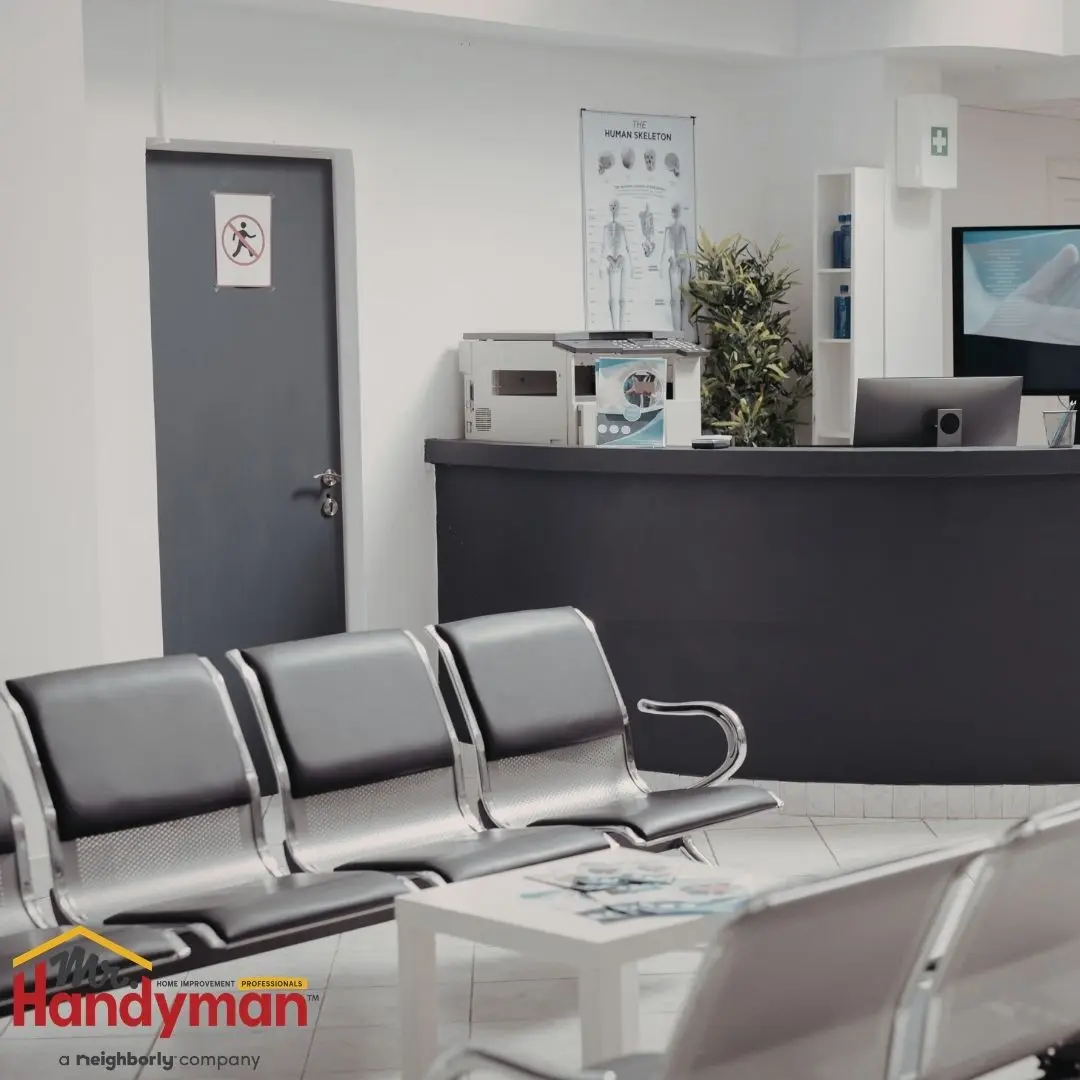
The commercial breakroom serves a specific operational purpose that its physical condition either supports or undermines. It is the space where employees decompress between demanding customer interactions, where they fuel themselves for the sustained physical and mental effort of peak season work, and where the social connections that contribute to team cohesion happen informally throughout the day. A breakroom that is clean, comfortable, properly equipped, and well-maintained facilitates all of these functions. One that is worn, poorly lit, inadequately ventilated, or functionally deficient undermines them.
The most common breakroom deficiencies in Middle Tennessee commercial properties are predictable and largely preventable. Inadequate seating for the number of staff using the space during peak hours creates a situation where some employees spend their break time standing or returning to the work floor earlier than necessary, which is neither restorative nor fair. Before summer staffing levels are reached, confirming that the breakroom's seating capacity matches the number of employees who will be using it simultaneously is a straightforward assessment with a straightforward remedy.
Surface condition in commercial breakrooms deteriorates faster than in other interior spaces because of the combination of food preparation, cleaning activity, and the volume of daily use that a staff common area experiences. Counter surfaces that are stained, chipped, or delaminating, wall surfaces that carry the accumulated marks of years of activity, and floor surfaces that have worn through their finish or developed stains that regular cleaning cannot address all communicate a level of neglect that affects how staff perceive the value their employer places on their experience.
Repainting breakroom walls before peak season, replacing or resurfacing damaged counter surfaces, and deep cleaning or refinishing floor surfaces that have reached the limit of routine maintenance transforms the feel of the space in a way that staff notice immediately and respond to positively. These are not expensive improvements relative to the other costs of operating a commercial business, and their impact on the daily experience of every employee who uses the space makes them among the highest-return investments in staff facility quality available.
Plumbing and Fixture Condition in Staff Common Areas
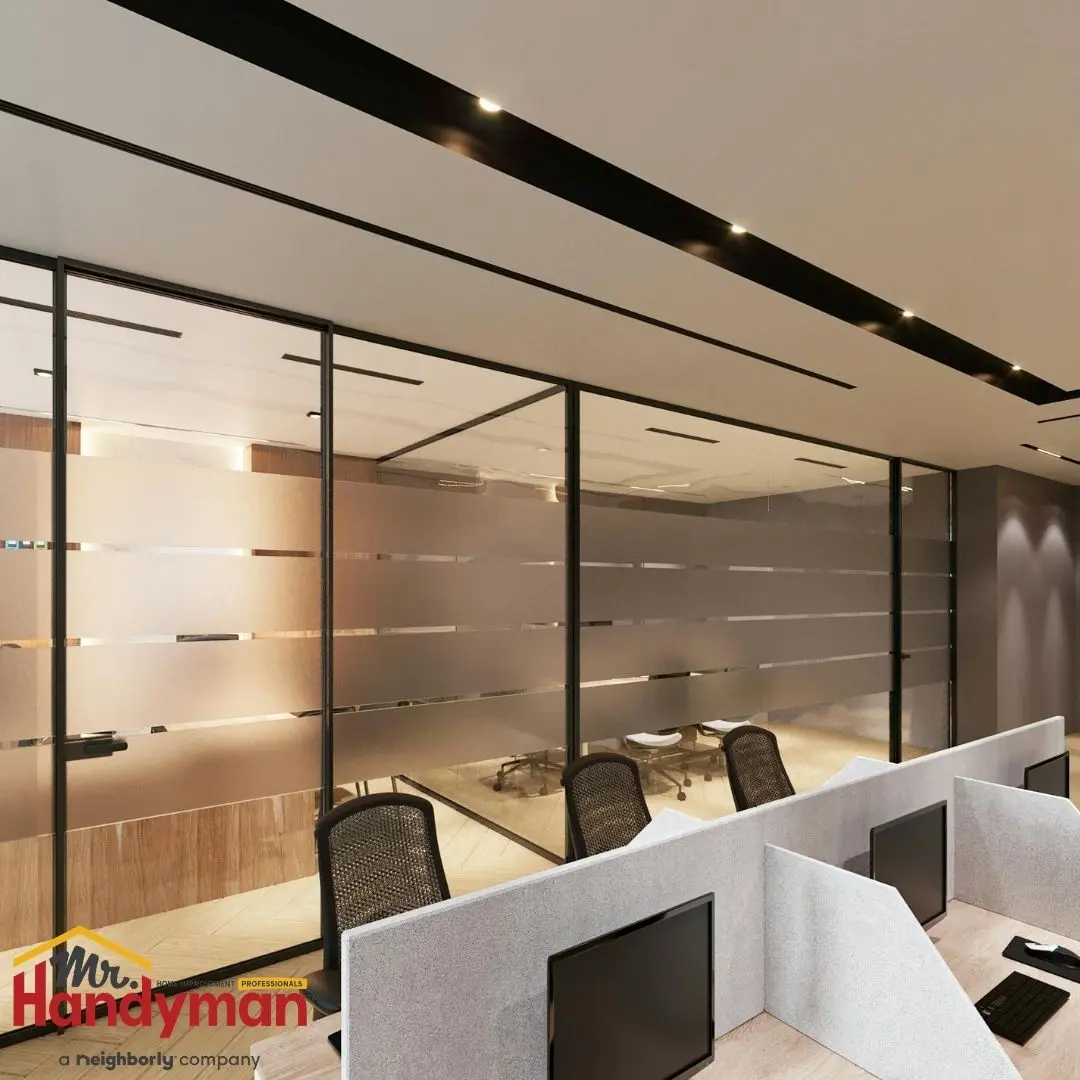
Breakroom plumbing receives heavy daily use from a population of users who are often moving quickly and who place practical demands on fixtures that casual use does not. A breakroom sink that handles dozens of daily cycles of dish washing, food preparation, and hand washing needs to be in reliable working condition throughout the peak season, not periodically failing and requiring workarounds that interrupt staff routines and create frustration.
Faucet condition in commercial breakrooms follows the same deterioration pattern discussed in previous blogs in this series, accelerated by the volume of use that staff common areas experience. A faucet that drips, delivers inconsistent temperature, or requires excessive force to operate is a daily irritant for every employee who uses it. Replacing worn faucets and checking the supply line and shutoff valve condition beneath the breakroom sink before summer staffing levels arrive eliminates a predictable source of staff frustration and prevents the water waste that a dripping faucet accumulates through a long peak season.
Refrigerator water line connections in breakrooms equipped with full-size refrigerators deserve the same attention discussed in the residential context earlier in this series. A water line that has been connected to the back of a commercial breakroom refrigerator and left in place for years without inspection is a supply connection that carries real leak risk, particularly in a space that is not monitored during non-business hours. Inspecting and replacing aging water line connections to breakroom refrigerators before peak season is a straightforward precaution that eliminates a common source of after-hours water damage.
Dishwasher connections and drain conditions in breakrooms with dishwashing equipment carry the same maintenance considerations as residential kitchen dishwashers at greater intensity. A commercial breakroom dishwasher that handles multiple daily cycles through a summer of peak operation depends on secure supply connections, clear drain lines, and properly functioning door seals to perform reliably without leaking or backing up. Including breakroom dishwasher connections in the pre-season plumbing inspection is a standard element of comprehensive breakroom readiness preparation.
Ventilation and Air Quality in High-Use Common Spaces
.webp)
Breakroom ventilation is a maintenance area that is consistently underestimated in commercial properties until it becomes a complaint or a code concern. The combination of cooking odors, food preparation activity, and the body heat of multiple people in a relatively confined space during a busy peak season creates an air quality environment that inadequate ventilation makes genuinely uncomfortable.
Exhaust fan performance in commercial breakrooms and staff kitchens deteriorates through the accumulation of grease and dust on fan blades, motor bearings that develop wear from continuous operation, and ductwork that accumulates deposits over years of use without cleaning. An exhaust fan that is running but not actually moving adequate air volume is providing the sound of ventilation without its function. Testing exhaust fan performance by holding a piece of tissue near the intake to confirm airflow, cleaning accessible fan components, and scheduling professional duct cleaning for systems that have not been serviced in several years brings ventilation back to functional effectiveness before the demands of summer use reveal its inadequacy.
In Middle Tennessee's humid summer climate, breakroom ventilation has an additional dimension beyond odor control. High indoor humidity in a space where food is prepared and refrigerators are opening and closing frequently creates conditions favorable to mold growth on wall and ceiling surfaces, particularly in breakrooms with limited natural ventilation. Confirming that the HVAC supply and return in the breakroom are properly balanced for the space, that exhaust ventilation is functioning correctly, and that there are no moisture infiltration points contributing to humidity in the space sets the breakroom up for a summer of peak use without developing the air quality problems that inadequate ventilation produces.
Microwave and cooking appliance ventilation is a specific concern in breakrooms where cooking activity is frequent and concentrated. A microwave installed without an overhead exhaust path or a countertop appliance positioned against a wall without clearance for heat dissipation creates localized heat and moisture conditions that affect adjacent wall and ceiling surfaces over time. Confirming that cooking appliances in the breakroom have appropriate clearances and that ventilation from these appliances is directed effectively is part of the comprehensive breakroom readiness assessment.
Lighting in Breakrooms and Common Spaces
Breakroom lighting affects both the functional quality of the space and the psychological experience of the employees who use it for rest and recovery during the workday. A breakroom with harsh, bright fluorescent lighting that replicates the intensity of the work floor does not provide the visual environment that supports genuine decompression during a break. A breakroom with warm, appropriately scaled lighting that feels different from the work environment signals to the brain that this is a different kind of space, which supports the restorative function that breaks are intended to serve.
Most commercial breakrooms in this region rely on ceiling-mounted fluorescent fixtures that were selected for functional adequacy rather than comfort or atmosphere. Upgrading these fixtures to LED panels with adjustable color temperature, or supplementing overhead lighting with lower-level lighting from wall-mounted fixtures or under-cabinet strips, creates a lighting environment in the breakroom that is both energy-efficient and more genuinely comfortable for staff during breaks.
Task lighting at breakroom counter areas where food preparation and dishwashing occur improves safety and efficiency in these work zones within the common space. Under-cabinet LED lighting at breakroom counter areas is the same improvement that delivers value in residential kitchens, and the case for it in commercial breakrooms where the counter area receives heavy daily use is equally strong.
Conference rooms and shared meeting spaces used by staff benefit from lighting that supports the range of activities that occur in these spaces throughout the day. A meeting room used for video calls, presentations, collaborative work, and individual focus work has different lighting needs at different times, and a dimming-capable LED system with the flexibility to adjust both intensity and color temperature serves all of these uses better than a fixed fluorescent installation. Upgrading conference room lighting before peak season brings new staff into a meeting environment that communicates quality and supports productive work.
Storage and Organization in Staff Common Areas
The organizational condition of staff common areas affects both the functional efficiency of the space and the daily frustration level of the employees who use it. A breakroom with inadequate storage forces employees to improvise, creating the cluttered, disorganized appearance that makes a space feel smaller and less pleasant than its physical dimensions warrant. A well-organized breakroom with appropriate storage for the items it needs to accommodate feels more spacious and functions more smoothly regardless of its actual square footage.
Adding shelving, cabinet storage, or a dedicated storage unit to a breakroom that currently lacks adequate storage is a straightforward improvement with immediate functional benefit. Open shelving above the counter area for frequently used items, closed cabinet storage for supplies and equipment that does not need to be immediately accessible, and a dedicated space for personal items that employees currently store on counters or in improvised locations brings organization to a space that may currently feel chaotic despite not being physically overcrowded.
Locker or cubby storage for employee personal belongings in businesses where staff do not have individual offices or dedicated workstations addresses a specific storage need that many commercial common spaces fail to meet adequately. Employees who have no secure, designated place for their personal items during the workday carry those items with them or leave them in the breakroom in ways that contribute to clutter and occasional conflict. A properly designed personal storage system appropriate to the number of staff and the nature of the operation eliminates this friction at a modest cost.
In businesses with high summer staffing levels, expanding storage and organizational systems before seasonal staff arrive prevents the gradual organizational breakdown that occurs when a system designed for regular staffing levels is asked to serve a significantly larger group. A breakroom storage system that works adequately for twelve regular employees may be genuinely inadequate for the eighteen or twenty people using it during peak season without modifications that accommodate the expanded headcount.
Restroom Facilities for Staff: The Maintenance Standard That Reflects Management Values
Staff restrooms in commercial properties occupy a unique position in the facility maintenance hierarchy. They are not customer-facing, so they do not carry the direct customer experience implications that customer restrooms do. But they are the restrooms that employees use every day, and their condition communicates directly to staff how much the management values the people who work for the business.
A staff restroom that is maintained to a lower standard than customer restrooms creates a visible disparity that employees notice and discuss. In businesses where staff morale and retention are operational priorities, the physical evidence that customer comfort is valued more than employee comfort is a message that lands differently than management intends. Maintaining staff restrooms to the same standard as customer restrooms, or as close to it as the facility configuration allows, is a straightforward expression of the values the business wants to communicate to its team.
Fixture condition, ventilation, lighting, surface maintenance, and supply adequacy in staff restrooms all deserve the same assessment attention that customer restrooms receive. A staff restroom with a running toilet that has been ignored for months, inadequate lighting, deteriorated caulking at the sink, or supplies that routinely run out before restocking occurs is a maintenance deficit that is felt every day by the employees who use the space. Addressing these items before peak season brings the staff restroom to a standard that reflects well on the property management and the business it serves.
Outdoor Staff Areas: Break Spaces That Middle Tennessee Summers Make Relevant
Many commercial properties in West Nashville, Belle Meade, and Clarksville have or could have outdoor spaces that serve as staff break areas during the warmer months. Middle Tennessee's summer weather, while hot, includes periods of genuinely pleasant outdoor conditions, particularly in the morning and evening hours, when an outdoor break space provides a genuine change of environment that an indoor breakroom cannot.
An outdoor staff break area that is functional and inviting requires the same maintenance attention as interior common spaces. Seating that has weathered through multiple outdoor seasons without refinishing or replacement, shade structures that are faded, torn, or structurally compromised, and surface conditions that create trip hazards or standing water issues all detract from the usability of the space in ways that preventative maintenance addresses straightforwardly.
Adding or improving shade coverage over an outdoor staff break area before summer is one of the most practical improvements available for businesses where staff would benefit from an outdoor option but the existing space is too exposed to summer sun to be comfortable. Pergola structures, shade sails, or extended roof overhangs that provide meaningful shade over a seating area transform an outdoor space that nobody uses into one that genuinely serves staff well during the morning and evening breaks of a long summer operating day.
Exterior lighting for outdoor staff areas that are used during early morning or evening hours, which is common in hospitality and retail operations that run extended summer hours, makes those spaces safe and functional rather than dark and avoided. A simple exterior fixture addition or upgrade that properly illuminates an outdoor staff area is a modest project with immediate practical benefit for the employees who use it.
Frequently Asked Questions
How do I determine the right breakroom capacity for my peak season staffing level?
Calculate the maximum number of employees who will be on break simultaneously during peak operating hours, accounting for staggered break schedules if they apply. The breakroom should comfortably seat that number at minimum, with additional standing or informal seating providing buffer capacity. If the existing breakroom cannot accommodate peak season simultaneous users, adding seating, reconfiguring the layout to improve capacity, or designating an additional overflow common space before peak season begins prevents the crowding that creates daily friction.
What is the most impactful single improvement for a commercial breakroom before peak season?
Repainting the walls and deep cleaning or refinishing the floor delivers the most immediate and broadly felt improvement for the investment involved. These two changes transform the feel of the space for every employee who uses it every day and communicate a level of care for staff facilities that more targeted improvements do not convey as broadly. Combining a fresh repaint with updated lighting extends the impact significantly.
Should breakroom appliances be serviced before peak season?
Yes. Refrigerators, microwaves, coffee machines, and any other shared appliances in the breakroom that will see significantly increased use during peak season benefit from a pre-season check. Refrigerator coil cleaning, microwave interior cleaning and door seal inspection, and confirming that coffee equipment is functioning correctly before the volume of peak season use reveals a failure are all worthwhile pre-season activities.
How do I address ventilation problems in a breakroom without major construction?
Portable air purifiers with HEPA filtration improve air quality in breakrooms with inadequate ventilation and are an immediate solution while more permanent ventilation improvements are planned. Ensuring that the existing exhaust fan is clean and functioning at its rated capacity addresses the most common cause of breakroom ventilation inadequacy. If the HVAC supply and return in the breakroom are significantly out of balance, a mechanical contractor can adjust damper settings to improve airflow distribution without major construction.
Is outdoor staff break space a reasonable investment for a commercial property in Middle Tennessee?
For businesses with ten or more employees who benefit from an outdoor break option, a basic outdoor staff area with adequate shade, seating, and lighting is a reasonable investment that pays back through staff morale and retention benefits throughout the summer season and beyond. The cost of a modest outdoor break area is typically lower than the cost of replacing a single experienced employee whose departure is influenced in part by the quality of the work environment.
Can breakroom and common space improvements be handled by a commercial handyman or do they require specialized contractors?
The majority of breakroom and common space improvements discussed in this article fall comfortably within the scope of a skilled commercial handyman service. Painting, flooring repair and refinishing, plumbing fixture replacement, lighting upgrades, shelving and storage installation, and outdoor space improvements including shade structure installation and exterior lighting are all standard commercial handyman capabilities. Specialized mechanical work involving HVAC balancing or significant ductwork modification requires a mechanical contractor, but the broader scope of common space improvement work is well served by a reliable commercial handyman relationship.
Invest in the Spaces Where Your Team Spends Their Day
The condition of your breakrooms and common spaces is a direct expression of how your business values the people who make it run. Bringing these spaces to a standard that supports genuine comfort and efficiency before peak season begins sets your team up for a summer of productive, motivated work. The team at Mr. Handyman of West Nashville, Belle Meade, and Clarksville brings the commercial maintenance expertise to handle every aspect of common space preparation before your peak season arrives.
Call us or visit www.mrhandyman.com/nashville-west-south-central to schedule your commercial service. We work around your business schedule, arrive on time, and back everything we do with the Neighborly Done Right Promise.