Why the First Ten Feet of Your Business Define Everything That Follows
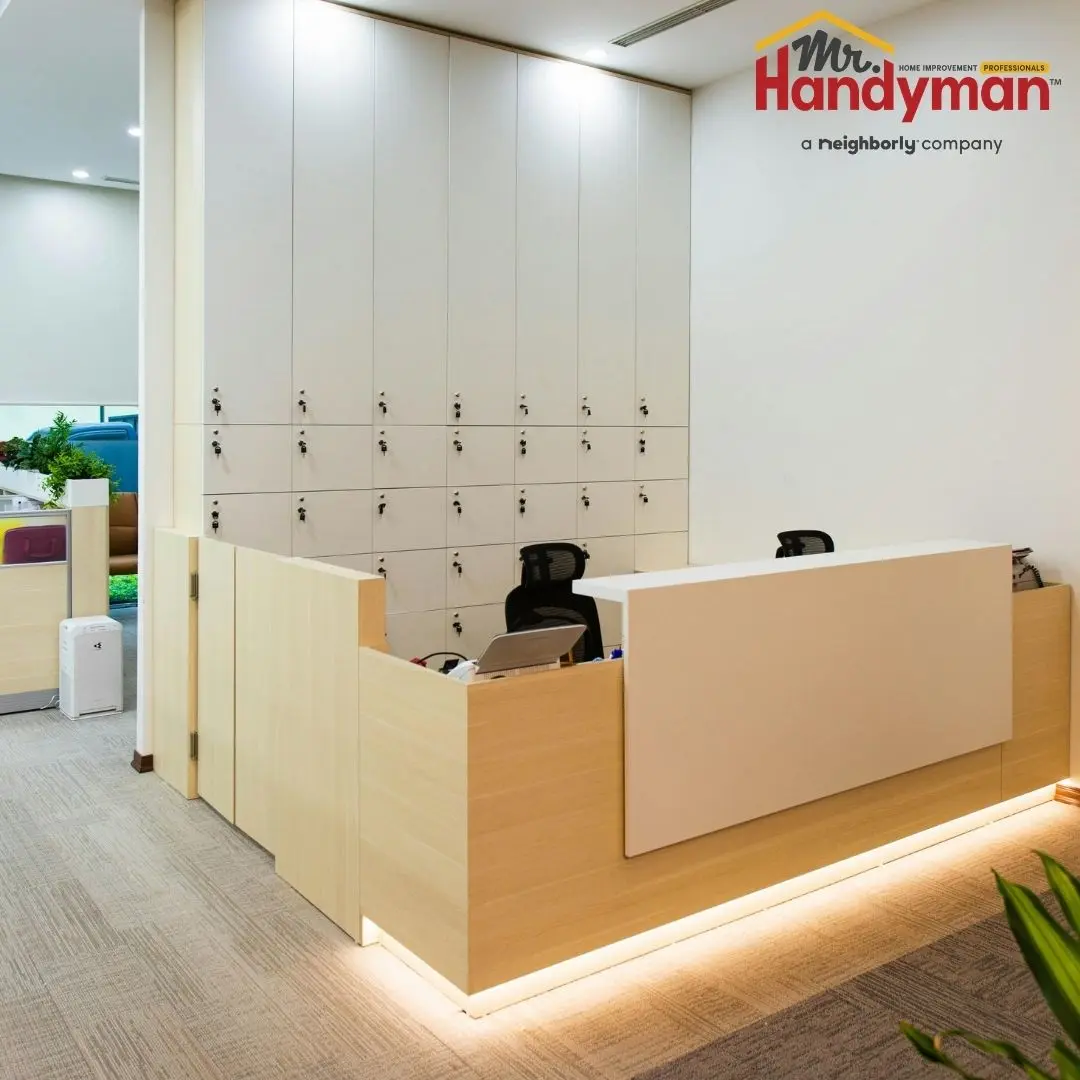
There is a moment that every customer experiences when they walk into a business for the first time. It lasts only a few seconds, but the impression it creates is remarkably durable. The condition of the floor underfoot, the quality of the lighting overhead, the state of the walls and surfaces within immediate sight, and the overall sense of whether the space is cared for all register simultaneously and combine into a judgment that shapes every interaction that follows. In West Nashville, Belle Meade, and Clarksville's competitive commercial environment, that judgment happens whether the business owner is aware of it or not.
What makes this particularly important is that most business owners and property managers stop noticing the condition of their own entryways and customer areas over time. Familiarity creates a kind of visual blindness to gradual deterioration that customers, who are seeing the space fresh, do not share. A scuff mark on the wall beside the entrance that appeared three months ago and was never addressed, a floor transition strip that lifted slightly and was walked past daily without action, or a light fixture that has been producing a flicker for weeks without a replacement all register clearly to a first-time visitor while remaining invisible to the people who work there every day.
This gap between what the business sees and what the customer sees is one of the most consequential maintenance blind spots in commercial property management. Closing it requires a deliberate, systematic approach to entryway and customer area maintenance that treats these spaces with the same priority that the core business operation receives. In Middle Tennessee's service-oriented commercial market, where customer expectations are high and competition for loyalty is constant, the condition of customer-facing spaces is not a secondary concern. It is a direct contributor to business performance.
The Entryway as a Business Asset
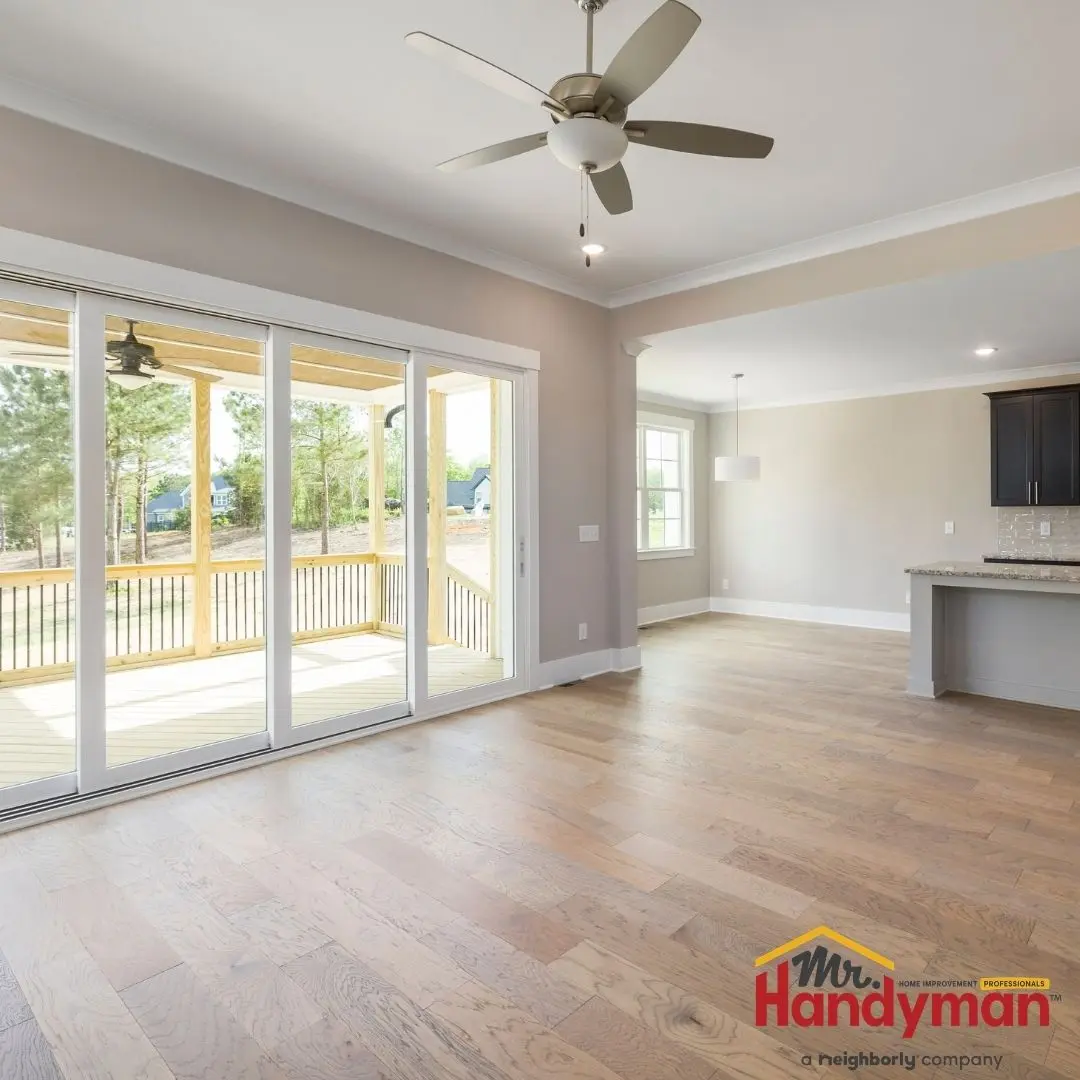
Most business owners think of the entryway as a transitional space, something to pass through on the way to where the real business happens. That framing undervalues what the entryway actually does. It is the first branded environment a customer enters, the last thing they pass through on the way out, and the space that sets the emotional tone for every moment in between.
An entryway that is clean, well-lit, thoughtfully maintained, and appropriate to the character of the business communicates competence and care before a single word is spoken or a single product is seen. It tells the customer that the people running this business pay attention to details, that they value the experience of the people who come through their doors, and that the standards they apply to their customer-facing spaces are likely to be the same standards they apply to everything else they do.
An entryway that is dirty, poorly lit, worn, or visually inconsistent communicates the opposite just as effectively. It tells the customer that maintenance is deferred here, that the details do not receive consistent attention, and that the gap between what the business presents publicly and what it actually delivers may be wider than it appears. In retail, hospitality, and service businesses throughout West Nashville and Clarksville where customers have abundant alternatives, that impression is often the last one the business gets to make.
The business case for investing in entryway condition is not abstract. It is the direct relationship between how a space looks and how customers behave within it, how long they stay, how much they spend, and whether they return and bring others with them.
Flooring in Customer Areas: The Surface That Speaks Loudest
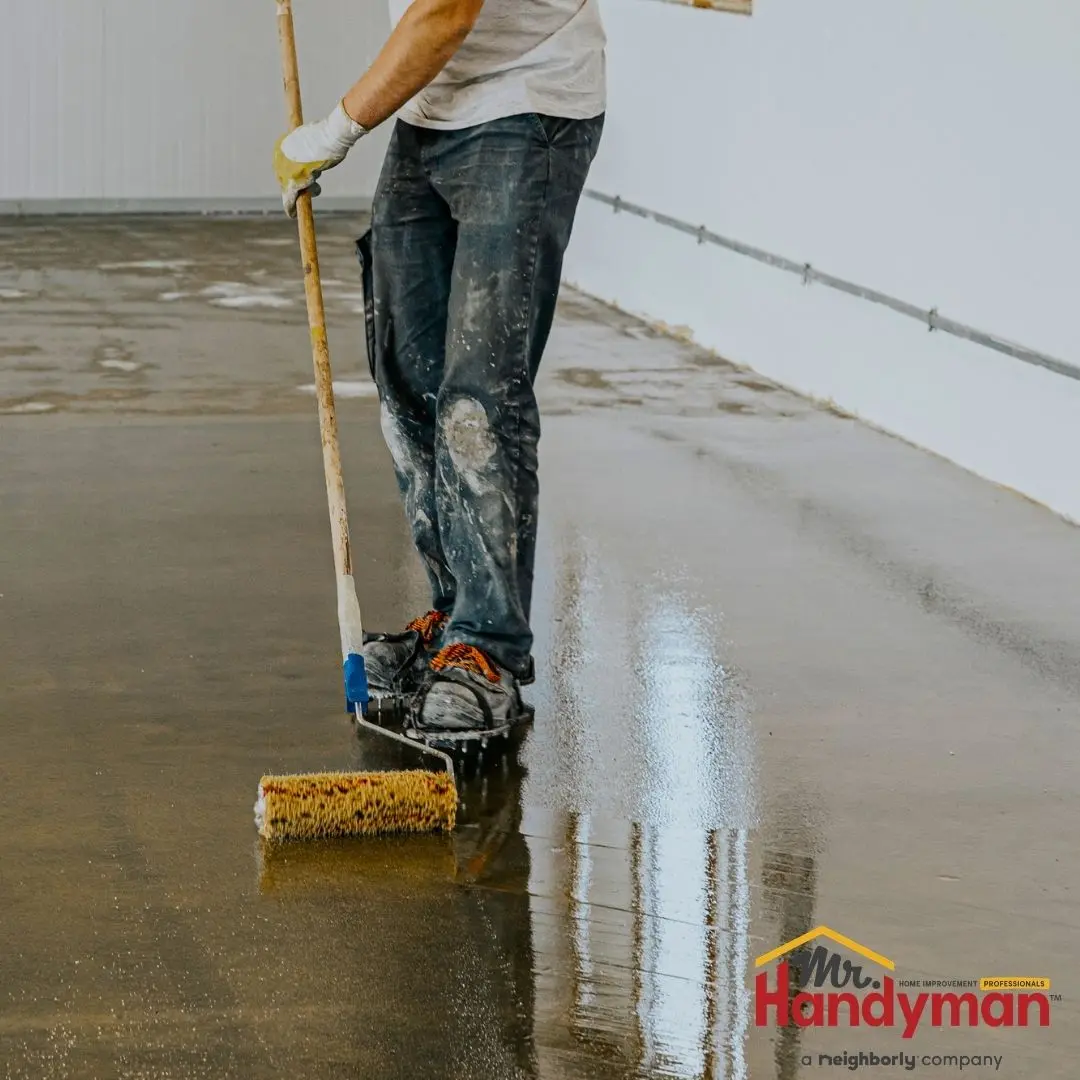
The floor of a commercial entryway and customer area is the surface that receives the most direct punishment and the one that communicates the most clearly about how the property is maintained. It receives the full weight of every footfall, the tracked-in moisture and debris of Middle Tennessee's varied seasonal weather, the scuffing of furniture and equipment, and the accumulated traffic of a busy commercial operation over years of daily use.
Entrance matting is the first line of defense in any commercial entryway and one of the most frequently underinvested components of commercial floor maintenance. A quality entrance mat system that captures moisture and debris from incoming foot traffic before it reaches the main floor surface reduces slip hazards at the entrance, extends the service life of the flooring material beyond the mat area, and reduces cleaning demands throughout the customer area. In Middle Tennessee's summer thunderstorm season, when customers arriving during or after rain events bring significant moisture into the building, entrance matting that is undersized, worn, or saturated provides none of these benefits.
Commercial entrance mats should extend far enough into the entry that multiple steps are taken on the mat before reaching the main floor surface. The standard guidance of at least six feet of mat coverage in the direction of travel is the minimum for meaningful moisture and debris capture. In high-traffic commercial entries that serve customers during all weather conditions, a mat system with both a scraper section at the exterior and an absorbent section at the interior provides the most comprehensive protection.
Hard surface flooring in commercial customer areas, including tile, luxury vinyl, and hardwood, requires maintenance attention that goes beyond regular cleaning. Grout lines in tile that have darkened or deteriorated, vinyl plank seams that have lifted or separated, and hardwood surfaces that have worn through their finish in high-traffic areas are all conditions that affect both safety and appearance. Addressing these conditions promptly rather than deferring them prevents the progressive deterioration that turns a manageable repair into a full replacement project.
Transitions between flooring materials in commercial customer areas, including the strips and thresholds that bridge the gap between different surfaces or between interior and exterior floors, are among the most common sources of trip hazards in commercial environments. A transition strip that has lifted, shifted, or been damaged by cart traffic creates a raised edge that catches toe traffic in a way that flat flooring never does. Inspecting and repairing or replacing damaged transition strips is a straightforward maintenance task that eliminates one of the most common causes of customer injury in commercial settings.
Walls and Surfaces: The Background That Customers Notice When It Is Wrong
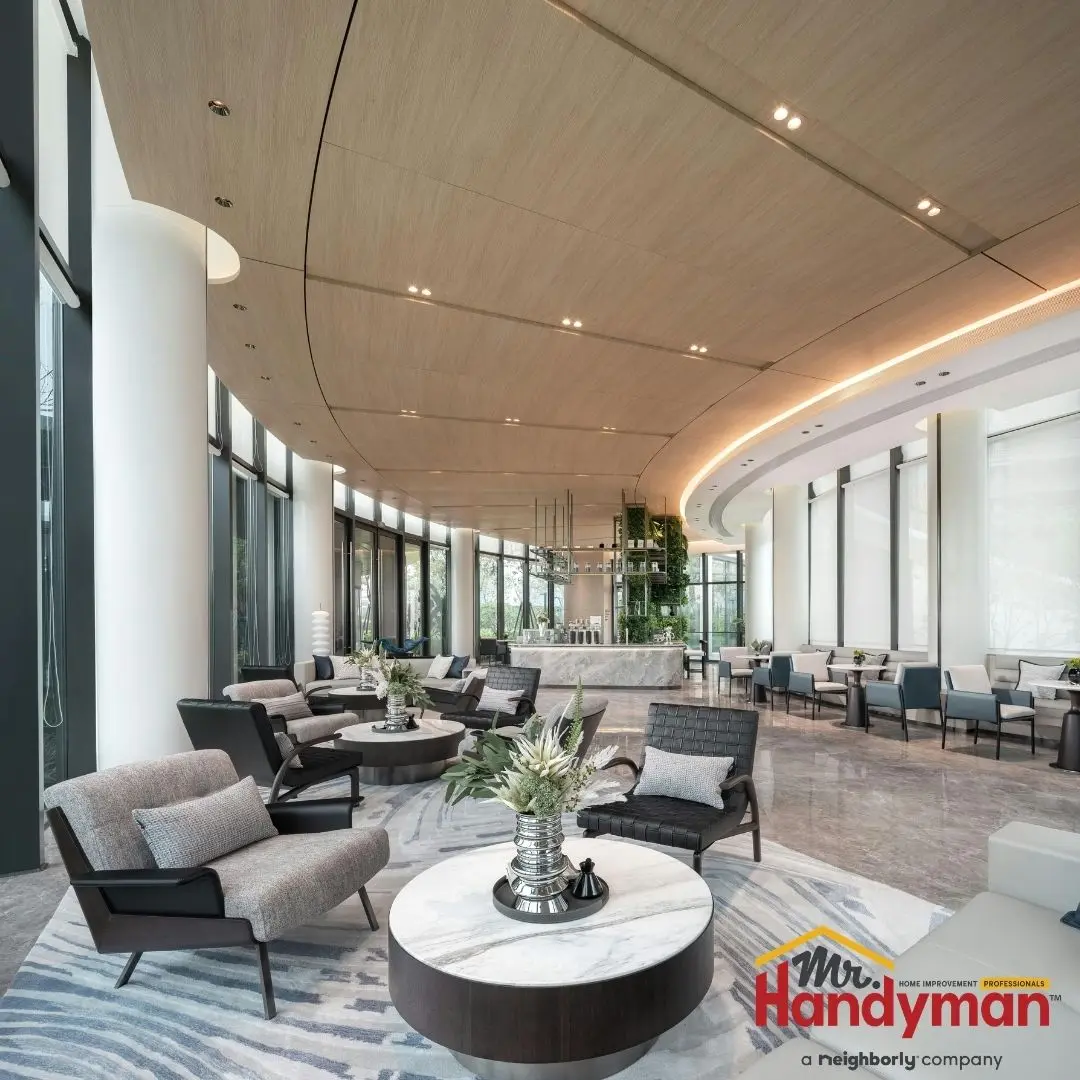
The walls and surfaces of a commercial entryway and customer area operate as background in the customer's experience. When they are in good condition, they are invisible, serving as a neutral backdrop against which the business's products, services, and people are the focus. When they are not in good condition, they move from background to foreground, drawing attention to themselves in a way that competes with everything the business is trying to communicate.
Wall scuffs, gouges, and impact damage in commercial customer areas accumulate through the normal use of the space, from door handles that swing into walls, from carts and equipment that clip corners, from the general contact that comes with heavy daily traffic in a relatively confined space. In a residential setting these marks are tolerated between painting cycles that happen every few years. In a commercial customer area that serves the public daily, allowing this kind of damage to accumulate without regular touch-up maintenance creates a visual decline that compounds over time.
Touch-up painting in commercial customer areas is not an annual or biannual project. It is an ongoing maintenance activity that keeps walls looking consistently well-maintained rather than cycling between fresh and deteriorated. Keeping a supply of the correct paint colors on hand for each customer area and addressing damage promptly when it occurs is standard practice in well-managed commercial properties and one that makes a visible difference in the sustained appearance of the space.
Corner bead damage is particularly common in commercial entryways where the corners of walls take repeated impact from cart traffic, furniture movement, and the general activity of a busy customer space. A drywall corner that has been struck and dented or has lost its protective bead creates both a visual deficiency and a surface that collects further damage more readily than an intact corner. Repairing damaged corner beads and refinishing affected surfaces restores the clean, sharp lines that distinguish a well-maintained commercial interior from one that shows its age.
Ceiling condition in commercial customer areas is easy to overlook because it requires looking up, and most people do not look up in commercial spaces unless something draws their attention there. But customers notice stained ceiling tiles, water marks on drywall ceilings, and lighting fixtures that are dirty, damaged, or obviously mismatched with their surroundings. Ceiling tile replacement in commercial spaces that use suspended grid systems is one of the most cost-effective visual improvements available, and addressing stained or damaged tiles before they become a pattern of neglect that spreads across a ceiling grid is straightforward preventative maintenance.
Lighting: The Element That Affects Everything Else
Lighting in commercial customer areas does more work than any other single element. It affects how products look on shelves and in display cases. It affects how colors read on walls, floors, and merchandise. It affects how welcoming the space feels to incoming customers and how comfortable it is for people spending time within it. And it affects safety, from the basic function of allowing people to navigate the space without hazard to the more nuanced role of illuminating potential trip hazards and transition points that customers need to see clearly.
Commercial spaces in West Nashville, Belle Meade, and Clarksville that still rely on older fluorescent tube lighting in customer areas are operating at a disadvantage relative to competitors who have upgraded to LED systems. The color quality of older fluorescent lighting, particularly as tubes age and their color rendering declines, makes merchandise look less appealing, makes spaces feel institutional rather than inviting, and creates a visual environment that works against the impression most businesses want to make. The flicker that develops in aging fluorescent fixtures is a particular irritant that customers notice and respond to negatively even when they cannot specifically identify what is bothering them.
LED upgrades in commercial customer areas deliver improvements across every dimension of lighting performance simultaneously. Light quality improves immediately and remains consistent throughout the fixture's service life rather than declining as fluorescent tubes do. Energy consumption drops significantly, reducing operating costs in a measurable way that compounds over years of operation. Maintenance demands decrease because LED fixtures have service lives that are several times longer than fluorescent tubes, eliminating the frequent relamping cycles that fluorescent systems require. And the heat output of LED fixtures is dramatically lower than fluorescent or incandescent alternatives, reducing cooling loads in customer areas during Middle Tennessee's long summer season.
Dimming capability in commercial customer areas, which is straightforward to incorporate in LED lighting systems and difficult to achieve with standard fluorescent systems, allows the lighting environment to be adjusted for different times of day, different events, and different operational needs. A retail space that is brightly lit during regular shopping hours and transitioned to a warmer, more intimate lighting level for an evening event is using lighting as an active business tool rather than simply as a utility.
Restrooms Adjacent to Customer Areas: The Reflection That Cannot Be Hidden
Commercial restrooms in customer-facing businesses are an extension of the customer experience rather than a separate facility, and their condition reflects on the business in ways that are disproportionate to the physical size of the space. A customer who uses a business's restroom and finds it clean, well-maintained, and properly equipped carries that positive impression back into the main customer area and into their overall evaluation of the business. One who finds a restroom with dripping faucets, inadequate lighting, deteriorated surfaces, or an obvious maintenance deficit carries the opposite impression, and it colors everything else about their experience.
The specific maintenance items that most commonly fall short in commercial restrooms adjacent to customer areas are consistent across the region. Faucet and fixture performance, as discussed in the previous blog in this series, is the most frequently reported customer concern. Inadequate or harsh lighting that makes the restroom feel unpleasant is a close second. Caulking and grout condition at sinks, floors, and wall tile, which deteriorates through the moisture exposure and cleaning activity that commercial restrooms experience, is a maintenance area that requires regular attention to prevent the visual decline that customers interpret as poor hygiene management.
Restroom accessories, including soap dispensers, paper towel or hand dryer units, toilet paper holders, and trash receptacles, should be in good repair and appropriate to the character of the business. A hospitality business or upscale retail operation in Belle Meade with worn, mismatched, or builder-grade restroom accessories is presenting an inconsistency between its main customer area and its restroom that customers notice. Upgrading restroom accessories to a consistent, quality standard appropriate to the business level is a modest investment with a noticeable impact on the overall restroom impression.
Signage and Wayfinding: The Communication System That Customers Depend On
Interior signage in commercial customer areas serves both a functional and a branding purpose. Functionally, it directs customers to the products, services, departments, and facilities they are looking for. From a branding standpoint, it communicates the visual identity and character of the business in a way that customers absorb continuously during their time in the space.
Signage that is faded, damaged, incorrectly mounted, or simply outdated fails both functions. It creates the navigation confusion that frustrates customers and extends the time they spend searching for what they need. And it communicates a visual inconsistency that conflicts with whatever brand standards the business has established for its other customer-facing materials.
Wayfinding signage for restrooms, exits, fitting rooms, customer service areas, and other key destinations should be clearly legible, properly illuminated, and consistently formatted throughout the customer area. A business that has updated its interior design or branding without updating its signage creates a dissonance that attentive customers notice. Bringing signage into alignment with current brand standards and ensuring that wayfinding information is accurate and clearly communicated is a maintenance item that is easy to defer and consequential when it is.
ADA-compliant signage requirements in commercial customer areas include specific standards for mounting height, tactile characters, Braille, and contrast that apply to permanent room identification signs, restroom signs, and exit signs. These are not optional standards. They are legal requirements, and businesses that have not audited their customer area signage against current ADA standards may have compliance gaps that carry real risk.
Seasonal Considerations for Middle Tennessee Commercial Spaces
Middle Tennessee's climate creates seasonal maintenance demands in commercial customer areas that are specific to this region and worth building into the annual maintenance calendar.
Summer heat and humidity in Nashville and Clarksville create conditions that affect commercial interiors in ways that cooler climates do not experience. High outdoor humidity that enters through frequently opened entrance doors during summer months elevates indoor relative humidity in customer areas, which can affect wood display fixtures, paper materials, and the comfort of customers and staff. Ensuring that HVAC systems are maintaining appropriate indoor humidity levels and that door seals are limiting the infiltration of outdoor air into conditioned customer spaces is a summer-specific maintenance priority.
Summer thunderstorm activity in Middle Tennessee is frequent and can be severe. The aftermath of a significant storm event, including water infiltration at entrance doors and windows, debris tracked in by customers arriving during rain, and any interior moisture events caused by roof or window leaks, requires prompt attention to prevent the surface damage and mold conditions that Middle Tennessee's summer humidity accelerates. A post-storm inspection of customer areas after significant weather events is a standard practice for well-managed commercial properties in this region.
The transition from summer to fall brings its own maintenance cycle. Entrance matting that has absorbed a summer's worth of moisture and debris should be assessed and replaced if it has lost its effectiveness. Exterior lighting that has been running on summer schedules should be adjusted for earlier darkness. And the pre-winter inspection cycle that addresses weatherstripping, door seals, and any weather-related damage from the summer storm season begins.
Frequently Asked Questions
How frequently should commercial customer areas be professionally assessed for maintenance needs?
A formal professional assessment of customer areas should be conducted at minimum twice per year, ideally before summer and before the winter holiday season, which represent the two peak traffic periods for most Middle Tennessee commercial businesses. Monthly internal walkthroughs conducted by management using a consistent checklist supplement the formal assessments and catch developing issues between professional visits.
What is the return on investment for maintaining commercial customer areas at a high standard?
The return is most accurately measured in customer retention and acquisition rather than in direct cost savings. Research consistently shows that customers who have positive facility experiences spend more, return more frequently, and refer more people than those who have neutral or negative experiences. The cost of maintaining customer areas at a high standard is modest compared to the marketing cost of replacing customers lost to poor facility impressions.
How do I identify maintenance issues in my own customer areas when familiarity makes them hard to see?
Walking through the customer area as a first-time visitor, specifically asking a trusted employee or colleague who does not work in the space to give honest feedback, and periodically reading customer reviews that mention the facility condition are all useful approaches. Photographing the space and reviewing the images at a later time also provides a fresh perspective that can reveal conditions that are invisible during normal daily operation.
Should customer area maintenance be handled by in-house staff or outsourced to a professional service?
Routine cleaning is appropriately handled by in-house or contracted cleaning staff. Maintenance repairs, including drywall patching, painting touch-ups, fixture replacement, flooring repair, and lighting upgrades, are more effectively handled by a professional maintenance service that has the tools, materials, and experience to execute repairs to a quality standard that cleaning staff cannot match. The distinction between cleaning and maintenance is an important one in commercial property management.
What customer area maintenance items carry the highest liability risk if deferred?
Flooring trip hazards, including lifted transition strips, damaged tile, and uneven surfaces, carry the highest direct liability risk in commercial customer areas. Lighting failures that create inadequate illumination of customer pathways are a close second. Both categories should be treated as immediate action items rather than scheduled maintenance whenever they are identified.
Can a handyman service handle the full range of commercial customer area maintenance or are multiple specialized contractors needed?
A skilled commercial handyman service handles the majority of customer area maintenance work, including drywall repair and painting, flooring repair and transition strip replacement, fixture and hardware replacement, lighting upgrades, caulking and sealant work, and door hardware service. This breadth of capability is one of the primary advantages of a reliable commercial handyman relationship over managing multiple specialized contractors for individual repair categories.
Give Your Customer Areas the Attention They Deserve
The condition of your entryways and customer areas is one of the most direct investments you can make in the success of your business. The team at Mr. Handyman of West Nashville, Belle Meade, and Clarksville brings the commercial maintenance expertise to keep your customer-facing spaces looking and functioning at their best throughout the year.
Visit www.mrhandyman.com/nashville-west-south-central to schedule your commercial service. We work around your business schedule, arrive on time, and back everything we do with the Neighborly Done Right Promise.