
Why Custom Built-Ins Are One of the Smartest Investments a Homeowner Can Make
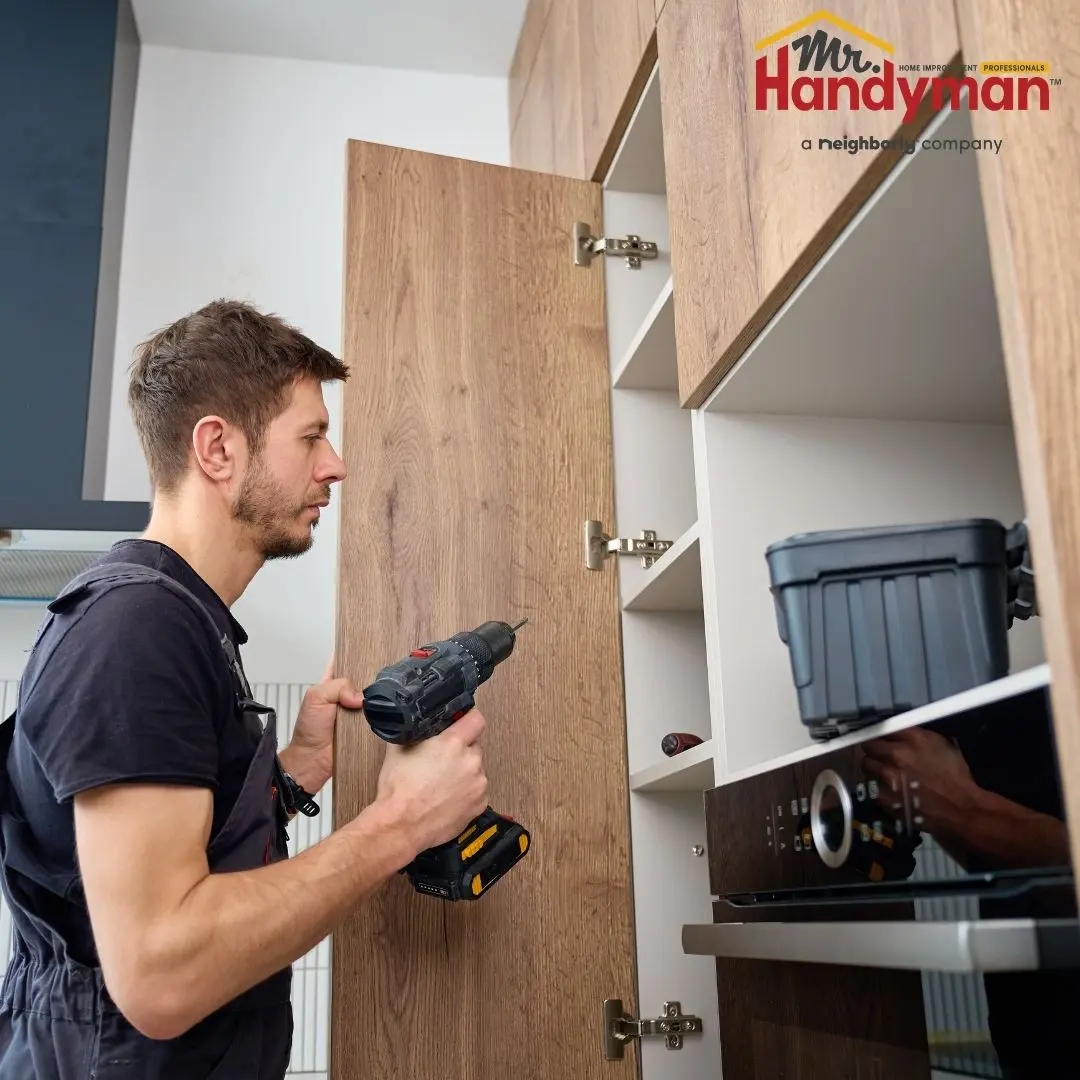
There is a particular kind of satisfaction that comes from a home that feels completely organized, where every item has a designated place, where storage solutions fit the space so precisely that they seem to have always been there, and where the rooms feel finished in a way that no amount of freestanding furniture can quite achieve. For homeowners throughout the Pittsburgh East Suburbs and Greensburg area, that feeling is most reliably produced by custom built-in storage and cabinetry, and it's a feeling that compounds every single day because the improvement is woven into the structure of the home itself rather than sitting on top of it.
Custom built-ins occupy a category of home improvement that homeowners sometimes treat as a luxury, something to consider after the more urgent projects are complete. But that framing underestimates what built-ins actually deliver. They are simultaneously a storage solution, a space optimization strategy, an aesthetic upgrade, and a genuine investment in the long-term value of the home.
Homes throughout communities like Monroeville, Murrysville, Penn Township, Export, Greensburg, Plum, and the surrounding boroughs were built during eras when storage design was driven by different assumptions about how households lived and what they accumulated. The gap between the storage capacity those homes were designed with and the storage needs of a modern household is real and consistent, and it shows up in the clutter, the crowded closets, the furniture that gets pressed into storage service in rooms where it doesn't belong, and the general sense that the home is always slightly behind on organization no matter how much effort goes into maintaining it. Custom built-ins close that gap in a permanent, precise, and visually integrated way that no collection of freestanding furniture or off-the-shelf storage products can replicate.
What Makes Custom Built-Ins Different From the Alternatives
Precision Fit to the Actual Space
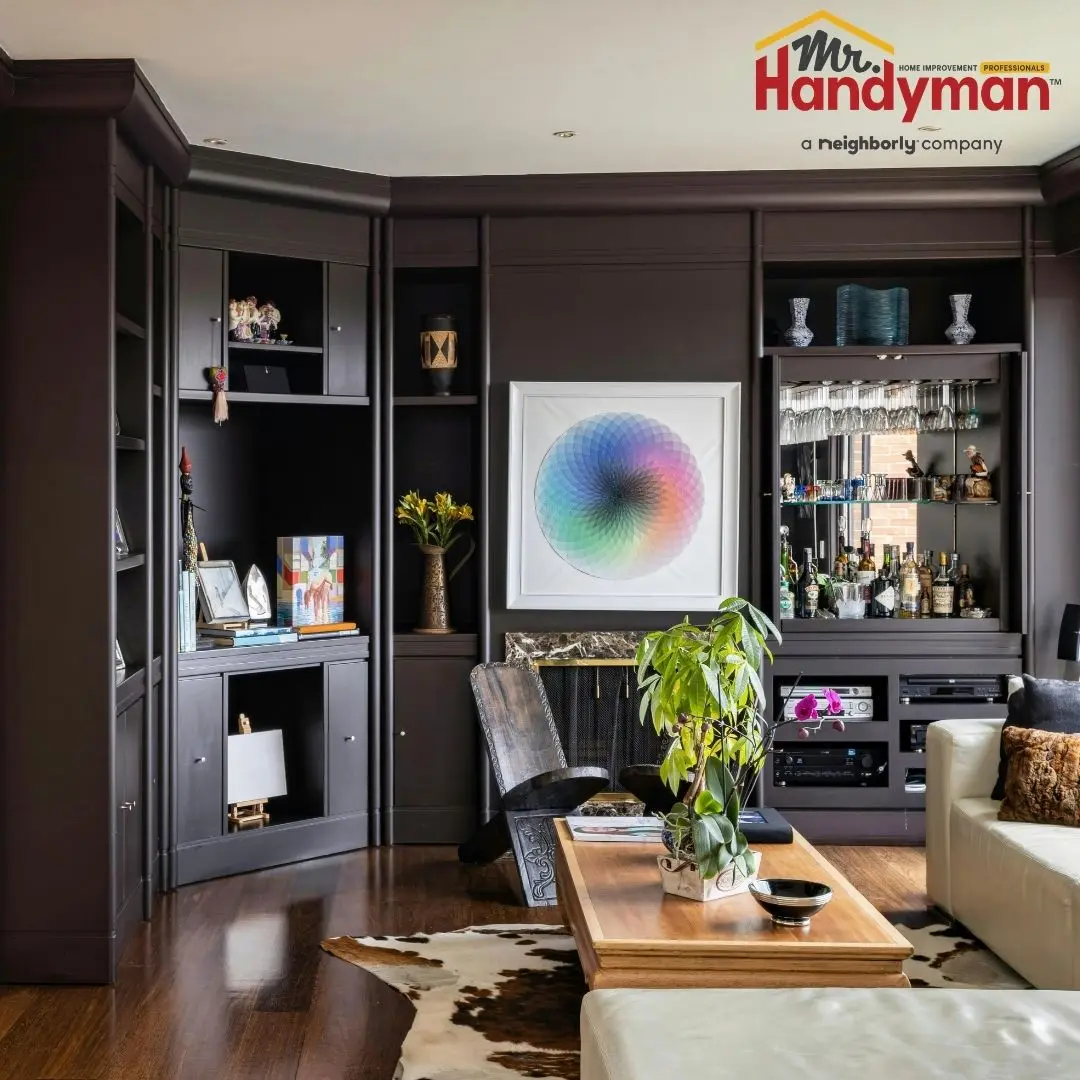
The defining characteristic of a custom built-in is that it's designed and constructed to fit a specific space in a specific home with precision that off-the-shelf products cannot match. A built-in bookcase that runs from floor to ceiling and wall to wall in a living room with a non-standard ceiling height, or a custom window seat with storage beneath that fits exactly into a bay window alcove, are solutions that exist because they were designed around the actual dimensions and characteristics of the space rather than around the standardized dimensions of manufactured furniture.
In Pittsburgh area homes where rooms frequently have non-standard dimensions, awkward alcoves, sloped ceilings, or other architectural characteristics that make off-the-shelf solutions a poor fit, this precision matters enormously. A bookcase that's two inches too short for the ceiling height leaves a gap that reads as unfinished. A storage unit that doesn't quite reach the wall leaves a dead space that collects dust and communicates that the solution wasn't really designed for the space. Custom built-ins eliminate these compromises entirely because they're built to the space, not placed into it.
Structural Integration With the Home
A custom built-in is anchored to the walls, floor, and sometimes ceiling of the space, making it a permanent part of the home's structure rather than a piece of furniture that sits within it. Built-ins don't tip, shift, or wobble under the weight of heavy books, equipment, or stored items. They don't leave gaps between the unit and the wall that accumulate debris. And they don't need to be moved when the room is cleaned, because they are part of the room.
This permanence is also what makes custom built-ins a genuine addition to the home's value rather than an addition to its contents. When a homeowner adds a freestanding bookcase, the value of that bookcase stays with the bookcase. When a homeowner adds a custom built-in, the value becomes part of the home itself, contributing to the property's appeal and market value in a way that affects any future sale.
Material and Finish Coordination
Custom built-ins are constructed and finished to match the existing character of the space in ways that manufactured furniture rarely achieves. In Pittsburgh area homes with older architectural character, including original trim details, period-appropriate door and window casings, and rooms that have a specific visual identity worth preserving, the ability to match new built-ins to existing elements is particularly valuable. A built-in that honors the character of an older home while adding modern storage functionality improves the home without disrupting the architectural qualities that give it its appeal.
The Specific Benefits That Built-Ins Deliver
Maximizing Space That Would Otherwise Go Unused
Every home has underutilized space, and homes in the Pittsburgh East Suburbs and Greensburg area tend to have more of it than newer construction because older floor plans weren't designed with modern storage concepts in mind. The wall above a staircase, the alcove beside a fireplace, the space beneath a sloped ceiling in an upstairs bedroom, and the area beneath a window seat are all examples of space that exists in the home but produces no organizational value without a built-in solution designed to use it.
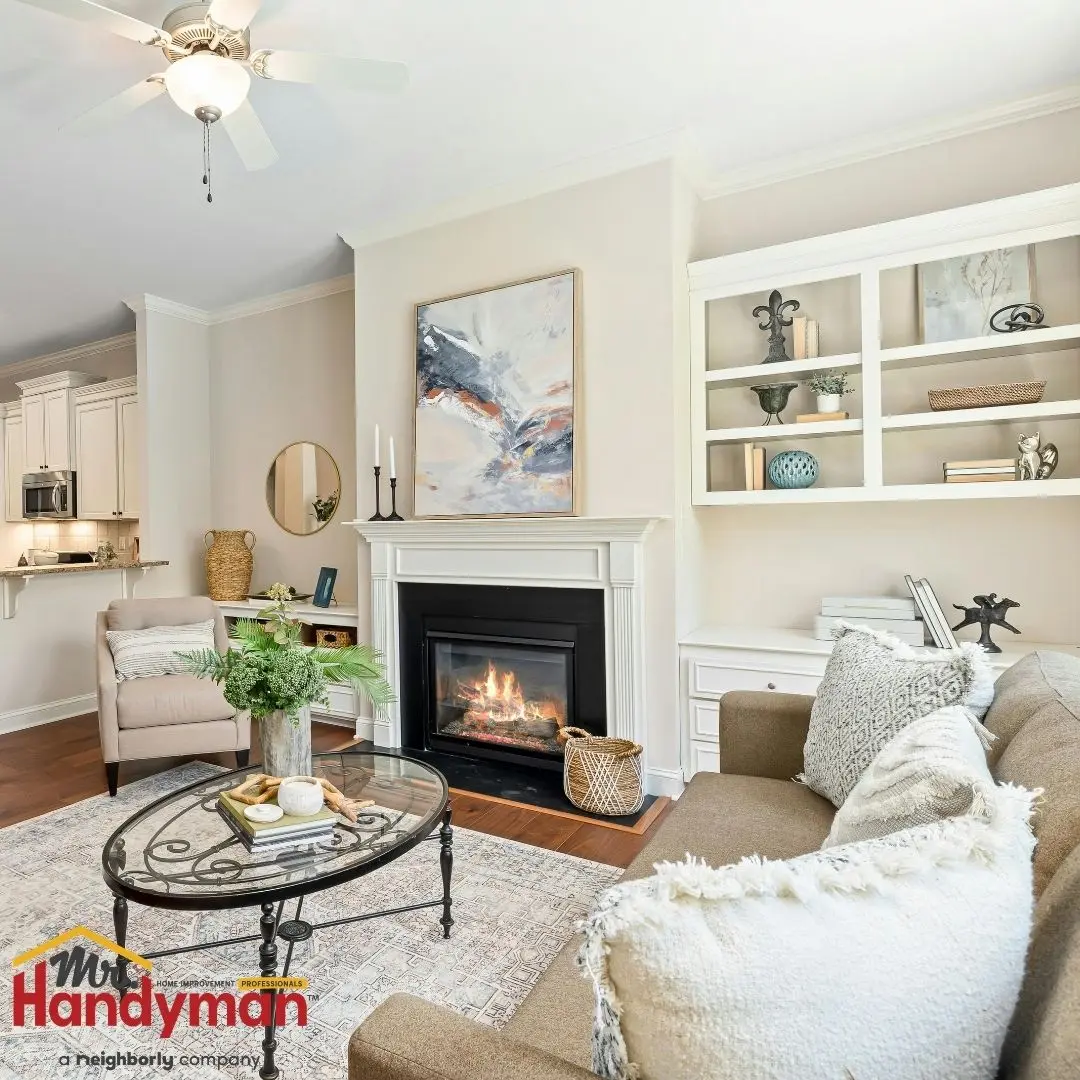
A pair of flanking bookcases built into the alcoves on either side of a living room fireplace transforms dead wall space into display and storage capacity while creating a focal point that gives the room a finished, intentional character. A window seat with drawers beneath converts a window alcove from a structural feature into a combination of seating, display, and concealed storage. In each case, the built-in is producing organizational value from space that was previously contributing nothing to the household's storage capacity.
Creating Organizational Systems That Actually Hold
The challenge with freestanding storage solutions is that they impose an organizational system on a space rather than deriving one from it. Custom built-ins approach organization from the opposite direction. They begin with an honest assessment of what the household needs to store, how those items are used and accessed, and what the space can accommodate, and then build a solution calibrated to those specific realities.
A home office built-in that provides dedicated space for a monitor, keyboard, printer, reference materials, and filing in a configuration designed around how the household member actually works is fundamentally more effective than an assortment of a desk, a separate bookcase, and a filing cabinet that happened to fit in the room. A mudroom built-in with individual cubbies sized for the specific number of household members, hooks at heights calibrated for adults and children, and shoe storage designed for the household's actual footwear inventory is more effective than a coat rack and a shoe rack purchased separately and placed near the door.
Improving How Rooms Look and Feel
The aesthetic impact of custom built-ins is one of their most consistently underestimated benefits. At the most basic level, built-ins reduce visible clutter by providing adequate, designated storage for items that would otherwise accumulate on surfaces and in corners. At a deeper level, well-designed built-ins give rooms a finished, architectural quality that raises the perceived quality of the entire space.
A living room with custom flanking bookcases around a fireplace reads as a designed space in a way that the same room with freestanding bookcases placed near the fireplace does not. The built-ins suggest that the room was planned and considered in its entirety rather than assembled piece by piece. For Pittsburgh area homeowners who have invested in updating other elements of their homes through new flooring, fresh paint, or updated fixtures, custom built-ins in the main living areas complete the investment by giving those areas the same level of intentional design that the updated spaces already possess.
Where Custom Built-Ins Deliver the Most Value
The Living Room
The living room is the space where custom built-ins produce the most visible and most immediately impactful transformation in most Pittsburgh area homes. Flanking bookcases built into the alcoves on either side of a fireplace are the most classic and most consistently rewarding built-in project available in a living room with this configuration. The bookcases use space that's architecturally defined but organizationally empty, give the fireplace wall a symmetry and completeness that transforms it into a genuine focal point, and provide substantial display and storage capacity for books, media, decorative objects, and the miscellaneous items that accumulate in a living room without a designated home.
For living rooms without a fireplace or alcove configuration, a full wall of built-in shelving and cabinetry creates a library-style storage and display system that uses vertical space efficiently and gives the room an architectural presence it didn't have before. Lower cabinet sections with doors provide concealed storage for items that don't need to be visible, while open upper shelving accommodates books, display objects, and decorative elements.
Entertainment built-ins designed around the household's specific media setup solve one of the most consistent aesthetic challenges in modern living rooms: the management of screens, components, cables, and media in a way that looks intentional rather than improvised. A built-in media center with dedicated compartments for each component, integrated cable management, and cabinetry that frames the screen without overwhelming it transforms the entertainment zone from a collection of equipment into a cohesive design element.
The Home Office
The growth of remote and hybrid work arrangements has made the home office one of the most consistently requested built-in projects for Pittsburgh area homeowners, and it's a space where the difference between adequate built-in support and inadequate storage directly affects professional performance as well as daily comfort.
A home office built-in system designed around the specific work the household member actually does produces a workspace that functions at a genuinely different level than one assembled from standard office furniture. Desk surface at the correct height for the user, monitor positioning that doesn't require compromise, reference material storage within arm's reach, filing capacity integrated into the design rather than occupying floor space separately, and equipment storage that keeps cables and devices organized are all elements that a custom built-in delivers and that off-the-shelf office furniture rarely achieves in combination.
In Pittsburgh area homes where the home office occupies a bedroom, a basement space, or an alcove that wasn't originally designed for professional use, the precision fit of a custom built-in is particularly valuable. A built-in that closes up visually at the end of the workday through cabinet doors that conceal the work environment transforms a makeshift office into a genuinely functional professional space.
The Primary Bedroom
Built-ins in the primary bedroom address the storage challenges that affect sleep quality, morning routine efficiency, and the general sense of calm that a bedroom should provide. A built-in wardrobe system that uses the full height of the bedroom wall, designed around the specific clothing inventory and organizational preferences of the household members using it, delivers storage capacity and organizational precision that a standard closet with a single rod and shelf cannot approach.
In older Pittsburgh area homes where bedroom closets were designed to minimal specifications, a built-in wardrobe that extends beyond the existing closet footprint and uses bedroom wall space efficiently can double or triple the effective storage capacity of the room without requiring any structural modification to the existing closet. This is one of the most practical built-in applications available in this region's older housing stock and one that produces immediate daily quality-of-life improvement for every household member who uses the space.
The Basement and Bonus Spaces
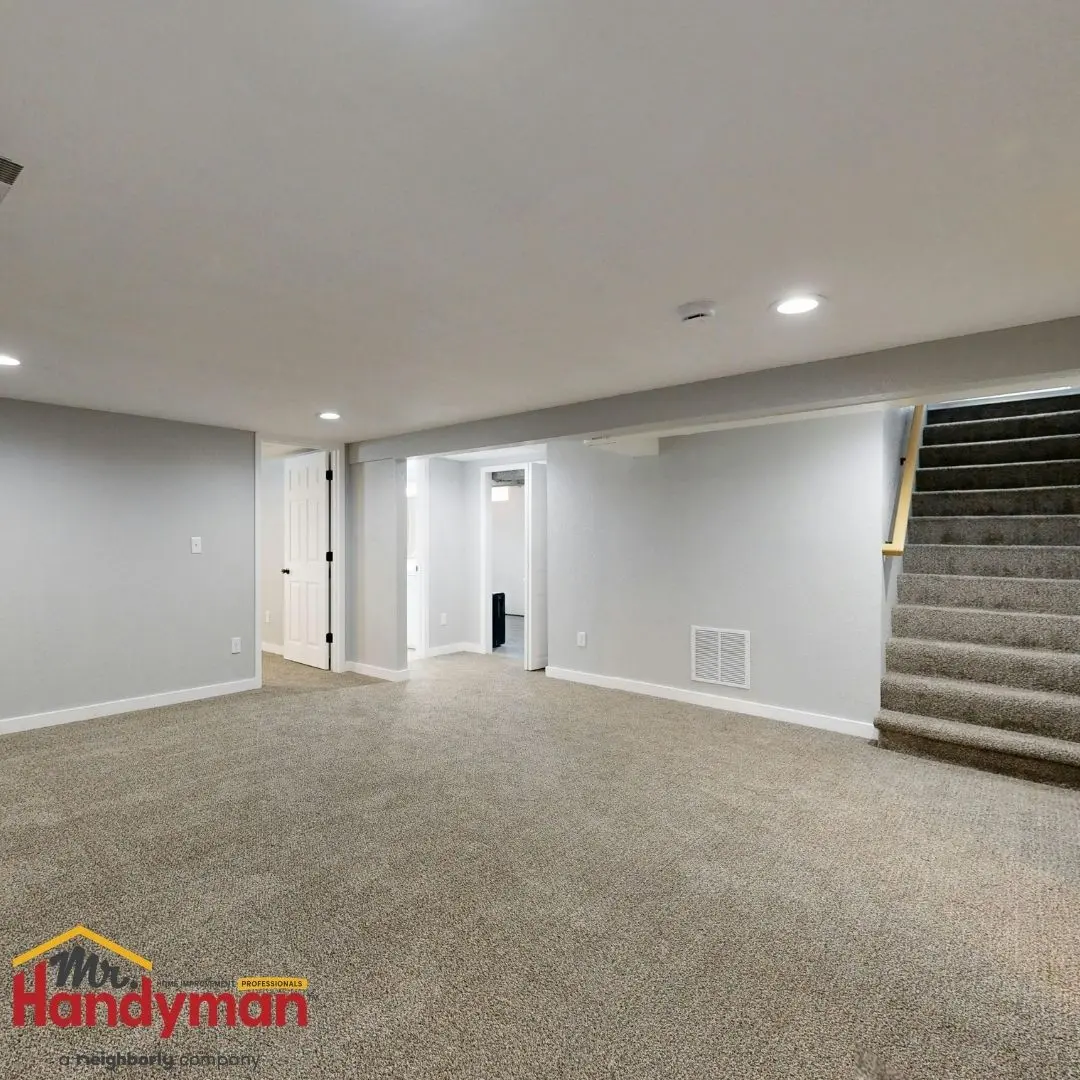
Basements in Pittsburgh East Suburbs and Greensburg homes are frequently underutilized despite representing significant square footage that could serve the household's organizational and recreational needs far more effectively. Custom built-in shelving and cabinetry in a basement utility or storage area transforms it from a disorganized accumulation zone into a genuinely functional storage system with a clear organizational logic that makes finding and retrieving stored items efficient.
In basements that have been finished or partially finished as recreational or hobby spaces, built-ins designed for those specific uses add functionality that generic furniture cannot. A built-in bar or beverage station for an entertainment basement, custom shelving and work surfaces for a hobby or craft room, or a built-in homework and study station for a family recreation space all use the basement's square footage more effectively and make the space more enjoyable and more functional for the household members who use it.
The Long-Term Value Built-Ins Add to Pittsburgh Area Homes
Real estate professionals consistently identify custom built-ins as a feature that appeals strongly to buyers in the Pittsburgh area market. Buyers understand immediately upon seeing quality built-ins that the home has been improved thoughtfully, that storage has been considered and addressed deliberately, and that the space will work better for them than a comparable home without built-ins. This appeal translates directly into perceived value and in competitive situations can be a distinguishing factor that affects both the speed of a sale and the price it commands.
The value contribution of built-ins is also durable in a way that many other home improvements are not. Paint colors go out of style. Fixture trends cycle. Flooring preferences shift with design movements. But quality custom built-ins in classic configurations remain appealing across design eras because they address functional needs that don't change with trends. A buyer looking at a home in 2035 will still want adequate, organized storage in the living room, bedroom, and home office, and quality built-ins that address those needs will still be contributing to the home's value at that point.
Working With a Professional on Custom Built-In Projects
The quality of a custom built-in depends entirely on the quality of the design and construction work that goes into it, and in Pittsburgh area homes where older construction characteristics create conditions that affect how built-ins are designed and installed, professional expertise makes a meaningful difference in the outcome.
Walls in older Pittsburgh area homes are frequently not perfectly plumb or square, which means that built-ins installed without accounting for those variations will have gaps, misalignments, and visual imperfections that undermine the finished appearance the project is meant to achieve. Experienced craftspeople who work regularly with older Western Pennsylvania homes know how to scribe built-in components to irregular walls, how to account for floor variations that affect how units sit and level, and how to work around the construction characteristics of older homes without compromising the quality or precision of the finished result.
Frequently Asked Questions
How much do custom built-ins typically cost compared to freestanding furniture?
Custom built-ins carry a higher upfront cost than comparable freestanding furniture, but the comparison isn't fully accurate because the two options don't deliver the same outcome. Built-ins are permanent additions to the home that contribute to its value, fit the space with precision that furniture cannot match, and last indefinitely when properly constructed. Freestanding furniture depreciates, doesn't add to home value, and rarely fits the space as well. The investment in built-ins is best evaluated against the lifetime value they deliver rather than the upfront cost of a furniture alternative.
How long does a typical built-in project take to complete in a Pittsburgh area home?
Timeline depends on the scope and complexity of the project. A straightforward built-in bookcase or entertainment center in a room with standard conditions typically takes two to four days from start to finish. A more complex project involving multiple rooms, custom cabinetry with detailed finish work, or installation in a space with non-standard conditions may take a week or longer. A professional assessment of the specific project scope produces a realistic timeline estimate before work begins.
Can built-ins be added to older Pittsburgh area homes without major renovation work?
In most cases, yes. Custom built-ins are designed to work within the existing structure of the home rather than requiring structural modification to accommodate them. In older Pittsburgh area homes where wall conditions, floor levelness, and ceiling heights may present installation challenges, an experienced professional designs and installs built-ins that account for those conditions without requiring renovation work beyond the built-in project itself.
What materials work best for built-ins in Western Pennsylvania's climate?
Plywood-based construction with solid wood face frames and doors is the standard for quality built-in work in this region because plywood is more dimensionally stable than solid wood panels across seasonal humidity variations. MDF is suitable for painted built-ins in climate-controlled interior spaces but less appropriate for basement installations or spaces with significant humidity variation. A professional familiar with Pittsburgh area conditions can guide material selection for the specific installation environment.
Will built-ins work in a room where I might want to change the layout in the future?
Built-ins are permanent additions, and that permanence is part of what makes them valuable. That said, thoughtful design can create built-in systems that serve the room's current needs while remaining appropriate for a range of future configurations. Bookcases and storage systems that occupy wall space rather than floor area preserve layout flexibility while delivering the organizational and aesthetic benefits of built-in construction. Discussing future use scenarios with a professional during the design phase ensures the project accounts for those possibilities.
Storage That Becomes Part of the Home
Custom built-ins represent one of the clearest expressions of what a well-considered home improvement looks like. They solve real organizational problems, use space that would otherwise go to waste, improve how rooms look and feel on a daily basis, and add lasting value to the property in a way that compounds over time. For Pittsburgh area homeowners who are ready to move beyond temporary storage solutions and invest in something that becomes genuinely part of the home, custom built-ins deliver on every dimension of that investment.
Mr. Handyman of Pittsburgh East Suburbs and Greensburg works with homeowners throughout the region on custom built-in projects of every scope and style, from classic living room bookcases and functional home office systems to bedroom storage solutions and basement organization. If you're ready to make your home work better with storage that truly fits, the team is ready to help you design and build it right.
Website: mrhandyman.com/pittsburgh-east-suburbs-greensburg
Serving homeowners throughout the Pittsburgh East Suburbs, Greensburg, and the surrounding communities with dependable service and the expertise your home deserves.
