
Why the Smallest Changes Often Make the Biggest Impression
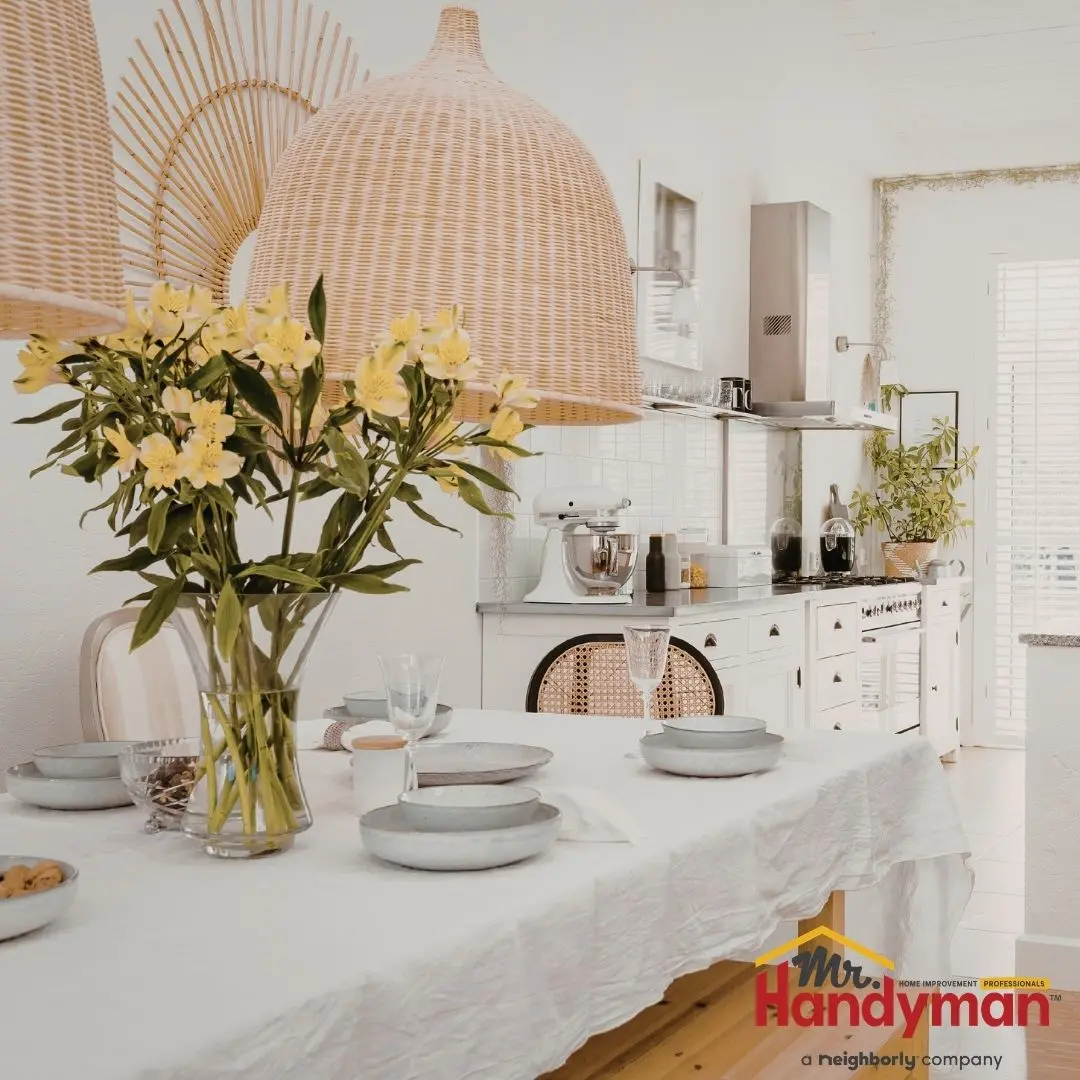
There is a category of home improvement that sits between routine maintenance and full-scale remodeling, and it is the category that delivers the most satisfying results relative to the time and money invested. These are the upgrades that do not require permits, do not disrupt daily life for weeks, and do not demand a significant capital outlay, but that transform the way a home looks and feels in ways that are immediately apparent to everyone who walks through the door.
Homeowners in West Nashville, Belle Meade, and Clarksville often overlook this category because the home improvement conversation tends to gravitate toward the dramatic. Kitchen renovations, bathroom additions, and room additions are the projects that generate excitement and get discussed at dinner parties. But the homeowner who replaces every piece of hardware in their kitchen in an afternoon, repaints their front door in a weekend, and installs new light fixtures throughout the main level over two evenings has transformed their home's visual impression more completely than many renovations costing ten times as much, and they have done it without the disruption, the timeline, or the budget that a renovation demands.
Middle Tennessee's housing market creates a specific context for these upgrades. In Belle Meade and West Nashville's competitive residential market, where homes trade at significant values and buyer expectations are high, the visual impression a home makes is a direct contributor to its perceived and actual value. In Clarksville's more diverse market, where builder-grade finishes are the default starting point for newer construction, targeted visual upgrades distinguish a home from its neighbors in ways that buyers and guests respond to immediately. Understanding which upgrades deliver the greatest visual impact relative to their cost and effort is the foundation of a smart improvement strategy that serves both daily enjoyment and long-term value.
Front Door and Entry: The Upgrade That Starts Working Before Guests Are Inside
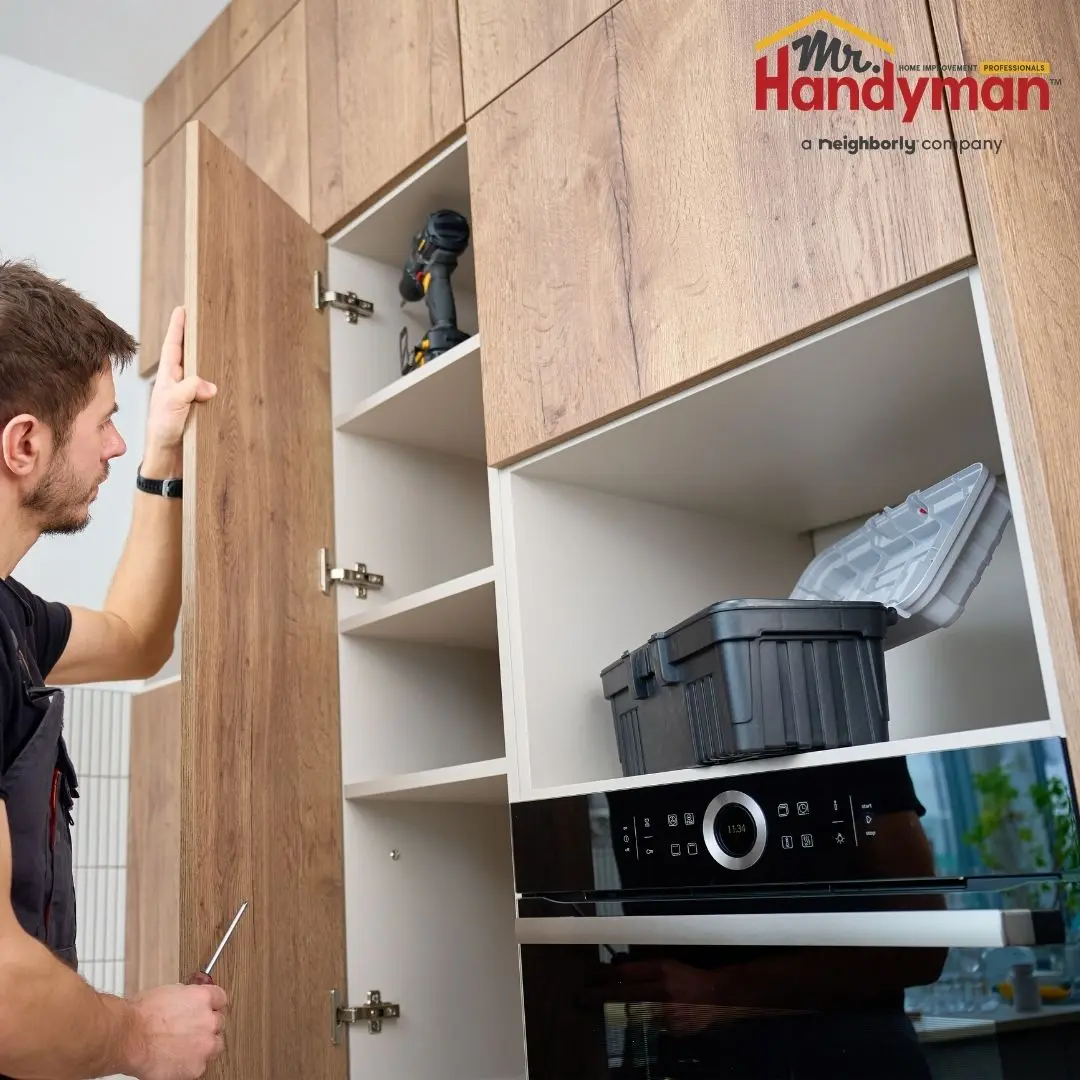
The front door is the single most photographed element of any home's exterior and the first physical surface that every visitor touches. Its color, condition, and hardware communicate the character of the home more effectively than any other exterior element, and upgrading it delivers an impact that is visible from the street and felt at every arrival.
Repainting the front door is the highest-impact exterior upgrade available at the lowest possible cost. A front door painted in a color that complements the home's exterior palette while providing enough contrast to create visual presence transforms the curb appeal of the home in a way that is immediately apparent in photographs and in person. In Middle Tennessee's residential market, bold front door colors including deep navy, hunter green, classic black, and warm red have all demonstrated consistent appeal and are well-suited to the architectural character of homes throughout this region. Saturated, confident colors that contrast with the home's body color consistently outperform timid choices that blend with the surrounding exterior.
The preparation that precedes a front door repaint is as important as the paint selection. A door that is cleaned, lightly sanded, and properly primed before painting holds its new finish through Middle Tennessee's demanding summer conditions far better than one that receives paint directly over a poorly prepared surface. The finish sheen matters as well. Exterior doors benefit from a semi-gloss or full gloss finish that resists moisture, handles cleaning without damage, and provides the visual richness that flat or eggshell finishes cannot achieve on a painted door.
Front door hardware replacement is the complement to a fresh door paint that completes the entry upgrade. A newly painted door with original hardware that is tarnished, scratched, or simply outdated loses much of the impact that the fresh paint creates. Replacing the lockset, deadbolt, door knocker, and any other hardware elements with coordinated pieces in a finish that complements both the door color and the home's broader exterior character produces an entry that feels intentional and complete. Matte black hardware has become one of the most versatile and consistently appealing choices across a wide range of home styles in this region, working equally well against bold colored doors and more traditional painted finishes.
House numbers are an entry detail that is easy to overlook and that contributes more to curb appeal than their small scale suggests. Original builder-grade house numbers that are small, poorly positioned, or finished in a material that has aged poorly are one of the easiest upgrades available. Replacing them with larger, more legible numbers in a finish that coordinates with the door hardware creates a visual completeness at the entry that small details like this consistently deliver when they are considered as part of a coordinated scheme.
Interior Hardware: The Detail That Transforms Every Room It Touches

Interior hardware is one of the most underutilized visual upgrade opportunities in residential homes, and it is one of the most impactful when it is addressed systematically. Every door handle, cabinet knob, drawer pull, towel bar, toilet paper holder, and light switch plate in a home is a touchpoint that contributes to the overall impression of quality and intentionality that the interior makes. When these elements are inconsistent, outdated, or worn, they create a visual background noise that attentive guests notice without necessarily identifying. When they are coordinated and current, they create the sense that the home has been thoughtfully considered throughout.
Cabinet hardware replacement in the kitchen is the single highest-impact interior hardware upgrade available. Kitchen cabinets occupy more visual real estate than almost any other element in the room, and the hardware on those cabinets is the detail that most directly communicates whether the room feels current and cared for or dated and neglected. In homes throughout Belle Meade and West Nashville where kitchen renovations installed honey oak cabinets with brass or satin nickel hardware fifteen or twenty years ago, replacing that hardware with matte black, brushed gold, or unlacquered brass pulls and knobs in a more current profile transforms the kitchen's visual impression dramatically without touching the cabinets themselves.
The selection of cabinet hardware should be driven by the cabinet style, the kitchen's overall design direction, and the finish coordination with other metal elements in the space. Bar pulls, which are elongated horizontal or vertical pulls popular in contemporary and transitional kitchens, create a clean, graphic quality that works well in kitchens with flat-front or shaker cabinets. Cup pulls, which are arched pulls that cradle the fingers below the drawer face, have a more traditional character that suits the cabinetry profiles common in older Belle Meade and West Nashville homes. The hardware profile should feel appropriate to the cabinet style rather than working against it.
Door hardware throughout the main living areas of the home deserves the same coordinated attention as cabinet hardware. Passage sets, privacy sets, and dummy sets on interior doors in the main level of a home are elements that every person in the household touches every day. Builder-grade lever handles in a brushed nickel finish that has worn through, or round knobs in a finish that is no longer consistent with the rest of the home's metal elements, create a visual inconsistency that a coordinated hardware replacement eliminates. Selecting interior door hardware in a finish that coordinates with the cabinet hardware and the home's other metal elements creates a through-line of visual consistency that makes the interior feel designed rather than assembled.
Bathroom hardware including towel bars, robe hooks, toilet paper holders, and vanity accessories follows the same principle. A bathroom where all of the accessories are in a single coordinated finish feels pulled together regardless of the age of its fixtures and tile. A bathroom where the towel bar is a different finish than the toilet paper holder and the robe hook is something else entirely feels unresolved in a way that coordinated hardware replacement addresses directly. Bathroom hardware replacement is a morning project in most cases and delivers results that transform the room's impression immediately.
Light Fixtures: The Upgrade That Changes the Feel of Every Room
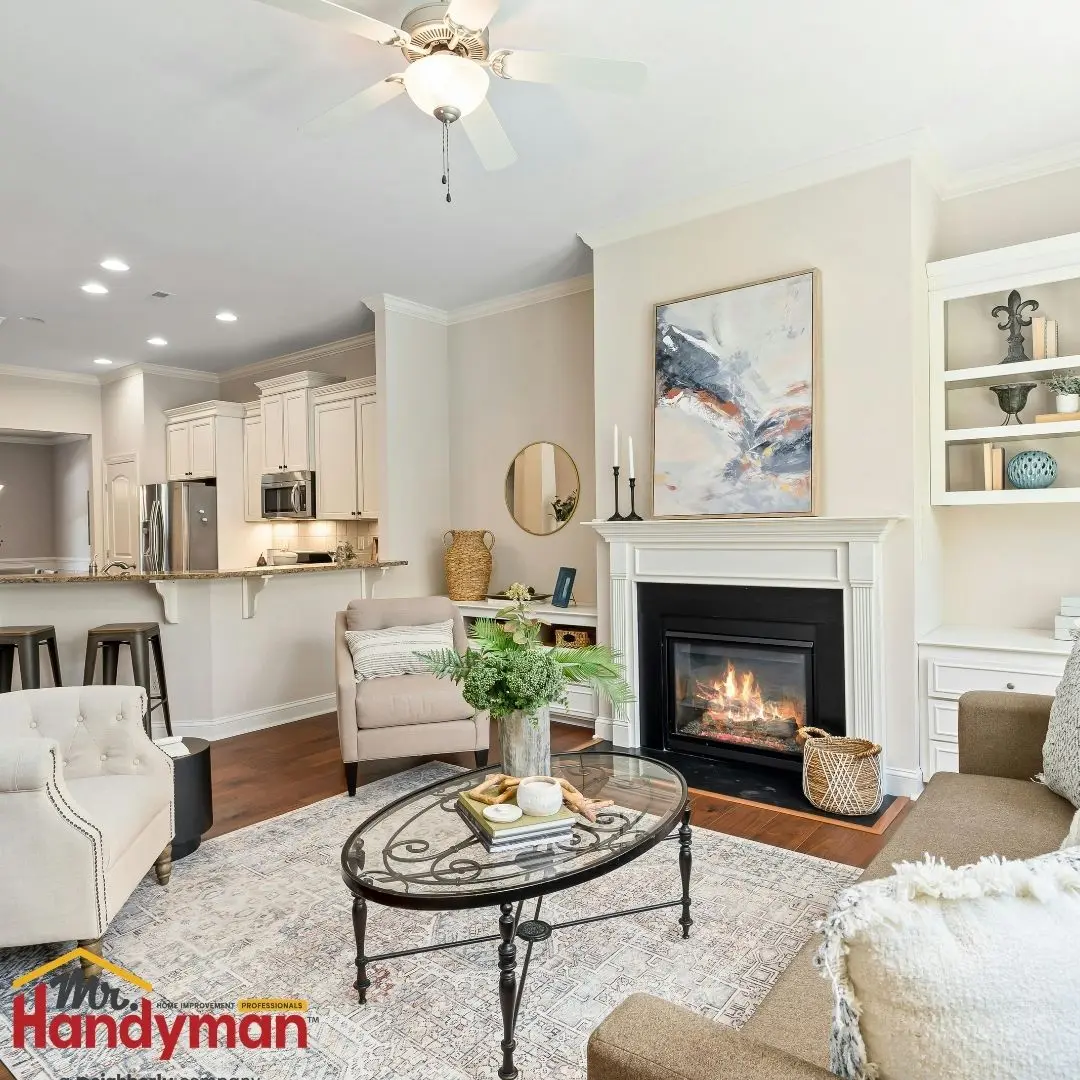
Light fixtures are one of the most overlooked visual upgrade opportunities in residential homes and one of the most impactful when they are addressed. The fixture in the center of a room's ceiling is visible from virtually every position in the space and contributes to the room's character in a way that furniture and accessories cannot replicate. An outdated, poorly scaled, or visually inappropriate fixture works against everything else in the room. A fixture that is well-chosen for the room's scale, style, and function elevates the entire space.
Dining room and kitchen light fixtures are the highest-priority fixture upgrades in most homes because these are the rooms where the fixture is most prominent and where its visual character most directly affects the atmosphere of the space. A dated brass chandelier in a dining room that has been updated in every other respect anchors the room in the period it came from regardless of how carefully everything else has been chosen. Replacing it with a fixture appropriate to the room's current direction, whether a contemporary cluster pendant, a classic lantern chandelier, or a simple drum shade in the right scale, completes the room's visual evolution in a way that nothing else achieves as directly.
Entryway and foyer fixtures are the second highest-priority category because the entry fixture sets the first interior impression that every guest receives. A foyer with a beautifully updated front door, fresh paint, and new hardware that is crowned by a builder-grade flush mount fixture from 2005 has an incongruity that the fixture replacement resolves immediately. A well-chosen pendant or semi-flush fixture in the foyer that coordinates with the home's interior character and provides warm, welcoming light creates a first impression that matches the quality of the entry it illuminates.
Bathroom vanity lighting is a fixture upgrade with both aesthetic and functional dimensions. The strip of globe bulbs above a medicine cabinet that was standard in older construction and in many builder-grade bathrooms creates harsh, unflattering light at the mirror that makes the bathroom feel institutional rather than comfortable. Replacing it with a horizontal vanity bar fixture at an appropriate width for the mirror, or with sconces flanking the mirror at face height, delivers dramatically better light quality for the daily tasks that bathroom lighting supports while transforming the visual character of the space simultaneously.
Ceiling fan replacement in bedrooms and living areas where the existing fan is dated, wobbling, or simply visually inconsistent with the room's character is a fixture upgrade with a functional benefit layered on top of the visual one. A well-chosen ceiling fan in an appropriate size for the room's square footage, with a blade span that provides genuine air movement and a motor that operates quietly, serves the household's comfort throughout Middle Tennessee's long warm season while contributing positively to the room's aesthetic rather than working against it.
Paint: The Upgrade That Touches Everything
Paint is the most versatile and most accessible visual upgrade available to homeowners, and its impact when it is applied thoughtfully and executed well is greater than almost any other single improvement available at comparable cost. A room that has been freshly painted in the right color, with properly prepared surfaces and clean, precise application at trim and ceiling lines, looks renewed in a way that transcends the specific color choice and communicates care and quality to everyone who enters it.
Accent wall painting is a targeted paint upgrade that delivers concentrated visual impact in rooms where a full repaint is not necessary or desired. A single wall in a deeply saturated or dramatically different color creates a focal point that anchors furniture arrangement, defines the character of the room, and provides visual interest in a way that four walls of the same color cannot achieve. In bedrooms, the wall behind the headboard is the natural accent wall location. In living rooms, the wall housing the fireplace or the primary media wall serves the same function. In dining rooms, the wall visible from the entry creates the first impression of the space.
Ceiling paint color is an upgrade opportunity that most homeowners never consider because the convention of white ceilings is so deeply established that it feels like a rule rather than a choice. It is a choice, and a thoughtfully made one has significant impact. A ceiling painted in the same color as the walls but a shade lighter creates a cocooning quality that makes a room feel intentional and enveloping. A ceiling in a soft, muted color that complements the wall color adds depth and interest that a white ceiling cannot provide. In rooms with architectural ceiling features including beams, coffering, or significant molding profiles, a ceiling color that distinguishes those features from the surrounding surface gives them the visual presence they deserve.
Exterior paint updates beyond the front door can deliver significant curb appeal improvement at a cost that is modest relative to the impact achieved. Repainting shutters in a color that coordinates with and complements the front door creates a visual coherence across the facade that individual elements painted without reference to each other cannot achieve. Painting window trim, garage door trim, and other accent elements in a crisp, clean white or complementary color against a body color that may have faded brings the exterior back to the visual crispness that Middle Tennessee's weather gradually diminishes over years of sun and moisture exposure.
Mirrors and Glass: The Visual Tricks That Expand Every Space
Mirrors are among the most powerful visual tools available in interior design, and they are consistently underused in residential homes. A well-placed mirror in the right size and frame for a specific space doubles the perceived depth of the room, reflects light in ways that make smaller and darker rooms feel larger and brighter, and adds a visual element that works simultaneously as functional accessory and decorative object.
Entryway mirrors are the most universally applicable mirror upgrade because every entry benefits from both the practical function of a mirror at the departure point and the visual expansion that a mirror provides in typically smaller transitional spaces. A mirror that fills a significant portion of the wall opposite the entry door reflects the natural light entering through the door and creates a sense of depth that makes even a small foyer feel more generous than its actual dimensions.
Bathroom mirror upgrades from builder-grade plate glass to framed mirrors in a character appropriate to the bathroom's design direction deliver a visual improvement that is disproportionate to the cost of the mirror itself. A plate glass mirror cut to fit the width of a vanity communicates builder standard. A framed mirror in an appropriate size and profile communicates deliberate design choice. In bathrooms where the vanity and fixtures have been updated but the mirror remains the original builder installation, the mirror replacement completes the update in a way that nothing else the bathroom still needs quite achieves.
Tile and Backsplash Updates: Targeted Upgrades With Lasting Impact
Kitchen backsplash installation or replacement is one of the most visually transformative targeted upgrades available in a kitchen that has not been fully renovated. The backsplash occupies the wall surface between the counter and the upper cabinets, which is one of the most visible vertical surfaces in the kitchen and one that kitchen designers treat as a significant design element. A kitchen without a backsplash, or with an original builder-grade tile backsplash in a neutral that has dated, has an unfinished quality at eye level that a thoughtfully selected backsplash installation resolves.
The backsplash material and pattern selection should complement the counter material and the cabinet finish rather than competing with them. In kitchens with busy granite or quartz counters, a simpler backsplash in a complementary color provides visual relief. In kitchens with more neutral counters, the backsplash can carry more visual interest and pattern. Subway tile in various sizes and formats remains consistently popular in this region for its versatility and its ability to work across a wide range of kitchen styles from traditional to contemporary.
Bathroom floor tile updates in powder rooms and guest bathrooms are targeted upgrades with significant visual impact in rooms that guests pay close attention to. A powder room with updated fixtures, fresh paint, and coordinated hardware but original builder-grade floor tile has an inconsistency that the tile update resolves. The small scale of a powder room floor makes it one of the most manageable tile replacement projects available and one where a more visually interesting tile selection can be used without the cost implications that the same selection would carry in a larger space.
Frequently Asked Questions
What is the highest-impact visual upgrade for the lowest cost in a typical Middle Tennessee home?
Front door repainting combined with hardware replacement consistently delivers the highest visual impact per dollar of any exterior upgrade. Interior cabinet hardware replacement in the kitchen delivers the same disproportionate impact-to-cost ratio for the interior. Both projects can be completed in a single day and produce results that are immediately apparent to anyone who sees the home.
How do I choose a front door color that works with my home's existing exterior?
The most reliable approach is to identify the dominant undertone of the home's body color and exterior materials and choose a door color that either complements that undertone harmoniously or provides deliberate contrast against it. Homes with warm-toned brick, stone, or body paint are flattered by warm door colors including deep reds, warm greens, and earthy blacks. Homes with cooler-toned exteriors work well with cooler door colors including navy, slate blue, and crisp black. Testing a paint sample on the actual door and observing it in natural light at different times of day before committing to the full application is always worthwhile.
Does replacing interior hardware require any special tools or skills?
Most interior hardware replacement, including cabinet knobs and pulls, door lever sets, and bathroom accessories, requires only basic hand tools and is accessible to homeowners comfortable with simple DIY work. The primary consideration is confirming that replacement hardware is compatible with existing hole patterns in cabinets and doors, which avoids the need for additional drilling or patching. A skilled handyman can complete a comprehensive hardware replacement throughout an entire home in a single efficient visit, which is often the most practical approach when the scope includes multiple rooms.
Will upgrading light fixtures require an electrician?
Replacing an existing fixture with a new one of the same type, where the wiring and mounting configuration are compatible, is a task that a skilled handyman handles routinely without a licensed electrician. Installing new fixtures where no fixture previously existed, or making changes to the circuit configuration, requires electrical work that in most jurisdictions must be performed by a licensed electrician or under a homeowner permit. Confirming the specific requirements for the work being done before beginning is the responsible approach.
How do I make paint color decisions for rooms without a design background?
The most reliable approach for homeowners without design experience is to start with a fixed element in the room, a rug, an upholstery fabric, a tile, or a wood tone, and select paint colors that are drawn from or complementary to the colors within that element. This approach ensures that the paint color works within the existing visual context of the room rather than competing with it. Testing multiple samples on the actual wall and observing them in the room's specific light conditions at different times of day before committing to a full application prevents the most common paint color disappointments.
Can visual upgrade projects be bundled into a single service visit for efficiency?
Yes, and bundling related visual upgrade projects into a single comprehensive visit is both more efficient and more cost-effective than scheduling individual projects separately. A visit that covers front door repainting and hardware replacement, interior hardware replacement throughout the main level, and light fixture swaps in key rooms accomplishes in a day what piecemeal scheduling would spread across multiple visits. Planning the full scope of desired upgrades before scheduling and communicating it clearly ensures the visit is organized and equipped to address everything efficiently.
Transform Your Home's Visual Impression Starting This Season
The upgrades that make the biggest visual difference in a home are often the ones that require the least disruption to achieve. The team at Mr. Handyman of West Nashville, Belle Meade, and Clarksville brings the skills and efficiency to work through the full range of visual upgrades discussed here in a single comprehensive visit, delivering results that transform how your home looks and feels from the first impression to the last detail.
Visit www.mrhandyman.com/nashville-west-south-central to schedule your service. We show up on time, work cleanly, and back everything we do with the Neighborly Done Right Promise.
