
Why the Entryway Deserves More Attention Than It Usually Gets
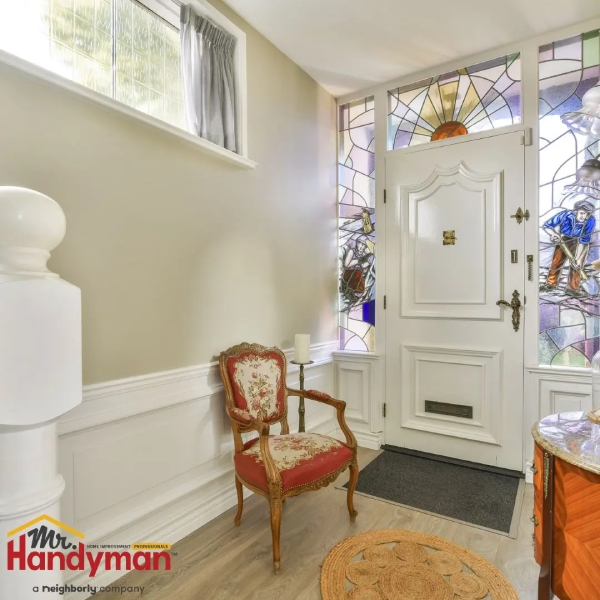
Every home tells a story the moment someone walks through the front door, and in the Pittsburgh East Suburbs and Greensburg area, that story is often being told by a space that hasn't been updated in decades. The entryway and mudroom are the first interior spaces a visitor encounters and the last spaces a household member passes through on the way out every morning. They absorb the full impact of Western Pennsylvania's seasonal transitions, from the salt and slush of a Pittsburgh winter to the humidity and rain of a summer afternoon, every single day without the attention that other rooms in the home regularly receive.
The result in many homes throughout communities like Monroeville, Murrysville, Penn Township, Export, Greensburg, and the surrounding boroughs is an entryway that's perpetually cluttered, visually disconnected from the rest of the home, and functionally inadequate for what the household actually needs from the space. Shoes pile up near the door because there's nowhere designated for them. Coats get draped over furniture in adjacent rooms because the entryway has no hooks or closet space that works practically. Bags, backpacks, sports equipment, and seasonal gear accumulate in whatever corner is available because the space was never designed to organize those things efficiently.
Upgrading the entryway or mudroom is one of the most practical and consistently rewarding home improvements available to Pittsburgh area homeowners. The benefits are functional, aesthetic, and organizational, and they're experienced multiple times every single day by everyone who lives in the home.
What the Entryway Actually Needs to Do
Transition Management
The primary job of an entryway or mudroom is managing the transition between outdoor and indoor living. This means providing a dedicated space for removing and storing footwear before it tracks outdoor material into the rest of the home, a place to hang outerwear so it doesn't migrate to furniture in other rooms, and a surface or zone where bags and gear can be set down and organized before being put away. A space that handles this transition well keeps the effects of outdoor conditions contained to the entry zone rather than distributing them throughout the house.
Organization for Household Specifics
Every household has a specific set of items that move in and out of the home regularly, and an entryway upgrade that doesn't account for those specific items produces an organized-looking space that doesn't actually work for the people using it. The most effective entryway upgrades start with an honest inventory of what the household actually brings in and out of the home every day and design the storage and organizational elements around those specific realities rather than around a generic idea of what an entryway should contain.
Durability Under Real Conditions
The entryway is the most heavily trafficked space in any home, and the materials used in an upgrade need to reflect that reality. Flooring that looks beautiful in a showroom but can't handle the grit, moisture, and salt exposure of a Pittsburgh winter is a poor investment that shows its limitations within the first season. Choosing materials and systems that are honestly rated for the conditions they'll face is one of the most important decisions in an entryway upgrade and one that's frequently underestimated by homeowners who focus primarily on appearance during the selection process.
The Most Impactful Entryway Upgrades
Flooring That Can Handle Western Pennsylvania Winters
The floor of the entryway or mudroom takes more abuse per square foot than any other surface in the home. It receives wet boots, muddy shoes, dripping umbrellas, pet paws, and tracked outdoor debris every time someone enters the home.
Porcelain tile is the strongest choice for entryway and mudroom flooring in this region because it combines complete water resistance with the hardness and durability that high-traffic, high-abuse conditions demand. A properly installed porcelain tile floor with sealed grout lines handles the moisture, salt, and grit that a Pittsburgh winter delivers without absorbing damage. Larger format tiles with tighter grout lines minimize the surface area where dirt and moisture can accumulate, making post-winter cleanup significantly more efficient.
For homeowners who prefer a warmer appearance than tile provides, luxury vinyl plank flooring in a wood-look finish is a strong alternative. Modern luxury vinyl plank is fully waterproof, highly resistant to scratching and denting, and comfortable underfoot in a way that tile is not. In a mudroom or entryway where household members may be standing while removing boots or organizing gear, that underfoot comfort is a genuine daily benefit. The key for Pittsburgh area installations is selecting a product with a sufficiently thick wear layer, at least 12 mil, to handle the abrasion that consistent high-traffic use produces over time.
Built-In Storage That Actually Solves the Problem
The most transformative upgrade available in most Pittsburgh area entryways is built-in storage designed specifically for the space and the household's needs. This is the difference between an entryway that looks organized when nothing is happening and one that remains functional and manageable during the full daily cycle of a busy household.
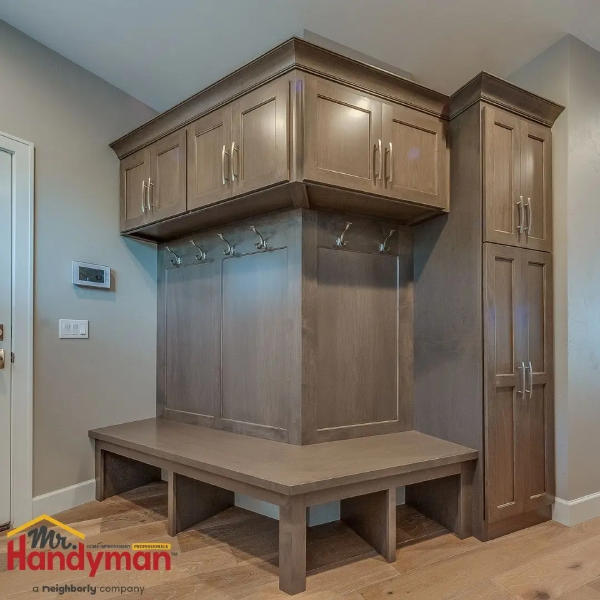
A built-in bench with storage beneath is the foundational element of a functional mudroom configuration. The bench provides a dedicated sitting surface for removing footwear without requiring household members to carry wet boots to another room to take them off. Storage beneath the bench, either in pull-out drawers, cubbies with baskets, or a simple open shelf, keeps footwear contained and off the floor rather than piled in whatever space is available near the door.
Cubbies positioned above or beside the bench, sized to accommodate the specific number of household members who use the entry regularly, give each person a defined organizational zone for their own outerwear, bags, and regularly used items. Hooks mounted at multiple heights accommodate the full range of items a Pittsburgh area household brings through the door. A hook at standard adult height handles coats and bags. A lower hook at child height keeps young children independent in their own organizational zone. A heavy-duty hook or dedicated hanging bar handles heavier items like winter parkas, sports bags, and gear that standard hooks can't support without pulling away from the wall over time.
A Dedicated Drop Zone
The drop zone concept addresses one of the most consistent daily friction points in any busy household: the need for a designated surface where items can be set down immediately upon entering the home before being put away properly. Without a dedicated drop zone, bags, keys, mail, phones, and daily carry items accumulate on whatever surface is nearest to the door.
A built-in or furniture-based drop zone consisting of a counter surface, a small console table, or a shelf at approximately waist height gives every household member a specific place to set items down during the arrival transition. Combined with hooks above and storage below, a well-designed drop zone captures the daily chaos of household arrivals and contains it to the space that was designed to handle it. Adding a charging station to the drop zone surface converts a functional landing area into an organizational system that also handles the household's daily device management needs.
Lighting That Makes the Space Work
Entryway lighting in many Pittsburgh area homes is limited to a single overhead fixture that was installed during original construction and hasn't been updated since. That single fixture often creates a dimly lit space where storage systems can't be used effectively because they're in shadow, and where the arrival experience feels unwelcoming rather than warm.
Updated lighting in the entryway serves both functional and atmospheric purposes. Overhead lighting should be bright enough to illuminate the full space clearly, including the inside of storage cubbies and the floor-level boot storage area. Accent lighting on either side of an entry mirror, or pendant lighting over a drop zone surface, adds warmth and dimension to the space that a single overhead fixture can't achieve. A motion-activated light inside a mudroom closet or below-bench storage area eliminates the unnecessary friction of reaching into a dark storage area while managing an armful of gear.
How Entryway Upgrades Affect the Rest of the Home
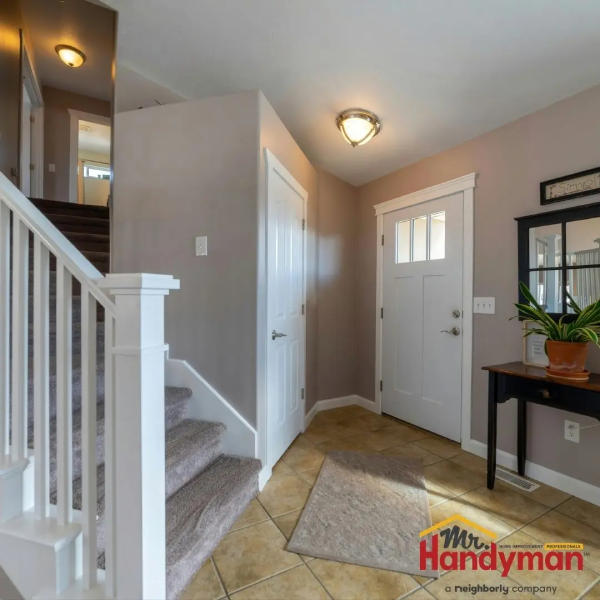
An entryway or mudroom upgrade doesn't exist in isolation. The improvements made to this single space ripple outward into every room that connects to it, changing how the household moves through the home, how cleaning demands distribute across different spaces, and how the home presents to everyone who enters it.
Without an organized entry that contains coats, shoes, bags, and daily carry items, those things migrate naturally into the living room, where they accumulate on furniture and floor surfaces. A well-designed entryway upgrade stops that migration at the source. Coats stay on hooks rather than draped over the back of the sofa. Shoes stay in the boot storage area rather than scattered near the coffee table. The living room stays cleaner and more organized not because household habits changed dramatically, but because the entry space was designed to support better habits without requiring additional effort from anyone using it.
Western Pennsylvania winters are hard on interior flooring, and the mechanism of that damage almost always runs through the entryway. Salt tracked in on boots moves through the entry and onto whatever flooring surface lies beyond it. An upgraded entryway with appropriate flooring, a designated boot drying area, and storage that keeps wet items contained to the entry zone stops that damage pathway before it begins. For Pittsburgh area homeowners who have invested in hardwood floors, quality carpet, or other finish flooring materials throughout the home, protecting that investment through a properly designed entry is one of the most cost-effective forms of floor maintenance available.
In homes without a functional entry storage system, the household's coats, seasonal gear, sports equipment, and regularly used outdoor items migrate to closets throughout the home, where they compete for space with items those closets were designed to hold. An entryway upgrade that provides adequate, dedicated storage for the items a Pittsburgh area household regularly brings through the door frees every other closet in the home to serve its intended purpose.
Addressing the Specific Challenges of Pittsburgh Area Homes
Many homes in communities like Plum, Penn Hills, Trafford, Jeannette, Irwin, and the surrounding areas were built during a period when mudrooms weren't a standard feature of residential design. The entry in these homes is often a modest transitional space sized for passage rather than organization. Upgrading an entry of this scale requires creative thinking about how to maximize functional capacity within limited square footage.
Wall-mounted storage systems that use vertical space efficiently are particularly valuable in Pittsburgh area homes with compact entry zones. A wall-mounted bench with fold-down seat, hooks mounted in a vertical array above it, and shallow shelving for smaller items above that can transform a narrow entry wall into a fully functional organizational system without consuming floor space that the passage needs to remain clear.
Pittsburgh's seasonal extremes are the most consistent design driver for entryway upgrades in this region, and every material and system selection should be evaluated against the full range of conditions the space will face. An entry that performs beautifully in September needs to handle January with equal effectiveness, and the materials, storage systems, and flooring that make that possible are worth selecting with that full seasonal range in mind.
Frequently Asked Questions
How much space do I need to create a functional mudroom in my Pittsburgh area home?
A functional mudroom doesn't require a dedicated room. Some of the most effective mudroom installations in Pittsburgh area homes occupy a section of a hallway, a portion of a garage entry, or a reconfigured closet near the main entry door. A wall section as narrow as four feet wide can accommodate a bench, hooks above, and cubbies if the design uses vertical space efficiently.
Should I use a professional or can I handle an entryway upgrade myself?
Straightforward elements like installing a hook rail, adding a freestanding bench, or painting the space are within reach of most attentive homeowners. But built-in storage construction, flooring installation, electrical work for new fixtures, and any modifications to walls or closets benefit significantly from professional execution. In older Pittsburgh area homes where walls may contain unexpected conditions and existing systems may need updating to support new elements, professional involvement from the beginning prevents the costly corrections that DIY approaches in these homes frequently require.
How do I choose between tile and luxury vinyl plank for my entryway floor?
Both are strong choices for Pittsburgh area entryways. Tile is harder, more scratch-resistant, and handles grit and abrasion better than any other flooring material, making it the strongest choice for households with heavy boot traffic, multiple dogs, or particularly demanding seasonal conditions. Luxury vinyl plank is warmer underfoot, easier to install over existing subfloor conditions, and more forgiving for households where comfort during the arrival and departure routine matters.
What finishing touches make the biggest difference in how an upgraded entryway feels?
Three finishing elements consistently elevate an upgraded entryway from functional to genuinely welcoming. A well-proportioned mirror mounted at eye level makes the space feel larger and adds a visual element that signals intentional design. A quality entry mat inside the door, sized generously to the width of the entry zone, adds warmth and captures debris before it spreads further. And consistent hardware finish across all hooks, pulls, and fixtures creates the cohesive visual character that distinguishes a thoughtfully designed entry from a collection of individual additions.
The First Impression That Lasts All Day
The entryway is the first experience of the home and the last one before leaving it, and in a Pittsburgh area household navigating the full range of Western Pennsylvania's seasons, that experience happens multiple times every single day. An entry that functions well, contains what it's supposed to contain, and presents a welcoming and organized appearance sets the tone for everything that follows.
Mr. Handyman of Pittsburgh East Suburbs and Greensburg helps homeowners throughout the region transform entryways and mudrooms from overlooked transition spaces into genuinely functional and well-designed parts of the home. Whether the project is a targeted storage upgrade or a comprehensive mudroom installation, the team brings the experience and craftsmanship that Pittsburgh area homes deserve.
Website: mrhandyman.com/pittsburgh-east-suburbs-greensburg
Serving homeowners throughout the Pittsburgh East Suburbs, Greensburg, and the surrounding communities with dependable service and the expertise your home deserves.
