
Why Garbage Disposal Issues Are So Common in Pittsburgh Area Homes

The garbage disposal is one of those appliances that most homeowners never think about until it stops working. It runs quietly under the sink day after day, handling food scraps, grinding through rinse water, and doing its job without complaint. Then one morning it hums without spinning, or it leaks onto the cabinet floor, or it simply does nothing at all when you flip the switch. And suddenly it becomes the most urgent thing in the kitchen.
What makes garbage disposal problems particularly common in the Pittsburgh East Suburbs and Greensburg area isn't just regular wear. It's the combination of older homes, older plumbing configurations, and the way most homeowners actually use the appliance versus how it was designed to be used. Many homes in communities like Monroeville, Murrysville, Plum, Penn Township, and Greensburg were built decades ago, and the disposals in those kitchens have often been in service far longer than manufacturers intend. Some have never been replaced at all.
Understanding why disposals fail, and what the warning signs look like before a full failure occurs, is the kind of knowledge that saves homeowners both money and inconvenience. A disposal that's humming but not spinning can often be reset in minutes. A leak at the sink flange can be repaired without replacing the entire unit. But those same problems, left unaddressed, tend to escalate into drain line issues, cabinet water damage, and appliance failures that require full replacement under worse circumstances.
This guide walks through the most common garbage disposal problems found in Pittsburgh area homes, explains what causes them, and gives homeowners a clear picture of what can be handled with basic attention and what warrants a professional visit.
The Most Common Garbage Disposal Problems and What Causes Them
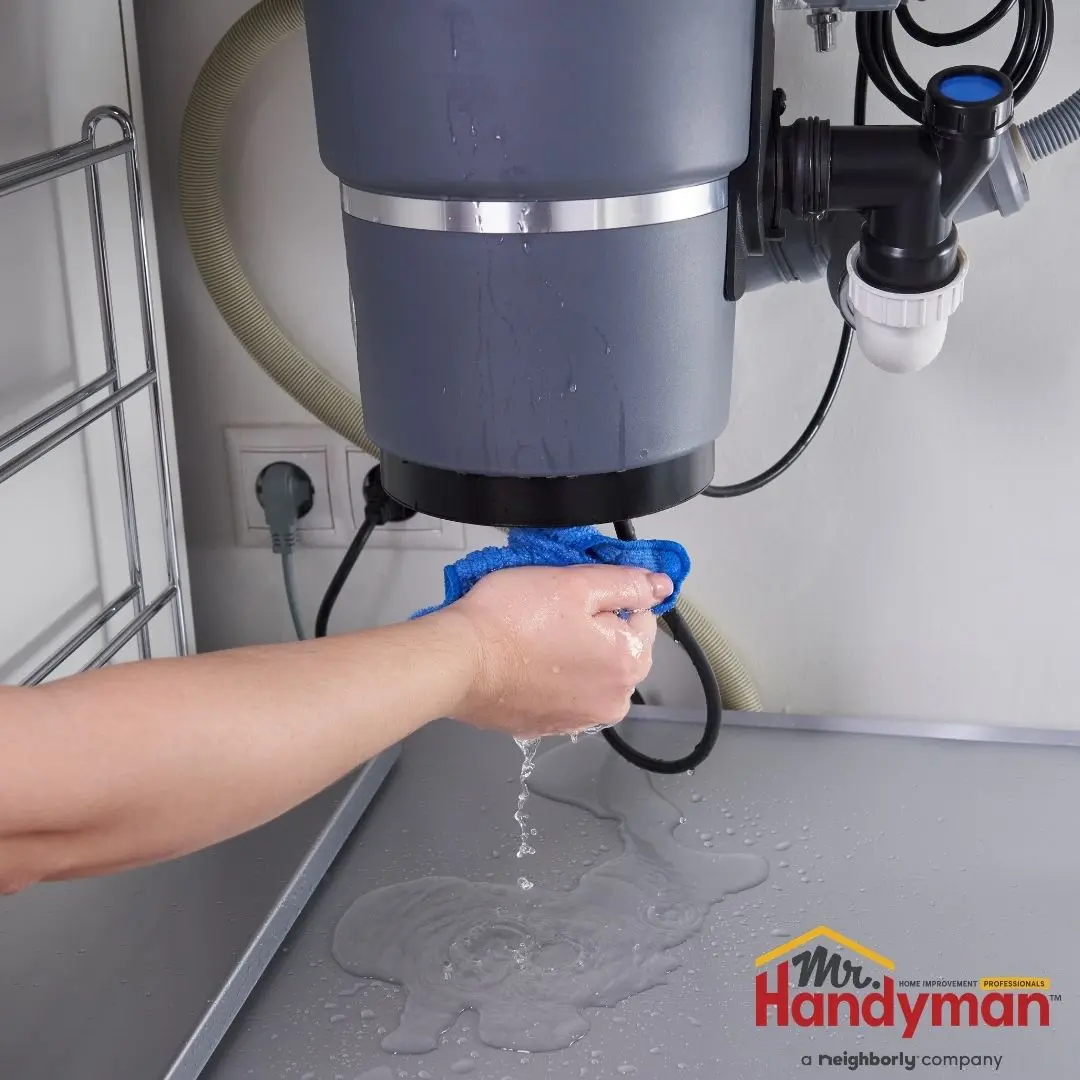
Garbage disposal failures rarely happen without warning. Most of the time, there are signs in the days or weeks before a full breakdown that something isn't right. Knowing what those signs mean makes it easier to act before a minor issue becomes a bigger one.
The Disposal Hums But Won't Spin
This is one of the most frequently reported disposal problems in older Pittsburgh area homes, and it's also one of the most misunderstood. When a disposal hums but the grinding plate doesn't turn, most homeowners assume the motor is failing. In many cases, the actual cause is a jammed grinding plate, not a dead motor.
Disposals are equipped with an overload protector that trips when the motor encounters resistance it can't overcome. When a small bone fragment, a fruit pit, a piece of silverware, or even a buildup of compacted food causes the plate to stop mid-cycle, the motor draws more current than it should, the overload protector trips, and the unit shuts down into a protected state. The hum you hear when you flip the switch is the motor trying to run against a plate it can't move.
In these situations, the fix is often straightforward. Most disposals have a hex socket at the base of the unit designed for exactly this purpose. Inserting the correct hex wrench and manually working the plate free, then pressing the reset button on the bottom of the unit, resolves the jam in many cases. The problem is that homeowners who don't know this reach for the switch repeatedly, which can overheat the motor and turn a simple jam into an actual motor failure.
In older units, repeat jamming is also a sign that the grinding components have worn down enough that they're no longer processing food efficiently. What used to grind through easily now compacts and jams because the cutting edges have dulled over years of use.
The Disposal Leaks
Leaks are the second most common disposal problem, and they're particularly damaging because they often go unnoticed for extended periods. The cabinet beneath the kitchen sink is a dark, enclosed space that most homeowners open only when they need something stored there. A slow drip from a disposal connection can run for weeks before it's discovered, by which point the cabinet floor, the subfloor beneath it, and any stored items have absorbed significant moisture.
Disposal leaks come from several distinct locations, and identifying which one is causing the problem determines the appropriate repair.
A leak at the sink flange, where the disposal mounts to the bottom of the sink drain opening, is one of the most common sources. The flange is secured with plumber's putty, and over time that putty dries, cracks, and loses its seal. When the seal fails, water from the sink basin finds its way around the flange and drips down the exterior of the disposal housing. This type of leak is often mistaken for a leak from the unit itself, but it originates above the disposal at the sink connection.
Leaks at the dishwasher inlet are another frequent source. Many kitchen disposals are plumbed to accept the dishwasher drain, which connects through an inlet port on the side of the disposal housing. The clamp securing that connection can loosen over time, particularly in kitchens where the disposal has been knocked or shifted during under-sink storage access.
Leaks from the drain outlet, where the disposal connects to the household drain line, are typically caused by a worn gasket or a loose slip joint connection. These connections are designed to be serviceable, but they require attention when gaskets age and compression fittings loosen.
The Disposal Drains Slowly or Not at All
Slow draining from a disposal is almost always a drain line issue rather than a disposal issue, but the two are closely connected and one frequently causes the other. When food particles that weren't fully ground pass into the drain line, they accumulate over time along the interior of the pipe. In older Pittsburgh area homes where drain lines may already have reduced interior diameter from years of buildup, this accumulation happens faster.
Grease is the primary accelerator of this problem. Many homeowners treat the disposal as a solution for grease and cooking oils, rinsing them down the drain during or after use. Grease doesn't behave like water in a drain line. It cools, solidifies, and adheres to the pipe interior, creating a narrowing that traps food particles and compounds over months. The result is a drain that moves slowly, backs up during heavy use, and eventually stops accepting water from the disposal at the rate the unit produces it.
This is one of the most preventable disposal problems in any home, but it requires changing a habit that many homeowners have maintained for years without realizing the downstream effect.
The Disposal Smells Persistently
Odor from a garbage disposal is one of the most common complaints homeowners in this area bring up, and it's also one of the most misdiagnosed. Many homeowners believe a smelly disposal means the unit needs replacement. In most cases, the odor has nothing to do with the disposal's mechanical condition. It comes from food residue that accumulates in places water doesn't reach during normal use.
The underside of the rubber splash guard, which sits in the drain opening above the grinding chamber, is one of the primary culprits. Food particles collect on the underside of the flaps, where they're never exposed to the water and grinding action happening below. Over time, that residue decomposes and creates a persistent smell that seems to come from the drain but actually originates just inches above it.
The grinding chamber walls and the area around the grinding plate also collect residue that doesn't fully flush out during normal operation. In older disposals with worn grinding components, partial processing of food leaves more residue behind with each use, which compounds the odor problem over time.
How Pittsburgh Area Homes Create Specific Disposal Challenges
Homes in the Pittsburgh East Suburbs and Greensburg area have characteristics that make garbage disposal problems more likely than they might be in newer construction.
Many kitchens in this region were designed and built before garbage disposals were standard. When disposals were added later, they were often installed into drain configurations that weren't originally designed for them. This means that drain line angles, the distance between the disposal outlet and the main drain stack, and the diameter of connecting pipes may not be ideal for the volume and consistency of material a disposal pushes through. In these configurations, partial clogs and slow draining become recurring issues rather than occasional ones.
The age of drain lines is also a significant factor. Older cast iron drain lines, which are common in homes throughout Monroeville, Penn Hills, Trafford, and similar communities, develop interior roughness as they age. That rough interior surface catches and holds food particles far more readily than modern PVC pipe. A disposal connected to an aging cast iron drain line will produce buildup and slow draining much faster than the same unit connected to a clean, smooth pipe interior.
Pittsburgh's water also plays a role. Mineral content in the regional water supply contributes to scale buildup inside drain connections and around the components of the disposal itself over time. This accumulation, while slow, affects how efficiently water moves through the system and how well the disposal's moving parts perform after years of operation.
What Homeowners Can Do and When to Call for Help
Many common disposal problems are within reach of an attentive homeowner. A jammed plate can often be freed with the reset process described earlier. Odor issues respond well to regular cleaning of the splash guard and periodic use of ice and coarse salt to scour the grinding chamber. Slow draining can sometimes be improved by running cold water during and after every disposal use and avoiding grease entirely.
But there are situations where the right call is professional attention. A disposal that jams repeatedly despite being cleared is telling you something about the condition of its grinding components. A leak that persists after tightening visible connections points to a gasket or flange issue that requires disassembly. A unit that's more than ten years old and showing multiple symptoms simultaneously is approaching the end of its useful life, and a professional assessment can tell you clearly whether repair or replacement makes more sense for your specific situation.
Homeowners in older Pittsburgh area homes should also be aware that disposal problems don't always stay contained to the disposal itself. A chronic slow drain can back up into connected fixtures. A persistent leak at the flange can damage the sink itself over time. Addressing these issues early, with the right guidance, protects more than just the appliance.
Room by Room Reality: How Disposal Problems Affect the Rest of Your Kitchen
A garbage disposal sits at the center of the kitchen's plumbing system, and when it develops problems, those problems rarely stay isolated to the unit itself. Understanding how disposal issues ripple outward into the surrounding space helps homeowners in the Pittsburgh East Suburbs and Greensburg area see the full picture before a small repair becomes a larger project.
Beneath the Sink
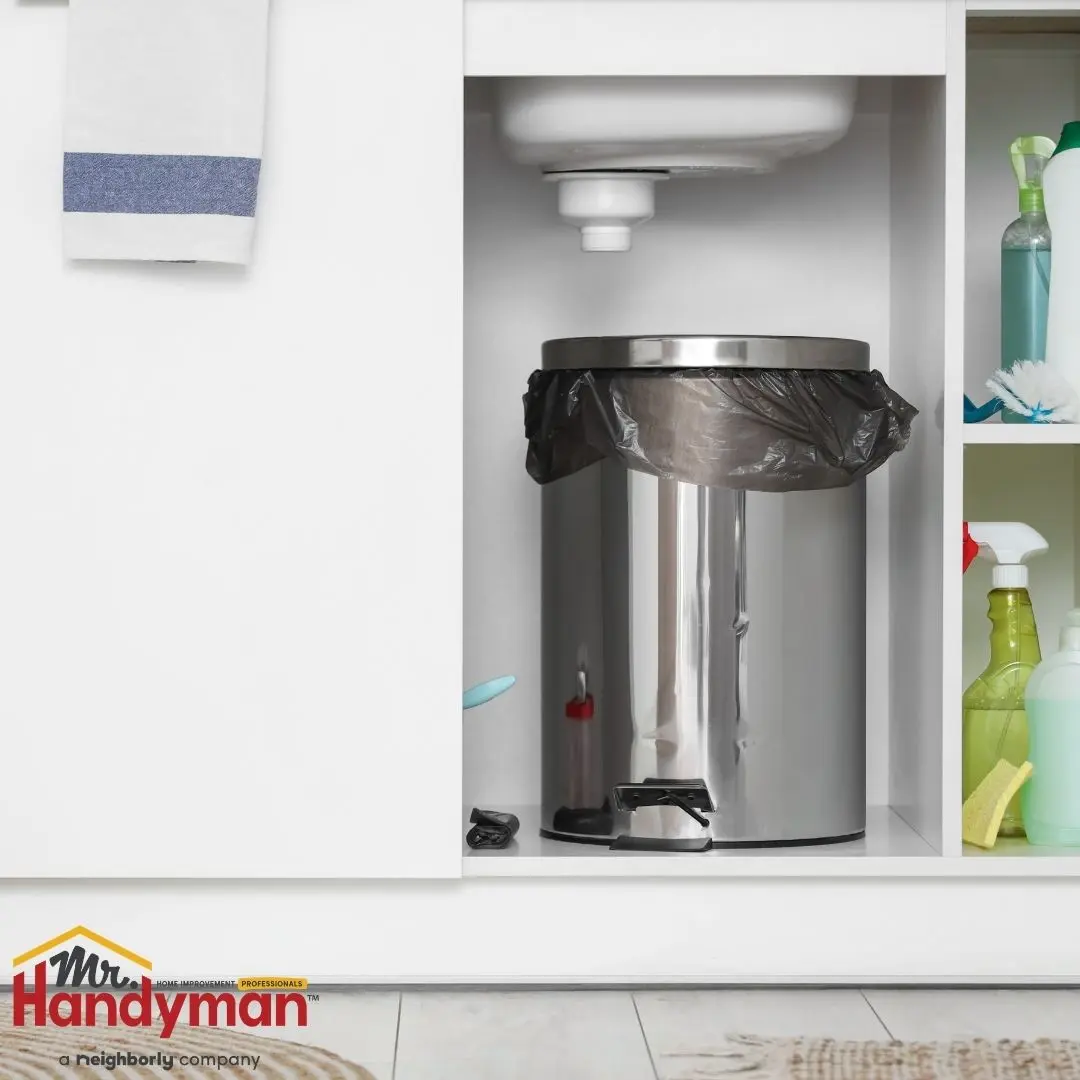
The cabinet beneath the kitchen sink is the first place disposal problems make themselves known, and it's also the place where damage accumulates the longest without detection. Because most homeowners use this space for storage, cleaning supplies, and miscellaneous items, a slow leak from the disposal flange or drain connection can go unnoticed behind bottles and bags for weeks at a time.
In older Pittsburgh area homes, the cabinet floor beneath the sink is often original wood or particleboard that has already absorbed years of minor moisture exposure from normal use. When a disposal leak adds sustained moisture to that already-compromised surface, deterioration accelerates quickly. The cabinet floor softens, the subfloor beneath it begins to absorb water, and in homes where the kitchen sits above a basement or crawl space, that moisture finds its way downward into the structure below.
Homeowners should make a habit of clearing out the cabinet beneath the sink completely at least a few times per year and inspecting the floor, the walls, and all visible connections with a flashlight. The early signs of a problem, a slight darkening of the wood, a faint musty smell, or a soft spot in the cabinet floor, are far easier and less expensive to address than the damage that follows if they're ignored.
The Sink Basin and Drain Opening
The connection between the disposal and the sink basin is a point of vulnerability that affects the sink itself over time. When the sink flange seal fails and water finds its way around it, that water doesn't just drip onto the disposal housing. It can work its way between the flange and the sink material, particularly in older sinks where the original installation may have used plumber's putty that has long since dried and cracked.
In stainless steel sinks, this ongoing moisture exposure at the flange can cause surface corrosion around the drain opening that spreads outward over time. In older porcelain-coated cast iron sinks, which are common in Pittsburgh area homes from the mid-twentieth century, a compromised flange connection can allow water to reach the cast iron beneath the porcelain coating, creating rust that eventually pushes through the surface finish.
Addressing a flange seal issue promptly protects not just the disposal connection but the sink itself, which in many older Pittsburgh area kitchens is a quality fixture worth preserving.
The Dishwasher Connection
In most kitchens, the dishwasher drains through the garbage disposal. This is a plumbing configuration that works well when the disposal is functioning correctly and the connecting drain hose is properly routed and secured. When the disposal develops problems, particularly slow draining or a clogged outlet, the dishwasher is directly affected.
A disposal drain line that has accumulated grease and food particle buildup creates back pressure that the dishwasher pump has to work against during its drain cycle. Over time, this back pressure can affect the dishwasher's drain performance, leaving standing water in the bottom of the tub after a cycle completes. Homeowners who notice this symptom often assume the dishwasher itself is failing, when in reality the problem originates in the disposal drain line shared between the two appliances.
Keeping the disposal's drain line clear and functioning properly is, in practical terms, also keeping the dishwasher's drain path clear. The two systems are more connected than most homeowners realize.
Local Homes, Older Kitchens, and the Compounding Effect of Deferred Repairs
One of the most consistent patterns seen in Pittsburgh East Suburbs and Greensburg homes is the compounding effect of deferred maintenance in the kitchen. A disposal that jams occasionally gets reset and forgotten. A slow drain gets a chemical treatment and seems to improve temporarily. A faint odor gets masked with cleaning products rather than addressed at the source. Each of these responses handles the immediate symptom without resolving the underlying condition.
What happens over time is that each unresolved issue makes the next one worse. A disposal that jams repeatedly and is never properly serviced develops accelerated wear on its motor bearings and grinding components. A drain line that's treated chemically rather than mechanically cleared continues to accumulate buildup between treatments. An odor problem that comes from splash guard residue and chamber buildup worsens with every use until cleaning the unit requires significantly more effort than it would have with regular maintenance.
In homes throughout communities like Export, North Huntingdon, Irwin, Jeannette, and the surrounding areas, kitchens that were installed in the 1970s and 1980s are now carrying appliances and drain configurations that have decades of accumulated wear. A professional assessment of the full under-sink plumbing situation in these homes frequently reveals that what looks like a single disposal problem is actually several connected issues that developed gradually and reinforced each other over time.
Addressing these issues systematically, rather than one symptom at a time, is what separates a kitchen that continues to have recurring problems from one that functions reliably for years.
Simple Maintenance Habits That Extend Disposal Life
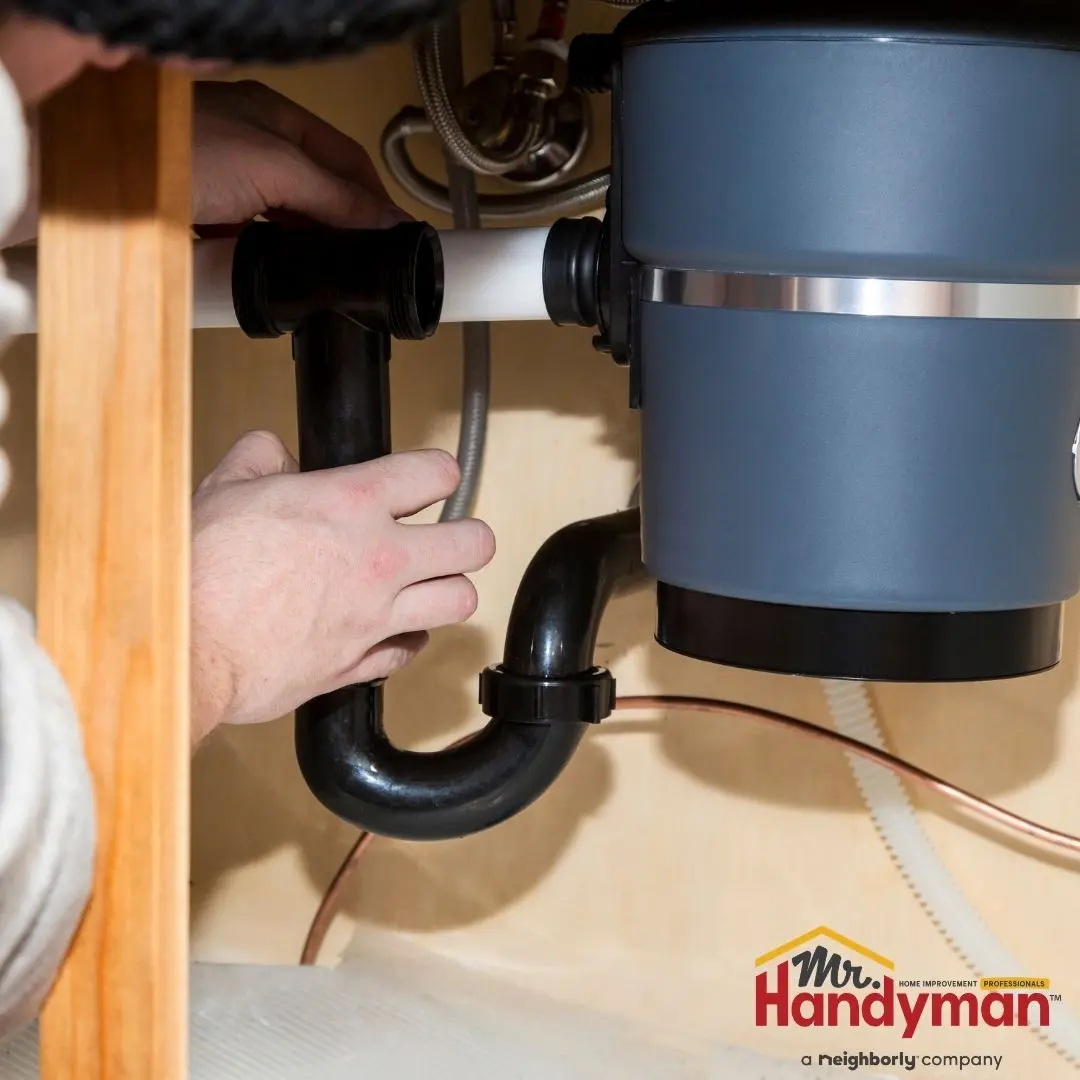
Prevention is always more cost-effective than repair, and garbage disposals respond well to consistent, simple maintenance habits that most homeowners can build into their regular routines without much effort.
Running cold water before, during, and after every use is one of the most effective maintenance habits available. Cold water keeps fats and grease in solid form as they move through the grinding chamber and into the drain line, making them easier to push through rather than allowing them to coat the pipe interior in liquid form. The water should run for at least 20 to 30 seconds after the disposal is switched off to fully flush ground material through the drain line rather than leaving it sitting in the pipe.
Cleaning the splash guard regularly makes a meaningful difference in odor control and overall hygiene. The rubber flaps can be lifted and wiped on the underside with a cleaning solution, removing the food residue that accumulates there and is responsible for much of the odor that homeowners associate with the disposal unit itself.
Periodic use of ice cubes in the disposal helps maintain the grinding surfaces. Running a full tray of ice through the disposal scours the grinding plate and chamber walls, dislodging residue and helping to keep the cutting edges of the grinding components functioning more effectively. This is particularly useful in older units where grinding efficiency has naturally declined with age.
Avoiding the disposal entirely for fibrous materials, hard shells, and anything starchy is a habit that significantly reduces jam frequency. Foods like celery, artichoke leaves, corn husks, pasta, rice, and potato peels are among the most common contributors to disposal jams and drain line buildup in residential kitchens. None of these items belong in the disposal regardless of how powerful the unit is.
Frequently Asked Questions
How long should a garbage disposal last in a Pittsburgh area home?
Most quality garbage disposals are designed to last between 8 and 15 years under normal use conditions. In Pittsburgh area homes where the unit may be connected to an older drain configuration, where water mineral content accelerates component wear, or where the disposal has been used for materials it wasn't designed to handle, that lifespan can be shorter. A unit showing multiple symptoms after a decade of service is a strong candidate for replacement rather than continued repair.
Can I use chemical drain cleaners to fix a slow disposal drain?
Chemical drain cleaners are generally not recommended for use with garbage disposals. The chemicals are corrosive and can damage the rubber components inside the disposal, including seals and the splash guard, in addition to affecting the drain line itself. Mechanical clearing of the drain line and consistent maintenance habits are more effective long-term solutions that don't introduce chemical risk to the components of the unit.
My disposal makes a loud grinding noise even when it's empty. What does that mean?
A grinding or rattling noise from an empty disposal typically indicates that a small object, a piece of glass, a small bone fragment, or a foreign item, has become lodged in the grinding chamber but hasn't fully jammed the plate. It can also indicate that components inside the grinding chamber have worn to the point where metal-on-metal contact is occurring. Either situation warrants inspection before the problem progresses.
Is it worth repairing an older disposal, or should I just replace it?
The answer depends on the age of the unit and the nature of the problem. A disposal that's less than eight years old and experiencing a single, clearly identified issue is generally worth repairing. A unit that's ten years or older, has required multiple repairs, and is now showing a new problem is usually more cost-effective to replace. A professional assessment can give you a clear recommendation based on the specific condition of your unit.
Why does my disposal smell even after I clean it?
If odor persists after cleaning, the source is most likely in the drain line rather than the disposal itself. Grease and food particle buildup inside the drain pipe produces odor that travels back up through the disposal opening. If cleaning the splash guard and grinding chamber doesn't resolve the smell, the drain line between the disposal and the main stack may need to be mechanically cleared.
Do I need a permit or professional license to replace a garbage disposal in Pennsylvania?
Replacing a garbage disposal with a like-for-like unit of similar configuration is generally considered routine appliance replacement and does not typically require a permit in most Pennsylvania municipalities. However, any modification to the drain line configuration or electrical supply does involve code considerations. A qualified handyman with experience in Pittsburgh area homes can handle a straightforward disposal replacement efficiently and correctly without unnecessary complication.
Reliable Help for Pittsburgh East Suburbs and Greensburg Homeowners
Garbage disposal problems are rarely as complicated as they seem from the outside, but they do require accurate diagnosis and the right approach to resolve them properly the first time. Whether the issue is a persistent jam, a leak that's been quietly damaging the cabinet below, a drain that moves too slowly, or a unit that's simply reached the end of its useful life, the right help makes the difference between a quick repair and a recurring problem.
Mr. Handyman of Pittsburgh East Suburbs and Greensburg works with homeowners throughout the region every day, bringing honest assessments and dependable repairs to kitchens of all ages and configurations. If your disposal is giving you trouble, there's no reason to put it off.
Website: https://www.mrhandyman.com/pittsburgh-east-suburbs-greensburg
Serving homeowners throughout the Pittsburgh East Suburbs, Greensburg, and the surrounding communities with dependable service and the expertise your home deserves.