
Why the Kitchen Takes the Hardest Hit During Summer Entertaining

Summer entertaining in the Pittsburgh East Suburbs and Greensburg area has a rhythm that most homeowners know well. The backyard fills up, the grill gets going, and the kitchen becomes the operational center of everything else. Drinks are poured, dishes are rinsed, produce is washed, and the sink runs almost continuously from the moment guests arrive until well after the last plate is cleared. It's a level of demand that the kitchen plumbing handles gracefully when everything is in good working order and reveals every existing weakness when it isn't.
The problem is that most kitchen plumbing issues develop gradually, in ways that don't produce an obvious crisis during normal daily use. A faucet that drips slightly, a drain that moves a little slowly, a garbage disposal that occasionally struggles, or a supply line connection that's been weeping just enough to darken the cabinet floor are the kinds of conditions that homeowners learn to work around on a Tuesday evening when it's just the family at home. But those same conditions become genuine problems when the kitchen is running at full capacity for a cookout or a graduation party with a dozen people cycling through.
Homes throughout communities like Monroeville, Murrysville, Penn Township, Export, Greensburg, and the surrounding boroughs carry the additional challenge of age. A kitchen that was last fully updated in the 1990s or earlier is working with plumbing components that have been in continuous service for decades. The drain lines, supply connections, disposal unit, and faucet hardware in these kitchens have absorbed years of daily use and are closer to their functional limits than they may appear from the outside.
Addressing the most common kitchen plumbing issues before summer entertaining season begins is one of the most practical forms of home preparation a Pittsburgh area homeowner can invest in.
The Kitchen Sink: Where Most Problems Announce Themselves

Faucet Condition and Performance
A kitchen faucet that drips when off, delivers inconsistent flow, or requires increasingly awkward handle positioning to reach a comfortable temperature is telling the homeowner something important about the condition of its internal cartridge. Under normal daily use, these symptoms are inconvenient. During a summer event where the faucet is running almost continuously for several hours, a worn cartridge that's been managing adequately on lighter use days can fail outright under sustained demand.
The aerator at the tip of the faucet spout deserves attention before any hosting event. In Pittsburgh area homes where water mineral content contributes to consistent deposit accumulation, a kitchen faucet aerator that hasn't been cleaned or replaced in a year or more is likely delivering reduced flow that becomes noticeable when the faucet is in heavy use. Removing the aerator, inspecting it for blockage, and cleaning or replacing it is a simple step that takes minutes and ensures the faucet performs at its best when it matters most.
The spray head or pull-down wand on modern kitchen faucets is another component worth checking before a hosting event. The connection between the spray head and the supply hose inside the faucet body can develop leaks at the fitting over time, particularly in faucets that see heavy use. A slow drip inside the faucet body that runs into the cabinet below may not be obvious during normal use but can become apparent after a long event during which the spray head has been used extensively.
Drain Performance Under Heavy Load
A kitchen drain that moves adequately during daily use but slows noticeably under heavy load is one of the most common hosting-day plumbing problems in Pittsburgh area homes. The drain line between the sink and the main stack accumulates grease, soap residue, and food particle buildup over time, narrowing the effective diameter of the pipe and reducing its capacity to handle high volumes of water quickly.
During a summer gathering, the sink drain is handling rinse water, ice melt from coolers, food prep runoff, and dishwater in volumes that far exceed a typical weekday evening. A drain line with existing buildup that was managing adequately at lower volumes may back up completely under that concentrated demand, producing standing water in the sink at exactly the moment when the kitchen needs to be functioning at its best. Addressing this before a hosting event requires a thorough mechanical clearing of the drain line rather than a chemical treatment that masks the buildup without removing it.
The P-Trap and Drain Connections
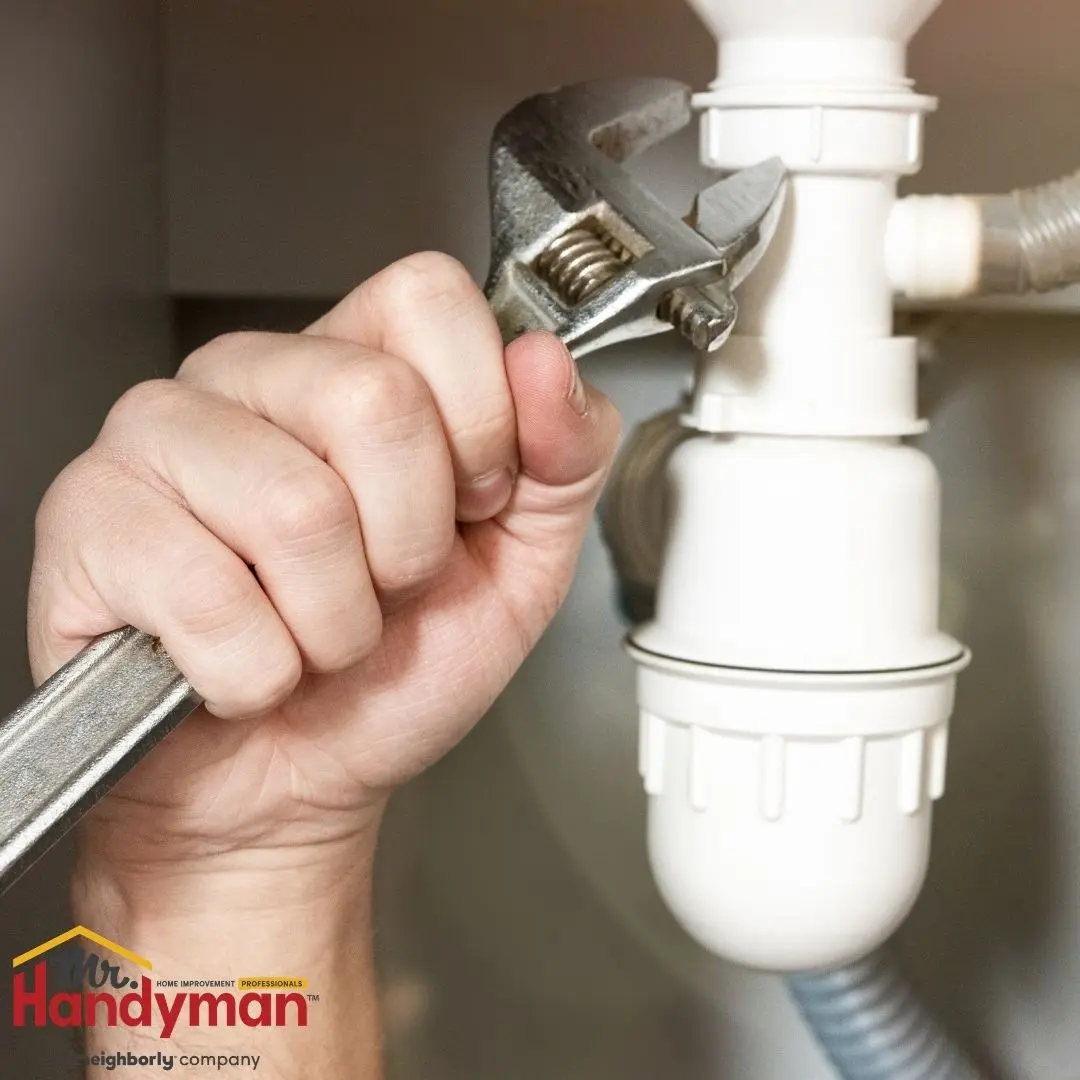
The P-trap beneath the kitchen sink, the curved pipe section that retains water to block sewer gases, is a connection point that deserves inspection before heavy use periods. In older Pittsburgh area kitchens, P-trap connections made from plastic slip-joint fittings can loosen over time, particularly in cabinets where stored items are frequently moved around and occasionally knock against the drain assembly. A P-trap connection that's slightly loose under normal conditions may begin to leak when the drain is handling the sustained volume of a busy gathering.
Checking the P-trap and all visible drain connections beneath the sink takes only a few minutes and requires nothing more than running water and observing the connections for any sign of dripping or moisture. Any connection that shows even a minor seep should be tightened or replaced before the event rather than after.
The Garbage Disposal: High Risk During Entertaining
The garbage disposal works harder during a summer gathering than it does during any normal week of household use. Food scraps from appetizers, produce trimmings from salads and sides, rinds and peels from summer fruits, and the general volume of food waste that a group of guests generates in an afternoon all find their way to the disposal in concentrated bursts. A unit that's been managing adequately under normal conditions is under genuine stress during an event of any size.
Assessing the Disposal's Current Condition
Before hosting season begins, run the disposal through a deliberate assessment. Note whether it starts immediately and runs smoothly without unusual noise or vibration. A rattling or grinding sound from a running disposal indicates something lodged in the grinding chamber or worn internal components producing metal-on-metal contact. Either condition becomes more problematic under the heavy use a gathering produces.
Check how the disposal handles a normal food load. If it takes longer to process scraps than it used to, if it jams with material that shouldn't challenge it, or if it requires the reset button more than occasionally, those are signs that the grinding components have worn to a point where the unit is no longer operating at appropriate capacity. A disposal in this condition that's pushed through a full afternoon of gathering food waste is a disposal that's likely to jam, overheat, or fail at the moment it's needed most.
The Disposal's Drain Connection
The connection between the disposal outlet and the drain line uses a slip-joint fitting with a gasket that can loosen or wear over time, particularly in kitchens where the disposal has been in service for many years. A loose connection at the disposal outlet that drips slightly under normal daily use will drip continuously during an event when the disposal is running frequently.
A disposal that's showing multiple signs of wear before summer entertaining season is not a unit to push through another season of heavy use. The cost of a disposal replacement is modest compared to the disruption of a failed unit mid-gathering, and a new disposal installed before the summer's first hosting event delivers reliable performance through the entire season rather than anxiety every time a guest hands off a plate of scraps.
Supply Lines and Under-Sink Connections
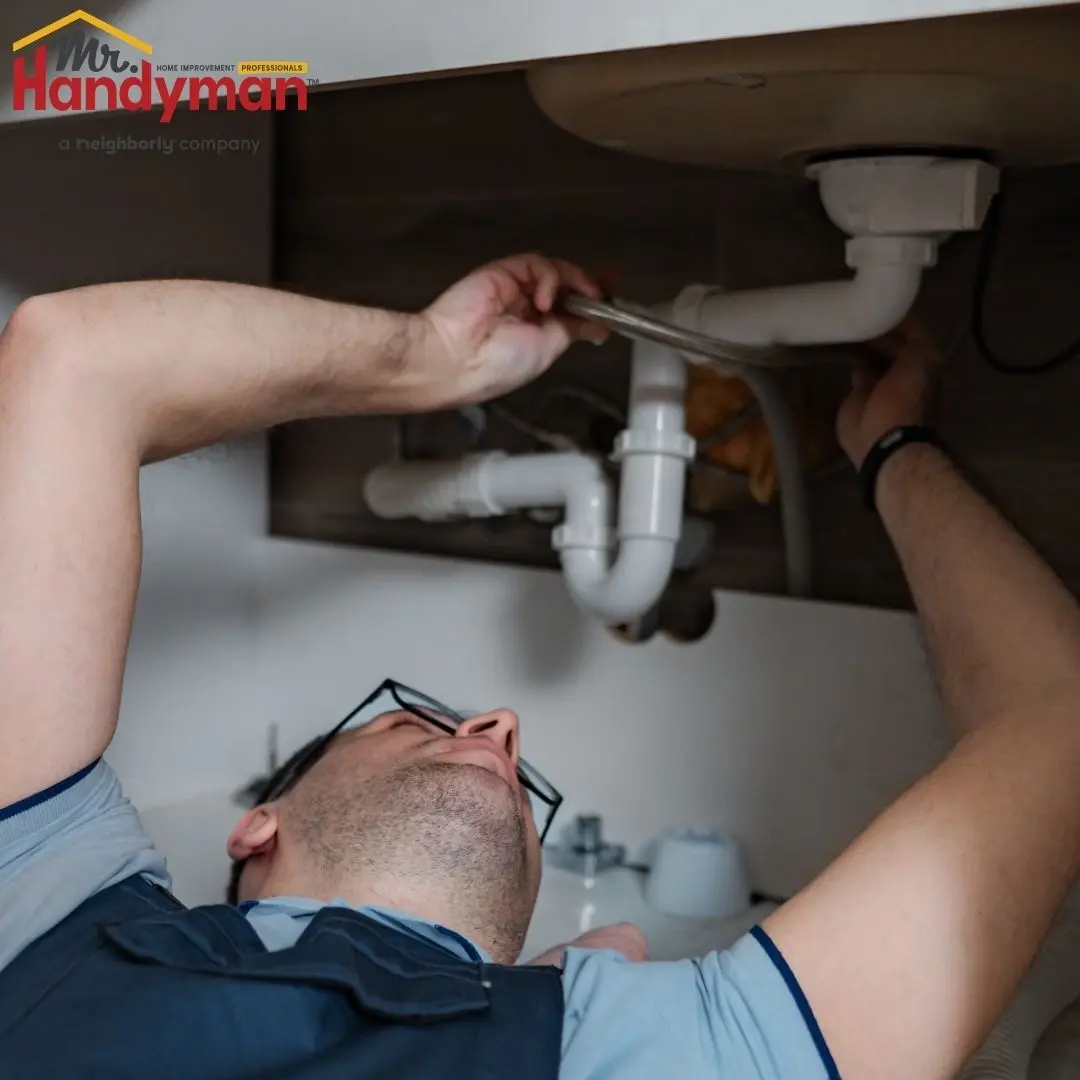
The supply lines running from the shutoff valves to the kitchen faucet, and any additional supply connections serving an ice maker or under-sink water filtration system, are under constant pressure every hour of every day. In kitchens where these lines have been in place for seven or more years, their condition deserves deliberate inspection before a period of heavy use.
A supply line that's been slowly weeping at a fitting connection creates a moisture environment in the cabinet below that accelerates damage to cabinet materials, encourages mold growth in an enclosed space, and represents a failure point that can go from slow drip to more significant flow if a fitting lets go under the sustained pressure of a busy gathering day. Inspecting every supply line connection beneath the kitchen sink, and replacing any line that shows discoloration at fittings, stiffness or surface cracking along the body, or moisture at connection points, is a straightforward pre-hosting step that eliminates a meaningful risk category entirely.
The Dishwasher Connection
A dishwasher that's running multiple cycles during a summer gathering puts sustained demand on its supply connection, its drain hose, and the disposal inlet it drains through. The dishwasher supply line connects to a shutoff valve beneath the sink and should be checked for any sign of moisture or mineral deposit at the fitting. The drain hose should be inspected for kinking, cracking, or loose connection at either end. A drain hose that's been pinched against a cabinet wall for years, or one that's developed surface cracking from age and heat exposure, is a component worth replacing before it fails during a busy entertaining day.
Running the dishwasher through a full cycle before an event and observing the connections beneath the sink during and immediately after that cycle is one of the simplest and most effective pre-hosting inspections available. Any drip, leak, or slow seep that appears during that test cycle needs to be addressed before guests arrive.
The Refrigerator Water Line and Ice Maker
Summer gatherings run on ice, and the refrigerator ice maker becomes one of the most consistently demanded appliances in the home during any warm-weather event. The supply line connecting the refrigerator to the household water supply is typically a small-diameter tube that runs from a shutoff valve beneath the sink or behind the refrigerator to the appliance inlet. These lines are under constant pressure and are rarely inspected because they're tucked behind or beneath large appliances where they're completely out of sight during normal kitchen activity.
Before summer entertaining season, pull the refrigerator away from the wall and inspect the full length of the supply line. Look for kinking along the tube, which restricts flow and reduces ice production and dispenser pressure. Look for any sign of moisture at the connection points at both ends of the line. Check the shutoff valve that controls the refrigerator supply and confirm that it opens and closes fully. A line that's kinked, a connection that's weeping, or a valve that doesn't operate cleanly is worth addressing before the first summer event rather than discovering the problem when a guest asks for ice and the maker is running empty.
How Pittsburgh Area Home Characteristics Affect Kitchen Plumbing Performance
The kitchen drain lines in many Pittsburgh area homes built before 1980 are cast iron, a material that develops interior roughness as it ages. That rough interior surface catches and holds grease, soap residue, and food particles far more aggressively than modern PVC drain pipe. A cast iron kitchen drain line that's been in service for forty or fifty years may have an interior passage progressively narrowed by decades of accumulation, producing slow drain performance that no amount of chemical treatment fully corrects. In these homes, a professional mechanical clearing of the drain line before summer entertaining season is not optional maintenance. It's a practical necessity for anyone who plans to host a gathering of meaningful size.
The water supply serving communities throughout Monroeville, Murrysville, Penn Hills, Plum, and the surrounding areas carries mineral content that accumulates inside supply line connections, aerators, and appliance inlets over time. In a kitchen that's been in continuous use for decades without fixture or connection updates, that accumulation is present in virtually every component that water flows through. Pre-hosting inspection in these kitchens needs to account for mineral restriction as a factor in every connection point, not just the most visible ones.
The Real Cost of a Plumbing Problem During a Gathering
The immediate disruption of a mid-gathering plumbing failure is the most obvious cost. A disposal that jams and won't clear, a drain that backs up with a sink full of dishes waiting, or a supply line that begins leaking into the cabinet during a busy afternoon doesn't just create a repair situation. It pulls the host away from guests, creates stress in a space that should be running smoothly, and in some cases requires shutting off water to the kitchen entirely while guests are still present.
The secondary costs extend beyond the gathering itself. Water that escapes a supply line connection and saturates the cabinet floor during an event that runs for several hours produces damage to cabinet materials, subfloor, and in homes with finished space below the kitchen, ceiling materials in the room beneath. What begins as a dripping fitting becomes a water damage situation that involves far more than a simple repair. The cost of addressing cabinet floor replacement, subfloor drying, and any ceiling damage below is many times greater than the cost of inspecting and replacing a supply line before the season begins.
Frequently Asked Questions
How far in advance should I have kitchen plumbing checked before a summer event?
Scheduling a professional kitchen plumbing inspection two to three weeks before your first major summer gathering gives enough lead time to address any repairs that are identified without rushing. Some repairs, like supply line replacement or drain line clearing, can be completed in a single visit. Others, like a disposal replacement or faucet upgrade, benefit from having a few days of buffer between the repair and the event to confirm everything is functioning correctly under normal use before the heavier hosting demand arrives.
How do I know if my kitchen drain line needs professional clearing rather than a DIY treatment?
If the drain moves slowly on a consistent basis, backs up during heavy use, or has been treated chemically multiple times without lasting improvement, the buildup inside the line has progressed beyond what surface treatments can address. A professional mechanical clearing uses equipment that physically removes accumulated material from the pipe interior rather than temporarily dissolving surface layers. In Pittsburgh area homes with older cast iron drain lines, this is the only intervention that produces reliable, lasting improvement in drain performance.
My disposal works but makes more noise than it used to. Should I replace it before summer?
Increased noise from a disposal that's otherwise functioning is worth taking seriously before a high-use period. Unusual noise typically indicates worn grinding components, a loose mounting assembly, or something lodged in the grinding chamber that hasn't fully cleared. Having a professional assess the unit before summer entertaining season determines whether the issue is a simple adjustment or a sign that the disposal is approaching the end of its useful service life and warrants replacement before the season begins.
Is it worth upgrading the kitchen faucet before summer, or should I just repair what I have?
The answer depends on the age and condition of the existing faucet. A faucet that's less than ten years old with a single identifiable issue, like a worn aerator or a cartridge that needs replacement, is worth repairing. A faucet that's fifteen or more years old, requires frequent cartridge attention, delivers inconsistent temperature control, and is visually dated in a kitchen that otherwise presents well is a stronger candidate for full replacement. A new faucet installed before summer entertaining season eliminates the risk of a mid-event failure from a component that was already marginal.
What should I do if I discover a supply line leak right before an event?
Shut off the supply valve beneath the sink immediately and do not restore water to that fixture until the line has been replaced. A supply line that's actively leaking is not a condition to manage temporarily with a towel or a container beneath the drip. The line is under constant pressure, and a fitting that's leaking will not improve on its own. Contact a professional for same-day or next-day service and use an alternative water source in the home until the repair is complete.
Can I use the kitchen normally after a drain line clearing?
Yes. A mechanical drain line clearing removes the accumulated buildup inside the pipe and restores the line to closer to its original interior diameter. The kitchen can be used immediately after the service, and the improvement in drain performance is typically apparent right away. Avoiding grease and fibrous food material in the drain going forward extends the benefit of the clearing and reduces how quickly buildup reaccumulates.
Get the Kitchen Ready Before the Season Starts
Summer entertaining in the Pittsburgh East Suburbs and Greensburg area deserves a kitchen that performs without hesitation from the first gathering to the last. The repairs and inspections covered in this guide aren't complicated or expensive relative to the disruption they prevent, and every one of them is more straightforward to address before the season begins than in the middle of it.
Mr. Handyman of Pittsburgh East Suburbs and Greensburg is ready to help homeowners throughout the region get their kitchens fully prepared before summer entertaining season arrives. From drain line clearing and disposal assessment to faucet replacement and supply line inspection, the team brings the experience and reliability that Pittsburgh area homes deserve.
Website: mrhandyman.com/pittsburgh-east-suburbs-greensburg
Serving homeowners throughout the Pittsburgh East Suburbs, Greensburg, and the surrounding communities with dependable service and the expertise your home deserves.
