
When Western Pennsylvania Showers Underperform After a Long Winter
There is a specific frustration that Greensburg, Monroeville, Murrysville, Penn Hills, Irwin, Latrobe, and the broader Pittsburgh east suburban and Westmoreland County communities recognize from summer to summer. The showerhead delivering adequate pressure through the cold months begins underperforming in June or July. The kitchen faucet filling pots without complaint during winter takes noticeably longer by August. The outdoor hose that supplied adequate pressure for fall garden cleanup now delivers a reduced flow when summer irrigation and outdoor entertaining demand activates through those same supply positions. The timing tracks with the active warm season, but the causes reflect the convergence of specifically regional conditions: the Monongahela River water's moderate mineral hardness accumulating in fixture components between cleaning events, the post-winter freeze-thaw cycling effects on building envelope-adjacent supply components, the municipal distribution dynamics that peak summer demand across the Pennsylvania American Water service territory creates, and the post-winter outdoor supply hardware conditions those freeze-thaw seasons advance at building envelope-adjacent positions.
Low water pressure is a diagnostic symptom rather than a single condition. The cause determines the appropriate response, and the causes Pittsburgh east suburban and Westmoreland County homes experience during summer differ from the winter pressure patterns and from the summer pressure conditions that other regional water supply contexts produce. Identifying the specific mechanism behind pressure reduction in a Western Pennsylvania home saves the time and the money that generic solutions applied to the wrong cause consistently waste. The homeowner who cleans aerators without restoring adequate whole-house pressure has not identified the problem. The one who replaces a pressure reducing valve when individual fixtures carry the mineral restriction that targeted fixture service addresses has done the same.
The Monongahela River Water's Accumulated Effect on Fixture Positions
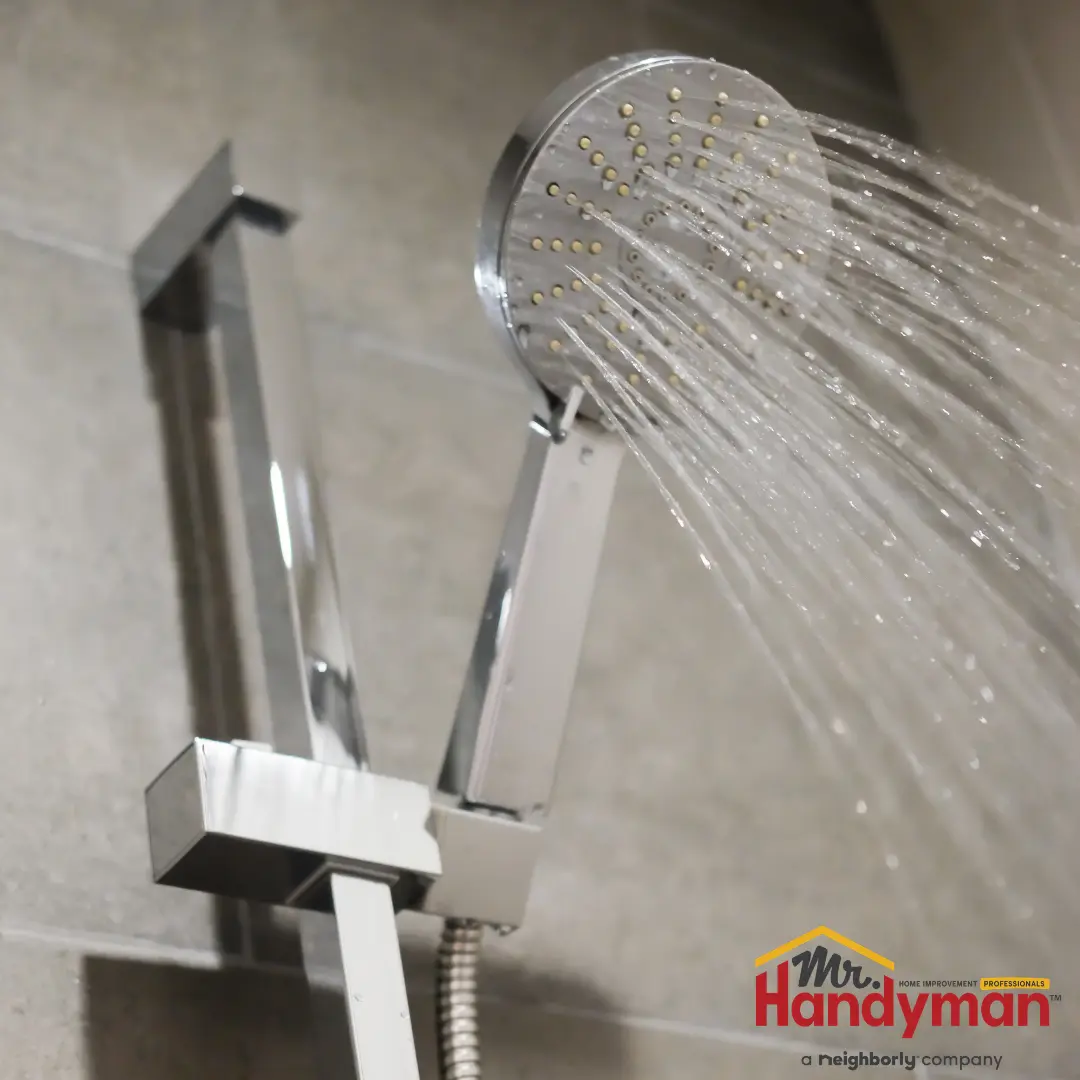
The Pennsylvania American Water supply drawing from the Monongahela River delivers water carrying moderate mineral hardness that accumulates in faucet aerator screens, showerhead spray nozzles, and fixture supply components between cleaning events. That mineral accumulation advances the flow restriction those fixture positions carry between service events at the rates the Monongahela River water's mineral contact creates, and the summer's elevated household water demand concentrates flow through those already-restricted positions at the peak annual rate those household positions experience.
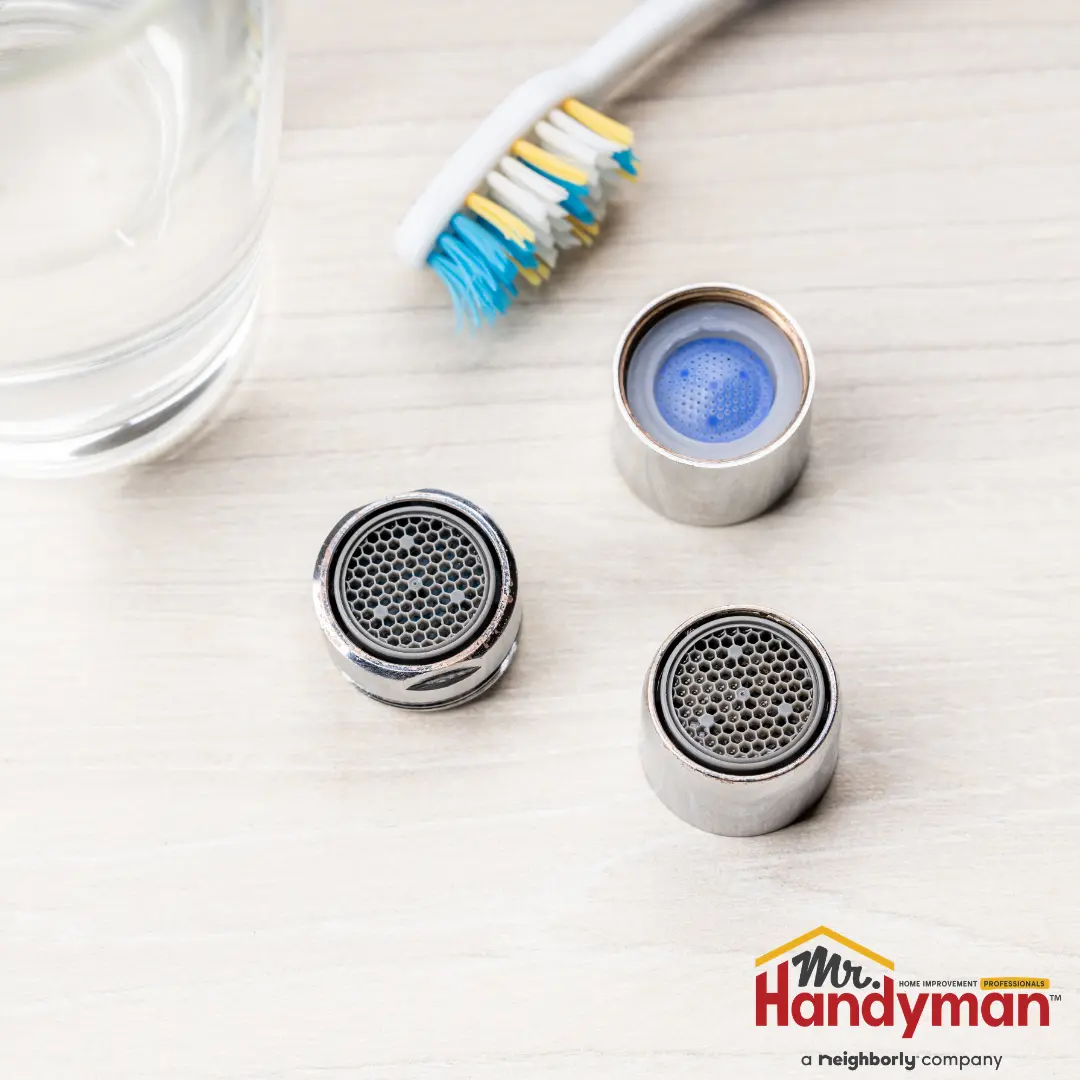
Faucet aerator mineral restriction is the most consistently identified individual fixture pressure reduction cause across Pittsburgh east suburban and Westmoreland County homes during summer because the Monongahela River water's moderate mineral hardness accumulates in aerator screen positions continuously between cleaning events. The summer's increased household water use concentrates flow through those mineral-restricted aerator screens at the highest annual rate those positions experience, advancing the reduced flow those restricted screens deliver at the peak summer demand period when the household's outdoor entertaining, the garden irrigation, and the elevated personal hygiene demand the warm season creates all simultaneously require adequate fixture performance through those kitchen and bathroom faucet positions.
White vinegar soaking is the accessible restoration. Removing the aerator, disassembling the screen and flow restrictor components, and submerging those components in white vinegar for one to two hours dissolves the mineral deposits the Monongahela River water has accumulated in those screen positions since the last cleaning. Semi-annual aerator cleaning provides the maintenance frequency the Monongahela River water's moderate mineral contact rate warrants between service intervals for Pittsburgh east suburban and Westmoreland County homes. Spring cleaning addresses the mineral accumulation the previous heating season's water contact advanced before summer's elevated demand concentrates flow through those positions, and fall cleaning removes the summer season's accumulated mineral contact before the heating season's hot water demand concentrates further through those fixture positions.
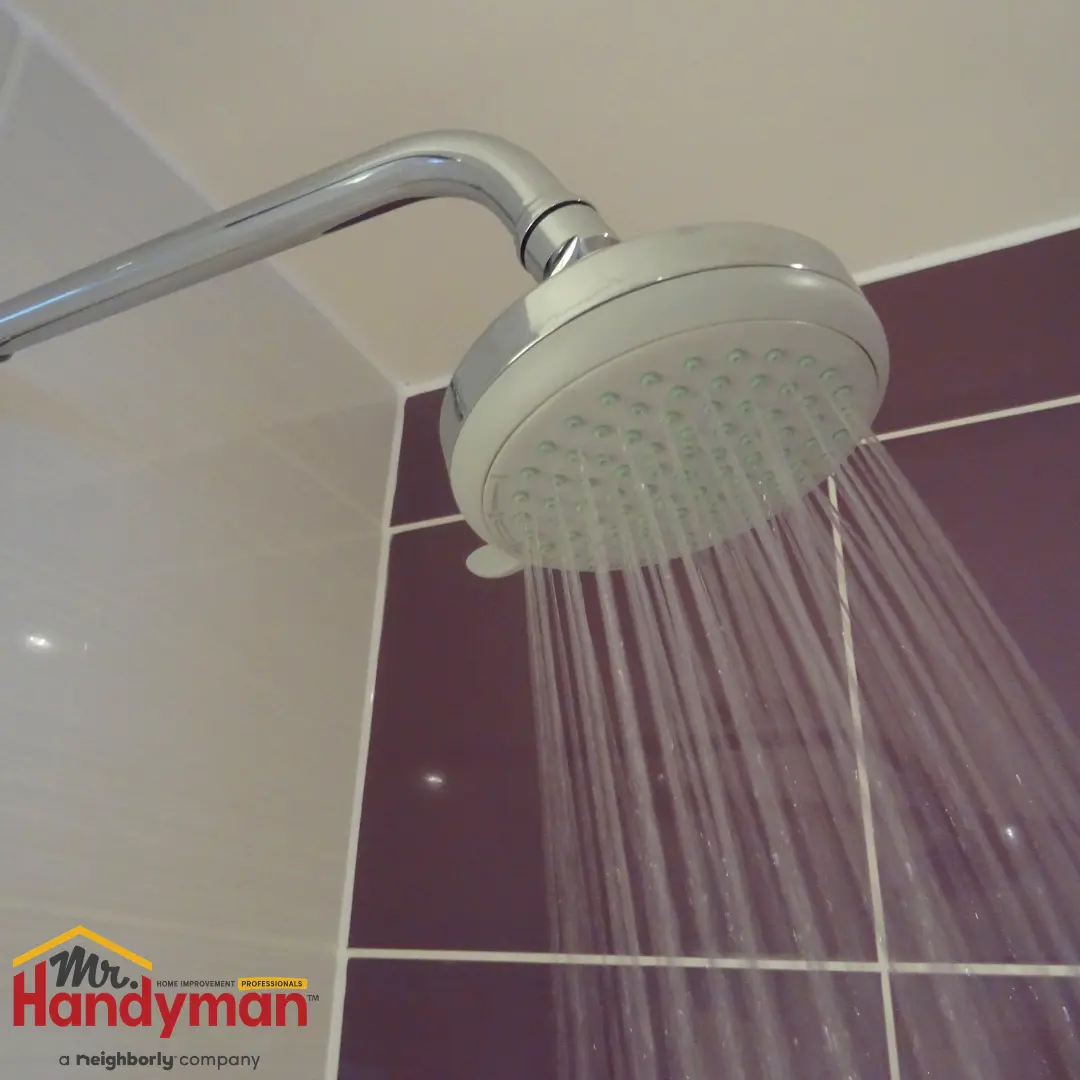
Showerhead nozzle mineral restriction follows the same Monongahela River water accumulation mechanism at the spray nozzle positions the warm season's elevated shower frequency concentrates flow through between cleaning intervals. The irregular spray pattern some nozzles deliver while others remain mineral-blocked, the reduced overall flow mineral accumulation across multiple nozzles creates, and the directional drift partially blocked nozzles produce all communicate the seasonal mineral accumulation that the elevated summer shower demand the active Western Pennsylvania outdoor lifestyle creates concentrates through those restricted positions during the peak warm months. White vinegar soaking at the semi-annual intervals the Monongahela River water's moderate mineral contact rate warrants provides the showerhead nozzle restoration that restores adequate spray performance through the remaining active summer months.
Post-Winter Supply Component Effects on Summer Pressure
The most distinctively Western Pennsylvania summer pressure reduction cause is the one arriving as a delayed consequence of the previous winter rather than a condition the summer itself created. The genuine cold events, the road salt season's chemical contact at building foundation positions, and the sustained freeze-thaw cycling the regional winter delivers to building envelope-adjacent supply positions all advance those component conditions between the heating season's end and the summer's activation of outdoor and increased indoor water use through whatever the winter left behind.
Building envelope-adjacent supply line conditions in older Penn Hills, Wilkinsburg, Homestead, and McKeesport area homes carry the freeze-thaw cycling effects the regional winter advances in pipe sections at crawl space, basement, and exterior wall thermal transition positions. The supply line section whose pipe wall the winter's thermal cycling stressed toward partial restriction delivers the whole-house or zone-level pressure reduction that summer demand concentrates through without the post-winter assessment identifying those conditions before the active outdoor season activated continuous supply demand through those affected positions.
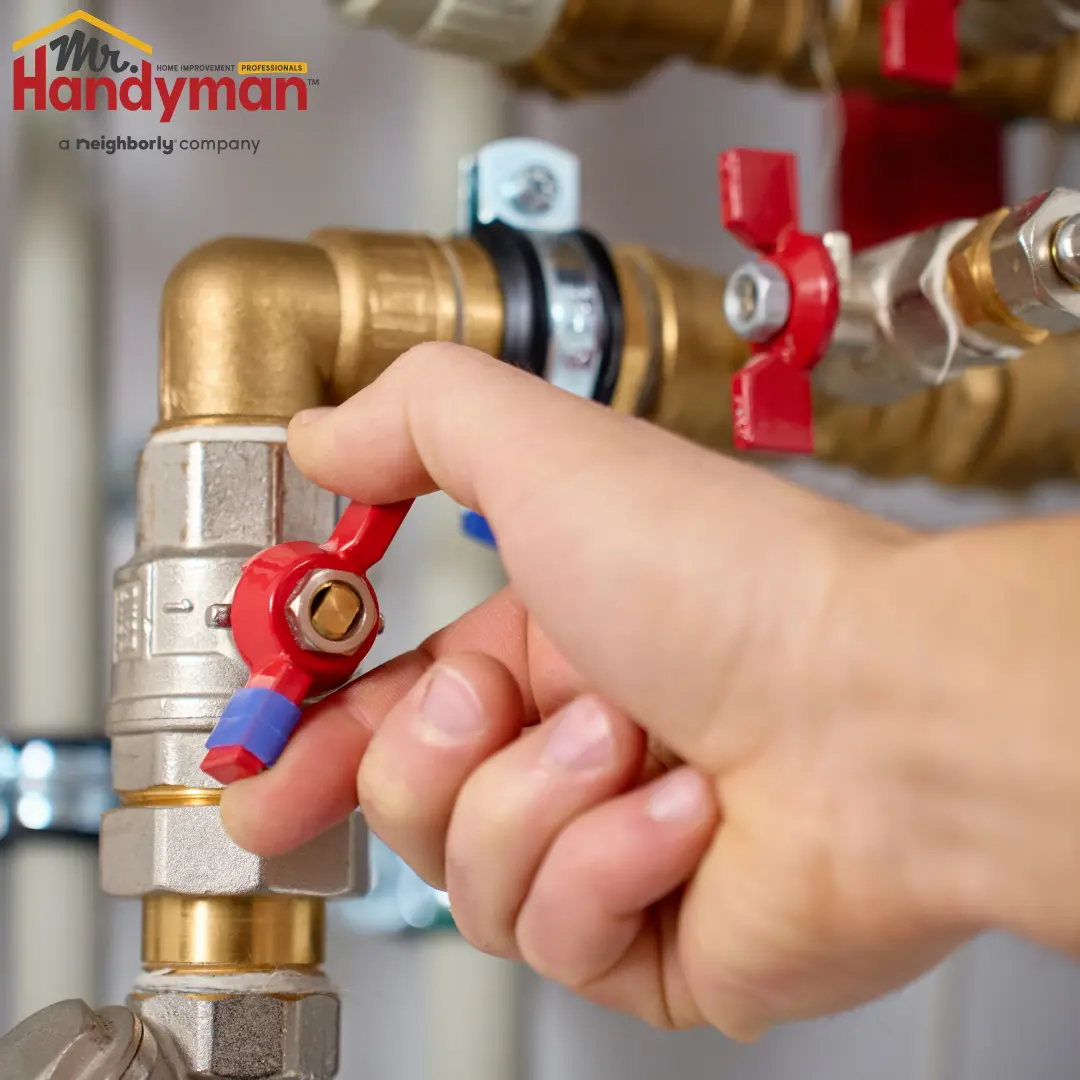
The stop valve partial restriction advancing through the winter's thermal cycling and the Monongahela River water's mineral contact in those valve internal components creates the pressure reduction at individual supply positions that seasonal cycling the Western Pennsylvania winter creates at those stop valve positions between exercising events. The stop valve not turned through its full range of motion in years carries the Monongahela River water mineral deposit in its internal packing that thermal cycling then advances toward the partial restriction condition between exercising events. Annual stop valve exercising through the full close-and-open cycle maintains those valve internals against the mineral and thermal restriction the regional water and climate together advance in those positions.
The post-winter pressure baseline assessment using a pressure gauge at an outdoor hose bib confirms the household supply pressure the winter conditions left the supply system carrying into the warm season. A reading below 45 PSI communicates the supply pressure deficit the household carries into summer rather than the adequate 50 to 80 PSI range residential plumbing requires for satisfactory performance across all fixture positions simultaneously.
Municipal Supply Pressure During Peak Summer Demand
The Pennsylvania American Water distribution systems serving the Pittsburgh east suburban and Westmoreland County communities manage the summer demand concentration that lawn irrigation, outdoor entertaining, and the increased household water use the compressed but active Western Pennsylvania warm season creates across those service territories. That peak summer demand creates the system-level pressure variation affecting households throughout the service territory simultaneously during concentrated use periods, representing a pressure reduction cause that no household-level repair addresses because its origin exists at the distribution level rather than within the home's supply system.
Irrigation system peak demand across the Murrysville, Monroeville, and North Huntington residential communities creates the most significant Pennsylvania American Water distribution pressure concentration the Pittsburgh east suburban homeowners experience during summer because the lawn irrigation the compressed but genuinely excellent Western Pennsylvania warm season motivates concentrates substantial simultaneous water withdrawal from the distribution system during the early morning hours those community irrigation schedules typically concentrate. The homeowner whose morning shower pressure drops noticeably between 5:00 and 8:00 AM during summer months is experiencing the municipal distribution pressure reduction that neighborhood irrigation demand creates during peak withdrawal hours rather than a household plumbing condition internal repair addresses.
The Murrysville and Export residential landscape irrigation dimension reflects the established residential landscapes those communities sustain through the compressed but rewarding Western Pennsylvania warm season. The irrigation demand those established residential properties activate during the concentrated morning irrigation window contributes to the Pennsylvania American Water distribution demand that serves those communities simultaneously during peak withdrawal hours, advancing the service territory pressure variation that neighboring households whose morning shower timing coincides with those peak irrigation windows experience as the pressure reduction the municipal distribution demand creates at those specific morning demand concentration periods.
Confirming municipal versus household pressure reduction is the essential diagnostic step preventing household repair investment from addressing the wrong cause. A pressure gauge on an outdoor hose bib reading below 45 PSI during the pressure reduction period confirms the municipal supply is delivering reduced pressure and that no internal repair restores what the supply is not providing. The same gauge reading adequate supply pressure at 55 to 65 PSI while interior fixtures deliver reduced flow confirms the household supply system carries the restriction that internal assessment and repair addresses rather than the distribution system condition no household intervention resolves.
Pressure Reducing Valve Conditions in Pittsburgh Area Homes
The pressure reducing valve managing municipal supply pressure entering Pittsburgh east suburban and Westmoreland County homes represents the whole-house pressure control component whose Monongahela River water mineral accumulation and age-related wear create the household supply pressure reduction affecting every fixture simultaneously when that valve's function has been compromised between inspection intervals.
The Monongahela River water's moderate mineral hardness advancing mineral scale in pressure reducing valve internal components that the regulatory chemistry and seasonal temperature variation compound between service intervals advances those valve internals toward the compromised regulation condition professional valve assessment identifies and service or replacement addresses. Unlike the aerator and showerhead mineral accumulation targeted fixture cleaning addresses, pressure reducing valve mineral accumulation in the internal components regulating household supply pressure requires professional valve assessment confirming whether adjustment, cleaning, or replacement provides the appropriate restoration for the specific valve condition the inspection reveals.
Older Pittsburgh east suburban and Westmoreland County homes in the established Wilkinsburg, Penn Hills, and Monroeville residential corridors carry the pressure reducing valve ages that multiple decades of Monongahela River water mineral contact and the Western Pennsylvania climate's seasonal thermal cycling have advanced toward deterioration thresholds. A pressure reading below 45 PSI at the downstream port when municipal supply pressure confirms adequate delivery communicates the valve condition professional service addresses before summer's concentrated demand tests whatever pressure delivery the current valve condition provides throughout the regional home's fixture positions.
Hot Water Pressure Distinctions
Pressure reduction specifically affecting hot water outlets while cold water positions continue delivering adequate pressure communicates the water heater supply system condition rather than the pressure reducing valve or municipal supply origin that whole-house simultaneous pressure reduction indicates.
The hot water shutoff valve at the water heater's supply inlet carries the Monongahela River water's mineral scale and the thermal cycling the Western Pennsylvania seasons create in those valve internal components between maintenance intervals. A hot water shutoff valve partially restricted by accumulated mineral scale delivers the reduced hot water pressure all hot water outlets throughout the home simultaneously experience while cold water at those same positions continues performing normally.
Water heater sediment accumulation from the Monongahela River water's moderate mineral hardness creates the reduced hot water delivery volume that significant sediment accumulation in tank bottom positions produces, extending recovery time during peak summer demand periods when the active Western Pennsylvania household's outdoor entertaining cleanup, the elevated personal hygiene demand the warm season creates, and the general summer household water use all concentrate through those hot water system positions simultaneously.
Frequently Asked Questions
Why does water pressure specifically drop during summer in Pittsburgh east suburban and Westmoreland County homes?
The convergence of the Monongahela River water's moderate mineral hardness advancing restriction in aerators, showerheads, and pressure reducing valve internals between cleaning events, the Pennsylvania American Water municipal distribution system's peak demand pressure reduction during neighborhood irrigation hours across the service territory, the post-winter building envelope-adjacent supply component conditions freeze-thaw cycling advanced toward restriction, and the increased household water demand the compressed but active Western Pennsylvania summer creates together produce the specific summer pressure reduction pattern Pittsburgh east suburban and Westmoreland County homeowners recognize as the seasonal performance change those regional conditions produce annually between the winter's end and the fall's demand reduction.
How do I determine whether my pressure issue is a Pennsylvania American Water supply problem or a household plumbing issue?
A pressure gauge on an outdoor hose bib provides the definitive diagnostic answer. A reading below 45 PSI confirms the distribution system is delivering reduced pressure and that no internal repair restores what the supply is not providing. Adequate supply pressure at the hose bib combined with reduced pressure at interior fixtures confirms the household supply system restriction that aerator mineral cleaning, showerhead service, stop valve assessment, or pressure reducing valve evaluation addresses depending on whether the reduction affects individual fixtures or all fixtures simultaneously throughout the home.
How often should Pittsburgh east suburban and Westmoreland County homeowners clean faucet aerators given the Monongahela River water conditions?
Semi-annual cleaning provides the maintenance frequency the Monongahela River water's moderate mineral contact rate warrants between service intervals in the Western Pennsylvania residential context. Spring cleaning addresses the mineral accumulation the previous heating season's concentrated hot water demand advanced through those aerator screen positions, and fall cleaning removes the summer season's accumulated mineral contact before the heating season renews demand through those fixture positions. That semi-annual frequency appropriately addresses the Monongahela River water's specifically moderate mineral hardness dimension that the Western Pennsylvania water supply creates as the regional fixture maintenance context those aerator positions carry between comparable service intervals.
What is the most overlooked summer pressure reduction cause in Pittsburgh east suburban and Westmoreland County homes?
Post-winter building envelope-adjacent supply line restriction is the most consistently overlooked summer pressure reduction cause across Western Pennsylvania homes because the freeze-thaw cycling effects on those specific supply pipe sections at crawl space, basement, and exterior wall positions advance restriction without the external signal other pressure reduction causes sometimes communicate. The homeowner cleaning aerators and servicing the showerhead without restoring adequate whole-house pressure may be experiencing the post-winter supply line restriction or the pressure reducing valve mineral deterioration those targeted fixture cleanings cannot address because the restriction exists upstream of the fixture positions those cleaning events specifically restored.
Does the Murrysville and Monroeville landscape irrigation demand specifically affect summer water pressure for neighboring Pittsburgh east suburban households?
The established residential landscapes that Murrysville and Monroeville properties activate during the concentrated morning irrigation window contribute to the Pennsylvania American Water distribution demand those communities' service territory manages simultaneously during those peak withdrawal periods. Pittsburgh east suburban homeowners observing morning shower pressure reduction correlated with the neighborhood irrigation hours are experiencing the regional distribution demand concentration those established residential landscape irrigation systems contribute alongside the broader community irrigation demand the compressed but active Western Pennsylvania warm season motivates across the service territories those Pennsylvania American Water distribution systems serve during the peak morning demand hours.
Pittsburgh Area Homes With the Pressure They Deserve
Low water pressure during summer in Greensburg, Monroeville, Murrysville, Penn Hills, Irwin, Latrobe, and the surrounding Pittsburgh east suburban and Westmoreland County communities communicates the regional conditions that the Monongahela River water's moderate mineral hardness advancing restriction in fixture and valve positions, the Pennsylvania American Water distribution system's peak demand dynamics during neighborhood irrigation hours across the service territory, the post-winter building envelope-adjacent supply component conditions freeze-thaw cycling advanced, and the household supply component conditions together create during the compressed but active Western Pennsylvania warm season. The households navigating those regional conditions benefit from the diagnostic expertise identifying the specific pressure reduction cause before repair investment proceeds toward the wrong target and leaves the actual pressure limitation unaddressed through the active regional warm season.
Mr. Handyman of Pittsburgh East Suburbs and Greensburg
Website: https://www.mrhandyman.com/pittsburgh-east-suburbs-greensburg/
Serving homeowners and businesses throughout Pittsburgh East Suburbs and Greensburg with dependable service and the expertise your home deserves.