Why Routine Maintenance Is the Most Undervalued Investment in Commercial Property
There is a fundamental tension in commercial property management between the visible and the invisible. Renovations, upgrades, and improvements are visible. They produce before-and-after photographs, generate tenant excitement, and feel like decisive action. Routine maintenance is largely invisible. It prevents the deterioration that nobody sees because it never happens, extends the service life of systems and components that nobody notices until they fail, and delivers its return not as an improvement but as the absence of a problem.
That invisibility is precisely why routine maintenance is undervalued in so many commercial property budgets. It is difficult to point to what was prevented. It is easy to point to what a renovation delivered. And so deferred maintenance accumulates quietly in commercial buildings throughout West Nashville, Belle Meade, and Clarksville until a component reaches the end of its neglected service life and the cost of reactive repair vastly exceeds what proactive maintenance would have cost across the years it was skipped.
The commercial buildings of Middle Tennessee face specific maintenance demands that are tied to the region's climate, the age of the building stock, and the intensity of use that a growing urban and suburban market places on commercial facilities. Understanding what routine maintenance actually involves, why it extends building life in ways that are quantifiable and significant, and what the cost of deferring it looks like in real terms is the foundation of a property management approach that protects the asset rather than simply occupying it.
The Real Cost of Deferred Maintenance
Before examining what routine maintenance delivers, it is worth being specific about what its absence costs. Deferred maintenance is not free. It is a loan against future capital expenditure that accumulates interest in the form of accelerated deterioration, secondary damage, and the premium cost of emergency repairs over planned ones.
A commercial roof that receives annual inspection and targeted repair of minor issues costs a fraction of a roof replacement that becomes necessary when small problems are left unaddressed until the membrane fails and water infiltration damages the structural deck, the insulation, and the interior finishes below. The inspection and repair costs accumulated over ten or fifteen years of proactive maintenance are typically a small fraction of the replacement cost that deferred maintenance produces. The same arithmetic applies to HVAC systems, plumbing infrastructure, exterior envelopes, and virtually every other building system.
Emergency repairs carry their own cost premium beyond the direct repair expense. When a commercial building component fails suddenly and unexpectedly, the response is necessarily reactive. Emergency service rates apply. The most convenient contractor rather than the best-value contractor gets the call. Temporary measures that add their own cost are implemented while permanent repairs are arranged. And the collateral damage that the primary failure causes, the water damage from a failed roof, the interior damage from a burst pipe, the business disruption from an HVAC failure during a heat wave, adds costs that dwarf the repair itself.
In West Nashville and Clarksville's commercial markets, where property values have risen significantly and the cost of bringing a building back to marketable condition after years of deferred maintenance can represent a substantial capital outlay, the business case for routine maintenance is not difficult to make. It is simply a matter of making the invisible costs of neglect visible before they materialize.
Building Envelope Maintenance: The First Line of Defense
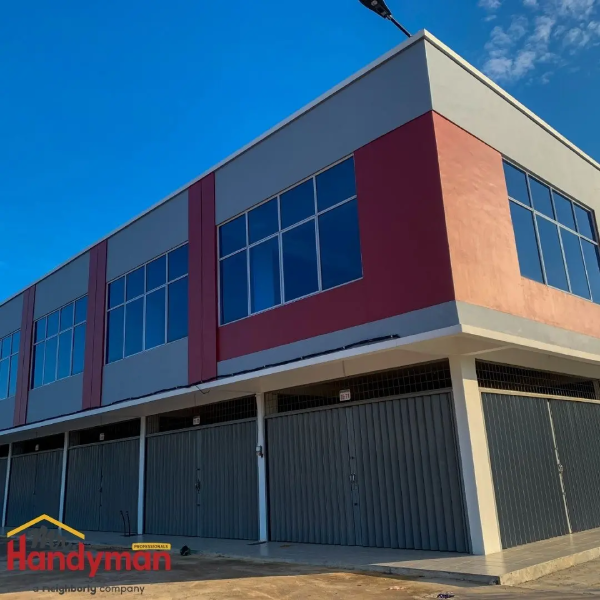
The building envelope, the combination of roof, exterior walls, windows, doors, and foundation that separates the interior of a commercial building from the exterior environment, is the component most directly responsible for the building's long-term structural integrity. When the envelope performs correctly, the building interior is protected from moisture, temperature extremes, and the biological activity that moisture enables. When it does not, the consequences cascade through the building in ways that affect structural components, mechanical systems, interior finishes, and occupant health.
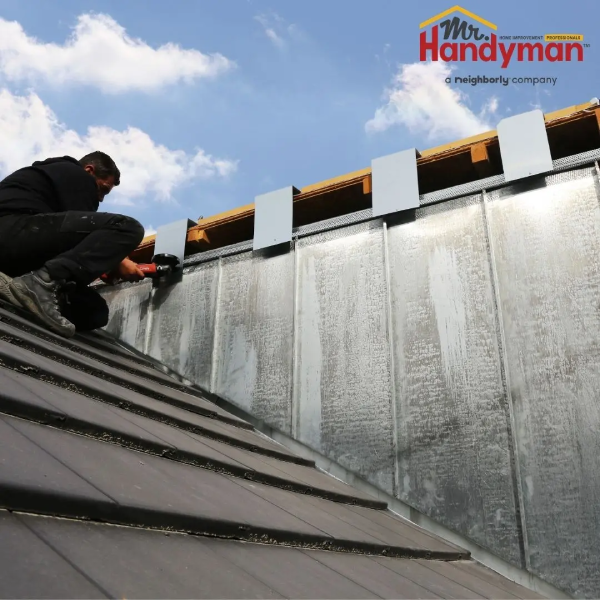
Roof maintenance is the highest-priority envelope maintenance activity for commercial buildings in Middle Tennessee, and it is the one most likely to be deferred until the consequences of neglect become undeniable. Commercial roofing systems, whether low-slope membrane roofs or sloped systems with shingles or metal panels, develop vulnerabilities at predictable locations and through predictable mechanisms that annual inspection and targeted maintenance can address before they become infiltration points.
Membrane roof systems develop splits, blisters, and seam failures over time through the thermal cycling of Middle Tennessee's climate. Summer heat in Nashville and Clarksville pushes roof surface temperatures to levels that stress membrane materials significantly, and the daily expansion and contraction of a low-slope roof surface under summer conditions accumulates fatigue in the membrane that shows up first at seams, flashings, and penetrations. Annual inspection of these vulnerable points and prompt repair of any identified deficiencies costs a fraction of the interior damage that a failing membrane causes when infiltration begins.
Exterior wall maintenance in commercial buildings encompasses a range of activities that prevent moisture infiltration through the vertical building envelope. Caulking and sealant joints at window frames, door frames, expansion joints, and penetrations are the primary maintenance items in most commercial wall assemblies. These sealants have finite service lives that vary with the material, the movement they are required to accommodate, and the UV exposure they receive. In Middle Tennessee's intense summer sun, exterior sealants at south and west-facing elevations deteriorate faster than those on shaded exposures. Inspecting and replacing deteriorated sealants before they open to water infiltration is straightforward preventative maintenance with direct structural benefit.
Masonry maintenance, including tuckpointing of deteriorated mortar joints in brick and block walls, is relevant to a significant portion of the older commercial building stock in West Nashville and Belle Meade. Mortar joints that have eroded, cracked, or separated allow water to enter the wall cavity directly. In Middle Tennessee's humid summers and occasional freeze-thaw winter cycles, water in a masonry wall cavity causes efflorescence, freeze-thaw spalling, and progressive mortar deterioration that accelerates with each wet season. Tuckpointing affected joints when the deterioration is limited to surface erosion is far less expensive than the masonry repair required after water has penetrated deeply into the wall assembly.
Plumbing System Maintenance: Prevention Over Remediation
Commercial plumbing systems handle volumes of use that residential systems never experience, and they deteriorate through mechanisms that the intensity of that use accelerates. Routine maintenance of commercial plumbing is not simply a matter of fixing what breaks. It is a proactive program of inspection, testing, and targeted service that identifies developing problems before they become failures.
Supply line and valve inspection in commercial buildings is a maintenance activity that most property managers conduct far less frequently than the risk profile of these components warrants. Shutoff valves that have not been operated in years may be seized in the open position, providing no protection against a supply line failure. Flexible supply connections at fixtures in high-traffic commercial restrooms and break rooms experience more daily stress cycles than residential equivalents and have correspondingly shorter effective service lives.
Water heater maintenance in commercial applications is more consequential than in residential ones because the volume of hot water demand and the size of the equipment involved mean that a failure produces larger and faster damage than a residential water heater failure. Annual inspection of anode rods, pressure relief valves, and tank condition in commercial water heaters identifies the warning signs of impending failure before they materialize. A water heater that is approaching the end of its service life can be replaced on a planned schedule rather than in an emergency, eliminating the disruption and premium cost of an unplanned replacement.
Drain system maintenance in commercial buildings is a specific concern in Middle Tennessee's commercial corridor properties where kitchen operations, high-occupancy restrooms, and the general organic load of a busy commercial building accumulate in drain lines at rates that cause progressive restriction over time. Periodic hydro-jetting of commercial drain lines removes accumulated grease, soap, and organic buildup in a way that chemical treatments cannot match and restores full flow capacity before the restriction reaches the point of a backup event.
Backflow prevention device testing is a code-required maintenance activity in commercial buildings connected to municipal water supplies that is frequently overlooked or deferred. Backflow preventers protect the municipal supply from contamination by commercial processes, and they are required to be tested annually in most jurisdictions. Nashville and Clarksville both have active backflow prevention programs with testing requirements that commercial property owners are responsible for meeting. Maintaining current test records is both a code compliance obligation and evidence of responsible property management.
Mechanical System Maintenance: The Systems That Keep Buildings Habitable
HVAC systems in commercial buildings are the mechanical components with the highest operating cost, the greatest impact on occupant comfort and productivity, and the most significant consequences when they fail. In Middle Tennessee's climate, where commercial HVAC systems run at near-capacity for five to six months of summer cooling season, the maintenance demands on these systems are substantial and the consequences of inadequate maintenance are both expensive and immediate.
Filter replacement and coil cleaning are the baseline HVAC maintenance activities that protect system efficiency and air quality in commercial buildings. A commercial HVAC system operating with clogged filters and fouled coils works harder than a properly maintained system to deliver the same cooling output, consuming more energy and accumulating more wear on the compressor and fan components that are the most expensive elements of the system. In the context of Middle Tennessee's summer cooling demands, the energy cost premium of an undermaintained HVAC system compounds significantly over the length of the cooling season.
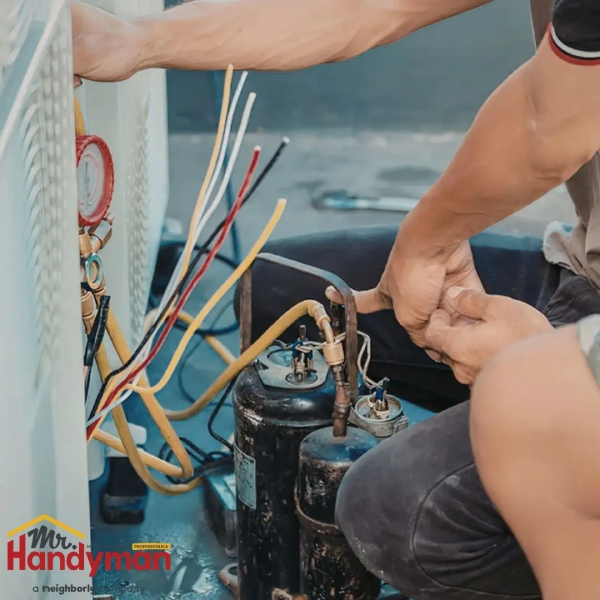
Refrigerant level inspection and any necessary adjustment is a maintenance activity that affects both system efficiency and the longevity of the compressor. A system operating with low refrigerant due to a slow leak works harder and runs longer to meet the cooling demand, placing continuous additional stress on the compressor. Identifying and correcting refrigerant leaks promptly rather than simply topping off refrigerant without addressing the source prevents the compressor damage that sustained low-refrigerant operation causes.
Electrical system maintenance in commercial buildings encompasses a range of activities beyond simply replacing burned-out lamps. Panel inspections that identify loose connections, overloaded circuits, and aging breakers prevent the electrical failures and fire risks that deteriorated electrical components create. Infrared scanning of electrical panels, a non-invasive diagnostic technique that identifies hot spots caused by loose connections or overloaded components, is a preventative maintenance practice used in well-managed commercial buildings that provides early identification of developing electrical issues before they produce failures or hazards.
Emergency lighting and exit sign testing is a code-required maintenance activity that is relevant to every commercial building in the region. Emergency lighting systems and exit signs must be tested monthly and annually according to established protocols, and the test records must be maintained. Buildings that have not established a regular testing and documentation program for these systems carry both code compliance and life safety risk that responsible property management must address.
Interior Finish Maintenance: Protecting the Investment in the Building's Interior
The interior finishes of a commercial building, including flooring, walls, ceilings, and the hardware and accessories that complete each space, represent a significant capital investment that routine maintenance protects and extends. Allowing interior finishes to deteriorate to the point of requiring full replacement is a far more expensive outcome than the maintenance program that would have extended their service life substantially.
Flooring maintenance in commercial buildings requires a systematic approach that matches the maintenance activity to the specific flooring material and the traffic conditions it experiences. Hard surface flooring in high-traffic commercial areas requires periodic stripping and refinishing of protective finish coatings to prevent the wear-through that allows damage to reach the flooring material itself. Carpet in commercial applications has defined service intervals for professional deep cleaning that are more frequent than what a casual visual assessment would suggest, because the soil loading that carpet accumulates in commercial environments degrades fiber condition in ways that accelerate visible wear.
Wall finish maintenance in commercial buildings is most effectively managed as an ongoing touch-up program rather than a periodic full repaint cycle. As discussed in the previous blog in this series, commercial walls in customer and tenant areas accumulate impact damage that is most economically addressed promptly rather than allowed to accumulate until the condition of the entire wall surface requires full repainting. Maintaining matching paint in each interior color for touch-up purposes and establishing a regular schedule for identifying and addressing wall damage keeps interior finishes looking consistently well-maintained at a lower cumulative cost than deferred full repaints.
Hardware and accessory maintenance throughout commercial interiors, including door hardware, plumbing fixtures, light switches, outlet covers, and the range of other components that receive daily contact from building occupants, affects both the functional reliability and the perceived quality of the interior environment. Systematic replacement of hardware that has reached the end of its service life, rather than reactive replacement after failure, maintains the consistent quality level that well-managed commercial properties sustain over time.
Documentation and Maintenance Records: The Foundation of Responsible Property Management
The maintenance activities described throughout this article are most valuable when they are systematically documented in records that create an auditable history of how the property has been managed. Maintenance documentation serves multiple purposes that extend beyond the immediate value of the work performed.
From a liability standpoint, documented maintenance records demonstrate that the property owner and manager have fulfilled their duty of care to building occupants and visitors. When an incident occurs in a commercial building, the absence of maintenance records is frequently as damaging in a legal context as the absence of the maintenance itself. A property with well-documented inspection and maintenance history is in a fundamentally different liability position than one with no records, even when the physical condition of both properties is similar.
From a property value standpoint, documented maintenance records support the highest possible valuation of a commercial property when it comes time to sell or refinance. A buyer or lender who can review a complete maintenance history for a commercial building has evidence that the property has been properly cared for and that the systems and components within it are likely to be in the condition that a maintained building of that age should be. The absence of documentation creates uncertainty that conservative valuations reflect.
From an operational standpoint, maintenance records provide the historical data that informs forward-looking maintenance planning. Knowing when specific components were last serviced, what was found during previous inspections, and what repair history individual systems carry allows property managers to anticipate future maintenance needs with accuracy and plan capital expenditures before they become emergency outlays.
Building Age Considerations in Middle Tennessee's Commercial Stock
The commercial building stock in West Nashville, Belle Meade, and Clarksville spans a wide range of construction eras, and building age significantly affects the maintenance priorities and the specific systems that require the most attention.
Older commercial buildings in West Nashville's historic commercial corridors and in Belle Meade's established business districts often have original mechanical, electrical, and plumbing systems that are operating well beyond their designed service lives. These buildings carry infrastructure risk that is not always apparent from the exterior and that requires professional assessment to fully understand. A commercial building that has been in continuous operation for fifty or sixty years without a systematic infrastructure assessment may be carrying deferred capital needs that are not reflected in its current operating budget.
Clarksville's commercial building stock includes a significant volume of construction from the past two decades that is entering the maintenance-intensive period that typically begins at ten to fifteen years of age. Systems that were installed new at the time of construction are reaching the point where first-generation component failures become more frequent. HVAC equipment that has run through ten or more Middle Tennessee summers is approaching its statistical replacement window. Roofing systems installed during the construction boom of the early 2000s are at the age where membrane inspection and targeted repair is more cost-effective than waiting for failure.
Understanding where a specific building sits in its maintenance cycle relative to its age and construction era is the starting point for a maintenance program that is appropriately calibrated to what the building actually needs rather than what a generic maintenance checklist suggests.
Frequently Asked Questions
How much should a commercial property owner budget annually for routine maintenance?
Industry guidance for commercial properties generally suggests an annual maintenance budget in the range of one to four percent of the building's replacement cost, with the appropriate figure varying based on building age, condition, and use intensity. Older buildings in active commercial use at the higher end of that range. Newer buildings in lighter use at the lower end. Properties that have accumulated deferred maintenance may need a catch-up capital expenditure before a normalized maintenance budget is appropriate.
What is the difference between routine maintenance and capital improvement for budget and accounting purposes?
Routine maintenance activities that restore components to their existing condition and extend their service life are generally treated as operating expenses. Capital improvements that extend the useful life of a building system beyond its original expectation or that add new capability are generally treated as capital expenditures. The specific accounting treatment should be confirmed with a qualified accountant, as the distinction affects both tax treatment and financial reporting.
How do I establish a routine maintenance program for a commercial building that has not had one?
Begin with a comprehensive condition assessment conducted by a qualified professional that documents the current state of all major building systems and identifies deferred maintenance items. Use that assessment as the basis for a prioritized action plan that addresses the highest-risk items first and establishes the inspection and maintenance intervals appropriate to each system. Build the ongoing maintenance program around those intervals and document all activity from the beginning.
What building systems deteriorate fastest without routine maintenance in Middle Tennessee's climate?
Roofing systems and exterior sealants are the components most rapidly affected by Middle Tennessee's combination of summer heat, UV exposure, and the moisture demands of the region's substantial annual rainfall. HVAC systems that run extensively during the long cooling season accumulate wear rapidly without proper filter and coil maintenance. Exterior wood elements including trim, doors, and any exposed structural wood deteriorate quickly in the region's humidity without regular paint and sealant maintenance.
Is it cost-effective to hire a commercial handyman service for routine maintenance versus managing individual trade contractors?
For the majority of routine commercial maintenance activities, a reliable commercial handyman service delivers better cost-effectiveness, scheduling flexibility, and continuity of property knowledge than managing multiple individual trade contractors. A handyman service that knows a building develops familiarity with its specific systems, quirks, and maintenance history that improves the quality and efficiency of ongoing maintenance. Specialized contractors remain appropriate for major mechanical work, structural repairs, and code-required inspections that fall outside the handyman scope.
How does routine maintenance affect commercial property insurance premiums and coverage?
Insurance carriers assess commercial property condition as part of both underwriting and claims evaluation. A property with documented routine maintenance history typically presents a more favorable risk profile than one without, which can affect both premium levels and claims outcomes. More directly, some insurance policies have maintenance requirements built into their coverage terms, and failure to perform documented maintenance can affect coverage availability in the event of a claim.
Protect Your Building's Value and Your Business's Future
Routine maintenance is the discipline that separates commercial properties that hold and grow their value over time from those that quietly deteriorate until the cost of correction becomes a crisis. The team at Mr. Handyman of West Nashville, Belle Meade, and Clarksville partners with commercial property owners and managers to deliver the consistent, documented maintenance that keeps buildings performing at their best.
Call us or visit www.mrhandyman.com/nashville-west-south-central to schedule your commercial maintenance service. We work around your business schedule, arrive on time, and back everything we do with the Neighborly Done Right Promise.