Why Routine Maintenance Is the Most Valuable Home Investment Most Homeowners Skip
There is a particular pattern that plays out in homes across West Nashville, Belle Meade, and Clarksville with enough regularity to be called predictable. A homeowner notices something small, a door that has started sticking, a caulk joint that looks slightly cracked, a ceiling fan that wobbles more than it used to, a gutter that drips at a joint after rain. The item is noted, mentally filed, and then not addressed because it is not urgent, because there are other priorities, and because one small thing does not justify the effort of scheduling a repair. Then another small thing joins the list. Then another. And over the course of a year or two, the accumulated deferred items reach a critical mass where they require either a significant block of time and money to address all at once or continue to be deferred while each individual problem quietly worsens.
This is the maintenance debt cycle, and it affects the majority of owner-occupied homes in Middle Tennessee to some degree. It is not the result of negligence or indifference. It is the predictable outcome of a home maintenance model that treats repairs as events rather than as a continuous process. Homeowners who shift from a reactive model, fixing things when they fail, to a proactive one, maintaining things on a schedule that prevents failure, consistently spend less, experience fewer disruptions, and live in homes that hold their value better than those managed reactively.
Routine handyman maintenance is the practical expression of that proactive approach. It is not a single large project or a seasonal cleanup. It is a systematic, recurring engagement with a home's condition that catches developing problems early, addresses small repairs before they become large ones, and keeps the full range of systems and components that a home depends on functioning at the standard they were designed to deliver. In Middle Tennessee's climate, where seasonal demands on residential structures are genuine and consistent, the case for routine maintenance is not abstract. It is the direct relationship between regular attention and the condition, comfort, and cost of the home over time.
What Routine Maintenance Actually Involves
The term maintenance means different things to different homeowners, and clarifying what a genuine routine maintenance program involves helps set realistic expectations about what it delivers. Routine maintenance is not simply cleaning the home or replacing consumable items like air filters and light bulbs, though those activities are part of it. It is a comprehensive, systematic approach to the home's physical condition that encompasses inspection, minor repair, preventative service, and the identification of developing issues before they require significant intervention.
A routine maintenance visit conducted by a skilled handyman covers the full range of a home's systems and components in a way that is calibrated to the season, the specific home, and the maintenance history that previous visits have established. It includes a visual inspection of exterior surfaces for paint failure, caulking deterioration, and any structural concern that has developed since the previous visit. It covers gutters, downspouts, and exterior drainage to confirm they are clear and functioning. It addresses interior items including door and window hardware operation, ceiling fan balance and mechanical condition, plumbing fixture performance under the sink and at each toilet, and any visible wall or ceiling condition issues that indicate developing moisture or structural problems.
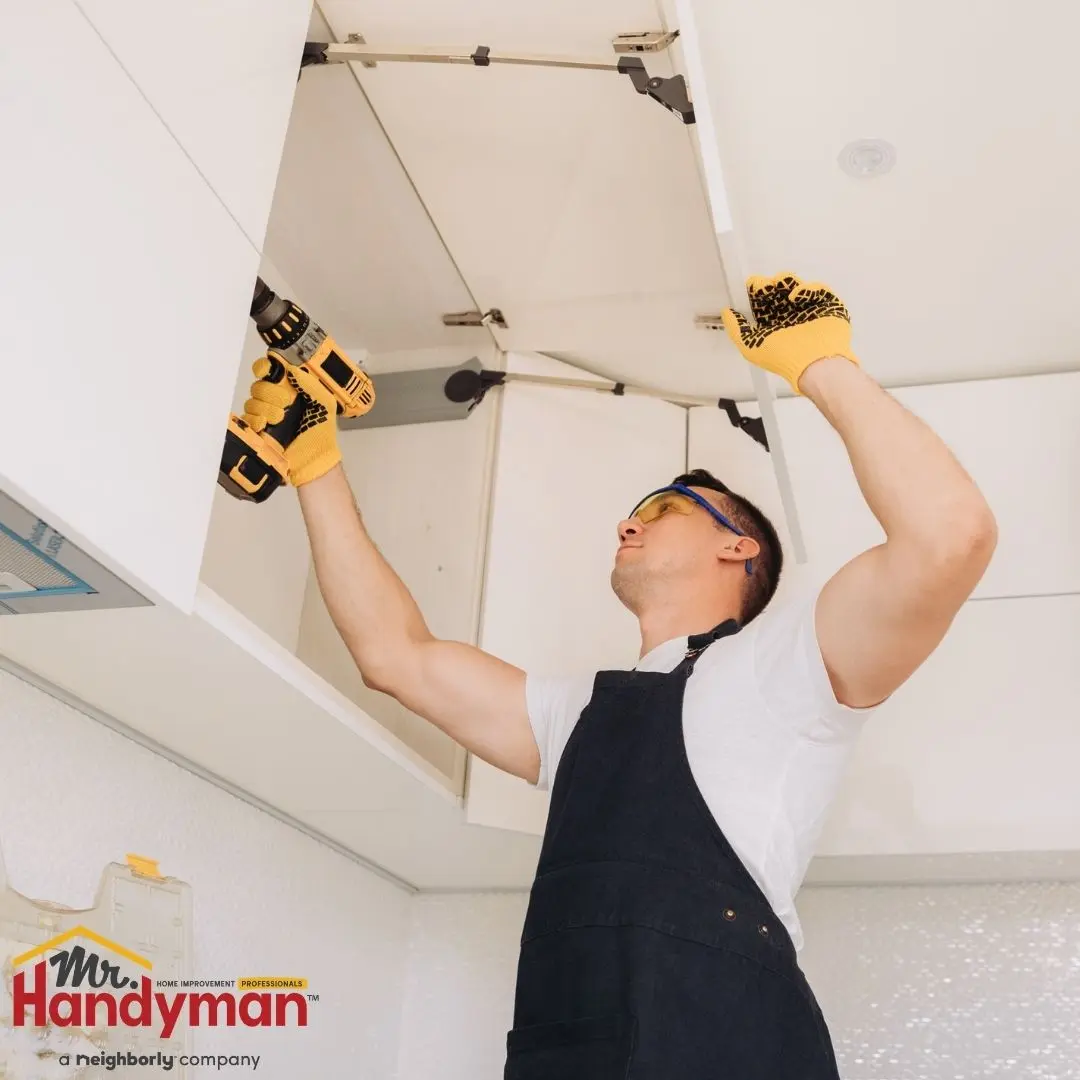
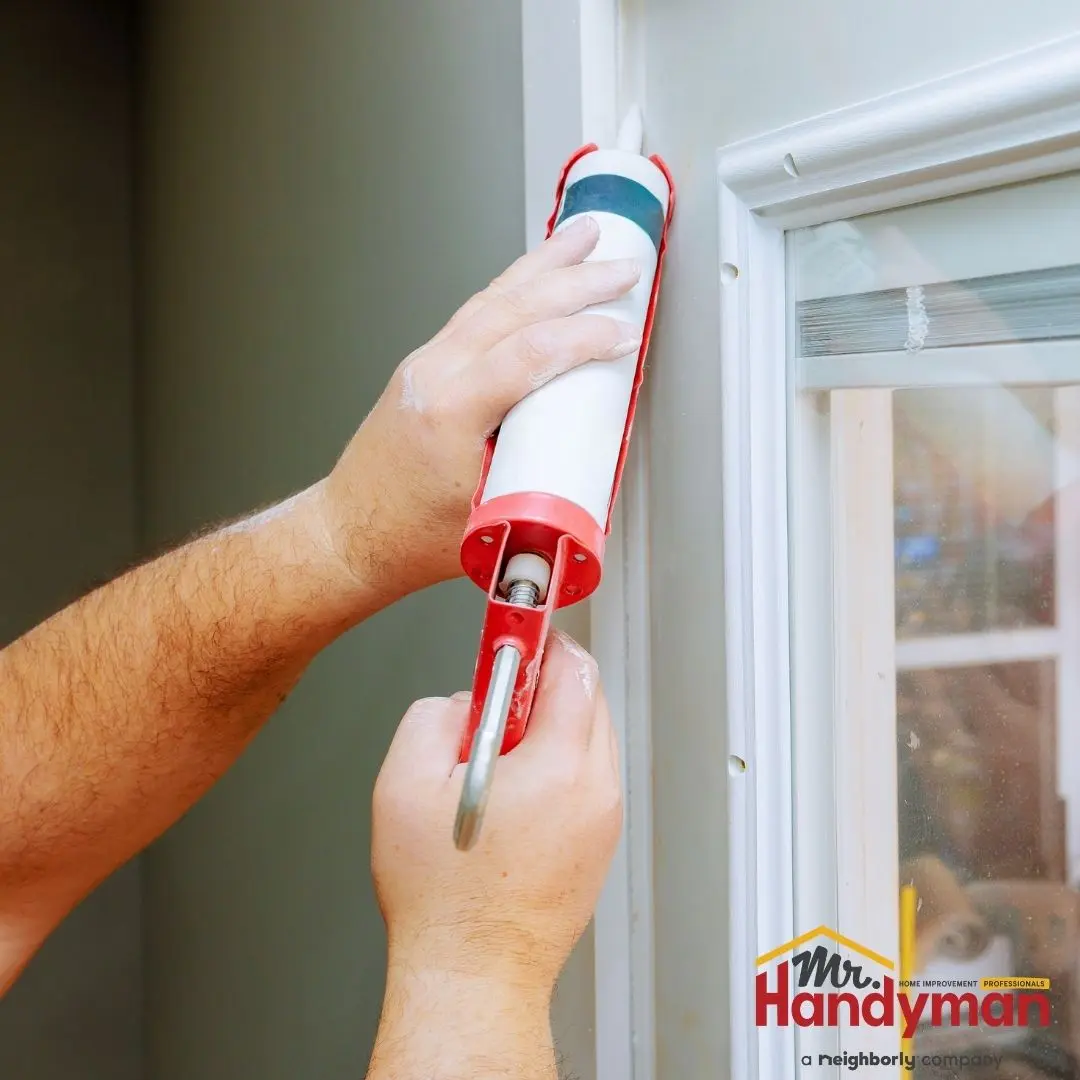
Beyond the inspection component, a routine maintenance visit addresses the minor repairs that the inspection identifies and that fall within the scope of the visit. A loose door hinge is tightened. A bathroom caulk joint that has cracked is replaced. A ceiling fan blade bracket that has bent slightly is straightened and its fasteners are confirmed tight. A showerhead that has developed mineral buildup is cleaned or replaced. A supply line under the kitchen sink that is showing age is replaced before it fails. These are not dramatic repairs. They are the small attentions that prevent the problems those items would otherwise become.
The cumulative effect of this systematic, recurring attention is a home that stays in fundamentally better condition over time than one that receives attention only when something breaks. The individual repairs made during routine visits are modest in cost and effort. The problems they prevent are consistently far more expensive and disruptive than the maintenance that averted them.
Why Middle Tennessee's Climate Makes Routine Maintenance Essential
Every region's climate creates specific maintenance demands on residential structures, and Middle Tennessee's climate is demanding in ways that homeowners who have relocated from other parts of the country sometimes underestimate until they have lived through a full year of Nashville or Clarksville weather.
The humidity that characterizes Middle Tennessee from spring through fall is the most pervasive maintenance driver in the region. It affects wood, paint, caulking, grout, drywall, and virtually every organic and semi-organic material used in residential construction. It drives moisture into wall assemblies through every imperfection in the exterior envelope. It creates the conditions for mold and mildew in any space with inadequate ventilation. It causes wood to swell, stick, and eventually decay when paint and sealant protection is not maintained. And it does all of this continuously throughout the long warm season, which in Nashville and Clarksville extends from April through October in a meaningful way.
Summer thunderstorms in this region are among the most demanding weather events that residential structures experience regularly. Middle Tennessee receives a substantial annual rainfall that is distributed throughout the year but concentrated in convective summer storms that can deliver significant precipitation in short periods. These storms test every exterior seal, every gutter joint, every window flashing, and every roof penetration on a home with a regularity and intensity that makes their maintenance condition consequential. A caulk joint that is marginal survives a gentle spring rain but fails under the wind-driven rain of a July thunderstorm. Regular maintenance that keeps these seals in good condition is the difference between a home that weathers its summer storm season without incident and one that accumulates interior water damage through multiple storm events before the infiltration pathway is identified and addressed.
Winter's freeze-thaw cycles, as covered in the previous blog in this series, create damage patterns that accumulate through the season and present themselves in spring for repair. A routine maintenance program that includes spring assessment and repair of winter damage addresses these items in the appropriate window rather than allowing them to compound through the following summer. The same program that catches winter damage in spring also identifies and addresses the pre-winter preparation items in fall that reduce the damage winter causes in the first place.
The seasonal rhythm of Middle Tennessee's climate creates a natural maintenance calendar that a routine program follows: pre-summer preparation in spring, mid-summer check of exterior conditions and cooling systems, post-storm assessment after significant weather events, pre-winter preparation in fall, and post-winter repair assessment in spring. A homeowner working with a reliable handyman service establishes this rhythm and maintains it year after year, with each visit building on the documented history of the previous ones.
The Specific Value of a Handyman Relationship Over Time
One of the most underappreciated benefits of routine maintenance conducted by the same skilled handyman service over time is the institutional knowledge that develops about the specific home. A handyman who has visited a home four times a year for three years knows things about that home that no first-time service provider can know: which door tends to stick in summer humidity, which bathroom supply line was replaced two years ago and which ones are original, where the roof has a history of minor leakage that was repaired and needs to be checked annually, and what the crawl space moisture levels looked like last spring compared to the previous year.
This accumulated knowledge makes each subsequent maintenance visit more efficient and more valuable than the previous one. Problems that are developing can be tracked across visits rather than encountered fresh each time. The maintenance history provides context for new symptoms that might be alarming in isolation but are understandable in the context of the home's documented behavior. And the homeowner benefits from a professional relationship built on familiarity and trust rather than the uncertainty of working with an unfamiliar service provider for each repair.
In the older homes of Belle Meade and West Nashville, where the character and quirks of a specific property are as individual as the home's architecture, this accumulated knowledge is particularly valuable. A handyman familiar with a 1950s Belle Meade home knows that the original galvanized supply lines in the second floor bath need annual monitoring, that the crawl space moisture barrier needs inspection each spring after the wet season, and that the wood windows in the south-facing rooms need annual caulking attention to stay weathertight. This is knowledge that takes time to accumulate and that protects the home in ways that a fresh provider on each visit cannot replicate.
What Gets Missed Without Routine Maintenance
Understanding the specific categories of problems that routine maintenance catches and prevents helps homeowners appreciate what the absence of a maintenance program actually costs. These are not hypothetical risks. They are the consistent patterns of home deterioration that play out predictably in unmanaged homes throughout this region.
Exterior caulking and paint failures that are not caught in their early stages allow moisture to penetrate wall assemblies where it creates conditions for wood decay, mold growth, and insulation degradation. By the time interior symptoms appear, the damage behind the wall surface has typically been developing for months and requires more extensive intervention than the original caulking repair would have.
Plumbing supply lines and shutoff valves that are never inspected or exercised fail without warning in ways that cause significant water damage before the failure is discovered. In homes where supply lines have exceeded their service life and shutoff valves have been frozen in the open position for years, a routine maintenance visit that identifies these conditions and addresses them preventatively costs a small fraction of the water damage remediation that a supply line failure in a vacation-empty home or an unmonitored space would require.
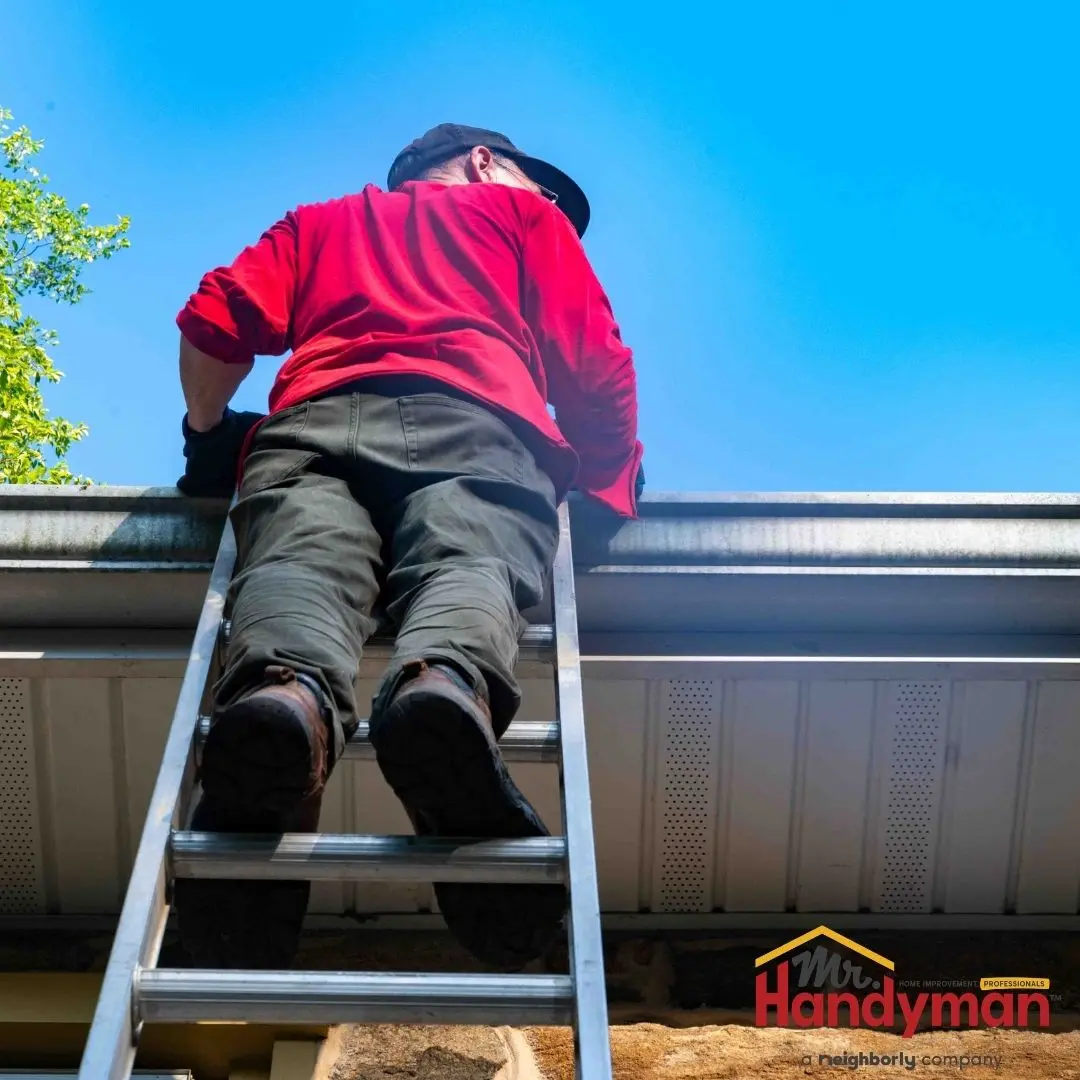
Roof and gutter conditions that deteriorate gradually without annual inspection reach the point of active failure during storm events that drive water into the home before the homeowner is aware that the system has become vulnerable. A routine maintenance program that includes annual roof and gutter assessment catches the developing conditions that precede active failure and addresses them while they are still inexpensive maintenance items rather than emergency repairs.
Structural hardware including deck fasteners, railing connections, door hinges, and window hardware loosens through the thermal cycling and vibration of daily use in ways that are not apparent until a specific component fails under load. A maintenance program that includes periodic hardware inspection and tightening catches these developments before they produce the safety incidents or secondary damage that loose hardware causes when it is not addressed.
Interior systems including ceiling fans, exhaust fans, and door hardware develop mechanical wear that reduces their performance and eventually leads to failure. A routine maintenance program that services these items periodically, lubricating moving parts, tightening fasteners, and replacing worn components before they fail completely, extends the service life of these items and prevents the inconvenience of unplanned failures.
Building a Routine Maintenance Program for Your Home
The practical question for homeowners who want to transition from reactive to proactive maintenance is how to structure a routine program that is appropriately comprehensive without being unnecessarily elaborate. For most homes in West Nashville, Belle Meade, and Clarksville, a quarterly maintenance visit covers the full range of seasonal needs with enough frequency to catch developing problems before they progress significantly.
A spring visit focused on post-winter repair assessment and pre-summer preparation addresses the highest-priority items of the year. It covers exterior caulking and paint condition after winter's thermal cycling, gutter condition after the debris of fall and winter, crawl space and basement conditions after the wet season, and the pre-summer preparation items including weatherstripping, screen condition, and exterior hardware that set the home up for a strong season.
A summer visit focused on the mid-season check of exterior conditions after the first wave of summer storms confirms that the preparations made in spring are holding, identifies any storm damage that requires attention, and checks the interior conditions that Middle Tennessee's summer humidity affects including any signs of moisture in crawl spaces, attics, and below-grade spaces.
A fall visit focused on pre-winter preparation addresses the items that protect the home through the coming cold season: caulking at exterior penetrations, weatherstripping on all exterior doors and operable windows, gutter cleaning after fall leaf drop, and any exterior repairs that should be completed before cold weather makes them more difficult.
A winter visit focused on interior systems and any cold-weather maintenance items that have developed addresses the items that present during the heating season, including door hardware adjustments for contracted winter dimensions, any plumbing concerns in spaces that approach freezing temperatures, and the interior maintenance items that winter occupancy patterns reveal.
This quarterly rhythm, calibrated to the specific demands of each season in Middle Tennessee's climate, provides comprehensive coverage of a home's maintenance needs at a frequency that keeps the scope of each visit manageable and the cost of each visit modest relative to the protection it delivers.
The Financial Case for Routine Maintenance
For homeowners who evaluate maintenance spending through a return-on-investment lens, the financial case for routine handyman maintenance is straightforward and consistently favorable. The costs of reactive repair are reliably higher than the costs of proactive maintenance across every category of home component, and the secondary damage that reactive repairs address after a failure adds costs that dwarf the primary repair in many cases.
A supply line replacement during a routine maintenance visit costs a modest amount for the part and a portion of a service visit. A supply line failure that goes undetected for several days in a vacation-empty home can cause water damage that costs tens of thousands of dollars to remediate, including flooring replacement, drywall replacement, cabinet replacement, and mold remediation if the moisture exposure was sufficient. The preventive repair and the reactive repair address the same component, but their relative costs are not remotely comparable.
Roof and exterior seal maintenance conducted annually costs a small fraction of the interior damage that a failed roof or caulking joint causes when water infiltrates a wall assembly or ceiling space through a storm season. Deck hardware tightening conducted during a routine visit costs minutes of labor. A deck railing failure that causes an injury generates liability costs that no maintenance budget can easily absorb. The financial case for routine maintenance does not require elaborate analysis. It requires only an honest comparison of what preventive attention costs against what deferred maintenance consistently produces.
Home value is also directly affected by maintenance history in ways that are relevant to homeowners in a market as active as Middle Tennessee's. A home with documented routine maintenance history presents differently to buyers and appraisers than one where the maintenance record is unclear or where deferred items have accumulated to visible levels. In Belle Meade and West Nashville's premium residential markets, where buyers have high expectations and transactions involve significant values, the condition premium that a well-maintained home commands is a tangible return on the maintenance investment made over years of ownership.
Frequently Asked Questions
How often should routine handyman maintenance be scheduled for a typical home in this region?
Quarterly visits, aligned with the seasonal demands of Middle Tennessee's climate, provide comprehensive coverage for most homes. Older homes with more complex maintenance profiles, homes with known moisture management challenges, or homes where the homeowner has less bandwidth to monitor developing conditions between visits may benefit from more frequent engagement. Newer homes in good condition with straightforward maintenance profiles can often be well-served by semi-annual visits supplemented by the homeowner's own monthly walkthrough.
What is the difference between a routine maintenance visit and a home inspection?
A home inspection is a comprehensive assessment conducted at a point in time, typically for a real estate transaction, that documents the condition of all major systems and components without performing repairs. A routine maintenance visit combines ongoing inspection with the actual minor repairs and preventive service that the inspection identifies, building a continuous maintenance history rather than a single-point assessment. Both have value, but they serve different purposes and should not be substituted for each other.
How do I keep track of what has been maintained and when for future reference?
A simple maintenance log, whether a physical notebook or a digital document, that records the date of each visit, the items inspected, the repairs performed, and any developing conditions noted for future monitoring provides the documentation foundation of a good maintenance program. A reliable handyman service will typically provide invoices or service records that serve this purpose and that the homeowner can retain as the maintenance history of the property.
Is routine maintenance worth investing in if I plan to sell the home in the next few years?
Yes, and potentially more so than for a homeowner planning to stay indefinitely. A home being prepared for sale in a market as competitive as West Nashville or Belle Meade benefits significantly from being in genuinely good maintained condition rather than requiring the pre-listing repairs that deferred maintenance accumulates. Buyers and their inspectors identify deferred maintenance reliably, and the negotiating leverage it creates consistently costs sellers more than the maintenance program that would have prevented it.
Can I handle routine maintenance myself instead of hiring a professional?
Homeowners who are genuinely skilled across the range of trades that comprehensive home maintenance requires, and who have the time and tools to conduct systematic seasonal maintenance visits, can manage their homes' routine maintenance themselves effectively. For most homeowners, the combination of skill gaps across specific trades, limited time, and the value of a professional's trained eye for developing problems makes a skilled handyman service a better practical choice than self-service maintenance. The goal is not the activity of maintenance but the outcome of a well-maintained home.
What is the first step for a homeowner who wants to establish a routine maintenance program after years of reactive management?
Begin with a comprehensive assessment visit that establishes the current condition baseline of the home, identifies any accumulated deferred maintenance that needs to be addressed, and creates the starting point for the ongoing maintenance record. This initial visit is more extensive than a routine maintenance visit because it covers everything rather than building on a known previous condition. From that baseline, a regular maintenance schedule can be established that is calibrated to the specific needs of the home as they are actually documented rather than assumed.
Start Protecting Your Home Before the Next Problem Finds You
Routine handyman maintenance is the most reliable way to keep a Middle Tennessee home in the condition it deserves, prevent the costs that deferred maintenance consistently produces, and enjoy the comfort and confidence that comes from knowing your home is being properly cared for. The team at Mr. Handyman of West Nashville, Belle Meade, and Clarksville offers routine maintenance programs tailored to the specific needs of homes in this region and built on the skilled, consistent service that a long-term maintenance relationship requires.
Visit www.mrhandyman.com/nashville-west-south-central to schedule your maintenance assessment and establish the routine that protects your home year-round. We show up on time, work cleanly, and back everything we do with the Neighborly Done Right Promise.