Why Summer Reveals Every Repair That Should Have Been Made in Spring
Middle Tennessee summers are relentless. From the first heat wave in late May through the long humid stretch of August, homes in West Nashville, Belle Meade, and Clarksville are under sustained environmental stress that exposes every deferred repair, every overlooked maintenance item, and every small problem that was tolerated through a milder season. The crack in the exterior caulking that seemed minor in April becomes a water infiltration point during July's thunderstorms. The window that was difficult to open all winter becomes completely stuck when summer humidity swells the frame. The attic that was merely warm in spring becomes dangerously hot in July, accelerating the deterioration of everything stored there and driving heat into the living spaces below.
Summer also brings the behavioral changes that reveal deferred repairs in the most inconvenient ways. Air conditioning systems cycle constantly, revealing the ductwork gaps and insulation deficiencies that were invisible during mild weather. Outdoor living increases, exposing deck boards, railings, and exterior surfaces to the kind of scrutiny they avoid during months when nobody spends time outside. Guests arrive, and spaces that were rarely used during quieter months are suddenly occupied and evaluated by people who notice what daily familiarity has made invisible to the homeowner.
For homeowners in this region, the window between the end of spring and the true arrival of summer heat is the most valuable maintenance period of the year. The repairs addressed during this window cost less, take less time, and prevent far more damage than the same repairs made reactively after a summer storm, a failed system, or a structural problem that has been quietly developing for months. Understanding which repairs carry the most risk when ignored, and why Middle Tennessee's specific climate makes them urgent, is the starting point for a summer preparation plan that protects the home and the people in it.
Roof and Attic: The Systems That Summer Tests Hardest
The roof is the most consequential system in any home, and it is the one that Middle Tennessee's summer weather challenges most directly. The combination of intense UV radiation, sustained high temperatures, and the frequent severe thunderstorms that the region experiences between June and September creates conditions that expose every vulnerability in a roofing system and convert minor deficiencies into active infiltration points faster than any other season.
Shingle condition on residential roofs in this region deteriorates through a process that is visible to a careful ground-level inspection if the homeowner knows what to look for. Granule loss, which appears as bare patches on shingle surfaces and as granule accumulation in gutters after rain events, indicates shingles that are approaching the end of their protective life. Curling or lifting at shingle edges, visible cracking across shingle surfaces, and any area where the underlying roof deck is visible through damaged or missing shingles are all conditions that require attention before summer storm season intensifies.
Flashing failures at roof penetrations, including chimneys, plumbing vents, skylights, and roof-to-wall transitions, are the most common source of residential roof leaks in this region. Flashing that has lifted, separated, or lost its sealant at the edges allows water to enter the roof assembly at exactly the points where it is most likely to find a path to the interior. A summer of heavy afternoon thunderstorms converts a minor flashing gap into a recurring interior water event that damages insulation, ceiling finishes, and structural components before the homeowner fully understands the source of the problem.
Attic ventilation is a summer-specific concern in Middle Tennessee homes that affects both the roof system above and the living spaces below. A properly ventilated attic in a Nashville or Clarksville home allows the extreme heat that accumulates under the roof deck on summer afternoons to exhaust rather than building to the temperatures that accelerate shingle deterioration from below and drive radiant heat into the home's upper level. Soffit vents that are blocked by insulation, ridge vents that are improperly installed or damaged, and attic spaces with inadequate total ventilation area are all conditions that make summer's heat harder on both the roof and the home's cooling system.
Windows and Doors: The Openings That Summer Compromises

Windows and doors are the building envelope components that most directly affect a home's energy performance, indoor comfort, and security during summer. They are also the components most likely to have developed seasonal issues during the humidity changes of spring that become fully apparent only when summer arrives with its own set of demands.
Window operation problems are among the most common warm-weather complaints in older homes throughout Belle Meade and West Nashville. Wood window frames that absorb moisture during spring's higher humidity swell against their frames and become difficult or impossible to open. In homes without central air conditioning or in bedrooms where cross-ventilation is the primary cooling strategy, a window that cannot be opened is both a comfort problem and a safety concern. Addressing stuck or binding windows before summer arrives, either through adjustment of the hardware, planing of swollen wood, or lubrication of the operating mechanism, is a straightforward repair with immediate practical benefit.
Window and door weatherstripping condition affects both energy efficiency and indoor comfort during the cooling season. Weatherstripping that has compressed, torn, or separated from its channel allows conditioned air to escape and unconditioned air to infiltrate continuously throughout the summer. In a home where the air conditioning system is already working hard against Middle Tennessee's summer heat, the additional load of air infiltration through failed weatherstripping translates directly into higher utility bills and less consistent indoor comfort. Replacing weatherstripping on exterior doors and operable windows before summer begins is a low-cost repair with measurable energy savings throughout the season.
Door hardware failures become more apparent in summer when the combination of heat expansion and heavy use strains components that have been gradually weakening. A door that does not latch securely, a deadbolt that requires excessive force to operate, or a door closer that has lost its tension and no longer pulls the door fully closed are all hardware conditions that affect both security and the air sealing performance of the door. Servicing or replacing door hardware before summer's full demands arrive keeps exterior doors functioning correctly throughout the season.
Screen condition on windows and doors is a summer-specific repair item that affects both comfort and the practical ability to use natural ventilation during the more pleasant hours of Middle Tennessee's summer days. Torn, bent, or missing screens allow insects into the home during the season when outdoor insect activity is at its highest. Inspecting all window and door screens before summer and replacing those that have damage is a modest investment that pays back in daily comfort throughout the season.
Exterior Surfaces: What Summer Sun and Storms Do to Unprotected Materials
 The exterior surfaces of homes in West Nashville, Belle Meade, and Clarksville face their most demanding season in summer. UV radiation bleaches and degrades paint finishes. Heat expands and stresses caulking at every joint and transition. Summer thunderstorms drive rain horizontally against surfaces that were designed for vertical rain loads. And the humidity of Middle Tennessee's summer nights keeps exterior materials perpetually at elevated moisture content between rain events.
Exterior paint condition on wood siding, trim, and other painted surfaces should be evaluated before summer for any areas where the paint film has failed to the point where the underlying material is exposed to the elements. Peeling, flaking, or chalking paint that no longer provides a continuous protective film allows moisture to penetrate the substrate during summer rain events and create the conditions for wood rot, swelling, and further paint failure that compound through the season. Spot-repainting areas where the paint has failed, after proper surface preparation that removes loose material and addresses any existing moisture damage, prevents the progressive deterioration that an unprotected summer accelerates.
Caulking at exterior joints is a critical summer preparation item in any home. The joints around window and door frames, at the transition between different cladding materials, at penetrations through the exterior wall, and at any location where two different building components meet are all points where caulking provides the weathertight seal that keeps water out of the wall assembly. Caulk that has dried, cracked, or separated from one or both sides of the joint it was sealing is no longer providing that function. Walking the exterior perimeter of the home before summer and recaulking any joint where the sealant condition is questionable is one of the most cost-effective exterior maintenance activities available.
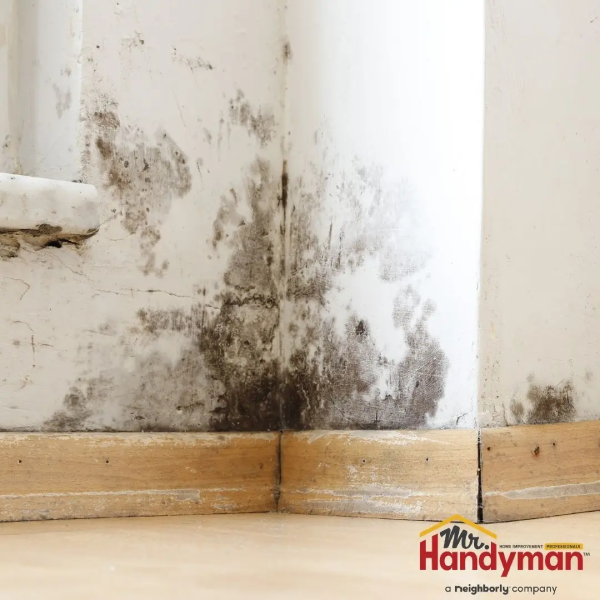
Wood rot is a repair that homeowners in this region frequently discover during summer when the conditions that created it become fully apparent. The combination of Middle Tennessee's humidity, the moisture that accumulates behind failed paint and caulking, and the warmth of summer temperatures creates ideal conditions for the fungal activity that causes wood rot. Window sill ends, door frame bases, corner boards at grade level, and deck ledger connections are the locations where wood rot is most commonly discovered in Belle Meade and West Nashville homes. Addressing wood rot promptly when it is discovered, by removing deteriorated material and replacing it with properly primed and painted new wood, prevents the spread of decay into sound adjacent material that deferred repair allows.
Decks and Outdoor Structures: Preparing for the Season They Were Built For
Summer is when decks, porches, pergolas, and outdoor structures get used most heavily, and it is also the season that reveals the accumulated deterioration of exposure to Middle Tennessee's weather through the previous year. A deck that was rarely used during fall and winter may have developed structural concerns, surface deterioration, or hardware failures that only become apparent when it is loaded with furniture, people, and the activity of outdoor living.
Deck board condition is the most visible indicator of a deck's overall maintenance status. Boards that have split, cupped, or developed significant surface checking are uncomfortable underfoot and, when the splits have penetrated deeply enough, structurally weakened. Boards that have developed soft spots or visible decay have reached the point where they represent a structural concern beyond a cosmetic one. Replacing damaged boards before summer, and applying a fresh coat of deck sealer or stain to boards that are in sound condition but weathered, protects the investment in the deck and ensures the surface is safe and comfortable throughout the season.
Deck railing stability is a safety concern that deserves direct physical testing rather than visual inspection alone. A railing that appears intact but has loose post connections, failing baluster attachments, or a top rail that moves under lateral load is not providing the fall protection it is required to deliver. In homes with elevated decks where a railing failure could result in a significant fall, testing every post and rail section before the deck sees summer use is a non-negotiable safety practice. Loose posts should be tightened or replaced before the deck is used, without exception.
Deck ledger connections, where the deck attaches to the home's exterior wall, are the structural component most critical to the deck's overall safety and the one most likely to have developed problems through exposure to moisture. Flashing at the ledger that has failed allows water to penetrate behind the ledger board and into the rim joist of the home, creating the conditions for the wood rot that has caused catastrophic deck failures in homes throughout this region. Inspecting ledger flashing condition and addressing any areas where the flashing has separated or failed is a pre-summer repair with genuine safety implications.
Gutters and Drainage: Directing Summer's Water Away From the Home
Middle Tennessee's summer thunderstorm season delivers rainfall in volumes and intensities that challenge residential drainage systems regularly. A gutter system that has accumulated debris through spring's tree pollination and leaf drop, that has developed sags or separations at joints, or that lacks sufficient downspout capacity to handle peak storm flows allows water to overflow the gutter edge and run directly against the home's foundation, siding, and landscape. The consequences of chronic gutter overflow in a Middle Tennessee summer include foundation moisture issues, basement or crawl space water infiltration, landscape erosion, and siding deterioration that all develop progressively through the season.
Cleaning gutters before summer storm season begins is the baseline maintenance activity that ensures the system can perform its intended function. Removing accumulated debris from gutter channels, flushing the system to confirm that downspouts are clear and flowing freely, and checking gutter slope to ensure water is draining toward downspout outlets rather than ponding in low spots prepares the system for the demands of the summer rain season.
Gutter joint condition deserves inspection during the cleaning process. Separated or leaking joints allow water to drip from the gutter at points other than the downspout outlets, directing water against siding, fascia, and soffit materials that are not designed to handle that concentrated moisture exposure. Resealing leaking gutter joints with gutter sealant during the pre-summer cleaning visit is a straightforward repair that eliminates these secondary drip points before summer storms make their consequences apparent.
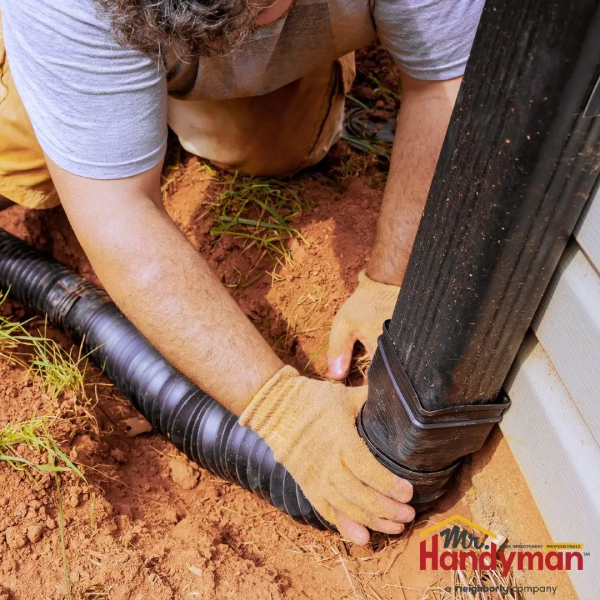
Downspout termination is an often-overlooked aspect of residential drainage that affects both foundation condition and landscape integrity. A downspout that terminates at grade level adjacent to the foundation directs the concentrated flow from a large roof area directly against the soil at the foundation perimeter. During a heavy Middle Tennessee summer thunderstorm, that flow can be substantial and can saturate foundation soils faster than they drain, creating the hydrostatic pressure conditions that drive moisture through basement walls and crawl space foundations. Extending downspouts with splash blocks or underground drain lines that carry water well away from the foundation is a modest improvement with significant moisture management benefit.
HVAC and Indoor Comfort Systems: The Systems Summer Depends On
The home's cooling system is the piece of mechanical equipment that a Middle Tennessee summer depends on most completely, and it is the one most likely to fail at the worst possible moment if it enters the season without proper preparation. An air conditioning system that has not been serviced since the previous cooling season may be operating with reduced refrigerant, clogged coils, a failing capacitor, or a dirty air handler that reduces both efficiency and longevity without showing any obvious symptoms until the system fails under peak demand.
Having the air conditioning system serviced by a qualified technician before the cooling season begins is the single most impactful mechanical maintenance investment available to Middle Tennessee homeowners. The service should include coil cleaning, refrigerant level verification, electrical component inspection, drain line clearing, and thermostat calibration. A system that enters summer in properly serviced condition runs more efficiently, maintains better comfort, and is significantly less likely to fail during the heat waves that make a breakdown genuinely dangerous for elderly, young, and medically vulnerable household members.
Air filter replacement at the beginning of summer and at regular intervals throughout the cooling season is a maintenance activity that homeowners can manage without professional help and that has a direct impact on both system efficiency and indoor air quality. A clogged filter restricts airflow through the air handler, reducing cooling capacity and causing the evaporator coil to develop the ice buildup that can damage the compressor. In Middle Tennessee's long cooling season, where the air conditioning system may run almost continuously during peak periods, filter replacement more frequently than the manufacturer's stated interval is often appropriate.
Ductwork condition affects the efficiency and effectiveness of the cooling system in ways that most homeowners significantly underestimate. A forced-air system with duct leakage delivers a meaningful portion of its cooling output to unconditioned spaces rather than to the living areas it is intended to serve. In homes with attic ductwork, the problem is compounded by the extreme temperatures that attic spaces reach in Middle Tennessee summers. Conditioned air leaking into a 140-degree attic is not just wasted comfort capacity. It is wasted energy that shows up directly on the utility bill throughout the summer season.
Frequently Asked Questions
What is the most urgent summer repair for homes in this region?
Roof and exterior caulking condition carries the highest urgency for most homeowners because Middle Tennessee's summer thunderstorm season creates frequent and sometimes severe rain events that exploit any opening in the building envelope immediately and repeatedly. A roof or exterior seal failure that is identified and repaired before summer prevents the interior damage that the same failure causes after multiple storm events have driven water into the wall assembly or ceiling space.
How do I know if my deck is safe for summer use before I have it professionally inspected?
The minimum self-assessment involves physically testing every railing post by gripping it and applying lateral force, walking the full deck surface and noting any boards that flex excessively or feel soft underfoot, and visually examining the ledger connection for any visible separation, rust staining, or signs of wood deterioration. Any concern identified during this self-assessment warrants professional evaluation before the deck is used under load.
Can summer home prep repairs be completed in one service visit or do they typically require multiple visits?
A skilled handyman can address the majority of summer prep repairs, including caulking, weatherstripping replacement, screen repair, minor wood rot repair, gutter cleaning, and exterior paint touch-up, in one or two comprehensive visits. Repairs that require specialized trades, including HVAC service and roofing work, require separate contractors but can often be scheduled within the same pre-summer maintenance window.
What exterior repairs are most commonly overlooked by homeowners preparing for summer?
Caulking condition at exterior joints and transitions is consistently the most overlooked exterior repair in pre-summer home preparation. It is not visually dramatic, it deteriorates gradually rather than suddenly, and the consequences of its failure develop over time rather than immediately. Homeowners who walk their exterior perimeter specifically looking at caulking condition frequently find multiple locations where the sealant has failed in ways they had not previously noticed.
How does deferred summer prep affect home insurance coverage in the event of storm damage?
Most homeowners insurance policies include language regarding the policyholder's responsibility for maintaining the property in a reasonable condition. A claim for storm damage at a location where pre-existing deterioration contributed to the damage, such as water infiltration through a roof area where shingles were already in failed condition before the storm, may be subject to coverage limitations or disputes based on the maintenance condition of the affected component. Maintaining the home's exterior in good repair is both a sound maintenance practice and a protection of insurance coverage integrity.
Is it worth having a professional home inspection before summer to identify repair needs?
For homeowners who have not had a professional inspection recently or who have reason to believe significant deferred maintenance has accumulated, a pre-summer inspection by a qualified home inspector provides a comprehensive assessment of the home's condition that most homeowners cannot replicate through self-assessment alone. The cost of an inspection is modest relative to the value of the information it provides and the repair prioritization it enables.
Get Your Home Ready Before Summer Arrives
The repairs that protect a Middle Tennessee home through summer are most effective and most affordable when they are addressed before the season rather than during it. The team at Mr. Handyman of West Nashville, Belle Meade, and Clarksville brings the experience and broad repair capabilities to handle the full range of summer preparation work that homes in this region need.
Call us or visit www.mrhandyman.com/nashville-west-south-central to schedule your pre-summer home repair service. We show up on time, work cleanly, and back everything we do with the Neighborly Done Right Promise.