Why Summer Is the Season Commercial Properties Cannot Afford to Fall Behind
Summer in Middle Tennessee is not a slow season for most businesses. It is the opposite. Retail traffic climbs with tourist activity and local spending. Restaurants and hospitality businesses run at or near capacity for weeks at a time. Office buildings cycle through increased HVAC demands, higher foot traffic from summer programming, and the accumulated wear that comes with a facility being used hard during the longest and hottest stretch of the year. For commercial property owners and managers in West Nashville, Belle Meade, and Clarksville, summer is the season that reveals every deferred maintenance item and every upgrade that should have been addressed in the spring.
The challenge with commercial property maintenance is that problems rarely announce themselves at convenient times. A restroom fixture that has been running inefficiently for months becomes a customer complaint on the busiest Saturday of the summer. Exterior lighting that was marginal in April becomes a liability concern in July when the parking lot fills with evening diners. Interior finish work that looked acceptable in cooler months shows every crack and stain when the summer sun hits it from a different angle. Addressing these issues before peak season is not just a matter of aesthetics. It is a matter of protecting the business, managing operating costs, and presenting a facility that reflects the standards of the operation inside it.
Commercial property upgrades do not need to be large-scale or disruptive to be meaningful. Targeted improvements that address the highest-visibility and highest-impact areas of a commercial property before summer peaks deliver results that tenants, customers, and employees notice immediately and that property owners appreciate throughout the season and beyond.
Exterior Presentation: The First Impression That Drives or Loses Business
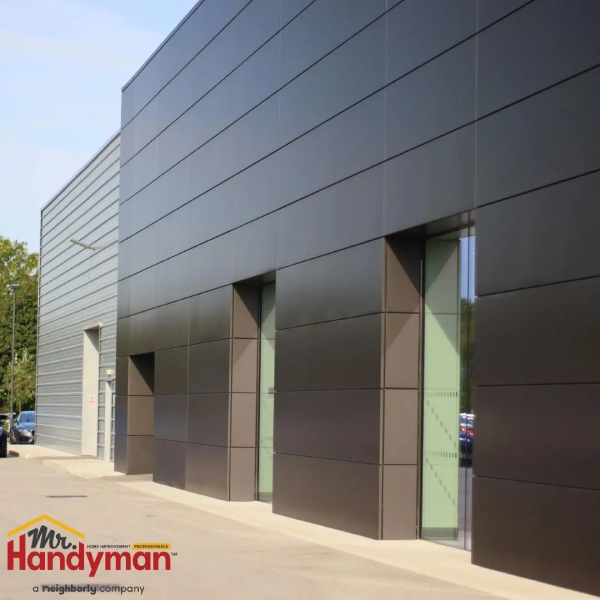
The exterior of a commercial property is its most persistent marketing asset. It communicates to every person who drives or walks past it whether the business inside is worth entering, whether the property is professionally managed, and whether the people responsible for it take pride in what they do. In West Nashville's increasingly competitive commercial corridors and in Clarksville's rapidly expanding commercial districts, exterior presentation is a differentiator that directly affects foot traffic and tenant retention.
Exterior paint and siding condition are among the first things customers and prospective tenants evaluate, often without consciously realizing it. A commercial facade with peeling paint, faded trim, or damaged siding reads as neglected regardless of what the business inside offers. Repainting exterior trim, touching up or fully repainting faded facade surfaces, and repairing damaged siding or soffit sections before summer traffic peaks presents the property in its best condition during the season when it receives the most attention.
Entrance doors and hardware deserve specific attention before summer. Commercial entrance doors handle far more daily cycles than residential doors, and the hardware, closers, hinges, and weatherstripping that keep them functioning correctly wear down faster than most property managers track. A door that does not close fully, a closer that slams rather than easing shut, or weatherstripping that allows conditioned air to escape around the frame are all issues that affect customer experience, energy costs, and the professional impression the property makes. Inspecting and servicing entrance door hardware before peak season is a modest investment that pays dividends throughout the summer.
Exterior lighting is a summer priority for commercial properties that extend their operating hours or serve customers in evening hours. Parking lot lighting, entrance lighting, signage lighting, and pathway illumination all affect both safety and the visual impression the property makes after dark. Burned-out fixtures, outdated lighting technology, or lighting layouts that leave significant areas in shadow are issues that responsible property managers address before the season rather than after an incident. Upgrading to LED fixtures where older technology is still in place reduces operating costs while improving light quality and reliability throughout the summer season.
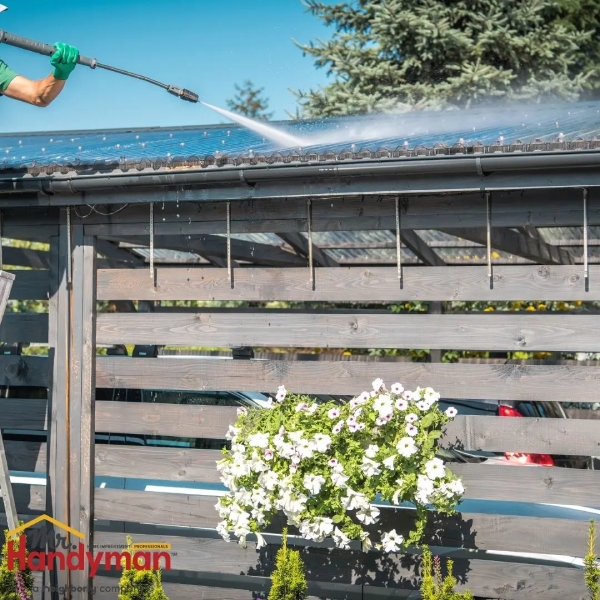
Pressure washing of exterior surfaces, including sidewalks, parking areas, building facades, and entrance canopies, removes the accumulated grime of winter and spring and presents the property at its cleanest before summer traffic arrives. In Middle Tennessee's humid climate, exterior surfaces accumulate algae, mold, and organic staining at a faster rate than in drier climates. A professional pressure washing before summer is a standard maintenance practice for well-managed commercial properties in this region that makes a visible and immediate difference in exterior presentation.
Restroom Facilities: Where Customer Impressions Are Made and Lost
Commercial restrooms are among the highest-traffic spaces in any customer-facing business, and they are also among the most reliable indicators of how a property is managed overall. Research consistently shows that customers make strong judgments about a business based on restroom condition, and those judgments affect both immediate behavior and longer-term patronage decisions. A restroom that is clean and well-maintained communicates professionalism. One with dripping faucets, running toilets, failing fixtures, or poor ventilation communicates the opposite, regardless of how well everything else in the facility is executed.
Summer increases restroom demand in virtually every type of commercial property. Higher customer volumes in retail and hospitality, increased staff during peak season, and the additional traffic associated with summer programming and events all put restroom facilities under greater stress than they experience during quieter months. Addressing known fixture issues, refreshing restroom finishes, and confirming that ventilation is functioning correctly before this increased demand arrives is a straightforward maintenance practice with significant customer experience implications.
Faucet and fixture condition in commercial restrooms deteriorates faster than in residential applications due to the volume of daily use. A commercial restroom faucet that handles hundreds of daily cycles develops wear in its valve and cartridge that a residential faucet used by a small household may never experience. Faucets that drip, run inconsistently, or require excessive force to operate are both a water waste issue and a customer experience issue. Replacing worn commercial faucets with quality replacements before summer, and considering touchless options that reduce contact surfaces and maintenance requirements, is a practical upgrade that serves the property throughout the season.
Toilet and flush valve performance in commercial restrooms requires the same attention. A running toilet in a commercial restroom wastes significantly more water than its residential equivalent because the duration between checks is longer and the pressure on the system is higher. Commercial-grade flush valves and toilet components are designed for the volume of use commercial restrooms experience, and replacing worn residential-grade components that may have been installed in a lower-traffic era with properly specified commercial components is both a water conservation and a maintenance reduction measure.
Caulking and grout condition around sinks, floors, and wall tile in commercial restrooms affects both appearance and hygiene. Deteriorated caulk at sink bases and floor transitions allows moisture to penetrate behind surfaces, creating conditions for mold and structural damage that become expensive to remediate if they are allowed to develop over a full summer of heavy use. Recaulking these surfaces before summer is an inexpensive preventative measure that protects the underlying structure and maintains a clean, well-maintained appearance throughout the season.
Interior Common Areas: High-Traffic Spaces That Show Wear First
The common areas of a commercial property, including lobbies, corridors, waiting areas, and shared tenant spaces, receive more daily traffic than any other interior space and show wear accordingly. These are also the spaces that tenants, customers, and visitors spend the most time in and form their strongest impressions of the property from. Maintaining them at a standard that reflects well on the property requires more frequent attention than the private spaces within individual tenant suites.
Wall condition in high-traffic commercial corridors deteriorates through the accumulated impact of carts, equipment, furniture, and daily use in ways that residential walls rarely experience. Scuffs, gouges, and corner damage that accumulate over a busy year are worth addressing before summer traffic amplifies them further. Patching damaged drywall, repairing corner bead damage, and repainting corridors and common areas that have reached the point of visible wear presents the property at its best during the season when it is most scrutinized.
Flooring in commercial common areas takes the most direct punishment of any interior surface and is the element most likely to communicate either care or neglect to people moving through the space. Worn, stained, or damaged flooring in a lobby or corridor is impossible to overlook and difficult to justify in a well-managed property. Addressing flooring that has reached the end of its serviceable life before summer, whether through replacement, deep cleaning, or refinishing depending on the material, is a maintenance investment that significantly affects the perceived quality of the property.
Interior doors, hardware, and signage in common areas contribute to the professional character of a commercial property in ways that are easy to underestimate. A door that does not hang correctly, hardware that is tarnished or damaged, or wayfinding signage that is outdated, faded, or incorrectly mounted reflects on the property's management standards in the same way that a well-maintained entrance communicates professionalism. Addressing these details before peak season is a cost-effective way to elevate the overall impression the property makes on everyone who uses it.
Workspace and Tenant Suite Readiness
For commercial properties with multiple tenants, summer often coincides with lease renewals, new tenant move-ins, and the kind of tenant-facing maintenance that landlords and property managers use to demonstrate the value of the property and the responsiveness of the management. Addressing maintenance items in tenant suites and common areas before the summer season begins positions the property management relationship positively during a period when tenants are often evaluating their options.
Touch-up painting in tenant suites between occupants, repairing minor drywall damage from picture hanging and equipment mounting, replacing worn switch plates and outlet covers, and servicing door hardware in individual suites are all items that fall within the normal scope of between-tenancy maintenance and that contribute to a positive tenant experience when they are handled proactively rather than reactively.
Office environments specifically benefit from attention to lighting before summer. Fluorescent fixtures with flickering or burned-out tubes affect both the work environment and the perceived condition of the space. Upgrading to LED panel lighting in office suites reduces energy costs significantly while improving light quality and eliminating the maintenance demand of frequent tube replacements. For commercial property owners managing multiple tenant suites, the energy savings of a lighting upgrade across the property can represent a meaningful reduction in operating costs that compounds over years of ownership.
ADA Compliance and Safety Considerations
Summer brings increased foot traffic to commercial properties, and increased foot traffic amplifies the consequences of any accessibility or safety deficiency. Grab bars that are loose or improperly mounted, door hardware that does not meet accessibility standards, ramps or threshold transitions that present trip hazards, and signage that does not meet current requirements are all issues that responsible property managers address before peak season rather than after an incident.
ADA compliance is not a one-time achievement. It is an ongoing maintenance responsibility that requires periodic assessment and correction as hardware ages, facilities are modified, and standards evolve. A professional walkthrough of the property with accessibility standards in mind before summer identifies items that need attention and creates a record of proactive compliance management that is valuable from both a risk management and a tenant relations perspective.
Safety-related maintenance items beyond ADA compliance deserve the same proactive attention. Handrails that have loosened from wall anchors over winter, exterior stair treads that have deteriorated, and entrance thresholds that have lifted or settled to create trip hazards are all items that carry genuine liability implications when foot traffic is at its peak. Addressing them before summer is both the responsible and the cost-effective approach.
Energy Efficiency Upgrades That Pay Back Through the Summer
Middle Tennessee summers are long, hot, and expensive from an energy standpoint for commercial properties. HVAC systems running at capacity through June, July, August, and into September represent the largest single operating cost for most commercial facilities during this period, and the efficiency of the building envelope directly affects how hard those systems have to work.
Weatherstripping and door seals at exterior entrances are among the most cost-effective energy efficiency improvements available to commercial properties. A commercial entrance door with deteriorated weatherstripping allows conditioned air to escape and unconditioned air to enter continuously throughout the operating day. In a facility with multiple exterior doors, the cumulative energy loss from worn weatherstripping is meaningful and entirely preventable. Replacing weatherstripping on all exterior doors before summer is a modest material and labor cost that reduces HVAC load throughout the season.
Window caulking and glazing seal condition affects energy efficiency in commercial buildings in the same way that door seals do. Gaps and deteriorated caulk at window frames allow air infiltration that increases cooling loads and creates comfort complaints from tenants and customers near affected windows. Inspecting and recaulking exterior window frames before summer is a standard pre-season maintenance practice for well-managed commercial properties in this climate.
Lighting upgrades from fluorescent or older technology to LED reduce heat generation inside the facility as well as electricity consumption. In commercial spaces where lighting runs throughout operating hours, the heat generated by older lighting technology adds measurable cooling load to the HVAC system during summer months. An LED upgrade reduces both the direct electricity cost of lighting and the indirect cooling cost associated with the heat older fixtures generate.
Frequently Asked Questions
How do I prioritize commercial property upgrades when budget is limited?
Start with the items that directly affect customer experience and safety, restroom fixtures, entrance hardware, exterior lighting, and visible interior finish condition. These are the areas where deferred maintenance has the most immediate impact on how the property is perceived and how it performs. Energy efficiency upgrades that reduce ongoing operating costs are a strong second priority because they pay back through reduced bills rather than simply preventing problems.
Can commercial property maintenance work be scheduled to minimize disruption to tenants and customers?
Yes, and scheduling around business operations is a standard consideration in commercial maintenance planning. Most interior work can be scheduled for early morning hours before opening, evening hours after closing, or on days with lower traffic. Exterior work is generally less disruptive and can proceed during normal operating hours. Clear communication with tenants and staff about the scope and schedule of maintenance work minimizes disruption and is appreciated as a sign of professional property management.
How often should commercial restroom fixtures be replaced?
Commercial-grade faucets and flush valves in high-traffic restrooms typically have a service life of five to eight years under heavy use conditions. The actual replacement schedule depends on the volume of use, the quality of the original fixtures, and the water quality in the area. Middle Tennessee's moderately hard water accelerates wear on valve components, and a higher replacement frequency than the manufacturer's stated service life is not unusual in this region's commercial applications.
What exterior maintenance items carry the highest liability risk if deferred?
Entrance trip hazards, including uneven thresholds, damaged stair treads, and lifted sidewalk sections, carry the highest immediate liability risk for commercial properties. Parking lot lighting failures that create safety concerns in evening hours are a close second. Both categories of maintenance items should be addressed immediately when identified rather than deferred to a scheduled maintenance cycle.
Is pressure washing appropriate for all commercial exterior surfaces?
Most commercial exterior surfaces benefit from professional pressure washing, but the pressure settings and technique must be appropriate to the specific surface material. Brick and masonry, concrete, and painted metal surfaces have different pressure tolerances, and using incorrect pressure on sensitive surfaces can cause damage that is expensive to repair. A professional with commercial pressure washing experience selects the appropriate technique for each surface type.
How do I know if my commercial property's entrance doors need service or full replacement?
Doors that close and latch correctly but have worn closers, deteriorated weatherstripping, or tarnished hardware are good candidates for service and hardware replacement rather than full door replacement. Doors with damaged frames, warped panels, compromised glazing, or structural issues that affect security and operation are candidates for replacement. A professional assessment of the door condition and hardware provides an honest evaluation of which approach is appropriate for each entrance.
Get Your Commercial Property Summer-Ready
A well-maintained commercial property performs better, costs less to operate, and retains tenants and customers more effectively than one where maintenance has been deferred. The team at Mr. Handyman of West Nashville, Belle Meade, and Clarksville brings the commercial maintenance expertise to handle everything from restroom fixture upgrades and exterior repairs to interior finish work and accessibility improvements.
Call us or visit www.mrhandyman.com/nashville-west-south-central to schedule your commercial service. We work around your business schedule, arrive on time, and back everything we do with the Neighborly Done Right Promise.