
Mr. Handyman of Pittsburgh East Suburbs and Greensburg
Why Pittsburgh Homeowners Should Think About Plumbing Before Every Summer Trip
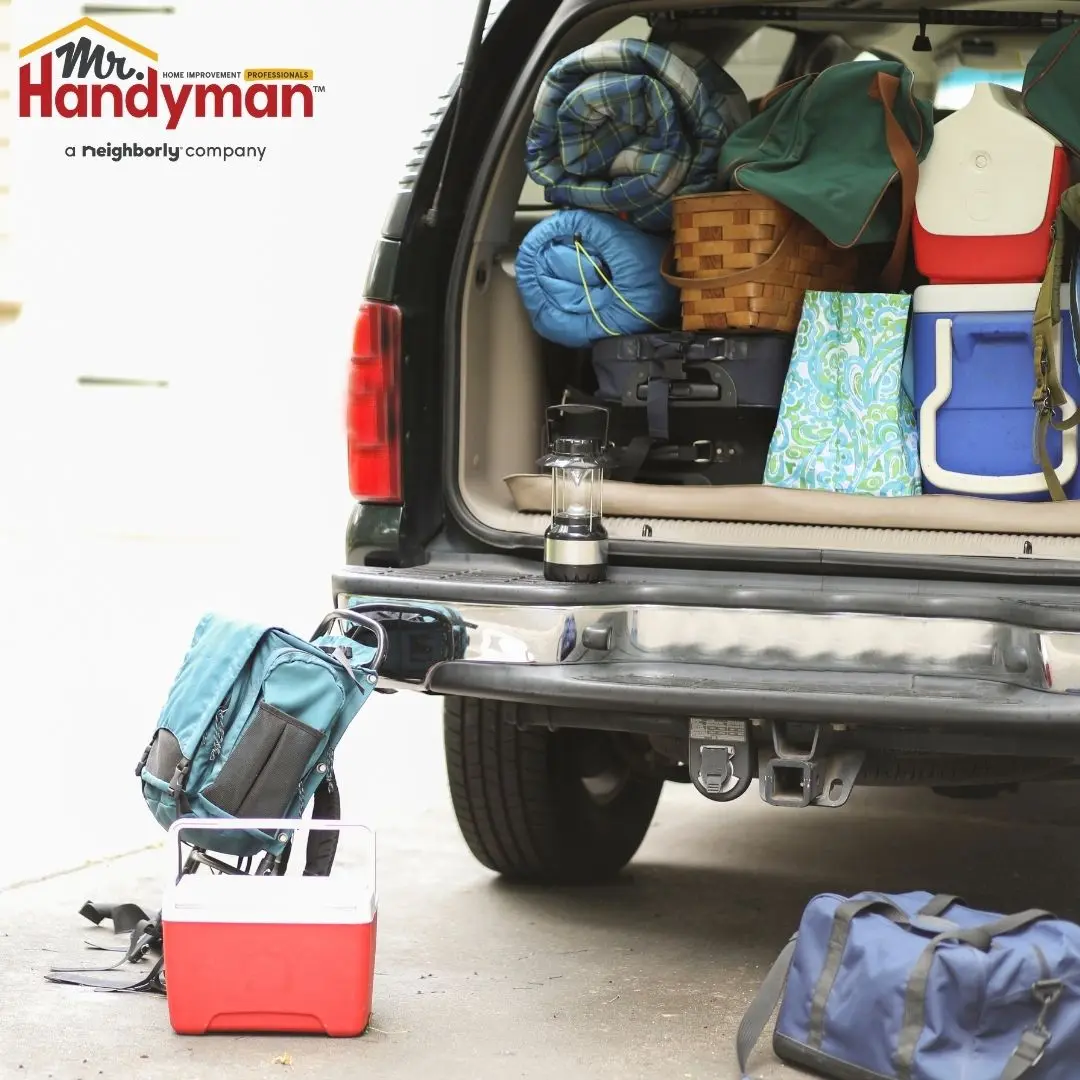
Summer in the Pittsburgh East Suburbs and Greensburg area brings something most homeowners genuinely look forward to — time away. Whether it's a week at the lake, a long weekend road trip, or an extended family vacation, summer travel is one of the real rewards of homeownership. But while you're loading the car and setting the out-of-office reply, your home's plumbing system is sitting quietly in the background, holding pressure, managing moisture, and aging one day at a time.
The problem is that most plumbing failures don't announce themselves. They build slowly. A fitting that's been slightly loose for months, a supply line under a sink that's been weeping just enough to dampen the cabinet floor, a toilet valve that never fully seats. Under normal circumstances, you might catch these things during a routine morning or evening. But when you leave for five, seven, or ten days, those slow-building issues become serious, expensive disasters.
Western Pennsylvania homes carry a specific set of vulnerabilities when it comes to summer plumbing. The region's older housing stock, much of it built between the 1940s and 1980s, relies on plumbing systems that have been quietly working for decades. Galvanized steel pipes corrode from the inside out. Older braided supply lines dry and crack. Wax seals and gaskets that have never been replaced become brittle with age and heat. Add in the humidity swings that come with a true Pittsburgh summer, and you have conditions that quietly accelerate wear inside walls, under floors, and beneath fixtures.
Leaving home without a proper plumbing check is one of the most common and most costly mistakes homeowners in this region make every summer. A single supply line failure in an upstairs bathroom can release dozens of gallons per hour, soaking subfloor, saturating insulation, and creating the exact moisture conditions that mold needs to establish itself within 24 to 48 hours. By the time you return from vacation, what started as a slow drip can become a full remediation project.
This guide is written specifically for homeowners and property owners in the Pittsburgh East Suburbs and Greensburg area who want to leave for the summer and come back to a home that's exactly the way they left it.
Understanding What Actually Fails and Why
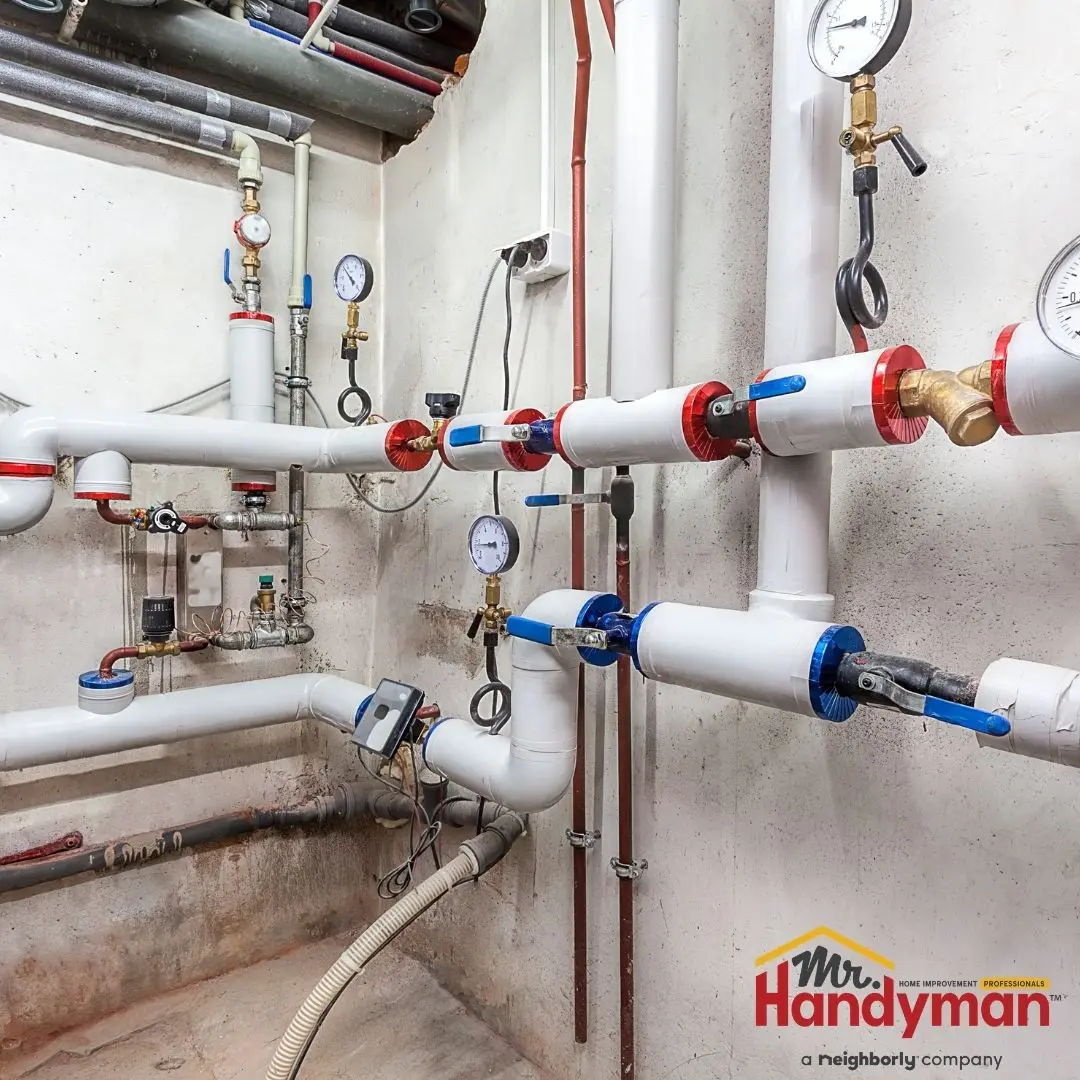
Before you can protect your home's plumbing, it helps to understand what actually breaks and why it tends to happen when no one is around to notice.
Supply Lines Are the Most Common Culprit
The braided supply lines connecting your shutoff valves to your toilets, faucets, and appliances are under constant water pressure every hour of every day. Most of the time, this isn't a problem. But supply lines have a functional lifespan, typically somewhere between five and ten years depending on material and water quality. Pittsburgh's water, while treated, carries enough mineral content and fluctuation to affect line integrity over time.
What makes supply line failure so dangerous during a vacation isn't just that it happens. It's the volume of water involved. An average supply line failure releases water at a rate that can quickly overwhelm any drip pan or cabinet floor. In an older home where cabinetry and subfloor materials are already aged, that water travels fast and far. The damage isn't just cosmetic. It reaches structural materials, insulation, and in multi-story homes, it moves vertically through the floor system into ceilings below.
Water Heaters Hold Risk Most Homeowners Underestimate
A standard tank water heater holds between 40 and 60 gallons of water, maintained under pressure at all times. As these units age, and in Pittsburgh East Suburbs homes it's common to find water heaters that have been in service for 12 to 15 years or longer, the tank lining, the anode rod, and the pressure relief valve all degrade. Sediment builds up at the base of the tank, creating stress points and reducing efficiency. Corrosion works slowly and invisibly until it doesn't.
A failing water heater that springs a slow leak while you're away doesn't just lose water. It creates sustained moisture in whatever space it occupies, often a basement utility room, that affects surrounding materials, damages stored belongings, and encourages mold and mildew growth in areas that rarely see light or airflow.
Toilets Fail in Ways That Are Easy to Miss
Toilet supply lines and fill valves are under the same constant pressure as everything else, but they also cycle regularly. A fill valve that doesn't fully seat after flushing, known as a running toilet, may seem like a minor annoyance when you're home. When you leave for a week, that same valve can allow a slow but continuous flow that quietly drives up your water bill and, if the overflow path is compromised, introduces water to areas that should stay dry.
The wax seal at the base of the toilet is another common failure point in older Pittsburgh homes. As floor materials shift and settle over decades, the seal can loosen, creating a pathway for slow water intrusion at floor level. This is easy to overlook because the damage often begins underneath tile or vinyl where it isn't visible until it's substantial.
Washing Machine Hoses Are a Hidden Hazard
One of the highest-risk plumbing failure points in any home is behind the washing machine. The supply hoses, particularly older rubber hoses, are under full line pressure at all times in most homes, whether or not the machine is actively running. These hoses are often tucked against a wall, rarely inspected, and left in place for far too long.
A burst washing machine hose is one of the fastest-flowing plumbing failures a homeowner can experience. Depending on your home's water pressure, a fully ruptured hose can release hundreds of gallons per hour directly onto the laundry room floor. In a home with a finished basement below, that water will find its way through the floor system quickly.
The Specific Risks That Come With Older Pittsburgh Area Homes
Homeowners in the Pittsburgh East Suburbs and Greensburg area should understand that the age and construction style of local homes creates a distinct set of plumbing vulnerabilities that aren't always present in newer construction.
Many homes in communities like Monroeville, Murrysville, Penn Township, Export, Greensburg, and the surrounding boroughs were built during a period when galvanized steel pipe was standard. That material has a finite life. As it corrodes from the inside, it narrows, weakens, and develops stress points that may not show any external warning before they fail. In homes where galvanized supply lines haven't been updated, any point of elevated pressure, like what occurs when a home sits closed for a week in summer heat, is a point of potential failure.
Summer heat also matters here more than many homeowners realize. When a home is closed up for a week or more during Pittsburgh's warmer months, particularly during the humid stretches that arrive in July and August, interior temperatures can rise significantly. That heat affects the materials in your plumbing system. Plastic fittings expand. Rubber components soften and can shift. Older supply line braiding becomes more susceptible to stress. None of these effects are catastrophic on their own, but combined with existing wear and sustained pressure over an extended absence, they increase the probability of failure meaningfully.
Essential Pre-Travel Plumbing Checks Every Homeowner Should Make
A thorough plumbing walkthrough before leaving for summer travel doesn't have to take hours. But it does have to be deliberate. Here's what to look at and what to look for.
Inspect Every Visible Supply Line
Walk through every bathroom, the kitchen, the laundry room, and any utility spaces. Look at the braided lines beneath sinks and behind toilets. Look for discoloration, moisture at fittings, any sign of bulging or surface cracking. If a supply line is more than seven years old, its age alone is a reason to consider replacement before you leave, not after you return.
Test Every Shutoff Valve
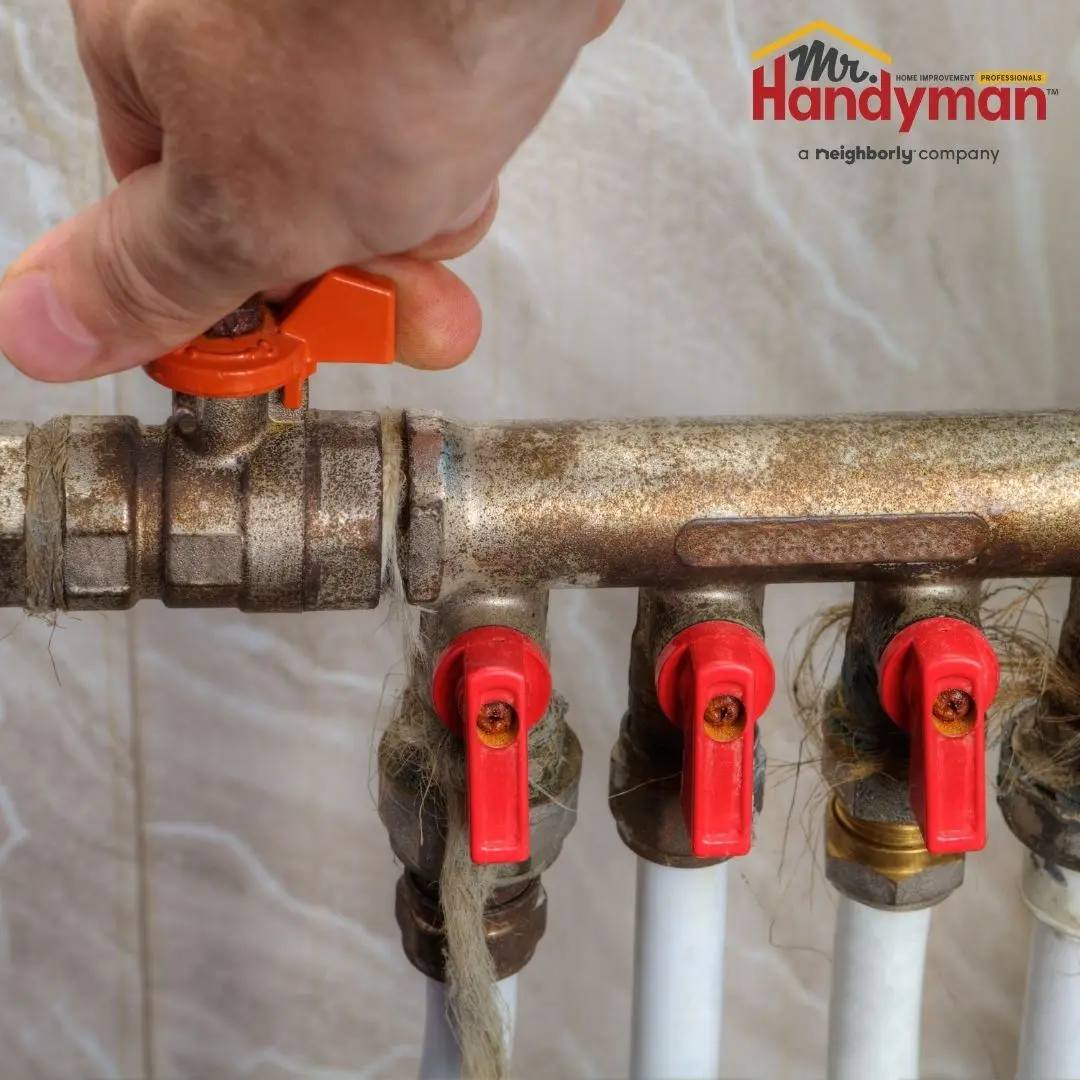
Shutoff valves that haven't been operated in years often seize or fail to close fully when you need them. Before leaving, test every individual fixture shutoff and know where your main shutoff is located. In many older Pittsburgh area homes, the main shutoff is in the basement and may require some effort to reach. Make sure it works. If a valve won't fully close or leaks when operated, that's a repair that needs to happen before your trip.
Check the Water Heater
Look at the base of the tank for any signs of moisture or rust staining. Check the pressure relief valve. There should be no signs of previous discharge around the valve or discharge pipe. If your water heater is more than ten years old, have it inspected before leaving. Consider turning the thermostat to the vacation setting, which maintains the unit at a lower temperature, reducing both energy use and thermal stress during your absence.
Shut Off the Main Water Supply if Possible
For any trip lasting more than a few days, the single most effective thing a Pittsburgh homeowner can do is shut off the main water supply before leaving. This eliminates line pressure throughout the entire system, which means that even if a supply line fitting loosens or a valve develops a slow leak, there is no sustained pressure driving water into your home. For most homes in this area, the main shutoff is located where the supply line enters the basement.
The objection most homeowners have is that they can't shut off the water if they have sprinkler systems, irrigation, or sump pump discharge lines tied into the supply. In those cases, a professional walkthrough can help identify the right strategy for your specific home.
Look Behind and Beneath Appliances
Before leaving, pull the washing machine slightly away from the wall and inspect the hose connections at both the machine and the wall bibs. Look for any sign of moisture, rust, or mineral deposit at the connection points. If the hoses are rubber and more than five years old, replacing them with braided stainless steel lines before your trip is a straightforward, low-cost improvement that removes a significant risk.
What Happens Room by Room When No One Is Home
Understanding the risk in broad terms is useful, but it becomes more actionable when you think about each space in your home individually. Every room with plumbing carries its own set of vulnerabilities, and each one behaves differently during an extended vacancy.
The Kitchen
The kitchen is one of the most plumbing-dense spaces in any home, and it's also one of the most commonly overlooked during a pre-travel inspection. Beneath the sink, supply lines run to the faucet and, in many Pittsburgh area homes, to a refrigerator ice maker or water dispenser through a small saddle valve. These saddle valves, which pierce directly into the supply line, are known for developing slow leaks over time. They're easy to forget because they're often behind the refrigerator and completely out of sight.
The dishwasher supply line and drain hose are additional points of vulnerability. A dishwasher that has been running for eight or ten years may have a supply connection that's showing early signs of wear at the fitting. When the home is empty and no one runs the machine, the line remains under pressure. If a fitting fails over a seven-day absence, water drains quietly under the cabinet and into the subfloor below.
Homeowners should also check the garbage disposal connection to the drain. While this isn't a pressurized line, a loose connection combined with any residual moisture can create long-term odor and mold issues inside the cabinet that become apparent only after you return.
The Bathrooms
Each bathroom in your home represents multiple plumbing connection points, all of which deserve individual attention before travel. The toilet supply line, the fill valve, the wax seal, the sink supply lines, and the tub or shower drain all warrant a deliberate look.
In older Pittsburgh area homes, bathrooms often haven't been updated in decades. The original tile work, subfloor, and fixture connections may be functioning adequately under normal conditions but carrying far more accumulated wear than they appear to. A slow drip at a sink supply fitting that goes unnoticed for ten days can introduce enough moisture to compromise the cabinet structure and the flooring beneath it.
Shower and tub drains are worth checking as well. Not for leaks in the traditional sense, but for any signs that the drain flange or surrounding caulk has separated from the floor or tub surface. Water that finds its way past a compromised caulk line during normal use eventually makes its way into the substructure. Over an extended absence, this becomes a significant issue if there's any residual water or moisture trapped in the area.
The Basement and Utility Areas
For many Pittsburgh East Suburbs and Greensburg homeowners, the basement is where the most critical plumbing infrastructure lives. The main shutoff, the water heater, the sump pump, the washing machine connections, and in many older homes, exposed supply and drain lines all occupy this space.
The basement is also where problems are most likely to go undetected the longest. Because most homeowners don't spend time in the basement every day, a slow drip at the water heater or a weeping joint in an older galvanized supply line can produce sustained moisture accumulation over days before anyone notices. During a vacation absence, that accumulation compounds every hour.
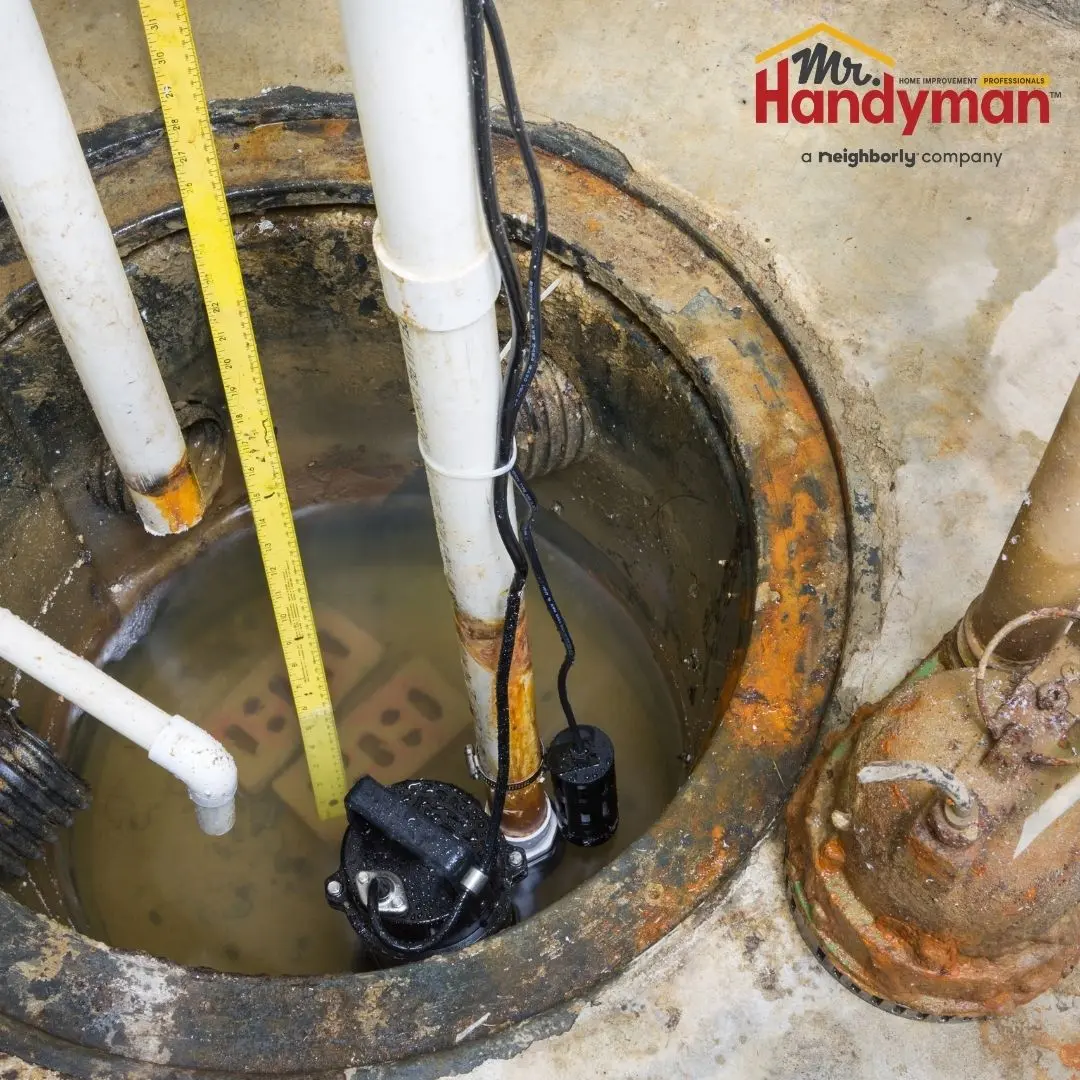
Sump pumps deserve specific attention before any summer trip. Pittsburgh area summers regularly bring heavy rain events, and a basement that depends on a functioning sump pump during a storm is a serious liability if that pump fails while you're away. Before leaving, test the pump by pouring water into the pit and confirming that it activates and discharges properly. If the pump is more than five years old or has never been serviced, a pre-travel inspection is well worth the time.
The Laundry Room
Beyond the washing machine hoses already discussed in Part A, the laundry room often contains a utility sink with its own supply lines and shutoff valves. These fixtures are frequently older than anything else in the home and are almost never replaced until they fail. Check the supply lines and shutoffs at the utility sink the same way you would any other fixture, and make sure the drain is clear and flowing freely before you leave.
Local Building Realities That Affect Your Risk Level
The Pittsburgh East Suburbs and Greensburg area has a housing landscape that directly shapes how plumbing systems age and fail. Understanding these regional realities helps homeowners make smarter decisions about where to focus their pre-travel attention.
Homes in communities like Plum, Penn Hills, Trafford, Jeannette, and Irwin were largely built during the postwar decades, a period when construction moved quickly and plumbing materials were chosen for availability and cost rather than longevity. Many of these homes still have original supply lines, original fixture connections, and in some cases, original drain lines that have never been fully evaluated.
The terrain of Western Pennsylvania also plays a role. Homes built into hillsides or with walk-out basements have plumbing that travels through more complex paths than a simple ranch-style build on flat ground. Water that finds a leak point in a hillside home can travel through the structure in unexpected ways, following the slope of the land and the angle of the framing before it becomes visible anywhere.
Pittsburgh's summer humidity is another regional factor that homeowners should factor into their planning. When a home is closed up for a week or more during a humid July or August stretch, the interior environment becomes warm and still. Any slow moisture source, whether from a weeping fitting, a loose drain connection, or a compromised wax seal, has ideal conditions to promote mold growth. The combination of heat, humidity, and an absent homeowner is exactly the environment that turns a minor plumbing issue into a remediation project.
Why Small Repairs Before You Leave Are Always Worth It
There is a tendency among homeowners to defer small repairs, particularly when they're heading into a busy season or preparing for travel. The logic is understandable. If something has been dripping slowly for three months and hasn't caused a problem yet, it seems reasonable to deal with it after vacation rather than before.
That reasoning breaks down the moment you leave. The slow drip that seemed manageable when you were home every day has no one to monitor it, no one to catch it if it worsens, and nothing to stop it from running continuously for the full duration of your absence. What costs a modest repair before you leave can easily become a claim involving water damage restoration, mold remediation, subfloor replacement, and in severe cases, ceiling repair in rooms below the failure point.
Homeowners in this region who have worked with a professional before summer travel consistently report that the inspection and any resulting small repairs cost far less than a single insurance deductible, let alone the disruption of returning to a damaged home. Preventative work before a trip isn't an added expense. It's the most cost-effective home protection a homeowner can invest in during the summer season.
Frequently Asked Questions
Should I shut off my water heater if I shut off the main water supply?
Yes. If you're shutting off the main water supply before leaving, it's good practice to also switch your water heater to the vacation or pilot setting. With no cold water flowing into the tank, the heating element continues to work against a static volume of water. Reducing the temperature setting eliminates unnecessary energy consumption and reduces thermal stress on the tank during your absence.
How do I know if my supply lines are old enough to replace?
If you don't know when the supply lines were last replaced, that uncertainty itself is a useful signal. In homes where no one has a clear record of the last time lines were swapped, there's a reasonable chance they're overdue. A visual inspection can help. Look for any discoloration, slight bulging near fittings, stiffness in the line material, or surface cracking. Lines that show any of these signs should be replaced before a long trip regardless of their estimated age.
Is it safe to leave the water on if I have someone checking the house?
Having a trusted neighbor or house sitter check your home every day or two meaningfully reduces your risk, but it doesn't eliminate it. A supply line that fails at midnight on a Tuesday won't be discovered until the next scheduled check. If you're leaving water on because someone is checking in, make sure they know exactly where the main shutoff is and how to operate it. Walk them through it before you leave.
What's the most common plumbing failure Pittsburgh homeowners come home to after summer travel?
Based on the age of homes in this region, toilet and sink supply line failures are among the most frequently reported. Washing machine hose failures are also common because those hoses are under constant pressure and are almost never inspected. Water heater failures tend to be slower and are often discovered through rust staining or dampness at the base of the unit rather than an acute flood event.
Do I need a professional inspection, or can I handle this myself?
A careful visual walkthrough by an attentive homeowner can catch many visible warning signs. But there are things a trained eye will find that a homeowner will miss, particularly around older galvanized supply lines, valve condition, water heater internals, and basement plumbing that isn't frequently observed. For homes more than 30 years old, a professional pre-travel inspection is a sound investment that typically costs far less than any single repair it might prevent.
What should I tell my insurance company if I'm leaving for an extended period?
Policies vary, but many homeowners' insurance policies have clauses related to extended vacancies. Some require that the home be checked at defined intervals during an absence. Review your policy before leaving, and if you're uncertain about your coverage during a vacation period, contact your provider directly. Shutting off the main water supply before leaving is one of the most effective ways to reduce the likelihood of a water damage claim in the first place.
Leave for Summer with Confidence
Preparing your plumbing before a summer trip isn't about fear. It's about being the kind of homeowner who takes care of their property and comes back to it in the same condition they left. Homes in the Pittsburgh East Suburbs and Greensburg area have earned their character through decades of use, and that character is worth protecting with a little deliberate attention before every season of travel.
If you'd like a professional set of eyes on your plumbing before your next trip, Mr. Handyman of Pittsburgh East Suburbs and Greensburg is ready to help. The team serves homeowners throughout the East Suburbs, Greensburg, and the surrounding communities with honest assessments, reliable repairs, and the kind of experience that comes from working with older Western Pennsylvania homes every day.
Schedule your pre-travel plumbing inspection today.
Website: https://www.mrhandyman.com/pittsburgh-east-suburbs-greensburg
Serving homeowners throughout the Pittsburgh East Suburbs, Greensburg, and the surrounding communities with dependable service and the expertise your home deserves.
