
Mr. Handyman of Pittsburgh East Suburbs and Greensburg
Why Walls and Trim Are the Most Underestimated Elements in Any Room
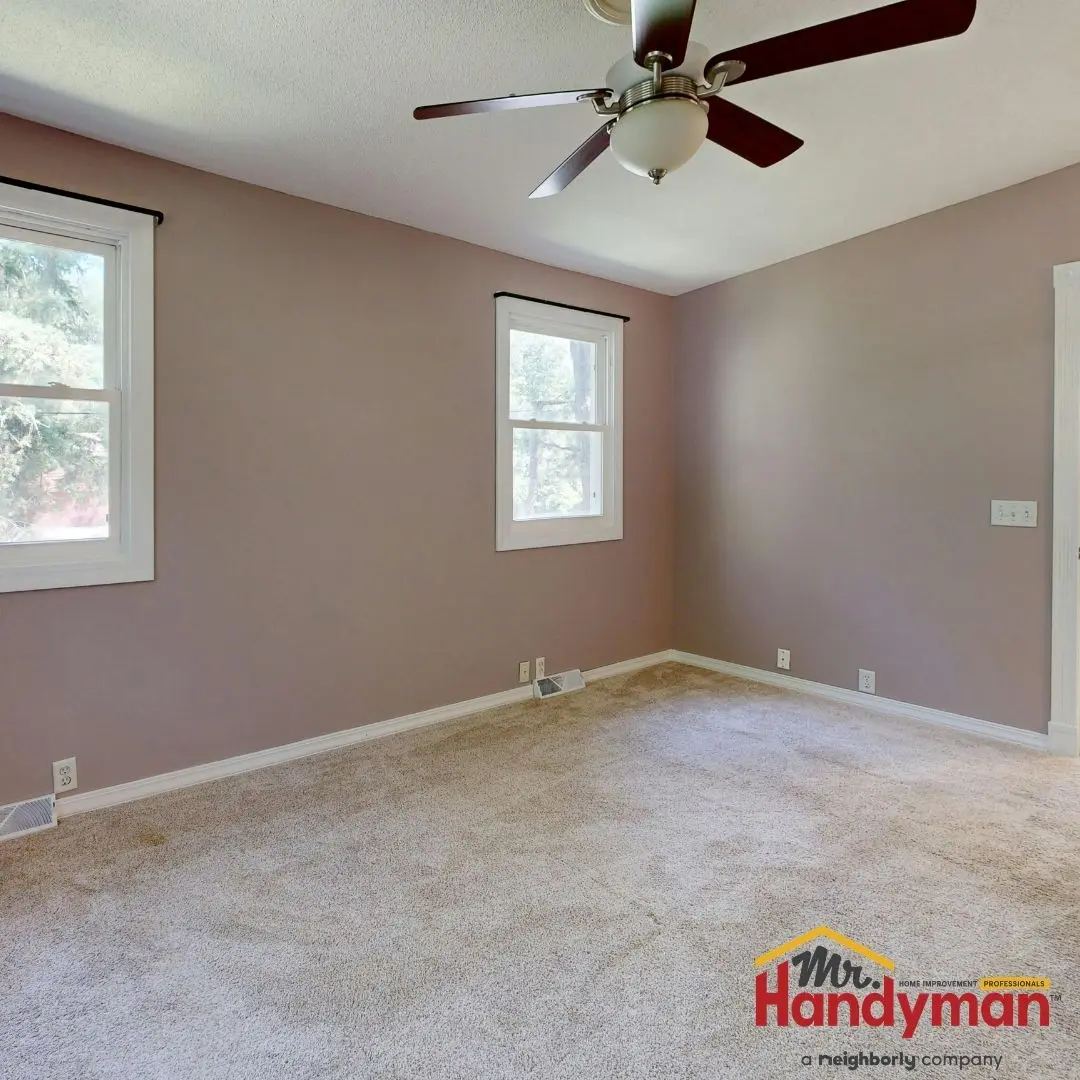
When homeowners in the Pittsburgh East Suburbs and Greensburg area think about transforming a room, the conversation usually gravitates toward the larger, more expensive interventions. New flooring, updated lighting, furniture replacement, full room renovations. But there is a category of improvement that consistently delivers transformation out of proportion to its cost and complexity, and it lives on the walls and trim of every room in the home.
Walls and trim are the background against which everything else in a room is experienced. They establish the visual tone of the space before a single piece of furniture is placed or a single fixture is installed. When they're in good condition, well-proportioned, and finished in a way that suits the room's character, they make everything in the room look better. When they're scuffed, dated, poorly finished, or missing the architectural detail that gives a space its sense of completeness, they undermine everything else the homeowner has invested in the room regardless of how good those other elements are.
In a region like Western Pennsylvania, where a significant portion of the housing stock was built between the 1940s and the 1980s, walls and trim frequently carry the accumulated evidence of decades of living. Paint that's been touched up so many times it has lost its original color and sheen. Trim that was installed to the standards of its era but reads as thin and inadequate against modern expectations. Cracks and nail pops in plaster or drywall that have been patched inconsistently over the years. Baseboards scuffed at floor level from decades of vacuum contact.
None of these conditions require a full renovation to address, and that's precisely what makes wall and trim updates so valuable for Pittsburgh area homeowners. The interventions are targeted, the materials are accessible, the results are immediate and visible, and the transformation they produce in how a room looks and feels is consistently greater than the investment required to achieve it.
The Most Impactful Wall Updates for Pittsburgh Area Homes
Fresh Paint Done Right
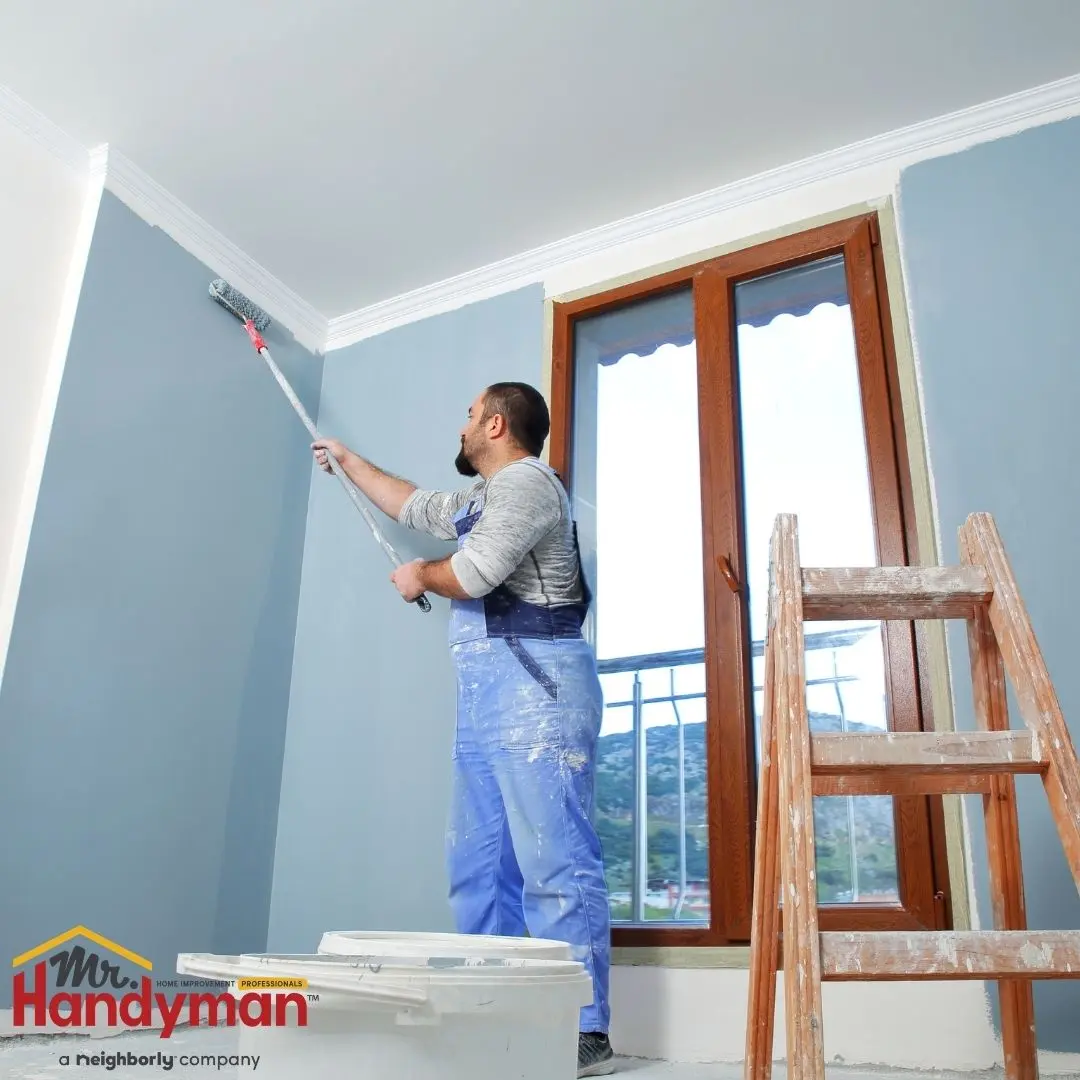
Fresh paint is the most universally understood wall update, and it's also the one most frequently executed in ways that fall short of its potential. The difference between a paint job that genuinely transforms a room and one that simply makes it look freshly painted lies in the preparation, the color selection, and the quality of the application.
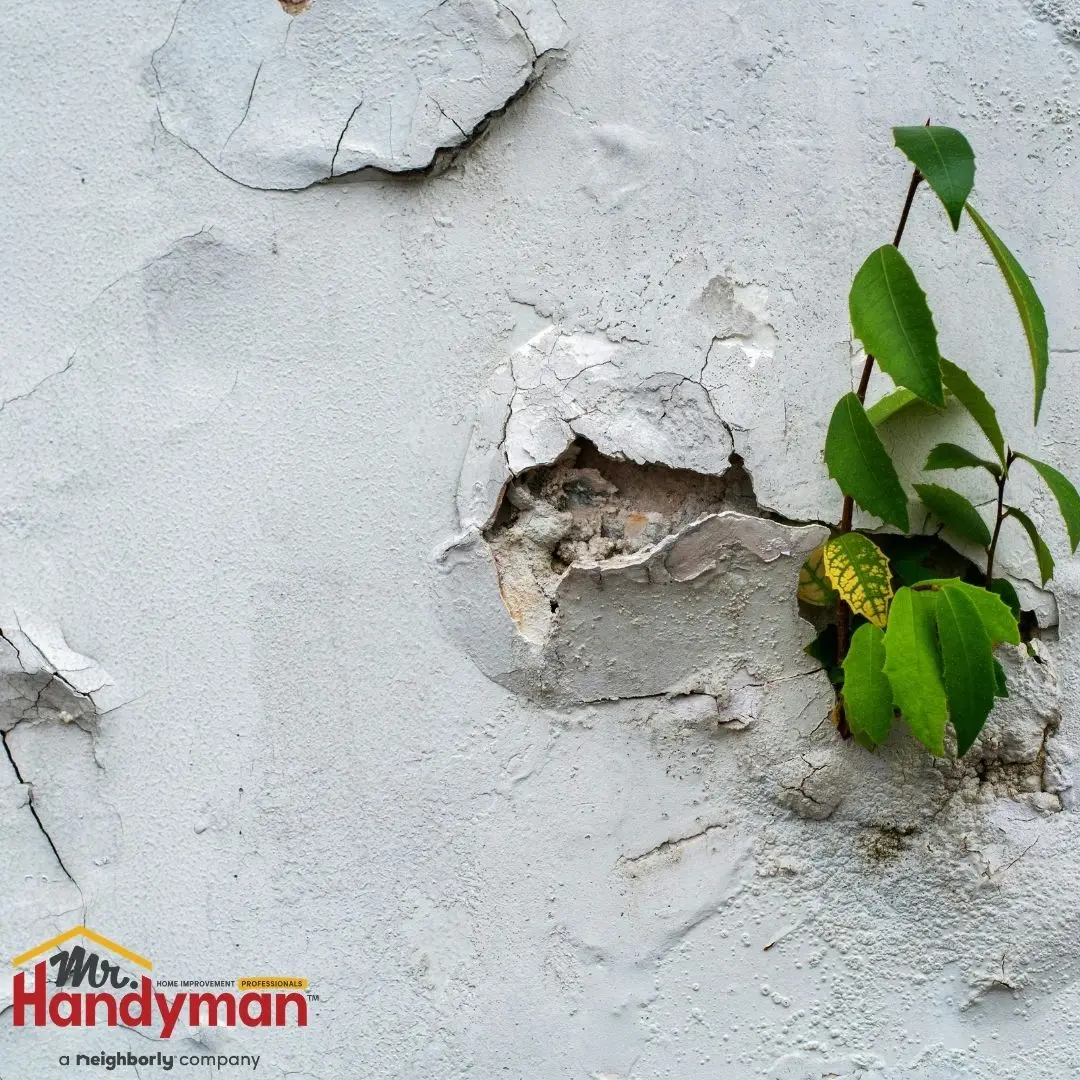
Preparation is where the majority of paint job failures originate. Walls in Pittsburgh area homes that have been painted multiple times over decades carry layers of previous paint that have cracked, bubbled, or lost adhesion in areas where moisture, movement, or incompatible paint chemistry have affected the surface. Applying new paint over inadequately prepared walls produces a finish that shows every imperfection beneath it and that begins peeling or cracking in problem areas within months of application. Proper preparation, which includes cleaning the surface, repairing all cracks and holes, sanding areas of poor adhesion, and priming surfaces that need it before paint is applied, is the difference between a paint job that lasts and one that begins showing its limitations almost immediately.
Color selection in Pittsburgh area homes needs to account for the specific light conditions of each room. A color that reads as warm and inviting in a south-facing room with generous natural light can read as dim and heavy in a north-facing room that receives indirect light only. Testing paint samples on the actual walls of the room, at a size large enough to evaluate under both natural and artificial light conditions, is the only reliable way to make color selections that produce the intended result.
The finish level of the paint matters more than most homeowners initially consider. Flat paint hides surface imperfections well but can't be wiped clean, making it a poor choice for high-traffic areas. Eggshell and satin finishes offer a balance of cleanability and surface-forgiving quality that makes them appropriate for most living spaces. Semi-gloss is the standard for trim, doors, and cabinetry because its harder surface resists wear and can be wiped clean reliably.
Wainscoting and Board and Batten
Wainscoting and board and batten installations are wall treatments that add architectural dimension and visual interest to rooms that currently have flat, featureless walls, and they're among the most transformative updates available in Pittsburgh area homes at a cost that remains accessible relative to the impact they deliver.
Wainscoting in its traditional form consists of wood paneling installed on the lower portion of a wall, typically to a height between 32 and 48 inches, topped with a chair rail molding that defines the transition between the paneled lower wall and the painted upper wall. In older Pittsburgh area homes where this treatment was part of the original design vocabulary, restoring or adding wainscoting honors the architectural character of the home while adding visual richness that flat walls don't provide.
Board and batten uses vertical boards applied to the wall surface with narrower strips, or battens, covering the joints between boards. The resulting pattern of vertical lines adds height to rooms with lower ceilings, creates a clean and contemporary architectural effect that suits both traditional and modern interiors, and gives plain walls a texture and dimension that makes the room more visually interesting without introducing pattern or color that competes with the room's other elements.
Accent Walls With Intention
An accent wall, when executed with genuine intentionality rather than as a default design decision, can give a room a focal point and sense of direction that it previously lacked. In Pittsburgh area living rooms where a fireplace wall or a wall that serves as the primary backdrop for seating is the natural focus of the room, treating that wall differently from the others, through a deeper paint color, a textured wallcovering, or an architectural treatment like shiplap or board and batten, amplifies the room's existing organizational logic rather than competing with it. This produces an accent wall that feels like a design decision rather than an afterthought.
Trim Updates That Change the Character of a Room
Upgrading Baseboards
Baseboards are one of the most consistently overlooked trim elements in Pittsburgh area homes, and they're also one of the most immediately impactful to upgrade. The baseboard profile in many homes built or renovated between the 1970s and the 1990s is a thin, flat strip that was chosen for economy rather than proportion, and that reads as inadequate against taller walls and more substantial architectural elements.
Replacing thin baseboards with a taller, more substantial profile appropriate for the room's ceiling height and architectural character is a change that homeowners consistently describe as making the room look more finished and more deliberately designed. A room with eight-foot ceilings benefits from baseboards that are at least four to five inches tall, with a profile that has enough dimension to read as an architectural element rather than a functional afterthought. In rooms with higher ceilings, proportionally taller baseboards maintain the visual relationship between the floor plane and the wall surface that gives the room its sense of completeness.
Crown Molding Installation
Crown molding is the trim element that most directly affects how a room's ceiling reads and how the transition between wall and ceiling is resolved. In rooms without crown molding, that transition is a simple right-angle joint that leaves the ceiling feeling disconnected from the walls below it and the room feeling less finished than it could be. Crown molding bridges that transition with a curved or angled profile that draws the eye upward, makes the ceiling feel more intentional, and gives the room an architectural completeness that's immediately apparent even to people who couldn't specifically identify what changed.
In Pittsburgh area homes where original crown molding was removed during past renovations or simply was never part of the original construction, adding crown molding is one of the most consistently rewarding trim updates available. The profile selection should be proportional to the room's ceiling height and architectural character. Simpler, more modest profiles work well in rooms with lower ceilings or more casual character. More elaborate profiles with multiple curves and steps suit rooms with higher ceilings and more formal character.
The installation of crown molding in older Pittsburgh area homes requires skill and patience because walls and ceilings in older construction are rarely perfectly flat or consistently angled. A professional installer who understands how to scribe and fit crown molding to imperfect surfaces produces a result that looks precise and intentional.
Door and Window Casing Updates
The casing around doors and windows frames the visual experience of those architectural openings, and it's one that's frequently inadequate in Pittsburgh area homes where original casings have been replaced with thin, flat profiles during past renovations. Upgrading door and window casings to a more substantial profile, one with enough dimension to frame the opening with authority and create a clear visual relationship between the opening and the wall around it, changes how those architectural elements read in the room. In rooms where door and window casings are being updated as part of a broader wall and trim refresh, coordinating the casing profile with the baseboard profile creates a unified trim language throughout the room that gives it a cohesive, designed quality that individual updates to single trim elements can't fully achieve.
How Wall and Trim Updates Affect Each Room
The Living Room
The living room is the space where wall and trim updates produce the most visible and most socially significant transformation. In Pittsburgh area living rooms where the walls carry years of touch-up paint in slightly mismatched colors, where the baseboard profile is thin and scuffed at floor level, and where the ceiling meets the wall in a plain right-angle joint, the combination of fresh paint, upgraded baseboards, and crown molding installation produces a transformation that homeowners consistently describe as making the room feel like an entirely different space.
The fireplace wall is a natural focal point that wall and trim updates can amplify significantly. A fireplace wall treated with board and batten above the mantel, painted in a deeper tone that grounds the space visually, and framed with substantial crown molding at the ceiling creates a feature wall that gives the room a clear sense of direction and design intention that flat, uniformly painted walls cannot produce.
The Dining Room
Wainscoting in the dining room consistently restores formal character in a way that paint alone cannot achieve. A traditional raised panel wainscoting installation at chair rail height, painted in a clean white or off-white that contrasts with the wall color above, gives the dining room the architectural layering that formal spaces require and that flat walls simply don't provide. Combined with crown molding at the ceiling and updated door casings, wainscoting transforms a tired dining room into a space that feels deliberate and finished.
The Primary Bedroom
Soft, carefully chosen wall colors are the most important single wall update available in a primary bedroom. Colors that read as calm and neutral in showroom lighting or on paint chips can read as cool and clinical or unexpectedly dark in a bedroom environment. Testing colors in the actual room under both daytime and evening artificial light conditions is essential for primary bedroom color selection.
Subtle wall treatments, such as a tone-on-tone board and batten installation in which the boards and wall surface are painted the same color or very close tones, add architectural texture to the bedroom without introducing pattern or contrast that would disturb the room's restful quality. This approach gives the bedroom walls visual interest and dimension that flat paint alone cannot provide while maintaining the calm, cohesive atmosphere that a bedroom requires.
Hallways and Stairwells
Hallways and stairwells are the connective tissue of a home's interior, and in Pittsburgh area homes they're also frequently the most neglected spaces from a wall and trim maintenance perspective. Paint color selection in hallways needs to account for typically limited natural light and the need to make narrow passages feel as open and connected as possible. Lighter, warmer neutrals that reflect available light and create visual continuity with the rooms the hallway connects are generally more effective than colors chosen in isolation from the adjacent spaces they transition between.
Wainscoting in hallways serves a dual purpose that's particularly relevant in Pittsburgh area homes with active households. It adds the architectural character that improves how the hall reads visually while providing a durable, easy-to-clean surface at the height where walls take the most consistent abuse from passing contact. The tall wall surface beside a staircase is one of the largest uninterrupted wall surfaces in most homes and one of the most visible from multiple vantage points simultaneously. Fresh paint in a coordinating color, combined with substantial baseboard that follows the stair rake at the correct angle and properly fitted crown molding at the top, transforms the stairwell from a functional passage into a designed architectural sequence.
The Compounding Effect of Coordinated Updates
Updates coordinated across connected spaces produce a result that's significantly greater than the sum of individual room updates executed without reference to each other. Color continuity across connected spaces, achieved through a palette that uses related tones in different rooms rather than disconnected individual color selections, creates a sense of cohesion and flow that makes the home feel larger and more intentionally designed.
Trim consistency is equally important. When the baseboard profile, door casing profile, and crown molding profile are consistent across all the rooms of a floor, those rooms share a trim language that ties them together architecturally. When trim profiles change from room to room because different updates were made at different times without coordinating with the surrounding spaces, the result is a home that feels assembled rather than designed. Establishing a consistent trim language across connected spaces is one of the most impactful improvements available and one that doesn't require touching every surface in the home to produce a meaningful result.
Frequently Asked Questions
How do I know if my walls need repair before painting or if paint alone is sufficient? Run your hand across the wall surface and look at it in raking light from a window or flashlight held at a low angle to the surface. Raking light reveals surface variations that are invisible under normal room lighting. If the surface shows consistent texture and no areas of loose or cracked material, paint preparation and application alone may be sufficient. If the surface shows significant cracking, areas where the paint or plaster feels loose or sounds hollow when tapped, or patches from previous repairs that sit above or below the surrounding surface, repair work should precede painting to ensure the new paint job starts from a stable, uniform surface.
What baseboard height is appropriate for rooms in a typical Pittsburgh area home? The general guideline is that baseboard height should be proportional to ceiling height. In rooms with standard eight-foot ceilings, baseboards between three and a half and five inches tall are appropriate. In rooms with nine or ten-foot ceilings, baseboards of five to seven inches maintain the correct visual proportion. In rooms with the higher ceilings found in some older Pittsburgh area homes, taller baseboards in the seven to nine inch range are appropriate and produce the grounded, substantial base that the room's proportions require.
Is crown molding worth adding to rooms with lower ceilings? Yes, with profile selection that accounts for the ceiling height. A large, elaborate crown molding profile in a room with eight-foot ceilings can make the ceiling feel lower and the room feel cramped. A modest, appropriately scaled profile in the same room adds the architectural completeness that crown molding provides without consuming the visual headroom that a lower-ceilinged room needs to preserve. The key is matching the scale of the molding to the scale of the room rather than selecting a profile based on appearance alone.
Can I add wainscoting to a room that has existing baseboards without replacing the baseboards? In many cases, yes. Wainscoting installed over existing baseboards requires careful planning to ensure the finished wainscoting panel sits correctly relative to the existing base profile and that the chair rail cap at the top of the wainscoting resolves cleanly against the wall above. In rooms where the existing baseboards are in good condition and work with the intended wainscoting style, working around them is a reasonable approach. In rooms where the baseboards are inadequate or in poor condition, replacing them as part of the wainscoting project produces a cleaner, more cohesive result.
How long do wall and trim updates typically take in a Pittsburgh area home? A single room receiving fresh paint with proper preparation typically takes one to two days depending on the size of the room and the extent of preparation work required. Adding trim updates, including baseboard replacement, crown molding installation, or wainscoting, extends the project timeline by one to three additional days per room depending on the complexity of the installation. A coordinated update across multiple connected rooms typically runs five to ten days for a professional crew working efficiently through the sequence of preparation, installation, and finishing steps.
The Transformation That's Already in the Walls
Every Pittsburgh area home has the potential for a wall and trim transformation that changes how the space looks, how it feels to live in, and how it presents to anyone who enters it. The materials are accessible, the interventions are targeted, and the results are immediate and lasting in a way that far exceeds what the investment required to achieve them would suggest.
Mr. Handyman of Pittsburgh East Suburbs and Greensburg works with homeowners throughout the region on wall preparation, paint projects, trim installation, wainscoting, crown molding, and the full range of wall and trim updates that transform how rooms look and feel. If your home's walls and trim are ready for an update, the team brings the skill and attention to detail that older Pittsburgh area homes deserve.
Website: mrhandyman.com/pittsburgh-east-suburbs-greensburg
Serving homeowners throughout the Pittsburgh East Suburbs, Greensburg, and the surrounding communities with dependable service and the expertise your home deserves.
