Why Winter Leaves a Bill That Spring Reveals
Middle Tennessee winters are not the most severe in the country, but they are more demanding on residential structures than their mild reputation suggests. Nashville, Belle Meade, and Clarksville experience a winter pattern that combines the worst of multiple climate zones: enough freezing temperatures to cause freeze-thaw damage, enough moisture to drive water into every available opening, enough wind to stress exterior surfaces and seals, and enough humidity variation between heated interiors and cold exteriors to put stress on every material that bridges that transition.
What makes Middle Tennessee's winter damage particularly insidious is that it accumulates gradually and reveals itself slowly. A single freeze event does not split a pipe or crack a foundation. But a season of repeated freeze-thaw cycles, sustained moisture exposure, and the thermal stress of cold nights following warm days works on every vulnerable point in a home's structure, and by the time spring arrives, the evidence of that accumulated stress is visible in ways that demand attention before summer's heat and humidity make each problem significantly worse.
Spring is the season when homeowners in this region discover what winter has done. The paint that lifted on the north-facing wall. The caulking that cracked around the garage door frame. The hardwood floor that cupped slightly in the room above the crawl space. The grout that has darkened and cracked in the bathroom that shares a wall with the exterior. The driveway that has developed a new crack network since fall. None of these are dramatic failures. Each is the predictable result of a Middle Tennessee winter doing what Middle Tennessee winters do to homes that were not fully prepared for them. And each is a repair that is straightforward to address in spring before summer's conditions compound the damage further.
Exterior Paint and Surface Damage: What Winter Does to Exposed Finishes
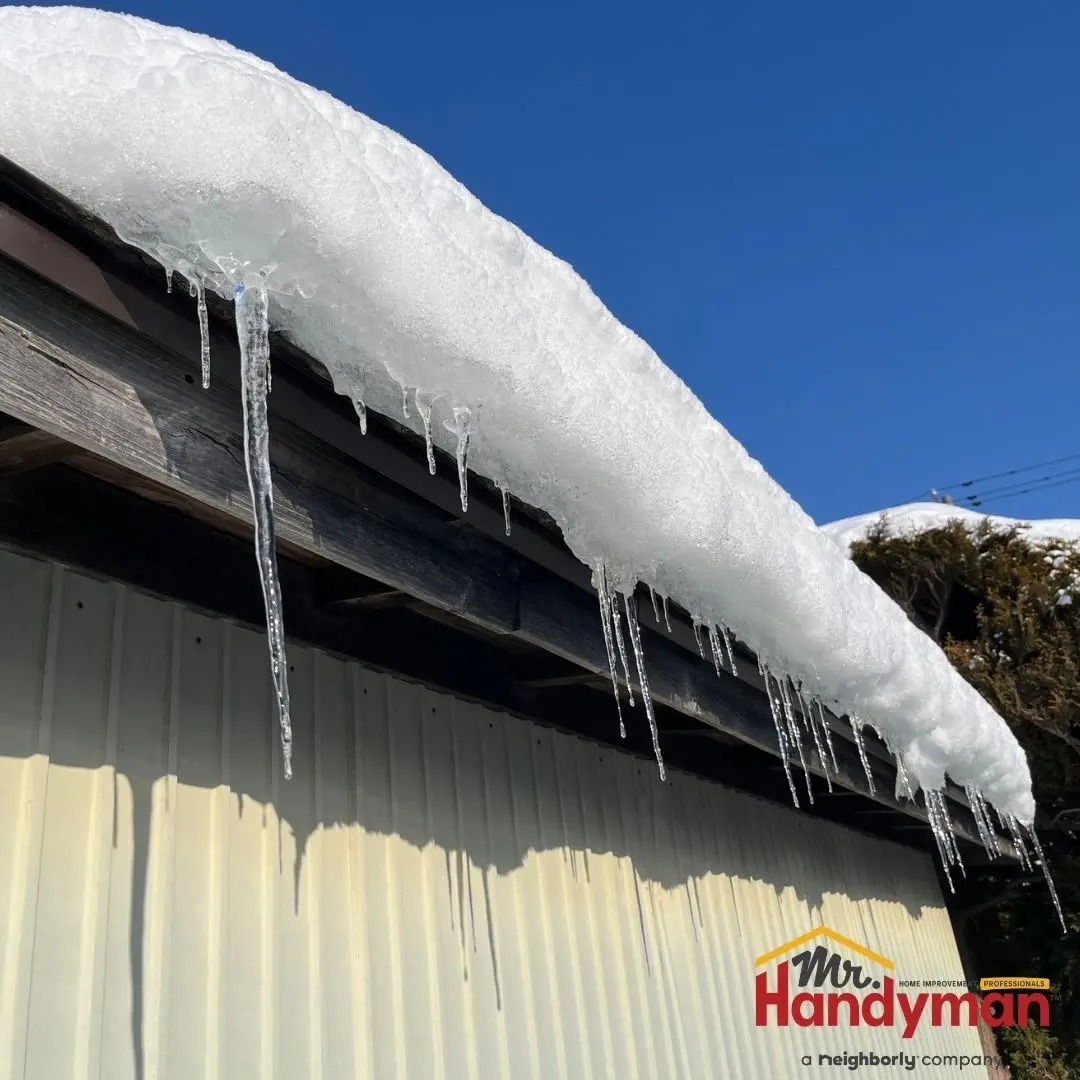
Exterior paint failures are among the most visible and most common winter wear-and-tear items in homes throughout this region. The mechanism is straightforward. When moisture penetrates behind a paint film through a small crack or at a point where the paint has thinned through weathering, it becomes trapped between the paint and the substrate during cold weather. When that trapped moisture freezes, it expands and forces the paint film away from the surface, creating the bubbling, peeling, and flaking that homeowners discover when they walk their exterior in spring.
North-facing walls and any wall surface that receives significant moisture exposure and limited sun are the most common locations for winter paint failure. These surfaces dry more slowly after rain events, stay cooler and therefore freeze more readily when temperatures drop, and receive less UV exposure that would otherwise help maintain the paint film's flexibility. In older Belle Meade and West Nashville homes where paint has been applied over many previous coats, the accumulated paint thickness can create its own adhesion challenges that winter moisture exploits.
Addressing exterior paint failure discovered in spring requires more than simply applying new paint over the damaged area. Proper repair begins with removing all loose and peeling paint to the point where the remaining film is fully adhered. The exposed substrate needs to be assessed for moisture damage, primed appropriately, and allowed to dry fully before new paint is applied. Painting over a substrate that retains moisture is the most reliable way to produce the same failure again within one or two seasons. In older homes where lead paint may be present in earlier layers, following appropriate lead paint safety practices during removal is not optional.
Wood siding damage from winter moisture is a repair category that ranges from straightforward to significant depending on how long the moisture intrusion has been allowed to continue. Wood siding that has been exposed to repeated wet-dry cycles through a winter season without a protective paint film develops surface checking, grain raising, and in more advanced cases the beginning of fungal decay that represents genuine structural compromise of the siding material. Assessing wood siding in spring for the extent of any moisture damage, replacing boards that have deteriorated beyond surface repair, and priming and repainting before summer's humidity continues the deterioration process is the correct sequence of intervention.
Caulking and Sealant Failures: The Winter Damage That Opens the Door to Summer Problems
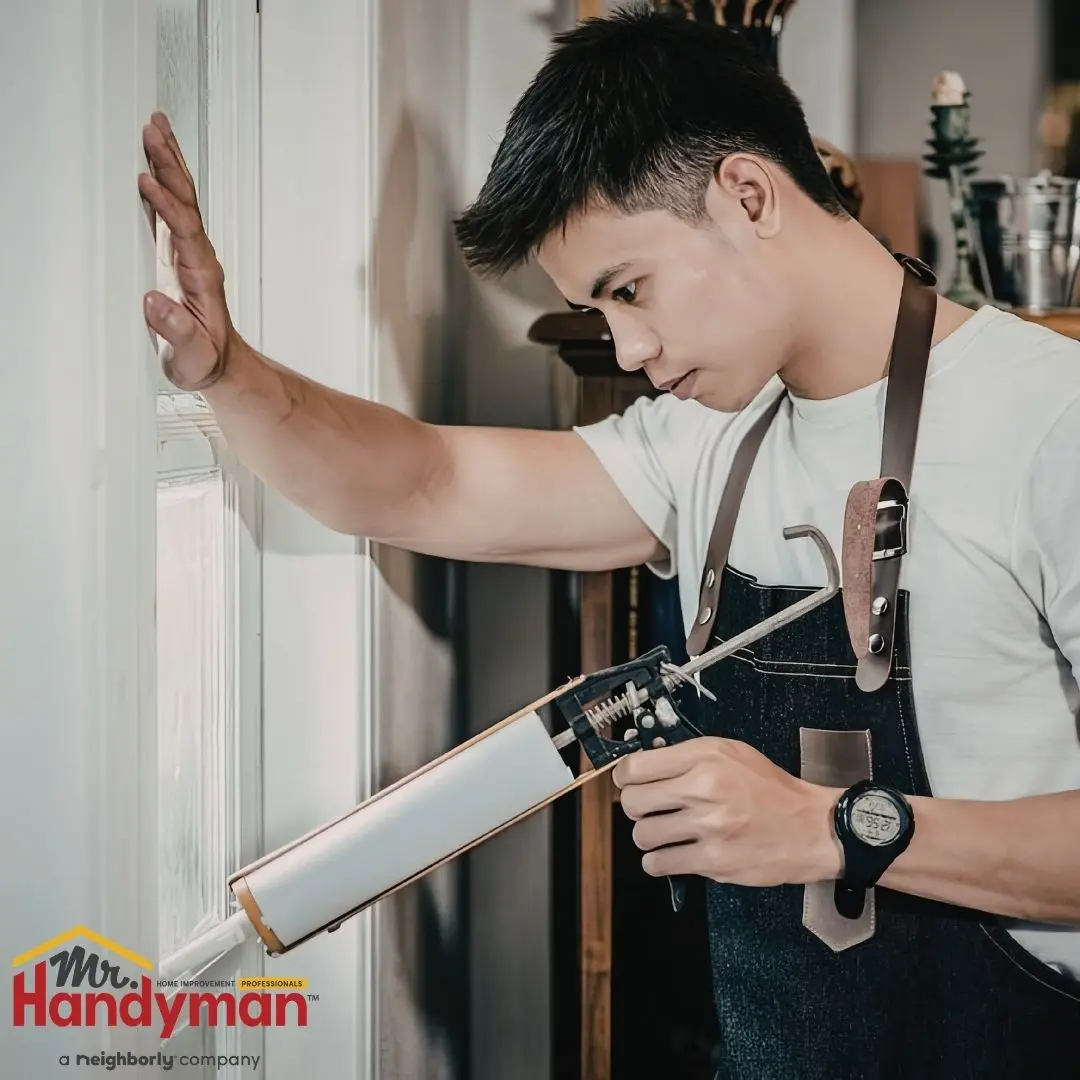
Exterior caulking and sealants are the components most directly and most universally affected by Middle Tennessee's winter conditions. The combination of thermal cycling, freeze-thaw stress, UV exposure, and moisture that a winter in this region delivers subjects caulking joints to exactly the conditions that cause sealant materials to crack, shrink, and separate from the surfaces they were bonded to.
Window and door frame caulking is the highest-priority sealant repair category after a Middle Tennessee winter. These joints are subject to significant thermal movement as frames expand and contract with temperature changes, and caulking that has been in place for several winters often develops cracks at the midpoint of the joint or separation at one of the bonding surfaces that is not visible from a distance. Walking the exterior perimeter of the home in spring and specifically examining caulking at every window and door frame, pressing the caulking surface to check for the firmness that indicates adhesion versus the softness that indicates separation beneath, identifies the joints that need to be resealed before summer rain events exploit them.
Corner board joints, where exterior siding meets at corners or transitions to a different material, are another high-priority caulking location after winter. These joints experience thermal movement in two planes simultaneously, which stresses sealant materials more than single-plane joints. A corner board joint that was properly sealed the previous fall may have opened to a visible gap by spring, and that gap is a direct water infiltration path during summer thunderstorms. Resealing these joints in spring with a quality paintable exterior sealant before painting closes the infiltration pathway before summer opens it wide.
Interior caulking in bathrooms, around window frames on interior walls, and at the base of baseboard trim in rooms above crawl spaces is affected by winter conditions through a different mechanism than exterior caulking. Interior humidity variation between the dry conditions that heating creates in winter and the natural humidity of living spaces causes slight movement in interior materials that can open caulking joints that were sound when the home was in its summer humidity equilibrium. Bathroom caulking that cracked at the tub surround or around the sink, and baseboard caulking that has opened at the floor line, are common winter wear-and-tear discoveries that spring cleaning reveals and that straightforward recaulking addresses.
Flooring Damage: What Humidity Changes Do to Interior Surfaces

Interior flooring in Middle Tennessee homes experiences the full range of humidity conditions that the region's climate produces, from the low indoor humidity of a heated winter interior to the high humidity of a summer home. The materials most affected by this variation are the natural and semi-natural materials that absorb and release moisture from their environment, particularly wood and wood-based products.
Hardwood floor cupping is a winter wear-and-tear pattern that presents in spring as boards that are higher at their edges than at their centers, creating a rippled surface that is both visually noticeable and uncomfortable underfoot. Cupping occurs when the underside of a hardwood board absorbs more moisture than the top surface, causing the bottom to expand while the top remains constrained. In homes with crawl spaces, which are common in Belle Meade and older West Nashville neighborhoods, excessive crawl space moisture during winter months is the most frequent cause of hardwood cupping in the floors above. The moisture migrates upward through the subfloor and enters the underside of the hardwood, creating the moisture differential that causes cupping.
Addressing hardwood cupping correctly requires identifying and resolving the moisture source before attempting any surface correction. Cupped hardwood that is sanded flat while the moisture differential still exists will crown when conditions normalize, because the moisture-swollen underside will contract back toward its original dimensions while the sanded top stays flat. Confirming that crawl space moisture has been managed, allowing the floor to dry and normalize over several weeks, and then assessing whether sanding or other corrective measures are needed produces a more durable result than immediately sanding cupped boards.
Hardwood floor gapping, the appearance of small spaces between boards that were tight in summer, is a normal and expected winter occurrence in most Middle Tennessee homes. Boards that expand together in summer humidity contract individually in winter dryness, creating gaps that are visible in certain lighting conditions. Gapping that closes when humidity returns in spring is a normal seasonal behavior that does not require repair. Gapping that persists into summer or that is significantly wider than in previous years may indicate that the floor has experienced an unusual moisture event that has changed the wood's equilibrium moisture content, which warrants a closer assessment.
Tile floor grout cracking is a winter wear-and-tear pattern that appears most commonly in floors above crawl spaces or on concrete slabs where subfloor movement during freeze-thaw cycles stresses the rigid grout joints. Hairline grout cracks that appear after winter but do not correspond to any substrate movement are often the result of the grout joint's own thermal movement and can be addressed with grout repair products if the underlying substrate is confirmed to be stable. Grout cracking that corresponds to a pattern of substrate deflection, where the tile or grout feels slightly springy underfoot, indicates subfloor movement that needs to be addressed before the grout is repaired, or the repair will fail in the next winter cycle.
Drywall and Interior Wall Damage: What Winter Reveals Inside
Interior drywall and plaster walls in Middle Tennessee homes experience winter stress through mechanisms that are subtle enough to be invisible during the season but apparent in spring when their effects have accumulated to the point of visibility. The two primary mechanisms are humidity-driven movement and the thermal stress that heating systems create in exterior wall cavities.
Nail pops are one of the most commonly reported interior wall repair items discovered after winter. When framing lumber dries and shrinks during the low-humidity conditions of a heated winter interior, drywall fasteners that were driven into slightly wet lumber at the time of construction are pushed outward as the lumber contracts around them. The resulting protrusion at the drywall surface, sometimes covered by a small dome of joint compound that has cracked and lifted, is visible and somewhat tactile but not structurally significant. Nail pop repair involves driving the existing fastener slightly deeper, adding a new fastener nearby to anchor the drywall securely, and applying new joint compound over both before repainting.
Hairline cracks in drywall and plaster are winter wear-and-tear discoveries that range from purely cosmetic to potentially significant depending on their pattern and location. Hairline cracks at the corners of door and window openings, which are stress concentration points in any wall surface, are extremely common in Middle Tennessee homes after a winter season and are almost always the result of seasonal movement rather than structural settlement. These cracks are cosmetic repairs that mesh tape and joint compound address straightforwardly. Wider cracks, stair-step cracks in plaster following the lath pattern, or cracks that have changed in width or position since they were first noticed warrant a more careful assessment of the underlying cause before they are simply filled and painted.
Interior wall paint condition after winter often reveals moisture-related issues that were not visible before the season. Staining that appears on interior wall surfaces in early spring, particularly on exterior walls or on walls adjacent to bathrooms, can indicate moisture infiltration from outside or condensation within the wall cavity during winter months. Addressing the moisture source before repainting is essential, because paint applied over an active moisture pathway will fail in the next winter cycle just as the previous finish did. Identifying the source of interior wall staining may require a professional assessment if the pathway is not immediately apparent.
Crawl Space and Basement Conditions: The Foundation of Winter Damage
Crawl spaces and basements in Middle Tennessee homes accumulate moisture during winter in ways that affect the home above in multiple ways that are easy to overlook because the evidence is largely invisible from the living spaces. Condensation on cold crawl space surfaces during warm winter days, groundwater infiltration during heavy rain events, and inadequate vapor barrier performance all contribute to elevated moisture levels in the crawl space that migrate upward into the floor structure and lower walls.
Crawl space moisture issues discovered in spring can manifest as elevated wood moisture content in floor joists and subfloor sheathing, evidence of fungal growth on wood surfaces, insulation that has absorbed moisture and dropped out of position from between floor joists, and the hardwood cupping described above. Each of these conditions requires attention before summer's heat and humidity create the conditions for more rapid biological decay activity in an already compromised wood structure.
Vapor barrier inspection and repair in crawl spaces is a spring maintenance activity that addresses the primary moisture control mechanism in homes without conditioned crawl spaces. A vapor barrier that has been torn, pulled back from the perimeter, or compromised by pest activity or foot traffic during crawl space access is no longer functioning as the ground moisture barrier it is designed to be. Repairing or replacing the vapor barrier in spring, combined with confirming that crawl space ventilation is unobstructed, addresses the moisture management fundamentals before summer's humidity pushes additional moisture challenge into the space.
Basement water intrusion evidence discovered after winter, including efflorescence on concrete walls, water staining at the base of walls, or actual water on the basement floor, indicates that the drainage and waterproofing systems protecting the basement are not fully preventing moisture entry during the wet periods that Middle Tennessee winters deliver. Spring is the right time to assess the extent of this intrusion, identify the entry points, and determine whether exterior drainage improvements, crack injection, or interior drainage systems are the appropriate response before summer thunderstorms test the same pathways again.
Driveway and Walkway Damage: What Freeze-Thaw Cycles Leave Behind
Concrete and asphalt surfaces around Middle Tennessee homes experience the freeze-thaw cycle damage that is the most direct structural consequence of the region's winter weather pattern. Water that has entered cracks or the surface porosity of concrete expands when it freezes, forcing the surrounding material apart. When the ice melts, it leaves slightly enlarged voids that catch more water in the next precipitation event. Over a full winter season of repeated freeze-thaw cycles, this progressive enlargement produces the crack networks and surface spalling that homeowners discover in spring.
Driveway crack repair is a spring maintenance priority because unsealed cracks that survive one winter cycle will capture water again through spring rain events and begin the next cycle of freeze-thaw damage immediately. Cleaning existing cracks thoroughly, applying appropriate crack filler or sealant for the specific surface material, and sealing the full driveway surface to reduce further water penetration before the next winter addresses the damage and reduces the rate of future deterioration.
Concrete walkway and patio surface spalling, which appears as shallow pitting or flaking of the surface layer, results from the same freeze-thaw mechanism and is particularly common in concrete that was exposed to deicing salt during winter. Salt lowers the freezing point of water but increases the number of freeze-thaw cycles that concrete surface experiences, accelerating surface deterioration in treated areas. Applying a quality concrete sealer to affected surfaces in spring after cleaning and any necessary patching reduces future water penetration and slows the progression of freeze-thaw damage through subsequent winters.
Frequently Asked Questions
How do I know if winter damage to my home is cosmetic or structural?
Cosmetic winter damage, including paint peeling, caulking cracks, nail pops, hairline wall cracks, and surface spalling on concrete, affects the appearance and weatherproofing of the home without compromising its structural integrity. Structural concerns arise when damage patterns suggest foundation movement, significant wood decay in structural members, or recurring moisture intrusion that has been ongoing long enough to affect the structural wood of the floor or wall framing. When in doubt about the nature of any damage discovered, a professional assessment before making repairs provides a reliable basis for prioritizing and scoping the work correctly.
Should winter damage repairs be completed before or after spring cleaning and landscaping?
Exterior repairs that require working at the wall surface, including caulking, paint repair, and wood repair, are most efficiently completed before landscaping work that places plants, mulch, or irrigation adjacent to the wall. Interior repairs including drywall patching, floor assessment, and crawl space work can proceed in parallel with other spring preparation activities. The important sequencing principle is that moisture source identification and correction precedes any repair of the damage that moisture caused, regardless of the specific repair category.
Is winter paint peeling on my exterior walls covered by homeowners insurance?
Paint deterioration from normal weathering and seasonal moisture exposure is generally considered a maintenance issue rather than a sudden and accidental loss, and most standard homeowners insurance policies exclude gradual deterioration from coverage. The distinction becomes relevant when paint failure is accompanied by damage from a specific covered event, such as ice damage or a storm-related water intrusion. Consulting the specific policy terms and, where there is a question, the insurance carrier directly provides the most accurate answer for a given situation.
My hardwood floors cupped last winter and have flattened out since. Do they still need repair?
Hardwood floors that cupped during winter and returned to flat as summer humidity restored equilibrium have experienced reversible seasonal movement and may not require repair if they are fully flat and show no surface damage. However, floors that cup repeatedly each winter are experiencing a moisture differential that exceeds what the wood handles comfortably, and addressing the crawl space or subfloor moisture conditions that cause the differential reduces the cumulative fatigue that repeated cupping cycles impose on the flooring.
How much of my driveway needs to be replaced versus repaired after a rough winter?
Driveways with crack networks confined to surface-level cracks without base failure, and concrete with surface spalling limited to the top layer without structural depth, are candidates for crack filling, patching, and sealing rather than replacement. Driveways with widespread base failure evidenced by settling, heaving, or sections that move under load have reached the point where resurfacing or full replacement is the appropriate response. A professional assessment of the specific driveway condition provides the most reliable basis for this decision.
Can all winter wear-and-tear repairs be handled by a handyman or do some require specialized contractors?
The majority of winter wear-and-tear repairs discussed in this article fall comfortably within the scope of a skilled residential handyman. Exterior paint repair and touch-up, caulking replacement, drywall patching and nail pop repair, grout repair, crawl space vapor barrier repair, and concrete crack filling are all standard handyman capabilities. Hardwood floor refinishing requires a flooring specialist. Significant foundation or structural concerns require a structural engineer or foundation contractor. HVAC-related issues require a mechanical contractor. For the broad middle category of winter repair work, a reliable handyman service handles most items efficiently in one or two comprehensive visits.
Address Winter's Damage Before Summer Makes It Worse
Every Middle Tennessee winter leaves behind a list of repairs that spring makes visible and summer makes urgent. Addressing them before the heat, humidity, and storm activity of the summer season compounds the damage is the most cost-effective and practical approach available. The team at Mr. Handyman of West Nashville, Belle Meade, and Clarksville brings the broad repair expertise to work through the full range of winter wear-and-tear repairs that homes in this region need every spring.
Visit www.mrhandyman.com/nashville-west-south-central to schedule your spring repair service. We show up on time, work cleanly, and back everything we do with the Neighborly Done Right Promise.