
The Eastern Panhandle's Rainfall Pattern Creates Backflow Conditions Worth Understanding
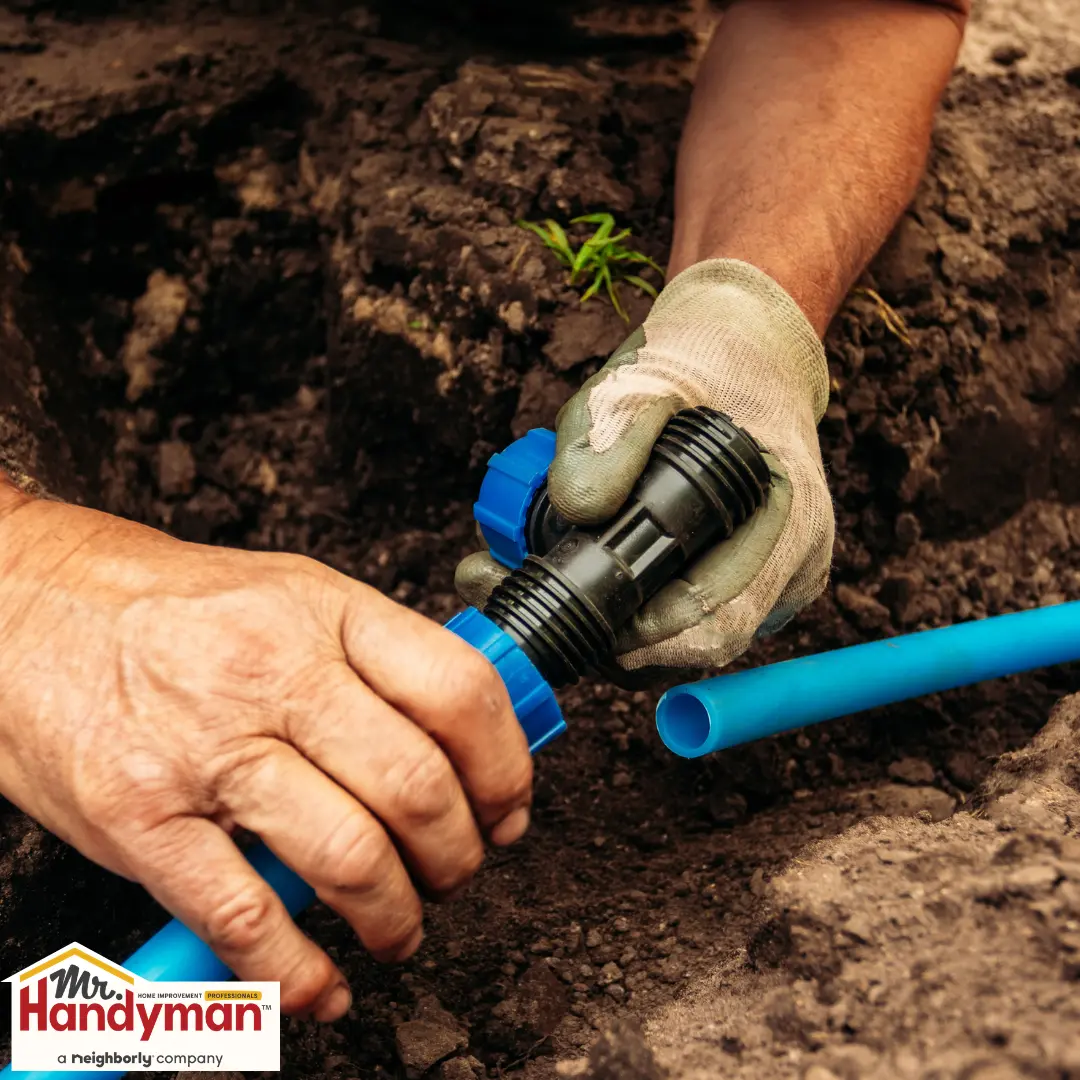
The heavy rain events that move through the Martinsburg and Charles Town area during the Eastern Panhandle's spring and summer seasons arrive with the mid-Atlantic precipitation character that Berkeley and Jefferson Counties experience as their defining seasonal weather reality. These are the organized frontal systems and persistent rainfall events that the mid-Atlantic pattern reliably delivers rather than the dramatic convective storms of the Southern Plains, and their backflow implications reflect the sustained, progressive nature of the regional precipitation pattern rather than the intense single-event pressure that other climates create.
Backflow occurs when the pressure relationships in a plumbing system reverse from their intended direction, allowing water, contaminants, or both to move backward from connected systems into the household supply or the municipal distribution network. In the Martinsburg and Charles Town area, the heavy rainfall events that the Eastern Panhandle's spring season delivers create the specific pressure conditions that make backflow from irrigation systems, outdoor connections, and stressed infrastructure a genuine household water quality concern whose regional dimensions reflect the karst geology, the commuter-market irrigation culture, and the infrastructure conditions that serve Berkeley and Jefferson County communities.
The Eastern Panhandle's backflow risk profile has a specific regional character that distinguishes it from both the dramatic storm-driven scenarios of tornado-corridor markets and the purely infrastructure-driven scenarios of dense urban markets. The karst limestone geology that underlies significant portions of Berkeley and Jefferson Counties creates the rapid groundwater response to surface rainfall that affects subsurface pressure conditions around residential plumbing components in ways that non-karst geological settings do not produce. The irrigation culture that the commuter market residential landscape sustains creates the cross-connection risk that heavy rainfall events most directly test through the supply pressure variations that significant storm activity creates in municipal distribution systems. And the mid-Atlantic frontal rainfall's sustained character creates the prolonged pressure conditions that brief intense events do not sustain long enough to create at the same consequence for household water quality protection.
How Eastern Panhandle Heavy Rains Create Backflow Scenarios
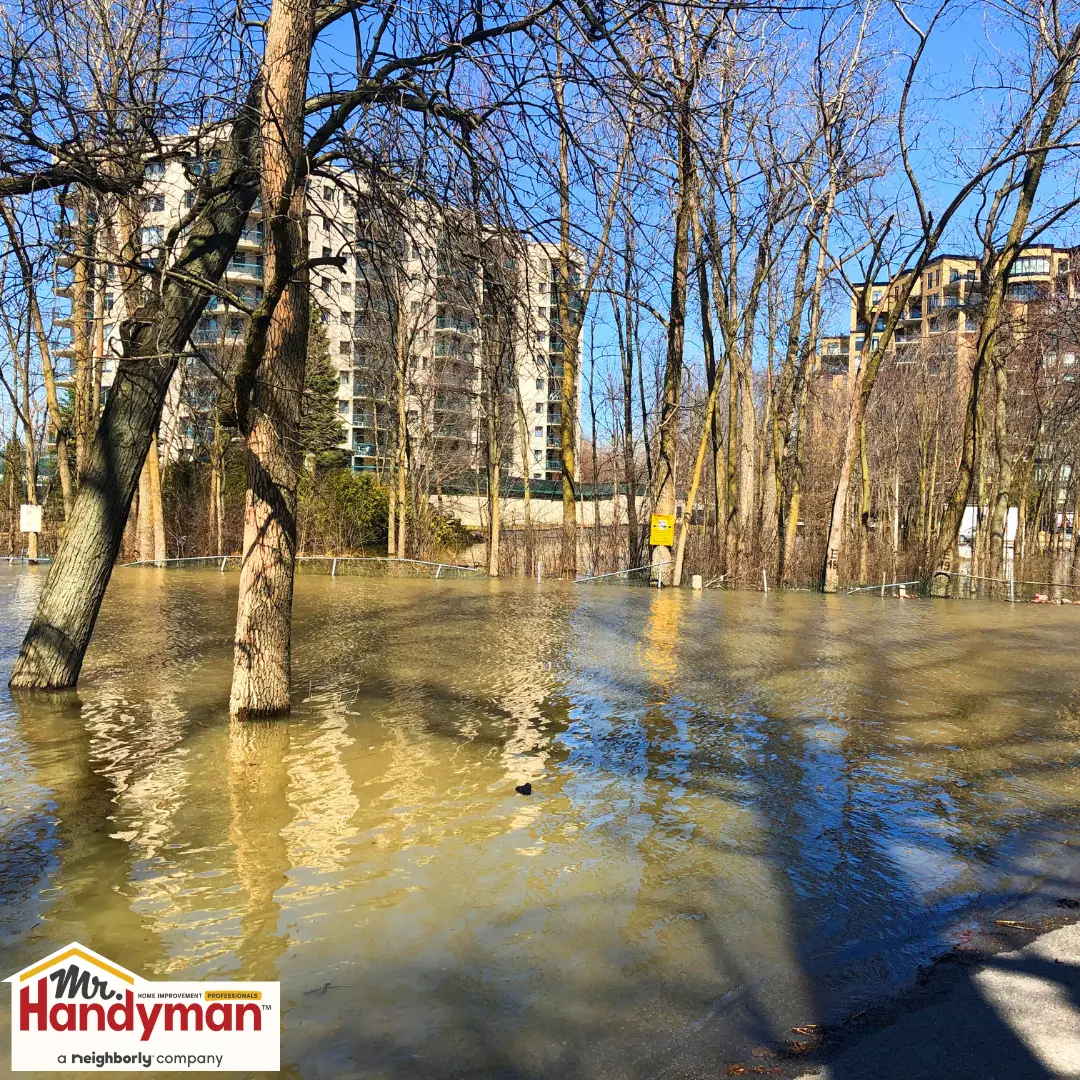
Back-siphonage from municipal supply pressure variations during significant Eastern Panhandle rainfall events creates the vacuum that draws water backward from connected household systems when storm-related municipal demands reduce supply pressure below the differential that normal operations maintain. The municipal water systems serving Martinsburg, Charles Town, and Ranson manage the demand variations that significant storm activity creates through the emergency responses, fire suppression preparations, and the distribution system stress that significant ground saturation events produce in the infrastructure serving these communities. Those pressure variations create the back-siphonage conditions that backflow prevention devices specifically address at household plumbing connections.
Backpressure from irrigation systems creates the specific residential backflow risk that the commuter-market residential landscape of Berkeley and Jefferson Counties makes most directly relevant for the largest number of homeowners in the service area. The premium and established residential character that the Washington and Baltimore commuter market has created in the Eastern Panhandle's residential communities sustains the irrigation systems whose connections to household water supply represent the cross-connection that backflow prevention addresses. When an irrigation system with booster pump capability or operating under specific pressure conditions develops higher pressure than the household supply during a storm event that also creates municipal supply pressure variation, the pressure relationship reversal that backflow prevention intercepts becomes a realistic scenario rather than a theoretical one.
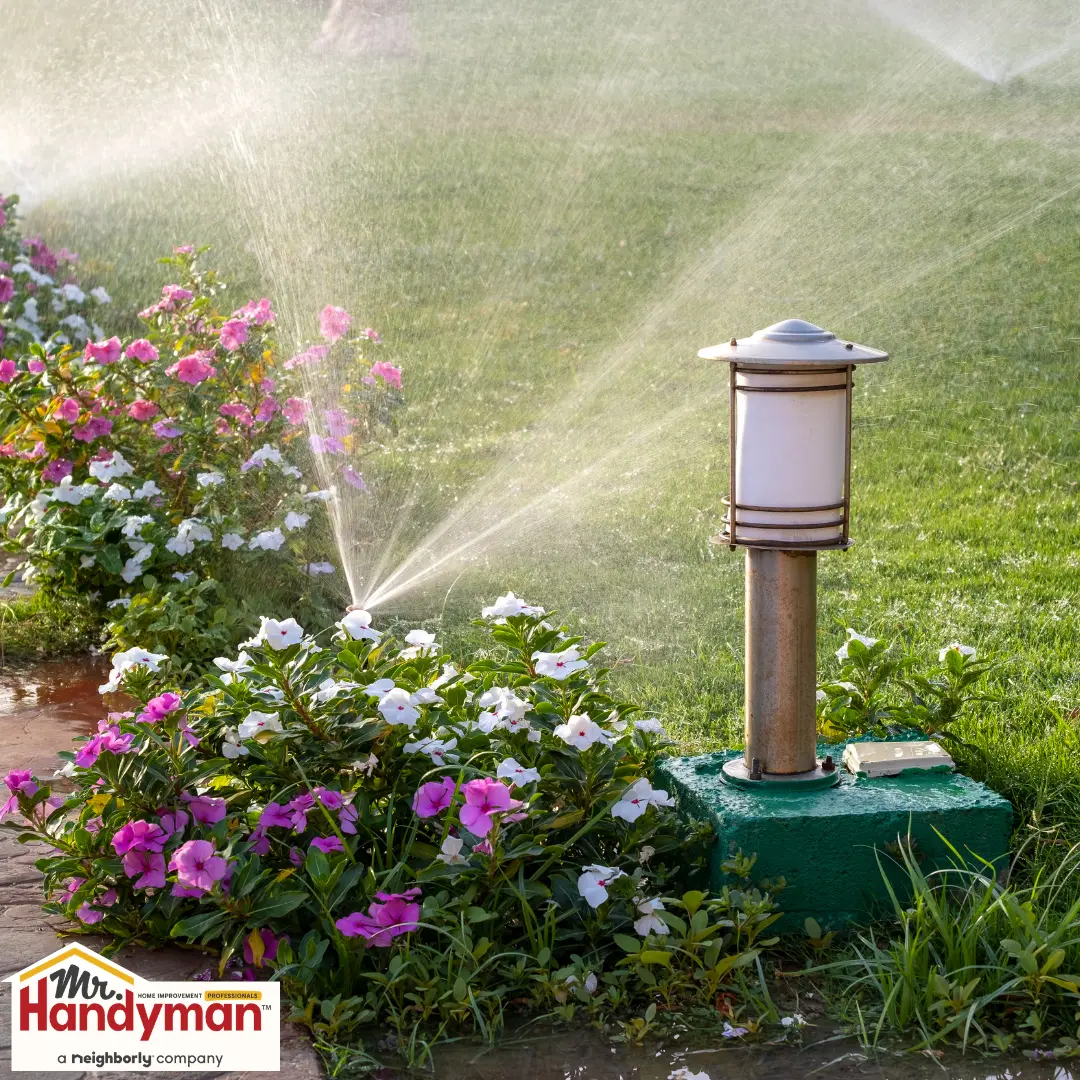
The karst groundwater pressure response to Eastern Panhandle heavy rainfall creates a specific backflow risk dimension that the region's limestone geology makes relevant in ways that non-karst markets do not experience. The rapid groundwater table rise that karst aquifer systems produce in response to significant surface rainfall inputs creates pressure changes in the subsurface environment around buried plumbing components that differ from the gradual groundwater response that non-karst soils produce across the same rainfall timeline. Pressure changes in the soil environment around buried supply and drain components during the karst groundwater surge that Eastern Panhandle heavy rainfall creates can contribute to the pressure differential conditions that backflow risk requires in the below-grade plumbing environment.
Sewer system pressure during significant Eastern Panhandle rainfall events affects properties in Martinsburg's established neighborhoods served by combined or aging infrastructure in the same surcharging mechanism that the previous plumbing topics addressed, and the backflow risk from that surcharging is the contamination pathway that sewer backflow prevention devices specifically intercept before backup reaches household fixtures and finished living spaces.
Irrigation Systems and Backflow Risk in the Eastern Panhandle
The commuter market irrigation culture in Berkeley and Jefferson Counties creates the most concentrated residential backflow risk category in the Eastern Panhandle market because of the prevalence of irrigation systems in the premium and established residential landscape that the Washington and Baltimore commuter population has created throughout the region's residential communities. Martinsburg's established neighborhoods, the premium residential development along Berkeley County's commuter corridors, and the established residential character of Charles Town and Shepherdstown all carry the irrigation systems that connect to household water supply and represent the ongoing cross-connection that backflow prevention manages.
The Eastern Panhandle's landscape water quality context makes irrigation backflow protection specifically important in this market because the irrigation water applied to Berkeley and Jefferson County residential landscapes has been in contact with the fertilizers, herbicides, and biological material that the region's active growing season sustains on residential properties. A backflow event drawing this irrigation water into the household potable supply introduces the chemical and biological content of the regional residential landscape through the connection that backflow prevention specifically exists to interrupt.
Spring irrigation activation timing in Martinsburg and Charles Town coincides with the Eastern Panhandle's most active spring rainfall period. Homeowners activating irrigation systems in April and May are connecting those systems during the same weeks when the mid-Atlantic frontal rainfall events that create the most significant backflow risk conditions most frequently affect Berkeley and Jefferson Counties.
Backflow Prevention Devices and Their Eastern Panhandle Applications
The backflow prevention devices appropriate for Martinsburg and Charles Town area residential applications reflect the specific contamination risks and pressure conditions that the Eastern Panhandle's spring rainfall pattern, the karst geology of Berkeley and Jefferson Counties, and the irrigation systems common in the commuter market residential landscape create in household plumbing connections.
Atmospheric vacuum breakers at outdoor hose bib connections provide the first-line back-siphonage protection that Eastern Panhandle outdoor plumbing specifically requires during the spring and summer rainfall season when the mid-Atlantic frontal systems create the municipal supply pressure variations that back-siphonage needs to draw contaminated water toward the household supply. The atmospheric vacuum breaker allows air to enter the supply line when pressure drops, breaking the siphon before contamination from connected hose or irrigation equipment reaches the household supply. In the Martinsburg and Charles Town service area where spring irrigation activation coincides with the most active rainfall period that creates supply pressure variation, an atmospheric vacuum breaker on every outdoor hose bib provides the basic protection that the Eastern Panhandle's outdoor water connection risk profile warrants during the active spring precipitation season.

Pressure vacuum breakers for irrigation mainline connections are the device specification that West Virginia's cross-connection control requirements and the Eastern Panhandle's prevalent commuter market irrigation culture establish as the appropriate protection for residential irrigation mainline connections. A pressure vacuum breaker remains under continuous system pressure, making it appropriate for the mainline irrigation connection that atmospheric vacuum breakers cannot adequately serve. The above-grade installation position that pressure vacuum breakers typically occupy in Eastern Panhandle irrigation applications requires the seasonal assessment that the region's freeze-thaw cycling makes specifically important here because the repeated freeze-thaw events that Berkeley and Jefferson Counties experience through the transitional mid-Atlantic winter create the progressive internal component stress that above-grade irrigation hardware accumulates across multiple Eastern Panhandle winter seasons.
Pressure vacuum breaker protection from Eastern Panhandle freeze-thaw cycling is the regional maintenance consideration that the transitional mid-Atlantic climate's freeze-thaw frequency creates for irrigation backflow prevention devices in the Martinsburg and Charles Town service area. A pressure vacuum breaker installed in an above-grade position at the irrigation system connection is exposed to the repeated freeze-thaw cycling that the Eastern Panhandle's inland valley position creates more frequently than both the coastal mid-Atlantic markets to the east and the colder northern markets where sustained cold replaces cycling with single-season freeze. Spring irrigation startup assessment that confirms pressure vacuum breaker function after the winter's freeze-thaw exposure provides the protection verification that the Eastern Panhandle's cycling frequency makes a more important annual confirmation here than in markets with less cycling exposure.
Sewer backflow prevention for Eastern Panhandle homes in Martinsburg's established neighborhoods served by aging combined infrastructure that significant spring rainfall events have demonstrated susceptibility to surcharging addresses the contamination risk from the sewer side that the mid-Atlantic frontal rainfall's sustained character creates. A properly specified backflow prevention valve in the home's sewer connection intercepts the surcharging pressure that multi-day Eastern Panhandle rainfall events generate in aging infrastructure before it reaches the household fixtures where backup creates the property damage that finished basement spaces in Martinsburg and Charles Town homes are exposed to during the significant spring frontal events that the region reliably delivers.
Post-Storm Backflow Assessment in the Eastern Panhandle
Pressure vacuum breaker assessment after significant Eastern Panhandle rainfall events evaluates device condition, confirms that the bonnet seats correctly after the event, and tests irrigation system function to confirm that protection remains intact for subsequent rainfall events in the Eastern Panhandle's active spring precipitation season. The mid-Atlantic frontal systems that deliver the most significant rainfall events to Berkeley and Jefferson Counties also deliver the wind and physical conditions that can affect above-grade irrigation components, and post-event assessment that confirms device integrity provides the assurance that protection remains functional through the remainder of the spring rainfall season.
Water quality awareness following Eastern Panhandle heavy rain events that produced the backflow indicators of municipal supply pressure drops during the event, basement drain activity from karst groundwater response, or irrigation system anomalies during periods of apparent supply pressure variation warrants professional water quality assessment before household water is used for consumption without confirmation that no contamination entered the supply through the backflow pathways that the Eastern Panhandle's specific geological and infrastructure conditions can create during significant rainfall events.
Documentation practices for Eastern Panhandle homeowners managing irrigation cross-connection compliance should include the annual spring startup confirmation of backflow preventer function, notation of the rainfall events whose conditions were most demanding during the season, and records of any post-event assessment findings. This documentation provides the maintenance history that professional assessment and eventual device replacement decisions are most reliably informed by in the Eastern Panhandle's mid-Atlantic precipitation context.
West Virginia Cross-Connection Control Requirements
West Virginia's regulatory framework for residential cross-connection control establishes the requirements within which the municipal utilities serving Martinsburg, Charles Town, Ranson, and the other Eastern Panhandle communities develop their specific residential backflow prevention programs. The West Virginia Department of Health and Human Resources' regulations governing cross-connection control create the baseline that local utilities implement through their service area requirements.
The municipal utilities serving Berkeley and Jefferson Counties administer the cross-connection control requirements that apply to residential irrigation connections in their service areas. Homeowners installing new irrigation systems or modifying existing systems in the Eastern Panhandle should confirm that the backflow preventer specified meets the current requirements of the specific utility serving their property, because compliance standards vary between municipal systems and are updated periodically as regulations and best practices evolve.
Annual testing requirements for specific device types may apply in Eastern Panhandle commercial applications and in residential applications with higher-hazard connections. Homeowners with devices subject to testing requirements should confirm their documentation currency before the spring irrigation season activates those systems, because lapsed documentation creates the compliance concern alongside the protection uncertainty that current testing resolves.
Frequently Asked Questions
How do I know if my Eastern Panhandle irrigation system has adequate backflow prevention? Locate the irrigation system's connection to the household water supply, typically near the water meter or at the supply line connection the irrigation system draws from. A pressure vacuum breaker will be visible as a vertical device with an atmospheric bonnet, installed on the irrigation mainline above the system's highest point. If no backflow preventer is present, if the device shows physical damage from the Eastern Panhandle's freeze-thaw cycling, or if the installation predates the current West Virginia cross-connection control requirements administered by the specific utility serving the property, professional irrigation assessment confirms whether the connection meets applicable compliance standards.
Should I be concerned about water quality after a significant Eastern Panhandle rainfall event if my home has an irrigation system? Homes with irrigation systems activated during or near significant Eastern Panhandle rainfall events that produced the specific backflow indicators, including municipal supply pressure drops, basement moisture from karst groundwater response, or irrigation system behavior anomalies during apparent pressure variation, warrant post-event backflow preventer assessment and water quality testing before consumption resumes without concern. The karst geology of Berkeley and Jefferson Counties makes this assessment specifically relevant here because the rapid groundwater response that karst systems produce during significant Eastern Panhandle rainfall can create the subsurface pressure conditions that contribute to the backflow risk environment more quickly than non-karst geological settings.
How often should residential backflow prevention devices be inspected in the Martinsburg and Charles Town area? Annual inspection at spring irrigation startup, combined with post-event assessment following significant Eastern Panhandle rainfall events, represents the appropriate inspection frequency for the service area. The spring activation timing specifically addresses the freeze-thaw cycling exposure that Eastern Panhandle winters create in above-grade irrigation components before the irrigation season places sustained demand on devices whose winter condition has not been confirmed. Post-event assessment following the most significant mid-Atlantic frontal systems supplements scheduled inspection with the condition verification that significant rainfall events warrant in the Eastern Panhandle's specific geological and infrastructure context.
What are the signs that a pressure vacuum breaker in an Eastern Panhandle irrigation system has failed? Continuous water leaking from the bonnet when the system is not in operation, failure to pass water through the irrigation system at activation, chattering sounds during pressurization from a partially functioning internal check, physical damage from Eastern Panhandle freeze-thaw cycling in housing or bonnet components, and bonnet components that no longer seat correctly after the winter's freeze-thaw exposure all indicate conditions requiring professional assessment and replacement before the irrigation season continues. The Eastern Panhandle's freeze-thaw cycling frequency makes the physical damage and internal component stress modes specifically relevant here as failure causes that moderate-climate markets experience less commonly between comparable service intervals.
Does the Eastern Panhandle's karst geology create unique backflow risks compared to non-karst residential markets? The karst limestone geology of Berkeley and Jefferson Counties creates the rapid groundwater response to surface rainfall that produces subsurface pressure changes around buried plumbing components more quickly than non-karst soil systems transmit the same rainfall inputs to the water table. That accelerated pressure response can contribute to the pressure differential conditions that backflow risk requires in the below-grade plumbing environment during significant Eastern Panhandle rainfall events, creating a geological dimension to backflow risk that flat terrain or non-karst geological settings do not produce at the same speed or consequence. Backflow prevention in the Eastern Panhandle context addresses both the standard supply pressure variation and irrigation cross-connection risks that all markets share and the karst-specific groundwater pressure dynamics that the Shenandoah Valley's limestone geology specifically creates.
Protected Water Quality Through Every Eastern Panhandle Rainfall Season
The backflow prevention devices protecting Martinsburg and Charles Town area residential water supplies from the contamination scenarios that the Eastern Panhandle's mid-Atlantic rainfall, karst groundwater dynamics, and commuter market irrigation culture create are accessible components whose spring startup inspection confirms function after the winter's freeze-thaw cycling, whose post-event assessment significant rainfall events warrant, and whose replacement the freeze-thaw-accelerated wear timeline makes more frequent here than in moderate-climate markets with less cycling exposure. That maintenance, performed consistently with the regional awareness that the Eastern Panhandle's specific geological and climatic conditions require, converts the backflow risk that the region's spring rainfall season creates into a managed condition whose protection has been verified.
The team at Mr. Handyman of Martinsburg and Charles Town has the experience to assess your home's backflow prevention, confirm device function, and address the irrigation and outdoor plumbing connections that the Eastern Panhandle's spring rainfall season most directly tests.
Website: https://www.mrhandyman.com/martinsburg-charles-town/
Serving homeowners throughout Martinsburg and Charles Town with dependable service and the expertise your home deserves.
