Eastern Panhandle Remodeling Has Its Own Patterns of Error
Every residential market produces the remodeling mistakes that regional conditions, housing stock characteristics, and local market dynamics shape into the patterns that homeowners who understand them avoid and those who do not discover through the expensive education that mistakes consistently provide. In Martinsburg, Charles Town, Ranson, and the surrounding Eastern Panhandle communities, those patterns reflect the Shenandoah Valley's limestone water chemistry, the freeze-thaw cycling of the region's transitional mid-Atlantic climate, the karst geology of Berkeley and Jefferson Counties, and the commuter market dynamics that have shaped both the housing stock and the homeowner expectations across this rapidly growing residential area.
The commuter market dimension creates a remodeling error pattern that is specific to the Eastern Panhandle's residential character. Homeowners who relocated from the Washington and Baltimore metropolitan areas bring the market knowledge, investment capacity, and design awareness that those competitive residential markets develop, but they also bring the regional climate assumptions that the more moderated coastal mid-Atlantic environments calibrate rather than the inland valley conditions that Martinsburg and Charles Town actually deliver. A remodeling decision that would be entirely appropriate for a Northern Virginia home whose climate is moderated by the Chesapeake watershed's oceanic influence may be inadequate for an Eastern Panhandle home whose Shenandoah Valley position creates the freeze-thaw cycling, hard water conditions, and karst groundwater dynamics that the coastal assumption does not account for.
The historic housing dimension adds the specific remodeling error categories that Charles Town, Harpers Ferry, and the established neighborhoods of Martinsburg carry in their older construction. The original cast iron drain systems, galvanized supply lines, plaster wall assemblies, and the building assembly conditions that historic Eastern Panhandle construction creates behind the surfaces that renovation exposes represent the infrastructure discoveries that budget planning without contingency for the region's older housing stock does not incorporate before demolition reveals what is behind the walls and beneath the floors.
Mistake One: Material Selection Without Eastern Panhandle Climate Verification
Material selection that does not account for the Eastern Panhandle's specific performance environment is the remodeling error that produces the most visible and most predictable premature failures in the Martinsburg and Charles Town service area. The Shenandoah Valley's limestone water chemistry and the freeze-thaw cycling of the region's transitional climate create the material performance demands that distinguish this market from the more moderated coastal mid-Atlantic alternatives in ways that product ratings calibrated to average conditions consistently underestimate for the Eastern Panhandle's specific regional exposure.
Grout selection without limestone water chemistry consideration is the interior remodeling material error that produces premature staining in tile installations that the Shenandoah Valley's carbonate water chemistry creates in grout that is not specified for the ongoing mineral deposit demands that regional hard water creates. Standard cementitious grout in Eastern Panhandle tile applications absorbs the calcium and magnesium that the limestone aquifer system delivers through the regional water supply, producing the discoloration that cleaning manages incompletely over the installation's service life and that epoxy grout specification would have prevented through the non-porous alternative that the Eastern Panhandle's hard water specifically warrants.
Exterior paint selection without freeze-thaw flexibility verification is the exterior remodeling material error that produces premature paint adhesion failure in Eastern Panhandle applications where the regional freeze-thaw cycling frequency creates the thermal movement at paint film adhesion interfaces that standard exterior paint formulations without adequate flexibility specifications cannot accommodate through multiple Shenandoah Valley heating seasons. The freeze-thaw cycling frequency that Berkeley and Jefferson Counties experience in their inland valley position creates more thermal cycling events per heating season than the coastal mid-Atlantic markets where those products were specified perform adequately, and paint selections without the flexibility ratings appropriate for the Eastern Panhandle's cycling frequency develop the cracking and peeling that adequate specification prevents.
Flooring selection without Eastern Panhandle humidity cycling consideration produces the dimensional instability failures that the mid-Atlantic region's seasonal humidity variation creates in flooring materials whose specifications assume more stable moisture conditions than the Eastern Panhandle's spring humidity and winter dry heating conditions produce in residential floor assemblies across the service area.
Mistake Two: Skipping Pre-Remodel Karst and Moisture Assessment

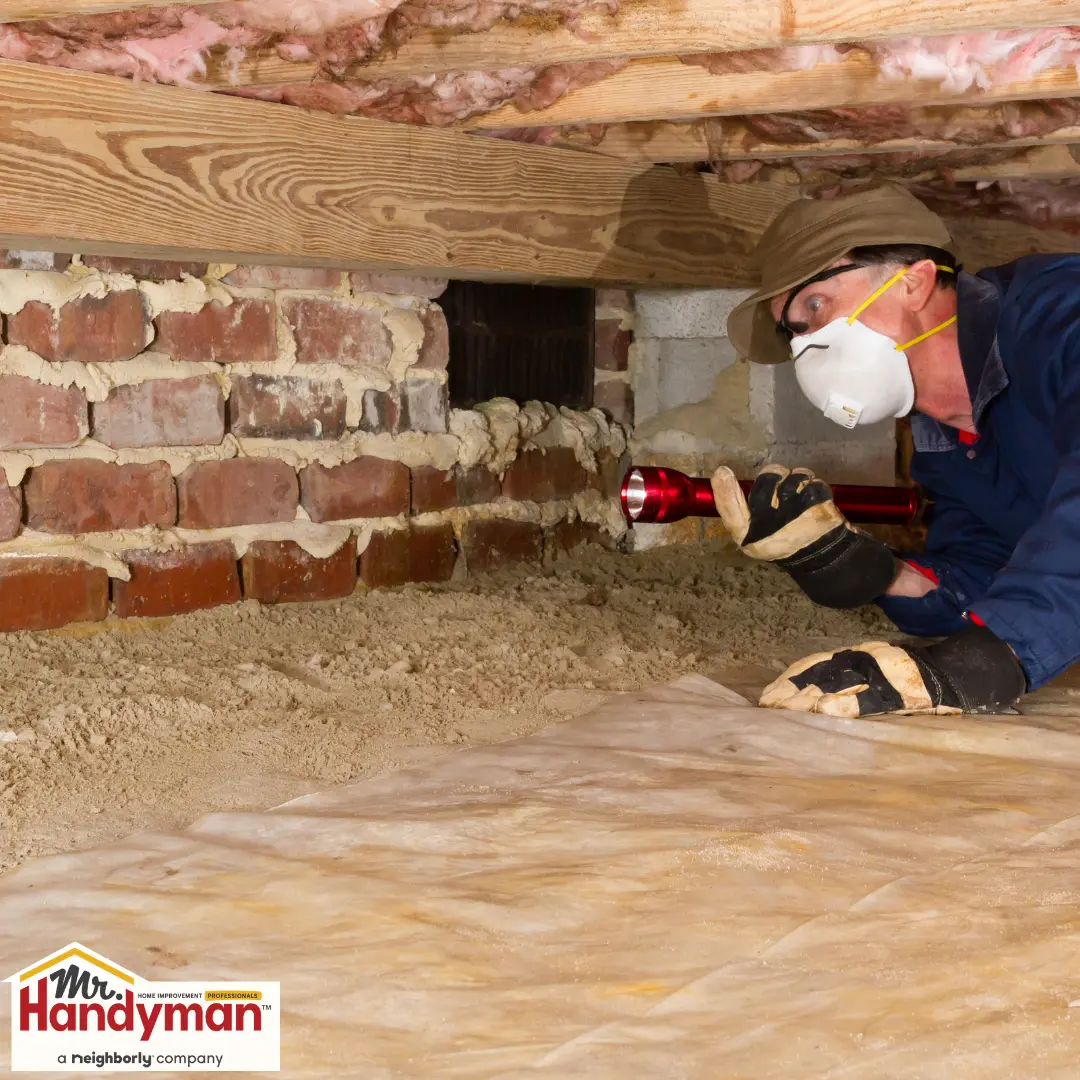
The most specifically consequential remodeling mistake in the Eastern Panhandle context is investing in above-grade finish work before evaluating the karst groundwater dynamics, below-grade moisture conditions, and structural implications that the Shenandoah Valley's limestone geology creates in ways that above-grade improvements cannot compensate for once those conditions are covered by the finishes installed above them.
Karst groundwater assessment before basement investment is the pre-project evaluation whose omission produces the most expensive outcomes in the Eastern Panhandle remodeling market. The karst limestone geology of Berkeley and Jefferson Counties creates the rapid groundwater response to surface rainfall that can deliver moisture to below-grade spaces in Martinsburg and Charles Town area homes faster than non-karst geological settings, and a basement that appeared dry during the dry summer assessment period may reveal the moisture vulnerability that the karst system's spring rainfall response creates during the wet periods that Eastern Panhandle spring frontal systems reliably produce.
Pre-remodel plumbing infrastructure assessment in the older housing stock of Charles Town's historic district and Martinsburg's established neighborhoods warrants the specific evaluation that discovers galvanized supply lines, cast iron drain configurations, and the infrastructure conditions that Eastern Panhandle older construction carries behind cabinet and wall surfaces. A kitchen remodel scope that does not incorporate the contingency for galvanized supply lines or cast iron drain conditions that Eastern Panhandle older housing stock creates as a realistic discovery possibility has not accounted for the regional housing stock reality that demolition in those properties regularly reveals.
Trim and Molding Repairs: The Detail Work That Elevates Eastern Panhandle Interiors

Interior trim condition in Martinsburg, Charles Town, Ranson, and the surrounding Eastern Panhandle communities communicates the maintenance standard of the entire interior at the detail level that close-range observation reveals, and the specific conditions that the Shenandoah Valley's freeze-thaw cycling and the mid-Atlantic's seasonal humidity variation create in trim assemblies make spring the optimal timing for the repair and refresh investment that produces lasting results in the regional climate.
Baseboard and door casing gap repairs in Eastern Panhandle homes reflect the freeze-thaw cycling that the Shenandoah Valley's transitional climate creates in the dimensional changes that wood trim components experience through the regional annual cycle. The freeze-thaw cycling that Berkeley and Jefferson Counties experience more frequently than the coastal mid-Atlantic markets to the east drives the wood contraction during cold events and the subsequent expansion during warming periods that creates the gaps between baseboard and floor surfaces and between door casings and adjacent wall surfaces that flexible caulking accommodates and that rigid or missing caulking allows to become visible maintenance conditions. Recaulking with flexible paintable caulk appropriate for the Eastern Panhandle's freeze-thaw cycling and seasonal humidity variation at all trim interfaces, followed by fresh paint at repaired locations, produces the trim condition that communicates maintained investment rather than the accumulated seasonal cycling that unaddressed gaps communicate in Berkeley and Jefferson County homes.
Crown molding condition in Eastern Panhandle homes reflects the freeze-thaw effects that the Shenandoah Valley's transitional climate creates in the adhesive bonds and finish connections attaching crown to wall and ceiling surfaces through the regional thermal cycling. Crown that has separated at corners, developed the paint-bridged gap that gradual seasonal movement produced across multiple Eastern Panhandle heating seasons, or shows the miter joint cracking that the freeze-thaw cycling advances at the tight angles where thermal movement concentrates stress warrants the repair investment that restores the composed ceiling-to-wall transition that properly maintained crown provides in a home whose detail condition communicates the maintenance standard that the Eastern Panhandle's active commuter market specifically evaluates.
Touch-up paint at trim following caulking and gap repairs should use the documented paint specifications that labeled product maintenance provides for Eastern Panhandle homes. The frequency that the Shenandoah Valley's freeze-thaw cycling creates for trim condition maintenance makes the paint specification documentation practice more practically valuable in this market than in the more stable coastal mid-Atlantic environments where those conditions advance more slowly between repainting requirements.
Lighting Upgrades: The Eastern Panhandle Interior Refresh With Compound Returns
Fixture replacement in Martinsburg, Charles Town, and Ranson area homes carrying the original or early replacement lighting from the varied construction eras that characterize Berkeley and Jefferson Counties' diverse housing inventory delivers the visual transformation that current fixture design produces against the dated character of original installations. In the Eastern Panhandle's commuter market where the professional and executive households relocating from the Washington and Baltimore areas bring the design reference points that those competitive residential markets create, fixture design currency communicates the maintained investment standard that buyers and daily occupants register at the architectural detail level.
LED bulb conversion throughout Eastern Panhandle homes delivers the energy efficiency return against Potomac Edison and Appalachian Power residential rates that the regional climate's heating and cooling demands amplify across the full seasonal cycle. The heating costs that the Shenandoah Valley's freeze events and transitional climate create combined with the cooling demands of the mid-Atlantic summer produce the household energy cost context where every supplementary energy-using system contributes to the seasonal peaks that Eastern Panhandle utility bills reflect, and the heat reduction that LED conversion delivers relative to incandescent and fluorescent alternatives reduces the supplementary cooling load contribution that lighting makes during the mid-Atlantic summer months when that contribution has the most direct monthly bill impact.
Dimmer switch installation on fixed overhead circuits in Eastern Panhandle homes creates the functional flexibility that the region's indoor social culture sustains through the variable light quality that the mid-Atlantic's partly cloudy sky creates through much of the spring and fall when gathering activity is most active. The ambient lighting control that dimmable fixtures provide serves both the social occasions and the energy efficiency that the Eastern Panhandle's seasonal energy demands make specifically relevant against regional utility rates.
Organizational Improvements for Eastern Panhandle Homes
Closet organization upgrades in Martinsburg and Charles Town area homes address the specific wardrobe management demands that the Eastern Panhandle's genuine four-season climate creates for households managing the full range from the heavier outerwear that the Shenandoah Valley's freeze events require through the lighter clothing that the mid-Atlantic summer sustains. The commuter market household managing both the professional wardrobe that Washington and Baltimore employment demands and the full seasonal range that the Eastern Panhandle's transitional climate creates carries the closet organization needs that standard single-rod configurations serve inefficiently.
Kitchen organization improvements through pull-out organizers, door-mounted storage additions, and systematic pantry organization address the functional limitations that Eastern Panhandle households encounter when the kitchen's storage configuration does not serve the food preparation, entertaining, and the active outdoor living culture that the region's genuinely excellent spring and fall seasons sustain. Targeted storage improvements without cabinet replacement deliver the organizational quality that daily kitchen function specifically requires in the Eastern Panhandle's active residential culture.
Entryway organization in Eastern Panhandle commuter homes deserves the specific attention that the daily commute transition and the full seasonal gear range that the Shenandoah Valley's transitional climate creates at entry points where the professional commuter wardrobe, seasonal outerwear, and the outdoor living equipment that Berkeley and Jefferson Counties' residential lifestyle requires all accumulate between organizational attention.
Frequently Asked Questions
How do I choose interior paint colors that work well in Eastern Panhandle homes?
Begin with the natural light quality that the mid-Atlantic region's variable sky creates in the specific room's orientation and window configuration. The partly cloudy to overcast conditions that the Eastern Panhandle's spring frontal rainfall pattern delivers through significant portions of the year render interior colors under the diffuse, moderate light that the regional sky provides rather than the intense direct sun that sunnier markets use as their primary color reference. Test colors on sample patches on the actual wall surface under the room's actual lighting conditions through multiple weather conditions including the overcast mid-Atlantic days that the regional pattern delivers frequently, and evaluate those samples under the room's artificial lighting for the evening conditions that the Eastern Panhandle's shorter winter days make the primary lighting context for a significant portion of the year.
What is the most cost-effective single interior refresh in an Eastern Panhandle home?
Interior painting with proper surface preparation delivers the strongest visual transformation per dollar invested in most Martinsburg, Charles Town, and Ranson area homes, particularly where the Shenandoah Valley's freeze-thaw cycling has advanced joint cracking and adhesion failure to visible conditions that fresh paint with proper preparation addresses comprehensively. The combination of flexible joint compound at the building envelope transition locations that the Eastern Panhandle's freeze-thaw cycling continues stressing, biological growth treatment at any locations where the mid-Atlantic's humid conditions created growth behind paint surfaces, and current color selection in rooms whose paint reflects earlier construction or ownership decades produces the interior transformation that the Eastern Panhandle market rewards and that daily occupants experience continuously.
How do I address the joint cracking that the Eastern Panhandle's freeze-thaw cycling keeps producing in my walls?
Flexible patching compound and paintable elastomeric caulk that accommodate the thermal movement that the Shenandoah Valley's freeze-thaw cycling creates at wall assembly joints perform better than rigid joint compound at the building envelope transition locations where the regional cycling repeatedly opens cracks. The freeze-thaw frequency that Berkeley and Jefferson Counties experience in their inland valley position makes the flexibility of the repair material more consequential here than in the coastal mid-Atlantic markets to the east where cycling frequency is lower, and selecting materials specifically rated for the thermal movement range that the Eastern Panhandle's transitional climate creates produces more durable results than repeating rigid repairs that the regional freeze-thaw cycling advances back through the same failure mechanism within one to two seasonal cycles.
Is wallpaper worth considering as a budget-friendly interior refresh in an Eastern Panhandle home?
Current peel-and-stick wallpaper products have improved significantly and can deliver accent wall impact in Eastern Panhandle interiors. The specific regional consideration is applying wallpaper to walls confirmed dimensionally stable rather than to exterior-adjacent walls experiencing the thermal movement that the Shenandoah Valley's freeze-thaw cycling creates in wall assemblies adjacent to the building envelope. Wallpaper applied over thermally active wall surfaces in an Eastern Panhandle home develops the seam separation and surface bubbling that stable wall applications avoid, and confirming wall surface thermal stability before application prevents the premature failure that the regional freeze-thaw cycling creates in wallpaper on inadequately stable substrates.
How do I maintain interior hardware finish quality in the Eastern Panhandle's limestone water environment?
Wiping hardware dry after any water contact prevents the mineral deposit accumulation that the Shenandoah Valley's limestone water creates on fixture and hardware finishes between cleaning events. White vinegar solution applied briefly and wiped clean removes calcium and magnesium deposits from hardware surfaces without the abrasive cleaners that damage finish surfaces. Brushed nickel, matte black, and oil-rubbed bronze finishes resist the limestone mineral deposit adhesion and visibility that the Eastern Panhandle's water chemistry creates on bathroom and kitchen hardware better than polished chrome, and the modest premium that mineral-resistant finish hardware carries warrants the investment in a regional water chemistry environment where the maintenance burden of standard chrome alternatives is more substantial and more frequent.
A Refreshed Eastern Panhandle Home for the Season That Follows
The interior refresh investments delivering the strongest returns in Martinsburg, Charles Town, Ranson, and the surrounding Eastern Panhandle communities are those addressing the specific conditions that the Shenandoah Valley's limestone water chemistry, the region's transitional freeze-thaw cycling, and the mid-Atlantic's seasonal humidity create in home interiors while delivering the daily quality of life improvement and market positioning benefit that a refreshed interior provides through the spring and summer seasons that follow the work. Budget-friendly does not mean low-impact in the Eastern Panhandle's active commuter market, where targeted effort applied to the right regional conditions produces the transformations that the region's quality-conscious buyers and daily occupants both specifically register and reward.
The team at Mr. Handyman of Martinsburg and Charles Town has the experience to help homeowners identify and execute the interior refresh work that delivers the strongest return for their specific home and budget.
Website: https://www.mrhandyman.com/martinsburg-charles-town/
Serving homeowners throughout Martinsburg and Charles Town with dependable service and the expertise your home deserves.