
The Eastern Panhandle's Climate Creates a Specific Outdoor Faucet Challenge
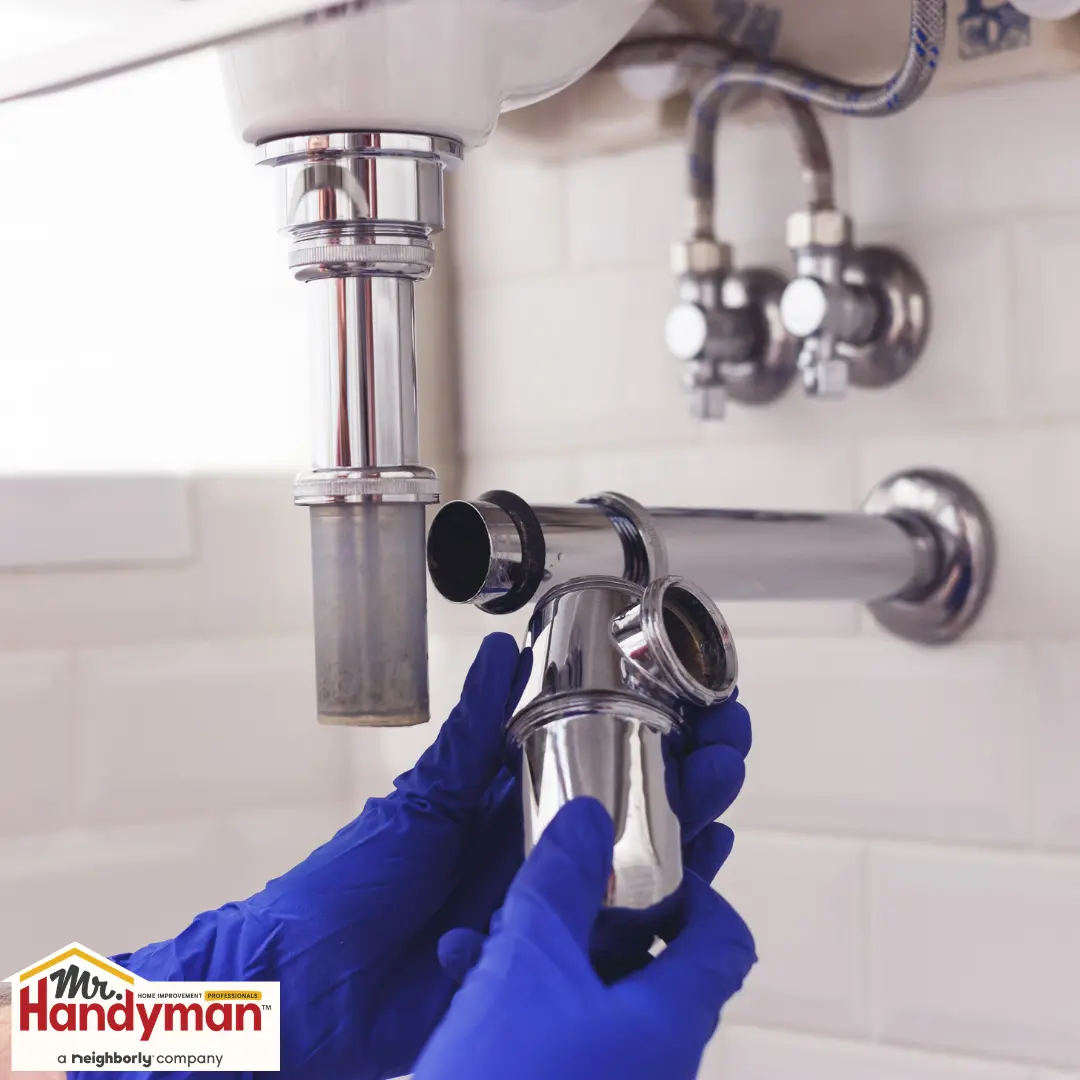
The outdoor faucet maintenance challenge in Martinsburg and Charles Town reflects the specific character of West Virginia's Eastern Panhandle winters rather than the sustained deep cold of northern climates or the mild freeze-free conditions that more southerly markets experience. Berkeley and Jefferson Counties occupy a transitional climate position that creates the outdoor faucet vulnerability that is perhaps more consequential here than in either extreme, because the region's winters deliver genuine freeze events with enough frequency and intensity to damage unprotected outdoor plumbing while the region's general mid-Atlantic mild reputation encourages the preparation deferral that leaves faucets vulnerable when those events arrive.
The Eastern Panhandle sits at the western edge of the mid-Atlantic climate zone where the Shenandoah Valley's geography funnels cold air from the north and northwest through the valley corridor in ways that can deliver temperatures significantly colder than the coastal mid-Atlantic markets that share the general regional designation. A homeowner in Martinsburg or Charles Town whose sense of winter severity is calibrated to the milder conditions of the Washington and Baltimore metro areas to the east may be consistently underestimating the freeze exposure that the Eastern Panhandle's inland valley position creates for outdoor plumbing components that those more moderated coastal climates would manage without damage in the same preparation state.
The DC and Baltimore commuter population that has grown significantly in Berkeley and Jefferson Counties over recent decades brings this mild-climate assumption most directly. Residents whose previous homes were in the more moderated coastal and suburban mid-Atlantic markets arrive in the Eastern Panhandle with outdoor faucet maintenance habits calibrated to their previous climate rather than the inland valley conditions that Martinsburg and Charles Town actually deliver. The result is the outdoor faucet freeze damage that the Eastern Panhandle's actual winter conditions produce in homes whose maintenance approach reflects a different climate's requirements rather than the Shenandoah Valley's genuine freeze exposure.
What Eastern Panhandle Winters Do to Outdoor Faucets
The Shenandoah Valley cold air channeling that the Eastern Panhandle's geography creates delivers the freeze events that outdoor plumbing requires protection from through a mechanism that distinguishes this market from both the coastal mid-Atlantic and the more severe northern climates. Cold air masses moving through the valley from the northwest can produce overnight temperatures significantly below freezing in Martinsburg and Charles Town while the coastal markets to the east remain above freezing under the oceanic moderation that the Eastern Panhandle does not receive. This geographic channeling creates the freeze events whose frequency and intensity the Eastern Panhandle's inland valley position delivers more reliably than the mild mid-Atlantic reputation of the broader region suggests.
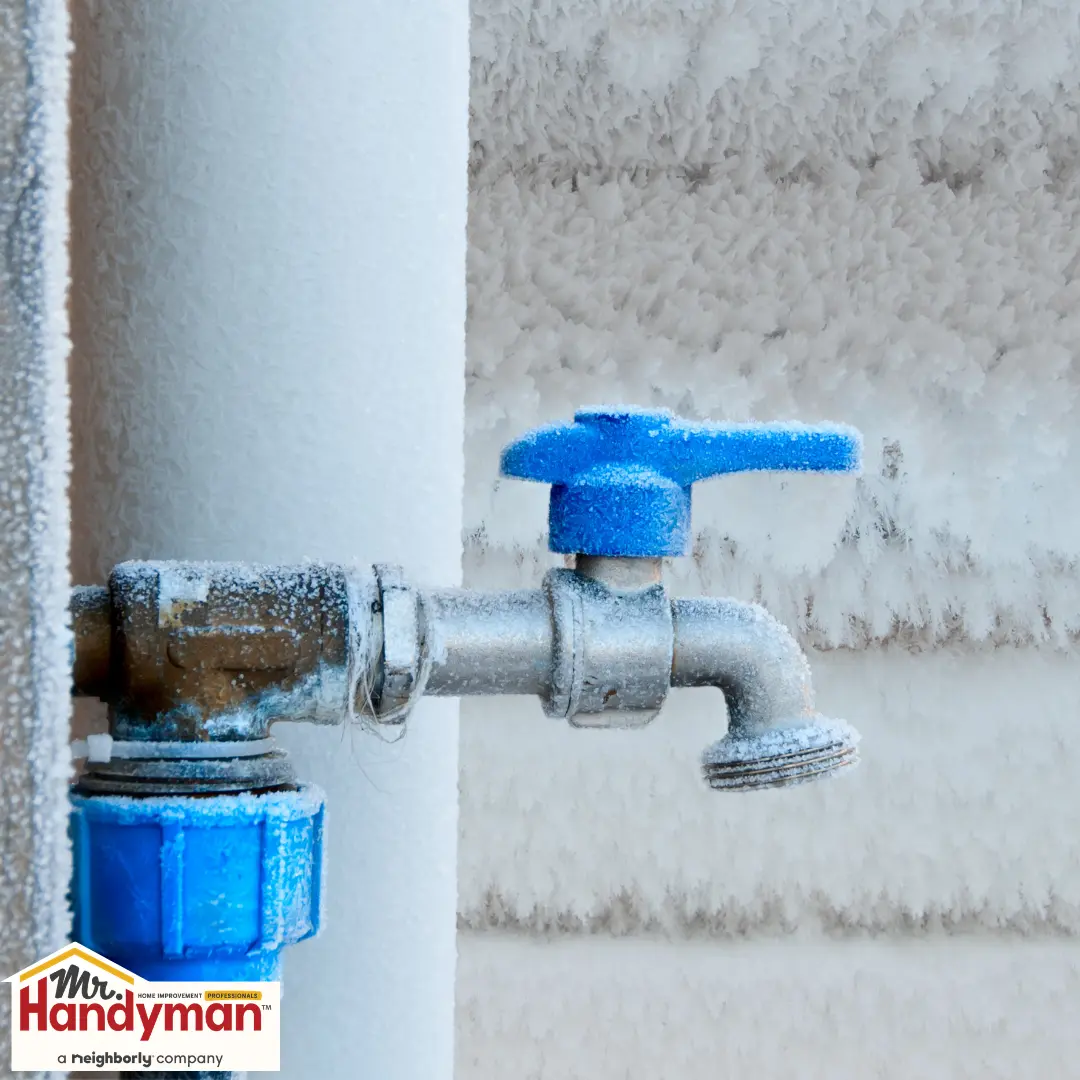
Frost-free hose bib vulnerability from connected garden hoses is the most consistently documented outdoor faucet failure mode across the Martinsburg and Charles Town service area because the Eastern Panhandle's autumn outdoor season is genuinely pleasant and extended enough to encourage continued hose use into late October and November when freeze events are already possible in the Shenandoah Valley's inland position. A homeowner in Ranson or Shepherdstown who has been watering landscape beds through a mild early November is setting up the frost-free faucet freeze damage scenario when the valley's first significant freeze event arrives and finds the hose still connected, eliminating the drainage that frost-free design requires to protect the faucet body.
The freeze-thaw cycling that the Eastern Panhandle's transitional climate creates through multiple freeze and thaw events across the heating season stresses outdoor faucet components through the repeated expansion and contraction that the temperature variation between freezing nights and above-freezing days creates in faucet hardware. Berkeley and Jefferson Counties experience more freeze-thaw cycles per winter than either the deep-freeze northern markets where sustained cold limits cycling or the coastal mid-Atlantic markets where freeze events are infrequent, and that cycling frequency advances the internal component wear that outdoor faucets in this transitional climate experience at rates that both climate extremes avoid through different mechanisms.
The hard water from the Eastern Panhandle's limestone aquifer system accumulates mineral deposits in outdoor faucet aerators and internal components in ways that the region's karst geology specifically creates. Berkeley and Jefferson Counties' water supply draws from the limestone aquifer systems that the Shenandoah Valley's carbonate geology produces, and the mineral content that those aquifers contribute to both municipal supply and private well water creates the calcium and magnesium accumulation in outdoor faucet components that reduces flow performance and advances internal deterioration at rates that softer water supply environments do not create between comparable service intervals.
Spring Startup Assessment for Eastern Panhandle Outdoor Faucets
The spring startup evaluation for outdoor faucets in Martinsburg, Charles Town, Ranson, Shepherdstown, and the other communities of the Eastern Panhandle is the annual assessment opportunity that reveals whatever the previous winter's freeze events and freeze-thaw cycling produced in outdoor plumbing components that the outdoor season's use will immediately depend on.
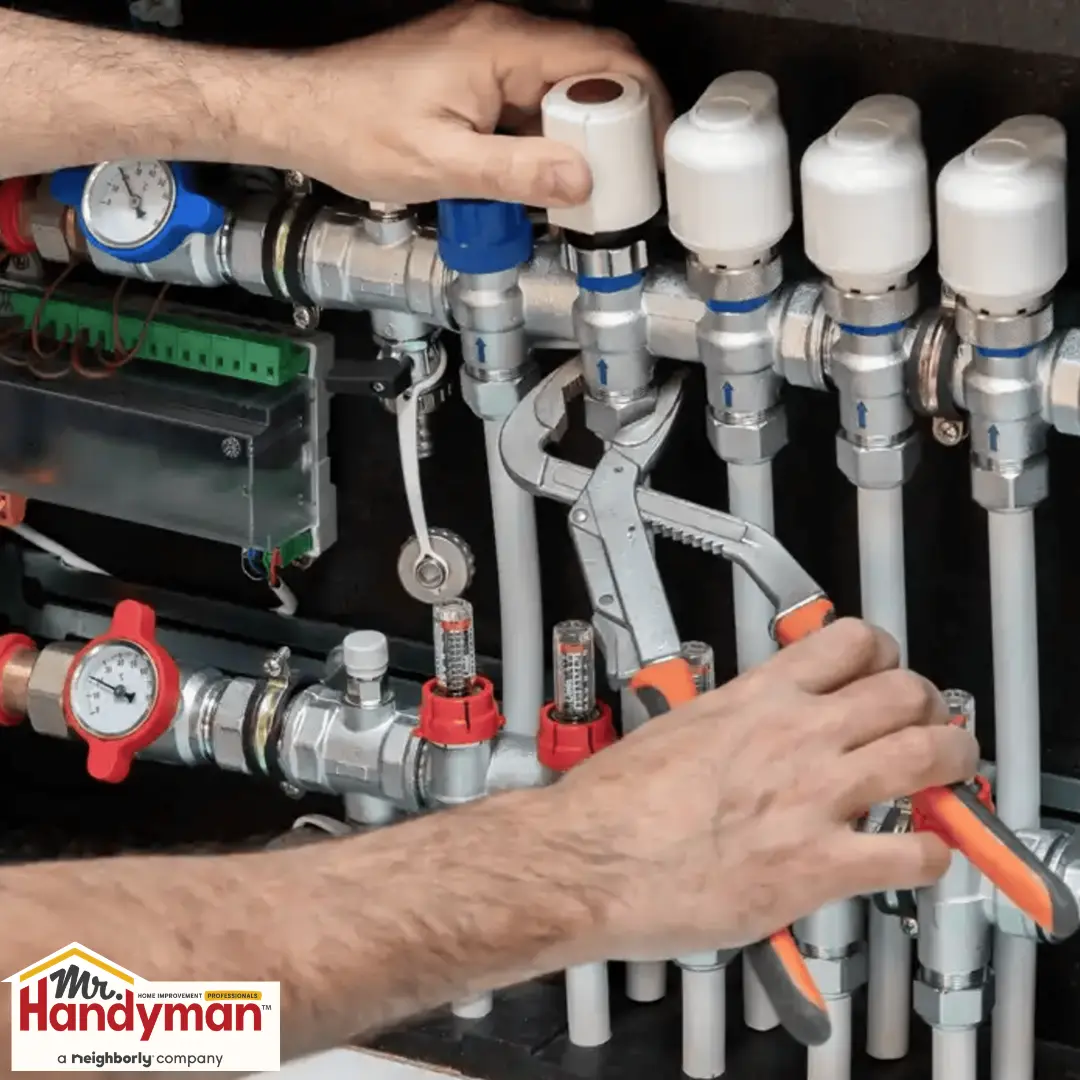
The startup assessment begins at the interior shutoff valve serving each outdoor faucet. A shutoff valve in a Martinsburg or Charles Town home that has not been exercised in years may have developed the mineral accumulation from the Eastern Panhandle's limestone water supply or the corrosion that the region's humidity cycling creates in valves that are not regularly operated, and confirming valve function before opening it to supply the outdoor faucet identifies that condition during the controlled startup rather than during an active outdoor plumbing emergency when immediate water isolation is needed.
Observing the exterior faucet at first supply by opening the interior shutoff valve slowly while watching the faucet's exterior connection to the wall and listening for water movement within the wall cavity confirms whether the supply line between the interior valve and the exterior faucet is intact after the Eastern Panhandle's winter freeze events.
Diagnosing Common Outdoor Faucet Problems in Eastern Panhandle Homes
The symptoms that outdoor faucets in Martinsburg, Charles Town, Ranson, and the surrounding Eastern Panhandle communities present at spring startup reflect the specific damage mechanisms that the Shenandoah Valley's freeze events, the region's freeze-thaw cycling frequency, and the limestone water chemistry of Berkeley and Jefferson Counties create in outdoor plumbing components between the previous outdoor season's last use and the current spring's first assessment.
A faucet producing no flow at spring startup after the interior shutoff valve has been confirmed open indicates either a supply line that the Eastern Panhandle's winter freeze events cracked or collapsed in ways that prevent flow, a freeze blockage that has not fully thawed despite the spring's returning warmth, or an interior shutoff valve that the limestone water chemistry of the regional supply has advanced toward the mineral accumulation that prevents proper operation. Each condition requires specific professional assessment before attempting to force flow through a potentially compromised system, because pressurizing a freeze-damaged supply line in a Martinsburg or Charles Town home before the damage has been assessed and addressed can extend the damage into the wall assembly that the compromised line serves.
A faucet leaking at the wall connection communicates the most consequential freeze damage that the Eastern Panhandle's winters produce in outdoor plumbing, because the moisture entering the wall cavity at that connection has been doing so since the freeze event that created the damage. In Eastern Panhandle homes where the extended autumn outdoor season that Berkeley and Jefferson Counties' pleasant fall weather creates encouraged continued garden hose connection past the seasonal protection window, a frost-free faucet that could not drain because the hose remained attached may have experienced freeze damage weeks or months before spring startup provided the first opportunity to observe the wall moisture that has been introducing itself to the wall cavity since the damage occurred. The warm, humid spring conditions that the mid-Atlantic region delivers then advance whatever biological growth and wood deterioration that moisture has been sustaining in that cavity during the intervening weeks.
A frost-free faucet dripping continuously from the weep hole after the brief initial drainage that closing the handle should produce indicates a vacuum breaker failure that compromises both current operational function and the freeze protection that the frost-free design provides for subsequent Eastern Panhandle winter events. A frost-free faucet in Martinsburg whose vacuum breaker is not sealing correctly is not draining its external body after each use, and the next Shenandoah Valley cold air channeling event will find the water that should have drained still present in the faucet body where the Eastern Panhandle's genuine freeze exposure can damage it.
Reduced flow from outdoor faucets in the Eastern Panhandle most commonly traces to the mineral deposits that the limestone water chemistry of Berkeley and Jefferson Counties creates in faucet aerators and internal flow passages over the outdoor season's accumulated use. The carbonate mineral content that the Shenandoah Valley's limestone aquifer systems contribute to both Martinsburg's municipal supply and the private wells serving rural Berkeley and Jefferson County properties creates the calcium and magnesium accumulation that reduces flow performance and requires the periodic aerator cleaning that regional water chemistry makes a more regular maintenance need here than in softer water supply environments.
Winterization: The Eastern Panhandle's Annual Requirement
The fall hose disconnection practice that protects Eastern Panhandle frost-free faucets from the Shenandoah Valley's freeze events requires the calendar-based reliability that the region's extended and genuinely pleasant autumn outdoor season works against. Berkeley and Jefferson Counties deliver the mild fall conditions that the commuter market population specifically values in the Eastern Panhandle residential experience, and those conditions sustain outdoor gardening, landscape maintenance, and hose use into the October and November period when the valley's cold air channeling potential is already creating freeze risk for connected hoses.
A reliable calendar-based hose disconnection practice completed before the end of October in Martinsburg and Charles Town area homes provides the margin that the Eastern Panhandle's autumn-to-winter transition requires. The homeowner in Shepherdstown or Ranson who disconnects all garden hoses from every outdoor faucet before Halloween as a non-negotiable annual practice rather than waiting for the first freeze forecast that the valley's cold air events may not provide adequate advance notice for is protecting the frost-free drainage function before the Shenandoah Valley's freeze events test it rather than discovering their failure after the Eastern Panhandle's winter has produced the damage that the connected hose enabled.
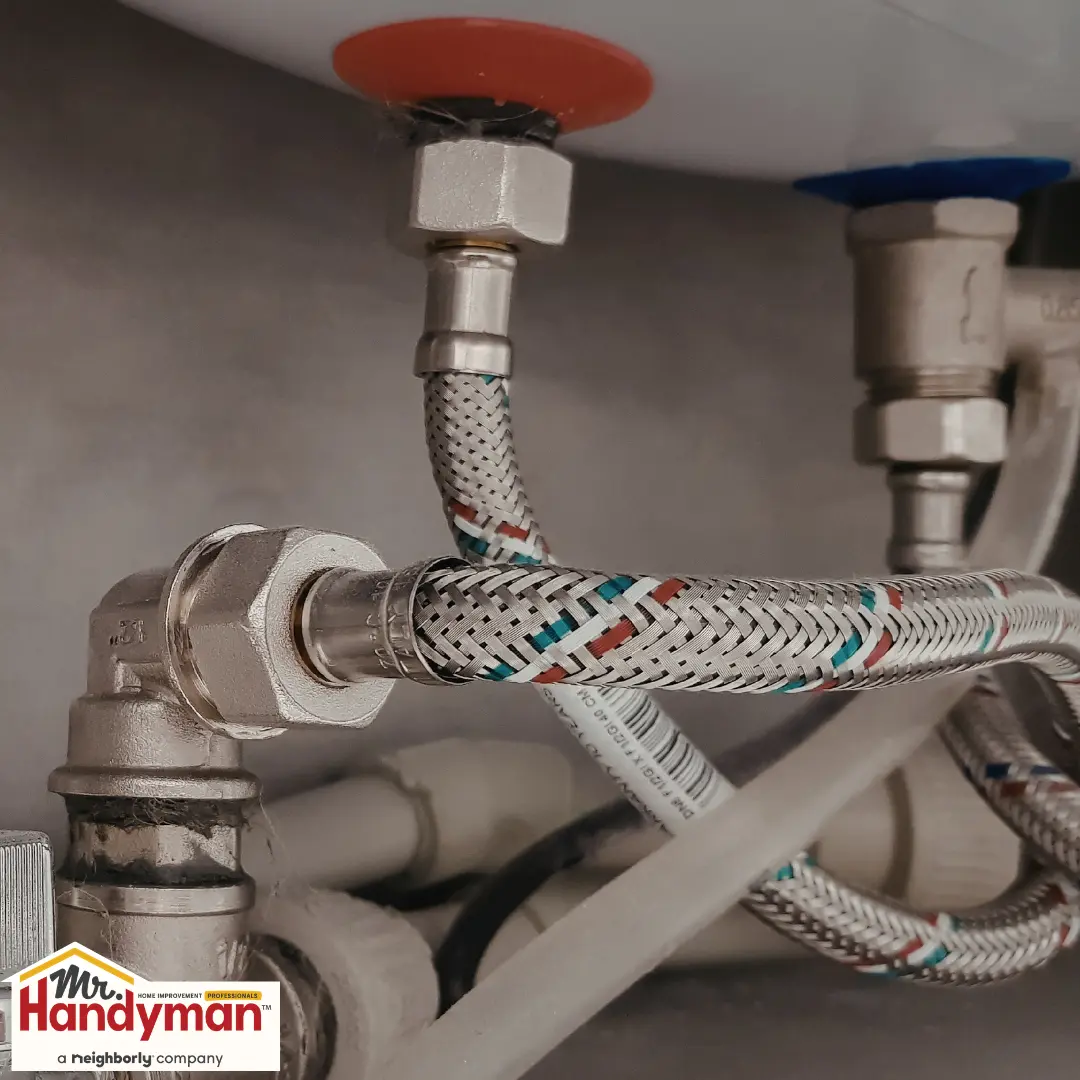
Interior shutoff valve service for Eastern Panhandle homes with standard outdoor faucets that are not frost-free provides the freeze protection that frost-free design provides automatically. The specific Eastern Panhandle consideration for these standard faucets is the mineral accumulation from the region's limestone water supply that can advance shutoff valves toward the operational stiffness that prevents reliable closure, and confirming that each interior shutoff valve closes completely before the freeze season rather than discovering incomplete closure when the freeze event has already arrived and water must be isolated immediately.
Irrigation System Considerations in the Eastern Panhandle
Spring irrigation startup assessment for Martinsburg and Charles Town area homes with irrigation systems evaluates the backflow preventer condition and zone integrity that the Eastern Panhandle's winter freeze-thaw cycling may have affected in above-grade irrigation components. The freeze-thaw cycling frequency that Berkeley and Jefferson Counties experience through the transitional mid-Atlantic winter creates the repeated expansion and contraction in above-grade irrigation hardware that progressive freeze damage accumulates through across multiple Eastern Panhandle winter seasons.
Backflow preventer assessment at spring irrigation startup confirms function before the outdoor irrigation season places sustained demand on the device whose potable water supply protection function the Eastern Panhandle's karst groundwater dynamics make specifically important. The irrigation water that has been in contact with Berkeley and Jefferson Counties' residential landscapes carries the fertilizer and biological material content that the karst geology makes more consequential here because the rapid groundwater transmission that karst systems provide means that landscape chemicals reaching the karst subsurface can affect water supply wells more directly than in non-karst geological settings.
Frequently Asked Questions
How cold does it need to get before outdoor faucets are at risk in Martinsburg and Charles Town? Sustained temperatures below twenty-eight degrees Fahrenheit lasting more than four to six hours create meaningful freeze risk for unprotected outdoor faucets in the Eastern Panhandle. The specific Martinsburg and Charles Town consideration is the Shenandoah Valley's cold air channeling geography that can produce those temperatures with less advance notice than open terrain markets where approaching cold fronts are more easily forecast. The commuter-population tendency to calibrate freeze preparation to the milder coastal mid-Atlantic conditions of Washington and Baltimore rather than the valley's inland freeze exposure creates the specific risk pattern that calendar-based fall hose disconnection specifically prevents from resulting in spring damage discovery.
Should I replace standard outdoor faucets with frost-free models in an Eastern Panhandle home? Any standard outdoor faucet in a Martinsburg or Charles Town area home that is not already frost-free warrants the frost-free replacement that converts freeze protection from a homeowner behavior requirement into a mechanical design function. The specific value of frost-free installation in the Eastern Panhandle context is that it addresses the valley's genuine freeze exposure while accommodating the mild autumn conditions that make consistent pre-freeze hose disconnection the only remaining requirement rather than the active shutoff valve management that standard faucets require before each freeze event that the Shenandoah Valley's cold air channeling potential can deliver with limited advance notice.
How does the Eastern Panhandle's limestone water chemistry affect outdoor faucet maintenance specifically? Berkeley and Jefferson Counties' limestone aquifer water supply deposits the calcium and magnesium content that the Shenandoah Valley's carbonate geology contributes to the regional water supply in outdoor faucet aerators and internal components at rates that require more frequent cleaning attention than softer water supply environments. Annual aerator cleaning that removes the mineral accumulation that one outdoor season's use deposits in the regional water chemistry environment maintains the flow performance that the Eastern Panhandle's limestone water chemistry progressively reduces in uncleaned faucet components, and whole-house water softener installation before faucet replacement provides the best long-term outcome by reducing the mineral accumulation that replaces clean components progressively across subsequent outdoor seasons.
What should I do if I discover wall moisture at an outdoor faucet connection in the Eastern Panhandle spring? Close the interior shutoff valve immediately to stop water flow to the damaged connection. Assess the visible damage at the exterior connection point and listen for water movement within the wall cavity. In Eastern Panhandle homes where the freeze event that caused the damage may have occurred weeks before the spring startup that revealed it, the wall cavity moisture condition warrants professional assessment alongside the plumbing repair because the mid-Atlantic spring's warm, humid conditions advance the biological growth and wood deterioration that extended moisture presence in wall assemblies creates at rates that the region's conditions sustain aggressively once moisture and warmth combine.
How long should an outdoor faucet last in a Martinsburg or Charles Town home? A quality frost-free hose bib properly installed, maintained with consistent pre-freeze hose disconnection, and in an Eastern Panhandle home whose limestone water supply has been managed to limit the mineral accumulation that the regional water chemistry creates in faucet components should last fifteen to twenty years. Outdoor faucets that have experienced freeze damage from connected hoses during the Shenandoah Valley's cold air channeling events, or that have been managing the Eastern Panhandle's limestone-bearing water without periodic maintenance attention, may require replacement significantly earlier depending on the cumulative damage those conditions have advanced.
Eastern Panhandle Outdoor Faucets That Perform Through Every Season
The outdoor faucets and hose bibs in a Martinsburg, Charles Town, Ranson, or Shepherdstown area home serve the outdoor season that the Eastern Panhandle's genuinely pleasant spring, summer, and fall provides, and maintaining those components correctly through annual spring assessment, consistent pre-freeze hose disconnection before the Shenandoah Valley's cold air channeling events, and prompt repair of developing conditions delivers the reliable outdoor water access that the regional outdoor season deserves without the freeze damage discoveries and emergency repairs that inadequate attention to the Eastern Panhandle's specific outdoor faucet maintenance requirements produces.
The team at Mr. Handyman of Martinsburg and Charles Town has the regional experience to help homeowners assess, maintain, and properly protect their outdoor faucets and hose bibs for everything the Eastern Panhandle's seasons deliver.
Website: https://www.mrhandyman.com/martinsburg-charles-town/
Serving homeowners throughout Martinsburg and Charles Town with dependable service and the expertise your home deserves.