
Why Older Home Plumbing in the Eastern Panhandle Deserves Specific Attention

The Eastern Panhandle carries genuine architectural and historical depth that shapes the plumbing maintenance conversation in important ways. Charles Town, Shepherdstown, Harpers Ferry, and Martinsburg's historic districts include homes built well before the mid-twentieth century, whose original plumbing infrastructure has weathered decades of this region's mineral-rich water, true four-season freeze-thaw cycles, and the accumulated wear of generations of daily use. Berkeley Springs and the older sections of Hedgesville and Inwood carry a similar profile. These homes have genuine character, often with structural quality that newer construction does not match, but their plumbing systems reflect the materials, standards, and installation practices of whatever era they were built in, and these older systems create specific challenges that owners of newer homes simply do not face to the same degree.
The region's mineral-rich water supply, drawn from a mix of municipal systems and the limestone-influenced groundwater that feeds many of the Eastern Panhandle's private wells, has been working continuously on these older plumbing systems since the day they were installed. The accumulation inside galvanized pipes, at fixture connections, inside water heater tanks, and at every supply and drain component throughout these homes has been building for decades, and summer's increased water demand creates the peak usage conditions that reveal just how far that accumulation has progressed.
Understanding the specific plumbing challenges that older homes throughout this service area present, and the maintenance practices that address these challenges before they become emergencies, helps homeowners throughout Charles Town, Martinsburg, Shepherdstown, and the surrounding communities protect both their properties and their peace of mind.
Know Your Pipe Materials

The single most useful step any owner of an older Eastern Panhandle home can take is understanding exactly what pipe materials run through the home's supply and drain systems. The specific material present determines the vulnerabilities the system carries, the maintenance practices that extend its useful life, and the warning signs that signal it is time for repair or replacement.
Galvanized steel supply pipe appears in many homes throughout this region built before the mid-1970s, particularly in the older sections of Charles Town, Martinsburg, Shepherdstown, and Harpers Ferry where galvanized pipe was the residential standard of its day. This material corrodes internally over time, and this region's mineral-rich water accelerates that process by depositing calcium and other minerals directly onto the pipe's already-corroding interior surface. The result is a progressive narrowing of the pipe's effective diameter, which shows up as household-wide low water pressure and, eventually, as the orange or brown-tinted water that interior pipe corrosion releases into the supply stream. A galvanized system showing consistently low pressure along with discolored water has reached the point where replacement with copper or PEX piping is the appropriate solution, rather than continuing to maintain a system that has reached the end of its useful service life.
Copper supply pipe is the standard found in most homes throughout this region built from the 1970s through the early 2000s. Copper generally performs well in this area's water chemistry, but decades of service still bring age-related concerns. Pinhole leaks at soldered joints, and at points where the pipe contacts other materials that can create galvanic or chemical reactions, represent the most common copper pipe failure mode in older homes throughout the service area. These leaks frequently develop inside walls and are often discovered only through the water staining or soft drywall that they eventually create at the visible surface, well after the leak itself began.
Cast iron drain pipe in some of this region's older homes is among the most durable original plumbing materials present in the local housing stock, but it is still subject to corrosion and joint failure over fifty or more years of service. Cast iron drain systems in the older homes of Charles Town and Shepherdstown may show exterior corrosion and interior scale buildup that a professional camera inspection reveals clearly, and the joint failures that age and ground settling create in cast iron systems require professional assessment to distinguish a section that remains serviceable from one that genuinely needs replacement.
Annual Inspection Priorities for Older Eastern Panhandle Homes

Older plumbing systems throughout this region benefit from annual professional inspection focused specifically on the locations where age and this area's water chemistry create the greatest risk of failure.
Supply line inspection at every toilet, sink, and appliance connection throughout the home is the single most valuable annual check available, since it directly prevents the kind of sudden supply line failure that older homes throughout this service area are particularly prone to. Original supply lines in older homes are sometimes braided plastic or early-generation stainless braided connections that have now been in service for fifteen years or more, well past the point where current guidance recommends replacement. This region's mineral-rich water accelerates the internal wear of these connections, and the combination of age and mineral buildup creates real failure risk that annual inspection catches and proactive replacement eliminates entirely. Any supply line showing corrosion at its connection ends, stiffness at bend points, or other visible age-related wear deserves replacement regardless of whether it is currently leaking.
Fixture shutoff valve assessment identifies valves that have not been operated in years and may have seized in the open position due to mineral accumulation around the valve stem. A shutoff valve that cannot actually be closed when a fixture repair requires it transforms what should be a simple, planned repair into an emergency main water shutoff. Operating each shutoff valve once a year, turning it fully closed and then fully back open, keeps the mechanism functional and identifies any valve that has seized before a fixture repair creates an urgent need to use it.
Drain system assessment in older homes looks specifically for the slow drain conditions that build up gradually enough to become normalized in a household's daily experience long before they reach the complete blockage that finally forces attention. Drain systems in older Eastern Panhandle homes carry decades of accumulated biofilm, mineral deposit, and soap residue, and sections of drain pipe in service since original construction may have interior accumulation significant enough to meaningfully reduce their flow capacity. Professional whole-house drain cleaning every three to five years is a reasonable proactive standard for older homes, rather than waiting for a complete blockage to force the issue.
Water Heater Considerations in Older Homes
Water heater maintenance in older Eastern Panhandle homes involves both the ongoing care of the current unit and an honest assessment of whether that unit's age relative to its expected service life calls for continued maintenance or for replacement planning.
Tank water heaters typically have an expected service life of eight to twelve years in this region's mineral-rich water environment. A unit approaching or past that range deserves an honest evaluation of whether continued maintenance investment makes financial sense, or whether replacing it with a current, more efficient model is the smarter long-term choice. The sediment accumulation, anode rod depletion, and overall tank condition of a water heater that has been in service for a decade or more in this region's water requires professional assessment to determine its realistic remaining service life.
For water heaters still within their expected service life, the annual maintenance steps that this region's mineral-rich water specifically calls for include sediment flushing to remove the buildup that reduces heating efficiency, anode rod inspection and replacement once the rod has been consumed down to its core, and pressure relief valve testing to confirm that this important safety feature still functions correctly. In older homes throughout Charles Town and Shepherdstown where the water heater sits in a finished basement or mechanical space, the secondary drain pan and its overflow drain line also deserve annual inspection, since a corroded or blocked overflow path turns what should be a contained, minor leak into a genuine water damage event once an aging tank eventually fails.
Addressing Hard Water's Accumulated Effects
The mineral-rich water common throughout much of the Eastern Panhandle has been working on the plumbing systems of this region's older homes since the day they were built, and the accumulated deposits throughout these systems create maintenance challenges that scale with decades of service in a way that newer homes simply have not experienced yet.
A whole-house water softener is a conversation worth having seriously when an older home shows the accumulated evidence of years of mineral-rich water exposure throughout its plumbing system. A softener that reduces the mineral content of the household's water supply slows the accumulation rate at every point in the plumbing system at once, extending the service life of fixtures, water heaters, supply lines, and water-using appliances that would otherwise continue accumulating mineral deposits at the same steady rate. For older homes throughout this region where the plumbing system represents a meaningful share of the property's overall condition and value, whole-house water treatment is the upstream investment that reduces ongoing maintenance demands across every downstream component simultaneously.
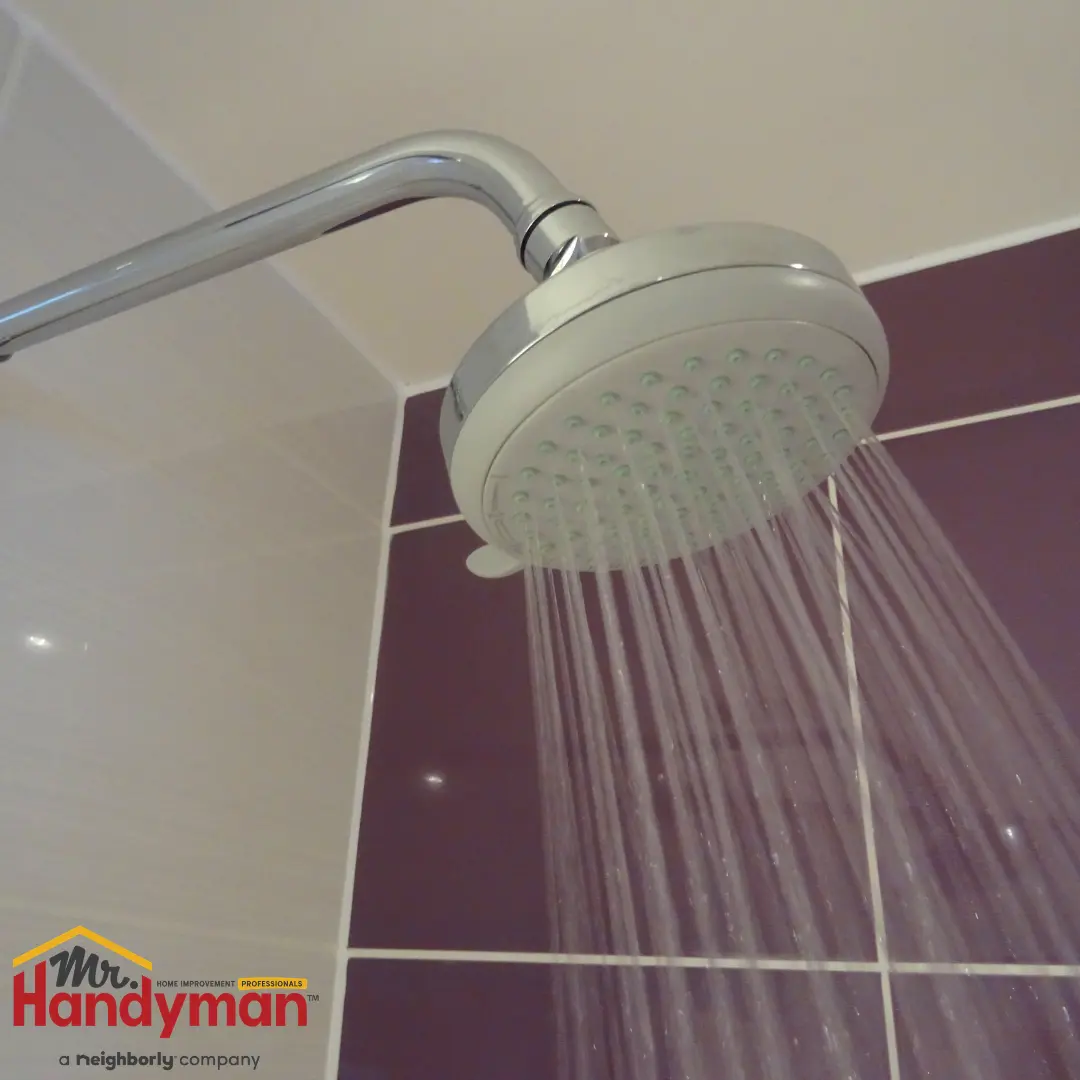
For homes where a whole-house softener is not currently practical, targeted descaling at the points where mineral accumulation has the greatest impact provides efficient management without the larger investment. Replacing showerheads and aerators on an annual schedule, flushing water heater sediment regularly, and having pressure regulator valves assessed and replaced when mineral accumulation has begun affecting their performance are the targeted interventions that manage hard water's effects at the specific points where they are most directly felt in daily household life.
Seasonal Maintenance Calendar for Older Eastern Panhandle Homes
The Eastern Panhandle's genuine seasonal character creates a natural structure for an older home plumbing maintenance calendar that addresses the specific conditions each season brings.
Spring is the right time for assessing outdoor plumbing components for any damage that winter's freeze-thaw cycles may have caused. Checking hose bibs for freeze damage at their connection points, confirming irrigation system zone valves and emitters survived winter intact, and assessing drain lines ahead of spring's heavier rainfall are the appropriate spring priorities for older homes throughout this region.
Summer calls for the aerator and showerhead cleaning that increased water use makes immediately noticeable, supply line assessment under the season's peak demand, and a water heater check that lines up naturally with the season's hot water demand. Proactive drain cleaning ahead of summer's increased household activity prevents the mid-season blockages that accumulated conditions, left unaddressed, tend to produce right when guests and gatherings make them most inconvenient.
Fall is the time for the outdoor plumbing winterization that this region's genuine freeze season requires. Draining and disconnecting hoses from outdoor bibs, confirming that frost-free hose bibs are draining correctly after disconnection, and insulating any exposed supply pipe in unconditioned spaces that an older home's original construction may have left uninsulated are the fall preparations that prevent the freeze damage events that Eastern Panhandle winters reliably create for homes that skip this step.
Frequently Asked Questions
How do I know if my older Eastern Panhandle home has galvanized supply pipes?
A visual check of exposed supply pipe in utility areas, under sinks, and in the basement or crawl space usually answers this question. Galvanized steel pipe has a dull gray metallic appearance and often shows surface rust or white mineral deposits at its joints. A magnet will stick to galvanized steel but not to copper, so if the pipe is gray and magnetic, the home has a galvanized supply system that deserves professional assessment of its current condition.
What is the most urgent plumbing repair in an older home in this region?
Supply line replacement at every toilet, sink, and appliance connection is the most important maintenance investment in older homes where the original lines have never been replaced. The sudden failure of an aged supply line creates the kind of water damage event that proactive replacement, at a small fraction of the cleanup cost, prevents entirely. This matters most in homes with finished basements or premium flooring, where water damage costs escalate quickly.
How often should drain lines be professionally cleaned in an older home?
Every three to five years is a reasonable interval for whole-house professional drain cleaning in older Eastern Panhandle homes whose drain systems have been in service since original construction. Homes that experience recurring slow drains, particularly in the kitchen or main bathroom, may benefit from more frequent cleaning depending on the household's specific use patterns.
Should older homes in this region consider a whole-house water softener?
Whole-house water treatment is worth serious consideration for older homes where decades of mineral-rich water exposure have created visible and functional consequences throughout the plumbing system. A softener slows the accumulation rate at every downstream component simultaneously, extending the service life of fixtures, water heaters, and appliances throughout the home.
What are the warning signs that an older home's plumbing needs professional assessment?
Consistently low water pressure throughout the house, orange or brown-tinted water at initial flow, visible moisture or staining on walls or ceilings near plumbing locations, several slow drains occurring at once, and a water heater more than ten years old with no documented maintenance history are all signs that warrant a professional plumbing assessment.
Can a handyman handle older home plumbing maintenance in this region?
Yes. Supply line replacement, fixture shutoff valve replacement, faucet and toilet component replacement, showerhead and aerator service, drain cleaning, water heater maintenance, and hose bib repair are all within general handyman plumbing scope. Galvanized pipe replacement, copper pipe leak repair inside walls, and new supply or drain line installation call for a licensed plumbing contractor, and a good handyman service identifies these conditions and makes the appropriate referral.
Give Your Older Eastern Panhandle Home the Plumbing Attention It Deserves
The plumbing systems of older homes throughout Martinsburg, Charles Town, Shepherdstown, and the surrounding Eastern Panhandle carry character and durability that newer construction often cannot match, but they need the informed, consistent maintenance that their age and this region's mineral-rich water specifically demand. The team at Mr. Handyman of Martinsburg and Charles Town handles the full range of older home plumbing maintenance throughout Bakerton, Berkeley Springs, Bolivar, Charles Town, Falling Waters, Gerrardstown, Harpers Ferry, Hedgesville, Inwood, Kearneysville, Martinsburg, Ranson, Shepherdstown, and the full service area.
Call us or visit www.mrhandyman.com/martinsburg-charles-town to schedule your plumbing maintenance service. We show up on time, work cleanly, and back everything we do with the Neighborly Done Right Promise.
