
Why Cookout Season Creates Specific Plumbing Stress in the Eastern Panhandle
Cookout season is a genuine part of summer life throughout Martinsburg, Charles Town, Shepherdstown, Ranson, Harpers Ferry, and the surrounding Eastern Panhandle communities. Backyard gatherings, family reunions, and the informal hosting that this region's strong sense of community creates mean that summer weekends regularly bring more people, more cooking, and more bathroom and kitchen activity into homes than the rest of the year ever asks of them. This is a wonderful part of life in this part of West Virginia, but it also creates a concentrated plumbing stress pattern that a household's normal daily routine never approaches.
A home plumbed for the water use of its everyday residents suddenly has to handle the drain loading of a large cookout, the bathroom cycling of fifteen or twenty guests over an afternoon, heavy garbage disposal use during cleanup, and increased outdoor water use all happening within a few concentrated hours. Repeated across several cookout weekends throughout a single summer, this kind of demand tests plumbing components in ways that accelerate wear and can reveal weaknesses that the household's normal daily use would never have exposed for another season or two.
The water supply throughout much of this region, whether municipal or well-sourced, carries the mineral content typical of the area's limestone-influenced groundwater, and this mineral accumulation interacts with cookout season's concentrated use to create specific vulnerabilities at drain components, garbage disposals, and outdoor connections. Understanding which plumbing conditions cookout season creates, and which simple practices most effectively reduce the risk of a mid-gathering plumbing failure, helps homeowners throughout Martinsburg and Charles Town host with genuine confidence all summer long.
Protecting the Kitchen Drain During Heavy Cookout Use
The kitchen drain system absorbs more concentrated stress during a cookout than during almost any other point in the year, and the specific conditions that heavy cookout cooking and cleanup create are genuinely different from what a normal week of household cooking produces.
Grease is the primary concern, and it deserves to be treated as a non-negotiable rule rather than a casual guideline. Cookout cooking generates cooking oils, meat fats, and grease in volumes that a single afternoon of grilling and frying can easily exceed what an ordinary week of home cooking produces. Grease poured down a kitchen drain in any quantity creates a drain health problem over time, but the concentrated volume that a large cookout cleanup generates is specifically the condition most likely to create the immediate slow drain or full blockage that interrupts cleanup right when a household least wants to deal with it.
The correct practice is straightforward: grease goes in the trash, never down the drain. Letting grease cool in the pan or pouring it into a dedicated heat-safe container kept near the cooking area, then disposing of it in the trash once solidified, is the practical habit that makes correct disposal easy during the busy, multi-person cleanup that follows a large gathering. A simple metal can or an old jar set aside specifically for this purpose, kept visible near the grill or stove throughout the cookout, removes the friction that leads people to default to pouring grease down the drain simply because it is the path of least resistance in the moment.
Running hot water for thirty seconds before and after any dishwashing during cookout cleanup helps keep minor grease residue moving through the drain pipe rather than allowing it to solidify against the pipe walls. A simple mesh drain strainer placed in the kitchen sink during cleanup captures food scraps and other solid material before they enter the drain at all, preventing the accumulation at pipe bends that contributes heavily to the blockages that cookout season reveals in drains already carrying months of ordinary accumulation.
Garbage Disposal Care During Cookout Cleanup
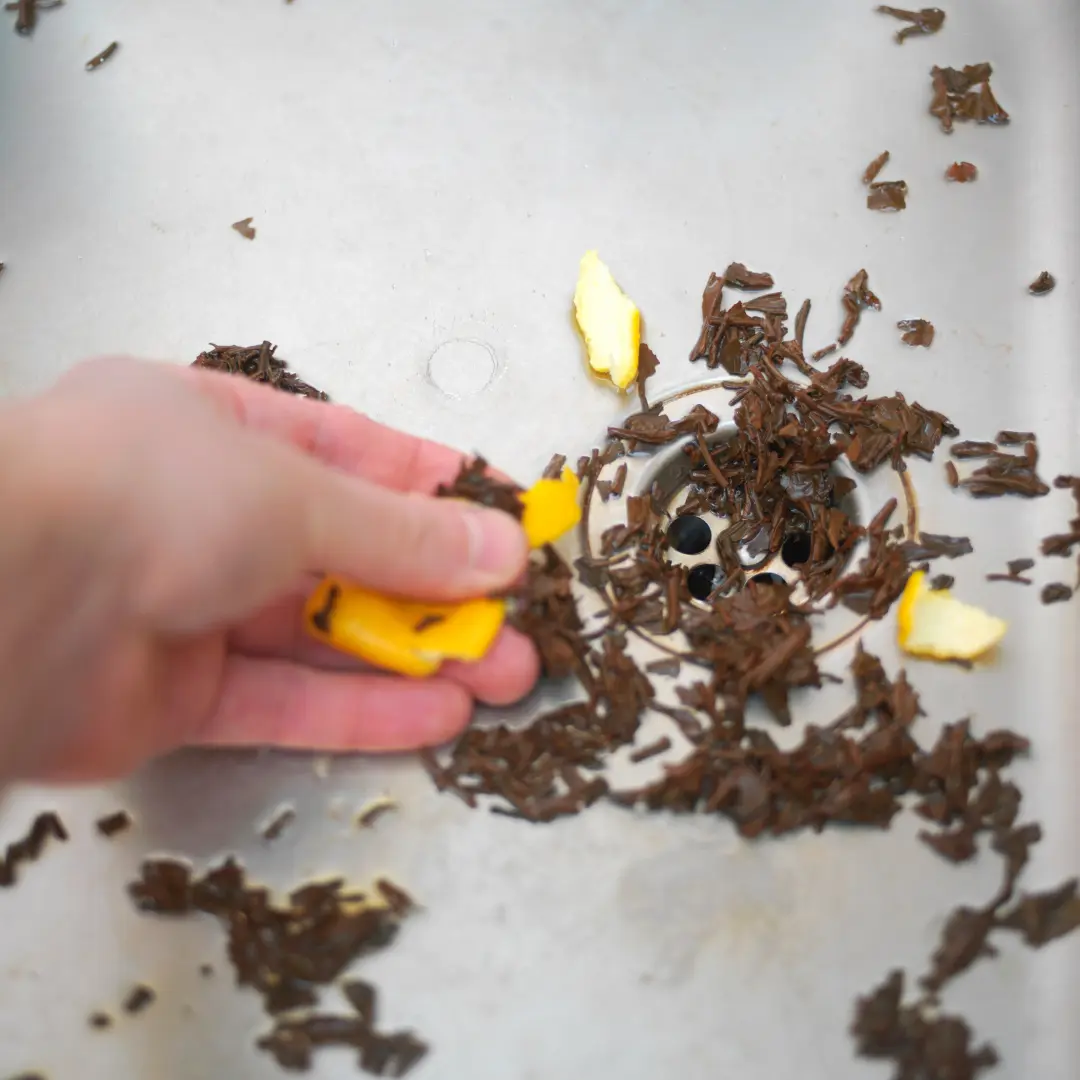
The garbage disposal is the kitchen plumbing component most abruptly tested by cookout season, and the concentrated post-cookout cleanup load is responsible for a large share of the disposal jams and motor failures that handyman services throughout Martinsburg and Charles Town see consistently each summer.
Several specific cookout foods should never go into the disposal, and the volume of these materials present after a typical Eastern Panhandle cookout makes this guidance particularly relevant. Corn cobs and husks from grilled corn create fibrous material that wraps around the impeller and causes jams. Fruit pits from peaches, watermelon, and other summer fruit are hard enough to damage impeller components on contact. Onion skins and similarly thin, papery materials slip past the impeller and accumulate in the drain line below, where they create a mesh that later food particles cling to and build upon. Bones from grilled chicken, ribs, and similar cookout staples should never enter the disposal under any circumstances, since even a single small bone can jam the impeller and potentially burn out the motor if the unit continues running against the obstruction.
Running cold water before, during, and for roughly thirty seconds after every disposal use is the single most protective operational habit during heavy cookout cleanup. Cold water keeps any grease that enters the disposal in a solid state that the impellers can process and expel as solid material, rather than allowing it to liquefy and coat the drain pipe below. This matters specifically during cookout cleanup, when food particles and grease are frequently entering the disposal together in larger volumes than usual.
If the disposal does jam during cleanup, the correct response is to switch it off immediately, let it cool for a few minutes, then use the hex wrench access point at the base of the unit to manually rotate the impeller and clear the obstruction before attempting to restart. Continuing to run a jammed disposal risks tripping the thermal overload protection or burning out the motor entirely, turning a simple jam into a full disposal replacement.
Bathroom Plumbing Under Guest-Heavy Use
A residential bathroom system is designed around the cycling patterns of the household that normally lives in the home. When a summer cookout brings fifteen, twenty, or more guests into a house that typically serves three or four people, the bathroom plumbing experiences a concentration of use that can reveal slow drains, running toilets, and weak flushes that the household's everyday routine has not made urgent enough to address yet.
A simple pre-cookout bathroom check prevents most of the mid-gathering bathroom plumbing surprises that hosts find genuinely disruptive. Testing each toilet for running or weak flush before guests arrive catches a flapper or fill valve issue before the first guest's flush reveals it publicly. Confirming that shower and sink drains flow freely identifies a partial blockage before the gathering's increased use pushes it to a full stop. And making sure toilet paper is well stocked and that a visible waste bin is available for anything that should not be flushed reduces the risk of guests flushing materials that create clogs.
Flushable wipes deserve a specific mention here. Despite the name, these wipes do not break down in residential plumbing the way toilet tissue does, and a single gathering where several guests flush wipes can deposit enough material in the drain line to create a clog by the next flush. A small, friendly sign near the toilet, or simply mentioning it to guests in advance, is a low-effort way to prevent this specific and surprisingly common cookout-season plumbing problem.
Outdoor Water Use and Hose Management
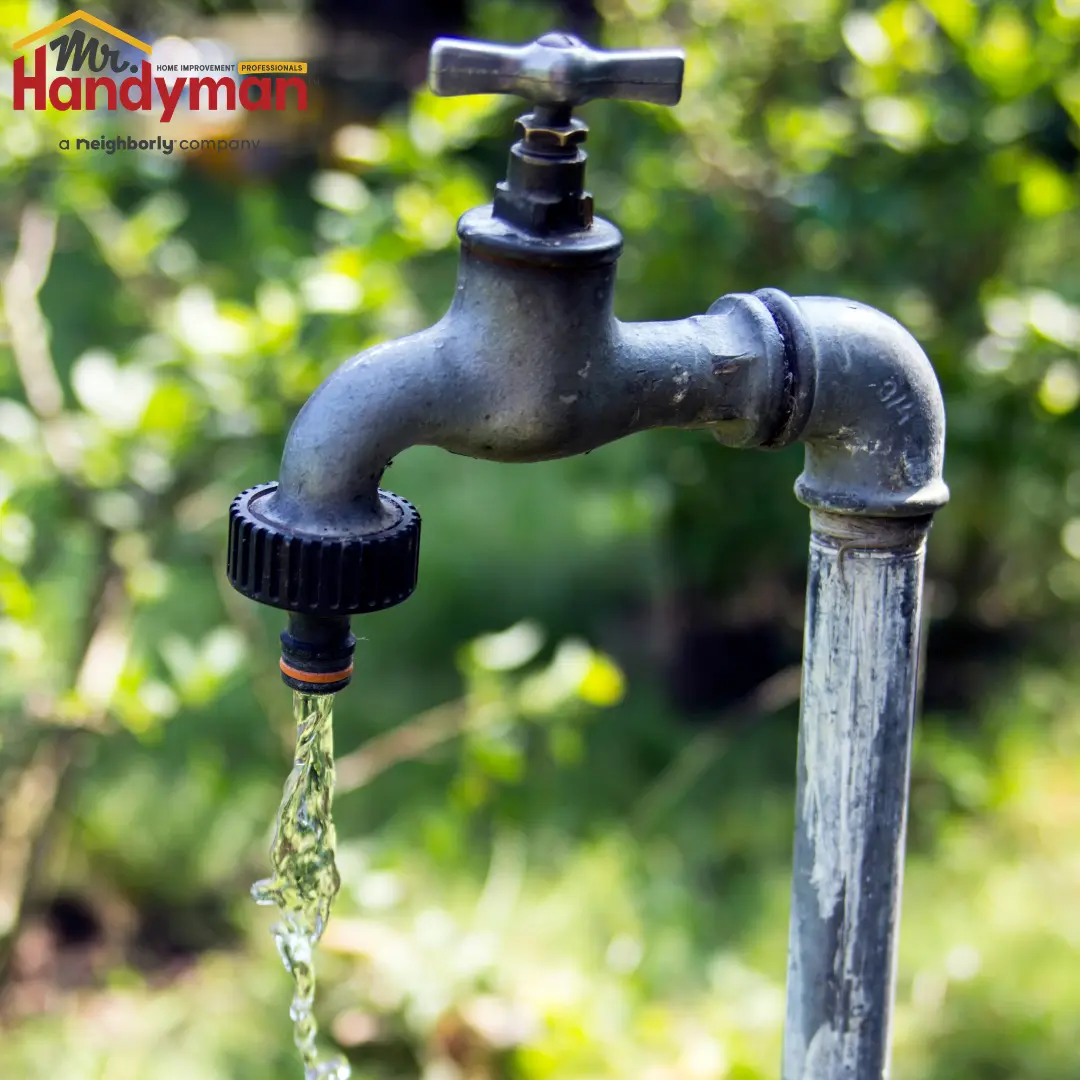
The outdoor water demands of a typical cookout, including filling coolers, rinsing produce, running a sprinkler for kids, and general outdoor cleanup, concentrate hose bib and outdoor connection use at levels well beyond what these fixtures see on an ordinary day.
A hose bib that has been dripping slightly at the packing nut or hose connection through spring and early summer without repair will often progress to a more noticeable leak under the sustained outdoor water use that a full cookout day creates. The repeated connecting and disconnecting of hoses, turning the bib on and off multiple times throughout the gathering, and the extended periods of continuous water flow that outdoor cookout activities create all accelerate the deterioration of a hose bib that was already showing early signs of wear.
A brief pre-cookout check of every outdoor hose bib, looking for drips at the handle when open, leaks at the hose connection threading, and confirming complete shutoff without excessive force, identifies any condition worth repairing before rather than during the gathering. Beyond the fixtures themselves, simply keeping the hose organized on a reel or in a defined storage spot between uses throughout the cookout prevents both the tripping hazard and the water waste that an unattended, partially open hose bib with a forgotten hose creates over several hours of gathering activity.
Managing the Plumbing Load During Post-Cookout Cleanup
The cleanup period immediately following a large cookout is the point of greatest concentrated plumbing demand in the entire event, and a little preparation makes this period efficient rather than stressful.
Filling the sink with hot, soapy water before beginning dish cleanup, and running the disposal with cold water in short bursts between batches rather than continuously, keeps the kitchen drain system moving smoothly through a high-volume cleanup rather than allowing residue to accumulate progressively as cleanup wears on. Spacing out disposal use, rather than feeding it a continuous stream of food scraps from a large gathering's worth of plates, gives the system the processing time it needs to keep up without overwhelming its capacity.
Directing any wash water from grills, coolers, or outdoor cooking equipment away from the home's foundation, rather than letting it pool near the house, protects against the soil saturation that this region's clay-influenced soil can hold against a foundation over time. A hose simply aimed toward a drainage path away from the house during outdoor cleanup is a small habit that protects against a much larger, slower-developing foundation moisture issue.

Frequently Asked Questions
What is the single most important plumbing protection during a cookout in this region?
Keeping grease out of the kitchen drain is the most impactful single practice available. The volume of cooking grease that a typical summer cookout generates in one afternoon can create a drain blockage that an entire ordinary week of household cooking would never come close to producing, and a dedicated grease container near the cooking area makes correct disposal nearly effortless.
How should a garbage disposal be protected during heavy cookout cleanup?
Run cold water before, during, and for about thirty seconds after every use, avoid bones, corn cobs, fruit pits, and fibrous vegetable materials entirely, and avoid overloading the unit with large batches of food scraps all at once. If the disposal jams, switch it off immediately, let it cool, use the hex key reset at the base, and only then attempt to restart it.
Should homeowners do any plumbing checks before guests arrive for a cookout?
Yes. Testing each toilet for running or weak flush, confirming that bathroom and kitchen drains flow freely, checking outdoor hose bibs for drips, and confirming the garbage disposal is working properly before the gathering begins catches the conditions that would otherwise surface mid-party, when they are far more disruptive and far less convenient to address.
What common cookout materials should never be flushed?
Flushable wipes, despite their labeling, along with paper towels, facial tissues, and any material other than toilet tissue, should never be flushed in residential plumbing systems throughout this region. These materials do not break down the way toilet tissue does, and the concentrated bathroom use of a large gathering is exactly the situation in which this kind of material creates an active clog.
How does this region's water chemistry affect cookout-season plumbing specifically?
The mineral content typical of municipal and well water throughout the Eastern Panhandle accelerates buildup at drain components, disposal impellers, and outdoor faucet connections, and cookout season's concentrated use drives components already affected by this mineral accumulation toward failure faster than the same components would experience under ordinary, lighter daily use.
When should a homeowner call a professional rather than handling a plumbing issue during a cookout?
A drain that does not respond to plunging, a disposal that will not reset and restart after the hex key procedure, an overflowing toilet, or any supply line showing visible swelling or moisture at its connections all call for professional response rather than continued DIY attempts during an active gathering. Keeping a trusted handyman's contact information on hand turns a potential hosting crisis into a straightforward, manageable service call.
Host With Confidence This Cookout Season
The plumbing conditions that cookout season creates throughout Martinsburg, Charles Town, and the surrounding Eastern Panhandle communities are far more manageable when addressed through the preventive habits and brief pre-gathering checks described here than when discovered in the middle of a party as the failures that deferred attention creates. The team at Mr. Handyman of Martinsburg and Charles Town handles pre-cookout plumbing assessments, faucet and toilet repair, drain cleaning, hose bib repair, and disposal service throughout Bakerton, Berkeley Springs, Bolivar, Charles Town, Falling Waters, Gerrardstown, Harpers Ferry, Hedgesville, Inwood, Kearneysville, Martinsburg, Ranson, Shepherdstown, and the full service area.
Call us or visit www.mrhandyman.com/martinsburg-charles-town to schedule your plumbing service. We show up on time, work cleanly, and back everything we do with the Neighborly Done Right Promise.