
The Eastern Panhandle of West Virginia receives meaningful precipitation through spring and into early summer that the region's specific geography amplifies in ways that make the Martinsburg and Charles Town area's rainfall character distinct from more inland West Virginia communities. The Shenandoah Valley's position between the Blue Ridge Mountains to the east and the Allegheny Front to the west creates the specific weather pattern that channels moisture from the mid-Atlantic and concentrates precipitation events in ways that Berkeley and Jefferson County homeowners experience as the active spring rain season that the region's landscape and agricultural character has always reflected. The Potomac River and the Shenandoah River that converge at Harpers Ferry, just downstream from Charles Town, carry the watershed drainage of a substantial regional catchment that spring's rain events charge with the concentrated runoff that the Eastern Panhandle's geography creates.
Those rainfall events do something to residential sewer systems in Martinsburg and Charles Town that most homeowners never consider until the consequences appear inside the home in the form of backed-up drains, gurgling toilets, or the sewage odor that sewer line compromise produces after a significant rain event. The connection between surface rainfall and residential sewer line performance exists because residential sewer systems in Berkeley and Jefferson Counties are not perfectly sealed systems throughout their service lives. They develop the cracks, joint separations, and root intrusion pathways that years of service and the Eastern Panhandle's specific soil conditions create in buried pipe, and those pathways allow groundwater that saturates the soil during heavy rain events to infiltrate the sewer line in a process called inflow and infiltration.
The Eastern Panhandle's limestone karst geology adds a specific dimension to this sewer infiltration story that communities without equivalent karst geology don't face at the same intensity. Limestone karst landscapes create subsurface drainage networks, sinkholes, and the variable soil depth over bedrock conditions that groundwater movement through the Eastern Panhandle's subsurface specifically reflects. Those karst drainage characteristics mean that groundwater levels respond rapidly to surface rainfall in ways that more uniform soil profiles without karst drainage don't replicate, creating the rapid soil saturation and groundwater pressure that exploits every sewer line crack and joint separation more quickly during significant rain events than slower-draining soil profiles would allow.
Mr. Handyman of Martinsburg and Charles Town serves homeowners throughout the Eastern Panhandle with the sewer line maintenance and prevention services that the region's rainy season protection requires.
Why Some Eastern Panhandle Homes Are More Susceptible
Tree Root Intrusion in Established Martinsburg and Charles Town Neighborhoods
The established neighborhoods throughout Martinsburg's historic district and Charles Town's older residential sections carry the mature landscape that decades of tree growth produces alongside the older sewer line installations that those same decades have aged. The relationship between mature trees and residential sewer lines is a specific and consistent maintenance concern in Eastern Panhandle communities because the limestone karst geology that underlies Berkeley and Jefferson Counties creates the soil conditions that tree root systems respond to by growing extensively toward the moisture and nutrient sources that sewer lines represent.
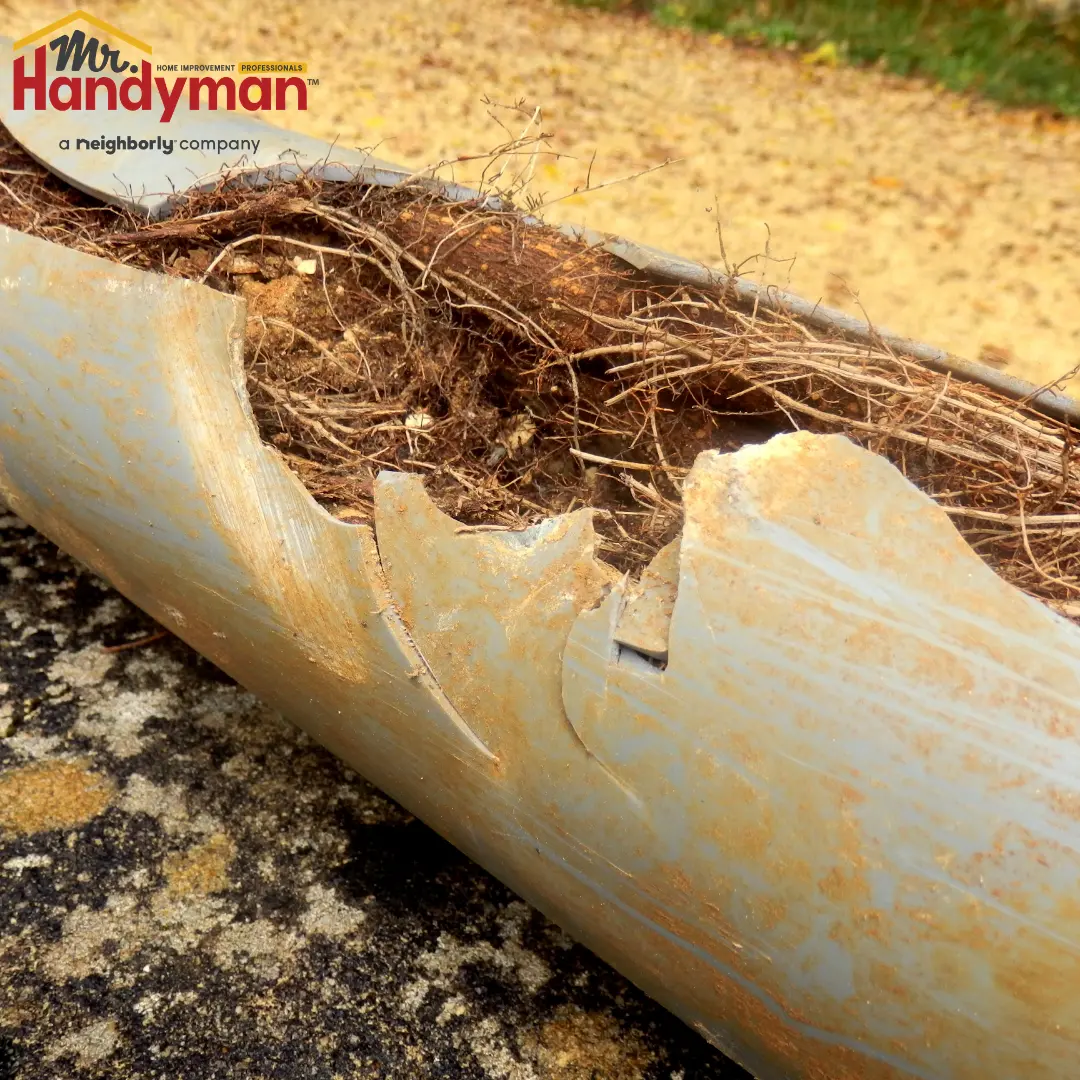
Eastern Panhandle tree species including the mature oaks, maples, tulip poplars, and the various deciduous trees that the Shenandoah Valley's landscape supports develop the extensive root systems that the region's periodic dry summer periods encourage to grow aggressively toward reliable moisture sources, and residential sewer lines represent exactly the reliable moisture and nutrient source that tree root systems exploit through the joint separations and cracks that older sewer lines develop through years of service. Once a root system has entered a sewer line, its growth within the line is accelerated by the continuous moisture and nutrient availability the line provides, advancing the restriction that the rain event's additional infiltration volume pushes past the backup threshold.
Homes in Martinsburg's historic neighborhoods and Charles Town's established residential areas with mature oaks, silver maples, or other large-canopy trees within twenty feet of the sewer line's path from the house to the municipal connection are the specific properties in the Eastern Panhandle's established communities whose root intrusion risk is highest and whose proactive assessment before rainy season activity peaks is most productive.
Limestone Karst Soil Conditions and Joint Stress
The Eastern Panhandle's limestone karst geology creates specific sewer line joint stress conditions that communities without equivalent karst geology don't experience at the same intensity. The variable soil depth over limestone bedrock that karst landscapes create produces uneven support conditions beneath buried sewer lines, where sections of the line may rest on solid limestone bedrock while adjacent sections span void spaces in the soil profile that karst dissolution has created. This uneven support creates the differential settlement and pipe misalignment that joint separation and sewer line crack development results from in the Eastern Panhandle's karst soil environment.
The seasonal moisture cycling that Berkeley and Jefferson County's climate creates in the soil surrounding buried sewer lines, between spring's well-watered conditions and the dry summer periods that the Eastern Panhandle experiences through July and August, advances the soil shrinkage and expansion that differential settlement produces in karst soil profiles at rates that more uniform soil conditions without karst variability don't generate at the same pace. Camera inspection that evaluates sewer line joint condition and alignment in Eastern Panhandle karst soil properties identifies the specific misalignment and joint separation conditions that this geology creates before rainy season groundwater pressure exploits them.
Older Pipe Materials in Eastern Panhandle Communities
The sewer line materials serving homes throughout Martinsburg's historic district and Charles Town's established neighborhoods reflect the installation standards of the construction eras when each home was built and each sewer connection was made. Clay tile pipe used in the earliest sewer installations throughout the Eastern Panhandle's established communities is the material most susceptible to root intrusion and joint separation because clay tile joints are mechanically connected rather than fused, creating the gaps at each joint section that root systems and groundwater infiltration exploit. The vitrified clay pipe that later installation eras used provides better root resistance than unglazed clay tile but still presents the mechanical joint vulnerability that Eastern Panhandle tree root systems consistently exploit through their aggressive growth toward reliable moisture sources.
Cast iron sewer line in Eastern Panhandle homes from the mid-twentieth century develops the interior corrosion that the Eastern Panhandle's mineral water characteristics advance in metal pipe surfaces, progressively reducing the pipe's effective flow area and creating the structural failure points that groundwater infiltration enters through during rain events when the soil saturation pressure at every sewer line opening is at its seasonal peak.
The Prevention Framework: What Eastern Panhandle Homeowners Can Do
Downspout and Surface Drainage Management
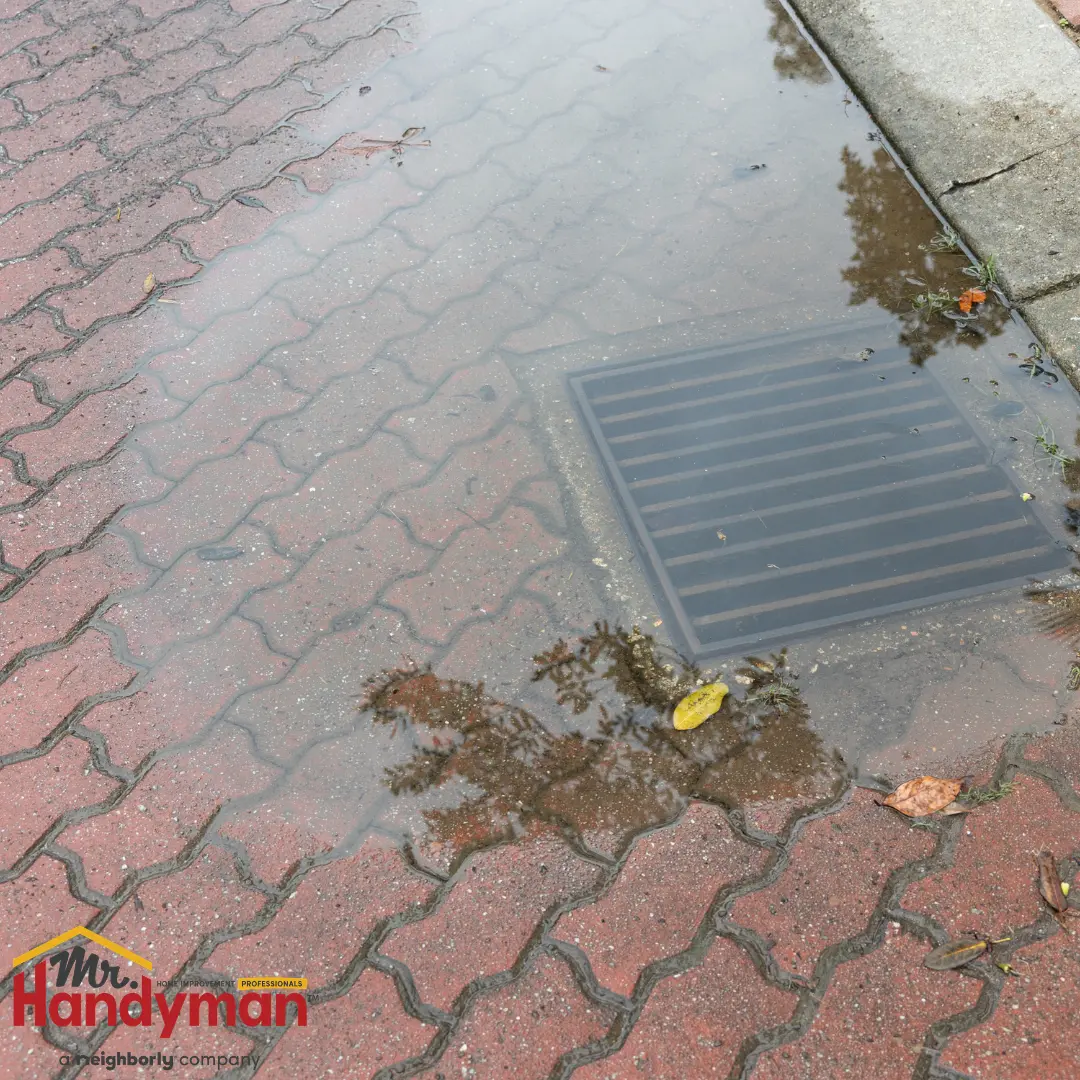
The most immediately accessible sewer line protection step that Martinsburg and Charles Town homeowners can take addresses where rainwater goes after it falls on the property, because managing that surface water movement determines how much groundwater infiltrates toward the buried sewer line and through whatever cracks and joint separations that sewer line has developed. The Eastern Panhandle's limestone karst drainage characteristics make this surface water management specifically important because the rapid groundwater response that karst geology creates means that surface water reaching the ground near the sewer line's path converts to subsurface infiltration pressure at the sewer line faster than more uniform soil drainage would allow.
Downspout extensions that move roof drainage discharge at least four feet from the foundation, splash blocks that direct discharge away from the house rather than allowing it to pond at the foundation perimeter, and grade correction at the low spots where water accumulates rather than draining away from the building all reduce the groundwater load that rain events impose on the soil surrounding the sewer line. In the Eastern Panhandle's karst drainage environment, these surface water management measures are specifically more impactful than equivalent measures in non-karst geologies because the rapid subsurface drainage that karst allows means that surface water reaching the ground near the sewer line converts to sewer line infiltration pressure more quickly and more completely than slower-draining soils would allow.
Stormwater and Foundation Drain Connections
Some Martinsburg and Charles Town homes, particularly those in older construction eras when combined sewer practices were more common, have roof drains, foundation perimeter drains, or sump pump discharge connected to the sanitary sewer system rather than to a separate stormwater disposal path. This connection means that the concentrated roof drainage and groundwater collection that rain events generate enters the sanitary sewer system and contributes to the capacity overload that sewer backups result from when the combined storm and sanitary flow exceeds the sewer system's designed capacity.
The Eastern Panhandle's limestone karst geology makes this combined connection specifically impactful because the rapid groundwater response that karst drainage creates concentrates the foundation drain collection into the sanitary sewer more quickly than more uniform soil drainage would generate from equivalent rainfall. Confirming whether the home has combined connections and separating them from the sanitary sewer to a daylight discharge point or appropriate stormwater disposal is a project whose sewer backup prevention benefit during the Eastern Panhandle's spring rain season is particularly direct given the karst drainage characteristics that the region's geology creates.
Tree Root Management Before Rainy Season
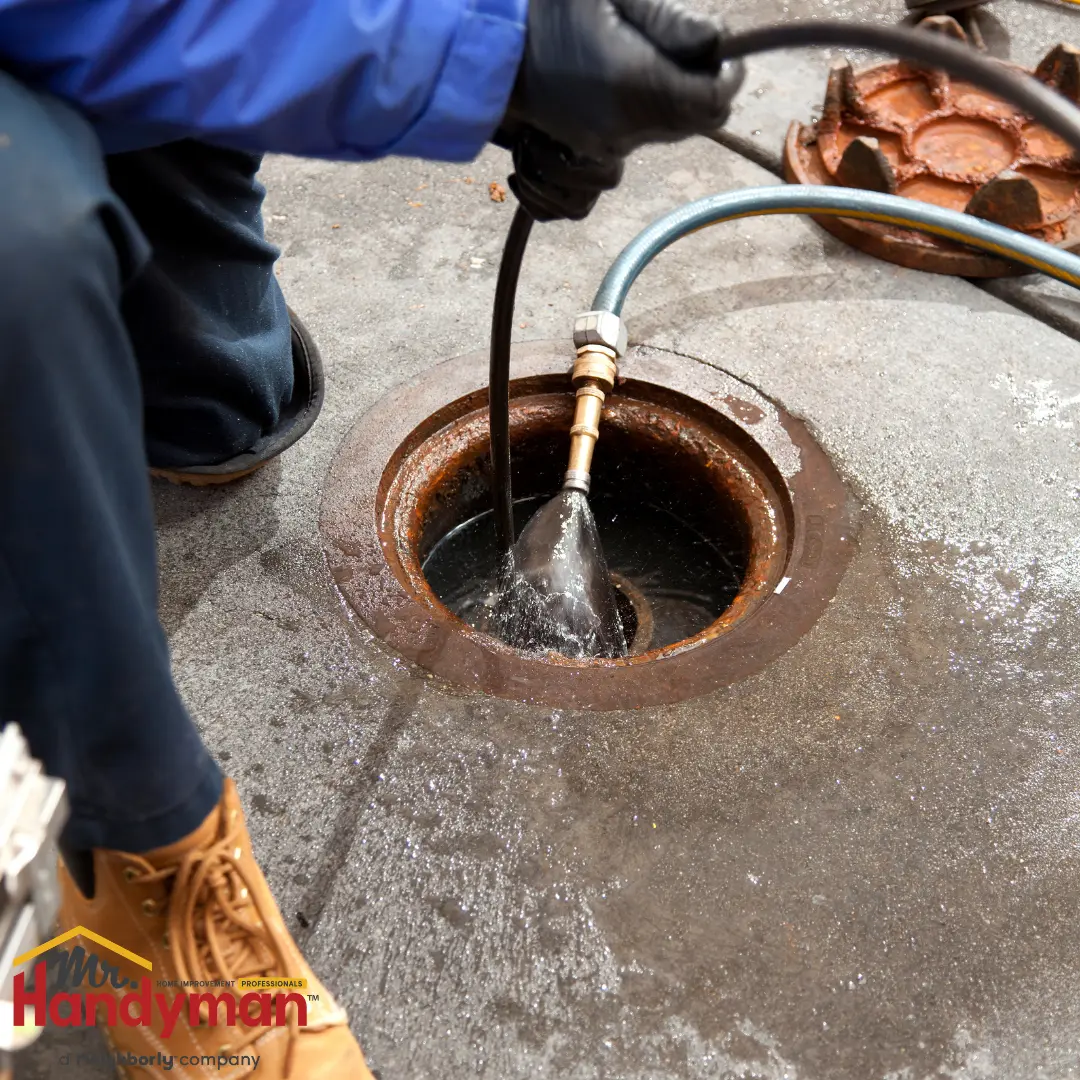
For Martinsburg and Charles Town homeowners whose established landscape includes mature trees near the sewer line path and whose sewer service history includes any root-related maintenance, proactive root management before rainy season is the prevention approach that keeps root accumulation from advancing to the backup-causing blockage level during the wet months when karst soil saturation maximizes infiltration pressure at every sewer line opening. Mechanical root cutting through the sewer line removes the root mass that has accumulated within the pipe since the previous service, restoring flow capacity before the rainy season adds the infiltration volume that partially blocked capacity cannot handle.
The Eastern Panhandle's aggressive tree root growth toward reliable moisture sources in the karst soil environment means that root management intervals in Berkeley and Jefferson County sewer lines may need to be more frequent than equivalent management in communities without the karst soil conditions that encourage extensive root system development toward buried plumbing. Post-cutting camera inspection that documents the entry points and the pipe condition at those locations establishes the accurate baseline that determines whether ongoing root cutting maintenance is the appropriate management approach or whether the sewer line's structural condition warrants the lining or replacement that more comprehensive correction provides.
Grease and Debris Management
The rainy season backup risk in Eastern Panhandle homes is compounded in sewer lines that carry the grease and debris accumulation that inadequate drain maintenance allows to narrow the pipe's effective flow area before the rain event adds its infiltration contribution. The Eastern Panhandle's mineral water dimension adds the specific accumulation of mineral scale on sewer line interior surfaces that the region's limestone water quality creates alongside the grease and organic debris that kitchen and household drain use deposits, reducing the effective flow area that rainy season infiltration volume demands from every available cross-section of the sewer line.
Maintaining the kitchen drain discipline that keeps grease out of the drain system, using strainers that capture food particles, and treating kitchen drains monthly with the hot water and dish soap regimen that addresses minor grease accumulation contribute to the sewer line flow capacity that Eastern Panhandle rainy season conditions demand. The mineral scale accumulation dimension that the region's limestone water creates in sewer line interiors is not directly addressable through homeowner maintenance but is identifiable through camera inspection that professional assessment provides.
Indicators That Warrant Professional Assessment
The Symptoms That Precede Backup
Sewer line conditions developing toward rainy season backup capacity problems in Martinsburg and Charles Town homes typically announce themselves through specific symptoms that professional assessment identifies as the warning indicators they represent before the backup event that more obvious symptoms follow. Multiple slow drains throughout the home simultaneously indicates a restriction in the main sewer line downstream from all those fixtures rather than individual drain clogs that separate causes would explain. A single slow drain is almost always a drain-specific accumulation issue. Multiple simultaneous slow drains point toward the main sewer line as the location where restriction is developing toward the backup threshold that rainy season's additional infiltration volume will push past.
Gurgling sounds in toilets or floor drains when other fixtures drain indicates that the air displacement from draining water is finding its way through water seals in other fixtures rather than through the vent system, which means either the vent system is blocked or the sewer line is restricted enough that water drainage is pulling air through available water seals rather than receiving it from the vent. Either condition warrants professional assessment before rainy season's active period adds the infiltration volume that the restricted line cannot handle alongside household wastewater.
Sewage odor at drain locations during or following rain events specifically suggests the inflow and infiltration dynamic that rainy season sewer problems are characterized by in the Eastern Panhandle's karst geology environment, because the rapid groundwater pressure that karst drainage creates at sewer line openings during rain events pushes sewer gas past drain trap water seals at the pressure that normal conditions without karst-accelerated groundwater response don't create.
Camera Inspection as the Definitive Assessment Tool
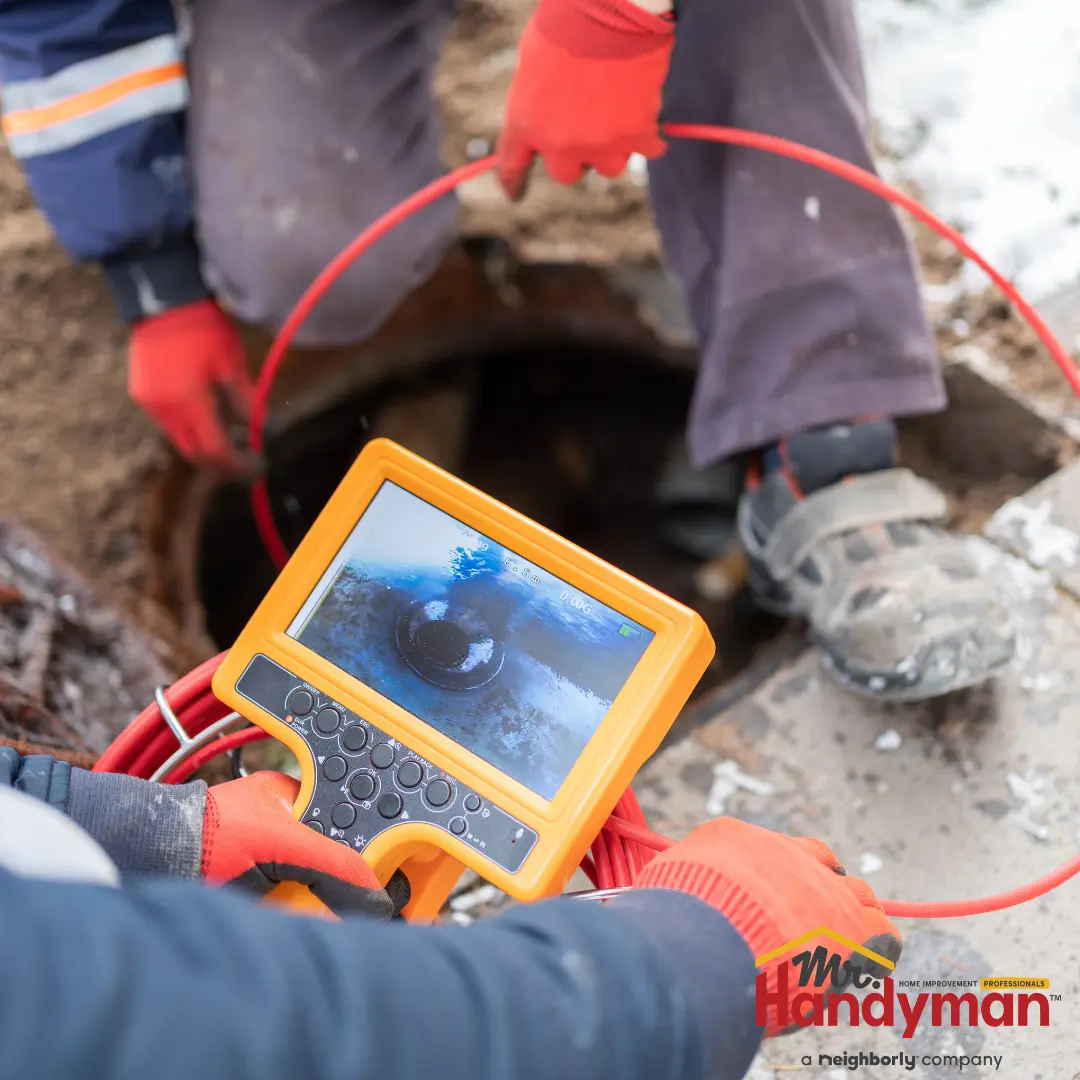
The specific condition of a residential sewer line in Martinsburg and Charles Town cannot be accurately assessed from the symptoms the system produces or from pipe age and material without direct visual observation of the line's actual condition. Camera inspection provides the visual documentation that accurately identifies root intrusion locations, pipe misalignment from the karst soil differential settlement that Eastern Panhandle geology creates, joint separation, crack locations, grease and mineral scale accumulation, and any other specific conditions the line has developed through its Eastern Panhandle service history.
The karst geology dimension makes camera inspection specifically valuable in Eastern Panhandle sewer line assessment because the differential settlement and pipe misalignment that karst soil variability creates in buried pipe produces specific visual patterns that camera inspection identifies and that symptom assessment alone cannot distinguish from the equivalent visual patterns that soil settlement in non-karst conditions creates. Understanding which specific misalignment mechanism is operating at each identified location in the Eastern Panhandle's karst soil environment informs the repair or replacement decision more accurately than symptom assessment without camera confirmation.
Cleanout Access Confirmation
Sewer line maintenance and emergency response both require cleanout access, and Martinsburg and Charles Town homeowners whose cleanout locations are unknown, buried under landscape growth, or inaccessible due to modifications since the cleanout was installed create the access problem that emergency sewer response discovers at the most urgent possible moment. In the Eastern Panhandle's established neighborhoods where original sewer installations from earlier decades may have been modified through successive ownership without updated documentation of cleanout locations, cleanout access confirmation before rainy season is the preparation step that ensures emergency response has the access point it requires without the additional locating and excavation work that inaccessible cleanouts add to an already urgent situation.
Locating and confirming access to the sewer cleanout, marking its location for future reference, and confirming that the cap is removable without specialized tools are the preparation steps that take a few minutes and potentially save significant time and cost during the rainy season backup event that inaccessible cleanouts complicate. For homes whose original cleanout installation cannot be located through reasonable property search, installing a new cleanout at an accessible location as part of the pre-rainy-season preparation eliminates the access problem before it becomes consequential.
Frequently Asked Questions
How does the Eastern Panhandle's limestone karst geology specifically affect sewer backup risk during rain events?
The limestone karst geology that underlies Berkeley and Jefferson Counties creates subsurface drainage networks and variable soil depth over bedrock conditions that cause groundwater levels to respond more rapidly to surface rainfall than more uniform soil profiles without karst drainage allow. This rapid groundwater response means that the saturation of the soil surrounding buried sewer lines in Eastern Panhandle karst areas occurs faster during rain events than in non-karst geologies, creating the subsurface pressure at sewer line cracks and joint separations that drives infiltration into the sewer system more quickly and more completely than slower-draining soils would allow. Eastern Panhandle homeowners should specifically consider this karst drainage acceleration when evaluating their sewer backup risk relative to the general guidance appropriate for non-karst communities.
How often should sewer lines in older Martinsburg and Charles Town homes be camera inspected?
Homes in established Martinsburg and Charles Town neighborhoods with mature landscape trees near the sewer line path, clay tile or cast iron pipe materials from earlier installation eras, and the Eastern Panhandle's karst soil conditions affecting the differential settlement that buried pipe experiences benefit from camera inspection every two to three years as a proactive maintenance interval. The combination of aggressive root growth toward reliable moisture sources in karst soil environments, the older pipe materials common in the region's established neighborhoods, and the rapid groundwater response that karst geology creates during rain events makes more frequent inspection appropriate in Eastern Panhandle properties than equivalent inspection intervals in communities without the same combination of root pressure, pipe age, and karst drainage characteristics.
Does homeowners insurance cover sewer backup damage in West Virginia?
Standard homeowners insurance policies in West Virginia typically exclude sewer backup damage from the base policy, with coverage available as an endorsement that specifically adds sewer backup protection. The Eastern Panhandle's karst geology and the rapid groundwater response it creates during rain events makes sewer backup risk in Berkeley and Jefferson County properties a more consistently present risk than the same coverage consideration represents in communities without equivalent karst drainage characteristics. Martinsburg and Charles Town homeowners who have not reviewed their policy's sewer backup provisions should confirm their coverage status with their insurance agent, particularly given the Eastern Panhandle's specific geological conditions that affect sewer backup risk throughout the service area.
What should Eastern Panhandle homeowners do immediately when they experience a sewer backup?
Stop using all water-consuming fixtures immediately, including toilets, sinks, showers, dishwashers, and washing machines, because every fixture use adds water to the sewer system that cannot flow past the backup point and will increase the backup volume inside the home. Avoid contact with the backed-up material, which represents a serious health hazard requiring the protective measures that sewage exposure warrants. Contact a licensed plumber for emergency sewer line service to restore flow, and contact Mr. Handyman of Martinsburg and Charles Town for the follow-up assessment and maintenance services that address the underlying condition once the emergency service has restored flow and the immediate situation has been managed safely.
The Rainy Season That Doesn't Reach the Interior
The Martinsburg and Charles Town home whose sewer line has been assessed for its rainy season vulnerability with awareness of the Eastern Panhandle's karst geology and its specific groundwater response characteristics, whose surface drainage directs rainwater away from the sewer line path and prevents the rapid karst drainage conversion that surface accumulation near the sewer creates, whose root management has kept the line's flow capacity adequate for combined household and infiltration demand, whose combined stormwater connections have been identified and separated from the sanitary sewer, and whose homeowner knows the cleanout location and the backup symptoms that warrant professional response before backup occurs, is the home whose Eastern Panhandle rainy season passes without the sewer event that the region's karst drainage and active spring rainfall annually threatens in homes that haven't made the same preparation.
Mr. Handyman of Martinsburg and Charles Town helps homeowners throughout the Eastern Panhandle with the maintenance, assessment, and repair services that rainy season sewer line protection requires before the season's most active months arrive.
Website: https://www.mrhandyman.com/martinsburg-charles-town/
Serving Martinsburg, Charles Town, and the surrounding Eastern Panhandle communities with dependable service and the expertise your home deserves.