
The Eastern Panhandle Water Heater Decision Has Regional Dimensions Worth Understanding
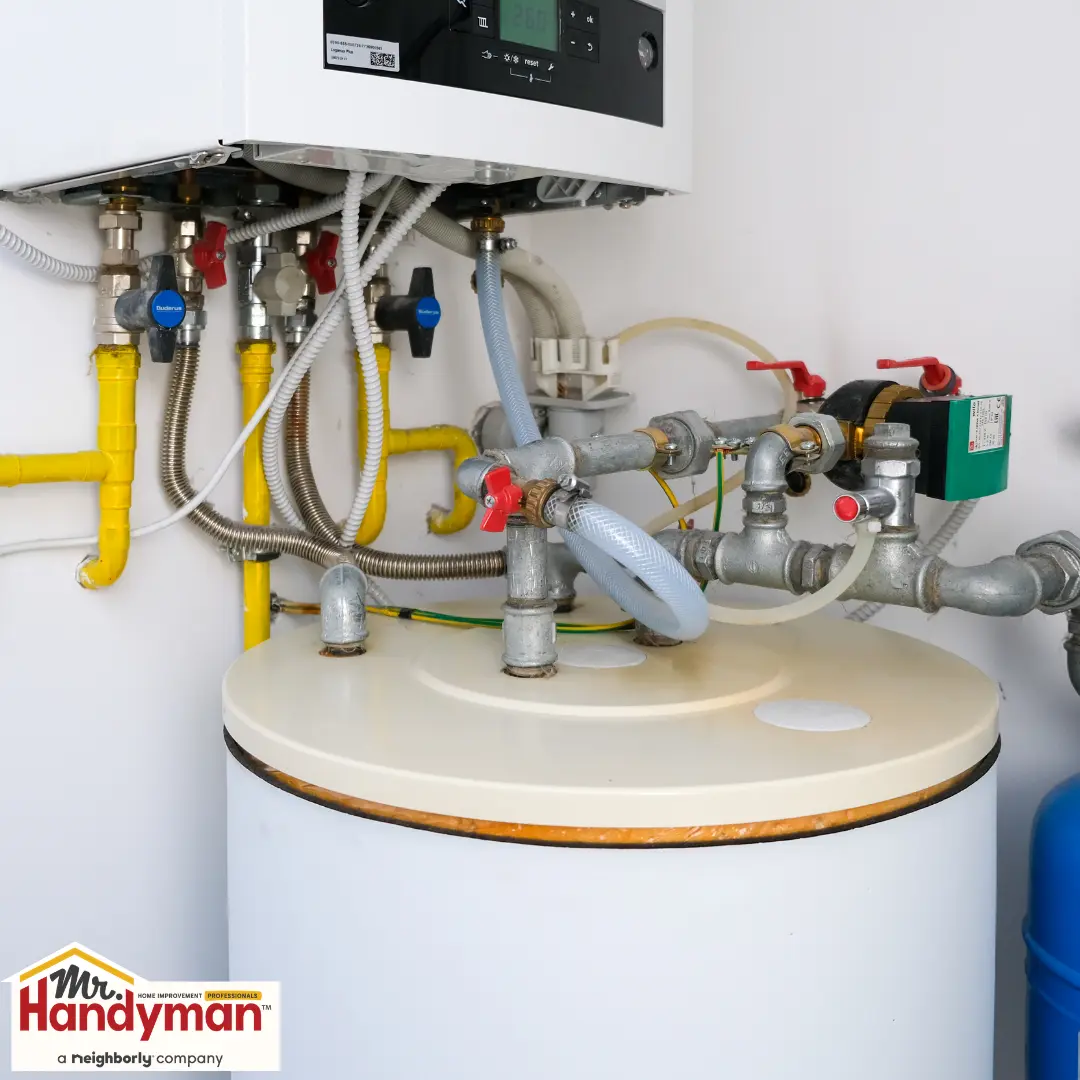
The repair versus replacement decision for a water heater is one that homeowners in Martinsburg, Charles Town, Ranson, Shepherdstown, and the surrounding Eastern Panhandle communities face with the urgency that any significant household mechanical system failure creates, and the factors shaping that decision in this market reflect the regional specificity that the Shenandoah Valley's water chemistry, the Eastern Panhandle's transitional climate, and the diverse housing stock that Berkeley and Jefferson Counties carry all contribute in ways that national guidance calibrated to average conditions does not fully address.
The water chemistry dimension is the most regionally distinctive factor in the Eastern Panhandle water heater evaluation. The limestone aquifer systems that the Shenandoah Valley's carbonate geology produces deliver the mineral content that both Martinsburg's municipal supply and the private wells serving rural Berkeley and Jefferson County properties carry to residential water heaters as the calcium and magnesium that precipitates from solution when that water is heated. The sediment accumulation that this precipitation creates in tank water heaters in the Eastern Panhandle advances the efficiency reduction, capacity limitation, and tank deterioration that service life ends with at rates that softer water supply environments do not produce between comparable maintenance intervals. Understanding that regional water chemistry acceleration as a baseline factor in the Eastern Panhandle water heater evaluation produces more accurate service life and repair investment assessments than national averages calibrated to conditions that do not include the limestone aquifer mineral content that Berkeley and Jefferson Counties consistently deliver to residential hot water systems.
The transitional climate dimension of the Eastern Panhandle water heater context reflects the freeze-thaw cycling and the seasonal temperature variation that the Shenandoah Valley's inland position delivers to the mechanical rooms and utility spaces where water heaters are installed in Martinsburg and Charles Town area homes. The temperature variation between the freeze events that the valley's cold air channeling creates and the summer warmth that the mid-Atlantic region delivers cycles water heater tank assemblies and supply connections through the thermal stress that the Eastern Panhandle's transitional climate creates at rates that the more stable temperature environments of coastal mid-Atlantic markets to the east do not produce at the same amplitude.
What the Eastern Panhandle's Limestone Water Chemistry Does to Water Heaters
The Shenandoah Valley's limestone aquifer mineral content creates the most regionally specific factor in the water heater repair versus replacement evaluation for homeowners throughout the Berkeley and Jefferson County service area. Both Martinsburg's municipal water treatment and the water chemistry of the private wells that rural Eastern Panhandle properties draw from the regional aquifer system deliver the calcium and magnesium content that carbonate geology consistently contributes to the water supply in ways that the regional hard water character reflects.
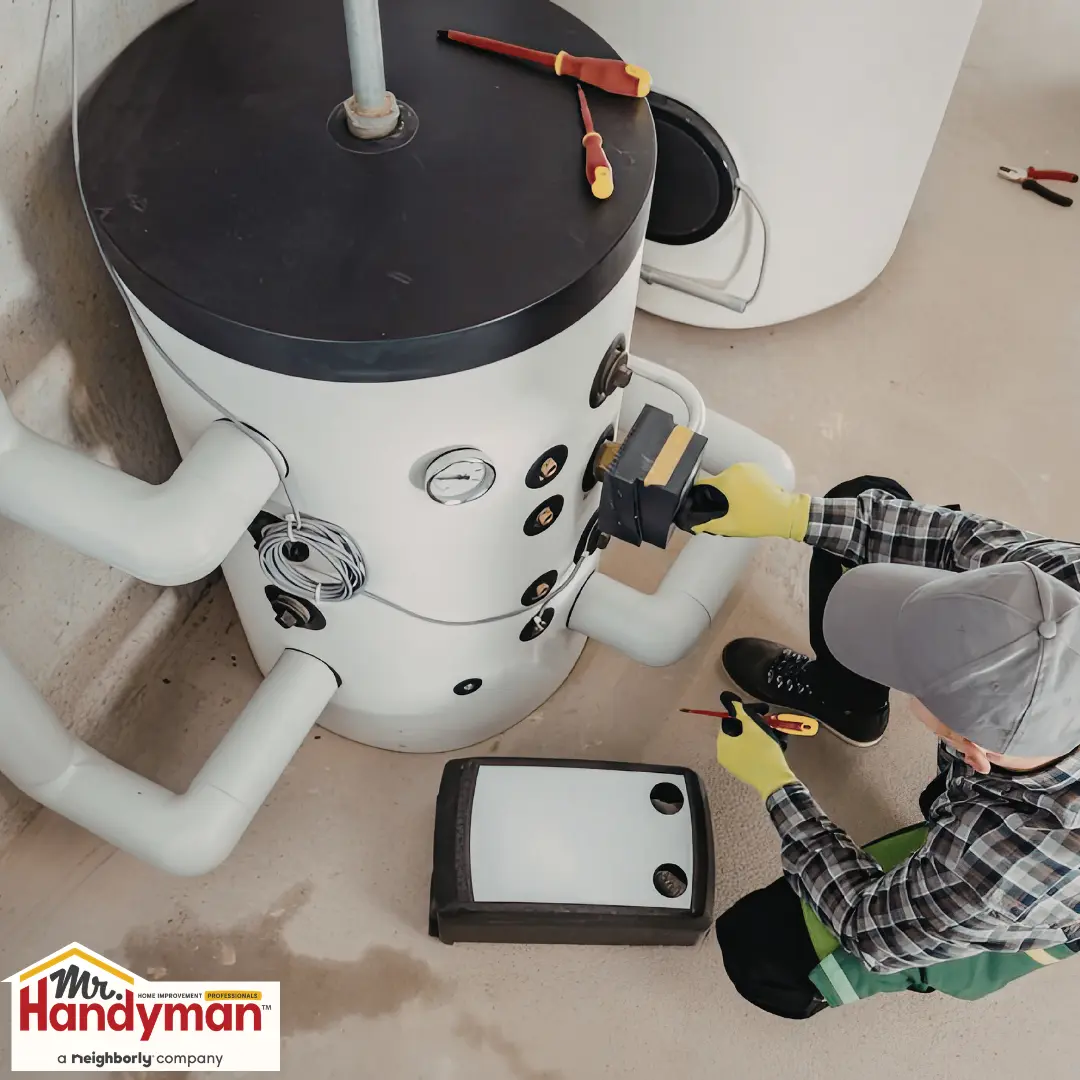
Sediment accumulation at tank bottoms in Eastern Panhandle tank water heaters reflects the mineral precipitation that heated water from the limestone aquifer system deposits progressively in tank floors and on heating surfaces. A Martinsburg or Charles Town water heater without the annual flushing maintenance that the regional water chemistry specifically warrants has been adding to its sediment layer through every year of operation, and the insulating layer that accumulates reduces the heating efficiency of electric elements and creates the hot spots that gas burner heat cannot transfer through effectively in ways that advance the operational cost and component deterioration that service life culminates in.
The rumbling and popping sounds that water heaters in Martinsburg, Charles Town, and Ranson area homes develop communicate the sediment accumulation condition specifically rather than the structural failure that homeowners unfamiliar with this symptom sometimes interpret those sounds as indicating. Water trapped in the sediment layer expands during heating cycles, producing the acoustic communication that the Eastern Panhandle's limestone water chemistry creates in unmaintained tank water heaters at rates that the regional mineral content advances faster than soft water environments produce at comparable service intervals without maintenance. This symptom warrants professional assessment that evaluates the tank's overall condition alongside the sediment condition rather than the automatic replacement decision that the sounds' alarming character might suggest to homeowners encountering this symptom for the first time.
Anode rod depletion in Eastern Panhandle water heaters reflects the rate at which the Shenandoah Valley's limestone water chemistry depletes the sacrificial anode that protects the tank interior from corrosion. The mineral content and specific water chemistry parameters that the regional aquifer system delivers affect anode rod depletion rates in ways that the specific water chemistry of each Eastern Panhandle supply source determines rather than a uniform regional rate, and a depleted anode in an otherwise sound water heater represents the repair opportunity that the tank's overall condition and remaining service life position appropriately when the assessment supports repair rather than replacement.
Service Life Expectations in the Eastern Panhandle
Standard tank water heater service life in national guidance typically cites eight to twelve years under average conditions. In Martinsburg, Charles Town, and the surrounding Eastern Panhandle communities, the realistic service life that the regional limestone water chemistry and the transitional climate's thermal cycling create in tank water heaters without consistent annual flushing maintenance runs closer to eight to ten years because the mineral accumulation that the Shenandoah Valley's aquifer system delivers to tank components advances the deterioration that service life ends with faster than the average conditions that national guidance assumes between comparable maintenance intervals.
The Eastern Panhandle's diverse housing stock creates the service life evaluation context that ranges from the newer commuter market development in Berkeley County's growing residential corridors to the historic properties in Charles Town and Harpers Ferry whose water heaters may have been in service through years of previous ownership. A historic Charles Town property with an original or early replacement water heater of unknown service history deserves more conservative replacement evaluation than a newer Martinsburg development home with documented installation records.
The eight-year assessment threshold in an Eastern Panhandle home is the point where repair investment requires the specific condition justification that professional assessment provides.
The Specific Symptoms That Guide the Decision in Eastern Panhandle Homes
The symptoms that water heaters in Martinsburg, Charles Town, Ranson, and the surrounding Eastern Panhandle communities present communicate the underlying conditions that the Shenandoah Valley's limestone water chemistry, the region's transitional climate cycling, and the service history of Berkeley and Jefferson Counties' diverse housing stock create in these systems, and understanding what each symptom indicates about the appropriate response distinguishes repair investment that extends meaningful service life from investment that delays the replacement the unit's cumulative condition already warrants.
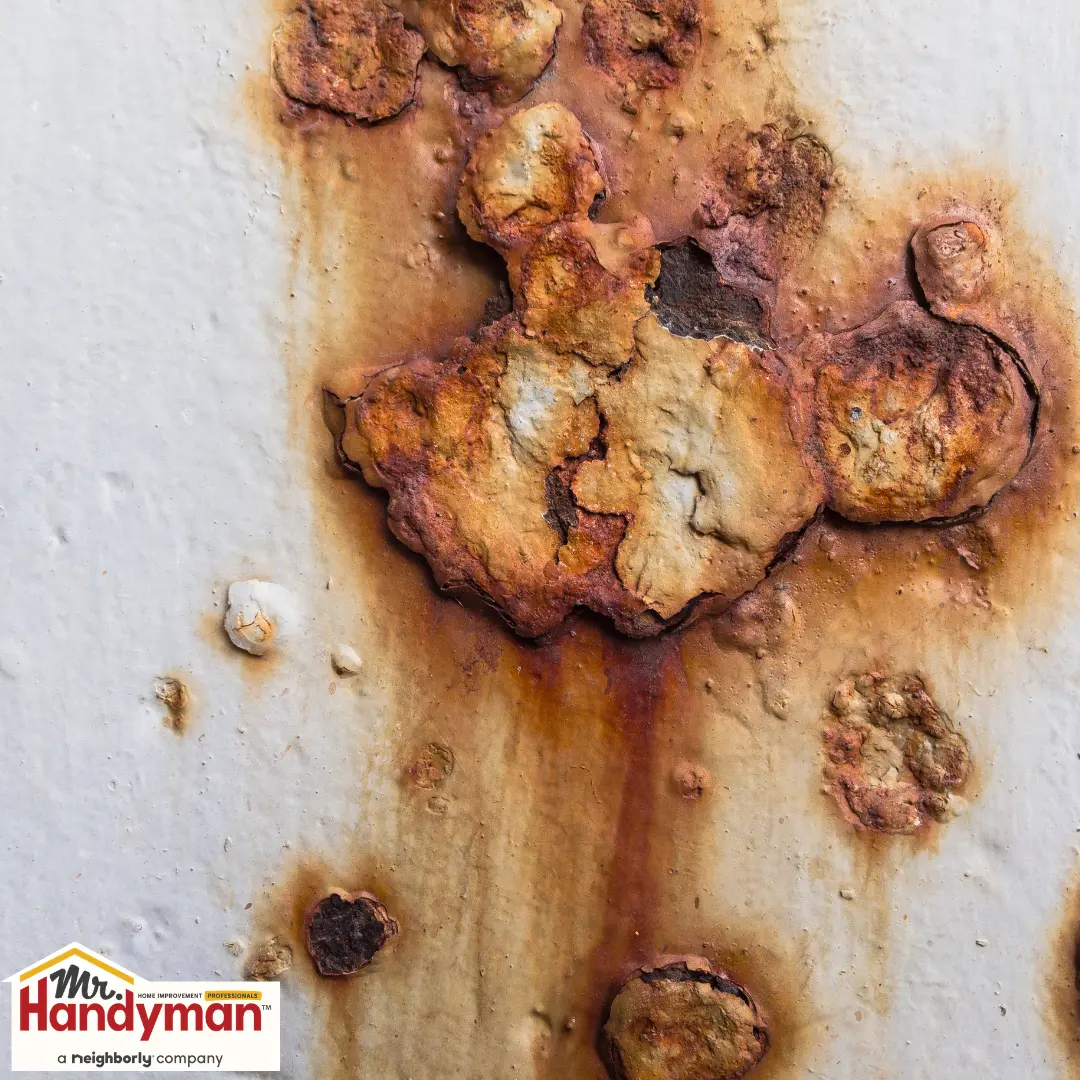
Rust-colored or discolored hot water from household fixtures is the symptom most directly indicating tank interior corrosion that the sacrificial anode has depleted past its protective function against the limestone mineral content that the Eastern Panhandle's regional water supply delivers to the tank interior. In Martinsburg and Charles Town homes where the Shenandoah Valley's carbonate water chemistry affects how quickly anode rods deplete, discolored hot water warrants the professional assessment that distinguishes an anode depleted past its protective threshold in an otherwise sound tank from a tank that has corroded beyond the point where anode replacement restores meaningful protection. The first scenario is a repair opportunity in a unit whose overall condition supports that investment. The second is a replacement scenario whose timeline the Eastern Panhandle's limestone water chemistry may have accelerated beyond what calendar age alone would suggest.
Water pooling at the tank base definitively indicates replacement in any Eastern Panhandle home regardless of the unit's calendar age, the limestone water chemistry conditions that accelerated corrosion's development, or any other factor. A tank wall breach cannot be repaired, and in the Eastern Panhandle's mid-Atlantic climate where the warm, humid spring and summer conditions that the region delivers advance biological growth and material deterioration in moisture-affected spaces, the moisture that a breached tank introduces to the mechanical room or utility closet warrants the immediate replacement that prevents the secondary damage that Eastern Panhandle conditions sustain aggressively once moisture and warmth combine.
Insufficient hot water volume or inconsistent temperature in an Eastern Panhandle home requires the diagnostic distinction between the sediment accumulation that the Shenandoah Valley's limestone water chemistry creates in unmaintained tank water heaters and the genuine capacity inadequacy that represents a replacement necessity. A unit that delivered adequate hot water volume previously but now struggles with the household's demand may be carrying the sediment that the regional mineral content deposits in tank bottoms, reducing effective capacity by insulating heating elements and occupying tank volume. Professional flush and capacity assessment following sediment removal distinguishes the unit that recovers adequate function from the one whose additional aging and component conditions make replacement appropriate even after service.
The Financial Case for Replacement in the Eastern Panhandle
Energy efficiency improvement from replacement with a current high-efficiency unit delivers financial returns against the utility rates that Potomac Edison, Appalachian Power, and the other utilities serving Eastern Panhandle residential customers charge for electricity and natural gas. An Eastern Panhandle water heater operating with the accumulated limestone sediment that the regional water chemistry creates in unmaintained tank bottoms is paying the efficiency penalty that sediment insulation creates in every heating cycle, and replacement with a current energy-factor-rated unit eliminates both the sediment penalty and delivers the efficiency improvement that modern water heating technology provides over the aging units it replaces.
Tankless water heater consideration for Eastern Panhandle homes addresses the standby heat loss elimination that on-demand heating provides and the sediment accumulation problem that the Shenandoah Valley's limestone water chemistry creates in tank units. Tankless units eliminate the sediment accumulation that the regional carbonate mineral content continuously deposits in tank bottoms, delivering both the efficiency improvement from standby loss elimination and the maintenance simplification from sediment accumulation removal simultaneously. The incoming water temperature that the Eastern Panhandle's transitional climate delivers to tankless units, which varies between the cooler supply temperatures of winter and the warmer supply temperatures of summer, requires the sizing calculation that accounts for the region's actual seasonal temperature variation rather than the stable supply temperature that moderate coastal mid-Atlantic markets provide year-round.
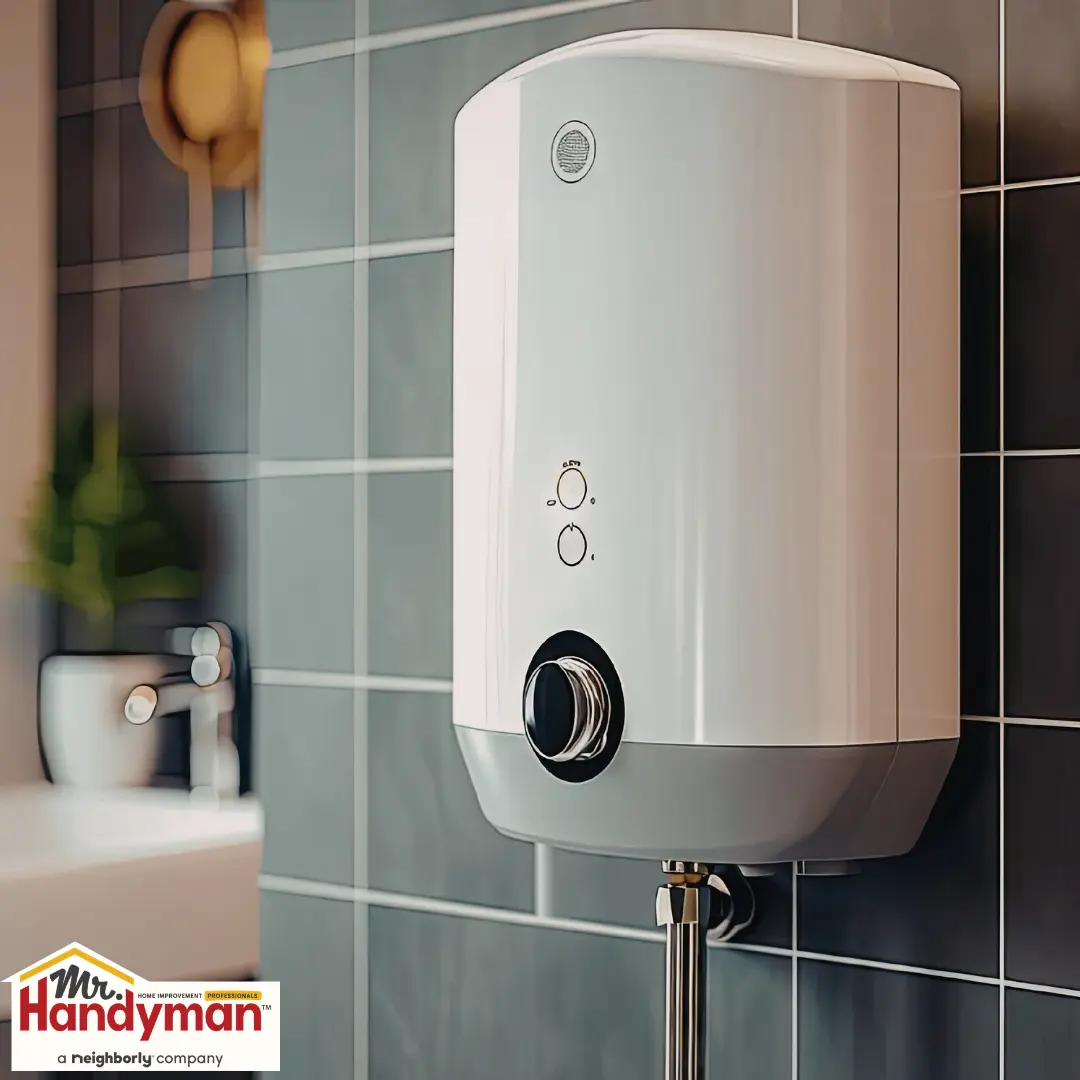
Heat pump water heaters in Eastern Panhandle applications deliver strong efficiency returns in the installation contexts where the technology's performance characteristics align with the conditions the specific Eastern Panhandle home provides. The utility spaces and mechanical rooms where water heaters are installed in Martinsburg and Charles Town area homes maintain the temperature conditions that support heat pump water heater operation effectively through the mid-Atlantic region's moderate climate for most of the year, and the energy savings that heat pump water heating provides against Eastern Panhandle utility rates compounds through the full annual cycle.
Making the Proactive Decision in the Eastern Panhandle
Spring evaluation timing for Eastern Panhandle water heater assessment provides the post-winter condition assessment that confirms whether the freeze-thaw cycling that Berkeley and Jefferson Counties deliver through the transitional mid-Atlantic winter produced any additional stress in tank assemblies and supply connections, and the moderate-temperature access that physical inspection and any service work benefits from before summer's demands compete for contractor scheduling.
The commuter market housing consideration creates a specific proactive replacement context for the Eastern Panhandle's significant commuter-market homeowner population. Properties whose owners relocated from the more moderated coastal mid-Atlantic markets may be carrying water heaters whose service history in the Eastern Panhandle's limestone water chemistry environment has advanced sediment accumulation and component deterioration beyond what the owner's previous market experience would suggest is typical for a unit of the same calendar age. An eight-year water heater in a Martinsburg or Ranson home that has been managing the Shenandoah Valley's mineral-bearing water without consistent annual flushing has accumulated more regional water chemistry deterioration than an eight-year unit in a softer water environment, and that accelerated condition progression warrants earlier replacement evaluation than calendar age alone indicates.
Frequently Asked Questions
At what age should I begin evaluating my Eastern Panhandle water heater for replacement? Seven to eight years of service in a Martinsburg or Charles Town area home with the limestone mineral accumulation that the Shenandoah Valley's water chemistry creates without consistent annual flushing maintenance is the appropriate threshold for beginning replacement evaluation. At seven years with the Eastern Panhandle's hard water conditions, the unit has accumulated the sediment, anode depletion, and component wear that the regional limestone water chemistry creates at rates that put it within the range where the next significant symptom or repair requirement warrants replacement consideration rather than the automatic repair that the same symptom at three years of service would more straightforwardly justify.
Is annual water heater flushing worth the effort in an Eastern Panhandle home? Annual flushing in the Martinsburg and Charles Town area is among the most financially justified water heater maintenance investments available to regional homeowners specifically because the Shenandoah Valley's limestone water chemistry creates sediment accumulation at rates that make the efficiency and capacity consequences of skipped maintenance more significant here than in softer water supply environments. An Eastern Panhandle water heater that receives consistent annual flushing reaches its service life threshold in meaningfully better condition and at a later calendar age than an identical unit in the same home without that maintenance, and the extended service life that consistent maintenance produces compounds the financial return of the modest annual investment against the replacement cost that earlier deterioration without maintenance requires.
What type of water heater performs best in Eastern Panhandle conditions? Tankless water heaters address the sediment accumulation problem that the Shenandoah Valley's limestone water chemistry creates in tank units while delivering the standby heat loss elimination that on-demand heating provides. For the Eastern Panhandle specifically, tankless sizing should account for the incoming water temperature variation that the region's transitional climate creates between winter's cooler supply temperatures and summer's warmer supply, because adequate sizing for winter's lower incoming temperature produces the performance through the full Eastern Panhandle seasonal cycle that undersizing for moderate supply temperature assumptions would not deliver during the heating season's cold periods. Heat pump water heaters deliver strong efficiency returns in Eastern Panhandle applications where the installation space provides the temperature conditions that the technology's heat transfer mechanism requires.
How does the Eastern Panhandle's limestone water chemistry affect the repair versus replacement decision specifically? The Shenandoah Valley's limestone aquifer mineral content accelerates both the sediment accumulation that reduces efficiency and capacity in tank water heaters and the anode rod depletion that allows tank interior corrosion to develop, advancing the condition thresholds where repair investment becomes less financially justified than replacement at earlier calendar ages than national guidance calibrated to average water quality suggests. The professional evaluation that assesses current condition against the Eastern Panhandle's specific water chemistry effects provides more accurate replacement timing guidance for Martinsburg and Charles Town area homeowners than the age-based rules of thumb that moderate water quality environments calibrate to conditions that the regional limestone aquifer system consistently exceeds in mineral contribution to residential water heaters.
Should I budget differently for water heater replacement in an Eastern Panhandle home than national cost estimates suggest? Eastern Panhandle water heater replacement costs reflect the regional labor market and the specific installation conditions of the home rather than diverging dramatically from mid-Atlantic regional averages. The significant investment consideration specific to the Eastern Panhandle context is the whole-house water softener installation that removes the limestone mineral source before installing a new water heater, because a replacement unit installed into untreated Eastern Panhandle water supply will begin the same sediment accumulation cycle that advanced the previous unit's deterioration from the day the new unit begins service. Water softener installation at water heater replacement timing represents the Eastern Panhandle-specific investment that extends the new unit's service life toward the upper range of manufacturer projections rather than the lower end that the regional limestone water chemistry without treatment produces.
The Right Eastern Panhandle Water Heater Decision Made at the Right Time
The water heater replacement versus repair decision in Martinsburg, Charles Town, Ranson, and the surrounding Eastern Panhandle communities is worth making deliberately before the limestone water chemistry, the transitional climate cycling, and the service history of the regional housing stock together advance the unit's condition to the point where the decision is made reactively under the pressure that failure timing and the household's immediate hot water needs create. The professional assessment that evaluates current condition against the Eastern Panhandle's specific water chemistry and climate effects delivers the replacement timing guidance that protects the household's comfort and the homeowner's investment more effectively than the reactive replacement that deferred evaluation eventually requires.
The team at Mr. Handyman of Martinsburg and Charles Town has the regional experience to evaluate your water heater's condition against the Eastern Panhandle's specific limestone water chemistry and transitional climate conditions and provide the honest assessment that the replacement versus repair decision your household's needs and home's specific circumstances warrant.
Website: https://www.mrhandyman.com/martinsburg-charles-town/
Serving homeowners throughout Martinsburg and Charles Town with dependable service and the expertise your home deserves.
