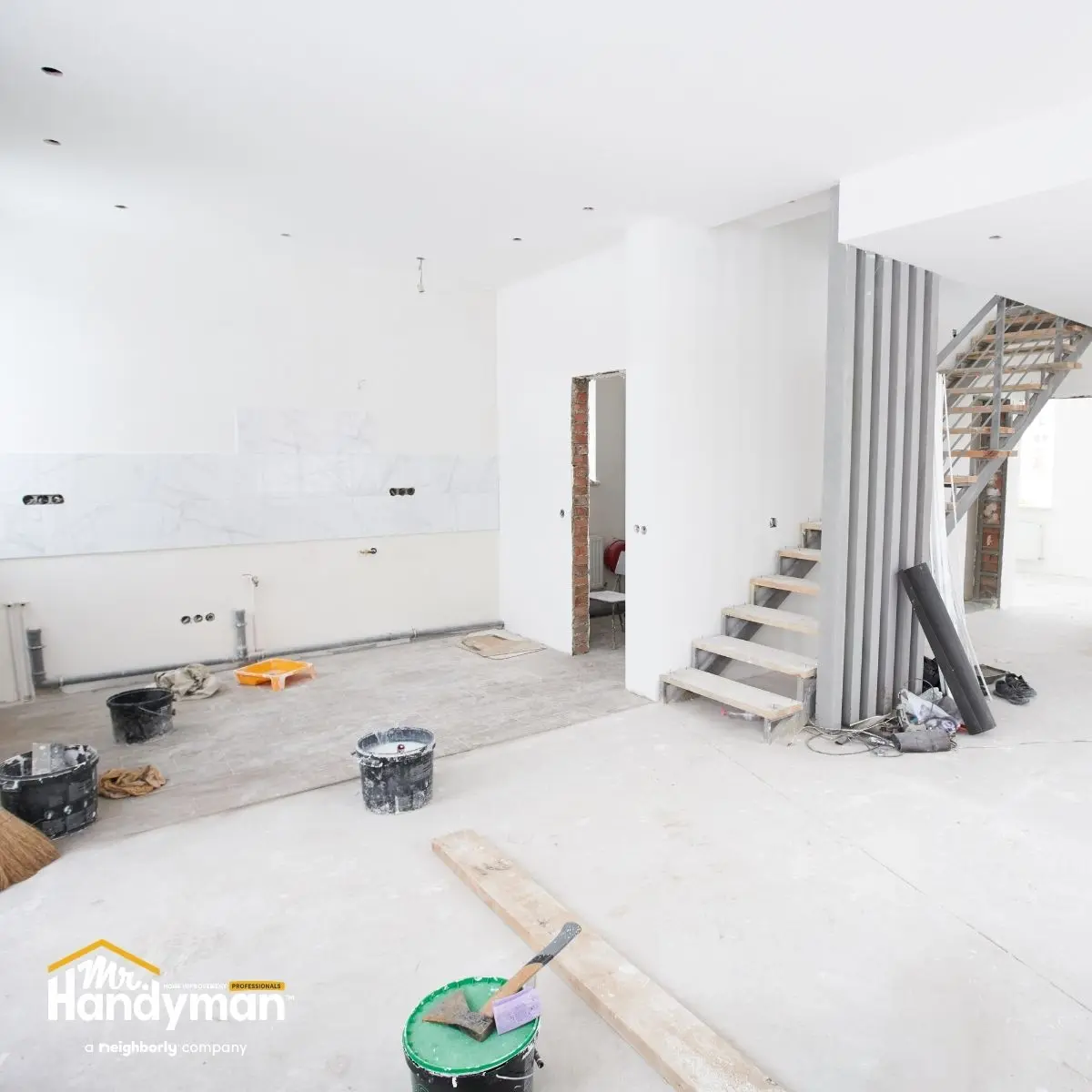
Basements in West Virginia and Maryland homes often serve as storage graveyards. Boxes pile up in corners. Holiday decorations occupy entire walls. Old furniture that didn't make the cut for upstairs rooms sits gathering dust. The space exists, sometimes hundreds of square feet, but it contributes nothing to daily life except a place to put things you don't want to look at.
The reality is that most basements can become functional living space without gutting walls, pouring new floors, or obtaining permits for major construction. Small, strategic improvements transform dark, damp storage areas into rooms your family actually uses. A finished basement doesn't require a complete renovation. It requires addressing the specific problems that make basements uninviting and then making deliberate choices about layout, lighting, and purpose.
Homes built in the 1960s through 1980s, which are common throughout Martinsburg, Charles Town, and Montgomery County, typically have basements with poured concrete or block walls, concrete slab floors, exposed joists, and minimal natural light. These aren't design flaws. They're standard construction for the era. But they do create challenges that keep basements from feeling like real living space.
The difference between a basement that holds boxes and one that holds life comes down to moisture control, lighting, flooring, and defined purpose. You don't need to spend tens of thousands on a contractor-led renovation. You need to make targeted improvements that solve specific problems and create a space people want to be in.
Why Basements Stay Unfinished and Underused
Basements feel different from the rest of your home because they are different. They're built into the ground, which means they're cooler, darker, and more vulnerable to moisture. These aren't fatal flaws, but they do require intentional solutions.
Moisture is the primary reason basements remain storage spaces instead of living spaces. Even basements without standing water deal with elevated humidity. Concrete is porous, and groundwater vapor migrates through foundation walls and floors continuously. In this region's clay-heavy soil, hydrostatic pressure pushes moisture into basements year-round, not just during wet seasons.
That moisture creates musty smells, promotes mold growth, and makes basements feel damp and uncomfortable. No amount of furniture or decoration fixes this. Until moisture is controlled, a basement remains unsuitable for regular occupation.
Lighting is the second barrier. Most basements have one or two bare bulb fixtures that provide enough light to navigate but not enough to make the space feel welcoming. Small windows set high in foundation walls let in minimal natural light. The resulting dim, shadowy environment makes basements feel like utility spaces, not living spaces.
Temperature regulation also matters. Basements are naturally cooler than upper floors, which is pleasant in summer but uncomfortable in winter. Concrete floors radiate cold. Poor insulation in rim joists and around ductwork allows heat loss. Without addressing these issues, basements remain spaces you visit briefly rather than spaces you occupy comfortably.
The lack of defined purpose keeps many basements in limbo. When a space doesn't have a clear function, it becomes a default storage area. Defining what you want the basement to be, whether a playroom, home office, entertainment area, or guest suite, gives you a target for improvements and prevents the space from reverting to a junk repository.
Moisture Control That Makes Everything Else Possible
No other improvement matters if your basement has moisture problems. Furniture mildews. Flooring warps. Electronics corrode. Even minor dampness creates an environment that feels unhealthy and uninviting.
Start by identifying where moisture enters. Walk your basement during or immediately after heavy rain. Look for wet spots on walls, dampness at the floor-wall joint, or water seeping through cracks. These active intrusion points need repair before you make any cosmetic improvements.
Foundation cracks should be sealed with hydraulic cement or epoxy injection, depending on their size and whether they're actively leaking. Hairline cracks that aren't leaking can be sealed with masonry crack filler. Larger cracks or those with active water intrusion require more substantial repair to prevent ongoing problems.
Exterior grading is often the root cause of basement moisture. If soil slopes toward your foundation instead of away from it, water accumulates against basement walls and eventually finds its way inside. Regrading around the foundation so water flows away from the house stops moisture at the source. This isn't always a small project, but it's often the most effective long-term solution.
Gutters and downspouts play a critical role in basement moisture control. Gutters that overflow or downspouts that discharge next to the foundation dump thousands of gallons of water directly against your basement walls during every rainstorm. Extending downspouts at least ten feet from the foundation and ensuring gutters are clean and properly sloped prevents much of this water intrusion.
Interior moisture control starts with a dehumidifier. Basements in this region need dehumidification year-round, not just in summer. A properly sized dehumidifier removes moisture from the air before it condenses on surfaces or soaks into materials. For most basements, a 50 to 70-pint capacity unit is appropriate, but larger spaces may need more capacity or multiple units.
Set the dehumidifier to maintain 50 percent relative humidity or lower. This prevents mold growth, eliminates musty odors, and makes the space feel more comfortable. Empty the collection bucket regularly or, better yet, run a drain hose to a floor drain or sump pit so the unit operates continuously without manual intervention.
Vapor barriers on walls and floors reduce moisture transmission through concrete. Painting foundation walls with waterproofing paint creates a barrier that prevents moisture from evaporating into the basement air. For floors, vapor barrier underlayment goes beneath any flooring you install and prevents ground moisture from wicking up through the slab.
Lighting That Changes the Entire Feel
Basements feel like basements largely because they're dim. Changing the lighting changes the perception of the space more than almost any other single improvement.
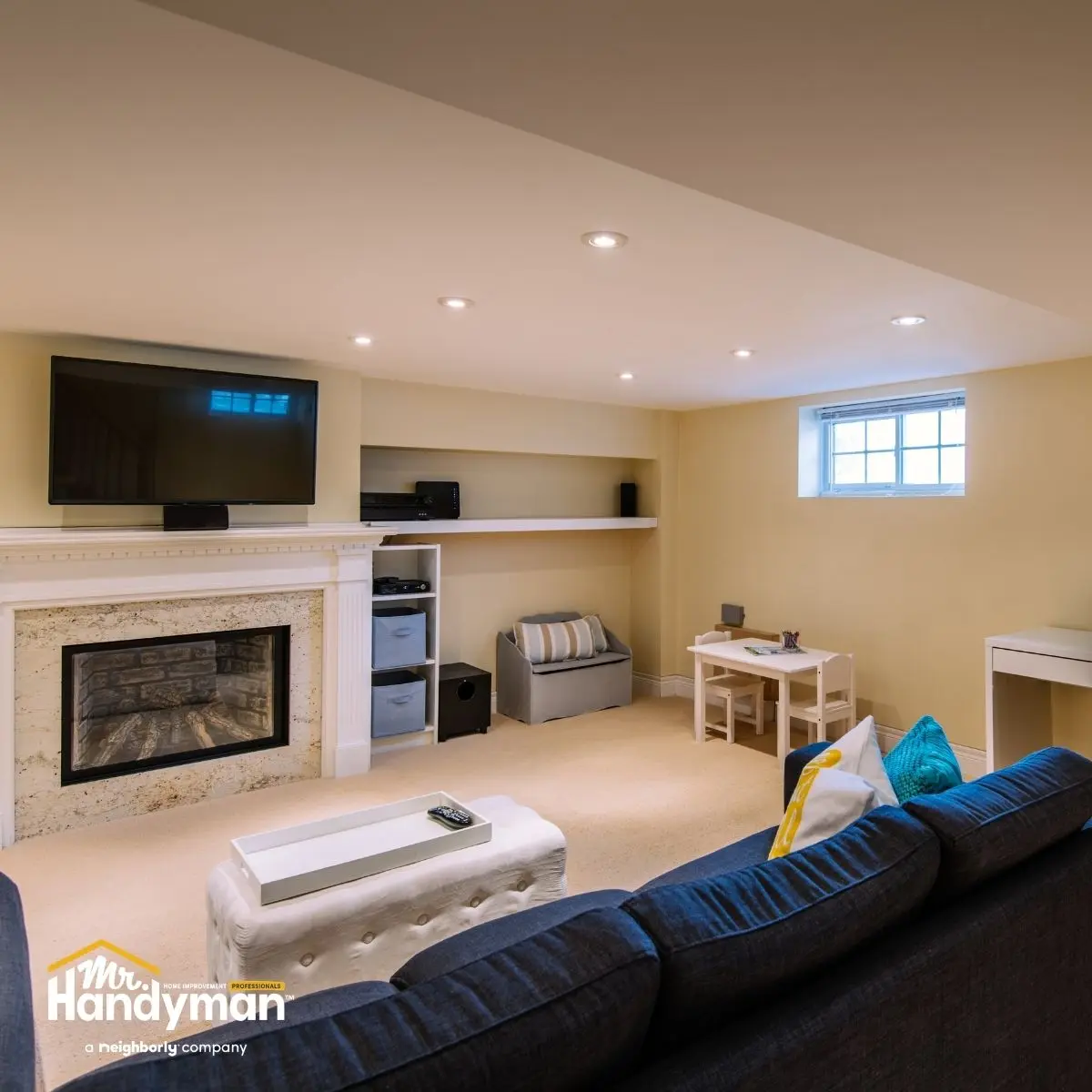
Replace single-bulb fixtures with multi-bulb flush-mount or semi-flush fixtures that spread light across larger areas. LED bulbs in the 3000K to 4000K color temperature range provide bright, neutral light that mimics daylight without the harsh blue cast of higher temperatures.
Recessed lighting installed in the ceiling joists creates even illumination without the visual clutter of hanging fixtures. Spacing recessed cans four to six feet apart eliminates shadows and dark corners. This is a manageable DIY project if you're comfortable with basic electrical work, or it's a straightforward job for an electrician or handyman.
Task lighting in specific areas adds functionality. A floor lamp next to a reading chair, under-cabinet lighting in a basement bar area, or desk lamps in a home office corner all make spaces more usable and inviting. Layering different types of lighting at different heights creates depth and makes the basement feel more like finished living space.
Consider adding wall sconces or track lighting to accent specific areas. These fixtures direct light where you need it and add visual interest that breaks up the monotony of ceiling-only lighting.
If your basement has windows, maximize the natural light they provide. Clean them inside and out. Remove any stored items blocking them. Consider installing window wells with polycarbonate covers outside to protect the wells from debris while allowing more light to enter.
Light paint colors on walls and ceilings reflect artificial and natural light, making the space feel brighter and larger. White or light gray on ceilings is particularly effective because it maximizes light reflection from overhead fixtures. Painting exposed joists, ductwork, and the underside of the subfloor the same light color creates a cohesive look that feels intentional rather than unfinished.
Flooring That Adds Warmth and Comfort
Concrete floors are cold, hard, and uninviting. They radiate chill in winter and feel industrial year-round. Covering the floor transforms how the basement feels underfoot and visually.
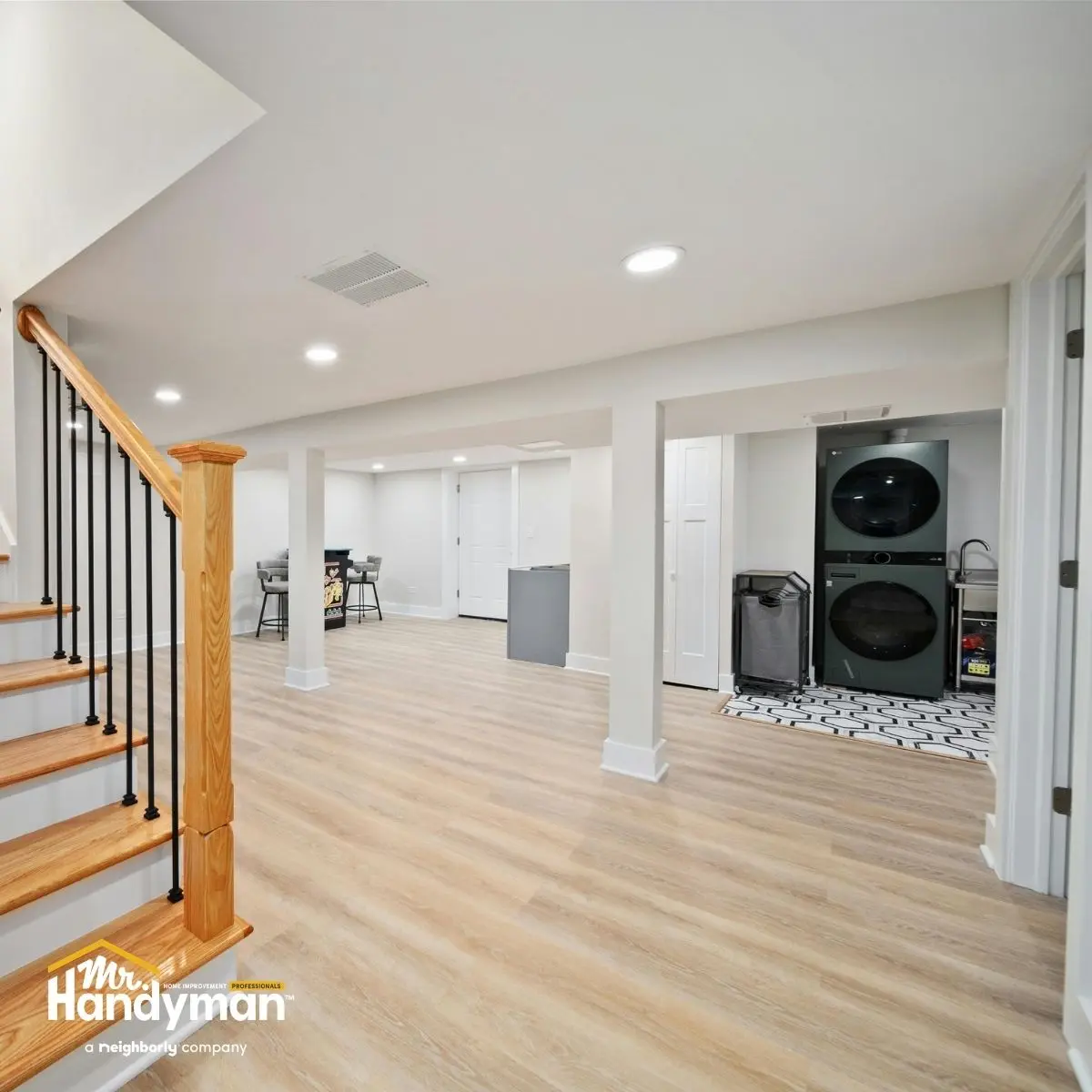
Luxury vinyl plank flooring is one of the best options for basements. It's waterproof, durable, and can be installed directly over concrete with appropriate underlayment. LVP looks like hardwood but handles basement moisture conditions far better than actual wood. It's also warmer underfoot than tile and more comfortable to walk on than concrete.
Interlocking foam tiles provide cushioned flooring for play areas, home gyms, or workshops. They're inexpensive, easy to install without tools, and can be removed or reconfigured if your basement's purpose changes. Foam tiles also provide thermal insulation, making floors noticeably warmer.
Carpet tiles are another flexible option. Unlike wall-to-wall carpeting, individual tiles can be replaced if damaged or stained. They're easier to install than broadloom carpet and work well in basements because damaged sections don't require replacing the entire floor. Choose carpet tiles with moisture-resistant backing designed for below-grade applications.
For finished basement aesthetics on a budget, epoxy floor coatings create a durable, attractive surface directly on the concrete slab. Epoxy is waterproof, easy to clean, and available in multiple colors and finishes. Application requires proper surface preparation, but the result is a floor that looks intentional and finished.
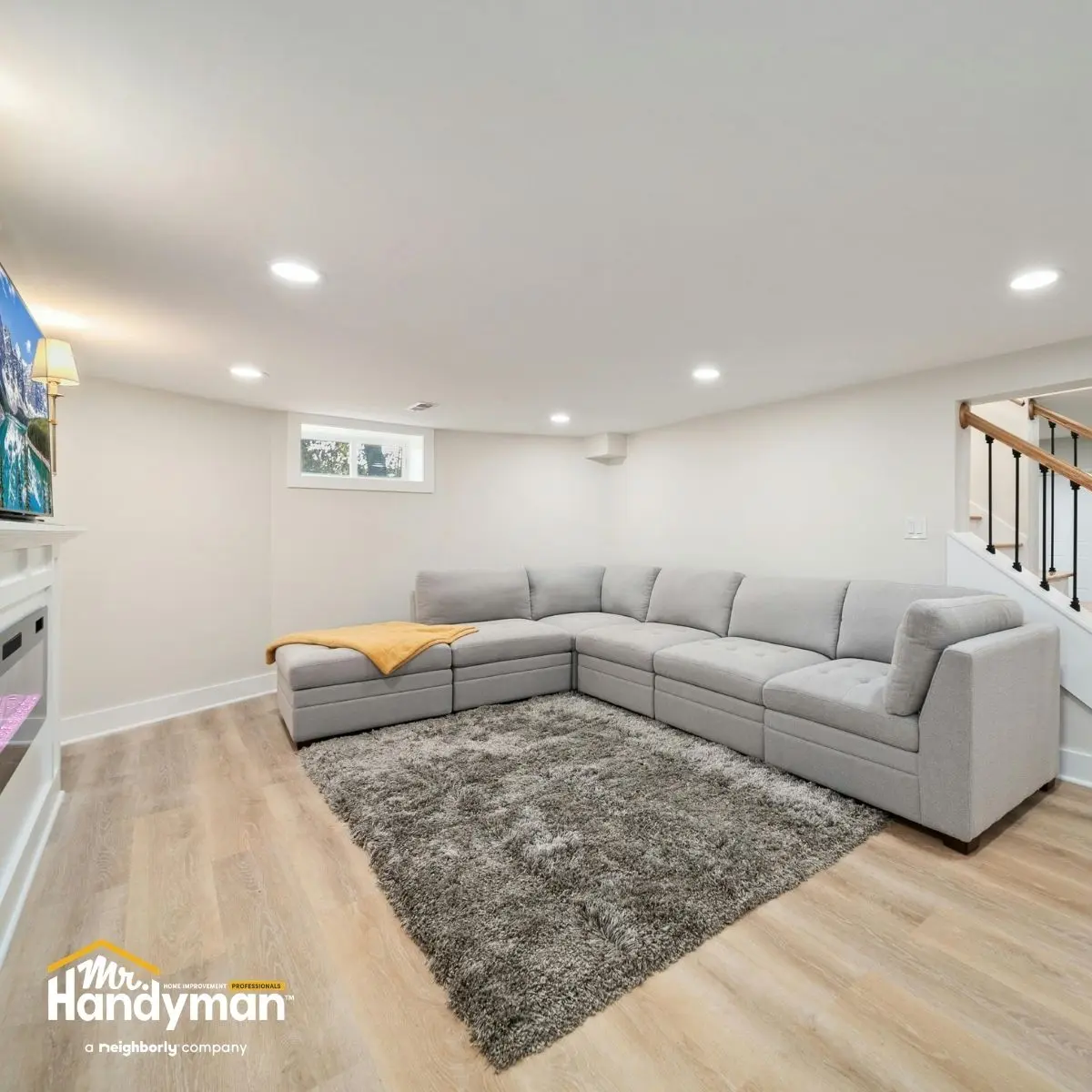
Area rugs define spaces and add warmth without covering the entire floor. A large rug under a seating area or desk creates a room-within-a-room effect and makes the space feel more finished and purposeful.
Creating Defined Spaces Without Building Walls
One of the simplest ways to make a basement feel like usable living space is to define different zones within the open area. You don't need to frame walls or create separate rooms. You need visual and functional boundaries that tell people how to use each part of the space.
Furniture arrangement creates natural divisions. Position a sofa and chairs to form a conversation area. Place a desk and bookshelf in a corner to establish a home office zone. Set up a kids' table and storage bins to designate a play area. Each furniture grouping signals purpose and makes the basement feel organized rather than random.
Area rugs reinforce these zones. A rug under the seating area visually separates it from the rest of the basement. A different rug under a game table or workspace defines that area as distinct. The rugs don't need to match, but they should coordinate to maintain visual cohesion.
Bookcases, storage units, or open shelving can serve as room dividers. A tall bookcase placed perpendicular to a wall creates separation between a home office and entertainment area without blocking light or making the space feel closed in. Open shelving maintains sightlines while providing storage and definition.
Different lighting for different zones also helps. A bright overhead light in the play area, softer lamps near the seating area, and task lighting at a desk all signal different purposes and make each zone feel appropriate for its function.
Paint or wall treatments can distinguish areas even in an open space. Painting one wall a different color creates an accent wall that anchors a specific zone. Adding removable wallpaper, wood planks, or fabric panels to one section visually separates it from the rest of the basement.
Storage Solutions That Keep Clutter Contained
Basements become storage areas by default because homes need storage space. Rather than fighting this reality, incorporate organized storage into your basement improvement plan. Intentional storage keeps belongings contained and prevents the basement from reverting to chaos.
Wall-mounted shelving units maximize vertical space and keep floors clear. Metal or resin shelving works well in basements because it handles moisture better than wood. Install shelving along walls that don't have windows or other features, turning otherwise wasted wall space into functional storage.
Clear plastic bins with lids protect contents from dust and moisture while allowing you to see what's inside without opening every container. Label bins clearly and store them on shelving units rather than stacking them on the floor. This keeps storage organized and accessible.
Built-in storage under stairs utilizes awkward space that's otherwise unusable. Pull-out drawers, cabinets, or open shelving fitted into the area beneath basement stairs creates storage that doesn't consume valuable floor space in the main basement area.
Closet systems or wardrobe units provide enclosed storage that keeps items out of sight. A simple closet rod and shelf system or a freestanding wardrobe cabinet stores seasonal clothing, holiday decorations, or sports equipment without making the basement look cluttered.
Pegboard walls in workshop or craft areas keep tools and supplies organized and visible. Pegboard is inexpensive, easy to install, and infinitely customizable. Hooks, baskets, and shelves can be rearranged as needs change.
The key is making storage part of the basement's design rather than letting it accumulate randomly. When everything has a designated place, the basement stays functional and doesn't slide back into disorganized storage space.
Temperature Control for Year-Round Comfort
Basements are naturally cooler than upper floors, which creates comfort challenges depending on the season. Small improvements to temperature regulation make basements usable year-round instead of just during mild months.
Insulating rim joists, the space where your floor joists meet the foundation wall, stops significant heat loss. This area is often uninsulated in older homes, creating cold drafts and heat loss directly into the basement. Spray foam or rigid foam insulation fitted into these spaces improves comfort and energy efficiency.
Insulating basement walls with foam board adds a thermal barrier between the cold concrete and the living space. Foam board installs directly against foundation walls and can be left exposed or covered with drywall or paneling. This improvement makes basements noticeably warmer in winter.
Portable space heaters provide supplemental heat in winter without the expense of extending your home's HVAC system. Electric radiant heaters, oil-filled radiators, or infrared heaters warm specific zones effectively. Always use heaters with automatic shutoff features and keep them away from water sources.
Ceiling fans improve air circulation and help distribute conditioned air more evenly. In summer, fans create cooling airflow. In winter, running fans in reverse pushes warm air down from the ceiling. Fans don't change the temperature, but they make the existing temperature feel more comfortable.
Portable air conditioning units or ductless mini-split systems cool basements in summer if your central air doesn't reach them adequately. Window units work if you have appropriate window openings. Mini-splits are more expensive but provide both heating and cooling efficiently.
Addressing cold floors also improves comfort. Insulated underlayment beneath flooring, area rugs, or radiant floor heating mats all reduce the chill that makes basements uncomfortable in winter.
Frequently Asked Questions
Do I need a permit to finish my basement?
It depends on the scope of work. Adding flooring, paint, and lighting typically doesn't require permits. Installing new electrical circuits, plumbing, or building walls usually does. Check with your local building department before starting projects that involve structural, electrical, or plumbing changes.
How do I know if my basement has enough ventilation?
Basements need air circulation to prevent moisture buildup and maintain air quality. If your basement feels stuffy, has persistent musty odors, or shows signs of condensation, ventilation is inadequate. Adding ventilation fans, keeping doors open to allow air exchange with upper floors, or installing a dedicated ventilation system improves air quality.
Can I use regular drywall in a basement?
Standard drywall works in basements if moisture is controlled. However, mold-resistant or moisture-resistant drywall is a better choice for below-grade applications. These products resist moisture absorption and mold growth better than standard drywall, providing extra protection in the higher-humidity basement environment.
What's the best way to deal with low ceilings?
Low basement ceilings can't be raised without major structural work, but you can make them feel higher. Paint ceilings white or light colors to reflect light. Use recessed lighting instead of hanging fixtures. Avoid tall furniture that emphasizes the low ceiling. Keep vertical lines minimal and use horizontal design elements to draw the eye across the space rather than up.
How much does it cost to make basic basement improvements?
Costs vary based on basement size and scope of improvements. Basic improvements like painting, adding lighting, installing vinyl plank flooring, and purchasing a dehumidifier might run $2,000 to $5,000 for a medium-sized basement if you do much of the work yourself. Professional installation increases costs but ensures quality results.
Will improving my basement increase my home's value?
Functional, finished basement space adds value by increasing usable square footage. The return on investment varies, but basements that are dry, well-lit, and finished typically recoup 60 to 75 percent of improvement costs in added home value. The improvements also make your home more attractive to buyers if you sell.
Making Your Basement Work for Your Life
Basements don't need to be afterthoughts. With targeted improvements that address moisture, lighting, flooring, and purpose, they become valuable living space that serves your family's daily needs.
The projects outlined here are manageable for most homeowners or can be completed by professionals without the time and expense of full basement renovations. The result is space you actually use rather than space you avoid.
Start with moisture control and lighting. These two improvements create the foundation for everything else. Once the basement is dry and bright, flooring, furniture, and organization transform it into functional space.
Whether you need a home office, playroom, entertainment area, or guest space, your basement can provide it without adding square footage to your home's footprint. The space already exists. It just needs attention.
If you're ready to transform your basement into usable living space but need help with moisture issues, lighting installation, flooring, or other improvements, professional handyman services can complete these projects efficiently and correctly.
Mr. Handyman of Martinsburg and Charles Town
https://www.mrhandyman.com/martinsburg-charles-town/
Mr. Handyman of Northern Montgomery County
https://www.mrhandyman.com/northern-montgomery-county/
Mr. Handyman of South Montgomery County
https://www.mrhandyman.com/south-montgomery-county/
Your basement has potential. Small improvements unlock it. Schedule your consultation today and start using the space you already own.