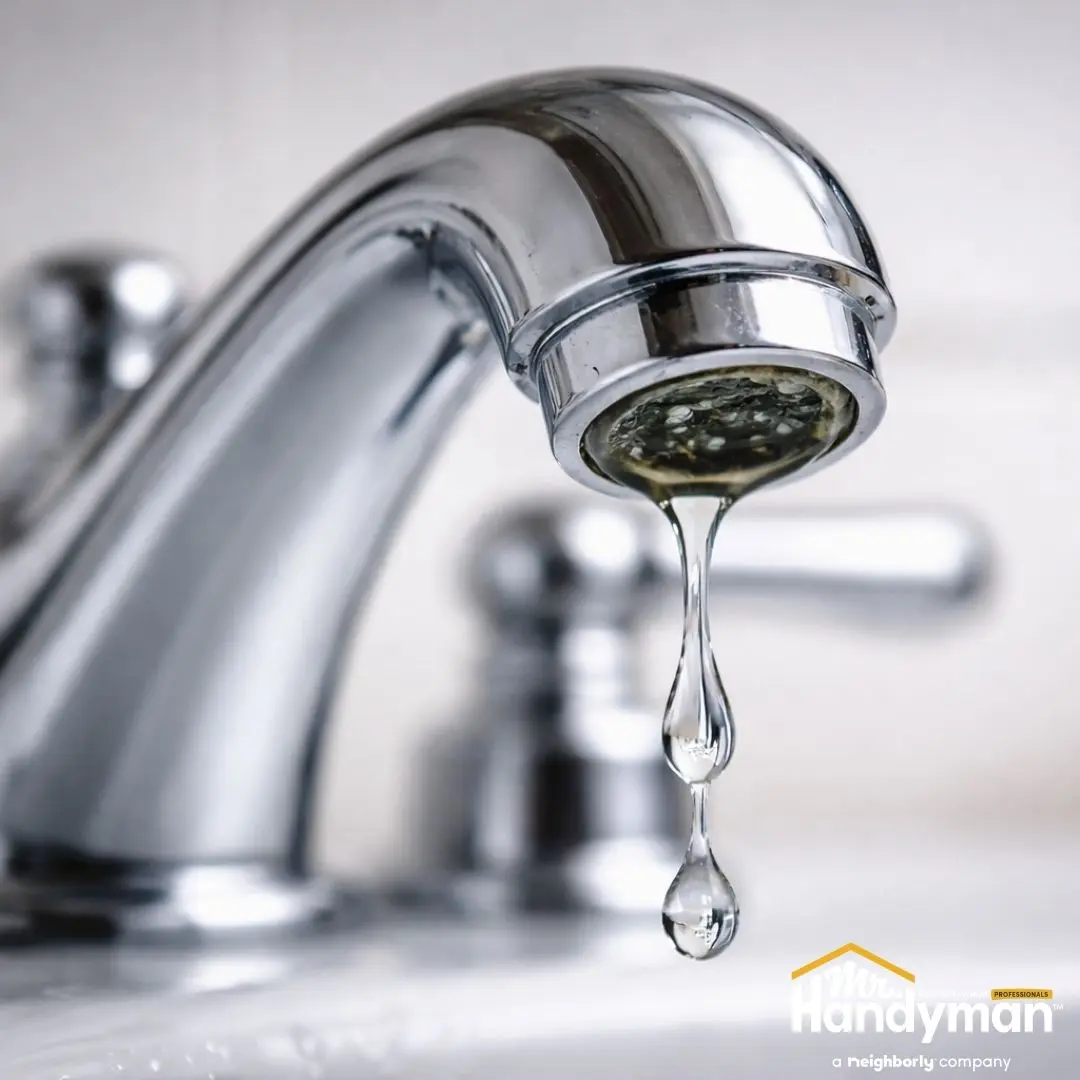
Why Your Faucets Drip in Winter and What You Can Do About It is a question many homeowners ask once temperatures drop and small plumbing annoyances suddenly become daily frustrations. A dripping faucet may seem minor, but during winter it often signals underlying issues related to cold weather, pressure changes, or aging plumbing components. Left unaddressed, a simple drip can waste water, increase utility bills, and even contribute to frozen or burst pipes.
At Mr. Handyman of Montgomery County and Martinsburg, faucet related service calls increase noticeably during winter months. Homes throughout Rockville, Silver Spring, Bethesda, Gaithersburg, and Martinsburg experience similar seasonal issues due to colder temperatures, older fixtures, and increased plumbing system stress. Understanding why faucets drip more in winter helps homeowners take the right preventative steps.
Why Faucet Drips Are More Common in Winter
Winter creates conditions that place extra strain on plumbing systems. Pipes, valves, and seals all respond to temperature changes, and even small weaknesses become more noticeable when the weather turns cold.
Thermal Expansion and Contraction
Metal and plastic plumbing components expand and contract as temperatures fluctuate. During winter, repeated freeze and thaw cycles cause fittings, washers, and seals to shift slightly.
This movement can lead to:
- Loose internal components
- Worn washers losing their seal
- Valve seats no longer aligning properly
- Small gaps that allow water to pass
Even fixtures that worked fine during warmer months may begin dripping once cold weather arrives.
Increased Water Pressure During Winter
Cold weather often brings higher water pressure inside the home. When outdoor faucets are shut off or supply lines freeze partially, pressure redistributes throughout the system.
Higher pressure stresses faucet components and accelerates wear on internal seals. Faucets are often the first place this pressure imbalance becomes visible.
How Cold Temperatures Affect Faucet Components
Faucets rely on precise internal parts to stop water flow completely. Winter temperatures interfere with this precision.
Rubber Washers and O Rings Become Brittle
Many faucets depend on rubber washers or O rings to create a watertight seal. Cold temperatures cause rubber to stiffen and crack over time.
When these components lose flexibility:
- Seals weaken
- Water slips past closed valves
- Drips occur even when handles are fully tightened
This is one of the most common reasons faucets drip more often in winter.
Cartridge and Valve Wear Becomes More Noticeable
Modern faucets use cartridges to regulate water flow. As cartridges age, internal seals wear down. Cold weather magnifies this wear by increasing friction and pressure inside the fixture.
A cartridge that functions adequately in summer may fail to seal completely during winter conditions.
Frozen or Partially Frozen Pipes Can Cause Dripping
In some cases, dripping faucets are not the problem but a symptom.
How Partial Freezing Leads to Drips
When pipes partially freeze, ice restricts water flow. Pressure builds behind the ice blockage, forcing water to escape at the weakest point in the system.
Often, that weak point is a faucet or valve. The drip may appear suddenly during a cold snap and disappear when temperatures rise, only to return during the next freeze.
Why This Is a Warning Sign
Intermittent winter dripping can indicate pipes at risk of freezing completely. This situation should not be ignored, as fully frozen pipes are far more likely to burst during thawing.
Outdoor Faucets Are Especially Vulnerable
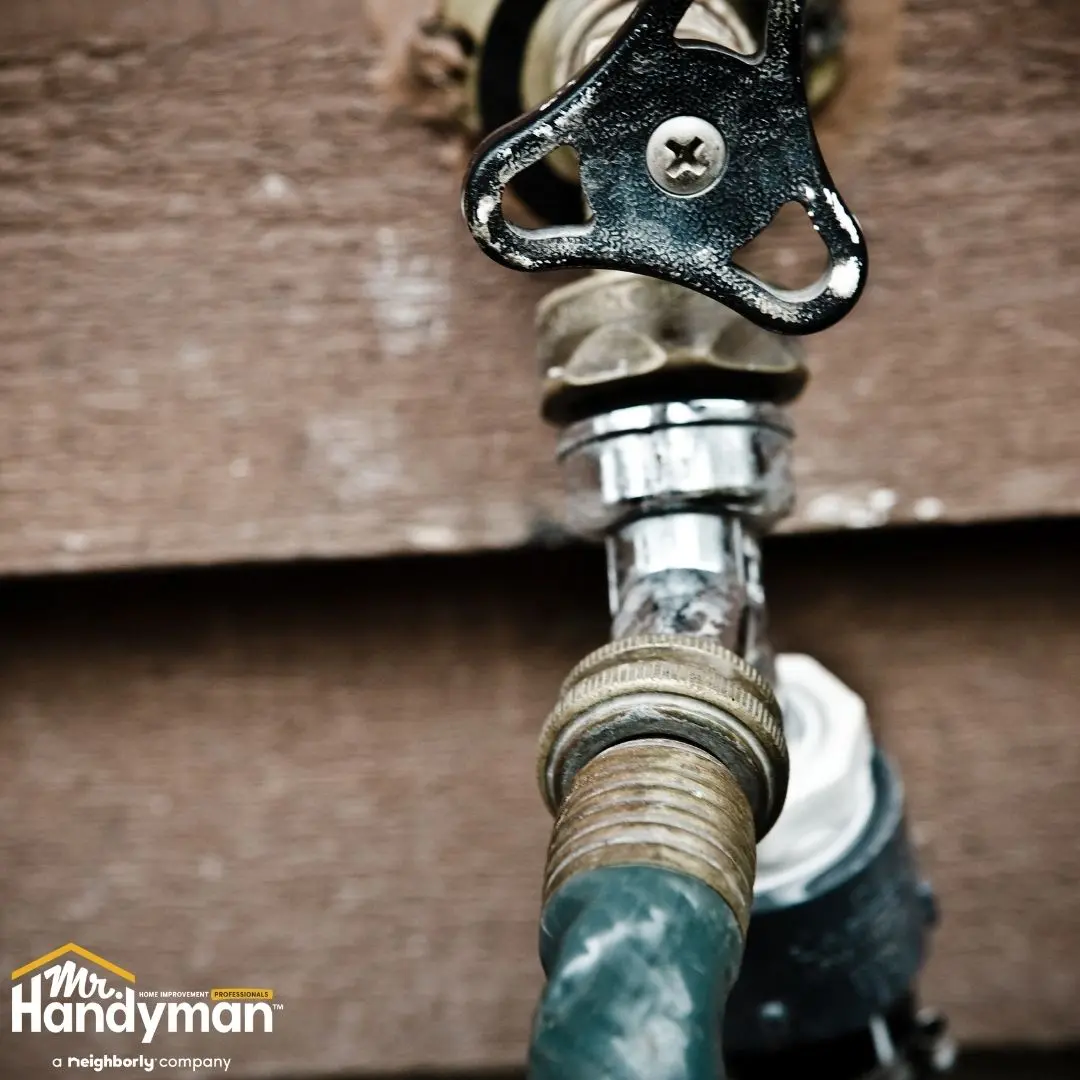
Exterior faucets are exposed directly to cold air and are among the first components to fail during winter.
Common Outdoor Faucet Problems
- Frost damaged hose bibs
- Cracked internal valves
- Leaks that appear only after thawing
- Drips behind exterior walls
Even frost proof faucets can drip if hoses are left attached or shutoff valves are not fully drained.
Homes in colder areas of the service region, including Germantown, Olney, and Poolesville, often experience outdoor faucet issues early in the winter season.
Why Dripping Faucets Should Not Be Ignored in Winter
A dripping faucet is more than an annoyance during cold weather.
Consequences of Ignoring Winter Drips
- Increased water bills
- Accelerated fixture wear
- Higher risk of frozen pipes
- Potential water damage inside walls
- Mold growth from hidden moisture
In winter, even a slow drip can contribute to ice formation inside pipes, increasing the chance of blockage and pressure buildup.
What Homeowners Can Do Immediately
While some faucet repairs require professional attention, homeowners can take basic steps to reduce winter dripping and prevent escalation.
Short Term Preventative Measures
- Avoid overtightening faucet handles
- Keep indoor temperatures consistent
- Open cabinet doors under sinks during extreme cold
- Insulate pipes near exterior walls
- Disconnect and winterize outdoor hoses
These actions help stabilize temperatures and reduce stress on faucet components.
Dripping Faucets Are Often a Maintenance Issue
Many winter faucet drips result from normal wear that has gone unaddressed. Regular home maintenance helps catch these issues before winter makes them worse.
Replacing worn washers, cartridges, and seals is typically straightforward when handled early. Delaying repairs increases the chance of more complex plumbing problems later in the season.
Understanding why your faucets drip in winter and what you can do about it allows homeowners to act proactively instead of reacting to emergencies. Early attention protects plumbing systems, improves efficiency, and supports long term home repair planning.
How Winter Faucet Drips Signal Bigger Plumbing Issues
Understanding why your faucets drip in winter and what you can do about it requires looking beyond the fixture itself. In many cases, a winter drip is not an isolated problem. It is a visible symptom of pressure imbalance, temperature stress, or aging plumbing components elsewhere in the system.
Cold weather magnifies weaknesses. Faucets often reveal those weaknesses first because they are the final control point in the plumbing line.
Pressure Imbalances Become Obvious at Faucets
Winter plumbing systems experience frequent pressure changes. When exterior lines are shut off, pipes contract in the cold, or partial freezing occurs, water pressure redistributes unevenly throughout the system.
This can lead to:
- Faucets dripping only at night
- Drips that worsen during extreme cold
- Fixtures leaking even when fully closed
- Pressure related noise or vibration
Faucets act as pressure relief points. When internal components can no longer hold back that pressure, dripping occurs.
Cold Weather Accelerates Wear Inside Fixtures
All faucets experience gradual wear. Winter simply accelerates the process.
Why Winter Speeds Up Component Failure
Cold temperatures increase friction inside faucets. Seals and cartridges that are already worn struggle to maintain a tight seal when materials stiffen and contract.
Winter related wear is often caused by:
- Hardened rubber washers
- Cartridge seal degradation
- Mineral buildup combined with cold water
- Pressure fluctuations stressing internal parts
These conditions cause faucets to drip even when the fixture appears structurally sound.
Why Repeated Tightening Makes It Worse
Many homeowners respond to dripping by tightening the handle harder. This compresses washers further and damages cartridges, increasing wear and worsening leaks over time.
Winter drips rarely resolve on their own. Mechanical wear continues to progress until components are replaced.
Hidden Pipe Freezing Can Cause Intermittent Drips
Some winter faucet drips appear only during freezing temperatures and stop when the weather warms. This pattern often indicates partial pipe freezing.
How Partial Freezing Affects Faucets
When ice forms inside a pipe:
- Water flow is restricted
- Pressure builds behind the blockage
- Weak points release water
- Faucets begin dripping intermittently
This is especially common in pipes located in exterior walls or under sinks where insulation is limited.
Why This Is a Serious Warning
Intermittent winter dripping caused by freezing pipes is an early failure signal. Continued freezing increases the risk of full blockage and pipe bursting during thawing.
Outdoor Faucets Can Leak Inside Walls
Outdoor faucet issues often present as indoor problems.
How Exterior Faucets Cause Interior Drips
When a hose bib or exterior valve cracks due to freezing, water may leak inside the wall cavity instead of dripping outside. Homeowners may notice:
- Dripping sounds inside walls
- Moisture near baseboards
- Drips appearing at interior fixtures
- Staining on drywall near exterior walls
These leaks frequently go unnoticed until significant damage occurs.
Why Frost Proof Faucets Still Fail
Frost proof faucets rely on proper installation and drainage. If hoses remain attached or shutoff valves are not drained, water remains trapped and freezes.
Once damaged, these fixtures often leak internally even when turned off.
Dripping Faucets Increase Frozen Pipe Risk
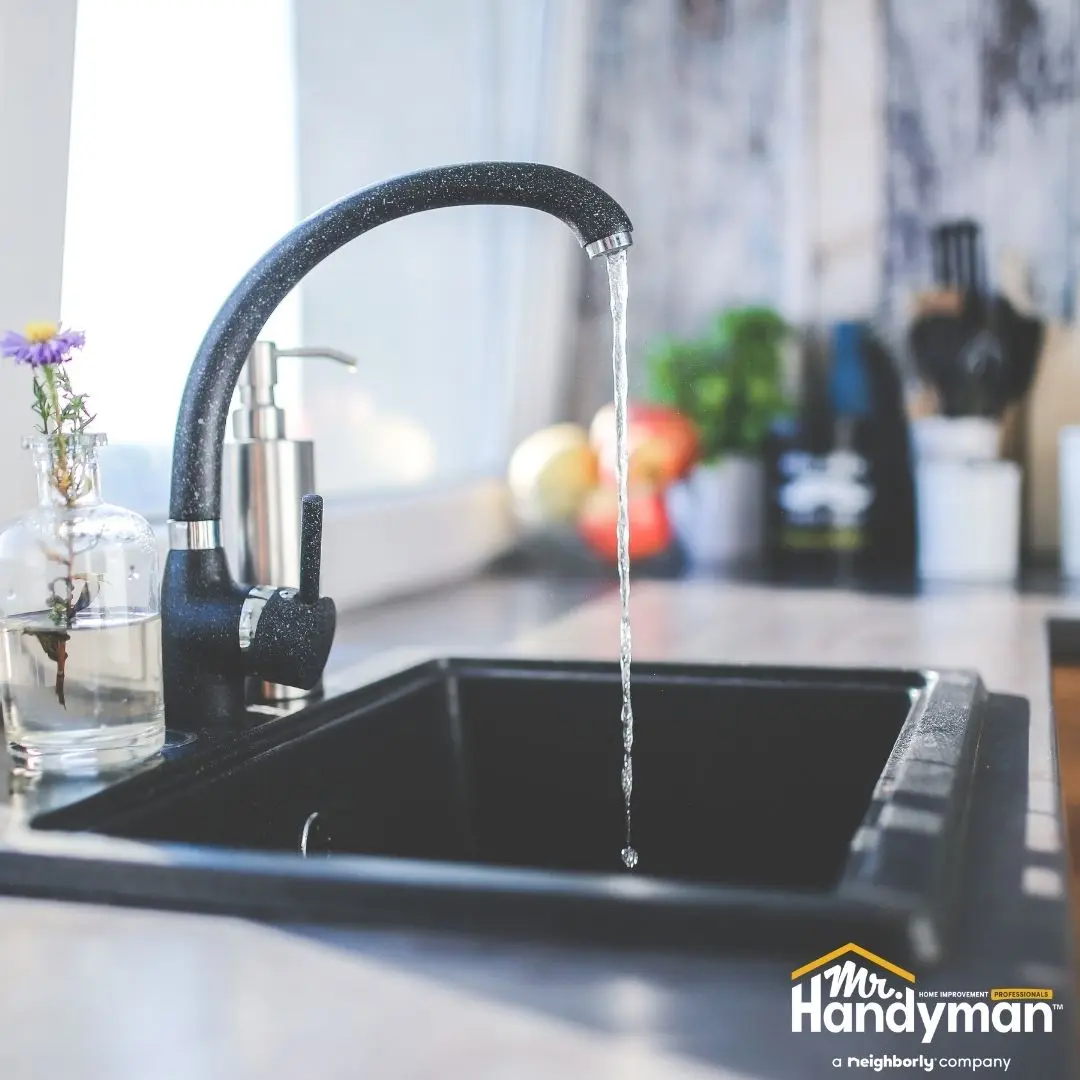
A dripping faucet does not always reduce freezing risk. In some cases, it increases it.
When Dripping Makes Freezing Worse
If a faucet drips slowly:
- Water remains mostly stagnant in pipes
- Cold water continuously enters the line
- Ice forms more easily inside walls
This is especially true for exterior wall plumbing. A controlled drip can help in extreme cold, but unintended leaks often worsen freezing conditions.
Water Waste Adds Up Quickly in Winter
Winter faucet drips often go unnoticed longer because indoor humidity is lower and sounds are masked by heating systems.
How Much Water a Drip Can Waste
Even a slow drip can waste hundreds of gallons of water per month. This increases utility bills and adds unnecessary load to plumbing systems already under winter stress.
Water waste during winter also contributes to:
- Higher energy usage for heated water
- Increased strain on water heaters
- Additional wear on plumbing components
When a Drip Signals the Need for Repair
Not all winter drips are emergencies, but certain signs indicate repair should not be delayed.
Warning Signs That Require Action
- Drips that worsen during cold snaps
- Leaks appearing in multiple fixtures
- Moisture near walls or cabinets
- Sounds of running water with fixtures off
- Drips returning after tightening
These symptoms suggest underlying issues that require professional attention.
Why Professional Diagnosis Matters in Winter
Winter conditions complicate plumbing diagnostics. Frozen sections, pressure changes, and hidden pipe runs make it difficult to identify the root cause of a drip without experience.
Professional handyman services help determine whether a winter faucet drip is caused by:
- Worn fixture components
- Pressure regulation problems
- Pipe freezing or insulation issues
- Exterior faucet failure
Accurate diagnosis prevents repeat issues and reduces the risk of winter emergencies.
How to Stop Winter Faucet Drips and Prevent Them Long Term
Knowing why your faucets drip in winter and what you can do about it allows homeowners to move from frustration to prevention. Once the cause is understood, stopping the drip and preventing it from returning becomes much more manageable. The key is addressing both the immediate issue and the underlying winter related stress on the plumbing system.
Winter faucet drips rarely fix themselves. Without intervention, they often worsen as temperatures fluctuate and components continue to wear.
Fixing the Immediate Cause of Winter Faucet Drips
The first step is identifying whether the drip is caused by fixture wear, pressure issues, or freezing conditions. Each requires a slightly different response.
When Fixture Components Are the Problem
If the drip is consistent regardless of temperature, worn internal parts are usually to blame.
Common fixes include:
- Replacing rubber washers or O rings
- Installing a new faucet cartridge
- Cleaning mineral buildup from valve seats
- Replacing aging shutoff valves
These repairs restore a proper seal and stop water from slipping past closed valves. Addressing them early prevents further damage to the fixture.
When Temperature Is the Trigger
If the drip appears only during cold weather or worsens overnight, temperature related stress is likely involved.
In these cases, focus on:
- Insulating pipes near exterior walls
- Sealing drafts around plumbing penetrations
- Maintaining consistent indoor temperatures
- Opening cabinets during extreme cold
Stopping cold air from reaching pipes often resolves the issue without major fixture replacement.
Preventing Faucet Drips Caused by Frozen or Partially Frozen Pipes
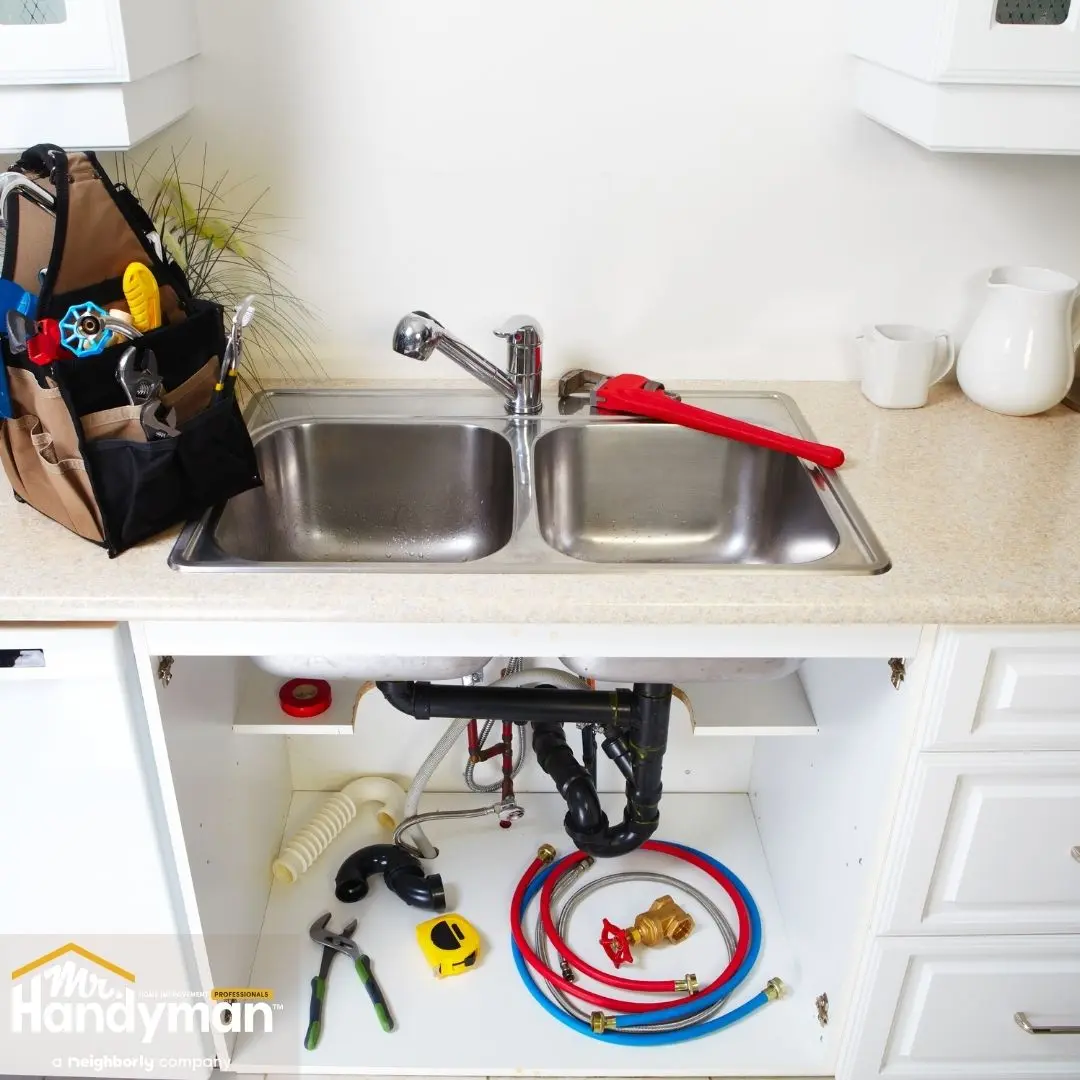
Winter faucet drips caused by freezing conditions are warnings. Preventing recurrence requires protecting the pipe, not just the faucet.
Target High Risk Pipe Locations
Pipes most likely to cause winter drips include:
- Supply lines in exterior walls
- Pipes under kitchen and bathroom sinks
- Plumbing in unheated basements or crawl spaces
- Lines serving outdoor faucets
Insulating these areas and sealing air leaks significantly reduces freezing risk.
Address Outdoor Faucet Connections
Exterior faucets are a frequent source of winter leaks that show up indoors.
Preventative steps include:
- Disconnecting and storing hoses
- Shutting off interior valves supplying outdoor lines
- Draining residual water from pipes
- Installing or repairing frost proof faucets
These actions protect both the exterior fixture and the interior plumbing it connects to.
Manage Water Pressure to Reduce Winter Drips
High or fluctuating water pressure increases stress on faucet components, especially during winter when pipes contract.
Why Pressure Regulation Matters
Stable water pressure helps:
- Extend faucet lifespan
- Reduce wear on washers and cartridges
- Prevent leaks from developing or worsening
- Protect the entire plumbing system
Homes with recurring winter drips often benefit from pressure regulation adjustments or valve replacement.
Routine Maintenance Prevents Seasonal Problems
Many winter faucet drips stem from deferred maintenance. Regular inspections help catch worn components before cold weather makes them fail.
Maintenance Tasks That Reduce Winter Drips
- Inspect faucets and shutoff valves annually
- Replace aging fixtures proactively
- Address small leaks immediately
- Check insulation before winter begins
Preventative home maintenance reduces emergency repairs and keeps plumbing systems reliable throughout the season.
Why Professional Help Makes Winter Repairs Easier
Some winter faucet issues involve hidden pipe runs, pressure problems, or freeze related damage that is difficult to diagnose without experience.
Professional handyman services help ensure:
- Accurate identification of the root cause
- Proper repair or replacement of components
- Prevention strategies tailored to the home
- Reduced risk of repeat winter issues
Professional evaluation is especially valuable when drips are intermittent, temperature dependent, or accompanied by other plumbing symptoms.
Stopping Winter Faucet Drips Protects More Than Fixtures
A dripping faucet in winter is rarely just about the fixture. It reflects broader system stress that can lead to frozen pipes, water damage, and higher repair costs if ignored.
Addressing winter faucet drips promptly protects:
- Plumbing infrastructure
- Interior walls and cabinets
- Water heaters and supply lines
- Utility efficiency and costs
Understanding why your faucets drip in winter and what you can do about it empowers homeowners to act early and avoid preventable damage.
Get Help Fixing Winter Faucet Drips Before They Turn Into Bigger Problems
If your faucets are dripping more during cold weather or you want to prevent winter plumbing issues before they escalate, Mr. Handyman of Montgomery County and Martinsburg can help. Our experienced team provides reliable handyman services focused on effective repairs and preventative home maintenance.
Call to schedule service and keep your plumbing running smoothly throughout the winter season.