Top Winter Plumbing Problems and How to Prevent Them is a critical topic for homeowners and property managers across Maryland, West Virginia, and the surrounding region. Cold weather places unique stress on plumbing systems, and when temperatures drop, even well maintained homes can experience costly and disruptive issues. Understanding what goes wrong in winter and how to reduce risk is one of the most effective forms of preventative home maintenance.
At Mr. Handyman of Montgomery County and Martinsburg, winter service calls increase every year once freezing temperatures become consistent. Homes throughout Rockville, Silver Spring, Bethesda, Gaithersburg, and Martinsburg face similar seasonal risks, regardless of age or construction style. Pipes, fixtures, and water lines react to cold in predictable ways, which means most winter plumbing emergencies are preventable with the right preparation.
This guide focuses on the most common winter plumbing failures and the practical steps homeowners can take to reduce damage, avoid emergency repairs, and protect long term property value.
Why Winter Is Hard on Plumbing Systems
Plumbing systems are designed to handle pressure, not freezing. When water freezes, it expands. That expansion creates internal pressure inside pipes, fittings, and valves. If there is nowhere for that pressure to go, materials crack or burst.
Winter also changes how people use their homes. Heating systems run constantly, hot water usage increases, and outdoor plumbing is often forgotten until something fails. These combined factors explain why winter is one of the most expensive seasons for plumbing repairs.
Homes in areas such as Germantown, Olney, Potomac, and Wheaton often experience similar issues because the regional climate produces repeated freeze and thaw cycles. Those cycles are especially damaging because pipes expand and contract multiple times in a short period.
Frozen Pipes Are the Most Common Winter Plumbing Problem
Frozen pipes are responsible for a large percentage of winter plumbing calls. They typically occur in areas where pipes are exposed to cold air or lack sufficient insulation.
Where Frozen Pipes Commonly Occur
- Exterior walls
- Unheated basements and crawl spaces
- Garages
- Under kitchen and bathroom cabinets
- Outdoor hose bibs and supply lines
Homes in Damascus, Poolesville, and Laytonsville often have more exposure due to larger footprints, basements, and extended pipe runs.
Why Frozen Pipes Are So Dangerous
Frozen pipes do not usually burst while frozen. The damage happens when the ice begins to thaw. Water pressure builds behind the blockage and forces its way through weakened pipe walls. The result is sudden flooding that can cause structural damage, mold growth, and expensive repairs.
How to Prevent Frozen Pipes
Preventative steps are straightforward and highly effective:
- Insulate exposed pipes in unheated areas
- Seal air leaks around foundation walls and sill plates
- Keep cabinet doors open during extreme cold
- Maintain consistent indoor temperatures, even when away
- Disconnect hoses and shut off exterior water lines
These small actions significantly reduce the likelihood of winter plumbing failures and support long term home maintenance goals.
Burst Pipes and Water Damage
Burst pipes are often the outcome of unresolved freezing issues. Once a pipe bursts, damage escalates quickly. Water can spread through walls, ceilings, and flooring in minutes.
In communities such as Kensington, Chevy Chase, and Takoma Park, older homes may be especially vulnerable due to aging pipe materials or outdated insulation standards.
Common Consequences of Burst Pipes
- Drywall and ceiling collapse
- Hardwood floor warping
- Electrical hazards
- Mold and mildew growth
- Long term structural deterioration
This type of damage extends far beyond plumbing repair and often requires coordinated handyman services, carpentry, and restoration work.
Early Warning Signs to Watch For
- Reduced water pressure
- Frost on visible pipes
- Unusual odors
- Discoloration on walls or ceilings
- Sounds of running water when fixtures are off
Recognizing these signs early allows homeowners to intervene before a minor issue becomes a major repair project.
Clogged Drains Worsen in Winter
Drain problems do not disappear in winter. They often become worse. Cold temperatures cause grease and food residue to harden more quickly inside pipes, leading to slow drains and blockages.
Homes throughout North Bethesda, Montgomery Village, and Rockville frequently experience winter drain backups due to increased indoor activity and holiday cooking.
Winter Drain Prevention Tips
- Avoid pouring grease or oil down drains
- Use drain strainers in kitchens and bathrooms
- Run hot water after using sinks
- Schedule routine drain maintenance
Drain care is a key component of preventative home repair and reduces stress on plumbing systems year round.
Water Heater Failures Spike During Cold Weather
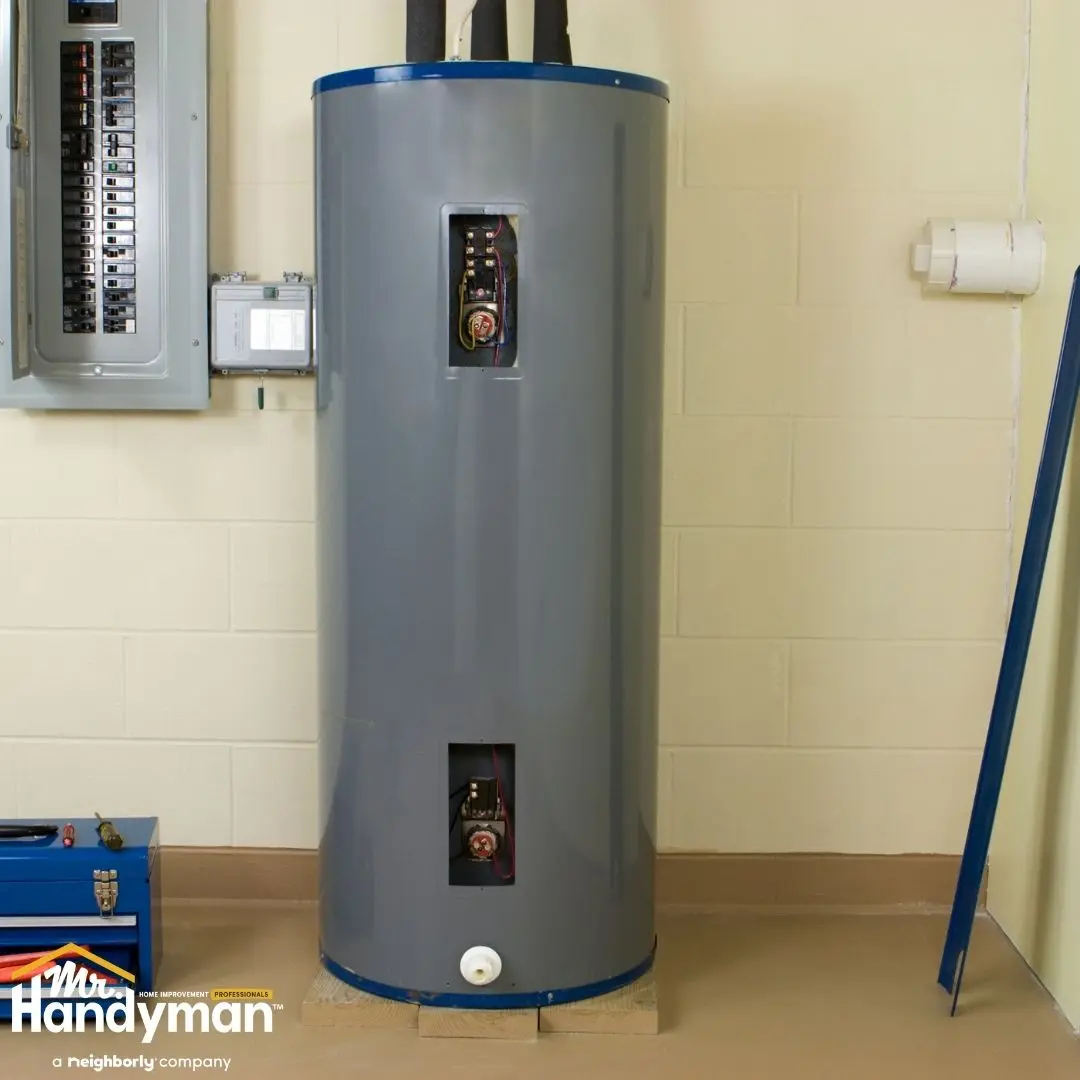
Winter places heavy demand on water heaters. Cold groundwater temperatures mean systems must work harder to deliver hot water, especially during mornings and evenings when usage peaks. When a water heater is already aging or poorly maintained, winter often exposes its weaknesses.
At Mr. Handyman of Montgomery County and Martinsburg, water heater related calls increase steadily during colder months, particularly after extended cold snaps.
Why Winter Is Hard on Water Heaters
Several winter specific factors contribute to water heater failures:
- Incoming water is significantly colder
- Recovery times are longer
- Sediment settles more quickly in tanks
- Heating elements run more frequently
- Expansion stress increases inside the tank
These conditions accelerate wear and can push marginal systems past their breaking point.
Common Winter Water Heater Problems
Homeowners often encounter the same set of issues:
- Inconsistent water temperature
- Reduced hot water supply
- Rumbling or popping noises
- Leaking tanks or fittings
- Complete system shutdown
Tank style units are especially vulnerable because sediment buildup reduces efficiency and traps heat against the tank bottom, increasing failure risk. Tankless systems can also struggle if intake lines are exposed to cold air.
How to Prevent Water Heater Issues in Winter
Preventative steps help extend system life and improve performance:
- Flush the tank annually to remove sediment
- Insulate exposed hot water pipes
- Keep the area around the heater warm
- Check the pressure relief valve
- Address minor leaks immediately
Water heater maintenance is often overlooked as part of routine home maintenance, yet it plays a major role in winter comfort and reliability.
Sump Pump Failures Lead to Winter Flooding
Many homeowners associate sump pump issues with spring rain, but winter failures are just as common and often more damaging. Frozen discharge lines, power interruptions, and mechanical wear all contribute to winter sump pump problems.
When snow melts during a mid winter thaw, water must move away from the foundation quickly. If the pump cannot discharge properly, water backs up into basements and crawl spaces.
Why Sump Pumps Fail in Winter
Winter specific causes include:
- Frozen discharge pipes
- Ice buildup at the exterior outlet
- Increased groundwater from snowmelt
- Mechanical failure after heavy autumn use
- Lack of battery backup during storms
A frozen discharge line is one of the most common issues. When water cannot exit the pipe, it cycles back into the pit, forcing the pump to run continuously until it burns out.
Preventing Winter Sump Pump Problems
Effective prevention focuses on preparation and inspection:
- Ensure discharge lines are properly sloped
- Extend discharge pipes away from the foundation
- Insulate exposed discharge sections
- Test the pump before winter weather begins
- Install a battery backup system
Sump pump reliability protects foundations, finished basements, and stored belongings. It is a critical part of winter home repair planning, especially for properties with below grade living space.
Outdoor Plumbing and Hose Bib Damage
Outdoor plumbing components are among the most vulnerable during winter. Hose bibs, exterior faucets, and irrigation lines are directly exposed to freezing temperatures and often fail first.
Even frost proof faucets can freeze if hoses are left attached or shutoff valves are not fully drained. When ice forms inside these fixtures, cracks develop silently and leaks appear only after thawing.
Common Outdoor Plumbing Failures
Typical winter related outdoor plumbing issues include:
- Cracked hose bibs
- Leaking shutoff valves
- Burst irrigation supply lines
- Water intrusion into exterior walls
These failures often go unnoticed until water stains or interior leaks appear, increasing repair costs and complexity.
How to Protect Outdoor Plumbing
Proper winterization is essential:
- Disconnect and store all hoses
- Shut off interior valves supplying exterior lines
- Drain residual water from pipes
- Install insulated faucet covers
- Inspect siding and penetrations for gaps
Outdoor plumbing protection is a simple yet often skipped step in preventative home maintenance. Taking time to address it before freezing temperatures arrive reduces emergency repair calls significantly.
Toilets, Supply Lines, and Fixture Leaks
Cold weather increases stress on toilet supply lines, shutoff valves, and fixture connections. These components contain small amounts of water that freeze easily when located near exterior walls or unheated spaces.
Older braided supply lines and plastic fittings are especially prone to cracking under pressure changes caused by freezing and thawing cycles.
Why Small Leaks Become Big Problems in Winter
Winter leaks often worsen quickly because:
- Pipes are already under thermal stress
- Expansion increases fitting failure risk
- Water spreads faster in dry indoor air
- Heating systems mask early moisture signs
A slow drip can turn into a steady flow overnight, causing flooring damage and hidden moisture issues behind walls.
Preventative Fixture Maintenance
To reduce winter fixture failures:
- Replace aging supply lines proactively
- Insulate pipes behind exterior wall fixtures
- Keep bathrooms adequately heated
- Monitor shutoff valves for corrosion
- Address condensation issues promptly
These steps support reliable plumbing performance and help avoid unexpected winter home repair emergencies.
Commercial and Multi Unit Properties Face Higher Risk
For business owners and property managers, winter plumbing issues carry additional consequences. Frozen or burst pipes can disrupt operations, displace tenants, and create liability concerns.
Commercial maintenance planning should account for:
- Extended pipe runs
- Vacant or low use spaces
- After hours temperature drops
- Shared plumbing infrastructure
Preventative inspections and consistent heating policies are essential for reducing winter related disruptions in commercial and multi unit properties.
Winter Plumbing Prevention Starts With Proactive Planning
The most effective way to avoid winter plumbing emergencies is to think ahead. Many of the most damaging cold weather plumbing problems develop slowly, long before a pipe freezes or a leak becomes visible. Proactive planning allows homeowners and property managers to address vulnerabilities while repairs are still simple and affordable.
At Mr. Handyman of Montgomery County and Martinsburg, winter related damage is often traced back to small oversights rather than sudden failures. A missing insulation sleeve, an ignored shutoff valve, or an unsealed exterior opening can all trigger costly consequences once temperatures drop.
Why Preventative Maintenance Matters More in Winter
Winter is unforgiving when systems fail. Unlike warmer seasons, plumbing issues in cold weather escalate faster and cause more secondary damage.
Key reasons preventative maintenance is critical include:
- Water freezes and expands rapidly
- Repairs are harder during extreme cold
- Emergency response times increase during storms
- Water damage spreads faster in heated homes
- Insurance claims become more complex
Homes in areas such as Ashton, Kensington, Olney, Poolesville, and Martinsburg experience repeated freeze and thaw cycles that magnify these risks. Planning ahead reduces uncertainty and protects both the home and its occupants.
Whole Home Plumbing Inspections Catch Hidden Risks
A comprehensive plumbing inspection before or early in winter is one of the most effective preventative measures. Many winter failures originate in places homeowners rarely check.
What a Winter Plumbing Inspection Covers
A proper inspection focuses on vulnerable areas:
- Exposed supply lines
- Shutoff valves and connections
- Outdoor plumbing components
- Water heater condition
- Drain and vent performance
- Sump pump operation
- Pipe insulation and air sealing
This type of inspection supports broader home maintenance goals by identifying issues that affect efficiency, safety, and longevity.
Why DIY Checks Are Often Not Enough
While homeowners can address basic tasks, many risks are not visible without experience. Hairline cracks, pressure irregularities, and hidden air leaks often go unnoticed until failure occurs. Professional handyman services help bridge that gap by identifying problems early.
Heating Consistency Protects Plumbing Systems
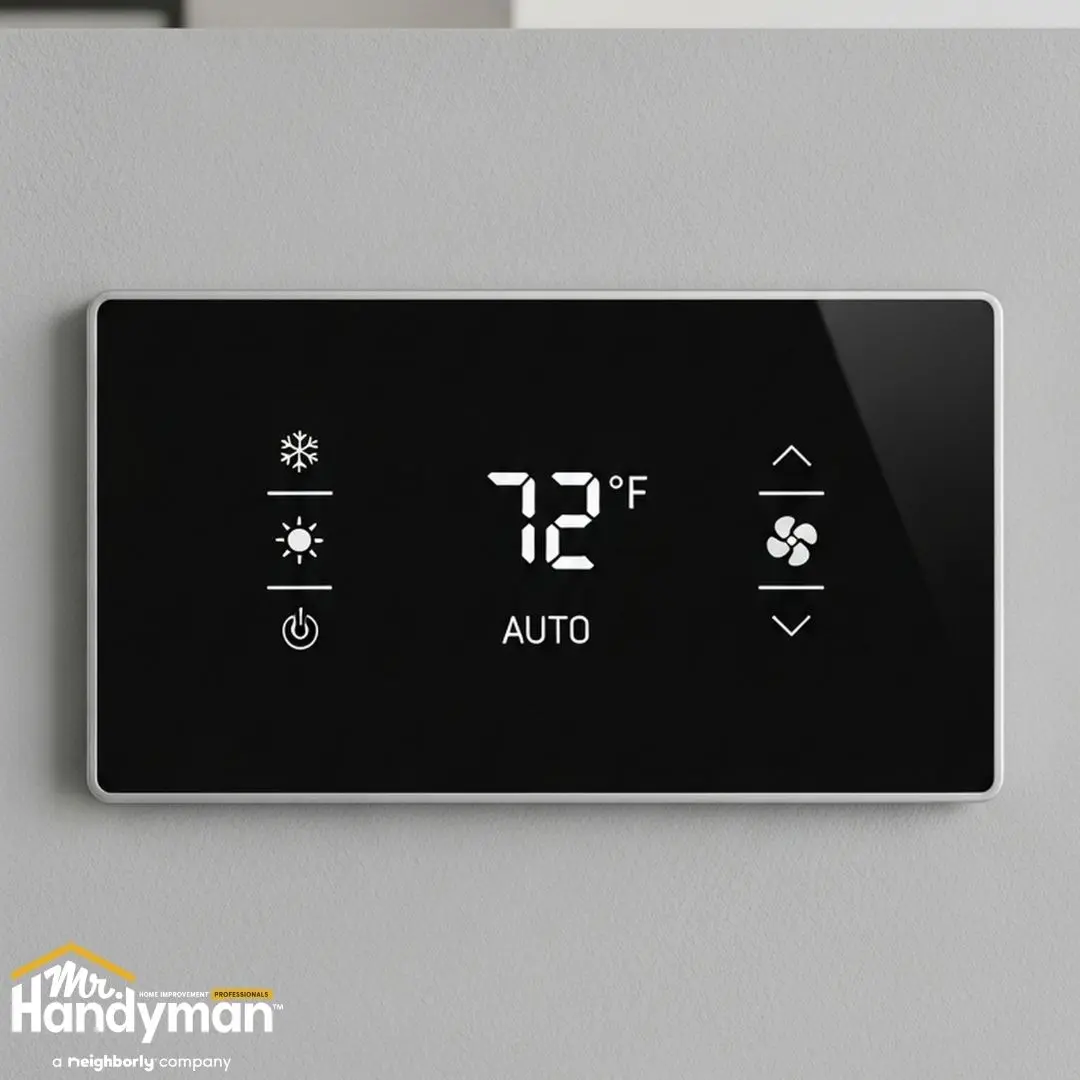
One of the most overlooked causes of winter plumbing damage is inconsistent indoor heating. Pipes rely on ambient warmth to stay above freezing, especially those located in exterior walls or unconditioned spaces.
Common Heating Mistakes That Lead to Frozen Pipes
- Lowering thermostats too much at night
- Turning heat off in unused rooms
- Shutting down heat while traveling
- Failing to heat basements and crawl spaces
Even short temperature drops can allow pipes to freeze, particularly during overnight cold snaps.
Best Practices for Winter Heating
To protect plumbing systems:
- Maintain consistent indoor temperatures
- Keep interior doors open to promote airflow
- Ensure basements receive adequate heat
- Address drafts near plumbing runs
- Use smart thermostats to prevent extreme drops
Heating consistency supports both plumbing reliability and overall home repair prevention.
Vacant Homes and Seasonal Properties Require Extra Care
Homes that are vacant or used seasonally face higher winter plumbing risk. Without regular water use and consistent heating, pipes freeze faster and failures go unnoticed longer.
Risks Associated With Vacant Properties
- Frozen pipes without warning signs
- Undetected leaks causing extensive damage
- Sump pump failure during snowmelt
- Increased mold growth after thawing
These risks affect both residential and commercial maintenance planning, especially for rental properties and second homes.
Preventative Steps for Vacant Properties
Effective strategies include:
- Winterizing plumbing systems
- Draining supply lines when appropriate
- Installing temperature monitoring devices
- Scheduling regular property checks
- Maintaining minimum heating levels
Proactive management reduces liability and repair costs while protecting long term property value.
Small Repairs Prevent Major Winter Damage
Minor plumbing issues often become major winter emergencies if left unresolved. A slow drip, loose fitting, or aging valve may seem harmless in mild weather but can fail catastrophically under freezing conditions.
Examples of Small Issues That Escalate in Winter
- Dripping faucets freezing overnight
- Loose fittings cracking under pressure
- Corroded valves failing during temperature shifts
- Condensation leading to hidden moisture damage
Addressing these issues early is one of the most cost effective home repair strategies available.
Why Timing Matters
Scheduling repairs before peak winter conditions ensures:
- Easier access to materials
- Shorter service wait times
- Lower overall repair costs
- Reduced risk of emergency situations
Preventative action aligns with responsible home maintenance and long term planning.
Winter Plumbing Preparedness Protects More Than Pipes
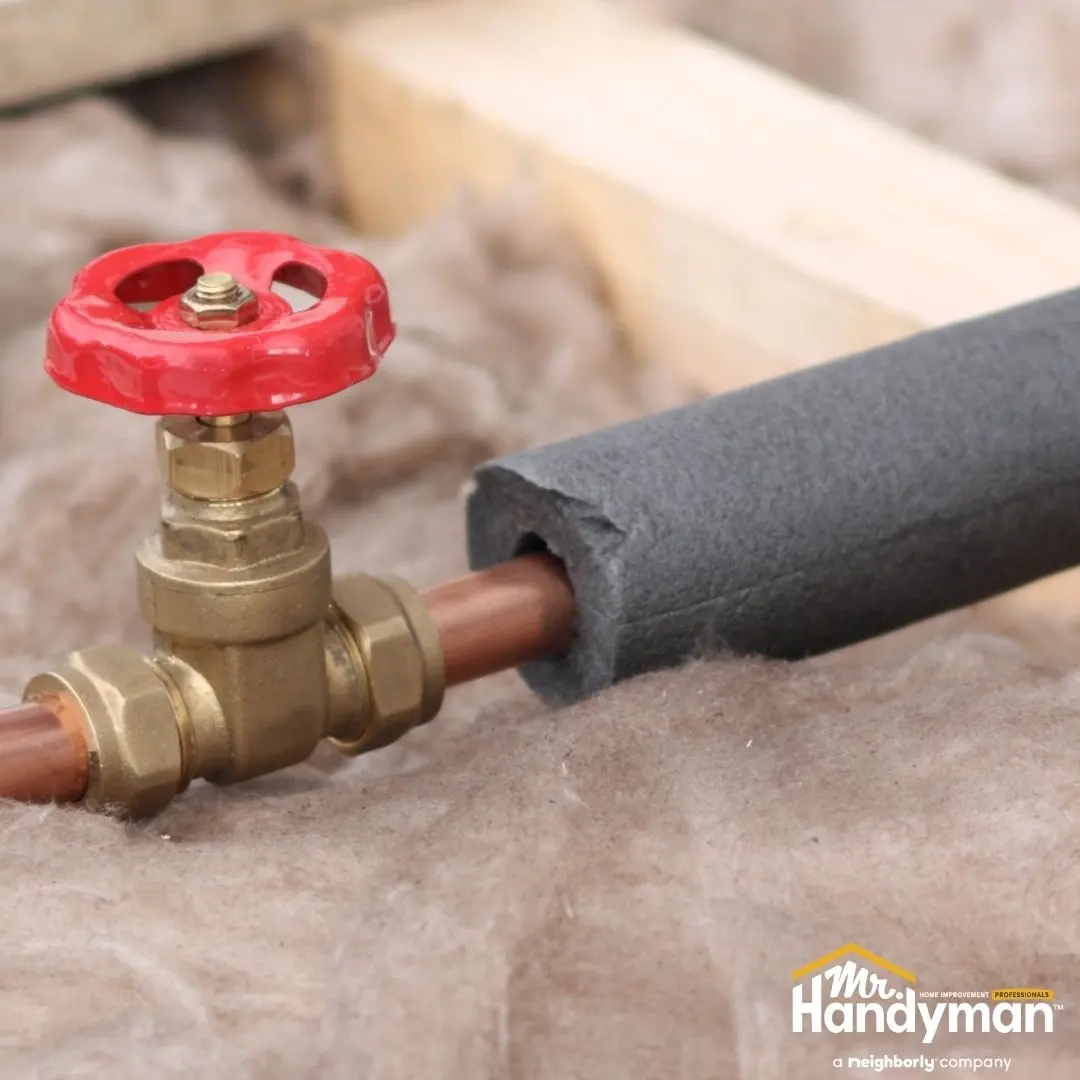
Plumbing failures impact more than water flow. They affect structural integrity, indoor air quality, electrical systems, and daily comfort. Preventing winter plumbing problems protects the entire home ecosystem.
Preparedness also provides peace of mind. Knowing systems are protected allows homeowners and business owners to focus on daily life without constant concern over weather related damage.
Get Professional Help Before Winter Plumbing Problems Start
If you want to reduce the risk of frozen pipes, water damage, and unexpected winter repairs, professional help makes a difference. Mr. Handyman of Montgomery County and Martinsburg provides reliable handyman services focused on prevention, safety, and long term performance.
Call to schedule a winter plumbing inspection or preventative maintenance service. Taking action now helps protect your home, your time, and your investment throughout the cold season.