Top Commercial Maintenance Priorities for the New Year should be a key focus for business owners and property managers who want to protect assets, control operating costs, and avoid disruptive repairs. As the calendar resets, the new year provides a natural checkpoint to evaluate building conditions, address deferred issues, and plan maintenance strategically instead of reactively. Commercial properties that enter the year with a clear maintenance plan are far less likely to face unexpected downtime or emergency expenses.
At Mr. Handyman of Montgomery County and Martinsburg, commercial maintenance requests often increase early in the year as businesses reassess facilities after heavy winter use. Properties across Rockville, Silver Spring, Bethesda, Gaithersburg, and Martinsburg face similar challenges regardless of industry. High foot traffic, constant system use, and seasonal stress expose weaknesses that require attention before they escalate.
Why the New Year Is Critical for Commercial Maintenance Planning
Commercial buildings operate continuously. Small issues that are tolerable in residential spaces can quickly become liabilities in commercial environments. The new year offers a practical opportunity to shift from short term fixes to structured commercial maintenance planning.
Several factors make this timing especially important:
- Increased wear from winter operations
- Deferred repairs from the previous year
- Budget resets and planning cycles
- Higher expectations for safety and compliance
- Preparation for peak business seasons
Addressing maintenance priorities early helps stabilize operations and reduces long term costs.
Life Safety and Compliance Should Come First
The most important commercial maintenance priority is safety. Issues related to safety and compliance should always be addressed before cosmetic or convenience upgrades.
Critical Life Safety Areas to Review
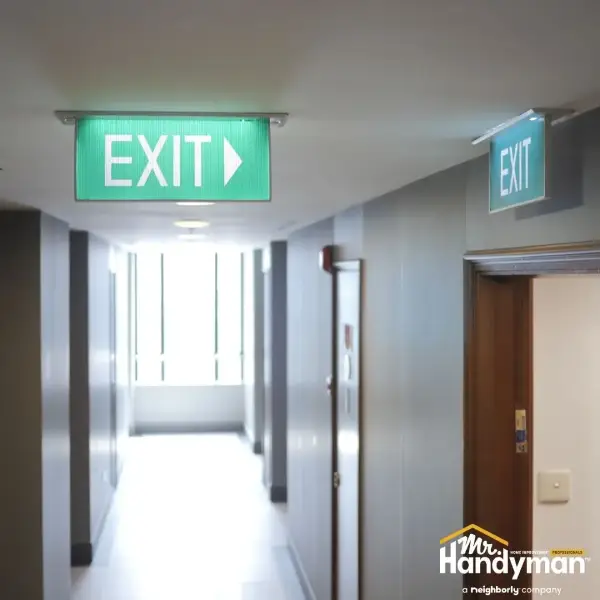
- Emergency lighting and exit signage
- Stairwells and handrails
- Fire rated doors and hardware
- Trip hazards and damaged flooring
- Proper operation of doors and egress routes
These elements are not optional. Failing to maintain them can result in fines, liability exposure, and increased risk to occupants.
Commercial maintenance focused on safety also demonstrates due diligence and professionalism to employees, customers, and inspectors.
Interior Wear and Tear Impacts Business Operations
Commercial interiors experience far more stress than residential spaces. Flooring, walls, doors, and fixtures endure constant use and quickly show signs of deterioration.
High Priority Interior Maintenance Areas
- Damaged drywall and wall surfaces
- Worn or loose flooring
- Doors that stick, sag, or fail to latch
- Hardware that no longer functions properly
- Restrooms with recurring issues
Ignoring these issues affects more than appearance. Poor interior conditions impact employee morale, customer perception, and overall operational efficiency.
Restroom Maintenance Is a Business Necessity
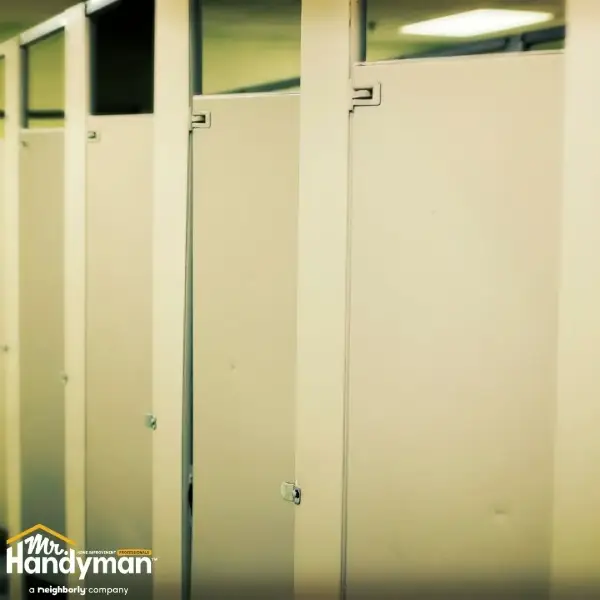
Restrooms are one of the most heavily used and most scrutinized areas in any commercial property. Problems here are noticed immediately and remembered.
Common Restroom Maintenance Priorities
- Leaking fixtures and supply lines
- Loose toilets or sinks
- Poor ventilation
- Broken partitions or accessories
- Damaged tile or flooring
Well maintained restrooms support hygiene, safety, and brand reputation. Addressing issues early prevents water damage and costly plumbing repairs later.
Doors, Hardware, and Access Points Deserve Special Attention
Commercial doors operate constantly. Failures disrupt access, compromise security, and create safety risks.
Door and Hardware Issues to Address Early
- Misaligned or dragging doors
- Broken closers or hinges
- Malfunctioning locks
- Worn panic hardware
- Drafty or poorly sealed entrances
Door related problems are among the most common causes of service calls and complaints in commercial maintenance. Proactive repairs reduce downtime and extend component lifespan.
Lighting and Electrical Issues Affect Productivity and Safety
Lighting problems are more than an inconvenience in commercial spaces. They directly affect safety, productivity, and energy costs.
Commercial Lighting Priorities for the New Year
- Replacing flickering or failed fixtures
- Upgrading to energy efficient lighting
- Improving lighting in stairwells and corridors
- Addressing exposed wiring or damaged outlets
Electrical and lighting maintenance improves visibility, reduces risk, and often delivers immediate cost savings through improved efficiency.
Preventative Maintenance Reduces Emergency Repairs
One of the biggest mistakes in commercial maintenance is deferring small repairs until they become emergencies. The new year is the right time to identify and address minor issues before they disrupt operations.
Examples of Preventative Commercial Maintenance
- Securing loose fixtures and shelving
- Repairing small leaks promptly
- Addressing early signs of moisture damage
- Replacing worn trim or finishes
Preventative maintenance is consistently less expensive than emergency repairs and helps businesses maintain predictable operating budgets.
Commercial Maintenance Supports Business Continuity
Maintenance issues do not exist in isolation. A single failure can affect productivity, customer experience, and employee safety.
Top commercial maintenance priorities for the new year focus on keeping systems reliable, spaces functional, and risks minimized. Businesses that invest in maintenance early avoid costly disruptions later.
Systems and Infrastructure That Demand Early-Year Attention
Beyond visible wear and daily maintenance issues, commercial properties rely on interconnected systems that quietly support operations. When these systems are neglected, failures tend to be disruptive, expensive, and highly visible to occupants and customers. That is why system level upkeep is one of the top commercial maintenance priorities for the new year.
Winter stress, continuous use, and deferred repairs from the previous year often converge at this point, making early intervention especially valuable.
Heating and Climate Control Performance Impacts Productivity
Comfort is not a luxury in commercial environments. Inconsistent temperatures affect employee productivity, customer experience, and equipment performance.
Common Climate-Related Commercial Maintenance Priorities
- Inconsistent heating across zones
- Drafts caused by failing seals or damaged doors
- Poor airflow in offices or retail areas
- Thermostat calibration issues
- Excessive system cycling
While major HVAC servicing may fall outside general handyman scope, many comfort issues are caused by building envelope failures, damaged vents, or interior components that can and should be addressed early.
Improving temperature consistency reduces complaints, supports energy efficiency, and minimizes strain on larger systems.
Walls, Ceilings, and Structural Surfaces Reveal Hidden Issues
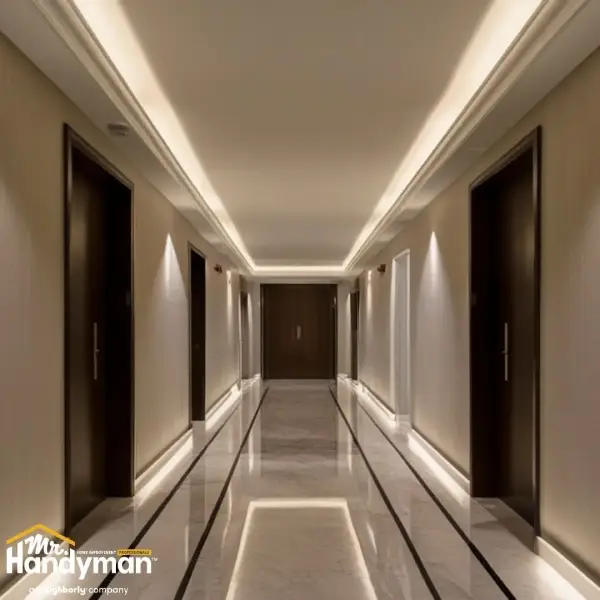
Commercial interiors often hide developing problems behind finishes. The new year is an ideal time to inspect and repair these surfaces before damage spreads.
High-Risk Interior Surface Issues
- Cracks caused by seasonal movement
- Water staining on ceilings or walls
- Loose or damaged ceiling tiles
- Peeling paint in high humidity areas
- Impact damage from carts or equipment
These issues are not purely cosmetic. They often signal moisture intrusion, ventilation problems, or structural movement that should be addressed promptly.
Flooring Maintenance Is a Safety and Liability Issue
Commercial flooring experiences constant traffic, making it one of the most critical maintenance priorities from both a safety and legal standpoint.
Flooring Issues That Should Be Addressed Early
- Loose or lifting tiles
- Frayed carpet edges
- Uneven transitions between surfaces
- Slippery finishes in restrooms or entryways
- Damaged baseboards creating trip hazards
Addressing flooring issues early reduces slip and fall risk and demonstrates active risk management, which is essential in commercial maintenance planning.
Windows, Interior Glass, and Seals Affect Energy and Security
Windows and glass partitions often receive less attention than doors, yet they play a major role in comfort, efficiency, and safety.
Commercial Window and Glass Maintenance Priorities
- Failed seals causing drafts
- Cracked or fogged glass
- Loose frames or glazing
- Damaged interior glass partitions
Properly sealed and secured glass reduces energy loss, improves acoustics, and enhances the professional appearance of the space.
Storage, Back-of-House, and Utility Areas Are Often Overlooked
Maintenance issues frequently originate in areas not visible to customers. Storage rooms, break rooms, and utility spaces deserve equal attention.
Back-of-House Maintenance Priorities
- Damaged shelving or storage systems
- Poor lighting in utility areas
- Moisture or leaks near equipment
- Obstructed access to panels or shutoffs
Well maintained support spaces improve safety for staff and make ongoing maintenance easier and more efficient.
Exterior-to-Interior Transition Points Need Attention
Even when exterior work is limited, the points where the outside meets the inside are critical maintenance zones.
Key Transition Areas to Inspect
- Entry thresholds and mats
- Door frames and weatherstripping
- Vestibules and lobby flooring
- Loading dock access points
These areas experience heavy wear and direct exposure to winter conditions. Early repairs prevent moisture intrusion and interior damage.
Consistency Across Multiple Locations or Units
For businesses managing multiple locations or multi-unit properties, consistency is a major commercial maintenance priority.
Why Consistency Matters
- Creates predictable maintenance costs
- Simplifies inspection and compliance
- Improves brand and tenant experience
- Reduces emergency repair frequency
Addressing the same issues across locations at the start of the year allows maintenance to be proactive rather than reactive.
Documentation and Maintenance Tracking
The new year is also the right time to improve how maintenance is tracked and documented.
Effective Commercial Maintenance Tracking Includes
- Documenting recurring issues
- Identifying high-failure components
- Scheduling preventative repairs
- Creating clear repair histories
Good documentation supports better decision making and more accurate budgeting throughout the year.
Early-Year Maintenance Sets the Tone for Operations
Top commercial maintenance priorities for the new year are about more than fixing what is broken. They establish a standard for how the property will be managed moving forward.
When systems, surfaces, and support spaces are addressed early, businesses operate more smoothly, staff morale improves, and unexpected disruptions decrease.
Building a Proactive Commercial Maintenance Strategy for the Year Ahead
Completing top commercial maintenance priorities for the new year means shifting from a reactive mindset to a proactive strategy. Businesses that treat maintenance as an ongoing operational priority rather than a series of fixes experience fewer disruptions, lower long term costs, and stronger tenant or customer confidence. Part C focuses on how to turn early year maintenance efforts into a sustainable system that supports the business all year long.
Why Reactive Maintenance Costs More Over Time
Reactive maintenance feels cheaper in the moment because it delays spending. In reality, it almost always leads to higher total costs.
Hidden Costs of Reactive Commercial Maintenance
- Emergency labor rates
- After-hours or expedited repairs
- Collateral damage from delayed fixes
- Operational downtime
- Lost productivity or revenue
- Increased liability exposure
Small issues that are ignored often grow into complex repairs that affect multiple systems. Proactive maintenance addresses problems while they are still isolated and manageable.
Preventative Maintenance Protects Business Continuity
Commercial spaces exist to support operations. When systems fail, business suffers. Preventative maintenance is designed to protect continuity by reducing the likelihood of unexpected failures.
Examples of Preventative Commercial Maintenance Actions
- Replacing worn components before failure
- Addressing early signs of moisture intrusion
- Tightening and securing fixtures regularly
- Refreshing high wear surfaces on a schedule
- Maintaining doors, hardware, and access points
These actions reduce emergency calls and create more predictable maintenance budgets.
Align Maintenance Priorities With Business Use
Not all commercial spaces function the same way. Maintenance priorities should align with how the building is used, not just what is visibly worn.
Usage-Based Maintenance Considerations
- Retail spaces require more flooring and entry maintenance
- Office environments prioritize lighting, comfort, and acoustics
- Medical or service facilities require higher restroom and surface standards
- Multi-tenant buildings require consistency and shared space upkeep
Aligning maintenance with use ensures resources are spent where they deliver the most value.
Standardization Improves Efficiency Across Commercial Properties
For businesses with multiple locations or large facilities, standardization is a major advantage.
Benefits of Standardized Maintenance Approaches
- Consistent repair methods and materials
- Faster diagnostics and repairs
- Easier training and vendor coordination
- More accurate budgeting and forecasting
Standardizing common repairs, finishes, and fixtures simplifies maintenance and reduces decision fatigue throughout the year.
Scheduling Maintenance to Minimize Disruption
Timing matters in commercial environments. The best maintenance plans account for business hours, peak usage, and tenant schedules.
Smart Scheduling Strategies
- Completing disruptive work during off hours
- Bundling similar repairs together
- Addressing high traffic areas during low usage periods
- Planning seasonal maintenance in advance
Thoughtful scheduling reduces complaints, maintains productivity, and improves overall satisfaction.
Documentation and Communication Are Critical
Effective commercial maintenance relies on clear documentation and communication between owners, managers, and service providers.
What Strong Maintenance Documentation Includes
- Repair histories by area or system
- Recurring problem tracking
- Photos and notes from inspections
- Clear prioritization of upcoming needs
Good records support faster decisions, reduce duplicated work, and provide clarity during inspections or audits.
Using the New Year to Reset Maintenance Standards
The new year is an opportunity to reset expectations. Establishing clear maintenance standards early creates consistency for the months ahead.
Examples of Resetting Maintenance Standards
- Defining acceptable wear thresholds
- Establishing response timelines
- Clarifying inspection schedules
- Prioritizing safety and compliance consistently
Clear standards reduce uncertainty and help teams respond more effectively when issues arise.
Commercial Maintenance Is an Investment, Not an Expense
Well maintained properties perform better financially. They retain tenants longer, reduce liability exposure, and require fewer emergency interventions.
Top commercial maintenance priorities for the new year should be viewed as investments in reliability, safety, and brand reputation rather than unavoidable costs.
Long-Term Benefits of Starting the Year Strong
Businesses that address maintenance early in the year often experience:
- Fewer emergency repairs
- More predictable budgets
- Improved tenant and employee satisfaction
- Stronger operational performance
Early action sets a positive tone that carries through every season.
Start the New Year With a Strong Commercial Maintenance Plan
If you are ready to address your commercial maintenance priorities and build a proactive plan for the year ahead, Mr. Handyman of Montgomery County and Martinsburg is here to help. Our experienced team provides dependable commercial maintenance services focused on prevention, safety, and long term performance.
Call to schedule a commercial maintenance consultation and start the year with confidence and control.