Why Every Scuff Mark and Chip Matters More Than You Think
Walk into any fitness center, wellness studio, yoga space, or martial arts facility and within the first thirty seconds, you have formed an impression. That impression is not based on a single dramatic element. It is the cumulative effect of dozens of small visual details that your brain processes faster than you consciously register them. The condition of the paint on the walls is one of the most powerful of those details, and it is one of the most frequently overlooked by facility operators who have become accustomed to seeing the same scuffs, chips, and marks every day.
Paint damage in fitness and wellness facilities is not a question of if but when and how much. Equipment gets moved and bumps walls. Members brush against surfaces during transitions between exercises. Bags, water bottles, and gym equipment make contact with walls near storage areas and high-traffic zones. In group fitness studios where classes run back to back throughout the day, the cumulative impact of hundreds of members moving through the space each week shows up on painted surfaces faster than in almost any other commercial environment.
The question is not whether paint damage will occur. The question is whether facility operators address it systematically through regular touch-ups or allow it to accumulate until the facility looks worn, neglected, and less professional than it actually is. The difference between those two approaches is visible to every member, every prospect touring the facility, and every person forming an opinion about whether this is a place they want to spend time and money.
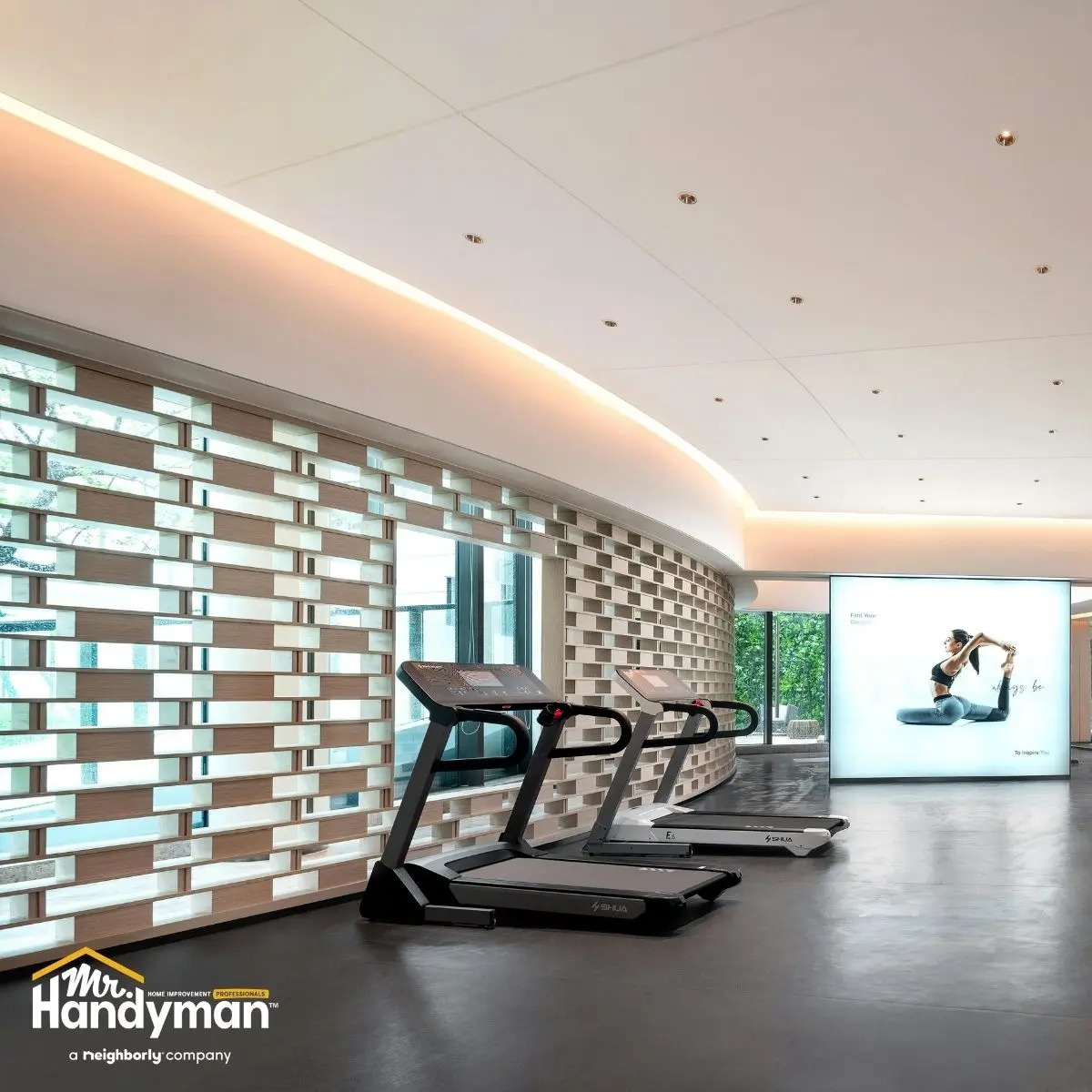
Across Martinsburg, Charles Town, and the communities of Montgomery County, fitness and wellness facilities operate in competitive markets where member experience drives retention, referrals, and revenue. Small paint repairs are one of the most cost-effective and highest-impact maintenance investments available because they address the visual signals that shape member perception before those signals become strong enough to affect behavior. Understanding why paint condition matters, what causes damage in fitness environments, and how systematic touch-up programs work helps facility operators protect their investment in their space and their reputation.
What Paint Damage Communicates to Members and Prospects
To understand why small paint repairs matter, it helps to understand what damaged paint actually communicates to the people who see it. A scuff mark on a wall is not just a cosmetic imperfection. It is a signal. It tells the person looking at it that something made contact with that wall and no one addressed it. The longer that scuff remains visible, the stronger the signal becomes. One scuff mark is a minor detail. Ten scuff marks across multiple walls in a single room is a pattern, and that pattern communicates that the facility is not maintained carefully.
Members form judgments about cleanliness, professionalism, and attention to detail based on the cumulative condition of every surface they see. A facility where equipment is well maintained but walls are marked and chipped creates a disconnect. The equipment says one thing about care and quality, and the walls say something different. That disconnect creates doubt, and doubt in a member's mind about whether the facility is truly committed to quality affects their satisfaction, their likelihood of renewing, and their willingness to refer friends and family.
For prospects touring a facility for the first time, the stakes are even higher. They have no history with the space, no relationship with staff, and no loyalty to overcome a negative first impression. They are evaluating everything they see against their expectations and against the other facilities they are considering. A prospect who walks through a space and consciously or unconsciously registers that the walls are marked, the paint is chipped near door frames, or the locker room shows visible wear is forming an impression that the facility operator may never get another chance to correct.
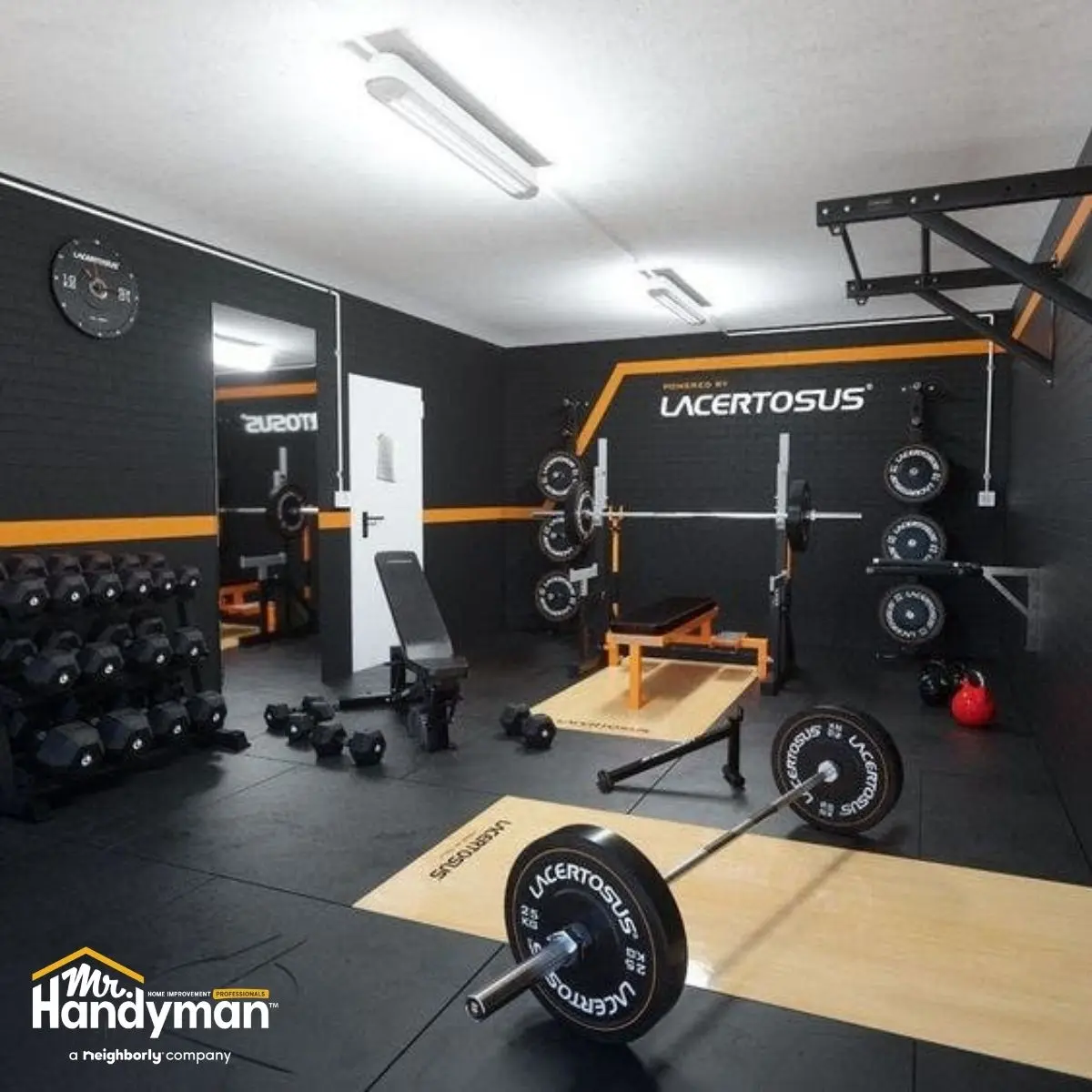
The comparison is particularly sharp in markets where multiple fitness options exist within a small geographic area. In commercial corridors throughout Martinsburg, Charles Town, Rockville, Bethesda, and Silver Spring, fitness facilities often operate within a few miles of each other. When a prospect is deciding between two facilities that offer similar programming at similar prices, the condition of the physical space becomes a tiebreaker. The facility with fresh, well-maintained paint wins that comparison consistently.
The Specific Ways Fitness Environments Damage Paint
Paint in fitness and wellness facilities faces wear patterns that are distinct from other commercial environments, and understanding those patterns helps facility operators anticipate where damage will occur and plan touch-up schedules accordingly.
High-Contact Zones Around Equipment
Any area where equipment is stored, moved, or used repeatedly develops paint damage over time. Weight room walls near rack storage, spaces where barbells and dumbbells are returned after use, and corners where equipment gets pushed against walls during cleaning all accumulate scuffs, chips, and transfer marks from rubber, metal, and plastic equipment components. These marks are often black or gray against lighter paint colors and are highly visible even from across a room.
The impact marks from equipment are not always dramatic individual events. More often, they are the result of hundreds of small contacts over weeks and months, each one removing a small amount of paint or depositing material onto the surface. The cumulative effect is walls that look progressively more worn and less professional as the damage accumulates.
Door Frames and Transition Areas
Door frames, particularly in high-traffic areas between workout spaces, locker rooms, and entrances, take sustained contact from members, equipment, and bags passing through them. The edges of door frames chip easily when impacted, and the areas immediately adjacent to doors accumulate scuff marks from hands, shoulders, and bags brushing against them during entry and exit.
In facilities where doors are frequently propped open during peak hours or where members move large equipment bags through doorways, the damage to frames and surrounding walls accelerates. A door frame that was freshly painted six months ago can show significant wear by the end of a busy season if the facility sees heavy traffic and the space is used intensively.
Baseboards and Lower Wall Sections
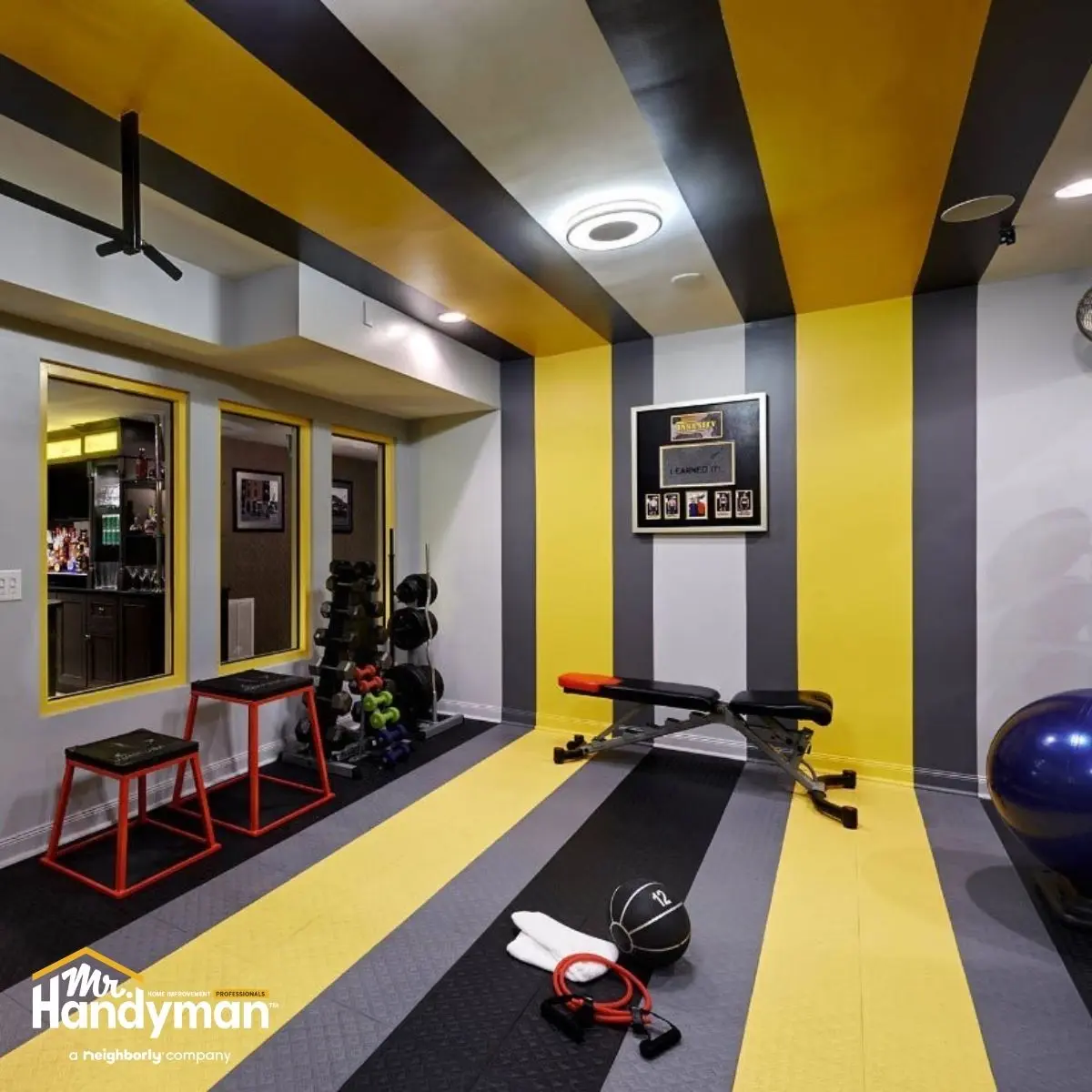
The lower twelve to eighteen inches of walls in fitness facilities are particularly vulnerable to damage from equipment being set down, rolled, or dragged across floors. Yoga mats, foam rollers, resistance bands, and other portable equipment make contact with baseboards and lower walls regularly. In spaces where cleaning equipment is stored or moved through, mop handles, vacuum cleaners, and cleaning carts contribute additional contact damage.
Baseboards that were painted the same color as walls show scuffs more visibly than those painted in contrasting trim colors, but regardless of color scheme, the lower sections of walls in fitness spaces accumulate visible wear faster than upper sections and require more frequent attention.
Locker Rooms and Wet Areas
Locker rooms face paint challenges that go beyond simple contact damage. High humidity from showers, combined with the heat generated by occupancy and the moisture that members bring into the space, creates conditions where paint can blister, peel, or develop mildew growth if the wrong paint type was used or if ventilation is inadequate. Paint failures in locker rooms are as much about maintenance and environmental control as they are about the paint itself.
Areas near benches, lockers, and shower entrances also accumulate scuffs from bags, shoes, and members moving through the space. The combination of physical contact damage and moisture stress makes locker room paint one of the highest-maintenance areas in any fitness facility.
Why Systematic Touch-Up Programs Work Better Than Deferred Repainting
Facility operators often approach paint maintenance as a binary choice between doing nothing until the damage is severe enough to justify full repainting or addressing every mark immediately as it appears. Neither extreme is practical or cost-effective. The approach that works best in fitness environments is a systematic touch-up program that addresses damage on a schedule before it accumulates to the point where it affects member perception.
A touch-up program conducted quarterly or semi-annually identifies the highest-visibility areas where damage has appeared since the last service, addresses those areas with color-matched paint, and prevents the cumulative visual degradation that comes from allowing marks to accumulate unchecked. The cost of quarterly touch-ups over two years is typically less than half the cost of full repainting, and the facility maintains a consistently fresh appearance throughout that period rather than looking progressively worse until repainting becomes unavoidable.
Touch-ups are most effective when conducted during low-traffic periods, early mornings, late evenings, or during facility closures when the work can be completed without disrupting member experience. The process itself is straightforward when the correct paint colors have been documented and stored, and when the person conducting the work understands the visual standards the facility is trying to maintain.
The challenge many facilities face is that original paint colors were never documented, leftover paint was discarded after the original application, and when touch-ups are needed, no one knows exactly which colors were used or where to source a match. This gap turns every touch-up project into a color-matching exercise that adds time, cost, and uncertainty to what should be a routine maintenance task. Facilities that document paint colors at the time of original application or full repainting, store labeled samples, and maintain a small inventory of touch-up paint for high-use colors avoid this problem entirely.
The Specific Areas That Deserve Priority in Touch-Up Schedules
Not every area of a fitness facility requires the same frequency of touch-up attention. Understanding which spaces are highest priority helps facility operators allocate maintenance resources effectively and ensure that the areas most visible to members and prospects are always in good condition.
Entrance and Reception Areas
The entrance and front desk area is where every member and prospect forms their first impression of the facility. Paint condition in these areas should be maintained at the highest standard because the visual impact is immediate and unavoidable. Walls near the entrance door, around the reception desk, and in the area where members check in should be inspected monthly and touched up as soon as any damage appears.
Group Fitness Studios
Group fitness studios, particularly those with mirrored walls and bright lighting, show paint imperfections more visibly than other spaces. Scuffs, marks, and chips on walls in these rooms are magnified by the mirrors and are visible to every member participating in a class. Studios should be inspected after high-use periods and touched up at least quarterly to maintain the clean, professional appearance that members expect in these spaces.
Locker Rooms and Restrooms
Locker rooms and restrooms are where members spend time in a more personal context, and the condition of these spaces affects how they feel about the overall quality of the facility. Paint in locker rooms should be maintained not just for appearance but for hygiene, as damaged or peeling paint in wet areas can harbor mold and bacteria. These areas should be inspected monthly and any paint failure addressed immediately.
Hallways and Transition Spaces
Hallways connecting different areas of the facility and the spaces immediately outside studio doors are high-traffic zones where contact damage accumulates quickly. These areas are often overlooked because they are transitional rather than destinations, but members pass through them multiple times per visit and notice their condition even if they do not consciously think about it. Quarterly touch-ups in hallways keep these spaces looking intentional and cared for rather than worn and neglected.
Paint Selection and Surface Preparation for Long-Term Performance
The longevity of any paint application, whether original painting or touch-up work, depends as much on surface preparation and paint selection as it does on application technique. In fitness environments where walls face sustained physical contact and high humidity in some areas, using the right paint type and preparing surfaces properly before application makes a measurable difference in how long the finish lasts.
Paint Type and Finish
Walls in fitness facilities should be painted with high-quality acrylic latex paint in a satin or semi-gloss finish. Flat paint, while visually appealing, does not hold up to cleaning and shows scuffs and marks more prominently than satin or semi-gloss finishes. Satin finishes provide a slight sheen that is easier to clean and more resistant to marking than flat paint while avoiding the high-gloss appearance that can feel institutional.
In locker rooms and other high-moisture areas, paint should be specifically formulated for bathroom or kitchen use, with mildew-resistant properties that prevent biological growth in humid conditions. Standard wall paint used in locker rooms will fail relatively quickly as moisture penetrates the film and allows mildew to establish on the surface.
Surface Preparation Before Touch-Ups
Effective touch-ups require more than simply brushing paint over a scuff mark. The damaged area should be cleaned to remove any dirt, oil, or residue that would prevent adhesion. If the damage includes a chip or gouge in the drywall surface, the area should be filled with lightweight spackling compound, allowed to dry, and sanded smooth before paint is applied. Touch-up paint applied over an unprepared surface will not blend well and may fail prematurely, requiring the work to be redone.
For areas that receive sustained contact, such as door frames and corners, priming before the finish coat improves adhesion and durability. The small additional time required for proper preparation extends the interval before the next touch-up is needed and produces results that look professional rather than patched.
Frequently Asked Questions
How often should paint touch-ups be performed in a fitness facility?
High-visibility areas including entrances, reception areas, and group fitness studios should be touched up quarterly or as soon as damage appears. Other areas can typically be maintained on a semi-annual schedule. The exact frequency depends on facility traffic, the care with which members use the space, and the visual standards the facility wants to maintain.
Can paint touch-ups be done while the facility is operating?
Yes, touch-ups in most areas can be completed during operating hours with minimal disruption, particularly in spaces that are not continuously occupied. Entrance areas and high-traffic zones are best addressed during early morning or late evening periods when traffic is lightest. Spaces that require painting during occupancy should be ventilated adequately and members should be notified if any areas will be temporarily inaccessible.
What is the best way to ensure touch-up paint matches the original color?
The most reliable approach is to document paint colors at the time of original application, retain labeled samples, and maintain a small inventory of each color for touch-up use. If original color information is not available, a paint sample can be taken from an inconspicuous area and matched at a paint supplier. Computerized color matching has improved significantly and can produce very accurate matches from small samples.
Does touching up paint regularly reduce the need for full repainting?
Yes, significantly. Facilities that maintain paint through regular touch-ups can often extend the interval between full repainting from three to five years to five to eight years or longer depending on use and care. The cumulative cost of touch-ups over that extended period is consistently less than the cost of more frequent full repainting.
Should touch-ups be done by facility staff or contracted out?
This depends on the scale of the facility, the skill level of available staff, and whether the facility has documented paint colors and maintained touch-up supplies. Small facilities with maintenance staff who have basic painting skills can handle routine touch-ups internally if the process is made straightforward through proper documentation and supply availability. Larger facilities or those without in-house painting capability benefit from contracting touch-up work to a service provider who can complete the work efficiently on a scheduled basis.
How does paint condition affect member retention?
While members rarely cite paint condition as a primary reason for leaving a facility, it contributes significantly to the overall impression of quality, care, and professionalism that affects satisfaction and renewal decisions. Facilities where paint is well maintained as part of a broader commitment to facility appearance consistently show higher member retention than facilities where visible wear is allowed to accumulate without intervention.
Keep Your Facility Looking Its Best With Systematic Paint Maintenance
The fitness and wellness facilities that maintain strong reputations and high member satisfaction over time are the ones that understand every detail of the member experience matters, including the condition of the paint on the walls. Small repairs conducted systematically before damage becomes obvious protect the investment in the facility's appearance and ensure that every member and prospect sees a space that looks cared for, professional, and worthy of their time and money.
Mr. Handyman serves fitness and wellness facilities throughout the Eastern Panhandle and Montgomery County with paint touch-up services, full interior painting, surface preparation, color documentation, and the systematic maintenance approach that keeps facilities looking fresh year-round without the disruption and expense of constant full repainting.
Mr. Handyman of Martinsburg and Charles Town
Mr. Handyman of Northern Montgomery County
Mr. Handyman of South Montgomery County
Call to schedule a paint assessment for your facility or to discuss a touch-up program that keeps your space looking professional and well maintained through every season.