Why Safety Infrastructure Cannot Be Treated as Set-It-and-Forget-It
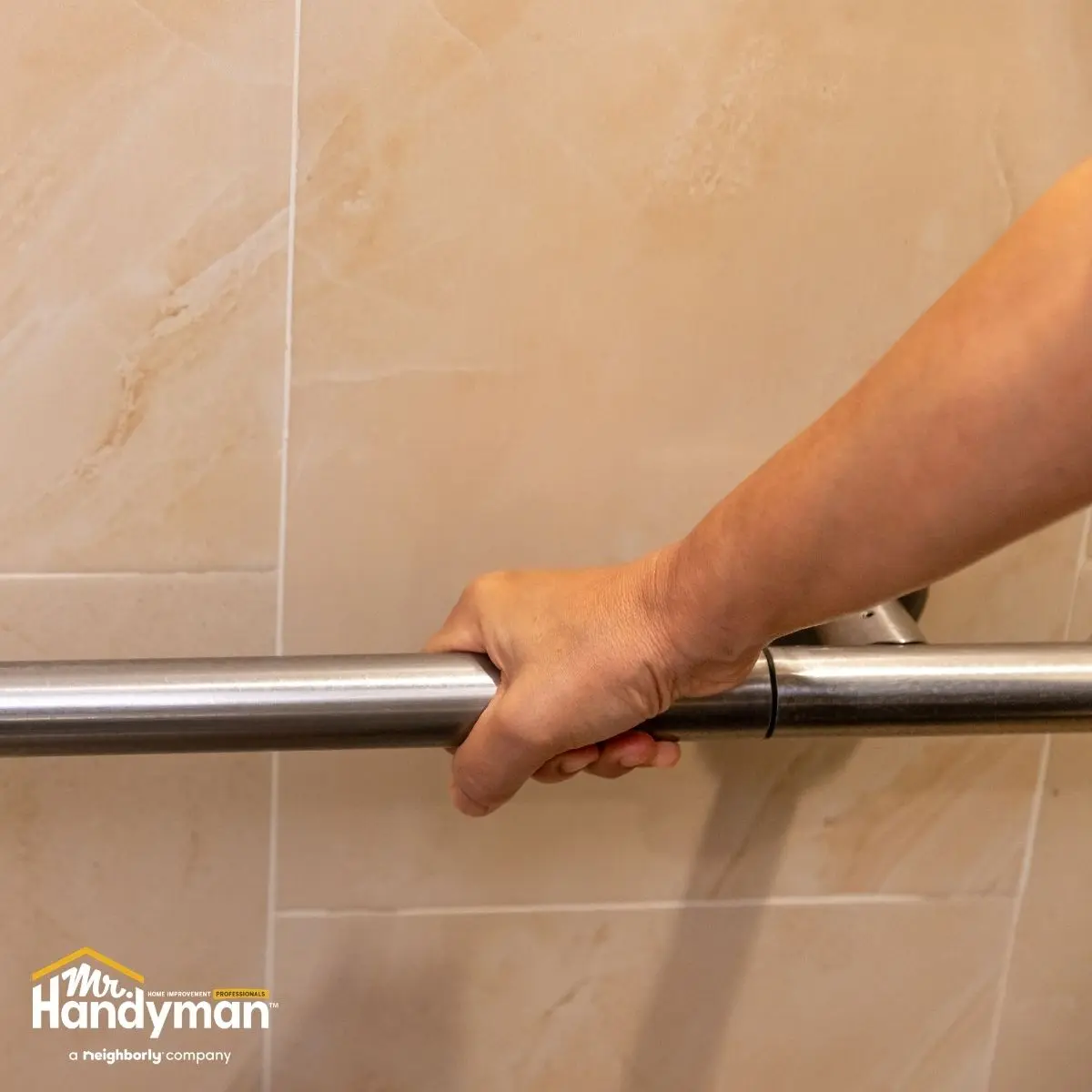
Every fitness facility, wellness center, yoga studio, and gym operates under an implicit promise to its members: that the environment is safe for the physical activity taking place within it. That promise is not simply a marketing message or a legal formality. It is a fundamental operational obligation that shapes liability exposure, insurance coverage, member trust, and the facility's ability to operate without interruption. The safety infrastructure supporting that promise—handrails, grab bars, emergency lighting, fire suppression systems, and the dozens of other protective elements built into the facility—requires active, ongoing maintenance to remain functional. The moment a facility operator assumes these systems will continue working indefinitely without inspection is the moment risk begins accumulating silently.
Safety equipment failures in fitness environments do not announce themselves with advance warning. A handrail that has been slowly loosening from its mounting over months of use does not send a notification before it finally gives way under the weight of a member using it for support on a stairway. An emergency exit sign whose battery backup has degraded does not indicate its condition until power is lost and the sign fails to illuminate when it is needed most. A grab bar in a locker room shower that was improperly installed or that has corroded at its mounting points does not reveal the problem until someone applies their full weight to it and it separates from the wall.
The gap between when these failures occur and when they are discovered determines whether they are caught as maintenance issues during a routine inspection or as liability events following an injury. Facilities operating throughout Martinsburg, Charles Town, and the communities of Montgomery County face this risk identically regardless of their size, age, or membership base. The difference between facilities that manage this risk effectively and those that discover it through incident is the presence or absence of systematic monthly safety inspections that treat protective infrastructure as the critical operational system it actually is.
This checklist covers the full scope of safety equipment and infrastructure that requires monthly inspection in fitness and wellness facilities, explains what to check and why each item matters, and provides the framework facility operators need to build inspection routines that actually prevent incidents rather than simply documenting conditions after problems have already occurred.
Handrails and Guardrails: The First Line of Fall Prevention
Handrails and guardrails in fitness facilities serve a life safety function that goes beyond convenience. They prevent falls on stairs, ramps, and elevated surfaces, and they provide necessary support for members moving through the facility, particularly during transitions when balance may be challenged by fatigue from a workout. Any handrail or guardrail that is loose, damaged, or improperly secured is a fall hazard that carries direct liability exposure the moment it fails to provide the support a member expects from it.
Stairway Handrails
Every stairway in the facility, whether a primary access route or a secondary stairwell, should have handrails inspected monthly for secure mounting. Grasp each handrail firmly and apply downward and lateral pressure while moving along the full length of the rail. The rail should feel absolutely solid with no movement, flexing, or shifting at any point. Any detectable movement indicates that mounting brackets have loosened or that fasteners have backed out over time from the repeated stress of use.
Check the connection points where handrails meet walls or posts. These junctions are common failure points because the leverage applied by a hand gripping the rail concentrates stress at the mounting hardware. If the facility has wall-mounted handrails, the mounting brackets should be secured into wall studs or solid backing, not simply into drywall or plaster. A handrail mounted only into surface material without solid backing behind it will pull free under load regardless of how secure it feels during casual inspection.
Handrails should be free of sharp edges, splinters, or rough spots that could injure a hand sliding along them. Wood handrails that have not been maintained may develop splinters as the finish wears. Metal handrails can develop burrs or sharp edges at joints and end caps. These conditions may seem minor but they affect whether members use the handrail consistently, and a handrail that members avoid using because it is uncomfortable defeats the entire safety purpose.
The height and position of handrails should comply with building codes, which generally require handrails between 34 and 38 inches above the stair nosing and positioned so that they are graspable along the full length of the stair run. Handrails that are too high, too low, or interrupted at landings do not provide continuous support and may not meet code requirements that were in effect when the facility was built or that apply under current occupancy use.
Guardrails on Elevated Surfaces
Any elevated surface in the facility, including mezzanines, lofted areas, or platforms above standard floor level, should have guardrails that are secure, properly height-compliant, and free of any damage that could allow a member to fall through or over them. Guardrail top rails should be at minimum 42 inches above the floor surface they protect, and the space between rails or between a rail and the floor should not permit a sphere larger than four inches to pass through, which is the code-specified maximum opening to prevent children from slipping through.
Test guardrails the same way handrails are tested, by applying firm lateral and downward pressure at multiple points along the rail and at posts or connection points where stress concentrates. A guardrail that shifts, flexes excessively, or shows movement at connection points needs immediate repair because the failure mode of a guardrail is catastrophic rather than gradual.
Grab Bars in Locker Rooms and Wet Areas
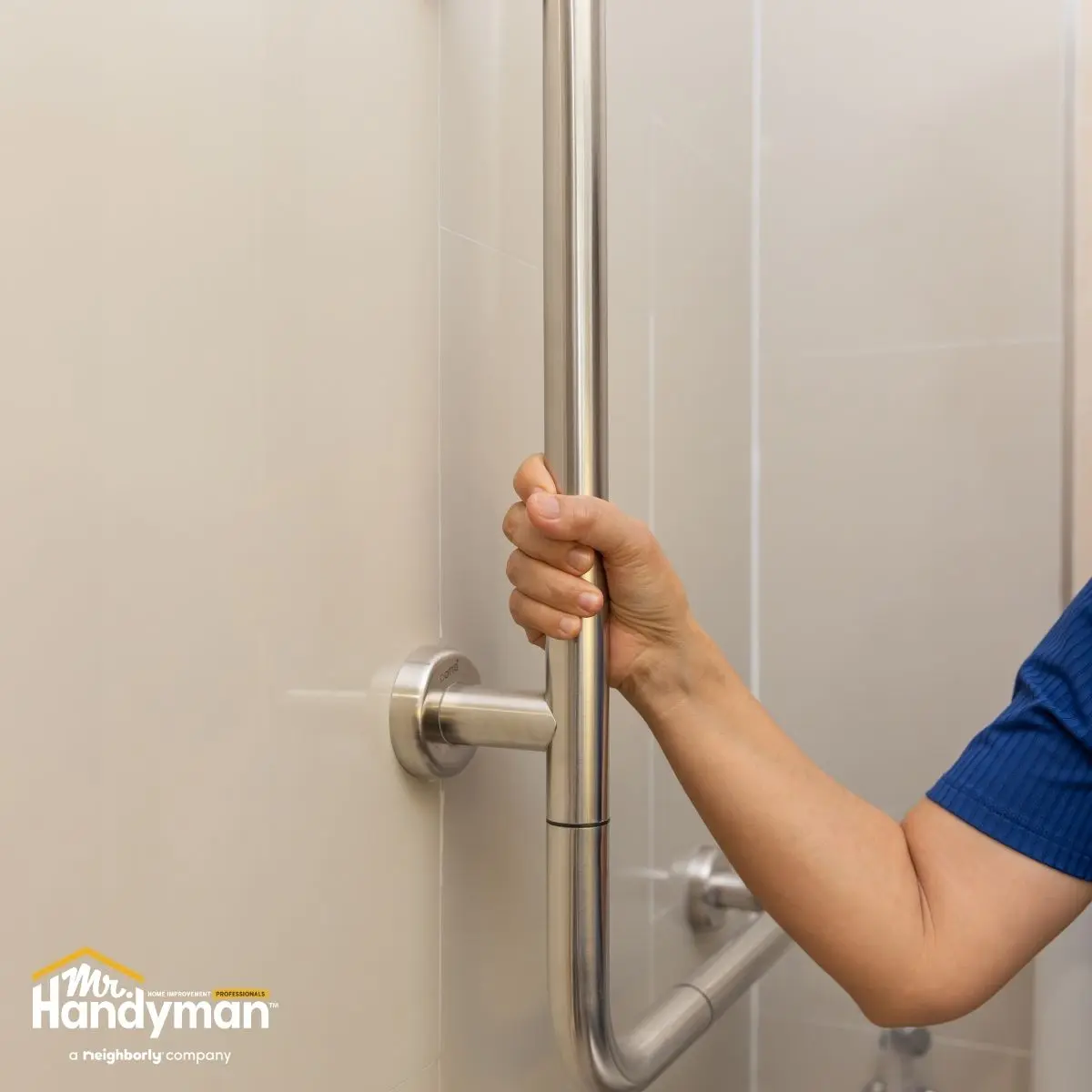
Grab bars installed in showers, near toilets, and in other areas where members may need support in wet or slippery conditions are critical safety devices that require monthly inspection because their failure can result in serious injury. A member who reaches for a grab bar to prevent a fall and finds that the bar pulls free from the wall experiences not just the initial slip but the secondary impact that follows, often with greater force than the original stumble would have caused.
Shower Grab Bars
Every grab bar in every shower stall should be tested monthly by gripping it firmly and applying the kind of force a person trying to catch themselves during a fall would generate. This is not a gentle push. It is a firm, sustained pull and lateral stress that tests whether the mounting is secure enough to support body weight under dynamic conditions. A grab bar that is mounted into tile or fiberglass shower surrounds must be anchored to solid backing behind the surface material. Grab bars mounted only into tile with surface anchors will fail when stressed.
Check the mounting flanges where the grab bar attaches to the wall. These flanges should be tight against the wall surface with no visible gaps, rust staining, or water damage to the surrounding material. Any gap between the flange and the wall indicates that the mounting has loosened or that water has penetrated behind the bar and compromised the backing material. Water damage behind grab bar mounts is common in older facilities where original installations did not include proper sealing or where caulk has failed over time and been allowed to remain unsealed.
The surface of grab bars should be checked for excessive wear, corrosion, or loss of the non-slip texture that makes them graspable when wet. Stainless steel grab bars generally resist corrosion well, but fixtures in environments with high chlorine levels from pool areas or harsh cleaning chemicals can develop surface pitting over time. Any grab bar showing significant surface degradation should be replaced before the structural integrity of the bar itself is affected.
ADA-Compliant Grab Bars in Restrooms
Grab bars adjacent to toilets in accessible restrooms are required under ADA standards and serve a life safety function for members with mobility limitations. These bars should be tested monthly with the same rigor as shower grab bars. The positioning and height of these bars is specified by ADA guidelines, typically 33 to 36 inches above the floor, and any bar that has been moved, adjusted, or reinstalled should be verified to meet those specifications.
Check for any signs that the toilet fixture itself has shifted or loosened, which can place lateral stress on grab bars that are mounted to the wall adjacent to the fixture. A toilet that rocks or shifts when weight is applied to it indicates that the floor flange has failed or that the mounting bolts have loosened, and this movement can transfer stress to nearby grab bars in ways that accelerate their loosening.
Emergency Exit Systems and Illumination
Emergency exit systems in fitness facilities include illuminated exit signs, emergency lighting that activates during power loss, and the clear, unobstructed access to exits that allows rapid evacuation when necessary. These systems are life safety infrastructure that must function during the exact conditions when they are needed most, which are typically high-stress, low-visibility situations where power has been lost or where smoke or other visibility obstructions are present.
Exit Sign Functionality and Battery Backup
Every illuminated exit sign in the facility should be tested monthly by pressing the test button that simulates a power loss and confirms the battery backup activates. The sign should remain fully illuminated for the duration specified by code, which is typically 90 minutes. An exit sign that does not illuminate when tested or that dims noticeably within the first few minutes of the test has a failed or degraded battery that must be replaced immediately.
Exit signs that are illuminated continuously during normal operation should be visually inspected to confirm the illumination is bright and uniform across the entire sign face. Exit signs that have dimmed, where some letters are less visible than others, or where the sign housing is damaged should be repaired or replaced. In an emergency evacuation, exit signs are often the only visual reference points in a smoke-filled or darkened space, and any sign that is not performing at full brightness is not providing the guidance it was installed to deliver.
Confirm that exit signs are positioned where they are visible from all areas of occupied space and that no equipment, signage, or facility modifications have blocked the line of sight to exit signs since the last inspection. A common problem in fitness facilities is that equipment placement, mirrors, banners, or promotional signage gradually obscures exit signs without anyone consciously deciding to block them. An exit sign that is mounted but not visible from the areas it is meant to serve does not fulfill its code requirement or its safety function.
Emergency Lighting Systems
Emergency lighting units, which typically consist of battery-powered lights mounted near exits and along egress paths, should be tested monthly using the test button that forces the unit to switch to battery power. The lights should activate immediately, produce adequate illumination to navigate the space safely, and remain lit for at least 90 minutes without significant dimming. Any unit that fails to activate, produces weak illumination, or shuts off prematurely needs immediate battery replacement or unit replacement if the battery is not serviceable.
Walk the primary egress paths in the facility during normal operating hours and mentally assess whether the emergency lighting coverage would be adequate if all normal lighting were lost. Areas where emergency light coverage seems insufficient, particularly long hallways, stairwells, or large open spaces, may require additional emergency lighting units to meet the illumination levels required by fire and building codes.
Equipment Anchoring and Stability in Workout Areas
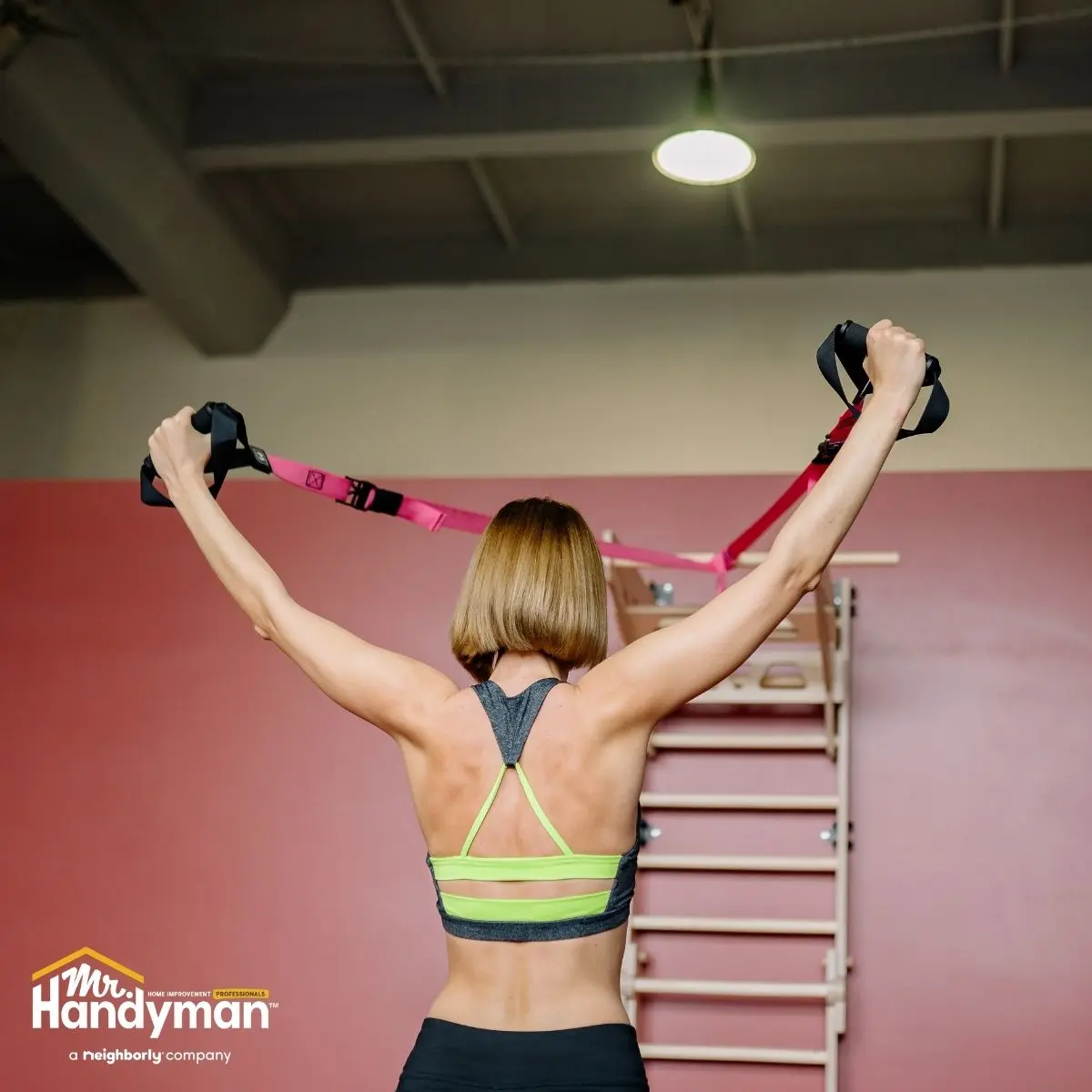
While not traditionally considered safety equipment in the same category as handrails and emergency systems, the equipment that members interact with directly during workouts represents a significant safety concern if not properly maintained. Heavy equipment that tips, cables that fray, and benches that collapse are injury sources that systematic inspection prevents.
Free Weight Storage and Rack Stability
Weight storage racks should be tested monthly for stability by applying lateral pressure to confirm they do not tip or shift. A rack that is top-heavy with loaded weights but not properly secured to a wall or floor is a tipping hazard, particularly if members are loading or unloading weights from upper positions. All freestanding racks that exceed a certain height-to-base ratio should be anchored to walls or floors according to manufacturer specifications.
Examine the structural welds and joints on weight racks for any sign of cracking or separation. Equipment that sees heavy use and repeated loading and unloading develops fatigue at stress points over time, and a rack that has begun to separate at a weld or joint can fail suddenly under load. Any structural damage observed during inspection should take the equipment out of service immediately until repairs or replacement can be completed.
Frequently Asked Questions
How long does a thorough monthly safety inspection take for a typical fitness facility?
A comprehensive monthly safety inspection of a 5,000 to 10,000 square foot fitness facility typically requires two to four hours depending on the complexity of the layout, the number of separate spaces, and the amount of equipment present. Facilities with multiple floors, extensive locker room areas, or large equipment inventories require proportionally more time. The inspection should never be rushed because the entire purpose is to identify conditions that could cause injury before they result in incidents.
Who should conduct monthly safety inspections?
Monthly safety inspections can be conducted by trained facility staff, facility managers, or contracted safety professionals depending on the size and complexity of the facility and the technical knowledge available internally. The critical requirement is that whoever conducts the inspection understands what they are looking for, follows a consistent checklist, and documents findings in a way that creates a usable maintenance record over time.
What should be done if a safety hazard is identified during inspection?
Any safety hazard that poses immediate risk of injury should result in the area or equipment being taken out of service immediately until repairs are completed. Conditions that represent developing concerns but not immediate hazards should be documented, scheduled for repair, and monitored in subsequent inspections to confirm they are addressed. The documentation of both the finding and the corrective action is essential for liability protection and for tracking whether the maintenance system is functioning effectively.
Are monthly safety inspections required by law or code?
Specific inspection frequency requirements vary by jurisdiction and by the type of facility, but most commercial building codes and OSHA workplace safety standards include provisions requiring regular inspection and maintenance of safety equipment including exit systems, fire protection equipment, and accessibility features. Insurance policies covering fitness facilities frequently include requirements for documented safety inspections as a condition of coverage. Even where monthly inspections are not explicitly required, they represent a reasonable standard of care that demonstrates active safety management.
How should inspection findings be documented?
Inspection findings should be recorded in a consistent format that includes the date of inspection, the specific items inspected, the condition found, any deficiencies identified, and the corrective action taken or scheduled. Many facilities use printed checklists that are completed during the inspection and then filed chronologically to create a historical record. Digital inspection systems that allow mobile entry of findings with photos and automatic tracking of corrective actions are increasingly common and offer advantages in accessibility and analysis of patterns over time.
What is the liability exposure of not conducting regular safety inspections?
Failure to conduct and document regular safety inspections creates significant liability exposure in the event of an injury related to a condition that inspection would have identified. In negligence claims following injuries on commercial premises, one of the first questions asked is whether the facility had a reasonable inspection and maintenance program in place. The absence of documented inspections is difficult to defend and often results in adverse findings or settlements that could have been avoided through systematic inspection practices that identified and corrected hazards before injury occurred.
Protect Your Members and Your Facility With Systematic Safety Inspections
The fitness and wellness facilities that operate without incident year after year are not lucky. They are systematic. They treat safety infrastructure as operational equipment that requires active maintenance rather than passive monitoring, and they build inspection routines that identify problems early when they are inexpensive to correct rather than after they have caused injury and become liability events that threaten the business itself.
Mr. Handyman serves fitness and wellness facilities throughout the Eastern Panhanal and Montgomery County with safety equipment inspection, repair, and maintenance services that include handrail and grab bar assessment and repair, emergency lighting system evaluation, accessibility feature maintenance, equipment anchoring verification, and the full range of facility safety support that professional operators require.
Mr. Handyman of Martinsburg and Charles Town
Mr. Handyman of Northern Montgomery County
Mr. Handyman of South Montgomery County
Call to schedule a comprehensive safety inspection for your facility or to discuss a monthly inspection program that ensures every protective system in your building is functioning when your members need it most.