.webp)
Spring represents more than just warmer weather and blooming flowers for homeowners in Martinsburg, Charles Town, and Montgomery County—it's the optimal window for tackling home improvement projects that have been waiting through winter months. The unique climate conditions of the Mid-Atlantic region, combined with contractor availability, material performance, and seasonal weather patterns, make spring the strategic choice for both minor repairs and major renovations. Understanding why this season offers distinct advantages helps homeowners plan projects that proceed smoothly, perform better long-term, and avoid the complications that plague off-season work.
The transition from winter's freeze-thaw cycles to spring's moderate temperatures creates ideal conditions for materials to cure, adhesives to bond, and installations to settle properly. Paint adheres better, concrete cures correctly, wood acclimation happens naturally, and exterior work proceeds without weather interruptions that delay summer and fall projects. These aren't minor conveniences—they're fundamental factors that determine whether improvements last years or require premature replacement.
Optimal Weather Conditions for Exterior Work

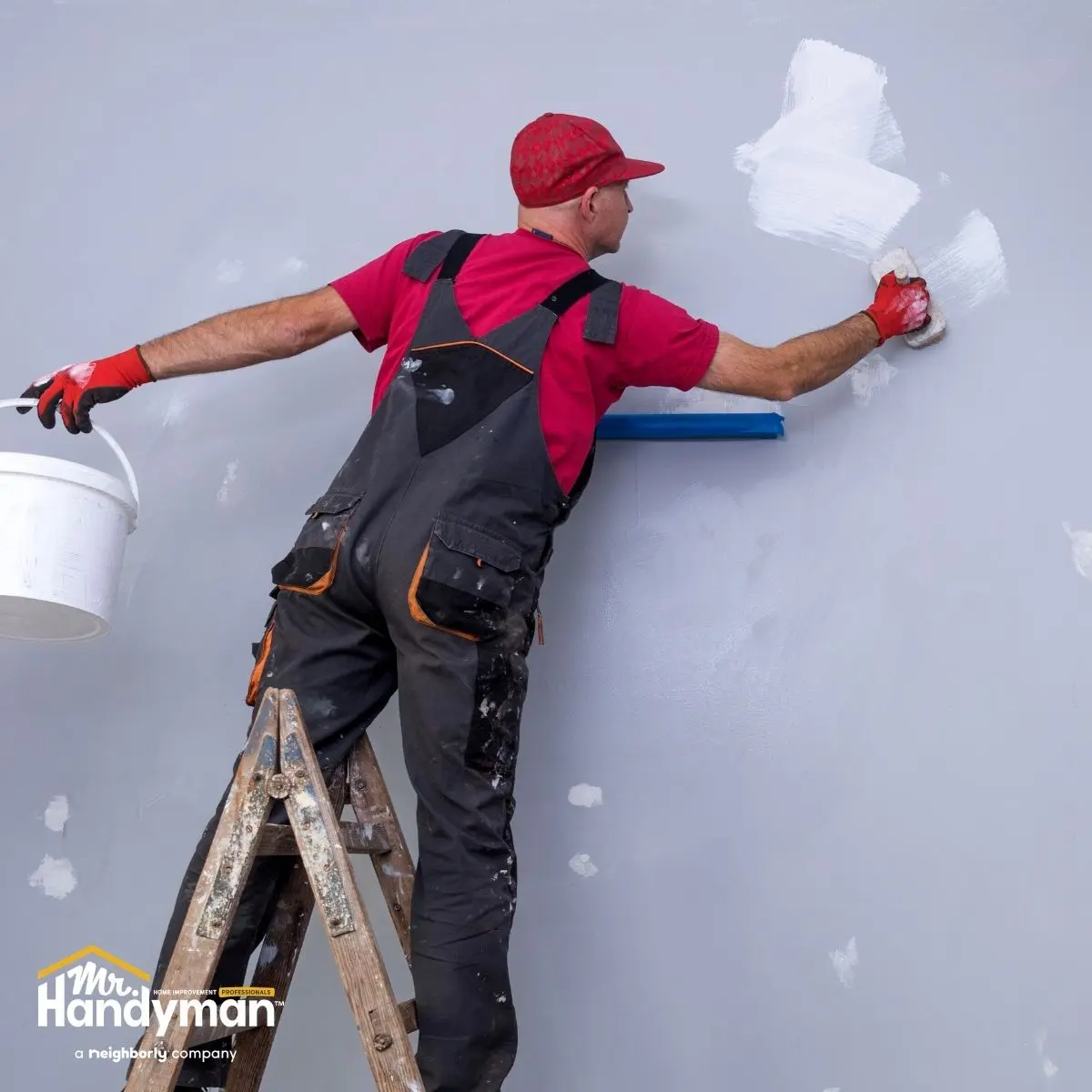
Spring temperatures in the Mid-Atlantic typically range from fifty to seventy degrees—the ideal zone for most building materials and installation processes. Paint manufacturers specify application temperatures between fifty and eighty-five degrees for good reason. Below fifty degrees, paint thickens and doesn't flow properly, creating uneven coverage and poor adhesion. Above eighty-five degrees, paint dries too quickly, preventing proper leveling and leaving brush marks or roller stipple. Spring naturally provides the temperature sweet spot where paint flows easily, levels smoothly, and cures at the rate manufacturers intended.
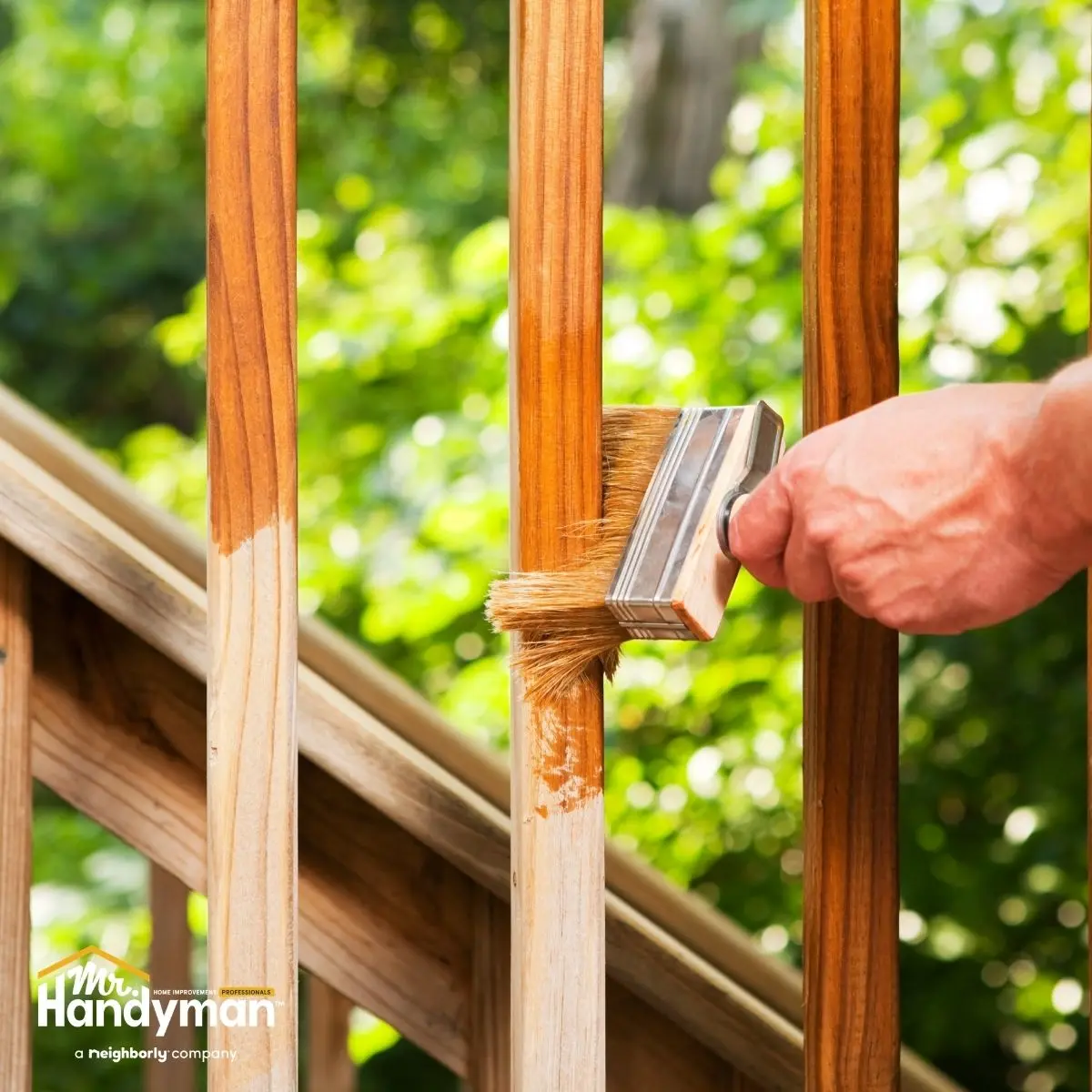
Exterior staining and sealing projects similarly benefit from spring conditions. Wood decks, fences, and siding need dry surfaces and moderate temperatures for stains to penetrate properly. Spring offers several consecutive dry days between rain events—enough time for wood to dry out from winter moisture and for newly applied stains to cure before the next rainfall. Summer's intense heat causes stains to dry on the surface before penetrating wood fibers, resulting in uneven color and reduced protection. Fall's cooler temperatures and shorter days limit working hours and extend drying times, often leaving projects vulnerable to early frost damage.
Roofing work proceeds most efficiently in spring temperatures. Asphalt shingles require warmth to seal properly—the adhesive strips on shingle undersides need heat to activate and bond shingles together. Spring provides enough warmth for proper sealing without the extreme temperatures that make summer roof work dangerous for installers and cause shingles to become so pliable they're easily damaged during installation. The moderate conditions also mean roofers work more efficiently, completing projects faster and with better attention to detail than when working in uncomfortable temperature extremes.
Concrete and masonry projects demand spring scheduling for proper curing. Concrete that cures too quickly in summer heat develops surface cracks and reduced strength. Concrete poured in fall risks frost damage before fully curing. Spring temperatures allow concrete to cure slowly and completely, developing maximum strength and durability. The moderate humidity levels typical of Mid-Atlantic springs provide the moisture concrete needs during curing without the excessive dampness that weakens the final product. Foundation repairs, new walkways, patio installations, and driveway replacement all perform better when completed in spring.
Material Performance and Availability
Lumber and wood products perform best when installed during spring's moderate humidity levels. Wood is hygroscopic—it absorbs and releases moisture based on ambient humidity. Wood installed during summer's high humidity contains excess moisture that it releases as indoor heating begins in fall, causing shrinkage, gaps, and movement. Wood installed during winter's dry conditions absorbs moisture in spring and summer, causing expansion and potential buckling. Spring's moderate humidity represents the middle ground where wood is closest to its average annual moisture content, minimizing seasonal movement after installation.
This moisture consideration affects every wood project—deck construction, fence installation, interior trim work, cabinet installation, and flooring. A deck built in spring with properly acclimated lumber experiences minimal expansion and contraction through subsequent seasons. The same deck built in January with dried-out lumber swells significantly when spring humidity arrives, potentially buckling boards or pulling fasteners. Installers who understand seasonal moisture dynamics schedule wood projects for spring to avoid callback repairs caused by predictable seasonal movement.
Supply chains favor spring home improvement work. Suppliers stock materials heavily in anticipation of spring demand, meaning selection is broadest and availability is best. Special-order items that might take weeks to arrive in summer or fall often ship within days during spring. This matters for projects requiring specific colors, custom sizes, or specialty products. Homeowners who start projects in spring avoid the frustration of work delays while waiting for backordered materials.
Manufacturers often introduce new products in spring, making this the time when the newest options, improved formulations, and updated designs reach the market. Whether you're selecting paint, roofing materials, decking products, or fixtures, spring shopping provides access to the latest innovations alongside proven traditional products. This broader selection allows homeowners to make informed choices rather than accepting whatever remains available late in the building season.
Contractor Availability and Scheduling Advantages
Spring represents the beginning of the busy season for contractors, meaning crews are fresh, motivated, and working at full efficiency. The burnout and fatigue that affects crews by late summer hasn't set in yet. Contractors who have spent winter months on indoor projects or lighter work schedules approach spring exterior work with renewed energy and focus. This translates to better workmanship, greater attention to detail, and more reliable project completion.
Early spring scheduling—March through early May—offers even greater advantages. Homeowners who book projects before the peak season rush often negotiate better pricing and secure preferred scheduling slots. By June, quality contractors are booked weeks or months out, forcing homeowners to either wait or hire less established companies with immediate availability. Spring scheduling means choosing your contractor rather than accepting whoever has openings.
Multi-trade projects that require coordination between different specialists proceed more smoothly in spring. When your project needs carpentry, electrical, plumbing, and painting work, scheduling multiple contractors becomes exponentially harder as the season advances and everyone's calendar fills. Spring offers the flexibility to arrange sequential or overlapping work phases without long delays between trades. This compressed timeline reduces the total project duration and minimizes the period your home remains disrupted by ongoing work.
The ability to address problems discovered during projects matters tremendously. When contractors uncover unexpected issues—rotted framing behind siding, outdated wiring that needs upgrading, or structural concerns requiring engineering review—spring's moderate weather and available contractor base means solutions can be implemented without major delays. The same discovery in November might mean winterizing an incomplete project and waiting months to resume work.
Preparing for Summer Stress and Use
Spring improvements ready your home for summer's demands on systems and structures. Air conditioning systems serviced in April work reliably through July's heat waves. Deck repairs completed in March provide safe outdoor spaces for Memorial Day gatherings. Window replacements finished in May reduce cooling costs all summer. The improvements you complete in spring deliver immediate benefits through the upcoming high-use season.
Exterior painting projects illustrate this advantage clearly. Paint applied in spring cures completely before summer's UV exposure and temperature extremes stress the new finish. The paint film develops full hardness and weather resistance, providing maximum protection through its first summer—the period when paint faces its toughest conditions. Paint applied in summer enters its first winter without fully curing, making it vulnerable to early failure. Paint applied in fall immediately faces winter moisture and freeze-thaw cycles before developing full durability.
Cooling system maintenance and upgrades completed in spring prevent mid-summer failures when repair services are overwhelmed and replacement equipment is backordered. The air conditioner that quit during the first ninety-degree day in June might not be repaired for a week during peak service demand. The same unit serviced or replaced in April provides reliable comfort all season. Homeowners who wait until they need cooling to address system issues face the highest service costs, longest wait times, and greatest discomfort.
Deck and porch projects finished in spring provide months of use before winter returns. The deck stained in April looks fresh all summer. The same deck stained in September looks fresh for weeks before leaves fall and winter weather begins. Spring projects maximize the return on investment by delivering the longest possible period of use and enjoyment before the next maintenance cycle.
Regional Climate Considerations for Mid-Atlantic Homeowners
The Mid-Atlantic climate creates specific timing advantages that homeowners in Berkeley County and Montgomery County should leverage. Spring arrives earlier here than in regions farther north, extending the favorable weather window. By late March, daytime temperatures regularly reach the fifties and sixties—warm enough for most exterior projects but cool enough to avoid the complications of summer heat. This early start means projects begun in March can be completed before the unpredictable severe weather that characterizes late spring and early summer.
The region's clay-heavy soils present challenges for foundation work, landscaping, and drainage projects that spring conditions help mitigate. Clay becomes workable in spring as winter moisture drains and soil temperatures rise. Excavation for foundation repairs, installation of drainage systems, or landscape grading proceeds efficiently when soil has dried enough to be stable but retains enough moisture to compact properly. Summer's baked, hard clay resists excavation and doesn't compact well. Fall and winter's saturated clay creates muddy conditions that prevent proper compaction and extend project timelines.
Humidity patterns throughout the year affect projects differently than homeowners might expect. Spring humidity levels hover around sixty to seventy percent—ideal for most building materials. Summer humidity regularly exceeds eighty percent, slowing paint drying, encouraging mildew growth on fresh finishes, and making interior projects uncomfortable without air conditioning running continuously. Winter's indoor humidity often drops below thirty percent due to heating, causing wood to shrink excessively. Spring's natural humidity balance means materials perform as manufacturers intend without artificial climate control.
The timing of spring rains provides natural advantages for certain projects. Gutter and drainage work completed in April can be tested by May's rainfall to verify proper function before summer's heavy thunderstorms. Landscaping and grading projects benefit from spring rains that help newly placed soil settle and compact naturally. Established plantings receive natural watering that reduces maintenance demands. These spring rains fall in manageable amounts spread over days, unlike summer's intense downpours that can overwhelm incomplete drainage systems or wash away fresh landscaping work.
Interior Project Advantages During Spring
Interior improvements benefit from spring's moderate outdoor temperatures through reduced energy costs during construction. Projects requiring windows or doors to remain open for ventilation, material delivery, or debris removal don't force homeowners to heat or cool the entire outdoors. Paint fumes, dust, and construction odors dissipate naturally through open windows without sacrificing comfort or running up utility bills. This seems minor until you're living in your home during a week-long kitchen renovation with workers coming and going constantly.
Flooring projects proceed more predictably in spring. Hardwood flooring needs to acclimate to your home's humidity levels before installation—typically one to two weeks with flooring materials stored in the room where they'll be installed. Spring's stable humidity means the moisture content of acclimated flooring matches the conditions it will experience year-round, minimizing post-installation movement. Flooring installed in winter when indoor humidity is artificially low swells in spring and summer. Flooring installed in summer when humidity peaks shrinks in winter, creating gaps between boards.
Kitchen and bathroom renovations that disrupt plumbing benefit from spring timing. When your kitchen sink or bathroom is out of service for days, moderate spring weather allows outdoor alternatives that winter cold or summer heat make impractical. Grilling substitutes for cooking, outdoor washing of dishes becomes feasible, and general disruption feels less oppressive when you can open windows and enjoy pleasant outdoor temperatures. These quality-of-life factors matter tremendously when you're living through major renovations.
HVAC upgrades scheduled for spring provide time to address unexpected complications before extreme weather makes system downtime critical. Furnace replacement that uncovers ductwork problems, electrical upgrades, or ventilation issues can be resolved methodically in April. The same discoveries in January during a cold snap or July during a heat wave force rushed, expensive emergency solutions. Spring's moderate weather provides a buffer period where HVAC systems can be down for days without creating genuine hardship.
Project-Specific Timing Recommendations
Window replacement belongs in spring for multiple reasons. New windows need proper air sealing and insulation around frames—work that proceeds best in dry, moderate conditions. Installers work more carefully and thoroughly when they're comfortable rather than rushing through installations in extreme temperatures. Spring installation allows new windows to undergo one heating and cooling cycle before facing their second winter, revealing any installation issues while warranty coverage is newest and contractors are most responsive.
Siding replacement and exterior trim work require extended periods of dry weather for proper installation and finishing. Spring typically offers three to five consecutive dry days between rain events—enough time to remove old siding, address any sheathing repairs, install new siding, and apply trim before weather threatens the open wall assembly. Summer's pop-up thunderstorms can drench an open wall with little warning. Fall's shortening days and increasing precipitation make sustained dry periods less reliable.
Fence installation benefits from spring's soil conditions and vegetation timing. Postholes dig more easily in spring soil than in summer's hard, dry ground or winter's frozen earth. Setting posts in spring allows concrete footings to cure properly before fence rails and pickets add load. Installing fences before summer's vegetation growth provides clear access to property lines and easier installation conditions. Waiting until fall means working around grown-in vegetation and facing potentially wet conditions that complicate post setting.
Deck construction in spring allows wood to weather naturally through one complete seasonal cycle before requiring its first maintenance. The deck built in April experiences spring humidity, summer heat and UV exposure, fall moisture, and winter freeze-thaw cycles—a complete test of the installation quality and material performance. By the following spring, you'll know if drainage details work correctly, if boards are cupping or twisting, and whether fasteners are holding properly. This full-year test happens while materials are newest and any warranty issues can be addressed.
Driveway paving—whether asphalt or concrete—strongly favors spring installation. Asphalt compacts best when both the asphalt and the base material are warm but not hot. Spring temperatures allow proper compaction without the softening that occurs when summer heat makes fresh asphalt too pliable. Concrete curing requires moderate temperatures and adequate moisture over several days. Spring naturally provides these conditions without the intervention required during summer heat or fall cold.
Frequently Asked Questions
Is early spring too cold for exterior projects, or should I wait until May?
Many exterior projects proceed successfully in March and April when daytime temperatures reach the fifties. Paint and stain manufacturers typically specify minimum temperatures of fifty degrees, which the region reliably reaches by late March. Early spring scheduling actually offers advantages—contractor availability is better, and you complete work before severe weather season begins. For temperature-sensitive products, check manufacturer specifications and choose days forecast to meet minimum requirements.
How far in advance should I schedule spring home improvement projects?
Contact contractors in January or February for April and May projects. Quality contractors book their spring schedules during winter months. Waiting until March to schedule April work often means accepting later start dates or settling for less established contractors with immediate availability. Complex projects requiring permits, custom materials, or multiple trades need even longer lead times—start planning three to four months before your desired start date.
Can I start projects in spring and finish them in summer, or should everything be completed in one season?
Multi-phase projects can span seasons successfully if planned properly. Complete weather-sensitive exterior work in spring, then transition to interior phases during summer. Avoid leaving weather-exposed assemblies—like walls with removed siding or roofs with torn-off shingles—incomplete between seasons. Each phase should reach a weathertight stopping point before pausing work. Discuss seasonal transitions with contractors during planning to ensure appropriate phase breaks.
What happens if spring weather doesn't cooperate with my project schedule?
Build weather contingency time into project schedules. A project estimated at two weeks should have a three-week window to accommodate weather delays. Reputable contractors monitor forecasts and communicate proactively about weather-related schedule changes. Some delays are inevitable with exterior work—flexibility in your schedule and realistic timeline expectations prevent frustration when rain postpones work for a day or two.
Are material costs lower in spring compared to peak summer season?
Material costs generally remain stable throughout the construction season, but early spring sometimes offers promotional pricing as suppliers clear winter inventory and manufacturers introduce new product lines. The greater advantage comes from contractor pricing—booking early in the season sometimes allows rate negotiation before peak demand fills schedules. Labor availability also means projects proceed more efficiently, reducing the total hours billed.
Should I prioritize necessary repairs or desired improvements when planning spring projects?
Address necessary repairs first—roof leaks, foundation issues, failing systems, and safety hazards take priority over aesthetic improvements. Once essential repairs are handled, improvements that enhance livability and value make sense. Often, combining necessary repairs with related improvements proves most cost-effective. If you need roof repairs, consider full replacement. If siding repairs are needed in multiple areas, evaluate whole-house residing. Contractors already mobilized for repair work can extend projects more efficiently than returning later for separate improvement work.
Spring's combination of favorable weather, material performance, contractor availability, and preparation time makes it the strategic season for home improvements throughout the Mid-Atlantic region. Projects planned and executed during these optimal months perform better, cost less, and deliver longer-lasting results than work rushed during less favorable seasons.
Mr. Handyman of Martinsburg and Charles Town
https://www.mrhandyman.com/martinsburg-charles-town/
Mr. Handyman of Northern Montgomery County
https://www.mrhandyman.com/northern-montgomery-county/
Mr. Handyman of South Montgomery County