Why Commercial Properties Cannot Afford to Skip Spring Maintenance
Winter does not distinguish between residential and commercial properties. It stresses rooflines, degrades exterior surfaces, strains plumbing systems, and leaves behind a maintenance backlog that becomes visible the moment temperatures rise and business activity accelerates. The difference is that for a commercial property, deferred maintenance carries consequences that go beyond repair costs. It affects the impression the property makes on customers and clients, the safety of employees and visitors, the liability exposure of the business, and in many cases, compliance with commercial building codes and lease obligations.
Spring is the window when commercial maintenance matters most. It is the season when winter damage becomes fully visible, when exterior work becomes practically feasible, and when addressing problems early prevents them from escalating into disruptions that affect business operations. A commercial property that enters summer with unresolved maintenance issues carries those issues through the highest-traffic period of the year, compounding both the damage and the impression it creates.
Businesses throughout Martinsburg, Charles Town, and the commercial corridors of Montgomery County operate in a region where winter is genuinely demanding. Temperatures drop well below freezing repeatedly, freeze-thaw cycles stress every exterior surface, and the transition to spring brings heavy rainfall that tests drainage systems, rooflines, and foundation perimeters simultaneously. Commercial properties in older buildings, which represent a significant portion of the business infrastructure across both regions, face these seasonal stresses on top of the accumulated wear of decades of use.
This checklist addresses the full scope of spring commercial maintenance, from exterior systems and parking areas to interior plumbing, lighting, safety equipment, and the operational details that affect how a business functions and presents itself every day.
What Winter Does to Commercial Properties
To appreciate why a spring commercial maintenance checklist matters, it helps to understand the specific ways that winter degrades commercial building systems and surfaces over a sustained cold season.
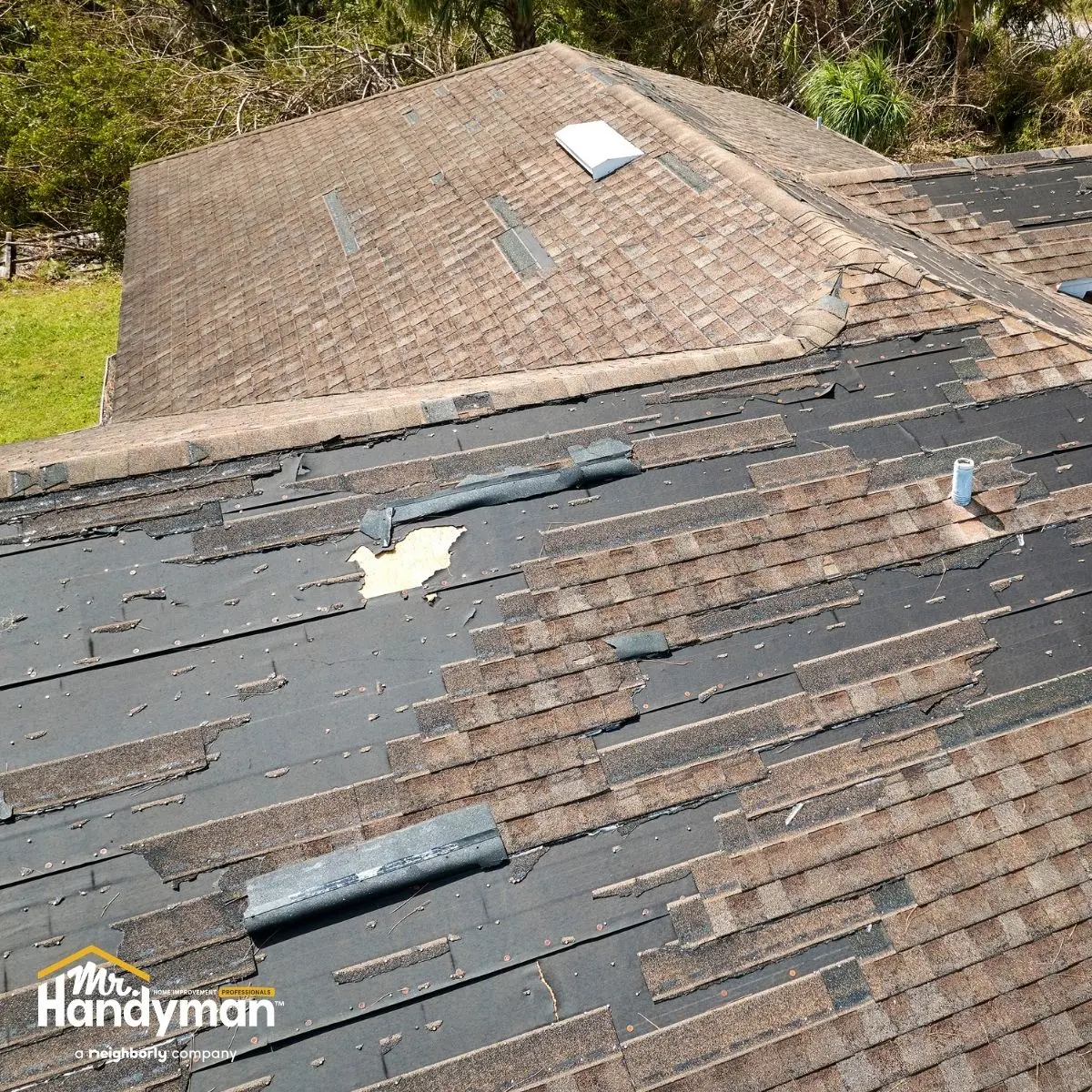
Roofing systems on commercial properties face extended stress from snow load, ice dam formation, and the freeze-thaw cycling that forces water into any existing penetration, crack, or membrane failure. Flat or low-slope roofs, which are common on commercial buildings throughout this region, are particularly vulnerable because water that cannot drain freely pools and finds its way into any weakness in the membrane. By spring, these entry points have often allowed moisture to penetrate into insulation layers and roof deck materials, creating damage that is not visible from the surface but that accelerates dramatically with the first sustained spring rainfall.
Parking lots and paved surfaces absorb the impact of repeated freeze-thaw cycles directly. Water enters existing cracks, freezes, expands, and forces those cracks wider with every cycle. Asphalt that was showing surface fatigue in October may have developed significant pothole formation by March. Parking lot striping that faded over the winter season affects the organized flow of vehicles and pedestrians through the property. ADA-compliant accessible parking markings that are no longer clearly visible create both operational and compliance concerns that need immediate attention.
HVAC systems that ran heating cycles through winter accumulate filter loading, develop belt wear, and in some cases experience component failures that were masked by heating demand and only become apparent when the system transitions to cooling in spring. A commercial HVAC system that is not serviced before summer cooling demand arrives is vulnerable to failure during the first sustained heat event, which is both a comfort issue and a business continuity concern.
Exterior caulking and sealants around windows, doors, and wall penetrations contract and harden in cold temperatures, losing their flexibility and adhesion over winter. By spring, caulk that was functional in September may have cracked away from the substrate, leaving gaps that allow water infiltration into wall cavities, increased air infiltration that affects heating and cooling efficiency, and potential pest entry points that become active problems as temperatures warm.
Understanding these failure patterns gives the spring commercial maintenance checklist its structure. Each item on the list traces back to a specific way that winter degrades a system or surface, and addressing it in spring prevents the compounding damage that occurs when problems are left unresolved through the highest-use season of the year.
Parking Lot and Paved Surface Assessment
The parking lot is often the first part of a commercial property that customers interact with, and its condition shapes the initial impression before anyone enters the building. A parking lot with significant pothole damage, faded markings, and deteriorating surfaces communicates deferred maintenance as clearly as any interior condition.
Pavement Condition
Assess the full parking area for pothole formation, edge cracking, alligator cracking that indicates base failure, and any area where surface water is pooling rather than draining toward designated drainage points. Potholes should be filled before they enlarge further and before they create vehicle damage or injury liability. Surface crack sealing applied in spring, before summer heat softens the pavement and allows further movement, extends pavement life significantly and is far more cost-effective than allowing cracks to develop into pothole fields that require more extensive patching.
Striping and Markings
Parking lot striping that has faded over winter affects the organized flow of the lot, reduces the number of usable spaces when lines are not visible, and creates confusion and conflict among drivers. Restriping in spring restores order to the parking area and ensures that the full designated capacity of the lot is usable. Fire lane markings, accessible parking designations, and pedestrian crosswalk markings have compliance implications beyond appearance and should be prioritized in any restriping plan.
Interior Commercial Maintenance: Systems, Safety, and Daily Function
The exterior of a commercial property sets the first impression, but the interior systems determine whether the building actually supports business operations effectively through spring and summer. Interior commercial maintenance in spring covers plumbing, lighting, HVAC transitions, safety equipment, and the functional details that affect employees, customers, and compliance simultaneously.
Plumbing Systems and Restroom Facilities
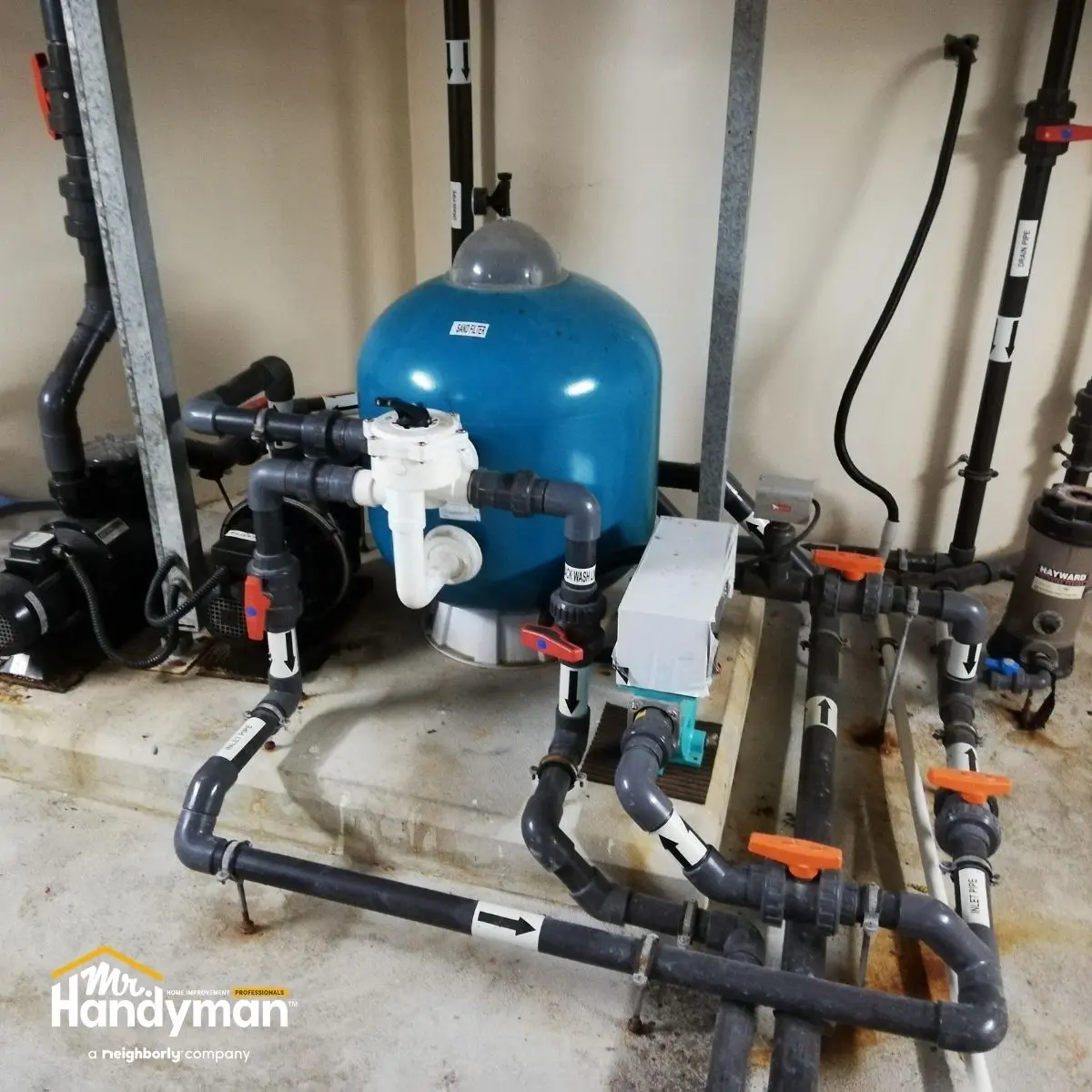
Commercial restrooms operate under significantly higher demand than residential plumbing and show wear proportionally. Spring is the right time to inspect every restroom fixture for proper function, check supply lines and shutoff valves beneath sinks for any sign of slow leaks that developed over winter, and address any faucet, flush valve, or drain issue that has been noted but deferred through the busy winter period.
Flush valves on commercial toilets and urinals that require multiple flushes to clear, or that run continuously between uses, waste significant water and signal internal wear that will not resolve on its own. A running commercial toilet can waste substantially more water per day than a residential unit because the valve mechanisms are designed for higher flow rates. Addressing these issues in spring before summer occupancy peaks reduces both water cost and the likelihood of a complete valve failure during a busy period.
Floor drains in commercial kitchens, restrooms, and utility areas should be tested and confirmed clear. A slow or blocked floor drain in a commercial kitchen is a health code concern as much as a functional one, and a blocked drain in a restroom can back up quickly under commercial use volume. If floor drains have not been cleaned and inspected since last fall, spring is the appropriate time to address them before warm weather accelerates the biological activity in any partial blockage.
Water heaters serving commercial facilities work harder than residential units and have shorter typical service lives under sustained demand. Inspect the unit for any sign of corrosion at connections, test the pressure relief valve, and confirm the unit is delivering water at the correct temperature consistently. A commercial water heater that is struggling to maintain temperature under normal demand will fail entirely under the increased occupancy that warmer months typically bring.
Lighting Systems Throughout the Facility
Walk every area of the commercial facility and identify any burned-out fixtures, flickering lamps, or areas where illumination levels have degraded below functional standards. In commercial settings, lighting is not simply a comfort concern. It affects employee productivity, customer perception, safety in work areas and walkways, and in some settings, compliance with occupational safety standards that specify minimum illumination levels.
Exterior lighting deserves particular attention in spring because winter weather is hard on outdoor fixtures. Fixtures that have collected moisture, developed corrosion at connections, or had lenses cracked by ice or debris need to be addressed before longer spring evenings bring extended periods where exterior lighting is in active use. Parking lot lighting that has partial outages creates security concerns and liability exposure that are not acceptable for a functioning commercial property.
If the facility has emergency exit lighting or illuminated exit signs, test every unit by pressing the test button and confirming the battery backup activates and holds adequate illumination for the required duration. Emergency lighting that fails its test needs immediate battery or fixture replacement. This is a life safety system with no tolerance for deferred maintenance.
HVAC Transition from Heating to Cooling
The transition from heating to cooling season is the most demanding operational shift an HVAC system makes, and spring is when that transition needs to be managed proactively rather than reactively. A commercial HVAC system that is pushed directly from heating demand into cooling demand without any interim service attention is more likely to experience component failures during the first sustained cooling period, which in this region typically arrives in May or June.
Replace all air filters before switching to cooling mode. Commercial filters that have accumulated a full heating season of particulate loading restrict airflow in ways that force the system to work harder, reduce efficiency, and shorten equipment life. Clean or replace filters on a schedule that reflects actual occupancy and air quality conditions rather than waiting for visible loading to become obvious.
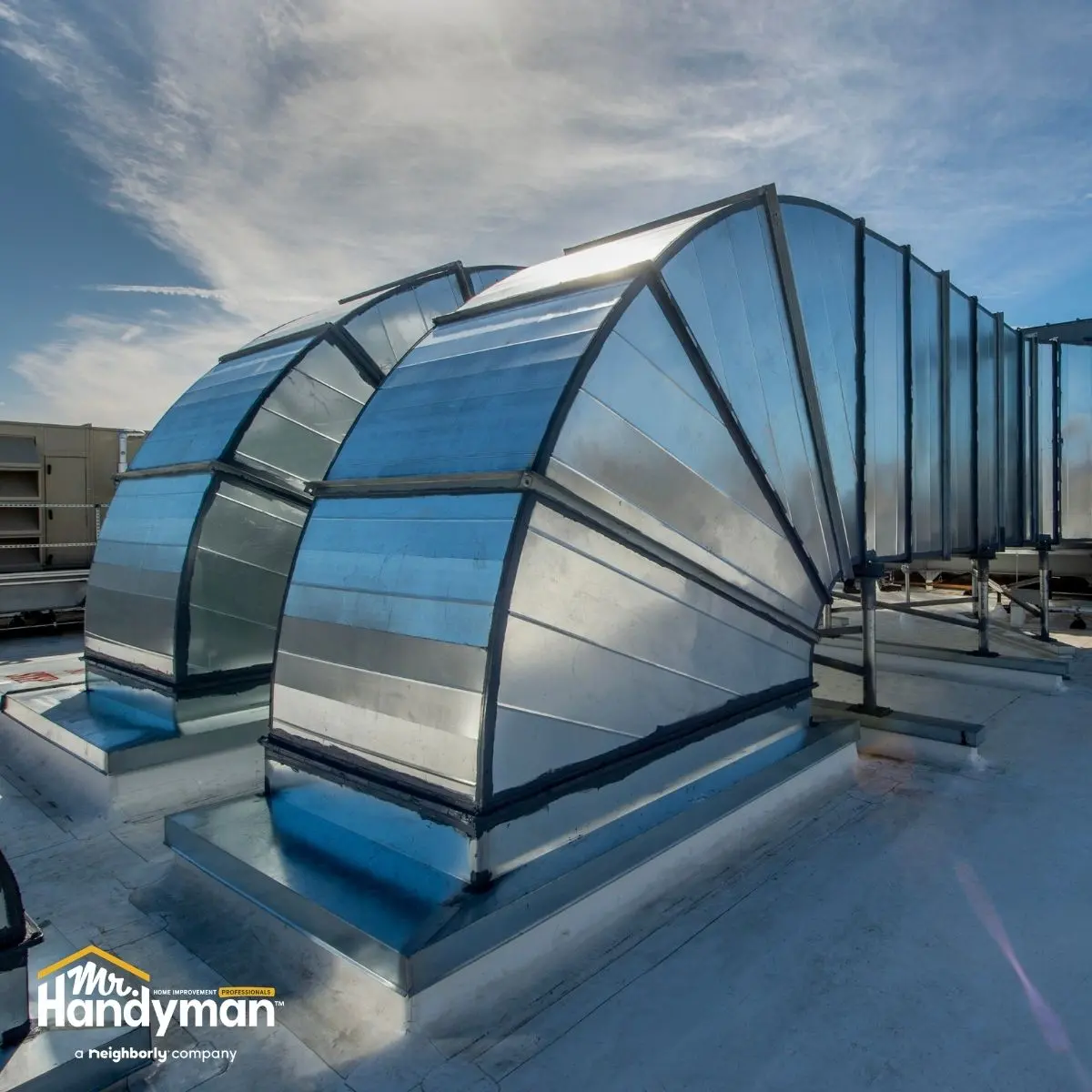
Inspect and clean condenser coils on any rooftop units or exterior condensing equipment. Coils that are coated with debris, cottonwood seeds, or the residue of winter pollution restrict heat transfer and reduce cooling capacity. A condenser coil that is even partially blocked forces the compressor to work against elevated head pressure, reducing efficiency and accelerating compressor wear.
Check all supply and return air diffusers and grilles in occupied spaces for any that have been blocked, damaged, or repositioned in ways that compromise airflow distribution. Spaces that are not receiving adequate conditioned air are uncomfortable for occupants and cause the system to run longer cycles trying to satisfy thermostat setpoints that it cannot reach efficiently.
Safety Systems and Compliance Items
Spring commercial maintenance is not complete without a systematic check of the safety systems and compliance items that are easy to overlook during busy operational periods but that carry genuine consequences when they are not maintained.
Fire Safety Equipment
Confirm that all fire extinguishers in the facility are within their inspection date, fully charged, and accessible without obstruction. Extinguishers that are past their annual inspection date need to be serviced before the facility continues operating. Extinguishers that have been moved from their designated mounting locations need to be returned and properly secured. In commercial kitchens, confirm that the hood suppression system has been inspected on its required schedule and that the inspection tag is current.
Smoke detectors and carbon monoxide detectors in commercial facilities need to be tested in spring to confirm function. Battery-operated units or units with battery backup need fresh batteries at least annually. Any detector that chirps, fails to respond to test activation, or is beyond its replacement date needs to be replaced immediately. These are life safety systems whose maintenance cannot be treated as optional or deferrable.
Slip, Trip, and Fall Hazards
Walk every common area, entrance, stairwell, and parking area with the specific goal of identifying slip, trip, and fall hazards that developed over winter or that have accumulated through deferred maintenance. Threshold transitions that have lifted or separated, carpet edges that have loosened, floor tiles that have cracked or become uneven, stair nosings that have worn smooth, and handrails that have loosened are all hazards that represent both genuine safety risks and liability exposure.
Entrance mats that are bunched, torn, or have lost their non-slip backing need to be replaced before they cause a fall that could have been prevented. The transition between the entrance mat and the surrounding floor surface is one of the most common indoor trip hazard locations in commercial buildings, and it deserves specific attention during any spring walkthrough.
Signage and Wayfinding
Check all interior and exterior signage for any that has faded, been damaged, or become obscured over winter. Required regulatory postings need to be current and clearly visible. Exit signage needs to be illuminated and unobstructed. Any signage that directs customers, visitors, or emergency responders through the facility needs to be accurate and legible.
Grounds, Landscaping, and the Property Perimeter
The grounds surrounding a commercial property communicate its management quality before anyone enters the building. Spring grounds maintenance is both an aesthetic and a functional priority, addressing winter debris, drainage conditions, and the foundation perimeter simultaneously.
Clear all winter debris from landscaped areas, walkways, and the building perimeter. Dead plant material left against the building exterior retains moisture against the foundation and provides harborage for pests that become active in spring. Mulch beds that were displaced by snow plowing or frost heaving should be re-edged and refreshed before the growing season makes weed control more difficult.
Inspect the grade around the full building perimeter and confirm that soil and hardscape surfaces slope away from the foundation rather than toward it. Winter frost heaving and soil settlement commonly create low areas against foundation walls where water pools during rain events. Correcting these grade conditions in spring prevents moisture intrusion that can affect basement areas, slab edges, and foundation wall integrity over time.
Irrigation systems serving commercial landscapes should be started up carefully in spring, testing each zone individually and checking for heads that were damaged by frost, vehicle traffic, or snow removal equipment over winter. A broken irrigation head that runs undetected wastes significant water and can create muddy areas near entrances and walkways that affect both appearance and safety.
Frequently Asked Questions
How often should a commercial property undergo a full maintenance inspection?
A comprehensive maintenance inspection should occur at minimum twice per year, with spring and fall being the most strategically important timing. Spring addresses winter damage and prepares the property for peak summer use. Fall addresses summer wear and prepares systems for winter demand. Properties with higher occupancy, older building systems, or specific compliance requirements may benefit from more frequent scheduled inspections.
Who is responsible for spring commercial maintenance in a leased building?
Responsibility depends on the specific lease terms, which vary significantly between gross leases, net leases, and triple net arrangements. In most commercial leases, the landlord retains responsibility for structural systems, roofing, and major building infrastructure, while the tenant is responsible for interior maintenance and systems serving their specific space. Reviewing lease obligations before spring maintenance season begins ensures that neither party defaults on their responsibilities and that maintenance does not fall through the gaps between them.
What commercial maintenance items carry the most significant liability exposure if neglected?
Slip, trip, and fall hazards in parking areas and entrances, fire safety equipment that is out of compliance, emergency lighting that fails to function, and ADA accessibility features that are damaged or obscured carry the most direct liability exposure. These items should be prioritized above cosmetic maintenance concerns in any situation where budget or scheduling requires triage.
How do I handle commercial maintenance across multiple locations?
Multi-location commercial properties benefit most from a consistent inspection protocol applied at each location on the same seasonal schedule. Using the same service provider across locations ensures consistent standards, simplified scheduling, and a service relationship where the provider develops familiarity with each property's specific systems and history. Consolidated billing and reporting across locations also simplifies management oversight of maintenance completion and costs.
Can routine commercial maintenance be handled by a handyman service, or does it require specialty contractors?
The majority of routine commercial maintenance falls well within the scope of an experienced commercial handyman service. Plumbing fixture repairs, lighting replacement, door hardware servicing, caulking and sealant work, interior painting, safety equipment checks, minor carpentry repairs, and parking lot assessment all represent standard handyman work. Items requiring licensed specialty work, such as electrical panel modifications, HVAC system servicing, or roof membrane repairs, benefit from specialist involvement, but the bulk of spring commercial maintenance does not require that level of specialization.
Schedule Your Spring Commercial Maintenance Before the Season Peaks
The businesses and property managers who get the most from spring commercial maintenance are those who schedule it before April rather than in response to a problem that appears in June. Every week of delay in addressing winter damage is a week during which that damage continues to develop, and the costs and disruptions associated with emergency repairs during peak business season consistently exceed what proactive spring maintenance would have cost.
Mr. Handyman serves commercial properties throughout the Eastern Panhandle and Montgomery County with the full range of maintenance services that keep businesses operating smoothly, presenting professionally, and meeting their safety and compliance obligations through every season. Their technicians understand commercial environments, work efficiently within operational constraints, and approach every property with the systematic attention that genuine maintenance requires.
Mr. Handyman of Martinsburg and Charles Town mrhandyman.com/martinsburg-charles-town
Mr. Handyman of Northern Montgomery County mrhandyman.com/northern-montgomery-county
Mr. Handyman of South Montgomery County mrhandyman.com/south-montgomery-county
Call to schedule a spring commercial maintenance assessment or discuss a recurring maintenance program that keeps your property ahead of seasonal wear rather than responding to it after the fact.
