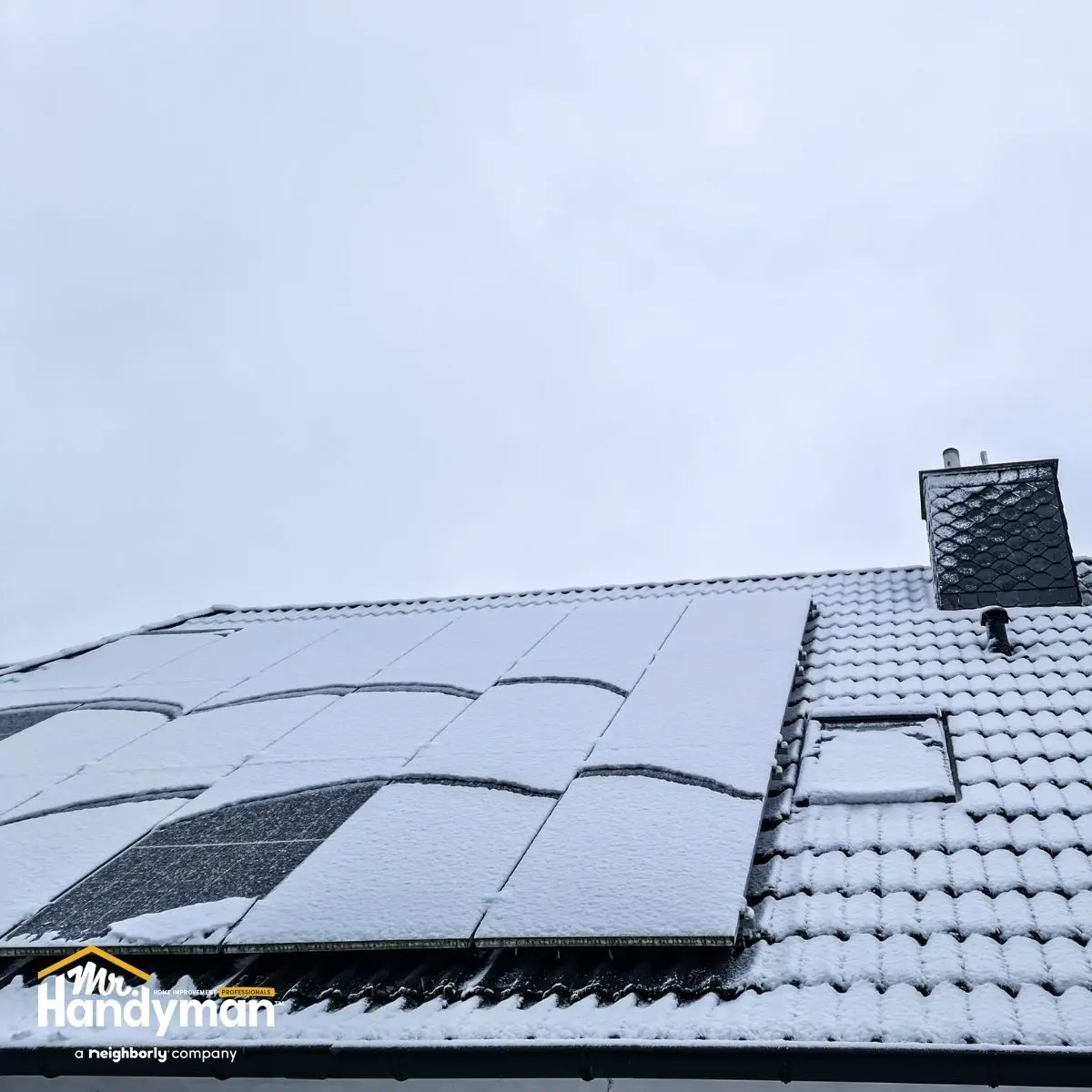
Spring arrives in the Mid-Atlantic with a sense of renewal, but it also brings a critical window of opportunity for homeowners. The transition from winter's freeze-thaw cycles to spring's warming temperatures reveals damage that's been accumulating for months. Homes in Martinsburg, Charles Town, and Montgomery County face unique challenges during this seasonal shift—older building stock, clay-heavy soils, and temperature swings that can range forty degrees in a single week all conspire to create maintenance issues that, if ignored, turn into expensive repairs by summer.
Why Spring Maintenance Matters More Than You Think
Winter doesn't just pass through the Mid-Atlantic—it leaves its mark. Ice dams that formed along rooflines during February's storms may have allowed water to seep beneath shingles. Gutters that seemed fine in December are now sagging under the weight of debris-clogged downspouts. Foundation cracks that were barely visible in October have widened after months of freezing water expansion. Spring maintenance isn't about perfectionism; it's about catching these problems while they're still manageable.
The homes built across Berkeley County and Montgomery County in the mid-twentieth century weren't designed with modern water management systems. Many lack proper foundation drainage, have undersized gutters, or feature original windows that have been painted shut for decades. When spring rains arrive—and the region typically sees three to four inches in April alone—these older systems get tested. A small crack in a basement wall becomes a seeping problem. A clogged downspout creates a waterfall against siding. A loose shingle becomes a leak into the attic. The homeowners who address these issues in March and April avoid the emergency calls in June.
Inspect Your Roof and Attic Space

Your roof took a beating over winter, even if you didn't notice. Wind-driven rain, ice accumulation, and temperature fluctuations all stress roofing materials. Walk your property and look up at the roofline from multiple angles. Missing or curled shingles stand out against the spring sky. Pay attention to valleys where two roof planes meet—these areas collect debris and shed water at higher volumes, making them prone to wear.
Equally important is what's happening inside your attic. Climb up there on a sunny day and turn off any lights. Look for pinpoint holes where daylight shines through—these are future leaks waiting for the next rainstorm. Check the underside of roof decking for dark stains or soft spots that indicate previous water intrusion. Many homes in Charles Town and the surrounding areas have attic ventilation that was adequate in 1975 but insufficient by today's standards. Poor ventilation traps moisture, which deteriorates roof sheathing and shortens shingle life. If your attic feels damp or smells musty, you have a ventilation problem that needs addressing before the summer heat makes it worse.
Look at the insulation while you're up there. Compressed or matted insulation has lost its effectiveness. Water stains on insulation indicate active or recent leaks. In older homes, you might find insulation that's settled away from eaves, creating thermal bridges that waste energy and create ice dam conditions the following winter. Spring is the time to identify these issues and plan corrections before next heating season.
Clear and Repair Gutters and Downspouts
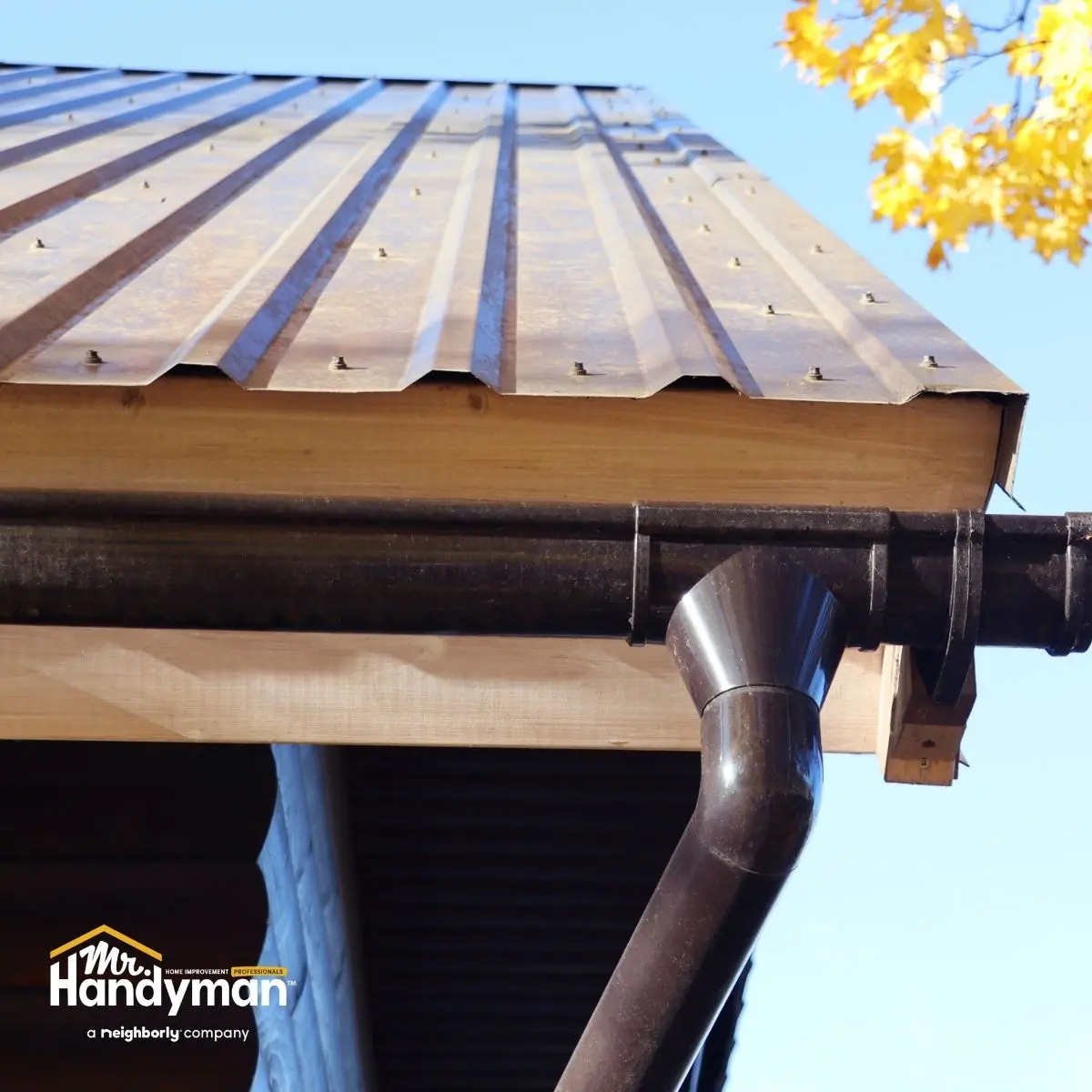
Gutters serve one critical purpose: moving water away from your foundation. When they fail, water finds new paths—usually through your basement or crawlspace. Spring cleaning of gutters isn't optional maintenance; it's foundation protection.
Remove all debris from gutters and flush them with a hose to check for proper pitch and flow. The water should move steadily toward downspouts without pooling. Sagging sections indicate either clogged hangers or rotted fascia boards behind the gutter. Both problems worsen rapidly. A gutter that holds standing water becomes a breeding ground for mosquitoes and adds weight that pulls the entire system away from the house.
Check every downspout connection. These joints separate over winter as ice forms and materials contract. A disconnected downspout dumps hundreds of gallons of water directly against your foundation during spring storms. Extend downspouts at least six feet from the foundation—closer than that, and you're just moving the water problem from the roof to the basement. In areas with clay soils like much of Montgomery County, water doesn't percolate quickly. It sits, builds hydrostatic pressure, and finds any crack or gap in foundation walls.
Many older homes have gutters that are simply too small for the roof area they serve. A typical five-inch gutter can't handle the runoff from a large roof during heavy downpours. Water overshoots the gutter, cascading behind it and rotting out fascia boards. If you've noticed water staining on siding below the roofline or if fascia boards feel soft when pressed, your gutter system isn't adequately sized. This isn't something you repair—it's something you replace with properly engineered components.
Examine Foundation and Basement Areas

Walk the perimeter of your home and look at the foundation with fresh eyes. Hairline cracks that existed last fall may have opened wider over winter. Any crack wider than a quarter-inch deserves professional evaluation. Horizontal cracks or cracks with one side offset from the other indicate structural movement that requires immediate attention.
Check the grade around your foundation. Soil should slope away from the house at a rate of about six inches over ten feet. Many older properties have settled over decades, creating negative grades where water pools against foundation walls. This is especially common in Berkeley County, where homes were often built before modern drainage requirements. Water that sits against a foundation doesn't just create dampness—it actively degrades concrete and mortar, creating the very cracks that allow water inside.
Inside your basement or crawlspace, look for efflorescence—white, powdery deposits on concrete or block walls. This indicates water is moving through the masonry, carrying dissolved minerals to the surface. It's a sign of ongoing water intrusion, even if you don't see standing water. Check corners where walls meet floors; these areas often show the first signs of seepage. Press your hand against walls to feel for dampness. Musty odors indicate moisture problems even when walls feel dry to the touch.
Many homes in the region have crawlspaces with inadequate vapor barriers or no barrier at all. Spring's rising humidity turns these spaces into moisture generators that affect the entire house. Mold grows, wood rots, and musty odors migrate upstairs. If you avoid your crawlspace because it's unpleasant, that's precisely why you need to inspect it. Problems in crawlspaces don't stay contained—they spread upward through floor joists and subflooring.
Service Your HVAC System Before Cooling Season
Your air conditioning system sat dormant all winter, and firing it up without inspection invites problems. Change the filter first—this is the single most important maintenance task you can perform. A clogged filter forces your system to work harder, reduces efficiency, and shortens equipment life. In older homes with return air ducts that leak, a dirty filter means dust and allergens circulate continuously.
Clean the outdoor condenser unit thoroughly. Remove leaves, seeds, and debris from fins. These aluminum fins are delicate; bent fins restrict airflow and reduce efficiency. Check that the unit sits level—settling soil can tilt the condenser, affecting refrigerant flow and compressor longevity. Clear vegetation from around the unit. Shrubs and plants restrict airflow; maintain at least two feet of clearance on all sides.
Listen when the system starts. Grinding, squealing, or rattling noises indicate worn components. Belts crack, bearings wear, and capacitors fail—usually at the worst possible time, like the first ninety-degree day in May. Professional service before cooling season starts prevents emergency breakdowns during heat waves. Technicians check refrigerant levels, test electrical components, and verify that condensate drains are clear. These drains clog with algae over time; when they overflow, water damages ceilings and walls.
Older homes in Montgomery County often have systems that were installed decades ago and have exceeded their expected service life. These systems struggle to maintain comfort, cycle on and off frequently, and cost far more to operate than modern equipment. Spring inspections reveal when repair costs approach replacement value—critical information for budget planning.
Check Windows and Doors for Air Leaks
Windows and doors are the most common source of air leaks in older homes. The weatherstripping that sealed them when new has compressed, cracked, or fallen away entirely. Stand inside on a breezy spring day and hold your hand near window and door edges. You'll feel air movement where seals have failed.
Examine the condition of caulk around window frames. This exterior caulk prevents water intrusion and air leakage. In the Mid-Atlantic climate, caulk degrades from UV exposure and temperature cycling. Cracked or missing caulk allows water behind siding, where it rots sheathing and framing before you ever see interior damage. Recaulking windows is preventive maintenance that protects the entire wall assembly.
Check window operation. Many older windows were painted shut years ago and haven't been opened since. This creates safety issues—windows are emergency exits—and prevents natural ventilation that reduces cooling costs. Free stuck windows carefully; forcing them breaks glass or damages frames. Once operational, clean tracks and lubricate moving parts. Windows that operate smoothly get used, providing ventilation that reduces mold risk and improves indoor air quality.
Door sweeps wear out and fall off. The gap under an exterior door seems minor, but it represents significant heat loss in winter and cooling loss in summer. It also provides entry for insects and allows water to seep inside during driving rain. Replace worn door sweeps and adjust thresholds so doors seal completely when closed. Storm doors should close fully and latch securely; if they don't, hinges need adjustment or replacement.
Exterior Siding and Trim Maintenance
Walk around your home and inspect every section of siding. Look for pieces that have pulled loose, cracked, or warped over winter. Wood siding in Berkeley County homes absorbs moisture during wet months and dries out in summer—this constant expansion and contraction loosens nails and opens gaps. Vinyl siding becomes brittle in cold weather; impacts that would bounce off in summer crack panels in February. Aluminum siding dents easily and once dented, holds water that accelerates corrosion.
Pay special attention to areas where different materials meet—where siding meets trim, where brick meets wood, or where additions connect to original structures. These transition zones depend on caulk and flashing to remain watertight. Failed caulk allows water infiltration that rots framing before you see interior damage. Check underneath window sills where water runs off glass and attacks the wood below. Many older homes have sills that were never properly primed or painted on the underside; these areas rot from underneath while looking acceptable from the front.
Trim boards around eaves, corners, and windows take the brunt of weather exposure. Press against trim with your hand—soft spots indicate rot. Peeling paint isn't just cosmetic; it's a warning that moisture is getting into the wood. Once rot starts, it spreads through trim boards and into the structural framing behind. Catching rot early means replacing a trim board; catching it late means rebuilding entire wall sections.
Deck and Porch Inspection
Decks and porches suffer tremendously during Mid-Atlantic winters. Ice and snow sit on horizontal surfaces for weeks, maintaining constant moisture contact with wood. Deck boards that were solid last fall may now feel spongy underfoot. Test every board by pressing down firmly—bounce or flex indicates deterioration of the board or the joists beneath.
Get underneath the deck and inspect the structure. Look at joist hangers for rust and secure attachment. Check posts where they meet concrete footings; this connection point traps moisture and rots easily. Many older decks have posts that sit directly on concrete or soil rather than on proper footings—these installations are failing slowly but inevitably. Ledger boards that attach decks to houses must be completely secure; a failing ledger board can cause catastrophic deck collapse. Check for rust stains, wet wood, or gaps between the ledger and house—all signs of water intrusion and deterioration.
Railings must be solid. Grab them and pull hard in different directions. Any movement indicates loose connections that create safety hazards. Balusters should be firmly attached at top and bottom; children and pets lean against railings, and failure can result in serious injury. Many homes built in the 1980s and 1990s have deck railings that don't meet current code for spacing or strength—spring is when you discover these issues before summer gatherings put them to the test.
Porch floors hold water differently than decks. Painted porch floors trap moisture underneath when paint fails. Water enters through cracks, sits between paint and wood, and rots the flooring from beneath. If your porch floor paint is peeling or you see soft spots, you're looking at replacement work, not just repainting. Porch ceilings in older homes often have damaged or missing sections; water from above rots ceiling boards and the structural supports behind them.
Driveway and Walkway Assessment
Asphalt driveways crack and crumble after freeze-thaw cycles. Water seeps into small cracks, freezes, expands, and breaks asphalt apart. What was a hairline crack in November becomes a pothole by March. Seal cracks now before water penetrates deeper and undermines the base. Once the base fails, you're not repairing the driveway—you're replacing it.
Concrete walks and patios show different damage patterns. Look for sections that have heaved or settled unevenly. These create tripping hazards and indicate subsurface drainage problems. Water that doesn't drain away from concrete works underneath, eroding soil and creating voids that cause settling. Scaling on concrete surfaces—where the top layer flakes away—results from freeze-thaw damage compounded by de-icing salts. Once scaling starts, it accelerates. Sealing concrete in spring protects the surface through the following winter.
Check where driveways and walks meet the house foundation. Settlement creates gaps that channel water directly against foundation walls. These gaps should be filled with appropriate caulk or sealant; letting them remain open invites water problems that affect basements and crawlspaces.
Frequently Asked Questions
When is the best time to schedule spring home maintenance in our area?
Late March through April offers the ideal window for spring maintenance in the Mid-Atlantic region. Temperatures are moderate enough for outdoor work, but you're completing inspections before the heavy spring rains and summer humidity arrive. This timing allows you to identify and address winter damage before minor issues escalate into emergency repairs.
How do I know if foundation cracks are serious or just cosmetic?
Any crack wider than a quarter-inch, any horizontal crack, or any crack where one side is offset from the other requires professional evaluation. Stair-step cracks in block foundations indicate settling or structural movement. Vertical hairline cracks in poured concrete are often shrinkage cracks from curing, but they should be monitored. If cracks are growing, leaking water, or accompanied by doors and windows that stick, you're dealing with structural movement that needs expert assessment.
What's the most commonly overlooked spring maintenance task?
Crawlspace inspection tops the list. Most homeowners never enter their crawlspaces, which means water intrusion, pest activity, and structural problems go unnoticed for years. By the time damage becomes visible inside the home, you're looking at extensive and expensive repairs. A spring crawlspace inspection catches moisture problems, identifies pest entry points, and reveals structural issues while they're still manageable.
Should I handle spring maintenance myself or hire professionals?
Tasks like gutter cleaning, replacing weatherstripping, and basic caulking are within reach for most homeowners. However, roof inspections, structural assessments, HVAC service, and anything involving electrical or significant water intrusion benefits from professional expertise. Experienced handyman professionals spot problems that homeowners miss and handle repairs correctly the first time, preventing recurring issues that cost more over time.
How does living in an older home change spring maintenance priorities?
Older homes in our region require more attention to water management, foundation integrity, and system capacity. Original gutters are often undersized, weatherstripping is deteriorated, and foundation drainage may not exist. These homes were built to different standards and have settled over decades, creating maintenance needs that newer construction doesn't face. Prioritize water control, air sealing, and structural integrity over cosmetic improvements.
What indicates that my home's drainage system isn't working properly?
Standing water near the foundation after rain, damp basement walls, musty odors in crawlspaces, efflorescence on foundation walls, or water stains in basements all signal drainage problems. Watch for soil erosion near downspouts, water-loving plants growing against the foundation, or areas where grass won't grow due to constantly wet soil. These signs mean water isn't being directed away from your home effectively.
Spring home maintenance protects your investment and prevents small problems from becoming expensive emergencies. Whether you're managing an older home with unique challenges or maintaining a newer property, addressing seasonal maintenance needs now saves money and stress throughout the year.
Mr. Handyman of Martinsburg and Charles Town
https://www.mrhandyman.com/martinsburg-charles-town/
Mr. Handyman of Northern Montgomery County
https://www.mrhandyman.com/northern-montgomery-county/
Mr. Handyman of South Montgomery County
