Why Spring Is the Right Time to Invest in Your Home
There is a reason the real estate market heats up in spring. Buyers are active, homes are being listed, and the condition of a property becomes visible in a way that winter conceals. Bare landscaping fills in, natural light returns, and every exterior surface is on full display. For homeowners thinking about selling, refinancing, or simply protecting the long-term value of their investment, spring is the most strategically important season to act.
But the value of spring remodeling extends well beyond preparing for a sale. Homes that are well maintained and thoughtfully updated hold their value more consistently over time, cost less to repair as the years pass, and deliver a better daily experience for the people living in them. The projects that make the most sense in spring are not necessarily the most dramatic ones. They are the ones that address real functional needs, correct deferred maintenance, and make visible improvements that shift how the home is perceived from both the street and the inside.
Across Martinsburg, Charles Town, and the communities of Montgomery County, the housing stock is diverse in age and condition. Older homes in Shepherdstown, Harpers Ferry, Rockville, Bethesda, and Silver Spring carry decades of character but also decades of wear. Newer developments in Inwood, Hagerstown, and Germantown present different priorities. In both cases, the right spring remodeling projects deliver returns that go beyond cosmetics, addressing the structural and functional realities that determine how a home performs over time.
This guide covers the projects most likely to deliver genuine value, why they work, and what homeowners in this region specifically should prioritize given the age of the housing stock and the seasonal demands of the local climate.
Understanding What Actually Adds Value
Before diving into specific projects, it is worth understanding what drives home value improvement in practical terms, because not every renovation delivers equal return, and some projects that feel significant produce very little measurable impact on value or buyer perception.
Value-adding projects fall into two broad categories. The first is functional improvement, which means correcting something that is worn, damaged, inefficient, or failing. Replacing a rotting deck, updating plumbing fixtures, fixing damaged trim, and repairing a failing gutter system all fall into this category. These projects do not necessarily make a home feel dramatically different, but they remove the red flags that buyers notice, inspectors flag, and appraisers discount. In older homes, functional improvements often deliver the highest return precisely because deferred maintenance has already begun to affect perceived value.
The second category is cosmetic and lifestyle improvement, which includes projects that update the appearance, functionality, or comfort of a space without correcting an underlying failure. Kitchen updates, bathroom refreshes, interior painting, and curb appeal enhancements fall here. These projects influence how buyers feel about a home and how quickly it sells, but they deliver maximum return only when the functional foundation beneath them is already solid.
The most effective spring remodeling strategy addresses both categories in the right order. Fixing what is broken before improving what is visible ensures that upgrades are not undermined by problems that surface during inspection or become apparent after move-in.
Exterior Projects That Deliver Immediate and Lasting Returns
Spring is the natural starting point for exterior work, and the exterior of a home carries disproportionate weight in how it is valued. Curb appeal is not a superficial concern. It shapes the first impression that sets the tone for everything a buyer, appraiser, or neighbor sees afterward.
Deck Repair and Replacement
Decks are one of the most scrutinized features during a home sale, and for good reason. A deck that has not been properly maintained collects moisture, develops rot in the structural framing and decking boards, and becomes a liability rather than an asset. Spring reveals the full extent of winter damage to deck surfaces, and a thorough inspection at this time of year often uncovers issues that were hidden under snow and ice for months.
Repairing a deck in spring before listing a home or simply before the outdoor season begins serves multiple purposes. It removes a common inspection flag, restores the functional value of the outdoor space, and prevents the structural deterioration that turns a manageable repair into a full replacement. Homes in this region with mature trees nearby face additional pressure from debris accumulation and moisture retention on deck surfaces, accelerating wear beyond what climate alone would cause.
A full deck replacement with pressure-treated lumber or composite decking delivers one of the stronger returns of any exterior project, particularly in markets where outdoor living space is valued. Composite decking in particular appeals to buyers for its low maintenance requirements and consistent appearance over time.
Exterior Painting and Trim Work
Painted exterior surfaces that are peeling, faded, or showing bare wood affect perceived value immediately and visibly. Buyers driving past a home with deteriorating paint make assumptions about the overall condition of the property before they ever step inside. Beyond appearances, failing exterior paint exposes wood trim, siding, and framing to moisture, leading to rot that compounds quickly once it starts.
Spring is the ideal time to address exterior painting because temperatures are moderate, humidity is manageable, and paint adheres and cures properly. Repainting or refreshing exterior trim, shutters, doors, and siding where needed is one of the highest-return cosmetic investments available, particularly when it is paired with any necessary wood repair or replacement underneath.
Gutter Repair and Proper Drainage
Gutters that are pulling away from the fascia, leaking at seams, or directing water toward the foundation rather than away from it are actively damaging the home with every rainfall. In spring, when rainfall is frequent and sustained, that damage accelerates. Fascia boards rot, foundation soil becomes saturated, and basement moisture problems develop that trace directly back to gutter failures that were never addressed.
Repairing or replacing gutters in spring is a functional project that protects the entire envelope of the home. It is not dramatic work, but it prevents the kind of compounding damage that produces very expensive repairs later. Properly functioning gutters with downspout extensions that direct water well away from the foundation protect the siding, the fascia, the foundation, and the basement simultaneously.
Interior Projects That Buyers and Appraisers Notice

Interior updates that deliver real value are not always the most expensive ones. In many cases, the projects that shift buyer perception most significantly are those that address visible wear, update dated details, and make spaces feel cared for and functional.
Kitchen Updates That Stop Short of Full Renovation
A full kitchen renovation is one of the most expensive projects a homeowner can undertake, and the return on investment, while real, is often less than the total cost spent. Targeted kitchen updates that address the most visible and functional elements without replacing everything deliver a better proportional return and are far more manageable as spring projects.
Replacing cabinet hardware, installing a new faucet, updating lighting fixtures, and repainting or refinishing cabinet faces rather than replacing the boxes entirely can transform the appearance of a kitchen at a fraction of full renovation cost. These updates signal to buyers that the kitchen has been maintained and modernized without triggering the expectation that everything else in the home has been similarly upgraded.
If the countertops are dated or damaged, replacing them while keeping the existing cabinet boxes is another targeted improvement that delivers strong visual impact. Quartz and butcher block have both become popular choices at the mid-range price point and hold up well under daily kitchen use.
Bathroom Refreshes That Address Function and Appearance
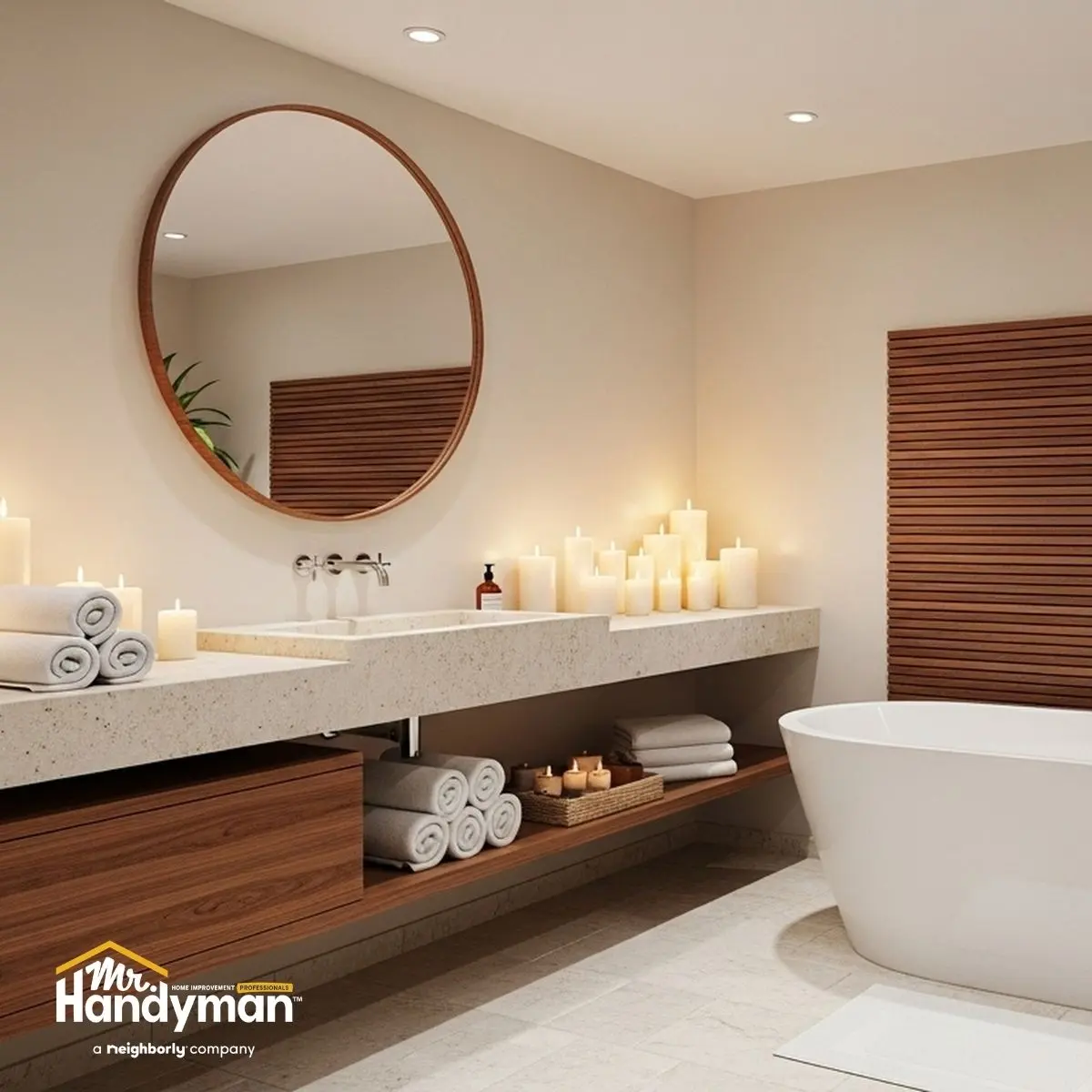
Bathrooms are among the first spaces buyers evaluate, and dated or poorly maintained bathrooms lower perceived value consistently. A bathroom refresh that replaces the faucet and hardware, reseals or regroups the tub and shower surround, updates the vanity lighting, and installs a new toilet seat and mirror can change the entire feel of the space without touching the tile or the layout.
Where tile grout has discolored beyond cleaning or caulk lines have failed, regrouting and recaulking restores both the appearance and the waterproofing function of the bathroom. This is an area where deferred maintenance creates genuine structural risk. Water that penetrates failed grout and caulk lines damages the subfloor and wall structure behind the tile, and that damage becomes apparent to inspectors even when the surface looks acceptable from a distance.
Interior Painting: The Highest Return Project in Any Home

If there is one interior project that consistently delivers more return per dollar spent than any other, it is fresh interior paint. Walls that are scuffed, marked, or carrying colors that were chosen a decade ago date a home immediately and make spaces feel smaller and less cared for than they actually are. Fresh neutral paint on walls and ceilings is the single most effective way to reset a home's interior appearance before a sale or appraisal.
The value of interior painting goes beyond aesthetics. Paint in good condition seals surfaces, reduces moisture penetration into drywall, and makes spaces easier to clean and maintain. In older homes with plaster walls, which are common in the historic neighborhoods of Martinsburg, Charles Town, Shepherdstown, and the older parts of Rockville and Bethesda, proper surface preparation before painting addresses minor cracks and surface irregularities that would otherwise become more pronounced over time.
Color selection matters as much as execution. Warm neutrals, soft whites, and greige tones appeal broadly to buyers and photograph well, which matters significantly in a market where most buyers form their first impression from listing photos. Bold or highly personalized colors may reflect the current owner's taste perfectly but require buyers to mentally repaint every room before they can picture themselves living there, which creates friction in the decision-making process.
Trim painting deserves equal attention. Baseboards, door casings, and window trim that are yellowed, chipped, or showing wear undercut freshly painted walls. Crisp white trim against clean neutral walls is one of the most reliable visual combinations in residential interiors and signals quality and care immediately.
Flooring Updates That Change How a Home Feels
Flooring is one of the first things people notice when they walk into a room and one of the last things they consciously think about when everything looks right. Floors that are in poor condition, whether scratched hardwood, stained carpet, or cracked tile, pull attention immediately and lower the perceived quality of everything around them.
Hardwood floors that are scratched or dull but structurally sound can often be restored through sanding and refinishing rather than replacement. This is one of the most cost-effective flooring improvements available because it delivers the appearance of new flooring at a fraction of the replacement cost. Refinished hardwood appeals strongly to buyers and is consistently cited as a feature that positively influences purchase decisions.
Carpeting that is stained, compressed, or simply outdated is worth replacing before listing or before the spring season begins. In bedrooms and living areas, carpet replacement is relatively affordable and makes a significant visual difference. Where carpet is being removed and subfloor condition permits, transitioning to hard surface flooring, whether hardwood, engineered wood, or luxury vinyl plank, tends to appeal to a broader range of buyers and holds up better under daily use.
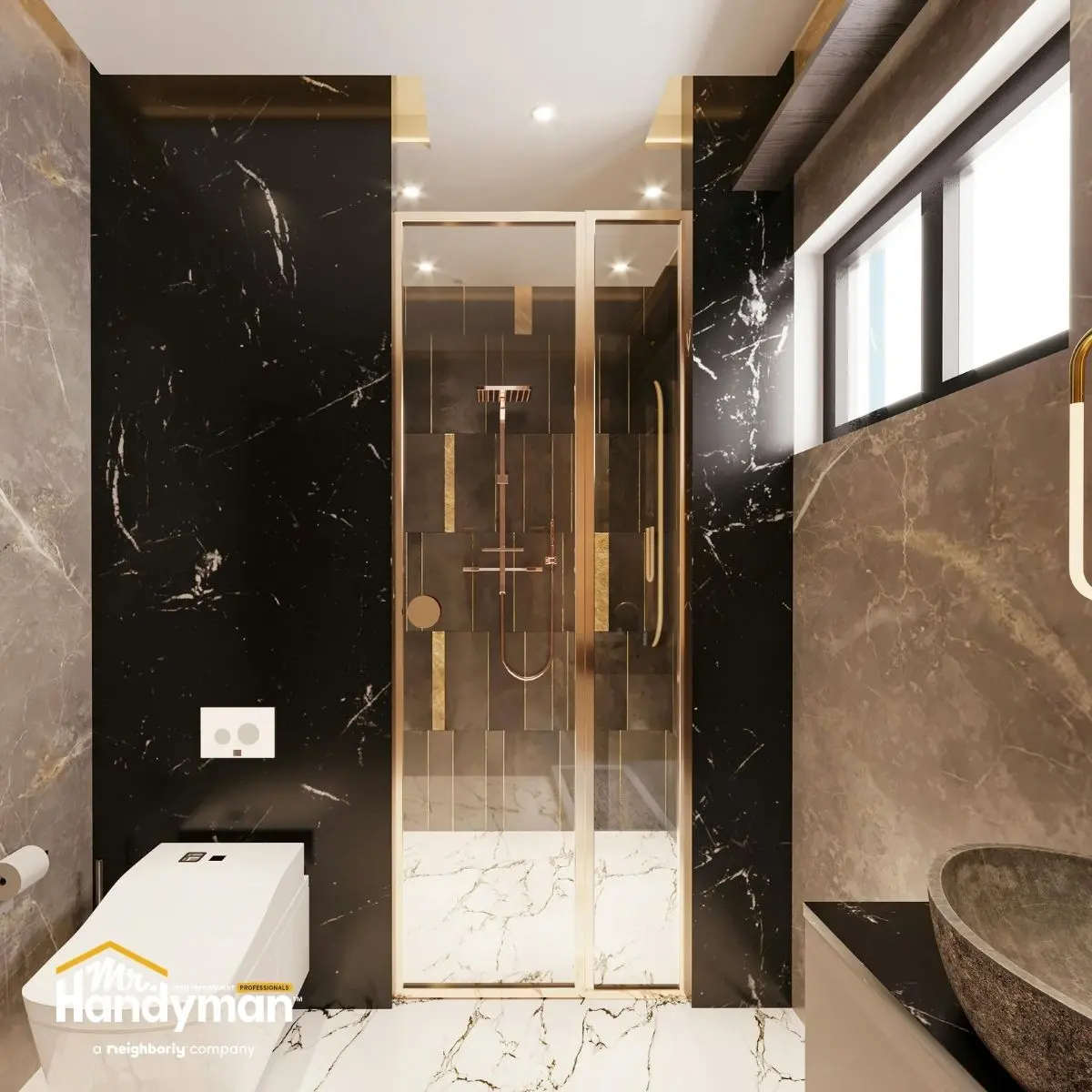
In kitchens and bathrooms, tile that is cracked, chipped, or heavily stained should be addressed as both a functional and cosmetic repair. Cracked tile is a water intrusion risk in wet areas, and the combination of functional failure and dated appearance makes it one of the more compelling repair priorities in a pre-sale preparation plan.
Curb Appeal Details That Shift First Impressions
Beyond the larger exterior projects already covered, there are smaller curb appeal improvements that require modest investment but shift how a home presents itself to anyone approaching from the street.
The front door is one of the highest-impact details on any home's exterior. A door that is faded, scratched, or simply dated in style draws the eye for the wrong reasons. Repainting the front door in a complementary color, replacing worn hardware, and ensuring the door operates smoothly and seals properly addresses both function and appearance. A front door that sticks, drags, or fails to latch properly signals deferred maintenance to buyers before they have even entered the home.
Exterior lighting fixtures that are rusted, dated, or simply not functioning properly are inexpensive to replace and make a meaningful difference in how the home presents after dark, which matters during evening showings and in listing photography. Updating porch lights, garage lights, and pathway lighting to clean, modern fixtures is a low-cost improvement that contributes to a polished overall impression.
Shutters and decorative trim elements that are faded, warped, or pulling away from the exterior wall should be repaired or replaced in spring before they deteriorate further. These details are easy to overlook from inside the home but register clearly to anyone looking at the exterior, and their condition contributes to the overall narrative the home presents before a buyer steps through the door.
Frequently Asked Questions
Which spring remodeling project delivers the best return on investment?
Interior painting consistently delivers the highest proportional return of any remodeling project, followed closely by exterior paint and trim repairs, deck restoration, and targeted kitchen and bathroom updates. The exact return depends on the current condition of the home and the local market, but projects that address visible deferred maintenance while updating the appearance of high-traffic spaces perform best across most markets.
Is it worth remodeling before selling, or should I sell as-is and price accordingly?
In most cases, addressing visible functional issues and making targeted cosmetic updates before listing produces a better outcome than selling as-is. Buyers and their agents factor deferred maintenance into offers at a rate that typically exceeds the actual repair cost, meaning sellers who address problems before listing often recover more than the cost of the work in the final sale price. The exception is homes in significantly distressed condition where renovation costs would exceed the value they add.
How do I prioritize spring remodeling projects on a limited budget?
Start with anything that is functionally failing or that an inspector would flag, such as damaged decking, failing gutters, plumbing issues, or electrical concerns. Then address the highest-visibility cosmetic items, which in most homes means exterior paint, interior paint, and flooring. Kitchen and bathroom updates come next. The goal is to ensure that the home presents as well-maintained and functional before investing in upgrades that go beyond the current condition.
Should I hire a contractor or a handyman for spring remodeling projects?
For projects that involve multiple small to medium repairs across different systems, an experienced handyman service is often more practical and cost-effective than coordinating multiple specialty contractors. Handyman services handle painting, trim work, deck repairs, fixture replacements, door and window repairs, and a wide range of interior and exterior improvements under one engagement. For large structural projects or full system replacements, specialty contractors may be more appropriate.
How long do typical spring remodeling projects take?
Scope and scale determine timeline more than any other factor. Painting a home's interior can be completed in two to four days. Deck repairs range from a single day to a week depending on the extent of damage. Kitchen and bathroom updates that stop short of full renovation typically run one to three days per space. Planning projects in early spring rather than waiting until late April or May ensures availability and avoids the scheduling delays that come when every homeowner in the area is trying to complete work at the same time.
Does remodeling before spring actually matter if I am not planning to sell?
Absolutely. Homes that are maintained and updated consistently cost significantly less to own over time than homes where maintenance is deferred until problems become urgent. Spring remodeling that addresses wear, updates functionality, and corrects minor issues before they compound protects the investment value of the home regardless of any near-term plans to sell. The comfort and daily experience of living in a well-maintained home is itself a meaningful return on the investment.
Start Your Spring Projects Before the Season Gets Away
Spring moves quickly in this region. By mid-April, contractor schedules fill, material lead times extend, and the window for completing meaningful work before summer arrives narrows considerably. The homeowners who benefit most from spring remodeling are those who plan early, prioritize clearly, and engage help before the rush begins.
Mr. Handyman handles the full range of spring remodeling projects that deliver real value, from deck repairs and exterior painting to interior updates, fixture replacements, trim work, and the careful repair of older homes that require experience and attention to detail. Their technicians work across the Eastern Panhandle and Montgomery County with the knowledge of local housing stock and seasonal conditions that makes the difference between work that lasts and work that needs to be redone.
Mr. Handyman of Martinsburg and Charles Town
mrhandyman.com/martinsburg-charles-town
Mr. Handyman of Northern Montgomery County
mrhandyman.com/northern-montgomery-county
Mr. Handyman of South Montgomery County
mrhandyman.com/south-montgomery-county
Call us to schedule a spring assessment or discuss specific projects you have been planning. Whether you are preparing to sell, updating for your own enjoyment, or simply catching up on maintenance that winter delayed, the right help makes every project go further.