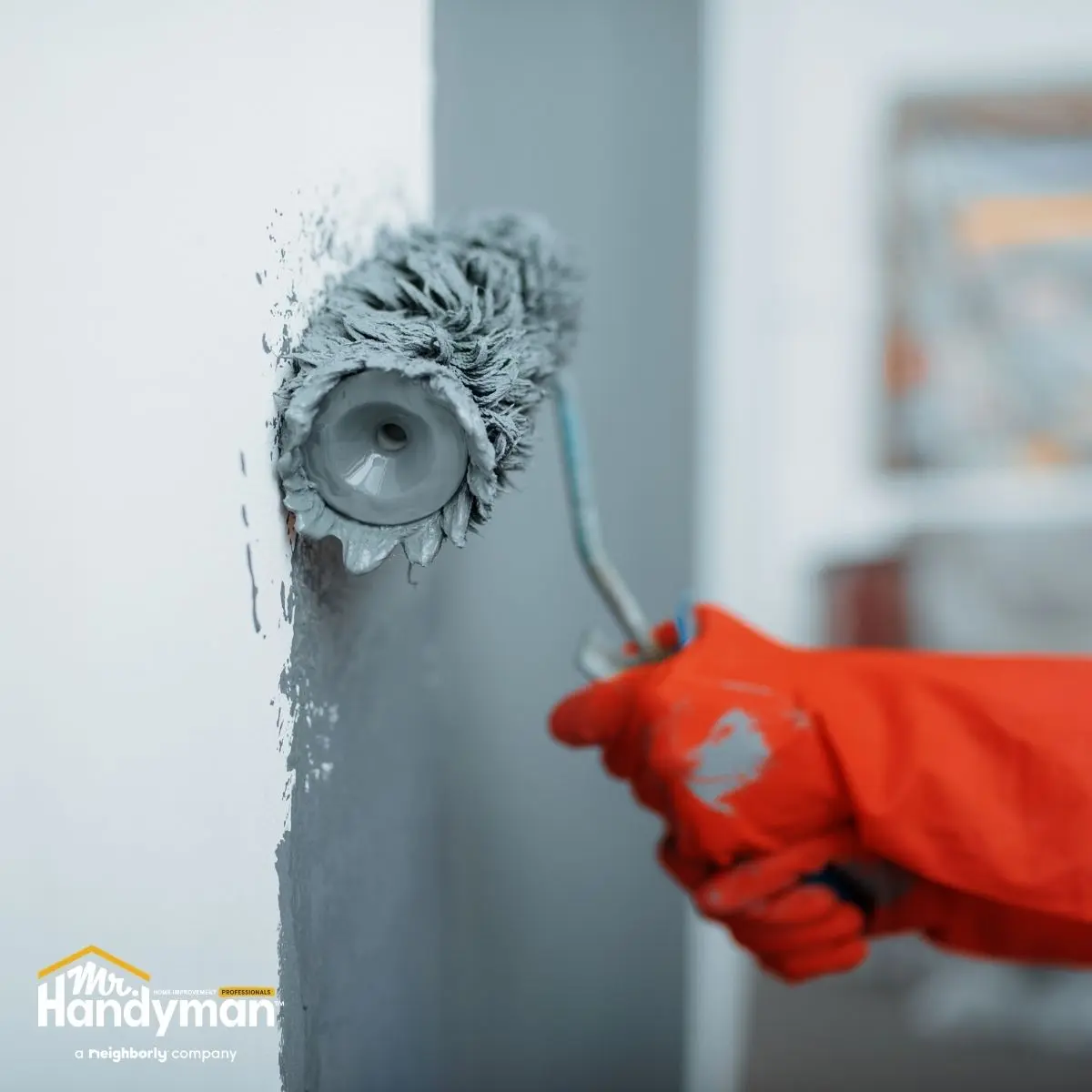
Spring represents the optimal season for home improvements, and the reasons extend far beyond pleasant weather. While comfortable temperatures certainly make construction work more bearable, the strategic advantages of spring timing affect project costs, quality, contractor availability, material performance, and how quickly you can enjoy completed improvements. Homeowners who understand these advantages schedule major projects for spring completion, while those who delay until summer or fall face complications, expenses, and disruptions that spring projects avoid entirely.
In Central Oklahoma City, South Oklahoma City, and Norman, spring's narrow window between winter's unpredictability and summer's oppressive heat creates ideal conditions for nearly every type of home improvement. Temperatures settle into ranges where materials perform optimally—paint adheres and cures correctly, concrete achieves proper strength, lumber remains dimensionally stable, and adhesives bond reliably. Workers operate productively without battling weather extremes that slow progress and compromise quality. Projects started in April typically complete by early June, ready for immediate summer enjoyment rather than disrupting the season when outdoor spaces see heaviest use.
The alternative timelines reveal spring's advantages clearly. Summer projects happen during Oklahoma's most challenging weather—ninety-five-degree heat that exhausts workers, causes materials to cure too quickly or incorrectly, and creates constant hydration and safety concerns that slow progress. Afternoon thunderstorms delay exterior work unpredictably. Contractors juggle multiple projects simultaneously because everyone schedules work during the same limited season. What takes three weeks in spring stretches to five or six weeks in summer through weather delays and divided contractor attention.
Fall projects face different problems. Shortened daylight limits productive work hours. Temperature uncertainty—warm one week, freezing the next—creates scheduling nightmares and affects material performance. The approaching winter deadline pressures rushed work rather than careful craftsmanship. Projects that don't complete before winter face months of delay until spring arrives and favorable conditions return. Spring scheduling avoids these complications entirely while delivering completed improvements ready for maximum seasonal enjoyment.
Weather Conditions Supporting Quality Construction
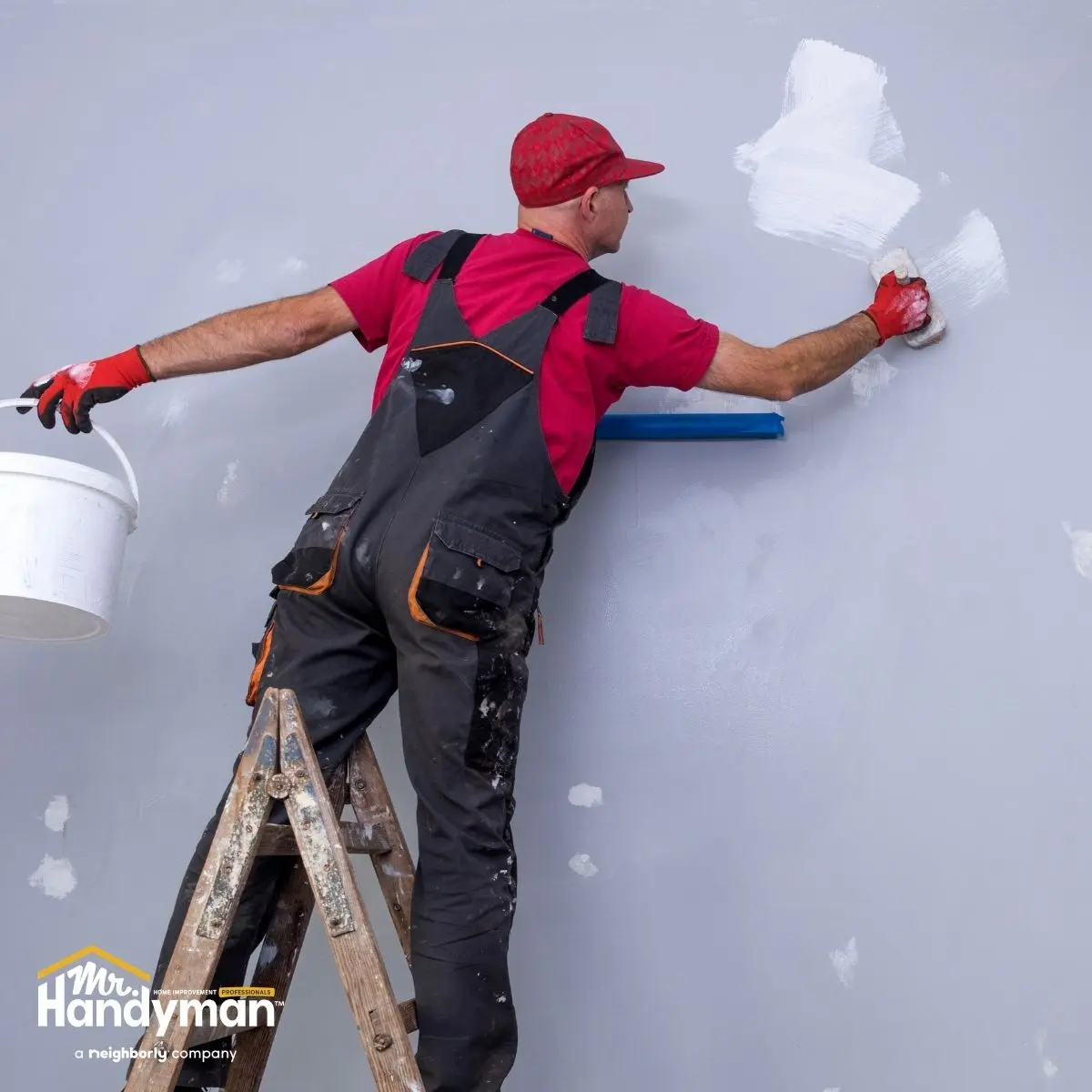
Spring weather in Oklahoma provides the stable conditions construction requires for optimal results. While no season guarantees perfect weather daily, spring offers the most consistent favorable conditions for the widest range of projects.
Temperature stability matters enormously for material performance. Paint requires temperatures between fifty and eighty-five degrees for proper application and curing. Too cold and paint doesn't flow smoothly or bond adequately. Too hot and it dries too quickly, creating lap marks and uneven coverage. Spring temperatures fall reliably in this range, allowing quality paint work on siding, trim, decks, and fences that will look good and last years longer than work done under temperature stress.
Concrete work demands careful temperature management. Concrete that freezes before curing loses significant strength. Concrete that cures too rapidly in extreme heat develops surface cracks and reduced durability. Spring temperatures between fifty and seventy-five degrees allow concrete to hydrate properly and develop full strength. This matters for foundations, patios, walkways, and any project involving concrete pours.
Wood construction benefits from moderate humidity and temperature. Wood installed during extreme heat is at maximum expansion. When temperatures cool, it contracts, potentially creating gaps or structural issues. Wood installed during very dry conditions absorbs moisture when humidity increases, causing swelling and warping. Spring installation allows wood to acclimate naturally to seasonal changes without problematic movement.
Adhesive performance depends on temperature and humidity falling within manufacturer specifications. Whether you're installing flooring, applying roofing materials, or bonding trim and molding, adhesives need proper conditions to achieve full strength. Spring conditions support reliable adhesion for products that might fail when applied during temperature or humidity extremes.
Ground conditions in spring allow excavation and foundation work without the complications of frozen winter soil or summer's baked hardness. Soil that's neither saturated from winter moisture nor dried rock-hard from summer heat digs efficiently and compacts properly. This matters for projects requiring grading, drainage work, foundation repairs, or underground utility installation.
Contractor Availability and Scheduling Advantages
Spring timing provides access to quality contractors before their summer schedules fill completely. This affects not just when work happens but the quality of attention your project receives.
Contractors enter spring with availability and motivation to schedule work. They've endured slower winter months and are eager to fill their calendars with projects that keep crews productive through the busy season. This gives homeowners leverage for scheduling and often better pricing than summer peak-season rates when contractors can be selective about which projects they accept.
Project focus improves when contractors aren't juggling multiple simultaneous jobs. In spring, contractors can dedicate crews to your project without pulling workers away to handle emergencies or rush jobs for other clients. Summer's compressed timeline forces contractors to split attention across numerous projects, often leaving jobs partially complete while they address other commitments. Spring projects receive more consistent crew presence and better supervision.
Subcontractor coordination happens more smoothly in spring. Complex projects requiring multiple trades—electricians, plumbers, HVAC technicians, concrete contractors—depend on coordinated scheduling. When these trades aren't overbooked, coordination is straightforward. Summer's demand creates scheduling conflicts where subcontractors juggle commitments across multiple jobs, creating delays that cascade through project timelines.
Quality contractors book months ahead. By June, the best contractors are scheduling work into August or September. Homeowners who wait until summer to begin project planning discover their preferred contractors aren't available for months. Spring planning and execution secures quality contractors when they have availability and can deliver attention your project deserves.
Material delivery and availability improve in spring before summer demand creates shortages and backorders. Lumber yards, appliance suppliers, and specialty material vendors maintain fuller inventories in spring. By mid-summer, popular items—specific deck board colors, particular appliance models, specialty tiles—go on backorder as suppliers struggle to keep pace with demand. Spring ordering avoids these delays that can push project completion dates weeks or months beyond original estimates.
Project Types Perfectly Suited for Spring

Certain home improvements align particularly well with spring construction timelines and weather conditions, making them ideal candidates for spring scheduling.
Exterior painting delivers best results when completed in spring. Surfaces are clean from winter rains, temperatures support proper paint application and curing, and humidity levels remain moderate. Paint applied in spring has months to fully cure and harden before facing summer's intense UV exposure. Homeowners also enjoy freshly painted exteriors throughout the entire outdoor season rather than having houses wrapped in scaffolding during peak summer months.
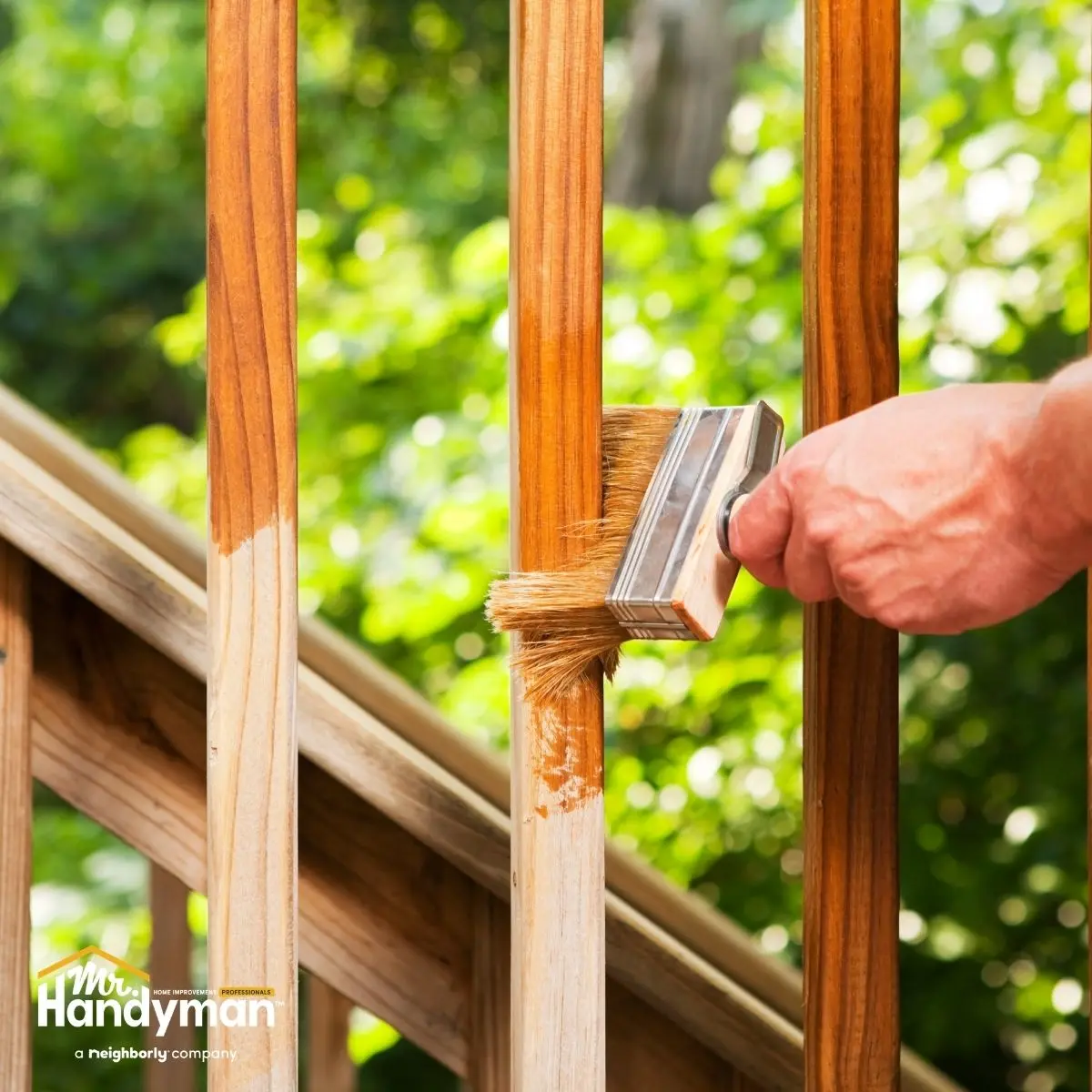
Deck construction and refinishing happens most efficiently in spring. New deck lumber has time to acclimate before summer humidity affects it. Stains and sealers applied in moderate temperatures penetrate deeply and cure properly, providing maximum protection. Completed decks are ready for Memorial Day gatherings and full summer use. Projects delayed until summer mean decks aren't finished until August, missing half the outdoor season.
Roofing projects benefit from spring timing for multiple reasons. Shingles seal properly in moderate temperatures—too cold and they may not seal, too hot and workers risk heat exhaustion on dark roofs that can reach 150 degrees. Spring completion ensures roofs are ready for summer storms that test new installations. Homeowners also avoid summer disruption when noise and activity would interfere with open windows and outdoor living.
Additional Projects Benefiting from Spring Timing
Landscaping and hardscaping projects establish best in spring when plants have full growing seasons ahead and ground conditions support efficient work. Trees, shrubs, and perennials planted in spring develop root systems before summer heat arrives, improving survival rates significantly. Sod installation in spring gives grass months to establish before facing summer stress. Hardscaping—patios, walkways, retaining walls—happens efficiently in moderate temperatures when workers aren't battling heat and when concrete and mortar cure properly.
Window replacement makes sense in spring when you can open your home temporarily without extreme temperature concerns. Replacing windows requires removing old units, leaving openings exposed briefly during installation. Spring temperatures make this tolerable, while summer heat or winter cold rushing through open window frames creates discomfort. New windows also have time to settle and seal before facing summer cooling demands or winter heating loads.
HVAC replacement scheduled for spring means new systems are installed and tested before summer heat creates urgent need. Installing new air conditioning in April allows addressing any installation issues calmly. Installing in July means working without cooling during Oklahoma heat while hoping installation goes perfectly—any problems mean extended discomfort. Spring installation also captures spring and summer utility savings from efficient new equipment rather than continuing to run inefficient old systems through another expensive cooling season.
Kitchen and bathroom remodeling disrupts daily life significantly. Spring timing means these disruptions happen when weather allows outdoor grilling to supplement lost cooking capacity and when moderate temperatures make temporary bathroom arrangements less miserable. Completed remodels are ready for summer entertaining rather than being mid-construction when guests visit.
Siding replacement works like exterior painting—moderate temperatures support proper installation, materials perform optimally, and completed work protects homes through summer storms. Vinyl siding installs best in moderate temperatures when it's neither brittle from cold nor excessively flexible from heat. Fiber cement siding benefits from proper curing conditions. Wood siding needs stable humidity for installation.
Material Performance and Longevity
Materials installed during optimal conditions perform better and last longer than those installed under stress. This affects both immediate results and long-term satisfaction.
Paint longevity depends heavily on application conditions. Paint applied within manufacturer temperature specifications bonds properly to surfaces and cures to full hardness. Paint applied outside these ranges may appear acceptable initially but fails prematurely—peeling within two to three years rather than lasting eight to ten. Spring application maximizes paint lifespan, protecting your investment and avoiding premature repainting expenses.
Concrete achieves specified strength only when cured properly. Concrete poured in spring cures at rates allowing full hydration and strength development. Concrete poured in extreme heat cures too quickly, reducing ultimate strength and increasing cracking risks. Concrete approaching freezing temperatures may not cure adequately. Properly cured spring concrete lasts decades without premature deterioration.
Wood stability matters for decks, fences, trim, and structural components. Wood installed at moderate moisture content remains dimensionally stable as seasons change. Wood installed during extremes—very dry or very wet—moves significantly as conditions normalize, creating gaps, warping, or structural stress. Spring installation positions wood mid-range where seasonal movement is minimized.
Roofing shingles seal through solar heat activation of adhesive strips. This sealing process happens optimally in moderate temperatures. Shingles installed in very hot weather may seal too aggressively, making them vulnerable to wind damage. Shingles installed in cold weather may not seal adequately for months, leaving them vulnerable to wind uplift during storms. Spring installation ensures proper sealing relatively quickly.
Adhesive bonds in flooring, tile, and countless other applications achieve full strength only when applied within specified conditions. Adhesives applied outside temperature or humidity ranges may never reach full strength, leading to premature failures that require expensive repairs or replacements. Spring conditions support reliable bonding across diverse materials and applications.
Financial Advantages of Spring Timing
Spring home improvements often deliver better value than projects scheduled during other seasons, both through direct cost savings and through avoiding expensive complications.
Contractor pricing may be more competitive in spring before peak summer demand. While contractors don't typically offer seasonal discounts, they're motivated to schedule work and may be more flexible on pricing to fill their calendars. Summer's high demand allows contractors to be selective, often choosing projects offering highest margins or fastest completion.
Avoiding emergency premium pricing saves significantly. Projects delayed until summer sometimes turn from planned improvements into emergencies when systems fail—roofs leaking during storms, HVAC dying during heat waves, decks becoming unsafe during planned gatherings. Emergency repairs command premium pricing, sometimes fifty to one hundred percent above normal rates. Spring planning prevents emergencies through proactive replacement before failures occur.
Material costs may be lower in spring before summer demand drives prices up. Supply and demand affect material pricing, and spring often sees better inventory levels and more competitive pricing than summer shortages create. Lumber prices particularly fluctuate with seasonal demand, and spring purchasing sometimes captures better pricing.
Energy savings begin immediately with efficiency improvements. New windows, upgraded insulation, or efficient HVAC systems installed in spring deliver savings throughout the expensive summer cooling season. Delaying installation means continuing to pay higher utility bills through another season before capturing improvement benefits. The cumulative savings over a home's lifetime make early installation financially advantageous.
Project efficiency reduces labor costs. Work that takes three weeks in spring might require five weeks in summer through weather delays and scheduling complications. You're paying for those extra weeks. Faster spring completion means lower total labor costs and less disruption to your life.
Planning Your Spring Improvement Timeline
Successful spring home improvements require planning that begins well before construction. Last-minute decisions and rushed timelines compromise results and create stress.
Start planning in late winter—January or February for spring construction. Research project options, gather inspiration, and develop clear ideas about what you want to accomplish. Vague concepts don't provide direction for contractors to bid accurately or for you to make informed decisions about scope and materials.
Get contractor estimates by early March. Interview multiple contractors, verify credentials and insurance, check references, and review portfolios. Select based on overall value—quality, communication, timeline, and price—not price alone. The cheapest bid often reflects corners that will be cut or unrealistic timelines.
Finalize material selections by mid-March for April construction starts. Some materials require lead times—custom windows, specific appliance models, specialty tiles. Order early to ensure materials arrive when contractors need them rather than creating delays. Material delays push work into less favorable weather and contractor scheduling conflicts.
Schedule construction for April or early May completion. This timeline delivers finished projects ready for summer enjoyment while working during optimal weather. Projects starting in late May or June push into summer complications and may not complete until fall.
Build flexibility into timelines for weather delays. Even spring weather occasionally doesn't cooperate. Rain delays concrete pours. Cold snaps postpone finish work. Unexpected issues require time to resolve. Projects estimated at three weeks should have four weeks scheduled to accommodate inevitable disruptions without creating panic.
Frequently Asked Questions About Spring Home Improvements
Is spring more expensive than other seasons for home improvements?
Not typically. While summer sometimes sees slight price increases from demand, spring often offers competitive pricing as contractors build their schedules. The real savings comes from avoiding emergency repairs that would cost far more than planned spring improvements.
What if weather turns bad during my spring project?
Quality contractors build weather contingencies into schedules and have processes for protecting work in progress. Brief weather delays are normal and shouldn't significantly affect timelines. Extended poor weather is rare in Oklahoma springs compared to summer storm patterns.
Can I start planning spring projects in spring?
You can, but you'll face limited contractor availability and material lead times may delay work into summer. Planning in winter for spring execution provides best contractor selection and material availability.
What's the single most important spring home improvement?
HVAC service and any needed system upgrades. Comfortable indoor climate affects daily life more than any other home system. Ensuring cooling works reliably before summer heat arrives prevents miserable disruptions during the season you use it most.
Should I tackle multiple projects in one spring or spread them across years?
Depends on budget and tolerance for disruption. Related projects—deck and landscaping, for example—benefit from simultaneous completion. Unrelated projects can spread across years unless one depends on another or deferred maintenance creates urgency.
Taking Action This Spring
Spring's limited duration makes decisive action important. The ideal construction window is only eight to ten weeks. Homeowners who spend those weeks deciding miss the opportunity to build. Those who planned during winter and execute in spring enjoy completed improvements throughout the entire outdoor season.
Don't let indecision delay projects into less favorable timing. Make material selections, choose contractors, and commit to timelines while weather supports efficient work and contractors have availability. Projects postponed often don't happen at all as competing priorities and less favorable conditions push work indefinitely.
The investment in home improvements pays returns in daily quality of life, property values, and avoided emergency repairs. Projects completed proactively under ideal conditions cost less and perform better than those done reactively under pressure. Spring timing maximizes these advantages.
Mr. Handyman of Central Oklahoma City and Mr. Handyman of S. Oklahoma City and Norman provide comprehensive home improvement services from minor repairs to major renovations. Experienced professionals understand Oklahoma's climate demands and deliver quality work completed on schedule during spring's optimal construction window.
Start your spring home improvements now and enjoy the results all year long. Contact Mr. Handyman of Central Oklahoma City or visit https://www.mrhandyman.com/central-oklahoma-city/. Homeowners in South Oklahoma City and Norman can reach Mr. Handyman of S. Oklahoma City and Norman or visit https://www.mrhandyman.com/northern-montgomery-county/. Transform your home during the perfect season for construction and improvement projects.