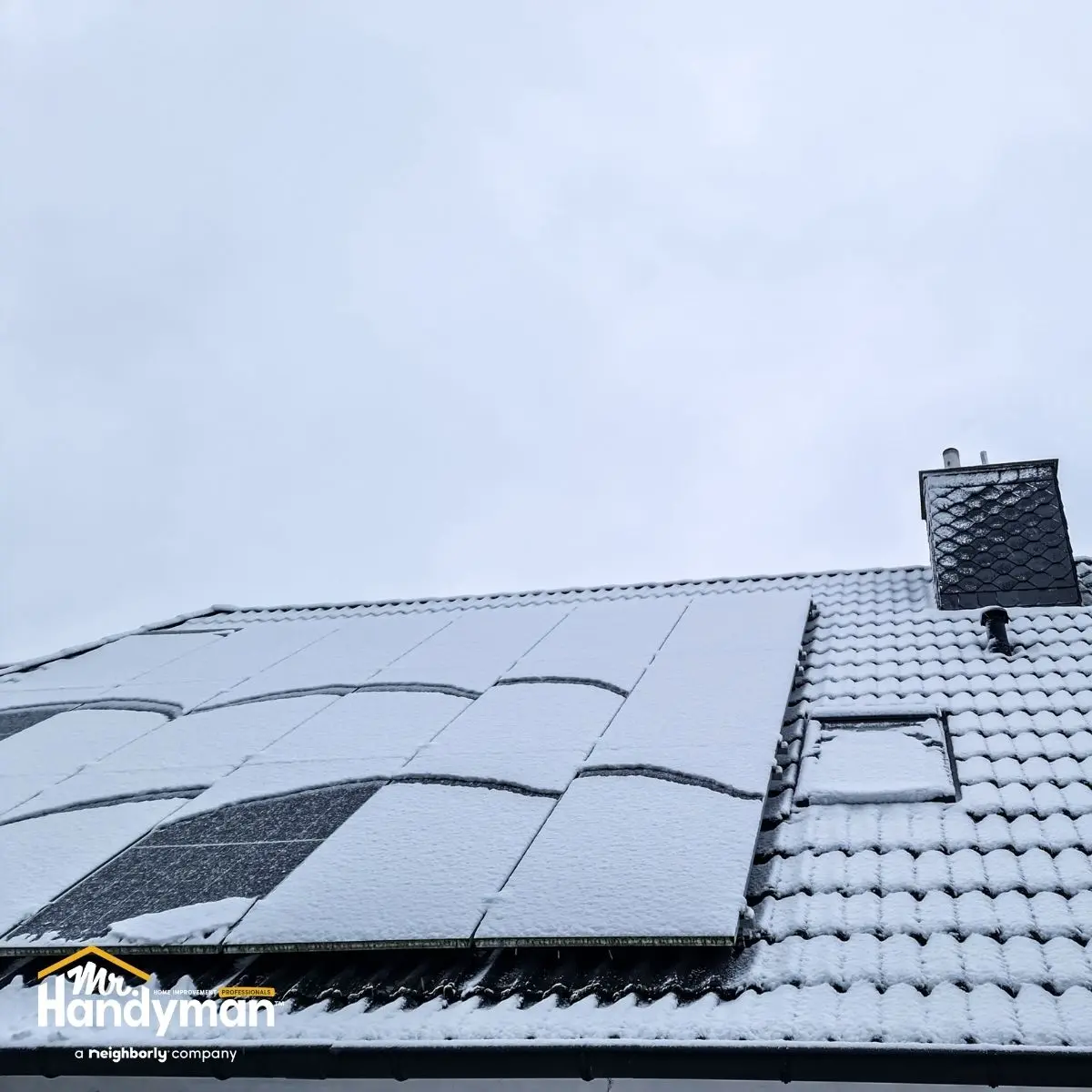
Spring maintenance separates homeowners who protect their investment from those who watch it deteriorate through neglect. Houses aren't static—they're complex systems constantly stressed by weather, use, and time. Components wear out. Materials degrade. Small problems that seem insignificant in March become expensive emergencies by July. The difference between a home that maintains its value and one that requires constant crisis management comes down to systematic seasonal maintenance that identifies and addresses issues before they escalate.
In Central Oklahoma City, South Oklahoma City, and Norman, spring represents the critical maintenance window. Winter's freeze-thaw cycles have stressed foundations, roofing, and plumbing. Spring storms will test drainage systems and reveal vulnerabilities in exterior protection. Summer heat is coming, demanding properly functioning air conditioning and adequate insulation. Homes entering summer without spring maintenance face peak-season failures when repair costs spike, contractor availability drops, and living conditions become uncomfortable or even unsafe.
Spring maintenance isn't about perfection—it's about prevention. You're not trying to make everything new. You're catching wear before it becomes damage, identifying minor repairs before they become major ones, and ensuring critical systems operate reliably during the demanding months ahead. A clogged gutter costs nothing to clean in April but can cause thousands in foundation or interior water damage by June. An HVAC system serviced in spring operates efficiently all summer, while one that's neglected fails during a heat wave requiring emergency service at premium rates.
The return on time invested in spring maintenance is extraordinary. A Saturday spent walking your property with a checklist, testing systems, and addressing obvious issues prevents multiple emergency service calls costing hundreds or thousands of dollars each. An hour cleaning gutters prevents water damage requiring drywall replacement and mold remediation. Thirty minutes checking caulking around windows and doors prevents water intrusion that rots framing. These aren't dramatic improvements that transform your home's appearance—they're protective actions that preserve your largest financial asset and prevent disruptions to your daily life.
Exterior Inspection and Repairs
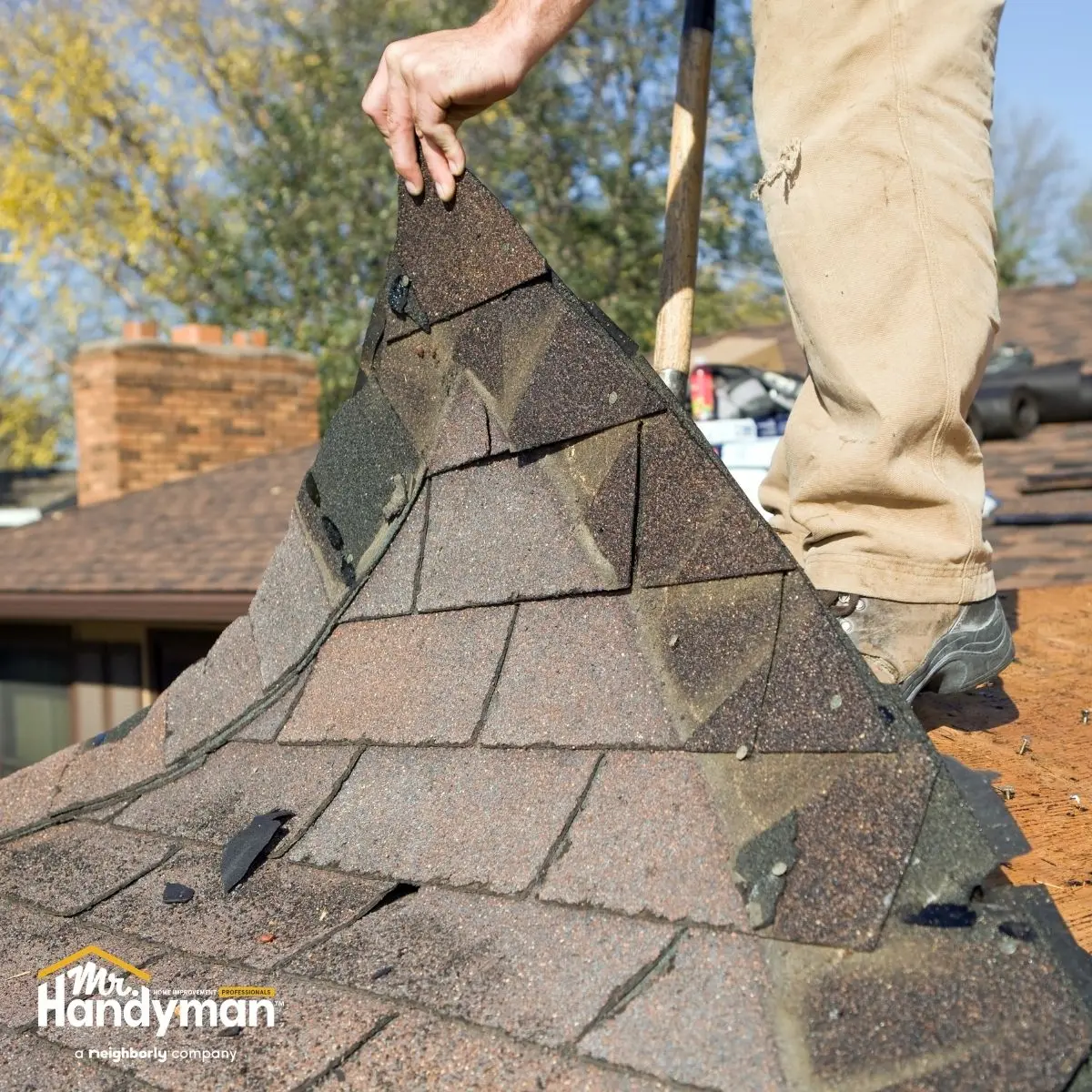
Walk your home's entire perimeter examining every surface, opening, and transition point where different materials meet. These are where problems develop and where early detection prevents expensive damage.
Inspect roofing from ground level using binoculars if needed. Look for missing, damaged, or curled shingles. Check valleys where roof planes meet—these collect water and debris, making them vulnerable to leaks. Examine flashing around chimneys, vent pipes, and skylights for gaps or deterioration. Missing shingles or failed flashing allow water entry that damages insulation, ceilings, and walls. Address roofing issues immediately—water damage compounds quickly once moisture penetrates the building envelope.
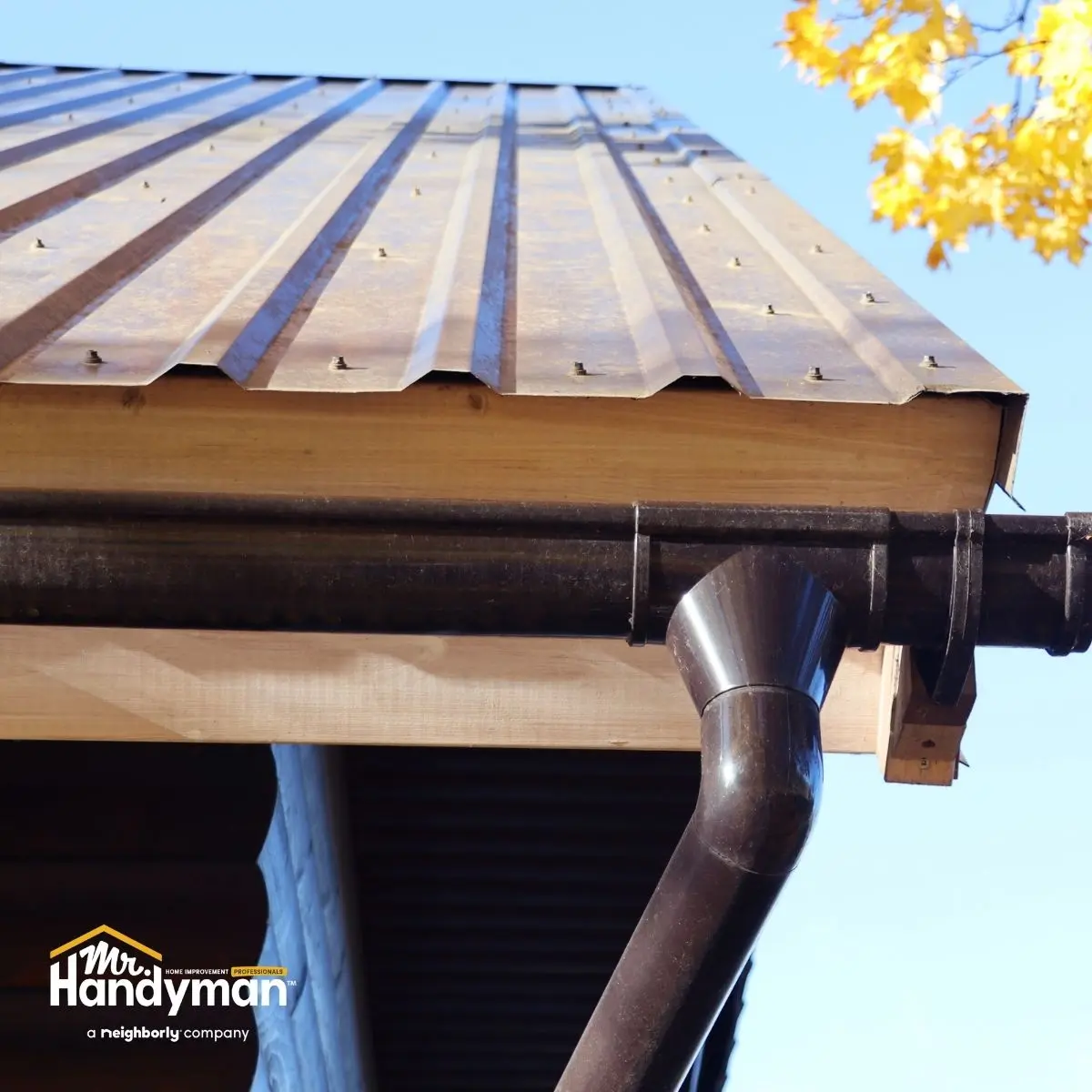
Check all gutters and downspouts for debris accumulation, proper slope, secure attachment, and adequate water direction away from the foundation. Clogged gutters overflow during storms, dumping water against foundations where it saturates soil, increases hydrostatic pressure, and enters basements or crawl spaces. Clean gutters thoroughly in spring after trees finish dropping seeds and before summer storms arrive. Verify downspouts extend at least six feet from the foundation, directing water where it can't return to the house.
Examine exterior walls for cracks, gaps, or damage in siding, brick, or stucco. Look specifically at corners, around windows and doors, and where different materials join. Small cracks allow water and insects to enter wall cavities. Seal cracks immediately with appropriate caulk or repair materials. Check that weep holes in brick veneer remain open—these allow moisture to escape from behind brick and shouldn't be sealed or clogged with dirt.
Inspect all caulking and sealants around windows, doors, and penetrations where utilities enter the house. Caulk deteriorates from UV exposure and temperature cycling. Failed caulk allows air and water infiltration that wastes energy and damages materials. Recaulking is cheap insurance—a few tubes of quality caulk and an hour of work protects against expensive damage and efficiency losses.
Test exterior doors for proper operation, weather stripping condition, and threshold integrity. Doors that don't seal properly waste conditioned air and allow water entry during wind-driven rain. Replace worn weather stripping and adjust thresholds to eliminate gaps. Verify automatic closers work correctly and locks engage securely.
Check foundation walls for cracks or signs of movement. Hairline cracks are common as homes settle, but cracks widening over time or with significant displacement indicate problems requiring professional evaluation. Oklahoma's clay soil creates foundation stress, and monitoring cracks helps distinguish normal settling from structural issues needing attention.
HVAC System Service and Testing
Air conditioning systems work hardest during Oklahoma summers, and spring service prevents failures during peak demand when you need cooling most.
Schedule professional HVAC service before temperatures consistently reach eighty degrees. Technicians should inspect the outdoor condenser unit, indoor evaporator coil, refrigerant levels, electrical connections, condensate drain, thermostat calibration, and overall system operation. They should clean coils, change filters, lubricate motors where applicable, and test the system under load. Spring service costs far less than emergency repairs during summer heat waves when technicians charge premium rates and scheduling delays leave you sweating for days.
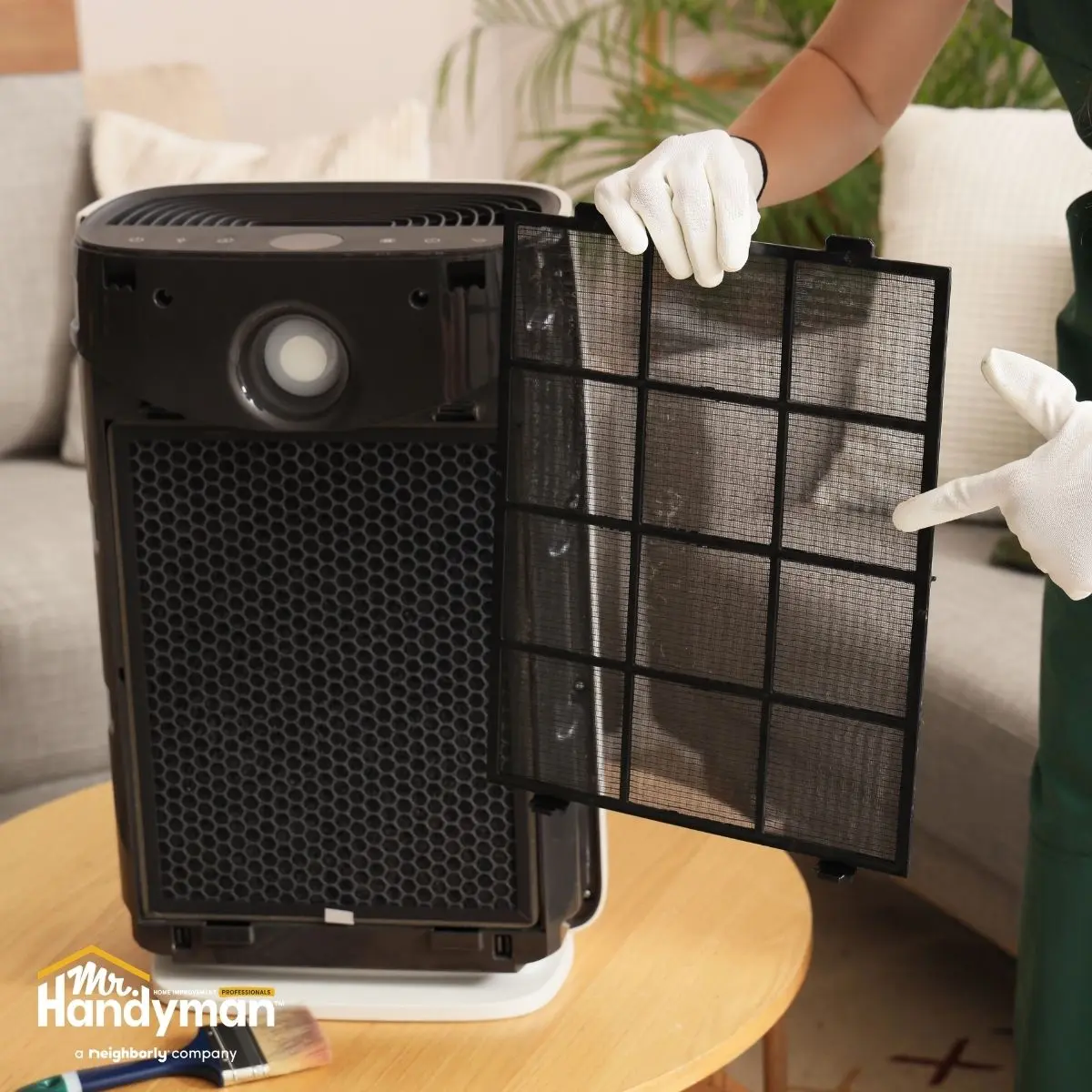
Change HVAC filters yourself monthly during cooling season or according to manufacturer recommendations. Dirty filters restrict airflow, forcing systems to work harder and increasing energy consumption. They also allow dust and allergens to circulate, affecting indoor air quality. Quality pleated filters cost a few dollars and take two minutes to change—there's no excuse for running dirty filters.
Clear debris from around outdoor condenser units. Remove leaves, grass clippings, and vegetation within two feet of the unit. Trim shrubs or plants that have grown too close. Adequate airflow around the condenser is essential for efficient operation. Blocked airflow reduces capacity and increases operating costs.
Test your thermostat for accurate temperature sensing and proper system control. If your home feels warmer than the thermostat setting indicates, the sensor may need calibration or replacement. Programmable thermostats should be checked for correct time, date, and programming schedules that match your current routine.
Inspect condensate drain lines for clogs. Air conditioners remove humidity from indoor air, and that moisture drains through small pipes to exterior or drain systems. Clogged drain lines cause water backup that damages ceilings, walls, and flooring. Pour a cup of bleach down the drain line annually to kill algae and prevent clogs.
Plumbing System Checks
Plumbing failures cause some of the most expensive home damage. Spring inspection catches small leaks before they become disasters.
Walk through your home testing every faucet, toilet, and water-using appliance. Turn on each faucet fully and check for leaks at handles, spouts, and supply connections underneath. Look under sinks for moisture, staining, or active dripping. Even small leaks waste water and damage cabinets and flooring over time.
Test every toilet for proper flushing, adequate tank refill, and silent operation between uses. Add food coloring to toilet tanks and wait fifteen minutes without flushing. If color appears in the bowl, the flapper valve is leaking—an easy repair that saves hundreds of gallons monthly. Listen for toilets that run or refill randomly, indicating fill valve or flapper problems.
Inspect your water heater for signs of trouble. Look for moisture or rust around the base, corrosion on the tank, or water staining on the floor. Check the temperature setting—it should be around 120 degrees for safety and efficiency. Test the pressure relief valve by lifting the lever slightly—water should discharge from the overflow pipe. If nothing comes out, the valve may be stuck and need replacement.
Testing Outdoor Faucets and Irrigation Systems
Outdoor water systems often sustain winter damage that reveals itself when you first use them in spring. Testing before you need them prevents surprises and water waste.
Turn on every outdoor faucet fully and check for leaks at the handle, around the faucet base where it meets the wall, and along visible piping. Attach a hose and turn the water back on—some leaks only appear under the back pressure created by hose attachment. Even small leaks waste significant water when hoses or sprinklers run for extended periods.
If you have an in-ground sprinkler system, activate it carefully for the first time. Run each zone individually rather than the entire system at once. Watch for geysers indicating broken pipes, areas that don't receive water from damaged heads, or pooling water suggesting underground leaks. Winter freezing can crack PVC pipes and damage sprinkler heads even in Oklahoma's relatively mild climate.
Check sprinkler head alignment and spray patterns. Heads that spray onto driveways, sidewalks, or house siding waste water and can damage surfaces. Adjust heads to ensure efficient coverage only where needed. Replace damaged or missing heads immediately—they're inexpensive and easy to replace, but a single missing head can leave dead spots in your lawn.
Test backflow preventers on irrigation systems. These devices protect your home's potable water from contamination and require annual testing in many jurisdictions. If testing reveals problems, hire certified technicians to repair or replace the device promptly to maintain code compliance and water safety.
Window and Door Maintenance
Windows and doors are major sources of energy loss and water intrusion when not properly maintained. Spring inspection and minor repairs deliver significant returns.
Inspect every window for cracked glass, damaged screens, deteriorated caulking, and proper operation. Windows that stick or don't open easily are safety hazards during emergencies and indicate balance or track problems needing repair. Clean window tracks and lubricate moving parts. Replace torn screens before insects become problems.
Check weatherstripping around windows and doors. Deteriorated weatherstripping allows air infiltration that wastes energy and reduces comfort. Run your hand around closed windows and doors feeling for drafts. Replace worn weatherstripping—it's inexpensive and installation is straightforward.
Test window locks and ensure they engage properly. Secure locks are essential for safety and help windows seal tightly for energy efficiency. Locks that don't engage fully allow windows to rattle and leak air.
Examine storm doors and screen doors for proper closer operation, secure mounting, and intact screens. Closers that don't function properly allow doors to slam, damaging both the door and frame. Loose mounting screws create stress that can crack door frames. Torn screens defeat their purpose of allowing ventilation while excluding insects.
Checking Attics and Crawl Spaces
Hidden spaces accumulate problems that go unnoticed until damage becomes severe. Spring inspection catches issues early.
Enter your attic and inspect for roof leaks evidenced by water staining on rafters or decking, wet insulation, or active dripping. Even small roof leaks cause extensive damage over time as water saturates insulation, rots framing, and creates mold growth. Identifying leaks now allows repair before summer storms make problems worse.
Check attic ventilation systems. Soffit vents should be clear of insulation or debris blocking airflow. Ridge vents or gable vents should be unobstructed. Adequate attic ventilation prevents heat buildup in summer and moisture accumulation year-round. Poor ventilation shortens roof lifespan and increases cooling costs.
Inspect insulation depth and condition. Oklahoma homes should have at least R-38 insulation in attics—typically fourteen to eighteen inches depending on material. Inadequate insulation wastes energy and reduces comfort. Damaged or compressed insulation loses effectiveness and should be replaced or supplemented.
If you have a crawl space, inspect it for moisture, standing water, foundation cracks, or pest activity. Damp crawl spaces encourage mold growth, attract termites, and rot floor joists. Address moisture sources through improved drainage, vapor barriers, or dehumidification before structural damage occurs.
Lawn and Landscape Preparation
Outdoor spaces require spring attention to thrive during summer and prevent issues that affect the house itself.
Clean up winter debris from landscaped areas. Remove dead branches, fallen leaves, and accumulated trash. Prune dead or damaged branches from trees and shrubs before spring storms turn them into hazards that could damage roofing, siding, or windows.
Edge landscaped beds and refresh mulch. Mulch breaks down over time and loses effectiveness at moisture retention and weed suppression. Add two to three inches of fresh mulch in spring for attractive appearance and practical benefits that reduce watering needs and lawn maintenance.
Inspect trees near the house for dead branches, disease, or structural problems. Large trees that could reach your home if they fell should be evaluated by arborists to confirm they're healthy and structurally sound. Remove dead trees before storms knock them down onto structures, vehicles, or power lines.
Test irrigation systems and repair any damage from winter or lawn equipment. Adjust watering schedules for spring conditions—cooler temperatures and increased rainfall mean less irrigation is needed than during summer. Overwatering wastes water, promotes disease, and can damage foundations by saturating soil.
Apply pre-emergent herbicides to prevent weeds before they germinate. Spring application catches weeds early when control is easiest and most effective. Treating established weeds later requires more expensive products and more effort with less reliable results.
Safety Device Testing
Safety systems protect lives and property but only if they function correctly when needed. Spring testing ensures reliability.
Test every smoke detector in your home by pressing the test button. Replace batteries in battery-operated units or units with battery backup. Smoke detectors older than ten years should be replaced—sensors degrade over time and become unreliable.
Test carbon monoxide detectors similarly. These devices warn of dangerous gas accumulation from malfunctioning heating systems or other combustion appliances. Replace CO detectors according to manufacturer recommendations, typically every five to seven years.
Test GFCI outlets in bathrooms, kitchens, garages, and exterior locations. Press the test button—the outlet should trip and stop providing power. Press reset to restore function. GFCI outlets protect against electric shock in areas where water contact is possible. Non-functioning GFCI outlets should be replaced immediately.
Check fire extinguishers for proper pressure and accessibility. Verify they're easily reachable in key locations—kitchen, garage, near bedrooms. Replace extinguishers that are expired or show low pressure. Ensure family members know where extinguishers are located and how to use them.
Frequently Asked Questions About Spring Home Maintenance
How long does comprehensive spring maintenance take?
Plan a full weekend for thorough inspection and minor repairs. Major issues identified will require additional time or professional service. Breaking work into manageable sessions over several weekends works if dedicating a full weekend isn't possible.
Can I skip spring maintenance if my house is new?
No. New homes still accumulate seasonal debris, need HVAC service, require system testing, and benefit from identifying warranty-covered issues before warranties expire. Building habits of systematic maintenance from the beginning protects your investment long-term.
What spring maintenance tasks require professionals versus DIY?
HVAC service, electrical work beyond testing outlets, roofing repairs, and complex plumbing issues require professionals. Cleaning gutters, changing filters, caulking, minor painting, and landscape work are reasonable DIY tasks for most homeowners with basic skills and tools.
How much should I budget for spring maintenance?
Budget $500 to $1,500 annually for routine maintenance including HVAC service, minor repairs, materials, and professional services. Older homes or those with deferred maintenance may require more. Systematic maintenance costs far less than emergency repairs.
What if I find problems I can't afford to fix immediately?
Prioritize by urgency and safety. Address safety issues and problems causing active damage first. Create plans and budgets for less urgent repairs. Document everything so you're not surprised when deferred items eventually require attention.
Creating Your Personalized Maintenance Schedule
Every home has unique needs based on age, systems, and conditions. Create a customized spring checklist addressing your specific property.
List all systems and components requiring attention—HVAC, plumbing, electrical, roofing, exterior, interior, landscaping, safety. Under each category, note specific inspection points and tasks relevant to your home. New homes need simpler checklists than older properties with aging systems.
Schedule tasks logically. Exterior work happens first while weather is mild before summer heat arrives. HVAC service happens before you need cooling. Planting and landscape work happens after last frost dates. Create realistic timelines considering your available time and skill level.
Document findings as you work through the checklist. Note what was inspected, what issues were found, what repairs were made, and what needs professional attention or future monitoring. These records help track home condition over time and inform future maintenance planning.
Update your checklist annually based on experience. Add tasks you discovered were necessary, remove items no longer relevant, and adjust timing based on what worked well versus what could be improved. A living document evolves with your home and needs.
Spring maintenance protects your home and prevents expensive surprises. The investment of time and modest expense prevents major failures, extends system lifespans, and maintains property values through systematic care rather than crisis response.
Mr. Handyman of Central Oklahoma City and Mr. Handyman of S. Oklahoma City and Norman provide comprehensive home maintenance services for homeowners throughout the region. From routine spring maintenance to repairs identified during inspections, experienced professionals help homeowners protect their investments efficiently.
Complete your spring home maintenance with confidence. Contact Mr. Handyman of Central Oklahoma City or visit https://www.mrhandyman.com/central-oklahoma-city/. Homeowners in South Oklahoma City and Norman can reach Mr. Handyman of S. Oklahoma City and Norman or visit https://www.mrhandyman.com/northern-montgomery-county/. Protect your home with professional maintenance and repair services you can trust.
