Spring in Oklahoma brings more than blooming trees and warmer days. It also brings the reality of what winter left behind in your plumbing system. Freezing temperatures, ground shifts, and months of heavy indoor water use create stress points that don't always announce themselves with dramatic leaks or burst pipes. Sometimes the damage is quiet—a slow drip behind a wall, a toilet that refills a little too often, or a water heater struggling to keep up after working overtime through cold snaps.
Homeowners in Central Oklahoma City, South Oklahoma City, and Norman deal with specific plumbing challenges tied to the region's clay-heavy soil, older housing stock, and unpredictable freeze-thaw cycles. Spring is when these issues surface. A crack that formed in January might not leak until March when ground movement shifts a pipe joint. A water heater that barely made it through winter might fail completely once it's asked to work efficiently again. Outdoor faucets that seemed fine all winter can suddenly start spraying when you go to hook up a garden hose.
This isn't about catastrophic failure. It's about catching small problems before they become expensive ones. A $150 repair in April beats a $3,000 emergency in July when your air conditioning is running and your water bill doubles because of an undetected leak. Spring plumbing maintenance is about being proactive in a state where weather extremes test every system in your home.
Why Spring Plumbing Checks Matter in Oklahoma
Oklahoma's winter weather creates specific risks. Temperatures can swing forty degrees in a single day. Pipes expand and contract. Seals weaken. Older homes—and there are many in Oklahoma City and Norman built in the 1950s through 1980s—weren't always constructed with modern frost protection. Outdoor faucets, hose bibbs, and exposed piping under crawl spaces are vulnerable. Even homes with newer plumbing can have weak points if previous owners skipped winterization steps or made DIY repairs that didn't account for Oklahoma's soil movement.
Clay soil dominates the region. When it freezes, it expands. When it thaws, it contracts. This cycle puts pressure on underground supply lines and sewer connections. A joint that was fine in September might develop a hairline crack by February. You won't see it until spring when increased water flow from lawn irrigation or heavier household use makes that crack a leak. Slab foundations, common in Oklahoma, mean many homes have plumbing running under concrete. A small leak there can go unnoticed for months while it erodes soil, wastes water, and drives up utility costs.
Spring is also when outdoor water use resumes. Garden hoses get connected. Sprinkler systems get turned on. Pressure washers come out of storage. If an outdoor faucet or irrigation line has damage from winter, spring is when you'll find out—often the hard way, with water spraying across your foundation or pooling in your yard.
Checking Outdoor Faucets and Hose Connections
Outdoor faucets take the most direct hit from freezing weather. Even if you drained them in the fall, residual water can remain trapped in the valve body or in the pipe leading to the exterior wall. When that water freezes, it expands, and brass or copper fittings can crack. The damage might not be visible from the outside. The faucet might still turn on and off. But when you attach a hose and apply pressure, water sprays from a split fitting or a cracked pipe inside the wall.
Walk around your home and test every outdoor faucet before you need to use it. Turn each one on fully and let it run for a minute. Watch for leaks at the handle, around the base where the faucet meets the wall, and along any visible piping. If water pressure seems weak or water sprays in unexpected directions, the internal components may be damaged. Listen for hissing or gurgling sounds that indicate air is entering the system where it shouldn't.
Check hose bibbs in garages, basements, and crawl spaces. These are easy to forget because they're not part of daily routines, but they're just as vulnerable to freeze damage. Look for moisture on walls or floors near these fixtures. Even a small drip can indicate a compromised seal or fitting.
If you have a frost-free faucet—common in newer construction—make sure the long stem that extends into the warmer part of the house is functioning correctly. These faucets are designed to drain automatically when shut off, but only if they're installed with the proper slope. If installed incorrectly, water can pool inside and freeze. Testing the faucet in spring and checking for internal damage now prevents problems during peak outdoor watering season.
Inspecting Water Heaters After Winter Demand
Water heaters work harder in winter. Cold incoming water requires more energy to heat. Families take longer showers. Dishwashers and washing machines run on hot cycles more frequently. By spring, a water heater that's been marginally functional for years might be at the end of its lifespan. Sediment that builds up in the tank reduces efficiency and can cause early failure, especially in areas like Oklahoma where hard water accelerates mineral buildup.
Look at your water heater and check for visible signs of stress. Rust or corrosion around the base or on the tank itself is a red flag. Water pooling under the tank indicates a leak, often from a failing pressure relief valve or a crack in the tank. If you see moisture or rust, don't wait. A failing water heater can flood a utility room or garage in minutes if the tank ruptures.
Listen to your water heater. If it's making loud banging, popping, or rumbling noises, sediment has likely hardened at the bottom of the tank. This insulates the water from the heating element or burner, forcing the system to work harder and wear out faster. Flushing the tank removes sediment, but if the noises are severe, the damage may already be done.
Check the temperature setting. It should be around 120 degrees Fahrenheit for efficiency and safety. Higher settings waste energy and increase the risk of scalding. Lower settings can allow bacteria growth. If your water heater is more than ten years old, spring is a good time to have it professionally inspected. Older units are far more likely to fail during peak demand periods, which in Oklahoma means summer when everyone is showering more frequently and running sprinklers.
Testing Sump Pumps Before Spring Storms
Spring in Oklahoma means storms. Heavy rain can overwhelm drainage systems, and homes with basements or crawl spaces rely on sump pumps to keep water out. A sump pump that sits unused all winter might not work when you need it most. Mechanical parts can seize. Float switches can stick. Discharge lines can freeze or become clogged.
Test your sump pump by pouring a few gallons of water into the sump pit. The float should rise, triggering the pump to turn on and expel the water through the discharge line. If the pump doesn't activate, the float switch may be stuck or the pump motor may have failed. If the pump runs but doesn't move water efficiently, the impeller might be clogged or worn out.
Check the discharge line where it exits your home. Make sure it's clear and directs water away from your foundation. A discharge line that's clogged with ice, dirt, or debris will cause the pump to work harder and potentially burn out. Walk the line to where it terminates in your yard. Water should flow freely away from the house, not back toward the foundation or into a low spot that can reabsorb into the ground near your home.
If your sump pump is more than seven years old, consider having a backup system installed or replacing the unit preemptively. Sump pumps are inexpensive compared to the cost of water damage. In neighborhoods across Oklahoma City and Norman with older homes and clay soil, foundation issues are common, and a failing sump pump can turn a manageable rain event into a basement flood.
Room-by-Room Plumbing Checks for Spring
Spring plumbing maintenance isn't just about the major systems. Small issues in bathrooms, kitchens, and laundry rooms add up. A toilet that runs intermittently wastes thousands of gallons per year. A faucet with a slow drip can cost you fifty dollars or more annually in wasted water. These aren't emergencies, but they're inefficiencies that compound over time, and spring is the ideal moment to address them before summer heat and higher water usage make everything worse.
In bathrooms, check every toilet for silent leaks. Drop food coloring into the tank and wait fifteen minutes without flushing. If color appears in the bowl, the flapper valve is leaking. Flappers deteriorate over time, especially in homes with hard water. Replacing a flapper takes minutes and costs a few dollars, but ignoring it wastes water every single day. Check the fill valve as well. If the toilet runs constantly or refills randomly, the valve may need adjustment or replacement.
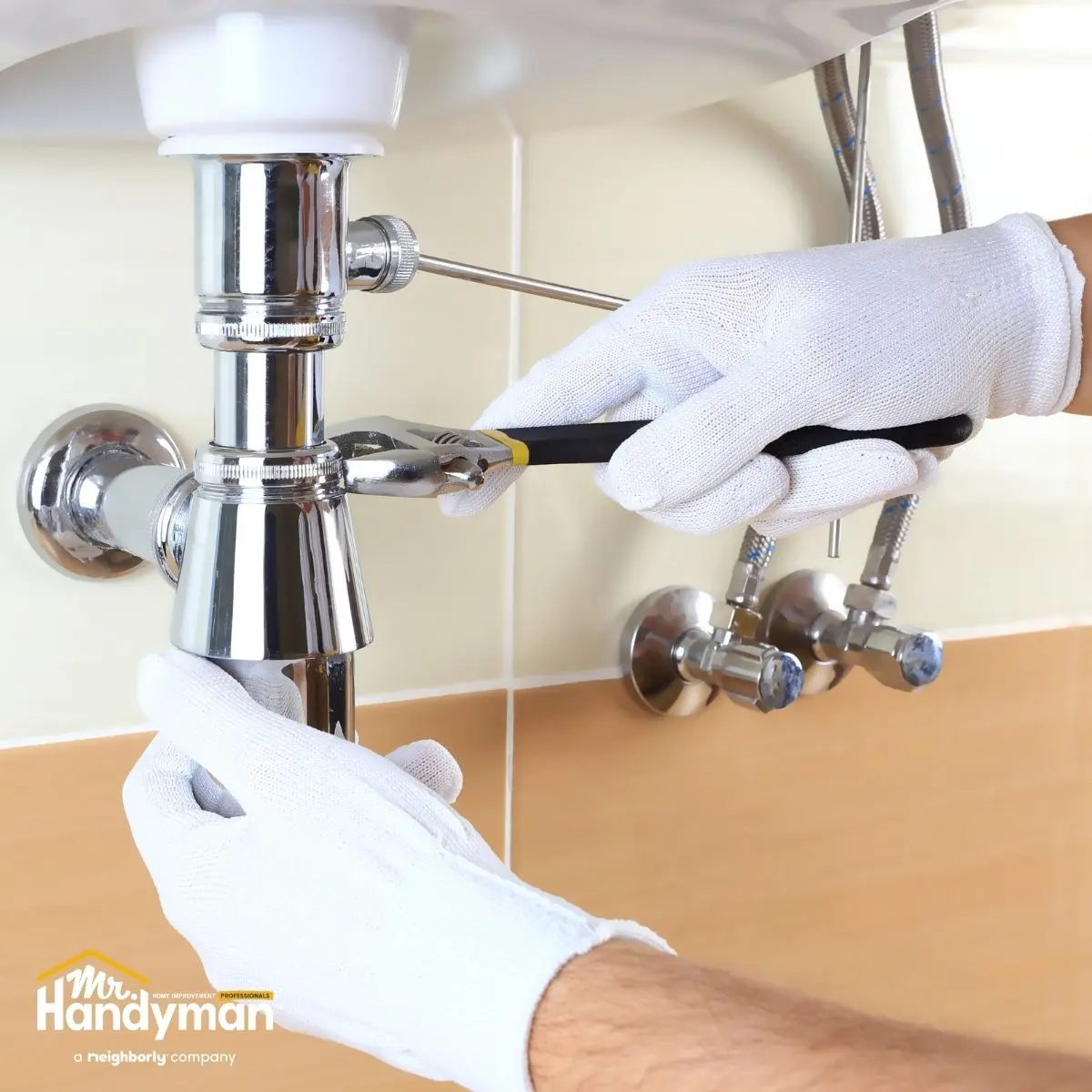
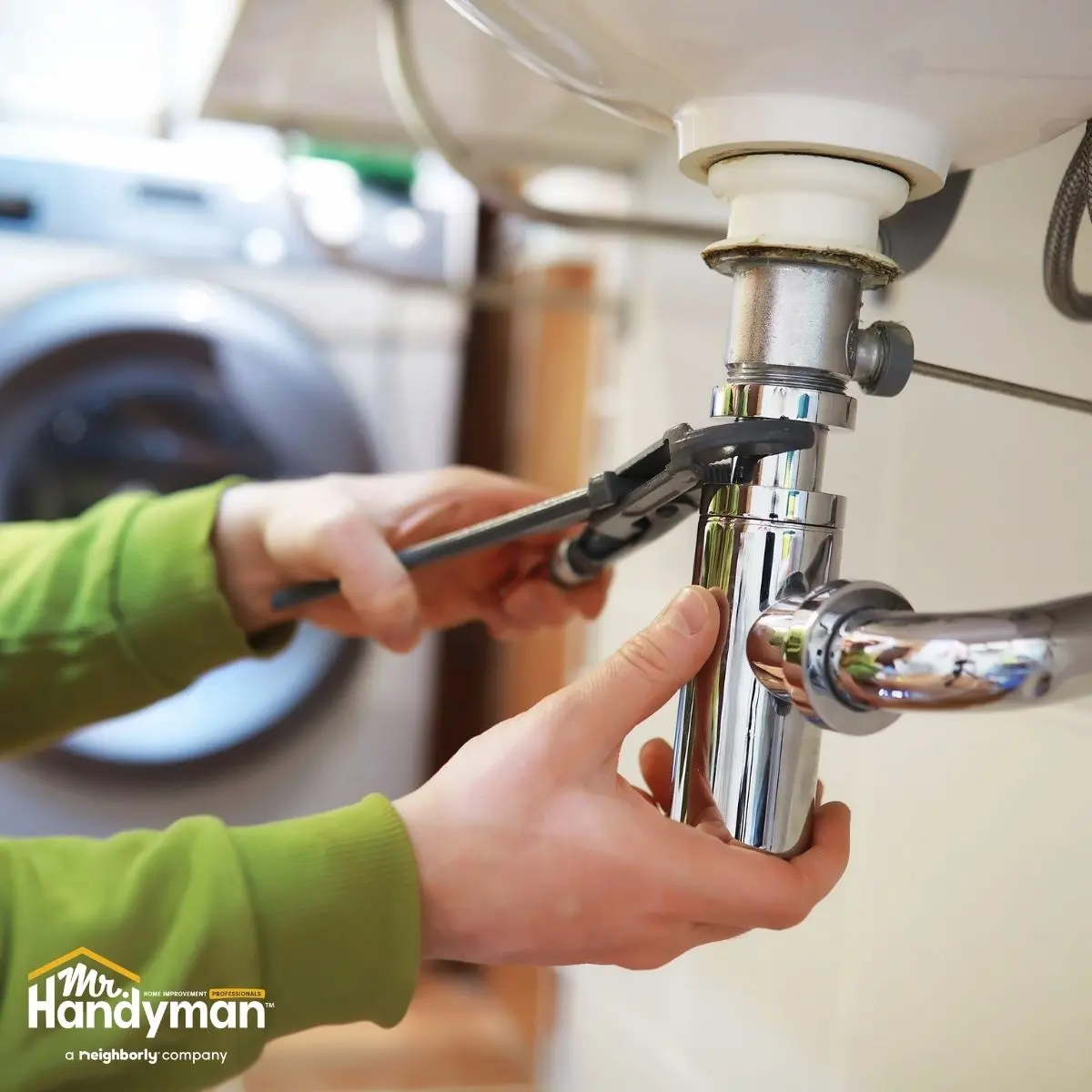
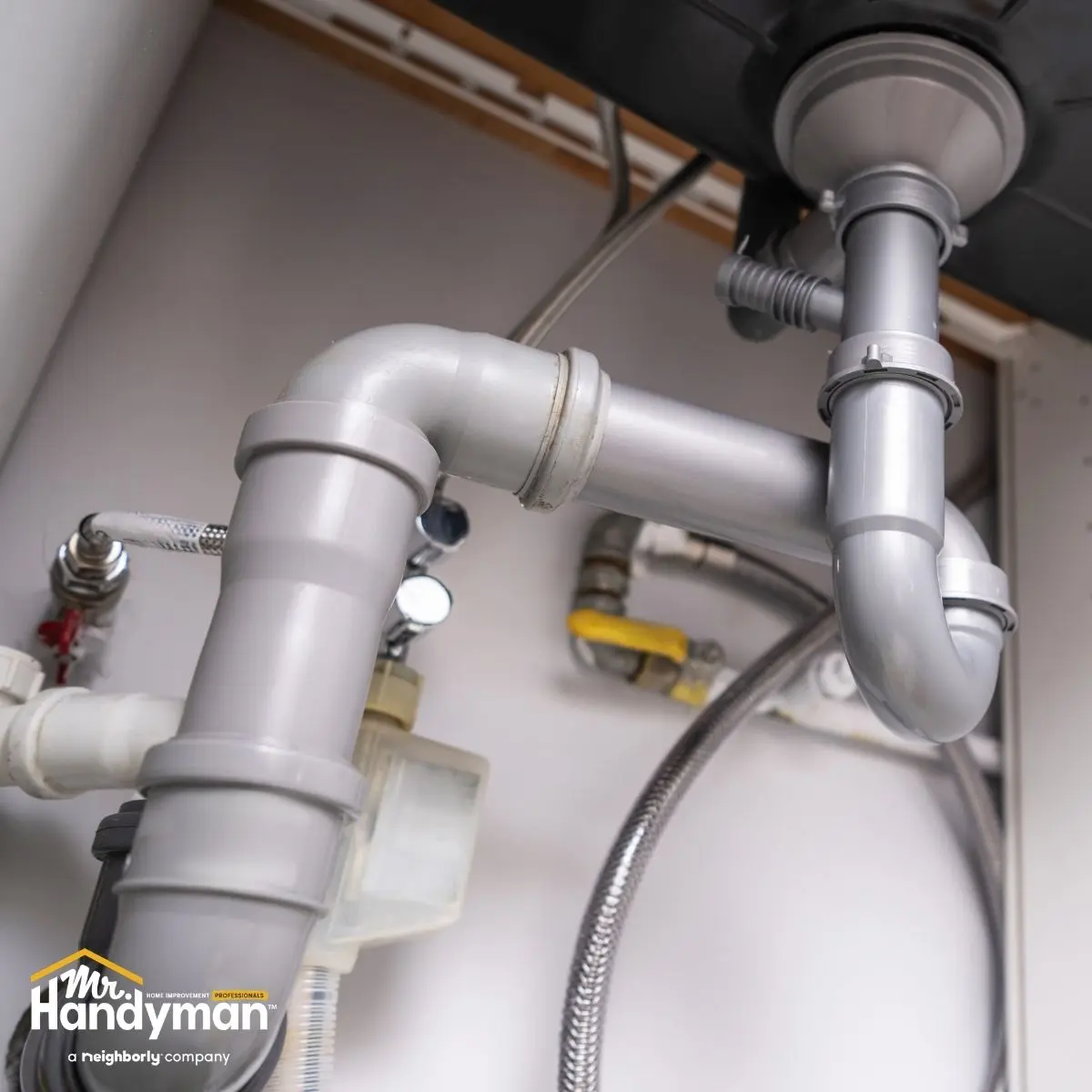
Look under bathroom sinks for moisture, staining, or active drips. P-traps can develop slow leaks at compression fittings. Supply lines—especially older braided or plastic lines—can crack or weaken. In older Oklahoma homes, galvanized supply lines may be corroding from the inside out. You won't see the damage until the line bursts, usually at the worst possible time. If your supply lines are more than ten years old, spring is a smart time to replace them with modern braided stainless steel lines that handle pressure changes better.
In kitchens, run the garbage disposal and listen for unusual grinding or rattling. Check underneath for leaks while it's running. Disposals work hard, and the seals around the drain flange can fail over time. Look at the dishwasher connection where the drain hose meets the disposal or the drain line. A loose hose clamp or a cracked hose can leak slowly, damaging cabinetry before you notice. Check the supply line to the dishwasher as well. If it's a rubber or vinyl line, consider upgrading to a braided stainless steel line that won't rupture as easily.
Laundry rooms are often overlooked. Washing machine hoses are under constant pressure, and standard rubber hoses can burst without warning. If your hoses are more than five years old, replace them. Check the drain standpipe for slow drainage or backups. Lint and detergent buildup can clog the pipe over time, causing overflows during heavy wash loads. In homes with older plumbing, the standpipe might not be properly vented, which creates drainage issues that worsen as the system ages.
Preparing Sprinkler Systems and Irrigation Lines
For homeowners with in-ground sprinkler systems, spring startup is a critical process. Lines that weren't properly winterized can have freeze damage. Even if the system was blown out in the fall, residual water can remain in low spots or valve boxes. When that water freezes and expands, it cracks PVC pipe or damages sprinkler heads.
Before turning on your system, visually inspect all visible components. Walk your property and check sprinkler heads for cracks or damage. Look at valve boxes for standing water, which indicates a possible leak. If you have an above-ground backflow preventer, check it for cracks or leaks. These brass and copper devices are particularly vulnerable to freeze damage.
When you activate the system for the first time, do it manually and run each zone separately. Watch for geysers, pooling water, or heads that don't pop up. Listen for hissing sounds that indicate pressurized water escaping underground. A small leak in a buried line can waste hundreds of gallons before you notice a soft spot in your lawn or an unexpected spike in your water bill.
Oklahoma's clay soil makes irrigation leaks particularly problematic. Water doesn't absorb evenly. It pools in some areas and runs off in others. A leaking irrigation line can create foundation problems if water saturates the soil near your home. It can also kill grass and plants by oversaturating roots. Catching these leaks early in spring prevents bigger problems during the high-demand summer months when your system runs daily.
Understanding Oklahoma's Water Pressure and Pipe Stress
Water pressure in Oklahoma City and Norman typically ranges from fifty to seventy PSI, but it can spike higher depending on your location and proximity to water mains. High pressure is hard on plumbing fixtures, appliances, and pipes. It causes faucets to wear out faster, toilets to run intermittently, and washing machine hoses to fail. Over time, it can create pinhole leaks in copper piping or cause joints to weaken.
If you've noticed hammering sounds when you shut off faucets quickly, or if appliances seem louder than they used to be, your water pressure might be too high. A pressure gauge can be attached to an outdoor faucet to measure your home's static pressure. If it's consistently above eighty PSI, a pressure-reducing valve should be installed on your main line. This protects your entire plumbing system and extends the life of every fixture and appliance.
Older homes in the region often have a mix of pipe materials—galvanized steel, copper, and PVC—installed over decades by different owners or contractors. These materials expand and contract at different rates, and the connections between them are stress points. Spring's temperature fluctuations can exacerbate these weaknesses. A joint that held through winter might start weeping in April when daytime temperatures hit seventy-five degrees and nighttime temps drop to forty-five.
Frequently Asked Questions About Spring Plumbing Maintenance
How often should I replace the hoses on my washing machine?
Every five years, regardless of visible condition. Rubber hoses degrade internally before they show external signs of wear. Braided stainless steel hoses are more durable and worth the modest upgrade cost. A burst washing machine hose can release hundreds of gallons in minutes, causing significant water damage.
What's the most commonly missed plumbing problem in spring?
Outdoor faucet leaks inside the wall. Homeowners test the faucet, see water flowing normally, and assume everything is fine. But when a hose is attached and pressure increases, cracks in fittings or pipe stems become active leaks. Always test outdoor faucets under full pressure with a hose attached before the season starts.
Do I really need to flush my water heater?
Yes, especially in Oklahoma where hard water accelerates sediment buildup. Flushing removes mineral deposits that reduce efficiency and shorten the tank's lifespan. If you've never flushed your water heater and it's more than a few years old, have a professional handle it. Built-up sediment can make the process messy and complicated.
How can I tell if my sump pump is strong enough for heavy spring storms?
Pour five gallons of water into the sump pit quickly. The pump should activate immediately and clear the water in under a minute. If it struggles, runs continuously, or takes several minutes to empty the pit, it may be undersized or failing. Sump pumps are rated by gallons per hour—make sure yours matches your home's drainage needs.
Should I worry about a toilet that only runs occasionally?
Yes. Even intermittent running indicates a flapper valve or fill valve issue. Those few seconds of running add up to thousands of gallons over a year. It's also a sign that components are wearing out, and a small issue now can become a bigger failure later. Replace the flapper and check the fill valve adjustment.
What's the best way to prevent irrigation line leaks?
Proper winterization in the fall and cautious spring startup. Blow out lines before the first hard freeze and activate the system slowly in spring, running each zone individually. Avoid turning on the entire system at once. Watch for soggy spots, weak spray patterns, or geysers. Early detection prevents thousands of gallons of waste.
Taking Action Before Problems Escalate
Spring plumbing checks aren't complicated, but they require attention and follow-through. Walking around your property, testing systems, and looking for early warning signs takes an hour or two. That small investment of time can prevent emergency repairs, water damage, and inflated utility bills. In a region where homes deal with freeze-thaw cycles, clay soil movement, and hard water, plumbing systems age faster than in more moderate climates. Being proactive isn't optional—it's part of responsible homeownership.
If you find issues during your spring inspection—slow leaks, unusual noises, weak water pressure, or failing components—don't wait. Small problems rarely fix themselves. They grow. A dripping faucet becomes a damaged valve seat. A running toilet becomes a failed fill valve and water damage to the floor. A minor irrigation leak becomes a foundation issue.
Mr. Handyman of Central Oklahoma City and Mr. Handyman of S. Oklahoma City and Norman understand the specific plumbing challenges Oklahoma homeowners face. Whether it's repairing freeze-damaged outdoor faucets, replacing old water heater components, upgrading washing machine hoses, or troubleshooting sump pump issues, experienced handyman professionals can handle the repairs that keep your plumbing system reliable through spring storms and into summer heat.
Don't let winter's hidden damage turn into expensive emergencies. Schedule a plumbing inspection or repair service today. Contact Mr. Handyman of Central Oklahoma City or visit https://www.mrhandyman.com/central-oklahoma-city/.
For homeowners in South Oklahoma City and Norman, reach Mr. Handyman of S. Oklahoma City and Norman or visit https://www.mrhandyman.com/northern-montgomery-county/. Protect your home, your budget, and your peace of mind with professional plumbing support this spring.
