Daycare centers across Ann Arbor, Saline, and Chelsea play a vital role in Michigan communities. Parents depend on these facilities to provide not only education and supervision, but also a safe, healthy, and developmentally supportive environment. With dozens—or even hundreds—of small children moving through classrooms, hallways, cafeterias, play areas, and restrooms every day, the physical demands placed on a childcare center are far greater than those placed on an ordinary home or commercial property.
Young children are naturally energetic, curious, and active. They lean on furniture, run fingers along walls, drop toys onto floors, tug on cabinet handles, climb wherever possible, and put pressure on items not designed to sustain that level of constant interaction. Childcare centers are also subject to strict Michigan licensing standards requiring safe conditions, regular inspections, and ongoing maintenance. This makes professional upkeep not only beneficial, but essential.
This comprehensive guide explores the 10 most common maintenance needs in Ann Arbor–area daycare centers and why professional handyman services are critical to supporting safe, compliant, well-functioning learning environments. From drywall patches and playground repairs to plumbing fixes and safety installations, every detail matters when children rely on these spaces daily.
Frequent Damage, Fast Wear, Constant Impact — Why Daycares Require Specialized Maintenance
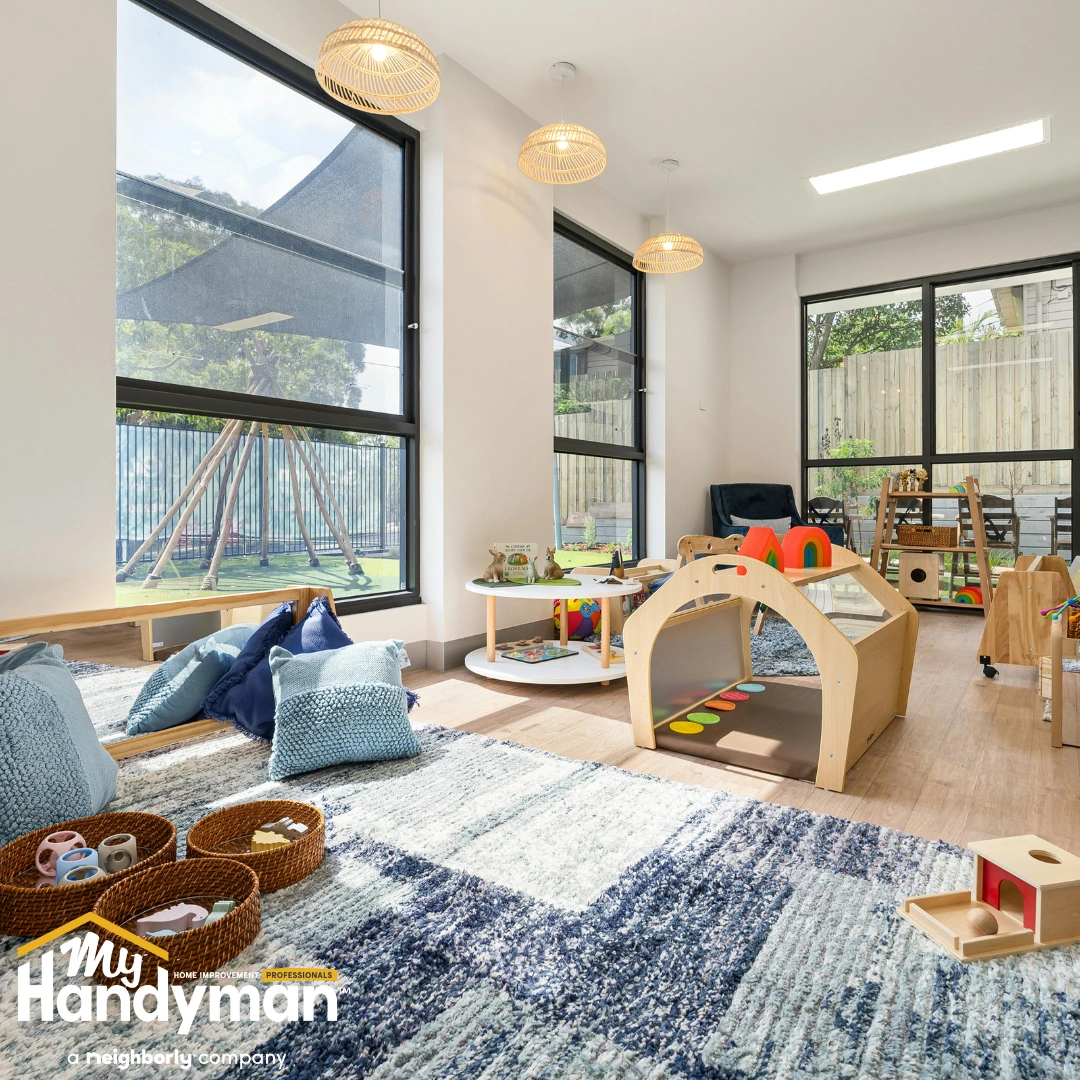
While homes, offices, and retail spaces experience normal wear over time, daycares endure accelerated wear due to:
- High foot traffic
- Frequent spills
- Child-height impacts
- Daily play activities
- Movement of toys, furniture, cots, and mats
- Outdoor play transitions
- Moisture exposure
- Safety features being touched, pulled, climbed, or leaned on
In the Ann Arbor region, winter adds even more complexity:
Snow, ice, slush, salt, and moisture get tracked indoors, affecting floors, doors, paint, and baseboards. HVAC systems run consistently, causing dry air that may affect building materials. Windows face deep freezes, meaning hardware and seals deteriorate more quickly.
Because of these pressures, daycares benefit hugely from partnering with a skilled, reliable handyman service capable of understanding:
- Child-safe installation methods
- Appropriate commercial-grade materials
- Michigan building and fire codes
- Best practices for fall prevention
- Safety compliance for childcare licensing
This insight ensures that every repair or installation supports a safer, more durable, long-lasting environment.
1. Drywall Repair & Patching — The Most Common Daycare Maintenance Need
Daycare walls take significant damage from:
- Toys hitting walls
- Chairs and cots being moved
- Children brushing by with backpacks
- Playtime impacts
- Accidental pushing or tripping
Common issues include:
- Dents and gouges
- Hole punctures from furniture corners
- Cracks caused by building settlement
- Scuff marks and peeling paint
In Michigan, changing humidity levels between seasons can worsen cracks and stress drywall seams.
A professional handyman ensures:
- Clean, seamless patches
- Proper sanding, priming, and painting
- Durable finishes that withstand repeated cleaning
- Color matching to maintain a uniform appearance
Maintaining smooth, intact walls is essential for both safety and professionalism—parents expect childcare centers to look clean, orderly, and well cared for.
2. Door & Hardware Repair — Essential for Safety, Security & Licensing
Doors in daycares open constantly—parents arriving, staff moving between rooms, children lining up, and deliveries entering the building. This heavy usage causes:
- Loose hinges
- Sticking or dragging doors
- Broken latches
- Misaligned frames
- Weak or damaged locks
Michigan winters add further strain as wood swells and shrinks with temperature changes.
Proper door function is crucial for:
- Child safety
- Fire code requirements
- Emergency evacuation compliance
- Staff efficiency
- Noise management
- Security at entry points
Handyman services can install:
- Soft-close hinges
- Anti-slam devices
- Child-safe locks
- Reinforced strike plates
- Self-closing mechanisms
Well-functioning doors help maintain a calm, controlled, and safe environment throughout the day.
3. Furniture Repair, Shelving Securing & Anti-Tip Protection
Young children often pull themselves up using shelves, climb on furniture, or lean heavily on anything within reach. This creates a high risk for tip-over accidents—one of the most dangerous hazards in childcare settings.
Common issues include:
- Loose tables and chairs
- Wobbly cubbies
- Bending shelves
- Damaged crib components
- Furniture shifting on slippery flooring
Professional securing helps prevent:
- Tip hazards
- Falling items
- Structural collapse under weight
- Pinched fingers
- Impact injuries
In Ann Arbor’s older daycare buildings, wall studs may not be ideally placed for safe anchoring. A skilled handyman knows how to identify proper mounting points and add reinforcement if necessary.
4. Window Adjustments, Repairs & Child-Safe Functionality
Windows in childcare centers must:
- Open and close smoothly
- Lock securely
- Seal properly against drafts
- Prevent heat loss in winter
- Provide natural light
- Meet egress requirements in case of emergencies
Because Michigan winters can cause window frames to contract and expand, common issues include:
- Sticking windows
- Failing locks
- Broken cranks
- Cracked panes
- Air drafts
- Condensation buildup
In daycares, malfunctioning windows can lead to:
- Safety hazards
- Cold classrooms
- Mold growth from moisture
- Increased utility bills
Repairs may include replacing hardware, resealing frames, installing new screens, and ensuring child-safe operational limits.
5. Installation & Repair of Safety Features — Critical for Child Protection
Childcare centers in Michigan must meet specific guidelines regarding:
- Fall prevention
- Sharp edge protection
- Electrical safety
- Access control
- Hazard containment
Safety feature installation is one of the most valuable handyman services for daycares, involving:
- Baby gates
- Outlet covers
- Corner guards
- Cabinet safety latches
- Door pinch guards
- Anti-slip stair treads
- Bathroom safety bars
- Window blind cord winders
Professional installation ensures every feature is secure, durable, and compliant with childcare regulations—giving staff and parents peace of mind.
6. Minor Plumbing Repairs — Keeping Hygiene & Functionality Reliable
Bathrooms and handwashing stations see heavy use throughout the day. Even small plumbing issues can disrupt routines and create sanitation concerns.
Common daycare plumbing problems:
- Dripping faucets
- Loose handles
- Running toilets
- Clogged sinks
- Slow drains
- Leaking pipes under child-height sinks
- Loose drinking fountain fixtures
Issues worsen in winter when cold temperatures affect pipes and seals.
Timely handyman repairs prevent:
- Water waste
- Slip hazards
- Mold formation
- Bathroom downtime
- Unhygienic conditions
Reliable plumbing is essential for maintaining clean, smooth daily operations.
7. Light Fixture Replacement & Electrical Component Repairs (Non-Wiring)
While major electrical work must be performed by a licensed electrician, a handyman can safely handle many high-frequency maintenance tasks such as:
- Replacing ceiling lights
- Fixing broken switch plates
- Changing ballasts
- Adjusting dimmers
- Installing child-safe outlet covers
- Replacing ceiling fan components
Proper lighting is crucial in daycares to:
- Support learning
- Prevent accidents
- Improve visibility
- Create a cheerful environment
In older buildings around Ann Arbor, outdated fluorescent fixtures often require more frequent attention or replacement.
8. Playground Equipment Maintenance — Protecting Children Outdoors
Outdoor play is a core part of early childhood development—but playgrounds require ongoing maintenance to stay safe.
Cold, wet Michigan weather can cause:
- Rusted metal
- Cracked plastic
- Loose bolts
- Splintering wood
- Sinking play structures
- Damaged safety surfacing
A professional handyman can:
- Tighten and replace fasteners
- Inspect for structural weaknesses
- Repair or replace worn components
- Ensure stability and balance
- Address fall-surface requirements
Playground safety must be monitored closely year-round, especially after snowstorms or freeze-thaw cycles.
9. Wall Hanging Installations — Safe Mounting for Classroom Materials
Classrooms need:
- Whiteboards
- Storage racks
- Artwork displays
- Parent communication boards
- Heavy-duty hooks
- Activity panels
When improperly installed, these items pose significant risks. Children may pull on them, climb them, or bump into them during play.
A handyman ensures:
- Proper weight-rated anchors
- Stud-secured installation
- Flush, balanced mounting
- Fall-prevention redundancy
Safe mounting supports both educational function and child safety.
10. Flooring & Baseboard Repair — Preventing Tripping & Hygiene Issues
Daycare flooring takes tremendous abuse from:
- Moisture
- Salt
- Spills
- Craft activities
- Rolling carts
- Play equipment
- Heavy foot traffic
Common issues include:
- Lifting vinyl edges
- Cracked tiles
- Damaged transitions
- Worn baseboards
- Gaps that collect dirt
- Soft spots from moisture
Proper repairs preserve sanitation while preventing trips and falls—two of the most common daycare incidents.
Maintaining a daycare center is a continuous, year-round effort. The combination of high daily activity, strict Michigan childcare regulations, unpredictable Midwest weather, and the natural behaviors of young children creates a unique environment that requires rapid response, durable materials, and professional maintenance expertise. As the second half of this educational guide continues, we’ll explore deeper considerations, long-term planning strategies, maintenance tips tailored to Michigan’s climate, and actionable ways to strengthen safety, compliance, and longevity in daycare facilities across Ann Arbor, Saline, and Chelsea.
This continuation also addresses how recurring maintenance benefits staff efficiency, reduces liability, and supports a more welcoming space for children and families alike. When all systems—from flooring to plumbing to playground equipment—function safely and reliably, teachers and caregivers can focus on the most important job: nurturing early childhood development.
The Hidden Impact of Seasonal Weather on Daycare Maintenance
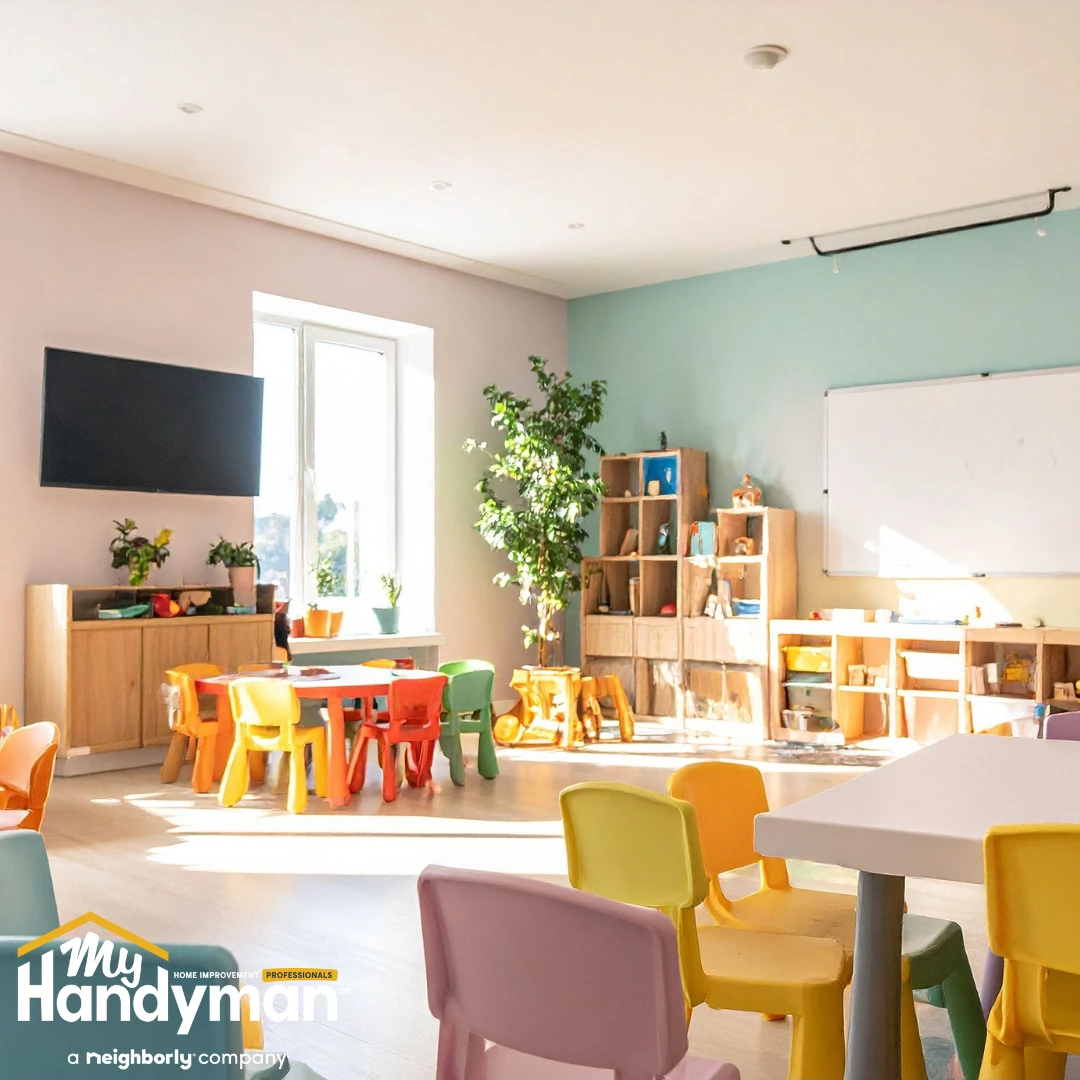
Michigan’s seasonal extremes significantly affect daycare buildings. Each season contributes different stressors, making proactive maintenance essential.
Winter (Freezing Temperatures & Moisture Intrusion)
In Ann Arbor and Chelsea especially, winters can be severe. Snow, ice, slush, and salt get tracked into entryways and hallways, causing:
- Accelerated wear on flooring
- Door swelling or sticking
- Drafts around windows
- Moisture buildup that weakens drywall
- Loose weatherstripping
- Equipment rust, particularly on playground structures
Winter also increases the demand for:
- Proper heating circulation
- Child-safe humidifier placement
- Insulated pipes to prevent freezing
Spring (Thawing, Moisture, Allergens)
Spring introduces:
- Water intrusion in basements
- Loose exterior materials
- Window swelling
- Playground softening (soil, mulch displacement)
- Pollen buildup in HVAC systems
Daycares must be prepared for moisture remediation, exterior clean-up, and air-quality checks.
Summer (Heat, Humidity & Higher Outdoor Use)
Warm weather causes:
- Humidity expansion of wooden doors and furniture
- Stress on air conditioning units
- Increased use of playground areas
- Warping of improperly sealed materials
Outdoor maintenance becomes a priority.
Fall (Temperature Swings & Debris Buildup)
Fall can reveal underlying issues:
- Clogged gutters
- Loose siding
- Cracked caulking
- Playground debris from falling leaves
- Draft development in windows and doors
By understanding seasonal patterns, daycare administrators can plan maintenance schedules more strategically.
Deep Dive Into Each Maintenance Area: What Happens If These Issues Are Ignored?
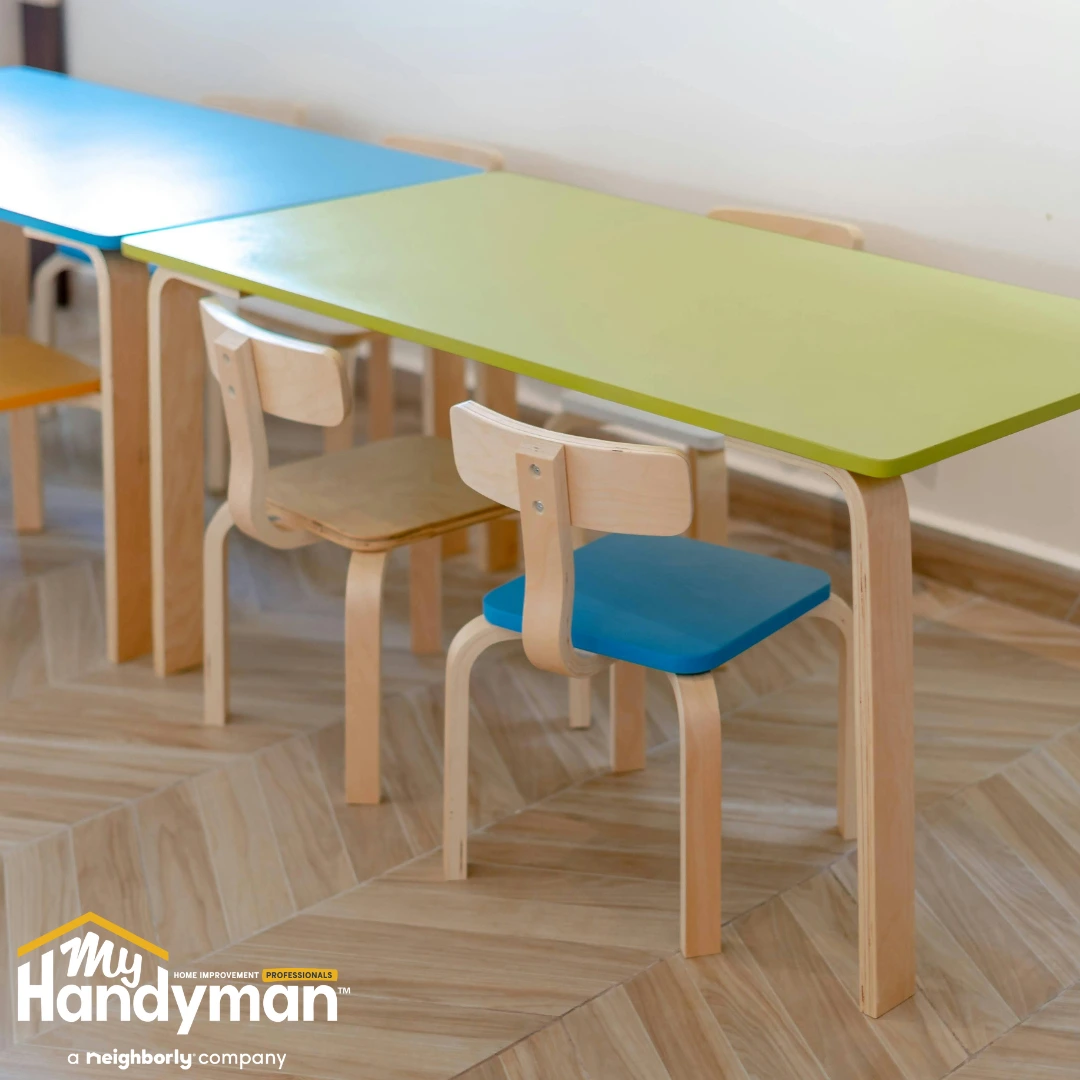
Daycare problems escalate quickly due to high daily use. The following breakdown highlights what can go wrong if maintenance is delayed, helping decision-makers understand the importance of timely repairs.
1. Drywall Damage Left Unaddressed
Drywall imperfections worsen as:
- Cracks expand during temperature shifts
- Holes get larger with repeated contact
- Moisture intrusion causes bubbling or mold
- Paint flakes, creating a messy appearance
Daycare walls must remain smooth, intact, and sanitizable. Damaged drywall also fails facility inspections and can present safety hazards if sharp edges are exposed.
2. Door & Hardware Issues Become Safety Risks
A sticking or misaligned door in a daycare can lead to:
- Finger-pinching hazards
- Doors failing to latch during emergencies
- Reduced fire safety compliance
- Security vulnerabilities during drop-off/pick-up
- Disruptive noise or slamming
Door problems worsen rapidly in Michigan’s humidity and freeze cycles, making professional adjustment essential.
3. Unsecured Furniture Creates Major Liability
Furniture tip-over accidents are one of the leading causes of daycare injuries. Without proper anchoring:
- Bookshelves may fall
- Cubbies can collapse
- Storage units shift when leaned on
- TV mounts come loose
Young children often climb instinctively, not realizing the danger. Ensuring everything is fully secured protects staff, children, and the facility’s liability exposure.
4. Window Problems Lead to Energy Loss & Safety Concerns
Poorly functioning windows affect:
- Classrooms becoming too cold or too warm
- Drafts causing distraction or discomfort
- Increased heating costs in winter
- Lock malfunctions compromising security
- Safety hazards if panes crack or seals fail
Michigan regulations require rooms to remain at stable, child-safe temperatures, making window maintenance essential.
5. Neglected Safety Features Violate Licensing Requirements
Missing or broken safety accessories can cause:
- Child injury
- Licensing penalties
- Failed safety audits
- Parent complaints
Examples include:
- Loose cabinet locks
- Broken gates
- Damaged corner guards
- Exposed outlets
- Missing anti-slip pads
A professional handyman ensures every feature is securely installed and maintained to withstand daily use.
6. Plumbing Issues Disrupt Sanitation & Routine
Minor plumbing problems escalate in daycare settings due to constant use.
Examples of worsening issues:
- A slow drain becomes a full clog
- Running toilets waste water and increase bills
- Leaks encourage mold growth
- Loose faucets can break off entirely
- Low water pressure disrupts hand-washing routines
Cleanliness and hygiene are foundational to childcare, making plumbing reliability critical.
7. Faulty Lighting Reduces Safety & Learning Quality
Lighting issues in a daycare can:
- Contribute to trip hazards
- Cause eye strain
- Dim classrooms during winter’s short daylight hours
- Disrupt focus and play
Replacing lighting components quickly ensures consistent brightness and creates a positive learning environment.
8. Playground Problems Become Serious Hazards
Outdoor play areas face heavy wear—from both weather and daily activity.
Unresolved issues can lead to:
- Falls from loose or broken equipment
- Splinters from wooden structures
- Rusted metal creating sharp edges
- Unstable ground surfacing
- Equipment shifting during use
Because playgrounds support gross motor development, they must remain reliably safe every day.
9. Improper Wall Hanging Installation Leads to Injuries
Loose or improperly secured mounts can fall when:
- Children bump into them
- Items are pulled
- Storage units are overloaded
- Anchors weaken over time
Professionally installed mounts reduce these risks and extend the lifespan of classroom displays.
10. Flooring Problems Lead to Trips, Falls & Unsanitary Conditions
In a daycare, flooring impacts:
- Cleanliness
- Safety
- Noise control
- Comfort
If left unmaintained:
- Edges curl
- Tiles crack
- Dirt accumulates in seams
- Vinyl lifts with moisture
- Baseboards detach
Children spend time sitting, crawling, and playing on the floor—making its condition extremely important.
Why Partnering With a Professional Handyman Matters for Daycares
Daycares cannot rely on “quick fixes.” Repairs must be:
- Durable
- Code-compliant
- Safe for children
- Long-lasting under constant use
- Installed with child-specific considerations
A professional handyman provides:
Consistency
Routine scheduled maintenance prevents facility decline.
Expertise
A professional understands:
- Commercial materials
- Licensing expectations
- Safety requirements
- Durability standards
Efficiency
Repairs are completed quickly, reducing downtime for classrooms.
Safety-First Workmanship
Every repair, installation, or adjustment is made with child safety as the highest priority.
A Long-Term Relationship
One trusted provider results in better continuity, peace of mind, and fewer surprise breakdowns.
Maintenance Planning: How Daycares Can Stay Ahead of Problems
Proactive planning saves daycares significant time, money, and stress.
Monthly Maintenance Checklist
A smart daycare will review:
- Doors and hinges
- Window locks and drafts
- Cabinet latches
- Floor transitions
- Playground bolts
- Lighting function
- Plumbing performance
Seasonal Planning
Because Michigan weather is extreme, season-based preparation is critical.
Annual Deep Inspection
Once a year, a comprehensive facility review catches hidden issues behind walls, under flooring, or in less-visible areas.
How Renovations Improve Daycare Safety & Experience
Smaller enhancement projects can dramatically improve:
- Classroom organization
- Safety compliance
- Staff workflows
- Child learning environments
Examples include:
- New shelving
- Upgraded storage
- Reinforced cubby systems
- Fresh paint
- Improved lighting layouts
These projects help childcare centers feel updated, clean, and professional—attributes that attract families.
Creating an Environment That Supports Caregivers & Children Alike

Well-maintained daycare facilities promote:
- Lower stress for staff
- Happier children
- Better parent confidence
- More efficient routines
- Safer and more enjoyable learning spaces
When everything works smoothly—doors, sinks, shelves, lighting, flooring, playground equipment—caregivers can spend more time teaching and less time troubleshooting.
If your daycare in Ann Arbor, Saline, or Chelsea needs reliable repairs, safer installations, or ongoing maintenance support, My Handyman of Ann Arbor, Saline & Chelsea is here to help create a safer, more welcoming environment for the children and families you serve.
