The holiday season brings warmth, celebration, and togetherness to homes across Ann Arbor, Saline, and Chelsea, but it also brings a unique set of safety challenges. As temperatures drop, snow accumulates, guests arrive, and homes fill with decorations, electrical cords, candles, gifts, and festive décor, the demands placed on a home increase dramatically. Winter in Michigan is beautiful, but it can be unforgiving. A safe, well-prepared home is essential to enjoying the holiday season with peace of mind.
While families focus on gift-giving, gatherings, and traditions, the home itself works overtime. Heating systems run longer. Kitchens operate at full capacity. Fireplaces see more frequent use. Kids and pets move around excitedly. Electrical systems support lights, gadgets, and holiday décor. Outdoor walkways freeze quickly and thaw slowly. All of these factors combine to create a heightened risk for accidents, injuries, and household damage.
A holiday home safety checklist helps ensure your home is ready for everything this season brings—from icy steps to overloaded outlets. Whether you live in an older Ann Arbor home near the university, a family home in Saline, or a quieter, rural property in Chelsea, seasonal preparation is essential. Each area faces the same winter elements: snowstorms, power outages, freezing winds, early sunsets, and wet, slippery conditions that require proactive attention.
This deep, educational guide will walk homeowners through the most important areas to prepare before the holidays: indoor safety, electrical systems, fireplaces, heating, plumbing, outdoor walkways, guest readiness, pet safety, and more. With the right approach, your home can remain comfortable, organized, and safe—all season long.
Winter fire safety is one of the most critical aspects of holiday preparation. With furnaces running constantly, fireplaces burning more frequently, candles lit for ambiance, and kitchens busy with cooking and baking, fire risks rise significantly during December.
Here’s what homeowners should pay special attention to:
Fireplace & Chimney Maintenance
A cozy fire is one of the best parts of winter—but only when the system is operating safely.
Common issues include:
- Creosote buildup that becomes highly flammable
- Damaged chimney liners
- Stuck or warped dampers
- Debris or nests blocking ventilation
- Cracked bricks or mortar from freeze-thaw cycles
Homes in Ann Arbor and Chelsea, especially older ones, often have chimneys that haven’t been professionally inspected in years. Winter is the worst time to discover a hidden defect.
Furnace Fire Safety
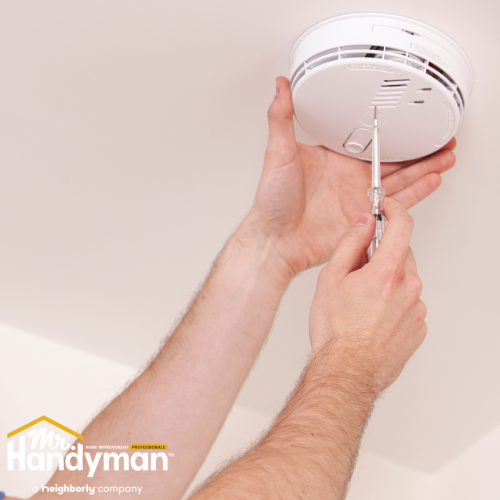
A furnace that hasn’t been serviced can:
- Overheat
- Short cycle
- Leak carbon monoxide
- Ignite dust accumulation
- Fail unexpectedly during extreme cold
Michigan’s long heating season makes furnace care absolutely essential.
Space Heater Safety
Many households use space heaters for supplemental warmth. To use them safely:
- Keep a 3-foot clearance from anything flammable
- Use models with automatic shutoff features
- Avoid plugging space heaters into extension cords
- Never leave them unattended
Candle and Décor Safety
Candles are involved in thousands of holiday fires each year.
Safer alternatives include:
- LED candles
- Battery-powered window candles
- Wax warmers instead of open flame
If real candles are used, keep them away from pets, kids, curtains, and tablecloths.
Holiday décor—stockings, garlands, wreaths—can also ignite when placed too close to heat sources.
Fire safety is the foundation of holiday home protection.
Holiday lights are festive and cozy—but they are also one of the top causes of winter electrical fires. Older homes in Ann Arbor or Chelsea may have outdated wiring that cannot safely support the additional seasonal load.
Homeowners should evaluate the following:
Inspect Light Strings
Before hanging any lights (indoor or outdoor), check for:
- Broken or missing bulbs
- Frayed wiring
- Damaged insulation
- Loose connections
- Discoloration or burnt marks
If a strand is warm to the touch, it is unsafe.
Use Proper Extension Cords
Only outdoor-rated cords should be used outside. Indoor extension cords exposed to snow or moisture can short out, spark, or shock anyone who touches them.
Avoid Overloading Outlets
Plugging too many light strands, holiday inflatables, or appliances into one outlet can cause:
- Overheating
- Tripped breakers
- Outlet damage
- Fire risks
A good rule is: one major item per outlet.
Use Timers or Smart Plugs
Timers ensure that lights turn off automatically at night or when you leave the home. This reduces both fire risks and energy waste.
Stabilize Outdoor Decorations Safely
Windstorms are common in southeast Michigan. Poorly secured decorations can:
- Fall
- Break
- Damage siding or windows
- Pull on extension cords
Holiday electrical safety is a key part of preparing your home for winter.
Michigan winters are known for ice—on sidewalks, driveways, porches, decks, and stairs. These slick surfaces can lead to serious falls for guests, children, pets, and delivery drivers.
Homeowners should make the following outdoor safety checks:
Shovel Early and Often
Snow that compacts turns into ice, which becomes far more difficult to remove later.
Use Pet-Safe Ice Melt
Some ice melts can damage concrete or harm pets. Look for formulas labeled:
- “Pet safe”
- “Concrete safe”
- “Vegetation friendly”
Repair Loose or Uneven Steps
Cracks, loose boards, and uneven surfaces become more dangerous when covered with snow.
Install or Reinforce Handrails
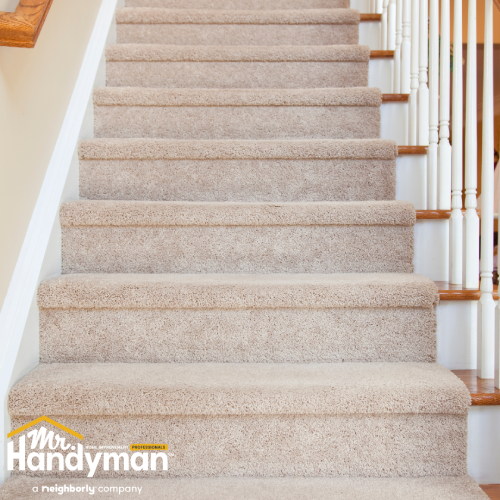
Guests—especially elderly visitors—need sturdy handrails during icy conditions.
Add Outdoor Lighting
Winter sunsets occur early. Motion-activated lights or pathway lighting make walkways far safer.
Check Gutters & Downspouts
If melting snow cannot drain properly:
- Ice patches form on walkways
- Gutters freeze
- Roof leaks develop
Outdoor safety doesn’t just protect guests—it prevents costly home damage.
The holidays center around food, family, and togetherness—but kitchen accidents rise significantly during this season. A busy kitchen can be a risky place.
Never Leave Cooking Unattended
The #1 cause of home fires nationwide is unattended cooking.
Keep Clutter Away from Burners
Paper plates, napkins, towels, and décor should be kept far from open flames.
Clean Oven and Stovetop Before Hosting
Built-up grease can ignite unexpectedly.
Watch Electrical Appliances
Crockpots, coffee makers, and mixers often share outlets. Overloading causes breakers to trip or cords to overheat.
Be Mindful of Food Safety
Large family gatherings mean more leftovers, more cooking, and more opportunities for contamination.
Holiday kitchen safety creates a smoother, stress-free hosting experience.
With the home full of people, decorations, and distractions, trip hazards increase dramatically.
Homeowners should:
- Secure extension cords
- Avoid loose rugs near doorways
- Tape down or reroute holiday light cords
- Keep high-traffic areas free of packages and gift bags
- Anchor large décor pieces so they don’t fall
- Use non-slip pads under tree skirts or rugs
- Keep stairways clear at all times
The goal is to create wide, unobstructed pathways for guests of all ages.
If children will be visiting or staying during the holidays, additional precautions are needed.
Homeowners should:
Secure Heavy Furniture
Dressers, TV stands, and bookshelves should be anchored to prevent tipping.
Keep Small Decorations Out of Reach
Ornaments, hooks, ribbons, and batteries can pose choking hazards.
Use Baby Gates Where Needed
This is especially helpful around stairs and fireplaces.
Childproof Electrical Outlets
Holiday décor often uses low-placed outlets that attract small hands.
Keep Hot Items Out of Traffic Areas
Coffee makers, candles, and hot serving dishes should be placed away from edges.
A festive home must also be a safe one for young children.
Frozen pipes are one of the most expensive and disruptive winter emergencies in Michigan. Before holiday hosting begins, homeowners should ensure their plumbing is protected.
Key steps include:
- Insulating exposed pipes
- Sealing cracks or gaps near pipes
- Maintaining consistent indoor heating
- Disconnecting outdoor hoses
- Keeping cabinet doors open during extreme cold
- Running water at a drip during deep freezes
- Checking for slow drains or leaks in advance
Holiday guests place higher demand on plumbing, so proactive preparation reduces stress.
Holiday joy comes from gathering, relaxing, and creating memories—not from dealing with unsafe conditions or preventable home failures. A thorough holiday safety checklist helps homeowners across Ann Arbor, Saline, and Chelsea enjoy the season confidently.
Preparing your home for the holidays requires more than decorating the tree or clearing a space for guests—it means ensuring every corner of your home is ready to support the increased activity, colder weather, and unpredictable conditions that winter brings. In Ann Arbor, Saline, and Chelsea, the holiday season often comes with heavy snowfall, icy walkways, strong winds, and extreme cold. Homes in this region must be fortified for both comfort and safety.
Holiday gatherings naturally place additional strain on the home. More people bring more movement, more cooking, more bathroom use, more electrical consumption, and more wear on doors, floors, and fixtures. Families host relatives, friends, and children, putting pressure on systems that normally operate at steady, predictable levels. Without proper preparation, this increased activity can lead to breakdowns, hazards, or unnecessary stress during a season meant for enjoyment.
This expanded continuation breaks down deeper safety layers that homeowners often overlook. By understanding how each part of the home changes during the holidays, you can take steps to reduce risks, prevent accidents, and maintain a smooth, peaceful, and joyful environment.
Indoor heating systems work harder during winter—and much harder when guests constantly enter and exit the home, bringing bursts of cold air inside. The added strain often reveals weaknesses in a furnace, thermostat, vents, or humidity control system.
Furnace Overload Prevention
Even a furnace in good working order may struggle when:
- Doors are opened frequently
- The home must heat a larger crowd
- Vents are accidentally blocked by furniture or décor
- People gather in one area, creating warm pockets the thermostat misreads
Before heavy holiday activity begins, homeowners should walk room by room to ensure vents are open, uncovered, and distributing air properly. This small step prevents overheating in some rooms and freezing temperatures in others.
Improve Circulation by Adjusting Ceiling Fans
Many homeowners forget that ceiling fans help in winter, too.
Setting fans to rotate clockwise pushes warm air downward, stabilizing temperature and reducing furnace runtime.
Monitor Humidity Levels
Winter air is dry, and extra guests increase heat output and air movement.
A home with low humidity experiences:
- Dry skin
- Static electricity
- Nose and throat discomfort
- Warped wood floors or door frames
A functioning humidifier keeps the home comfortable and protects woodwork during the coldest months.
Thermostat Adjustments
Smart thermostats help maintain comfort, but homeowners should avoid major temperature swings, which can overwork the furnace. Gradual, small adjustments are safer and more efficient during the holidays.
Indoor air quality becomes especially important in homes that host gatherings. More people, more cooking, more candles, and less fresh outdoor air all contribute to indoor environments that can quickly become stuffy, smoky, humid, or overly scented.
Keep Air Fresh & Circulating
Even brief ventilation improves air quality. Opening a window for one minute each hour (when safe) can refresh stale air without losing significant heat.
Clean Air Filters Before Guests Arrive
Holiday activity stirs up:
- Dust
- Pet dander
- Fine particles from decorations
- Smoke from fireplaces
- Odors from cooking
Filters that haven’t been cleaned or changed will clog faster during peak activity.
Manage Candle Use Carefully
Scented candles can overwhelm a closed winter home.
Safer, cleaner alternatives include:
- LED candles
- Essential oil diffusers
- Flameless lanterns
If candles are used, they must be placed:
- Away from edges
- Far from curtains
- Beyond the reach of pets and children
Check Bathroom Ventilation
A frequently used bathroom with poor ventilation leads to:
- Foggy mirrors
- Mold-prone moisture buildup
- Humidity spikes that affect heating efficiency
Ensuring bathroom fans work properly keeps indoor air cleaner and safer.
Guests come with needs—and safety considerations. With people moving around unfamiliar layouts, trip hazards, lighting issues, or maintenance concerns become more noticeable.
Prepare Entryways for High Traffic
Entryways should have:
- Heavy-duty mats
- Safe boot and shoe storage
- Functional outdoor lamps
- Stable handrails
- Clutter-free pathways
Wet boots and melting snow create slippery surfaces that must be managed frequently.
Improve Guest Room Comfort

Guest rooms should be checked for:
- Working vents
- Functioning windows
- Safe space heater use (if needed)
- Proper lighting for nighttime navigation
- Clear pathways around beds
Unexpected dangers often occur in areas seldom used during the year.
Secure Doors & Locks
Cold weather and humidity changes can cause:
- Misaligned locks
- Sticking doors
- Loose hinges
- Warped doorframes
Visitors entering and exiting frequently will highlight these issues quickly. Ensuring all doors operate smoothly prevents accidents and ensures privacy for guests.
Holiday entertaining depends heavily on the kitchen—arguably the most important room during December. Because of the increased activity, kitchens also see the most hazards.
Ensure Appliances Are in Good Working Order
Small malfunctions become major inconveniences during the holidays. Check:
- Burners ignite properly
- Oven heats evenly
- Refrigerator seals tightly
- Garbage disposal is free of clogs
- Dishwasher runs without leaks
Clear Countertop Clutter
Too many small appliances plugged into a single outlet can overload circuits.
Removing countertop clutter also reduces trip and spill hazards.
Use Heat-Resistant Mats
Large meals require multiple hot pans. Heat-resistant pads or trivets prevent accidental burns and protect surfaces.
Create a Child-Free Cooking Zone
The kitchen becomes busy and distracting during the holidays. Setting clear boundaries prevents injuries from:
- Hot food
- Sharp tools
- Slippery floors
Well-organized kitchens make holiday hosting safer and more enjoyable.
Pets are deeply affected by holiday activity. Extra noise, unfamiliar people, and tempting décor can lead to unexpected pet-related hazards.
Protect Pets From Holiday Décor
Pets are drawn to:
- Garland
- Tinsel
- Ribbon
- Ornaments
- Electrical cords
These can cause choking hazards, digestive blockages, or electrical accidents.
Safe Candle Practices Around Pets
Pets may accidentally knock over lit candles. Always keep real candle flames away from:
- Low tables
- Edges
- High-traffic areas
Manage Outdoor Exposure
Snow, ice, and frozen paws can make winter uncomfortable for pets. Ensure:
- Walkways are cleared of harsh ice melt
- Pets have warm indoor resting areas
- Doors close promptly during gatherings
A safe environment protects both family and pets during the season.
Holiday decorating often involves climbing, lifting, stretching, and reaching. These can all lead to injuries when not performed carefully.
Use Appropriate Tools for Decorating
Avoid standing on:
- Dining chairs
- Folding tables
- Unstable stools
A secure step ladder reduces risk significantly.
Weight-Test Shelves Before Adding Décor
Seasonal décor is often heavier than expected. Shelves should be checked for:
- Loose brackets
- Weak anchors
- Cracks in the wood
Secure Christmas Trees
Whether real or artificial, trees should be anchored securely. This prevents:
- Tipping
- Water spills
- Fire hazards
- Pet interference
Holiday decorating should elevate joy—not elevate risks.
With guests using bathrooms more frequently and cold weather affecting plumbing, homeowners should take extra steps to ensure smooth operation.
Prevent Frozen Pipes
Cold drafts can freeze pipes behind:
- Cabinets
- Exterior walls
- Basements
- Garages
Open cabinet doors on extremely cold nights to promote airflow around pipes.
Check for Slow Drains
Slow drains become clogged drains when extra guests arrive.
Test All Faucets
A dripping faucet may indicate:
- Failing seals
- Loose handles
- Early pipe freezing
Proactive maintenance prevents emergencies.
Homes in Ann Arbor, Saline, and Chelsea face heavy winter pressure. Outdoor maintenance protects your home’s structure and keeps guests safe.
Clean Gutters
Clogged gutters lead to:
- Ice dams
- Roof leaks
- Foundation pooling
- Dangerous icicles
Check Siding and Exterior Trim
Cracks widen during freeze-thaw cycles, allowing moisture intrusion.
Inspect Driveways and Walkways
Small cracks become larger hazards in winter.
Check Holiday Lights for Outdoor Safety
Ensure:
- Lights are weather-rated
- Cords are elevated safely
- No wires sit in standing water or snow
A safe exterior ensures a worry-free holiday experience.
A safe home is the foundation of holiday joy. When your home is prepared, maintained, and protected, you can relax and enjoy the celebrations without unexpected interruptions. Whether you’re hosting holiday dinners, welcoming guests for extended stays, or enjoying cozy nights at home, proper maintenance ensures a smooth, enjoyable season.
If your home in Ann Arbor, Saline, or Chelsea needs help preparing for the holidays, My Handyman of Ann Arbor, Saline & Chelsea is here to ensure it stays safe, functional, and ready for everything winter brings.
