January is one of the busiest months for home repair requests, and that is no coincidence. Cold temperatures, increased indoor use, and lingering wear from the holidays combine to expose weak points throughout the home. Understanding the most common January repair requests – and how to avoid them helps homeowners stay ahead of problems before they turn into emergencies, saving money, time, and stress during the heart of winter.
January repairs are rarely random. They usually stem from small issues that worsened under freezing conditions or from systems that were pushed harder than usual during December. By recognizing these patterns, homeowners can take preventative steps that reduce the need for urgent repairs.
Why January Generates So Many Repair Calls
January places homes under continuous strain. Heating systems run constantly, doors and windows face repeated temperature swings, and moisture from snow and ice is tracked indoors daily. At the same time, homes are often occupied more heavily due to holiday gatherings, school breaks, and colder weather.
These conditions cause minor issues to surface quickly. A door that stuck slightly in fall may no longer close. A slow drain may back up. Flooring that shifted subtly during autumn may now feel unstable.
Homeowners in areas such as Chelsea and Saline often experience prolonged cold in January, making seasonal repair patterns especially noticeable.
Drafty Doors and Windows
One of the most common January repair requests involves drafts. Cold air infiltration becomes impossible to ignore once temperatures drop and heating costs rise.
Drafts usually result from worn weatherstripping, shifting door frames, or aging window seals. In January, even small gaps can dramatically affect comfort and energy efficiency.
To avoid this repair request, homeowners should inspect and replace weatherstripping before winter sets in and address door alignment issues early. Sealing gaps reduces heating strain and prevents cold air from reaching interior plumbing and walls.
Sticking or Misaligned Doors
January temperature swings cause materials to expand and contract more aggressively. As a result, interior and exterior doors often begin sticking, scraping, or failing to latch.
This issue is more than an inconvenience. Doors that do not close properly allow cold air to circulate and reduce indoor temperature stability.
Avoiding this common January repair involves checking hinges, tightening hardware, and addressing alignment issues before winter. Minor adjustments completed early prevent more significant wear during freezing conditions.
Plumbing Leaks and Slow Drains
Plumbing-related calls increase sharply in January. Frozen pipe concerns, dripping faucets, and slow drains are among the most frequent issues.
Cold weather increases pressure on plumbing systems. Small leaks that went unnoticed during warmer months become more obvious, and slow drains may worsen due to grease buildup from holiday cooking.
Homeowners can reduce plumbing repair requests by fixing drips promptly, insulating exposed pipes, and avoiding pouring grease or food waste down drains. Preventative plumbing maintenance significantly lowers January emergency calls.
Loose Flooring and Interior Trip Hazards
Flooring problems are another common January repair request. Moisture from snow and ice tracked indoors worsens loose tiles, curling carpet edges, and unstable transitions.
In January, these issues quickly become safety hazards. Slips and trips are more likely when floors are wet and households are moving cautiously in winter footwear.
Avoiding flooring repair emergencies involves securing loose transitions, repairing damaged flooring, and placing moisture-resistant mats at entryways before winter begins.
Heating-Related Comfort Complaints
While full HVAC service is typically handled by specialists, January often reveals smaller heating-related repair needs that fall under general home repair.
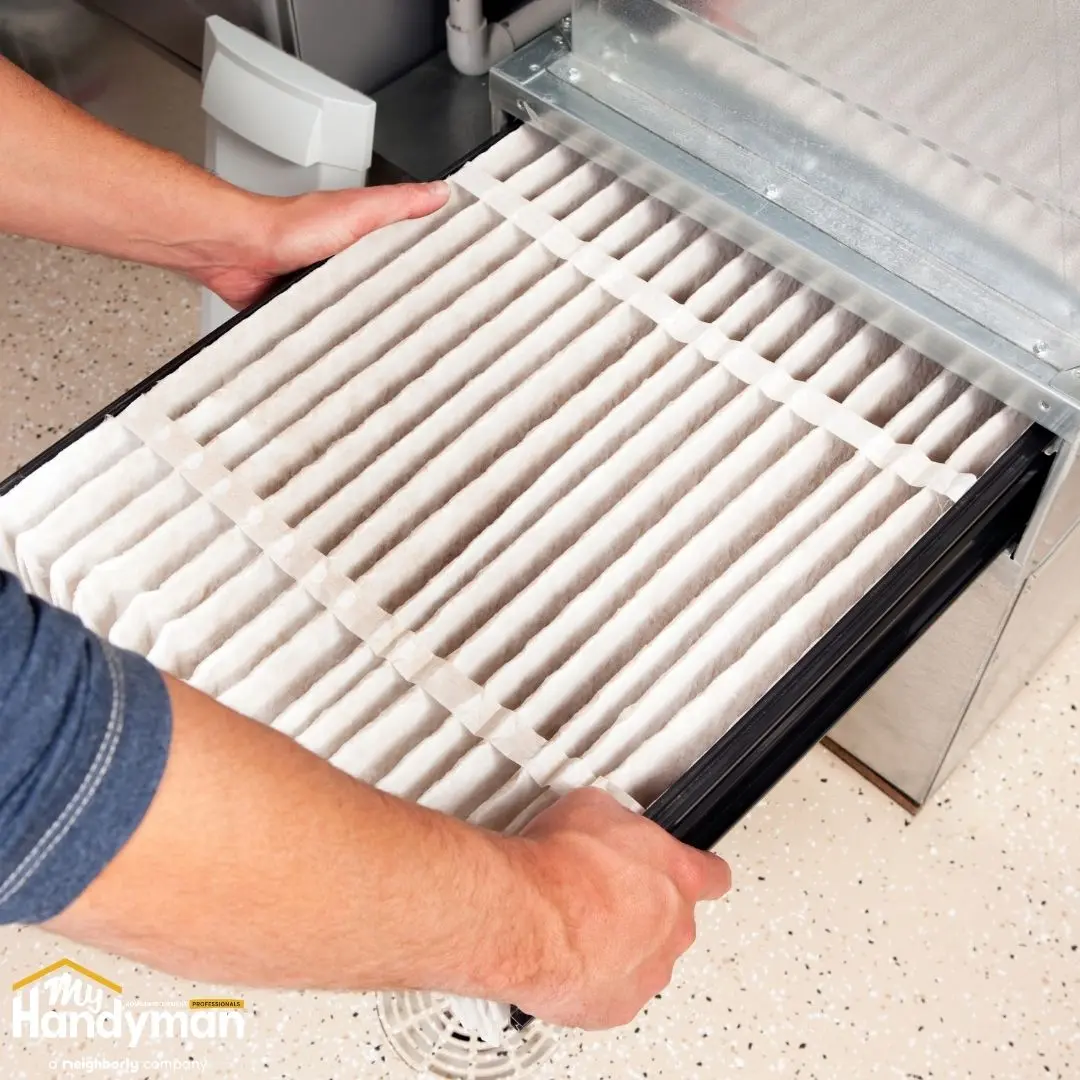
Loose vents, damaged registers, or blocked airflow create cold spots and uneven heating. These issues often lead to repair requests once homes are fully occupied again after the holidays.
Preventative steps include inspecting vents, keeping registers clear, and addressing minor airflow issues early. These small fixes improve comfort without requiring major system changes.
Cabinet, Hardware, and Fixture Failures
January also brings an increase in requests for cabinet repairs, loose hardware, and fixture stabilization. Dry winter air causes materials to shrink, loosening fasteners and joints.
Cabinet doors may sag, drawers may stick, and mounted fixtures may feel unstable. These issues often appear suddenly once normal routines resume.
Homeowners can avoid these repair requests by tightening hardware periodically and addressing early signs of loosening before winter dryness worsens the problem.
Why Avoiding January Repairs Matters
January repair requests are often more urgent and disruptive than those in other months. Cold weather limits scheduling flexibility, and problems tend to escalate faster.
Addressing the most common January repair requests – and how to avoid them allows homeowners to maintain comfort, safety, and control during winter rather than reacting to emergencies.
Professional Support for January Repair Prevention
Many January repairs involve multiple small issues rather than a single major failure. Professional handyman services help homeowners address these concerns efficiently.
My Handyman of Ann Arbor, Saline, and Chelsea provides reliable home repair and home maintenance services to help homeowners reduce January repair requests through preventative fixes and timely repairs. Professional support ensures small issues are resolved before winter conditions make them worse.
Recognizing these patterns is the first step in avoiding unnecessary stress during winter.
Interior January Repair Requests and How Homeowners Can Prevent Them
Many of the most common January repair requests – and how to avoid them originate inside the home. After the holidays, homes return to full daily use while winter conditions remain at their harshest. This combination exposes interior weaknesses that were either developing slowly or temporarily masked during busier seasons.
Understanding which interior issues drive January repair calls allows homeowners to take simple preventative steps that reduce disruption, improve comfort, and avoid emergency fixes.
Drywall Cracks, Nail Pops, and Interior Wall Damage
One of the most frequent January repair requests involves drywall. Cold weather and dry indoor air cause materials to contract, leading to visible cracks, popped fasteners, and separation along seams or corners.
These issues often appear suddenly in January after weeks of continuous heating. While they may look cosmetic, they can worsen if ignored and allow air leakage that contributes to drafts.
Preventing drywall repair calls involves maintaining balanced indoor humidity and addressing small cracks early. Sealing minor damage prevents expansion and reduces the need for larger repairs later in winter.
Interior Door Problems After Temperature Shifts
Interior doors are another major source of January repair requests. As temperatures fluctuate, doors may bind, rub against frames, or stop latching correctly.
These problems affect daily routines and airflow between rooms. Doors that do not close properly allow cold air to migrate, stressing heating systems and creating uneven temperatures.
Preventative action includes tightening hinges, addressing alignment issues early, and ensuring door hardware remains secure. Small adjustments completed before winter reduce the likelihood of January door repair calls.
Loose Flooring and Transition Failures
January often brings repair requests related to flooring movement. Materials expand and contract with temperature changes, and moisture tracked indoors accelerates wear.
Loose flooring planks, cracked tiles, and unstable transitions become more noticeable and more dangerous in winter. These issues frequently lead to January service calls due to increased slip and trip risk.
Preventing flooring-related repairs involves securing transitions, repairing minor damage promptly, and managing moisture at entry points. These small steps protect both safety and flooring longevity.
Cabinet Door and Drawer Malfunctions
Cabinets experience increased use during and after the holidays, and dry winter air causes wood materials to shrink. As a result, cabinet doors may sag, drawers may stick, and hardware may loosen.
These issues often surface in January once normal routines resume. While they are not emergencies, they create daily frustration and can worsen if left unaddressed.
Avoiding cabinet repair requests involves periodically tightening hinges, adjusting drawer slides, and addressing early signs of misalignment. Routine attention prevents repeated service calls.
Bathroom Fixture and Accessory Issues
Bathrooms are heavily used during winter, and moisture combined with temperature changes can loosen fixtures and accessories. Towel bars, toilet paper holders, mirrors, and vanity components are common January repair requests.
Loose fixtures pose safety risks and can damage surrounding surfaces if they pull away from walls. Preventative steps include securing mounting hardware and addressing movement early.
Properly anchored fixtures reduce the likelihood of January bathroom repair calls.
Ventilation and Moisture-Related Complaints
Poor ventilation becomes more noticeable in January when windows remain closed and indoor moisture levels rise. Foggy windows, peeling paint, and lingering odors often trigger repair requests.
These issues are frequently linked to underperforming bathroom or kitchen exhaust fans. Addressing ventilation problems early helps control moisture and protects interior finishes.
Preventing these complaints involves inspecting fans, ensuring vents exhaust properly, and repairing weak or noisy units before winter intensifies.
Lighting and Electrical Minor Repairs
With shorter daylight hours, lighting issues become impossible to ignore in January. Flickering fixtures, failing switches, and burned-out bulbs are common service requests during this month.
Preventative action includes checking fixtures regularly, replacing failing components early, and ensuring adequate lighting in hallways and stairways. These steps improve safety and reduce last-minute repair needs.
Why Interior January Repairs Are Often Preventable
Most interior January repair requests stem from gradual wear combined with winter stress rather than sudden failures. When small issues are addressed early, they rarely escalate into urgent problems.
Understanding the interior patterns behind the most common January repair requests – and how to avoid themallows homeowners to stay ahead of winter conditions instead of reacting to them.
Professional Help for Preventing January Interior Repairs
Identifying multiple small interior issues can be challenging, especially when they appear all at once in winter. Professional handyman services help homeowners resolve these problems efficiently.
My Handyman of Ann Arbor, Saline, and Chelsea provides dependable home repair and home maintenance services to help homeowners reduce interior January repair requests through preventative care and timely fixes. Professional support ensures small issues are addressed before winter conditions make them worse.
Long-Term Prevention Strategies to Reduce January Repair Requests Year After Year

Understanding the most common January repair requests – and how to avoid them is only truly valuable when homeowners use that knowledge to prevent repeat issues. January repairs tend to follow predictable patterns driven by winter stress, indoor overuse, and deferred maintenance. By adopting long-term prevention strategies, homeowners can dramatically reduce emergency calls, improve comfort, and protect their homes every winter.
The goal is not to eliminate maintenance, but to shift it from reactive January repairs to proactive planning throughout the year.
Treating Winter as a Diagnostic Season
Winter reveals how a home performs under constant pressure. Drafts, moisture issues, door problems, and flooring movement become more obvious when temperatures remain low and the home is fully occupied.
Homeowners who take note of issues that appear in January gain valuable insight into what needs long-term attention. Documenting cold rooms, recurring door problems, or moisture buildup creates a clear roadmap for future repairs.
Rather than repeatedly fixing the same issues each January, homeowners can target root causes during more favorable seasons.
Scheduling Preventative Repairs Before Cold Weather Arrives
Many January repair requests could be avoided with early intervention. Addressing small issues in fall prevents them from escalating once freezing temperatures arrive.
Key preventative timing includes:
- Sealing drafts and adjusting doors before winter
- Insulating plumbing ahead of sustained cold
- Securing flooring transitions before moisture increases
- Tightening hardware before dry air causes shrinkage
Planning these repairs proactively reduces the need for urgent January service calls.
Maintaining Stable Indoor Conditions All Winter
Extreme indoor temperature swings and low humidity contribute significantly to January repair issues. Dry air causes materials to contract, while uneven heating stresses doors, flooring, and drywall.
Maintaining consistent indoor temperatures and balanced humidity helps reduce movement and material stress. Simple steps such as using humidifiers appropriately and avoiding drastic thermostat setbacks protect interior components.
Stable conditions reduce cracking, warping, and loosening that commonly trigger January repairs.
Building Seasonal Maintenance Checkpoints
Homes benefit from routine maintenance checkpoints rather than reactive fixes. January should be part of a year-round maintenance cycle rather than the starting point.
An effective cycle often includes:
- Pre-winter inspections to prepare systems and surfaces
- Mid-winter checks to monitor stress points
- Post-winter assessments to address damage or wear
These checkpoints keep small issues from becoming repeat January problems.
Addressing Patterns Instead of Symptoms
When the same repair request appears every January, it is often a sign that the underlying issue has not been fully resolved. For example, recurring door alignment problems may indicate structural movement or hardware limitations rather than simple loosening.
Tracking repairs over time helps homeowners identify when a more permanent solution is needed. Investing in a proper fix reduces repeated service calls and long-term costs.
This pattern-based approach leads to smarter repair decisions.
Prioritizing Preventative Home Maintenance
Homes that rely solely on reactive repairs tend to experience the highest January repair volumes. Preventative home maintenance spreads work more evenly and reduces winter emergencies.
Regular attention to doors, windows, flooring, ventilation, and plumbing prevents the compounding effects of winter stress. Preventative maintenance also improves comfort and energy efficiency throughout the year.
Why Professional Support Strengthens Prevention
Preventing January repairs requires experience and consistency. Professional handyman services help homeowners identify vulnerabilities, complete preventative work correctly, and recommend long-term solutions.
A trusted professional recognizes seasonal patterns and understands how winter affects building materials and systems. This insight helps homeowners move beyond temporary fixes.
My Handyman of Ann Arbor, Saline, and Chelsea provides dependable home repair and home maintenance services to help homeowners reduce repeat January repair requests through proactive planning and preventative care. Professional support ensures repairs address root causes rather than recurring symptoms.
Turning January Repairs Into a Prevention Advantage
January does not have to be a month of frustration and emergency repairs. When homeowners understand the most common January repair requests – and how to avoid them, winter becomes a valuable planning tool rather than a recurring problem.
By observing winter patterns, addressing issues proactively, and committing to preventative maintenance, homeowners can reduce repair calls, protect their homes, and move through each winter with greater confidence and control.
Avoid common January repairs with help from local professionals. Call us today or schedule service online to start the year off right.