Unexpected repairs are one of the biggest threats to a business’s operating budget. Equipment failures, facility breakdowns, and emergency service calls often cost far more than planned upkeep. Understanding how businesses can reduce repair costs with preventative maintenance allows owners and property managers to shift from reactive spending to controlled, predictable investment in their facilities.
Preventative maintenance is not about fixing what is broken. It is about addressing wear, stress, and inefficiencies before they escalate into costly failures. For commercial properties, this approach protects budgets, minimizes downtime, and extends the lifespan of critical systems.
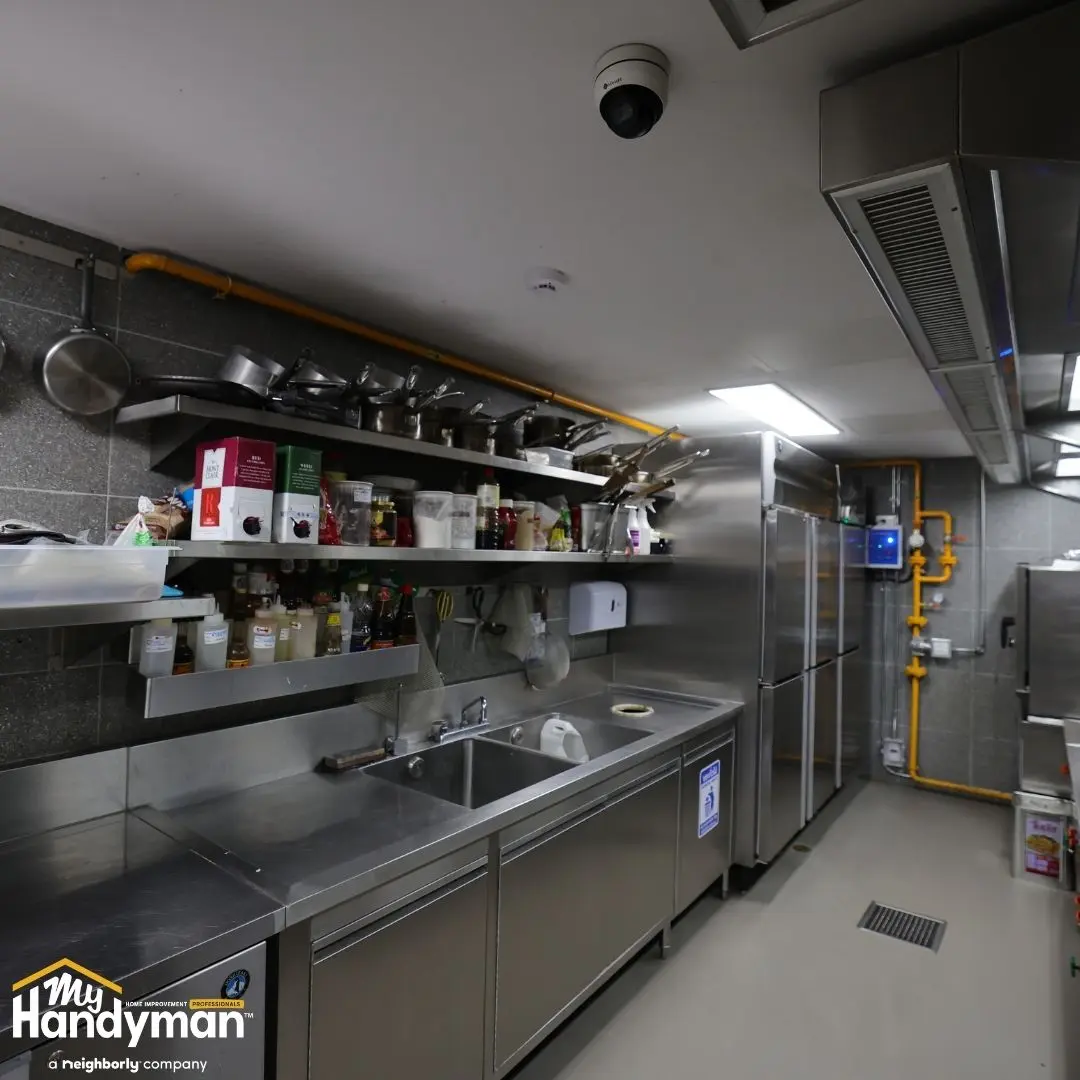
Why Reactive Repairs Are So Expensive for Businesses
Reactive maintenance almost always costs more than planned upkeep. Emergency repairs typically involve higher labor rates, rushed material sourcing, and business disruption. In many cases, damage spreads beyond the original issue, multiplying costs.
For example, a minor plumbing leak left unaddressed can lead to water damage, mold remediation, flooring replacement, and even temporary closure. Similarly, neglected door hardware can escalate into security concerns or accessibility violations.
These scenarios highlight why preventative maintenance is not an optional expense. It is a cost-control strategy that directly impacts a company’s bottom line.
What Preventative Maintenance Really Means in Commercial Settings
Preventative maintenance involves scheduled inspections, adjustments, and minor repairs designed to keep systems operating efficiently. In commercial environments, this includes mechanical systems, building components, and high-use interior features.
Key preventative maintenance areas include:
- HVAC systems and airflow components
- Plumbing fixtures and exposed piping
- Doors, locks, and entry hardware
- Lighting and electrical components
- Flooring, walls, and high-traffic surfaces
By addressing gradual wear instead of waiting for failure, businesses reduce the likelihood of emergency repairs and unplanned downtime.
How Small Issues Turn Into Major Repair Costs
Many costly commercial repairs begin as small, visible issues that are easy to dismiss. A loose door closer, flickering light, or minor crack may seem insignificant, but these problems often signal deeper stress.
Over time, small issues place additional strain on surrounding components. What starts as a minor adjustment can turn into full replacement when left unresolved. Preventative maintenance interrupts this chain reaction early, when repairs are simpler and less expensive.
This is especially important in high-traffic commercial spaces where constant use accelerates wear.
Reducing Downtime and Operational Disruption
Repair costs are not limited to labor and materials. Downtime, lost productivity, and customer inconvenience often exceed the cost of the repair itself.
Preventative maintenance allows businesses to schedule work during off-hours or low-traffic periods. This minimizes disruption and keeps operations running smoothly. Emergency repairs, by contrast, often force immediate shutdowns or restricted access.
For customer-facing businesses, avoiding these disruptions protects revenue and brand reputation as well as repair budgets.
Predictable Budgeting Through Scheduled Maintenance
One of the greatest financial benefits of preventative maintenance is predictability. Scheduled inspections and routine repairs allow businesses to plan expenses rather than react to crises.
Instead of absorbing large, unexpected repair bills, maintenance costs are distributed more evenly throughout the year. This supports better budgeting, forecasting, and cash flow management.
Preventative maintenance also helps identify when components are nearing the end of their service life, allowing for planned replacements rather than emergency purchases.
Extending the Lifespan of Building Systems
Commercial systems are designed to last, but only when properly maintained. HVAC equipment, plumbing systems, doors, and fixtures all benefit from regular attention.
Preventative maintenance reduces strain, improves efficiency, and delays the need for replacement. Extending system lifespan directly reduces long-term capital expenses and maximizes return on investment.
This approach is especially valuable for older commercial properties where full system replacement would be disruptive and costly.

Protecting Safety and Compliance While Controlling Costs
Safety issues and code violations often result in unplanned repairs, fines, or liability exposure. Preventative maintenance helps identify risks before they become compliance problems.
Routine checks of handrails, walkways, lighting, and entry systems reduce accident risk and support regulatory compliance. Addressing these issues proactively avoids costly enforcement actions and legal exposure.
For businesses, safety-related repairs are far more expensive when handled reactively after an incident occurs.
Why Winter and Early-Year Planning Matter
The beginning of the year is an ideal time to establish preventative maintenance strategies. Winter conditions expose weaknesses in heating systems, plumbing, and building envelopes that may remain hidden during warmer months.
Addressing these issues early prevents compounded damage and prepares facilities for the rest of the year. Businesses that plan maintenance proactively at the start of the year are better positioned to control costs long-term.
Professional Support for Effective Preventative Maintenance
Implementing a successful preventative maintenance strategy requires experience and consistency. Professional handyman services help businesses identify risk areas, perform routine upkeep, and address minor issues before they escalate.
My Handyman of Ann Arbor, Saline, and Chelsea provides dependable commercial maintenance and home repair services to help businesses reduce repair costs through proactive care. Professional support ensures maintenance is thorough, timely, and aligned with operational needs.
Understanding how businesses can reduce repair costs with preventative maintenance starts with recognizing that prevention is always more affordable than reaction. By investing in routine upkeep, businesses protect their facilities, stabilize budgets, and avoid the financial strain of unexpected repairs.
High-Impact Preventative Maintenance Actions That Deliver Real Cost Savings
Understanding how businesses can reduce repair costs with preventative maintenance becomes practical when it is broken down into specific actions that consistently produce the highest return. Not all maintenance tasks deliver equal value. Some preventative steps directly reduce emergency repairs, extend system lifespan, and prevent operational disruption more effectively than others.
Focusing on these high-impact areas allows businesses to control costs without overextending maintenance budgets or resources.
Routine Inspections of High-Failure Systems
Certain building systems are responsible for a disproportionate share of emergency repairs. Prioritizing routine inspections for these systems significantly reduces unexpected costs.
High-failure systems typically include:
- HVAC units and distribution components
- Plumbing supply and drain lines
- Electrical panels, outlets, and lighting systems
- Entry doors and locking mechanisms
Small issues in these areas often escalate quickly if left unaddressed. Regular inspections allow technicians to identify wear, misalignment, leaks, or performance changes before failures occur.
For commercial properties, early detection prevents both direct repair costs and indirect losses from downtime.
Addressing Minor Repairs Immediately
One of the most effective cost-control strategies is acting quickly on small repair needs. Loose hardware, minor leaks, damaged trim, or flickering lights may appear insignificant, but delaying these repairs increases stress on surrounding components.
Preventative maintenance emphasizes completing minor repairs as soon as they are identified. This approach prevents compounding damage and eliminates the need for larger, more expensive interventions later.
Businesses that adopt this mindset consistently experience lower long-term repair costs than those that defer minor issues.
Maintaining Doors, Locks, and Entry Systems
Entry systems experience constant use and are critical to security, safety, and accessibility. When doors, hinges, closers, or locks fail, repairs often become urgent and expensive.
Preventative maintenance includes adjusting door alignment, lubricating hardware, tightening fasteners, and replacing worn components before failure. These simple actions extend hardware lifespan and reduce emergency lock or door replacement costs.
For customer-facing businesses, properly functioning entry systems also protect brand image and customer experience.
Plumbing Leak Detection and Moisture Control
Water damage is one of the costliest repair categories in commercial buildings. Many major plumbing failures start as slow leaks that go unnoticed or are ignored.
Preventative plumbing maintenance focuses on:
- Inspecting exposed pipes and fittings
- Addressing small leaks immediately
- Monitoring water pressure
- Checking restrooms and utility areas for moisture
Early intervention prevents damage to walls, flooring, ceilings, and equipment. Moisture control also reduces mold remediation risk, which can be extremely costly and disruptive.
Protecting Flooring and High-Traffic Surfaces
Flooring repairs are often expensive because damage spreads quickly in high-traffic commercial spaces. Cracked tiles, loose transitions, and worn surfaces create safety hazards and lead to accelerated deterioration.
Preventative maintenance includes repairing minor floor damage, securing transitions, and addressing moisture intrusion early. This reduces the likelihood of full floor replacement and lowers liability risk.
Maintaining flooring proactively preserves appearance while controlling long-term costs.
Lighting and Electrical Preventative Care
Lighting issues are frequently addressed reactively after failures occur. However, preventative maintenance reduces both replacement costs and safety risks.
Scheduled lighting inspections allow businesses to replace failing fixtures, address wiring concerns, and upgrade inefficient components gradually. This prevents outages that disrupt operations and require emergency service.
Electrical preventative care also supports compliance and reduces fire risk, protecting both property and occupants.
Seasonal Adjustments That Prevent Costly Failures
Seasonal changes place different stresses on commercial buildings. Preventative maintenance accounts for these shifts rather than responding after problems arise.
Examples include:
- Preparing HVAC systems for seasonal demand changes
- Inspecting plumbing before freeze-risk periods
- Adjusting door seals for temperature changes
- Addressing moisture control during wet seasons
Seasonal maintenance reduces the likelihood of weather-related failures that often result in the most expensive repairs.
Documentation and Maintenance Tracking
Tracking maintenance activities helps businesses identify recurring issues and cost drivers. Documentation supports better decision-making by revealing patterns that indicate when repairs are no longer cost-effective.
Maintenance records help determine:
- Which systems require frequent repairs
- When replacement may be more economical
- How maintenance spending compares year over year
This data-driven approach allows businesses to invest strategically rather than reacting blindly to failures.
Why These Actions Deliver the Greatest Savings
High-impact preventative maintenance actions share common traits. They target systems with high failure rates, address issues early, and reduce both direct repair costs and indirect operational losses.
By focusing resources on these areas, businesses achieve measurable savings without unnecessary maintenance spending.
Professional Support for Consistent Preventative Care
Executing preventative maintenance consistently requires coordination and experience. Professional handyman services help businesses implement high-impact actions reliably and efficiently.
My Handyman of Ann Arbor, Saline, and Chelsea provides dependable commercial maintenance and home repair services to help businesses focus on preventative actions that reduce repair costs. Professional support ensures that maintenance efforts remain proactive rather than reactive.
Focusing on these targeted actions demonstrates clearly how businesses can reduce repair costs with preventative maintenance. When small issues are addressed early and high-risk systems receive regular attention, repair costs decline while operational stability improves.
Building a Scalable Preventative Maintenance Plan and Measuring Long-Term Savings
Understanding how businesses can reduce repair costs with preventative maintenance reaches its full value when actions are organized into a scalable, repeatable plan. One-time fixes help, but lasting cost reduction comes from systems that grow with the business, adapt to changing conditions, and provide measurable financial benefits over time.
A well-structured preventative maintenance plan transforms maintenance from an expense into a strategic investment.
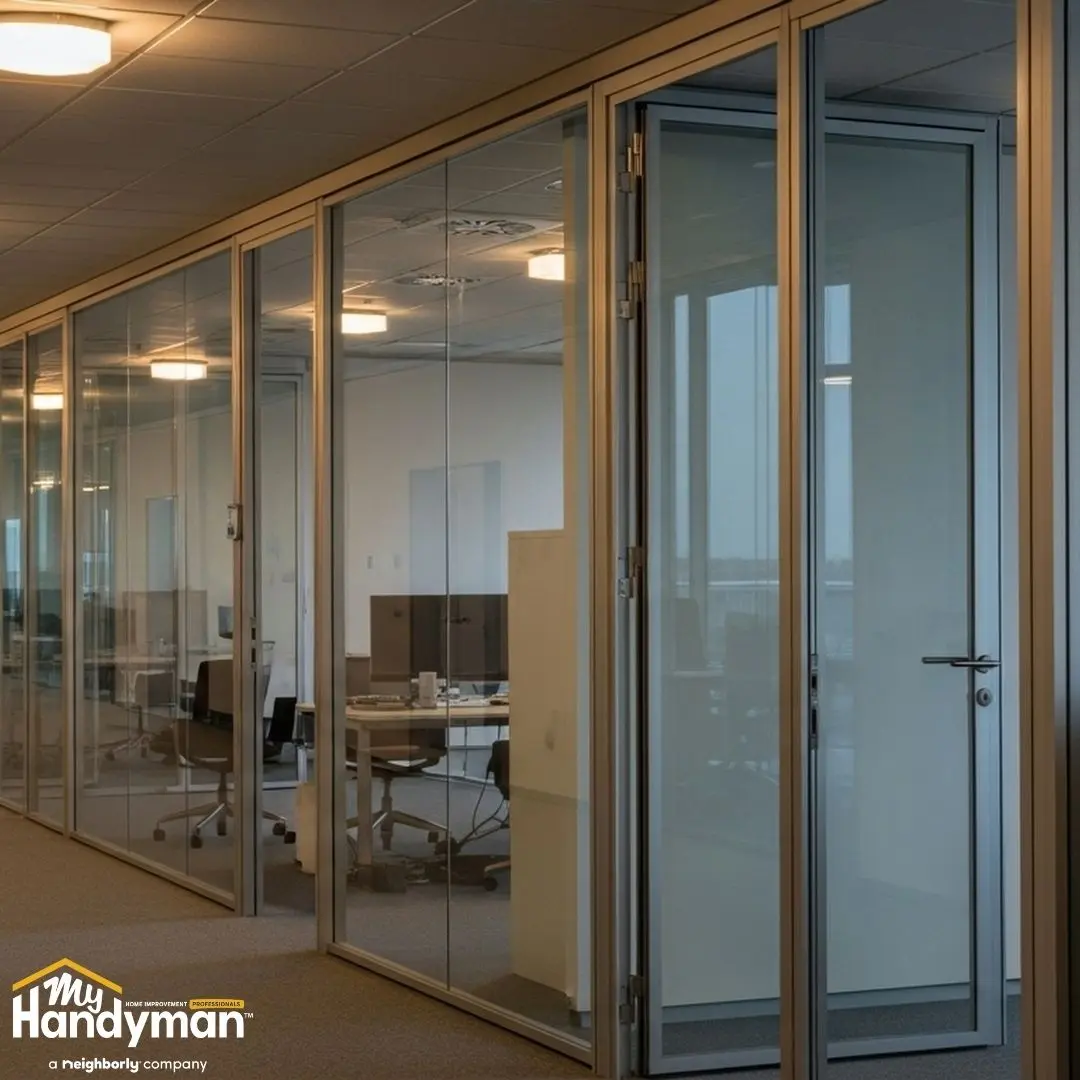
Creating a Preventative Maintenance Framework
A scalable maintenance plan starts with structure. Rather than reacting to issues as they appear, businesses benefit from clearly defined maintenance categories and schedules.
A strong framework typically includes:
- Daily or weekly visual checks by on-site staff
- Monthly or quarterly professional inspections
- Seasonal system-specific maintenance
- Annual facility-wide evaluations
This layered approach ensures that small issues are caught early while larger systems receive consistent professional oversight. As facilities expand or usage increases, the framework scales without needing to be rebuilt.
Assigning Responsibility and Accountability
Preventative maintenance is most effective when responsibility is clearly defined. Businesses that assign ownership to maintenance tasks experience better consistency and fewer missed issues.
This does not require full-time maintenance staff. It may involve:
- Designating a facilities point of contact
- Using scheduled service agreements
- Coordinating with trusted service providers
Clear accountability ensures that inspections, repairs, and follow-ups are completed rather than deferred. This consistency is essential for controlling long-term repair costs.
Standardizing Inspections Across Properties or Locations
For businesses with multiple locations, standardization is key. Using the same inspection criteria and maintenance priorities across properties makes costs more predictable and easier to manage.
Standardized inspections help:
- Identify patterns of failure across locations
- Compare maintenance performance consistently
- Allocate budgets more accurately
- Prevent uneven maintenance quality
This approach allows preventative maintenance to scale efficiently without increasing administrative burden.
Measuring Cost Savings Over Time
Preventative maintenance delivers its greatest value when results are tracked. Measuring cost savings helps businesses justify maintenance budgets and refine strategies.
Useful metrics include:
- Reduction in emergency repair calls
- Decrease in downtime or closures
- Lower year-over-year repair spending
- Extended lifespan of major systems
Tracking these indicators over time provides clear evidence of return on investment. Businesses often find that maintenance costs stabilize while emergency expenses decline significantly.
Using Maintenance Data to Guide Capital Planning
Preventative maintenance data also supports smarter capital planning. When records show repeated repairs on the same system, it may indicate that replacement is more cost-effective than continued maintenance.
This insight allows businesses to:
- Plan replacements in advance
- Avoid emergency capital expenditures
- Align upgrades with budgets and timelines
Using data rather than urgency to drive decisions reduces financial risk and operational disruption.
Adapting Maintenance as Operations Change
As businesses grow, maintenance needs change. Increased foot traffic, extended hours, or new equipment all place additional strain on facilities.
A scalable preventative maintenance plan adapts by:
- Increasing inspection frequency in high-use areas
- Reinforcing maintenance schedules for critical systems
- Updating priorities as operations evolve
This flexibility ensures that maintenance continues to control costs even as demands increase.
Balancing Preventative Maintenance With Business Priorities
Preventative maintenance should support business goals rather than compete with them. The most effective plans align maintenance timing and scope with operational needs.
For example:
- Customer-facing spaces may prioritize appearance and accessibility
- Industrial or office environments may focus on reliability and efficiency
- Seasonal businesses may adjust maintenance intensity throughout the year
Aligning maintenance with business priorities ensures resources are used where they deliver the greatest impact.
Why Professional Partnerships Strengthen Preventative Strategies
Consistency is one of the biggest challenges in preventative maintenance. Reliable professional partnerships help businesses maintain momentum and avoid slipping back into reactive habits.
Experienced handyman services provide continuity, institutional knowledge, and flexibility across a wide range of repair and maintenance needs. This reduces the need to coordinate multiple vendors and ensures consistent standards.
My Handyman of Ann Arbor, Saline, and Chelsea provides dependable commercial maintenance and home repair services to help businesses build and sustain preventative maintenance plans that reduce repair costs over time. Professional support helps ensure plans remain effective as facilities and operations evolve.
Turning Prevention Into a Long-Term Cost Strategy
Preventative maintenance is not a one-time initiative. It is an ongoing strategy that strengthens facilities, stabilizes budgets, and reduces financial surprises.
By building structured plans, tracking results, and adapting as needs change, businesses gain lasting control over repair costs. Understanding how businesses can reduce repair costs with preventative maintenance empowers decision-makers to move from reactive spending to proactive investment.
When maintenance becomes predictable, scalable, and data-driven, repair costs decline, operations stabilize, and facilities remain assets rather than liabilities year after year.
Prevent costly repairs with proactive maintenance planning. Book preventative maintenance online.
