As another year comes to a close in Ann Arbor, Saline, and Chelsea, families across the region take time to reflect on their routines, achievements, challenges, memories, and plans for the future. Yet there’s often one constant partner in every part of daily life—your home. It shelters you during heavy Michigan snowstorms, keeps you warm through frigid temperatures, supports your holidays, stores your belongings, hosts your traditions, and provides comfort during moments of rest and downtime.

Your home works hard for you every single day. But unlike other aspects of life, the home can’t advocate for itself. It can’t ask for a tune-up, request repairs, or warn you when something is nearing failure—unless the signs become noticeable. Many homeowners don’t realize the strain homes endure, especially in southeast Michigan where winter brings harsh weather, frequent freeze-thaw cycles, strong winds, and shifting temperatures that can impact everything from roofing to plumbing.
As 2026 approaches, this blog encourages homeowners to take a moment to say, “Thank you, home,” by giving it the care, attention, and preventative maintenance it needs. A well-maintained home doesn’t just look better—it performs better, lasts longer, operates more efficiently, and provides a safer, healthier living environment. Small improvements now can prevent major headaches later.
This educational guide focuses on how homeowners can prepare their property for the new year with intentional, meaningful upgrades and maintenance tasks. Whether your home sits in a historic Ann Arbor neighborhood, a newer subdivision in Saline, or a quiet rural road in Chelsea, these strategies support a more reliable and enjoyable year ahead.
Homes in Michigan endure weather conditions that require durable materials and proactive upkeep. Winter is especially harsh, and it can reveal weaknesses that went unnoticed during warmer seasons. Starting the new year with a structural and functional review ensures your home remains resilient.
Look for Winter Wear on Exterior Surfaces
Exterior materials absorb the brunt of harsh winter weather—including snow accumulation, freezing rain, ice buildup, and dramatic temperature swings. Homeowners should look for:
- Cracked or peeling paint
- Damaged siding panels
- Rotten wood trim
- Gaps around windows or doors
- Loose or missing shingles
- Warped decking boards
The sooner problems are detected, the easier (and more affordable) they are to fix.
Evaluate Your Home’s Insulation
A properly insulated home reduces:
- Heat loss
- Drafts
- High energy bills
- Strain on the furnace
In Michigan, where winters can stretch from late October to early April, insulation is a long-term investment in comfort and efficiency. Attics, basements, crawl spaces, and garage walls are common weak spots.
Check for Moisture Intrusion
Freeze-thaw cycles cause expansion and contraction in exterior materials. Even small cracks can allow moisture to seep into walls, leading to:
- Mold growth
- Wood rot
- Interior staining
- Reduced structural integrity
Key areas to investigate include basement walls, siding seams, window frames, and roof valleys.
Clutter is one of the biggest stressors in households, especially after the holidays. A new year offers the perfect opportunity to reset your space and improve how your home functions.
Simplify Storage & Reduce Household Stress
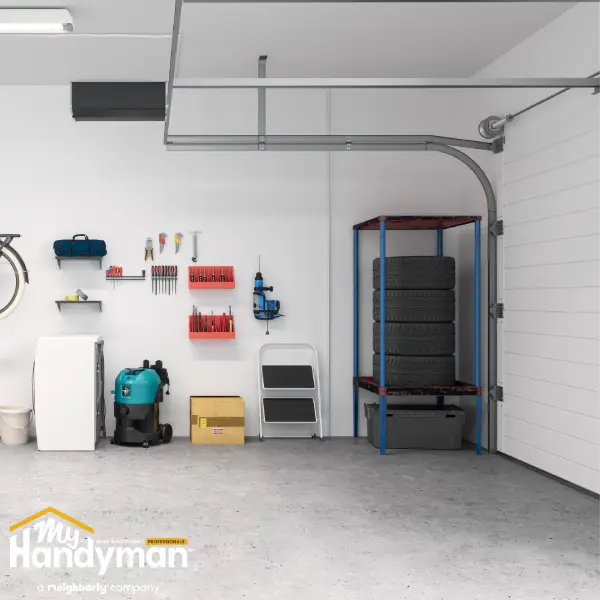
Decluttering improves:
- Mental clarity
- Daily routines
- Guest readiness
- Safety—by reducing trip hazards and overcrowded storage
Families in Ann Arbor, Saline, and Chelsea often deal with seasonal gear—winter coats, boots, sports equipment, holiday décor, and bulky clothing—that requires thoughtful storage solutions.
Upgrade Storage Systems
New organizational features can transform the feel and flow of your home. Consider:
- Custom shelving
- Built-in cabinetry
- Mudroom enhancements
- Garage storage solutions
- Closet organization systems
These not only improve functionality but increase property value.
Reimagine High-Use Spaces
The kitchen, entryway, laundry room, and living room often experience the most clutter. Simple improvements like additional hooks, shoe storage, better lighting, or new shelving can make daily life smoother and more intuitive.
Energy costs rise during Michigan winters, making efficiency upgrades a meaningful way to thank your home—and your budget.
Inspect Weatherstripping
Deteriorated weatherstripping around doors and windows allows cold drafts inside. Replacing it:
- Saves energy
- Improves comfort
- Protects flooring from moisture
- Reduces heating costs
Seal Gaps and Cracks
Small gaps in basements, around outlets, or near plumbing penetrations allow cold air inside and warm air to escape. Caulking and expanding foam offer long-lasting solutions.
Improve Lighting Efficiency
LED upgrades throughout the home:
- Reduce electricity usage
- Provide brighter, cleaner light
- Last years longer than incandescent bulbs
- Improve visibility in dark winter evenings
Evaluate Thermostat Placement
If a thermostat sits near a drafty window or heat source, it may misread temperatures. Relocating it improves heating system performance.
Home safety is essential heading into a new year—especially in homes with children, seniors, or pets. Many dangers go unnoticed until an issue occurs.

Test Smoke & CO Detectors
Detector reliability is critical during winter, when homes rely heavily on:
- Furnaces
- Fireplaces
- Space heaters
- Gas appliances
Homes in Ann Arbor, Saline, and Chelsea should have detectors on every floor, in hallways, and near sleeping areas.
Identify Tripping Hazards
Common indoor hazards include:
- Uneven thresholds
- Loose stair railings
- Buckling floorboards
- Rugs that slide
- Poor lighting in hallways or staircases
Correcting these issues protects guests and family members year-round.
Prepare for Winter Storms
Michigan storms can cause:
- Power outages
- Fallen branches
- Roof leaks
- Ice accumulation
Preparing now ensures you remain safe whenever unexpected weather hits.
Small repairs frequently get pushed aside during busy months, but they often matter the most. Giving attention to these “hidden” tasks helps your home start the new year in its best condition.
Fix Doors & Windows That Stick
Wood expands and contracts with humidity changes, especially during winter. Adjustments or hardware replacements can restore smooth operation.
Refresh Caulking in Kitchens & Bathrooms
Caulking prevents water intrusion—and mold. Fresh caulk makes these high-use areas look immediately cleaner.
Repair Drywall Imperfections
From dents to settling cracks, drywall flaws accumulate over time. Early repair prevents larger issues from developing.
Restore Fences & Exterior Structures
Strong winds and heavy snow can weaken:
- Fences
- Deck railings
- Pergolas
- Outdoor play structures
Repairing these early protects your property and increases safety.
Your home deserves gratitude for all the comfort it provides. As you prepare for a new year filled with goals, milestones, and exciting changes, taking care of your home ensures it remains a strong foundation for your life.
As winter settles into the Ann Arbor, Saline, and Chelsea region, the home becomes more than a structure—it becomes a sanctuary. While the world outside is cold, icy, and unpredictable, the home keeps families warm, protected, and grounded. It absorbs the impact of Michigan’s longest season, adapting to subzero wind chills, heavy snow, freezing rain, and fluctuating temperatures. The new year offers a perfect opportunity to reflect on what your home endures and to return the favor with thoughtful care, maintenance, and improvements.
The continuation of this educational guide explores deeper, long-term strategies for strengthening your home in 2026. These strategies help homeowners prevent major issues, improve day-to-day comfort, lower energy costs, and extend the lifespan of the home’s systems and materials. Whether your property is an older Ann Arbor colonial, a mid-century home near downtown Saline, or a modern build in Chelsea, these principles apply to all Michigan homes facing the realities of winter and the year ahead.
Homeowners often postpone maintenance because small problems seem harmless or because repairs feel inconvenient during busy months. However, Michigan winters are unforgiving, and ignoring minor issues can allow them to develop into costly repairs. Starting the year with a preventive mindset saves time, money, and unnecessary stress.
Evaluate Structural Integrity After Winter’s First Freeze
Early freezes can reveal weaknesses in:
- Rooflines
- Siding panels
- Decks and railings
- Concrete walkways
- Brick and mortar joints
- Fascia and exterior trim
Even a small moisture intrusion can escalate quickly once temperatures fluctuate, causing cracks to expand or wood to deteriorate. A thorough inspection allows homeowners to address vulnerabilities before they worsen.
Review Your Roof’s Condition
The roof is your home’s shield against snow and ice. Warning signs of winter-related roof stress include:
- Ice dams forming along the edges
- Shingles curling or lifting
- Dark streaks from trapped moisture
- Sagging gutters
- Visible shingle loss after storms
Addressing roof concerns early protects the rest of the home from potential water damage that becomes costly if allowed to spread.
Assess Foundation Health
Michigan’s freeze-thaw cycle frequently affects concrete foundations. Look for:
- Hairline cracks
- Shifting
- Spalling concrete
- Dampness in basement corners
Proactive sealing and repairs reduce long-term risk significantly.
A home that is easier to clean, navigate, and maintain contributes to peace of mind—especially during long winters when families spend more time indoors.
Reorganize High-Traffic Zones
Entryways, mudrooms, and hallways become clutter magnets in winter. Snow boots, coats, backpacks, and bags accumulate rapidly. Upgrading organizational systems helps keep these spaces functional and safe.
Solutions include:
- Wall-mounted hooks
- Shoe cubbies
- Bench seating with storage
- Weather-resistant mats
- Dedicated pet areas
Refresh Flooring and Carpeted Areas
Flooring begins to show wear after increased winter foot traffic. Salt, snow, and grit track inside from every doorway, wearing down surfaces and creating slipping hazards.
Homeowners should consider:
- Deep cleaning carpets
- Resealing hardwood floors
- Repairing vinyl or tile gaps
- Installing protective mats in high-use spots
Repaint or Touch Up Interior Walls
Fresh paint revitalizes the home and hides scuffs, dings, and discoloration caused throughout the year. Winter is an ideal time for painting because dry indoor air allows paint to cure effectively.
Improve Basement Usability
Basements are common in Michigan homes and often overlooked. Insulating, decluttering, or finishing portions of a basement adds valuable space and enhances comfort during colder months.
Home performance influences comfort, monthly bills, and the lifespan of your mechanical systems. Improving efficiency is one of the smartest ways to start a new year.
Modernize Your Thermostat
Programming or upgrading your thermostat helps:
- Stabilize indoor temperature
- Reduce energy waste
- Prevent furnace overuse
- Improve home comfort
Smart thermostats learn your routine, making heating more efficient and consistent.
Replace Drafty or Damaged Windows
Windows significantly affect both energy bills and comfort. Warning signs of inefficiency include:
- Condensation between panes
- Noticeable drafts
- Floors feeling cold near windows
- Ice forming on the interior corners
- Difficulty opening or closing frames
New windows reduce energy loss, improve insulation, and add value to your home.
Boost Attic Ventilation
Many homeowners focus on insulation but overlook ventilation. Without proper airflow, warm air becomes trapped, leading to:
- Ice dams
- Higher heating bills
- Moisture buildup
- Reduced insulation lifespan
Balanced ventilation extends roof longevity and improves home efficiency.
Upgrade Lighting Systems
Daylight is limited during Michigan winters. Brighter, energy-efficient lighting improves mood, visibility, and safety. LED conversions throughout the home lower energy usage while providing clearer, more consistent brightness.
A safe home fosters peace of mind, especially as the new year begins. Home safety is not only for families with children; it benefits everyone, including guests, seniors, and pets.
Strengthen Stairway Safety
Stairs become especially dangerous during winter due to:
- Wet shoes
- Dim lighting
- Heavy clothing restricting motion
Indoor stair safety should include:
- Secure handrails
- Non-slip treads
- Adequate lighting
- Repaired or strengthened steps
Outdoor steps need even more reinforcement because of ice and snow buildup.
Focus on Bathroom Safety
Bathrooms experience more moisture and steam during winter, especially in tightly insulated homes.
Prevent hazards by checking:
- Towel bars for stability
- Caulking for gaps
- Water pressure consistency
- Exhaust fan performance
- Loose tiles, which become slippery when wet
Reinforce Grab Bars Where Needed
Whether caring for aging relatives or ensuring safe guest access, adding grab bars near:
- Toilets
- Showers
- Bathtubs
helps prevent falls and improves comfort for everyone.
Evaluate Indoor Air Safety
CO detectors and smoke alarms are often neglected. Testing, replacing batteries, and installing additional detectors in the right areas dramatically increase home safety.
Small improvements can yield massive benefits in how your home feels and functions—especially during long Michigan winters when families spend more time inside.
Refresh Kitchen Functionality
Kitchens evolve as families grow. Simple upgrades that make daily life easier include:
- Installing rollout cabinet drawers
- Adding backsplash tile
- Replacing outdated hardware
- Repairing sticking drawers
- Upgrading lighting for brighter meal prep
Improve Bathroom Efficiency
Moisture-resistant materials, updated fixtures, and improved fan systems all extend the lifespan of your bathroom and reduce long-term maintenance issues.
Enhance Laundry Room Usability
Laundry rooms often lack efficient storage or organization. Adding shelves, rods, folding stations, or durable flooring makes them far more functional.
Reimagine Underused Spaces
Nooks, corners, or unfinished areas can become:
- Reading zones
- Office areas
- Craft spaces
- Homework stations
Small carpentry upgrades transform unused square footage into valuable living space.
Outdoor structures endure constant exposure to harsh weather. Giving them attention now ensures they remain safe and durable through 2026.
Inspect Decks and Porches
Look for:
- Loose boards
- Soft spots in wood
- Rusted nails or screws
- Wobbly railings
- Standing water issues
Refinishing or repairing decking increases safety and prevents decay.
Check Exterior Hardware
Doors, locks, handles, and hinges often warp during winter. Replacing or adjusting hardware restores function and security.
Strengthen Fences and Gates
Snow drifting and freezing ground can cause fences to shift or lean. Reinforcing these structures now prevents future collapse.
Improving the home’s appearance boosts both value and daily enjoyment. A fresh start in 2026 should also feel visually rewarding.
Upgrade Entryways
Your home’s entryway makes the first impression. Consider:
- New lighting
- Updated house numbers
- Refreshed paint
- Added shelving or storage
- Winter-friendly rugs
Repair or Replace Trim
Damaged or outdated trim can make a home feel older than it is. Trim upgrades instantly refresh entire rooms.
Improve Wall Art & Storage Displays
Well-mounted décor adds personality without sacrificing function. Proper installation prevents falls or damage.
Add Custom Carpentry Touches
Built-ins, shelving, window seats, and alcove improvements add long-term value while enhancing comfort.
A new year is the perfect opportunity to give your home the appreciation it deserves. Thoughtful maintenance, proactive care, and small but impactful improvements ensure your home remains strong, beautiful, safe, and comfortable throughout 2026. Whether you’re refreshing a single room or preparing your entire home for the year ahead, expert support makes the process easier, faster, and higher quality.
My Handyman of Ann Arbor, Saline & Chelsea is here to help with everything from small repairs to major improvements so your home starts 2026 stronger than ever.