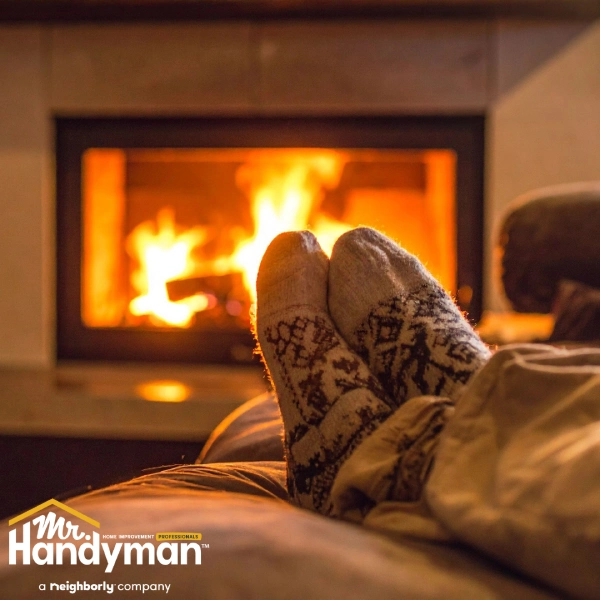
Winter in Michigan isn’t simply a season—it’s a full experience. If you live in Ann Arbor, Saline, or Chelsea, you already know that once December hits, homeowners face a unique blend of lake-effect chill, heavy snowfalls, biting winds, icy nights, and temperature swings that can push a home’s heating system to its limit. Unlike milder climates, Southeast Michigan’s winter demands proactive preparation. A home that isn’t inspected, serviced, and properly maintained before severe cold sets in is far more vulnerable to heat loss, energy waste, mechanical breakdowns, and safety hazards.
A furnace and fireplace aren’t luxuries during winter—they’re lifelines. They influence everything from interior comfort and energy bills to home safety and even indoor air quality. And yet many homeowners overlook critical maintenance steps until something goes wrong: a furnace struggling to keep up, rising heating bills, a fireplace that won’t vent properly, or worst of all, a carbon monoxide situation. The truth is, most winter heating issues are preventable with routine inspection and early intervention.
For homeowners in Ann Arbor, Saline, and Chelsea, planning ahead is essential. The region’s architecture varies widely—from historic homes near downtown Ann Arbor to suburban builds in Saline and rural properties in Chelsea. Each of these home types presents unique furnace and fireplace needs. Older houses often have aging ductwork, outdated insulation, or chimneys that have seen decades of wear. Newer homes may have energy-efficient systems that still require seasonal upkeep to maintain warranties and performance.
Below, we take a deeply educational, homeowner-friendly look at furnace and fireplace maintenance: why it matters, what typically goes wrong, what you should look for before winter deepens, and how professional support protects your home throughout the season.
Few homeowners realize how much stress a Michigan winter places on a furnace. When temperatures drop into the teens—or lower—your heating system must work harder, run for longer cycles, and maintain more consistent heat output. Over time, this strain exposes weaknesses in mechanical components, airflow systems, thermostat communication, and even your home’s structure.
Common furnace challenges in Ann Arbor, Saline & Chelsea include:
- Long run times leading to increased wear
- Blower motors overheating or slowing down
- Heat exchangers cracking from age or stress
- Ignition systems failing
- Clogged filters reducing airflow
- Thermostats struggling with temperature consistency
- Duct leaks preventing proper heat distribution
- Excessive dryness impacting comfort
Even a furnace that appears to be running “fine” may not be operating efficiently or safely.
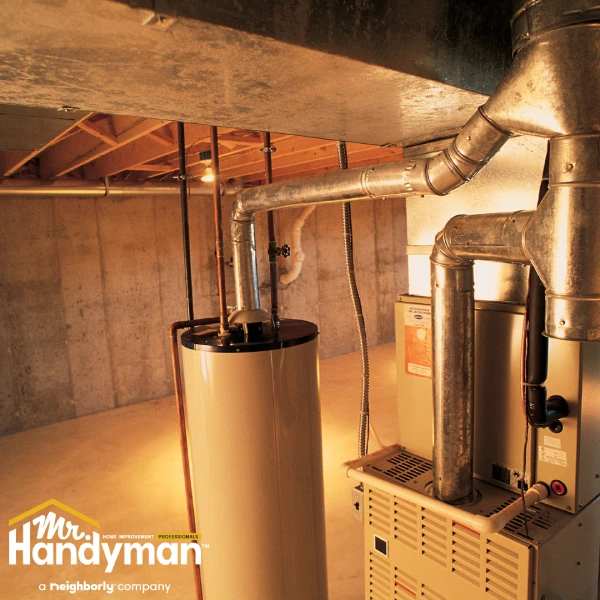
Proper furnace preparation involves:
- Evaluating airflow throughout the home
- Checking the blower assembly
- Assessing ignition components
- Ensuring the heat exchanger is intact
- Cleaning or replacing filters
- Examining the thermostat for accuracy
- Testing electrical connections
- Inspecting safety switches
A professional eye catches problems long before they evolve into mid-January breakdowns.
A dirty or clogged furnace filter is one of the most common reasons systems underperform in winter. In Michigan homes, filters tend to collect pollen in fall, dust from early furnace operation, and pet dander from months spent indoors. By the time temperatures plummet, airflow often becomes restricted without homeowners realizing it.
Restricted airflow leads to:
- Poor heating performance
- Overheating components
- Higher energy bills
- More indoor dust circulation
- Uncomfortable temperature variation
- Excessive strain on the blower motor
In older Ann Arbor and Chelsea homes, outdated duct systems amplify these issues.
Changing or cleaning the filter before winter ensures:
- Improved energy efficiency
- Longer furnace lifespan
- Better airflow in multi-level homes
- A more comfortable living environment
- Healthier indoor air quality
A simple filter replacement can dramatically improve overall heating performance.
Ductwork is the hidden highway that carries warm air through your home. But like any system, ducts wear down over time. In Michigan’s older homes—particularly those in Ann Arbor—duct leaks, gaps, and blockages are common. Even in newer homes, rodents, dust buildup, or improper installation can reduce efficiency.
Signs your ducts need attention include:
- Rooms that never quite get warm
- Higher-than-usual heating bills
- Frequent furnace cycles
- Excessive noise
- Dust accumulation on surfaces
- Musty or stale odors
Leaky ducts can waste up to 30% or more of your heated air—air you’ve already paid to warm.
Proper duct maintenance includes:
- Sealing gaps
- Checking insulation around exposed ducts
- Clearing debris
- Ensuring all vents open and close properly
- Identifying airflow blockages
A well-maintained duct system boosts furnace performance throughout winter.
The thermostat acts as the command center for your entire heating system. If it’s misreading temperatures or struggling to communicate with the furnace, your home won’t heat evenly—or efficiently.
Common thermostat concerns include:
- Faulty sensors
- Loose wiring
- Temperature drift
- Incorrect calibration
- Failure to activate heating cycles
- Battery depletion
- Placement issues (too close to windows, vents, or sunlight)
A thermostat that is even two degrees off can raise energy bills significantly during winter.
Thermostat optimization provides:
- More stable indoor temperature
- Reduced furnace strain
- Lower heating costs
- Better energy control for multi-story homes
- Improved comfort during extreme cold spells
Modern smart thermostats may offer additional features but still require occasional calibration and inspection.
Fireplaces—whether wood-burning or gas—are beloved winter features across the Ann Arbor region. But fireplaces also come with risks if they are not inspected and maintained before winter begins. A neglected fireplace can lead to poor ventilation, smoke issues, structural problems, or even chimney fires.
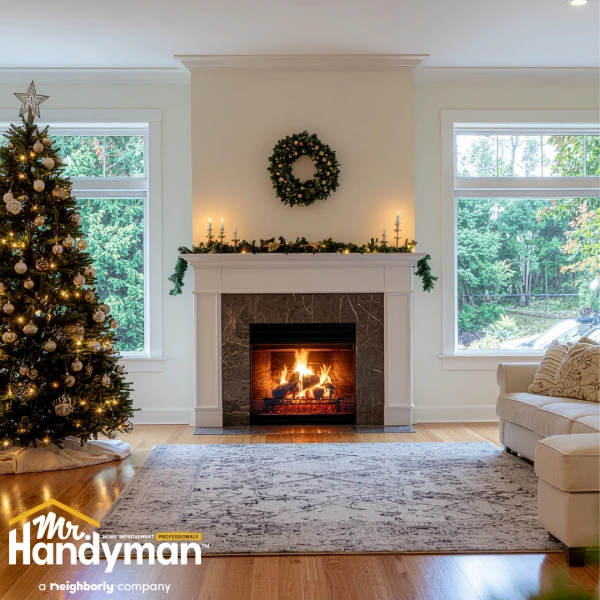
Wood-burning fireplaces often require:
- Chimney inspections
- Creosote removal
- Damper adjustments
- Firebox repairs
- Brick and mortar assessment
- Verification of proper ventilation
Gas fireplaces may require:
- Ignition testing
- Gas line inspection
- Cleaning of burners
- Pilot light evaluation
- Carbon monoxide safety checks
In many older Michigan homes, chimneys are original or decades old. Mortar joints may crack. Liners may deteriorate. These issues worsen with each freeze-thaw cycle, making proactive winter preparation essential.
Carbon monoxide (CO) is a serious concern during winter because heating systems run longer and homes remain closed tightly. CO is odorless, invisible, and dangerous. Any issue with a furnace, fireplace, or ventilation system can increase risk.
Key CO safety measures include:
- Testing detectors
- Replacing outdated detectors
- Checking batteries
- Ensuring proper placement on each floor
- Inspecting furnace exhaust lines
- Verifying fireplace ventilation
A home is only as safe as its ability to identify issues early. Proactive measures prevent emergencies.
Humidity levels drop significantly in Michigan winters, often leading to dry skin, static electricity, cracked wood trim, and discomfort. A furnace that runs constantly removes moisture from the air, sometimes excessively.
If the home becomes too dry, homeowners may notice:
- Increased dust
- Dry sinuses
- Cracking wood floors
- Warping cabinets
- Peeling caulk
- Difficulty maintaining consistent temperatures
Humidifier systems require annual maintenance, especially before winter.
Benefits of proper humidity control include:
- Improved comfort
- Better air quality
- Protection for hardwood flooring
- Reduced static shocks
- Lower risk of respiratory irritation
Balanced humidity supports both home health and personal comfort.
A furnace breakdown during a Michigan winter can quickly become an emergency. With temperatures regularly dropping below freezing, a home without heat can experience:
- Frozen pipes
- Unsafe indoor temperatures
- Damage to flooring or finishes
- Severe discomfort or health risks
Emergency repairs often stem from issues that could have been prevented through routine inspection. This is why winter preparation is not optional—it is essential.
Preparing your home’s heating systems before winter ensures safety, comfort, efficiency, and peace of mind. When every component of the furnace, ducts, thermostat, fireplace, and ventilation system is operating correctly, your home stays warmer, your energy bills stay lower, and your family stays safer.
Preparing your home for winter in Ann Arbor, Saline, and Chelsea is about more than tuning up a furnace or cleaning a fireplace—it’s about creating a reliable ecosystem of warmth, safety, and efficiency. Winter in Washtenaw County can shift rapidly, with sudden snowfalls, unpredictable cold snaps, and prolonged periods of sub-freezing temperatures. The heating systems in your home must be prepared not simply to operate, but to operate dependably, efficiently, and safely for months at a time.
Many homeowners perform small tasks each fall—changing a furnace filter, dusting vents, stacking firewood. But winter readiness requires deeper attention to the entire heating infrastructure. A home’s furnace, fireplace, ventilation system, insulation, ductwork, thermostat, safety detectors, and structural components all interact with each other. When one area is neglected, the entire home experiences the consequences.
The following breakdown takes a comprehensive look at the winter preparation process, expanding beyond furnace basics to include comfort strategies, energy savings, fire safety, structural protection, and long-term maintenance planning. This perspective allows homeowners in the Ann Arbor region to understand not just the “what,” but the “why” behind each maintenance step—and how proactive care significantly reduces the risk of mid-winter emergencies.
Michigan winters are notorious for wide temperature swings. A home might be 10°F on a January morning and rise to 35°F by afternoon. These fluctuations affect everything—not only heating systems, but also structural elements such as windows, doors, foundation joints, and exterior walls.
Temperature fluctuation causes:
- Expansion and contraction of building materials
- Strain on furnace components
- Increased cycle time of heating systems
- Air leaks becoming more pronounced
- Chimney masonry weakening over time
- Drafts entering through window frames
- Condensation forming in poorly insulated areas
The more a system has to compensate for these external changes, the harder it must work—and the more important winter preparation becomes.
Proper insulation is one of the strongest defenses against heat loss, high utility bills, and inconsistent indoor temperatures. Homeowners in Ann Arbor, Saline, and Chelsea live in a climate where insulation quality can dramatically influence overall comfort.
Well-insulated homes experience:
- Longer heat retention
- Less furnace cycling
- Lower energy consumption
- More stable indoor temperatures
- Reduced drafts and cold spots
Under-insulated homes often show signs such as:
- Cold upper floors
- Ice dams forming on roofs
- Heating “zones” instead of whole-home warmth
- Significant temperature difference between rooms
- High heating costs during December–February
Winter readiness extends beyond mechanical systems—insulation enhancement is often one of the most impactful upgrades a homeowner can make.
Air leaks allow warm indoor air to escape while letting cold outdoor air enter the home. These leaks are extremely common in Michigan because freeze-thaw cycles widen gaps around windows, doors, siding, and exterior trim.
Typical areas requiring inspection include:
- Window frames
- Exterior door weatherstripping
- Attic hatches
- Garage-to-home entry doors
- Basement rim joists
- Chimney surrounds
- Electrical outlets on exterior walls
- Sliding patio doors
Even a small air gap can create a steady draft that forces the furnace to work harder.
Air-sealing benefits include:
- Improved furnace efficiency
- Reduced cold spots
- Lower monthly utility bills
- Enhanced comfort in multi-story homes
- Prevention of moisture-related issues
Homeowners often underestimate how much a simple air-sealing update can transform winter comfort.
The fireplace is a beloved winter feature for many homes across Washtenaw County, but it is also one of the most common sources of winter heating complications. A fireplace that has not been properly inspected can allow smoke to backdraft, reduce heating efficiency, or even create a fire hazard.
Fireplace and chimney risks include:
- Creosote buildup increasing fire potential
- Damaged flue liners
- Blocked or stuck dampers
- Cracked firebricks
- Soot entering the home
- Birds nesting in chimneys
- Weather damage from previous seasons
Michigan’s humid summers and cold winters accelerate chimney wear, especially in older Ann Arbor and Chelsea homes where fireplaces may be original to the structure.
A properly maintained fireplace provides:
- Safer operation during heavy winter use
- More consistent heating
- Less smoke intrusion
- Better indoor air quality
- Stronger confidence when using the feature around family
Regular ventilation checks are equally important. Proper airflow prevents:
- Carbon monoxide accumulation
- Smoke buildup
- Inefficient heating
- Poor combustion in gas fireplaces
Fireplaces are comforting—but only when kept in excellent working condition.
Indoor air quality is especially important during Michigan winters because windows remain closed for months at a time. With less fresh air exchanging into the home, dust, allergens, and pollutants tend to build up quickly.
Factors that reduce air quality in winter include:
- Dry indoor air
- Continuous furnace cycling
- Dirty ductwork
- Fireplace residue
- Outdoor contaminants entering during brief door/window openings
- Increased time indoors for families and pets
Improving air quality before winter includes evaluating:
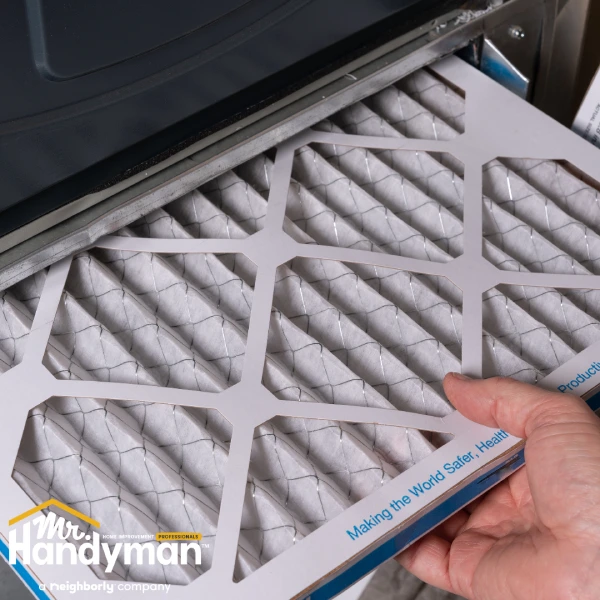
- Furnace filters
- Humidifier systems
- Duct cleanliness
- Ventilation pathways
- Fireplaces and chimneys
- Exhaust fans in kitchens and bathrooms
Cleaner air reduces respiratory discomfort, protects individuals with allergies, and promotes better sleep.
High energy costs are a major concern for homeowners in the Ann Arbor region, especially during December through February. Heating a home in Michigan is not inexpensive, but a well-prepared furnace and fireplace system dramatically reduces unnecessary energy waste.
Energy savings result from:
- Optimized furnace performance
- Sealed air leaks
- Clean filters and ducts
- Balanced humidity levels
- Proper thermostat calibration
- Efficient fireplace use
- Improved insulation and weatherproofing
Many homeowners see noticeably lower heating bills simply by preparing their homes before the winter storms arrive.
A home that is not winter-ready faces higher risks for:
- Sudden furnace failure
- Chimney fires
- Carbon monoxide events
- Frozen pipes
- Heat loss
- Excessive energy bills
- Inconsistent temperatures
- Reduced indoor air quality
Winter emergencies are not only uncomfortable—they can be dangerous, especially during severe cold or major snowfall.
Proactive preparation prevents:
- Late-night service calls
- Mid-winter system shutdowns
- Unsafe indoor conditions
- Structural damage from cold weather
- Unexpected costs
Routine maintenance remains the simplest, most cost-effective approach to long-term winter safety.
One of the most overlooked benefits of proper winter home preparation is the impact on daily comfort. When your heating system works harmoniously with your insulation, vents, fireplace, and thermostat, your home feels warm in every room—not just near the furnace or fireplace.
Well-prepared homes experience:
- Balanced heat in upper and lower floors
- Fewer cold corners or “draft zones”
- Better humidity control
- More restful sleep
- Improved family comfort during long winter months
Comfort is not a luxury—it is an essential part of winter quality of life.
Preparing a home for winter requires an understanding of Michigan’s climate, the unique characteristics of homes in Ann Arbor, Saline, and Chelsea, and the behavior of heating systems under seasonal stress. When homeowners invest in proper maintenance, they gain peace of mind, improved efficiency, lower costs, and a safer, healthier living environment.
If your home in Ann Arbor, Saline, or Chelsea needs furnace, fireplace, or winter-prep support, My Handyman of Ann Arbor, Saline & Chelsea is ready to help ensure your home stays warm, safe, and efficient throughout the season.