
What Southeast Michigan Homeowners Don't Know Is Costing Them
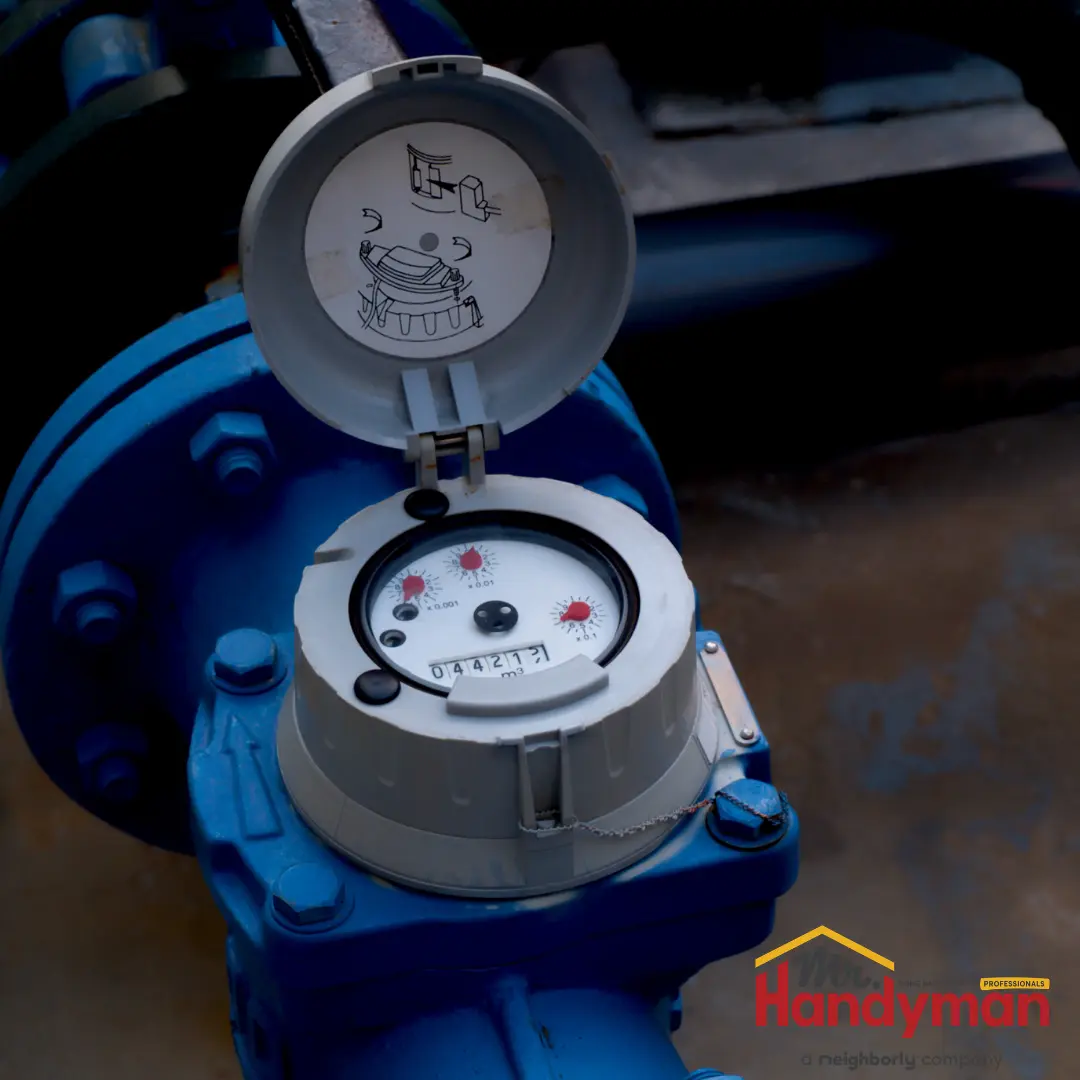
The plumbing system in a South Oakland or Central Macomb home operates almost entirely out of sight. Supply lines run behind walls and beneath floors. Drain systems move waste through the building envelope without visible evidence of what accumulates inside those pipes between service events. Water heaters sit in utility rooms cycling through heating sequences while biological film and moderate mineral sediment build on tank surfaces and anode rods deplete toward the threshold where tank wall corrosion begins advancing past the protective function those rods provide. Stop valves at every toilet, sink, and appliance position carry the biological accumulation and moderate mineral contact that Great Lakes Water Authority surface water has been depositing in those internals since installation, advancing toward the seized condition preventing emergency isolation when an active supply failure requires it.
The routine plumbing inspection exists precisely because the plumbing system's invisible operating character means developing conditions advance toward failure thresholds without the visual communication other household systems provide before reaching consequential deterioration. The Birmingham or Bloomfield Hills roof needing replacement shows curling shingles visible from the ground. The Royal Oak HVAC system needing service delivers the performance changes occupants notice during daily use. The plumbing system advancing toward failure delivers almost no external signal until the failure itself arrives, and in the Southeast Michigan regional context, the failure that GLWA surface water's biological activity, the Great Lakes freeze-thaw cycling, and the compressed but active summer's demand have been accelerating toward arrives with the full cost and disruption that early inspection investment specifically prevents.
The South Oakland and Central Macomb market's sophisticated residential culture adds the inspection motivation that the active Oakland County listing environment and the design-aware buyer pool those communities create as the property condition context. The Birmingham, Bloomfield Hills, and Troy homeowner whose plumbing system carries the developing conditions routine inspection identifies at the early stage avoids the disclosure obligation, the buyer due diligence discovery, and the negotiated concession that active failure or advanced deterioration creates in the transaction environment those sophisticated markets specifically produce. Documented routine inspection records communicate the property stewardship the Southeast Michigan market rewards in ways that the absence of those records cannot replicate when listing activity concentrates the sophisticated buyer assessment those communities sustain as the ongoing property evaluation context.
The Southeast Michigan Case for Routine Plumbing Inspections

The case for routine plumbing inspections in South Oakland and Central Macomb is stronger than the same case in more moderate or less water-active markets because the regional mechanisms specifically advance household plumbing toward failure thresholds at rates those other markets without the combined conditions do not produce between comparable maintenance intervals.
The Great Lakes winter's genuine freeze-thaw cycling stresses building envelope-adjacent supply components at crawl space, basement, and exterior wall positions through every cold season. The GLWA surface water's biological activity the warm Southeast Michigan summer activates in drain pipe surfaces, aerator screens, showerhead nozzles, and pressure reducing valve internals advances those positions through the warm months between inspection events. The road salt season's chemical contact at foundation and exterior wall positions in treated road corridors advances deterioration at those building envelope-adjacent plumbing positions the Great Lakes climate's specifically regional corrosive winter mechanism creates. The compressed but active summer social calendar concentrating the Southeast Michigan household's outdoor entertaining demand through kitchen drain and outdoor plumbing positions between professional maintenance events loads those systems at the compressed rates the regional social calendar's excellent but brief warm season creates.
Every developing condition routine inspection identifies at the early stage represents the cost-effective intervention that the same condition requires at a fraction of the emergency repair cost the same condition demands at the failure stage. The washing machine supply hose developing a fitting bulge that inspection identifies costs a planned replacement. The same hose, undiscovered through active failure in an unoccupied Birmingham home during a summer vacation week, delivers water damage remediation costs that the Oakland County insurance industry documents as among the most expensive residential water damage scenarios those sophisticated homeowners encounter. The water heater anode rod depletion that annual inspection identifies costs a simple rod replacement. The same depletion, undiscovered past the point where tank wall corrosion advances to the leak threshold, costs tank replacement alongside whatever remediation the leak reached before discovery.
What a Routine Plumbing Inspection Covers in a Southeast Michigan Home
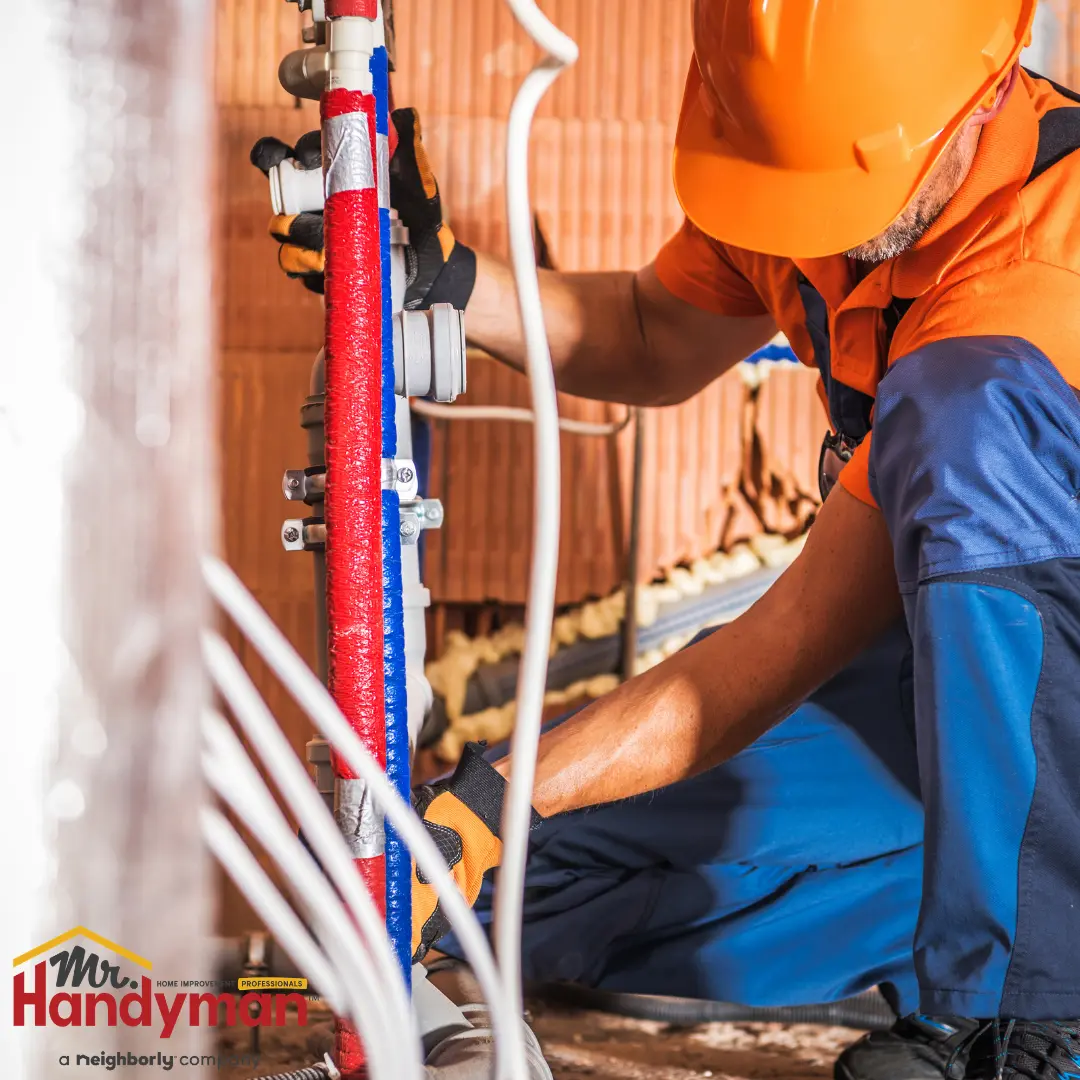
The comprehensive routine plumbing inspection South Oakland and Central Macomb homes benefit from annually addresses the supply system, the drain system, the water heater, the fixture conditions, the outdoor plumbing positions, and the sump pump systems the Great Lakes climate's summer storm activity makes specifically consequential in those regional homes.
Supply system inspection evaluates the visible supply pipe conditions in accessible basement, crawl space, and utility positions for the corrosion, the joint deterioration, and the pipe material conditions the home's construction era and the GLWA water's accumulated biological and chemical contact have advanced. For older Birmingham, Royal Oak, and Warren area homes, supply system inspection includes pipe material identification confirming or ruling out the polybutylene presence the 1978 to 1995 construction window may have introduced, the galvanized steel corrosion assessment pre-1960s supply systems warrant, and the copper pinhole leak pattern evaluation the GLWA water's biological activity and treatment chemistry advance in aging copper supply systems between major repair events. The inspection identifying galvanized steel restriction before it advances to active failure, or confirming polybutylene presence before the fitting failure that material produces delivers active supply pressure into the building, provides the repair timing emergency circumstances do not afford.
Drain system inspection evaluates the drain line performance, the P-trap and clean-out access conditions, and the biological accumulation the GLWA surface water's warm season activity and the household's cooking grease loading have created in those drain surfaces between professional cleaning events. Running water through every fixture drain position and observing whether flow drains quickly and completely or communicates the partial restriction biological and grease accumulation advances identifies the professional cleaning adequate drain capacity restoration requires before active backup events create the health and property damage restricted drains eventually produce. The cast iron drain systems in older Birmingham, Royal Oak, and Warren area homes warrant the camera inspection assessment confirming biological accumulation, root intrusion, and joint condition that surface-level performance assessment cannot fully evaluate without visual confirmation of interior pipe conditions.
Water heater inspection evaluates the tank condition, the sediment level assessment reflecting the GLWA water's biological and moderate mineral accumulation, the anode rod depletion status, the supply and outlet connection integrity, the temperature and pressure relief valve function, and the flue and venting conditions for gas units. The water heater inspection identifying the anode rod depletion before tank wall corrosion advances to the leak threshold extends the tank's service life through the simple rod replacement the depletion assessment motivates before the tank itself requires replacement. The finished basement spaces Bloomfield Hills, Birmingham, and Troy homeowners protect through annual water heater inspection specifically motivate that assessment timing given the below-grade water damage those finished investment positions carry if water heater leak events occur without the early identification annual inspection provides.
Fixture inspection evaluates the faucet aerator biological restriction and moderate mineral accumulation, the showerhead spray pattern and nozzle condition, the toilet flapper integrity and tank-to-bowl seal, the supply stop valve function at each fixture position, and the visible supply and drain connection conditions each fixture presents. The fixture inspection identifying developing aerator biological restriction before summer heat accelerates that biological activity to the frustrating flow reduction peak seasonal demand concentrates addresses those conditions at the simple cleaning or replacement scope rather than the compounded frustration summer demand and inadequate fixture performance create simultaneously.
Outdoor plumbing inspection evaluates the hose bib vacuum breaker integrity, the outdoor faucet supply connection conditions after the Great Lakes winter's freeze-thaw cycling, and the sump pump function the Great Lakes climate's summer storm activity makes specifically consequential in South Oakland and Central Macomb homes whose below-grade finished spaces those systems protect. The sump pump inspection confirming float function, discharge line integrity at both the pump outlet and the exterior discharge point, and backup power capability before the active summer storm season provides the operational baseline that mid-summer storm events then test without the discovery that pump failure during an active storm creates in the Birmingham, Bloomfield Hills, and Troy finished basement spaces those sump pump systems specifically protect.
The Great Lakes Climate Creates Two Natural Inspection Windows

The Southeast Michigan climate's genuine four seasons create the natural inspection timing that the regional conditions motivate as the most productive assessment windows for the specific plumbing conditions those seasons advance and reveal.
Spring inspection timing follows the Great Lakes winter's freeze-thaw cycling and precedes the summer's increased demand concentration and the active storm season's sump pump testing. Spring inspection captures the supply connection conditions winter thermal cycling advanced, confirms the outdoor faucet supply integrity and vacuum breaker function after the freeze season, assesses the water heater sediment accumulation the heating season's concentrated hot water demand advanced, evaluates the sump pump condition before the summer storm season activates its demand, and assesses drain system biological accumulation and capacity before the summer cookout season and hosting volume concentrate grease loading through those positions. The spring inspection window provides the pre-summer baseline confirming household plumbing adequacy before the warm season's specific demands test those conditions under the concentrated pressure the compressed but excellent Southeast Michigan active season creates.
Fall inspection timing prepares the South Oakland and Central Macomb home's plumbing for the approaching Great Lakes winter the regional climate delivers as the genuine freeze season outdoor plumbing positions and building envelope-adjacent supply lines specifically require preparing for. Fall inspection confirms the outdoor faucet winterization, evaluates the pipe insulation conditions at crawl space and basement positions where winter freeze exposure warrants confirming thermal protection, assesses the water heater condition entering the heating season, and confirms the sump pump discharge line is clear of the debris accumulation fall leaf activity creates at exterior discharge points before winter freezing conditions seal those obstructions in position.
Frequently Asked Questions
How often should South Oakland and Central Macomb homeowners schedule routine plumbing inspections?
Annual inspections provide the baseline frequency the GLWA surface water's biological activity and moderate mineral contact rates, the Great Lakes climate's seasonal extremes, and the household plumbing system's invisible operating character together warrant. Older Birmingham, Royal Oak, and Warren area homes whose construction decade produced galvanized steel, polybutylene, or aging copper supply systems benefit from the semi-annual inspection frequency those more urgent material conditions warrant. Newer homes in the standard copper and PEX supply era benefit from annual inspection confirming the GLWA water's biological and moderate mineral accumulation in water heater tanks, stop valve internals, and fixture positions between those assessment events.
What is the most valuable plumbing inspection finding for a South Oakland and Central Macomb homeowner?
Stop valve biological film and mineral accumulation advancing toward seizure identification provides the most urgently valuable finding because the GLWA surface water's biological activity and treatment chemistry create the internal valve condition advancing toward the seized position without external signal and without performance effect on the fixture served during normal operation. The valve seized in the open position for years delivers normal fixture function right up until an active supply failure creates the emergency isolation demand the seized valve cannot meet. The inspection identifying that condition before the emergency arrives provides the replacement timing maintaining the household's emergency response capability rather than discovering its absence during the worst possible circumstances.
Can a South Oakland and Central Macomb homeowner perform their own routine plumbing inspection?
Homeowners can effectively assess the visible conditions accessible positions present, including aerator flow performance, toilet running confirmation, under-sink visual assessment for moisture evidence, and outdoor faucet function after winter. The scope benefiting from professional expertise includes supply pipe material identification in older homes, pressure gauge assessment at the pressure reducing valve and outdoor hose bib, water heater sediment and anode rod evaluation, drain system camera assessment for biological accumulation and root intrusion in older cast iron systems, sump pump comprehensive function testing, and stop valve condition evaluation distinguishing adequate function from developing biological and mineral seizure. The combination of homeowner visual assessment and periodic professional inspection provides the most comprehensive plumbing condition awareness the Southeast Michigan regional context warrants.
How does the Southeast Michigan sump pump specifically factor into routine plumbing inspections?
The Great Lakes region's topography, the regional precipitation distributed through both winter snowmelt and summer storm activity, and the active Southeast Michigan summer storm season create the basement moisture management demand sump pump systems serve in the South Oakland and Central Macomb homes protecting significant finished basement investment through those systems. Annual sump pump inspection confirming float function, discharge line integrity, check valve operation, and backup power capability provides the operational confidence that mid-summer storm events test without the discovery that pump failure during an active storm creates in the below-grade finished spaces Birmingham, Bloomfield Hills, and Troy homeowners have invested significant renovation dollars in protecting through those sump pump systems.
What should South Oakland and Central Macomb homeowners do between professional plumbing inspections?
Monthly visual checks beneath every sink for moisture evidence, semi-annual aerator cleaning at kitchen and bathroom faucets addressing the GLWA water's biological activity and moderate mineral accumulation, annual water heater temperature and pressure relief valve testing, periodic toilet flapper assessment confirming adequate tank seal, quarterly sump pump float function verification through the active storm season, and the post-cookout hot water flushing the summer's biological adhesion surface and grease loading warrants in regional kitchen drains all together provide the between-inspection homeowner maintenance extending professional inspection's protective value through the annual calendar.
South Oakland and Central Macomb Plumbing Inspected and Protected
The routine plumbing inspection converts the South Oakland and Central Macomb home's plumbing system from the invisible, advancing-toward-failure condition that deferred assessment allows into the documented, managed, early-intervention-positioned system the GLWA surface water's biological activity, the Great Lakes climate's seasonal demands, and the compressed but active summer social calendar's hosting concentration together require to perform reliably through every season. From the GLWA water's biological accumulation in water heater tanks, stop valve internals, and aerator screens to the Great Lakes winter's freeze vulnerability at outdoor and building envelope-adjacent pipe positions, from the summer storm season's concentrated sump pump demand protecting significant finished basement investment to the active social calendar's cookout grease loading in kitchen drain systems, the Southeast Michigan region's specific conditions create the proactive inspection case that routine assessment investment consistently vindicates through the emergency repairs it prevents and the service life extensions it delivers.
Mr. Handyman of South Oakland and Central Macomb
Website: https://www.mrhandyman.com/bloomfield-birmingham/
Serving homeowners throughout South Oakland and Central Macomb communities with dependable service and the expertise your home deserves.