
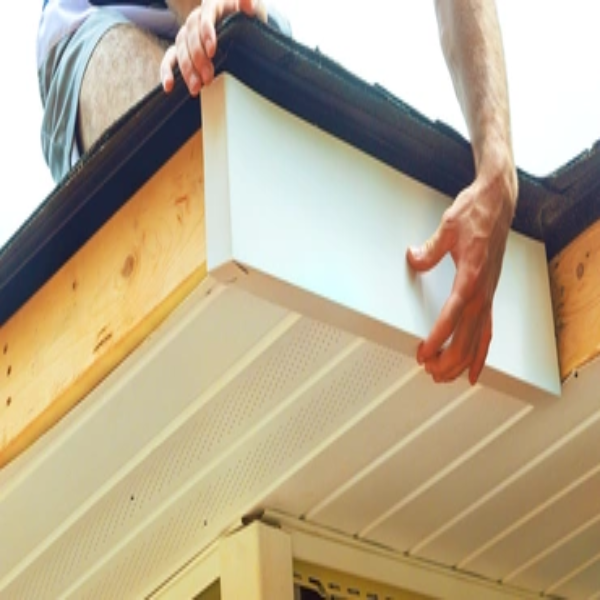
Most Hillsborough County homeowners don't think about their soffits and fascia until something is visibly wrong, and by that point, the damage has usually been progressing for a full season or more. Soffit and fascia repair addressed ahead of storm season costs far less and causes far less disruption than emergency repair after panels have failed and driven rain into the attic and wall cavity. At Mr. Handyman serving Citrus Park and Keystone, our team handles soffit repair, fascia repair, and exterior carpentry services for homes and commercial properties throughout Hillsborough County. Here's what this guide covers:
- What soffits and fascia do and why both are critical to your home's storm resilience
- Why Hillsborough County's climate accelerates deterioration faster than most homeowners expect
- A yearly inspection checklist to run before storm season
- How to choose the right repair approach for each damage level
- What professional soffit and fascia repair includes from assessment to finish
How Soffits and Fascia Protect Your Home and Where They Fail
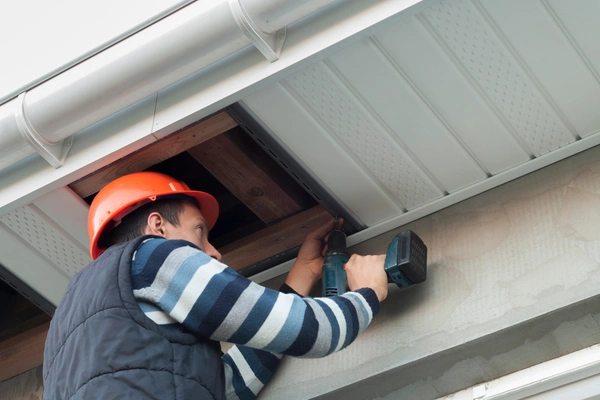
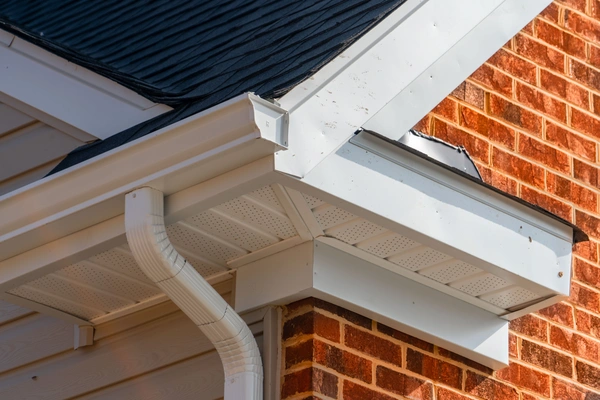
Soffits are the panels that enclose the underside of the roof overhang. Fascia boards run along the roofline, cap the ends of the rafter tails, and provide the mounting surface for gutters. Together they form the finished perimeter of the roof system and serve as the primary barrier between the elements and the attic and wall cavity beneath.
A University of Florida study commissioned by the Florida Building Commission found that soffit wind load resistance requirements were only codified in Florida in 2006, even though the state has the highest hurricane exposure of any in the U.S. Homes built before that threshold, which represents a large portion of the housing stock across Citrus Park, Keystone, Northdale, and Westchase, may have soffit systems installed to pre-code standards that weren't designed with current wind load expectations in mind.
Hillsborough County's climate compounds the problem year-round. High humidity and frequent storm activity accelerate rot in wood fascia, degrade sealants and paint films, and stress panel fasteners through repeated thermal cycling. Salt air from Tampa Bay affects communities throughout the county's western neighborhoods. And UV intensity breaks down the protective coatings on aluminum and vinyl soffit panels over time, making brittle panels more vulnerable to wind uplift when storms arrive.
7 Things to Check on Your Soffit and Fascia Before Storm Season
Catching deterioration before it becomes storm vulnerability is the purpose of a yearly inspection. Here's what our team evaluates on service calls throughout Hillsborough County.
1. Soffit Panel Condition at Every Elevation
Walk each side of the house and look at the soffit panels from below. Sagging, warping, or panels that have separated from the channel or receiver are visible signs of fastener failure or moisture damage. Cracked soffit panels are a particular concern because they can restrict attic ventilation even when the vent openings themselves appear clear, disrupting the airflow balance that keeps attic temperatures from spiking in Florida's summer heat.
2. Fascia Board Surface Condition and Paint Integrity
Wood fascia that shows peeling paint, surface cracking, or staining at the top edge has likely been absorbing moisture. Fascia board deterioration almost always originates at the joint where the roof deck overlaps the top of the board, a location not visible from the ground. A screwdriver probe along the top edge from a ladder takes less than a minute and confirms whether the paint is masking soft wood beneath.
3. Gutter Condition and Fascia Attachment
Gutters mount directly to the fascia, and the condition of one directly affects the other. Rotted fascia can cause gutters to sag or pull away from the roofline, which shifts water runoff away from the downspout and onto the fascia and foundation below. Check gutter hangers for corrosion or separation, look for sagging runs, and confirm downspouts are draining freely. Hillsborough County's average annual rainfall puts consistent load on gutters, and deferred gutter maintenance becomes a fascia repair problem within a season or two.
4. Soffit Vent Openings and Proper Ventilation
Soffit vents drive the intake side of attic ventilation, pulling cooler air in at the eave line and allowing hot air to exhaust through ridge or gable vents above. Blocked vents raise attic temperatures, accelerate roof deck deterioration, and increase cooling loads throughout the home. Check that vent openings are clear of paint overspray, debris, and pest nesting. Proper ventilation through the soffit is also a factor in attic moisture management, which directly affects the longevity of the roof system above.
5. Caulk and Sealant Condition at Panel Joints
The seams where soffit panels meet the fascia board, the wall, and exterior trim are the primary water entry points when caulk fails. Florida's UV environment breaks down sealants in three to five years without maintenance. Any gap, crack, or separation at these transitions is an active pathway for wind-driven rain to work behind the panels and into the structural components. Recaulking before storm season at these locations is low-cost prevention.
6. Evidence of Pest Activity in the Soffit System
The underside of the roof overhang is a common nesting location for wasps, wood-boring beetles, and occasionally birds or squirrels. Mud dauber nests packed into soffit seams, sawdust beneath wood soffit sections, or any gap at corner transitions where panels have separated all warrant investigation. Corner sections are structurally the most vulnerable point in any soffit system and the most common location for pest entry and panel failure.
7. Interior Attic Indicators at the Roof Edge
The most reliable confirmation that soffit or fascia damage has progressed is visible from inside the attic. Water staining on the decking near the eaves, daylight visible through the soffit or at the roof edge, or compressed insulation near the perimeter all indicate the exterior envelope has already been breached. This check takes a few minutes and regularly surfaces damage that's invisible from the ground.
Choosing the Right Repair Approach
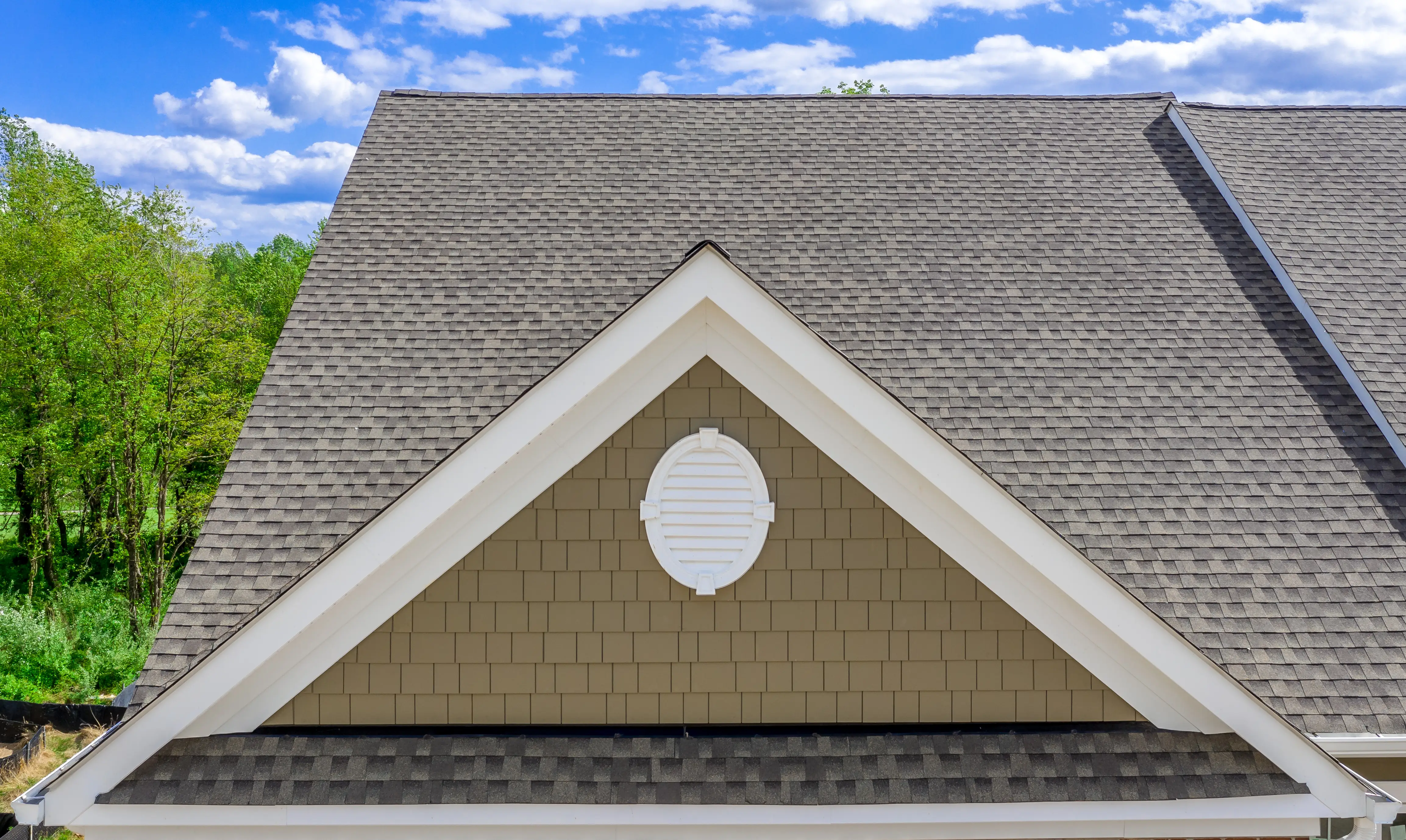
The right scope depends on how far the deterioration has progressed into the structural components. Using durable fascia materials and properly rated soffit panels increases the longevity of the repair significantly compared to replacing in kind when the existing material has already shown premature failure.
| Damage Level | Condition | Right Approach |
|---|---|---|
| Minor | Surface caulk failure, peeling paint, single loose panel | Recaulking, repainting, panel refastening |
| Moderate | Localized fascia rot, isolated cracked or detached panels | Section replacement with matching or upgraded fascia materials |
| Advanced | Rot into rafter tails, widespread panel failure, gutter pulling away | Full fascia replacement, soffit replacement, structural repair |
When Soffit Repair or Partial Fascia Replacement Is the Right Call
Surface rot on fascia that hasn't reached the rafter tails, individual panels that have cracked or detached, and caulk or paint failure caught before moisture has penetrated the structural layer are all good candidates for targeted soffit repair or section replacement. Damaged fascia sections are cut back to sound wood, new material is spliced in and back-primed on all surfaces before installation, and soffit panels are replaced to match the existing profile. This approach is significantly less expensive than full replacement when the damage genuinely warrants it.
When Full Replacement Is the Better Investment
Fascia rot that has spread into the rafter tails, soffit panel failure across multiple elevations, or gutter damage driven by compromised fascia all point toward full replacement as the more cost-effective long-term solution. Our team assesses whether the existing material can be matched and whether targeted repair will hold before setting the scope. When full replacement proceeds, using more durable soffit and fascia materials than the originals reduces the likelihood of the same failure pattern recurring.
What Professional Soffit and Fascia Repair Includes
|
Step
|
What Happens |
|---|---|
| Full perimeter assessment | All soffit and fascia surfaces are inspected and probed before any repair plan is developed |
| Moisture entry point identification | Active or historical water intrusion at the roof edge, gutter, or wall transition is confirmed before repair |
| Material removal | Damaged sections are cut back cleanly, with rafter tails and backing inspected |
| Structural repair if needed | Compromised rafter tails or blocking members are treated or replaced before new material is installed |
| Installation | New soffit panels or fascia sections are fastened to current standards and finished to match |
| Caulking and sealing | All joints, transitions, and panel seams are sealed with exterior-grade product |
| Paint-ready finish | Repaired areas are primed and ready for topcoat |
We're proud to serve home and business owners in Odessa, FL, and nearby communities including Citrus Park, Keystone, Westchase, Carrollwood, Tampa, and beyond with soffit repair, fascia repair, and exterior carpentry services.
Frequently Asked Questions About Soffit and Fascia Repair
Homeowners across Citrus Park, Keystone, Odessa, and Westchase ask these questions most often when they're preparing for storm season or have found damage during an inspection.
Does homeowners insurance cover soffit and fascia damage in Florida?
Storm-caused soffit and fascia damage from wind, hail, or debris is typically covered under the dwelling portion of a homeowners policy. Damage from gradual deterioration or deferred maintenance generally is not. Our team documents the condition of the damaged area during assessment, which supports the claim process when storm causation is involved.
What soffit and fascia materials hold up best in Hillsborough County?
Fiber cement and aluminum are the strongest long-term performers in Hillsborough County's humid, storm-active climate. Fiber cement resists rot, UV degradation, and insects, and accepts paint well. Aluminum holds up in high-humidity environments without rotting. Using durable materials at replacement is one of the most effective ways to extend the service life of the repair and reduce the frequency of future maintenance. Vinyl is a common budget option but requires more frequent attention in Florida's UV environment.
How do I know if my soffit or fascia needs repair or full replacement?
A probe test along the fascia and an attic check at the roof edge give the clearest picture. Wood that compresses under light pressure, rafter tails that show staining or softness, and any daylight visible through the soffit from inside all indicate the damage has moved past surface-level repair. Our team assesses the full extent during the service visit and recommends the scope that matches the actual condition.
Schedule Your Storm Season Soffit and Fascia Inspection
Damage to the soffit and fascia system rarely reverses itself. It compounds with each rain event, and storm season accelerates it significantly. Mr. Handyman serving Citrus Park and Keystone inspects, repairs, and replaces soffit and fascia systems throughout Hillsborough County with upfront pricing and the Neighborly Done Right Promise on every job.
Schedule your inspection today and go into storm season knowing your roof edge is in documented good condition.
