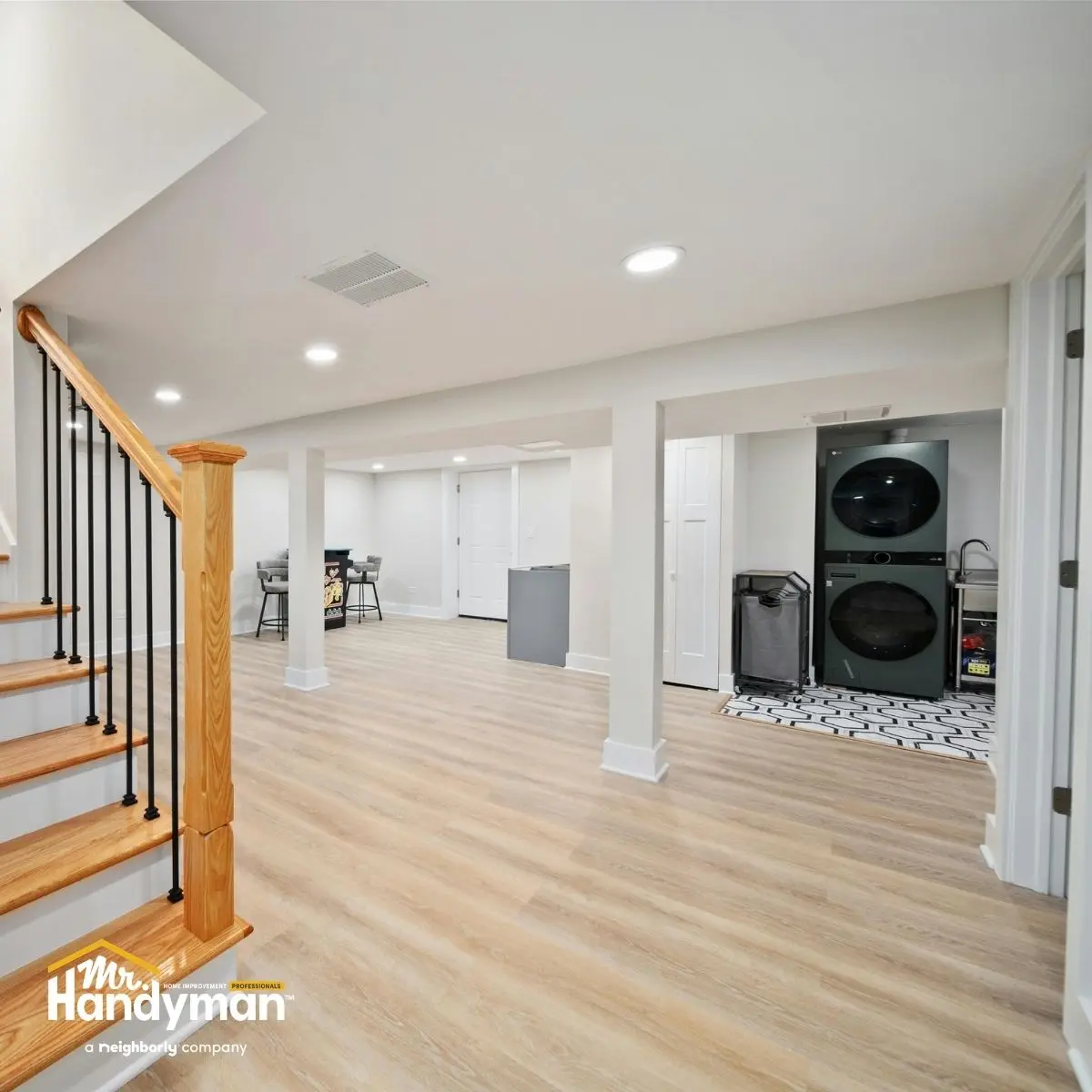
Basements in older homes are often underutilized. They're damp, dark, cluttered with storage, and treated as afterthoughts rather than functional living areas. Homeowners pile boxes in corners, run laundry, and avoid spending time there because the space feels uninviting. But basements represent square footage that's already part of your home, and with targeted improvements, they can become usable living areas that add value and functionality without the cost of building an addition.
Homes in Easton, Bethlehem, Nazareth, and Allentown typically have full basements because they were built during eras when basements served as utility spaces. These basements have low ceilings, small windows, exposed mechanicals, and concrete floors. Many have moisture issues from foundation seepage or poor drainage. Small, strategic improvements change that without requiring full gut renovations or five-figure budgets.
Transforming a basement into livable space doesn't mean finishing every square foot. It means addressing moisture, improving lighting, adding comfort, and creating defined areas that serve specific purposes. A basement that becomes a home office, playroom, gym, or guest suite adds functional square footage that makes daily life easier and increases your home's value.
Address Moisture and Humidity First
No basement improvement matters if moisture isn't controlled. Damp basements smell musty, promote mold growth, damage finishes, and make spaces uncomfortable. Before investing in flooring, paint, or furniture, moisture issues must be identified and resolved.
Check for visible signs of moisture—water stains on walls, efflorescence on concrete, damp spots on floors, or condensation on pipes. Basements in this region commonly experience moisture from foundation seepage, high groundwater, or poor exterior drainage.
Foundation sealing addresses water that seeps through porous concrete or cracks in walls. Hydraulic cement fills cracks and prevents water intrusion. Interior waterproofing membranes applied to walls block moisture from entering the space. Exterior drainage improvements prevent water from reaching the foundation. Gutters and downspouts that dump water near the house saturate soil and force water through basement walls. Extending downspouts at least ten feet from the foundation and ensuring the yard slopes away from the house reduces hydrostatic pressure.
Dehumidifiers control interior humidity and prevent condensation. Basements naturally have higher humidity than upper floors because they're cooler and less ventilated. Running a dehumidifier year-round keeps humidity below 50 percent, which prevents mold growth and makes the space more comfortable.
Sump pumps remove groundwater that enters through floor drains. If your basement has a sump pit, ensure the pump works and the discharge line carries water away from the foundation.
Improve Lighting to Brighten the Space
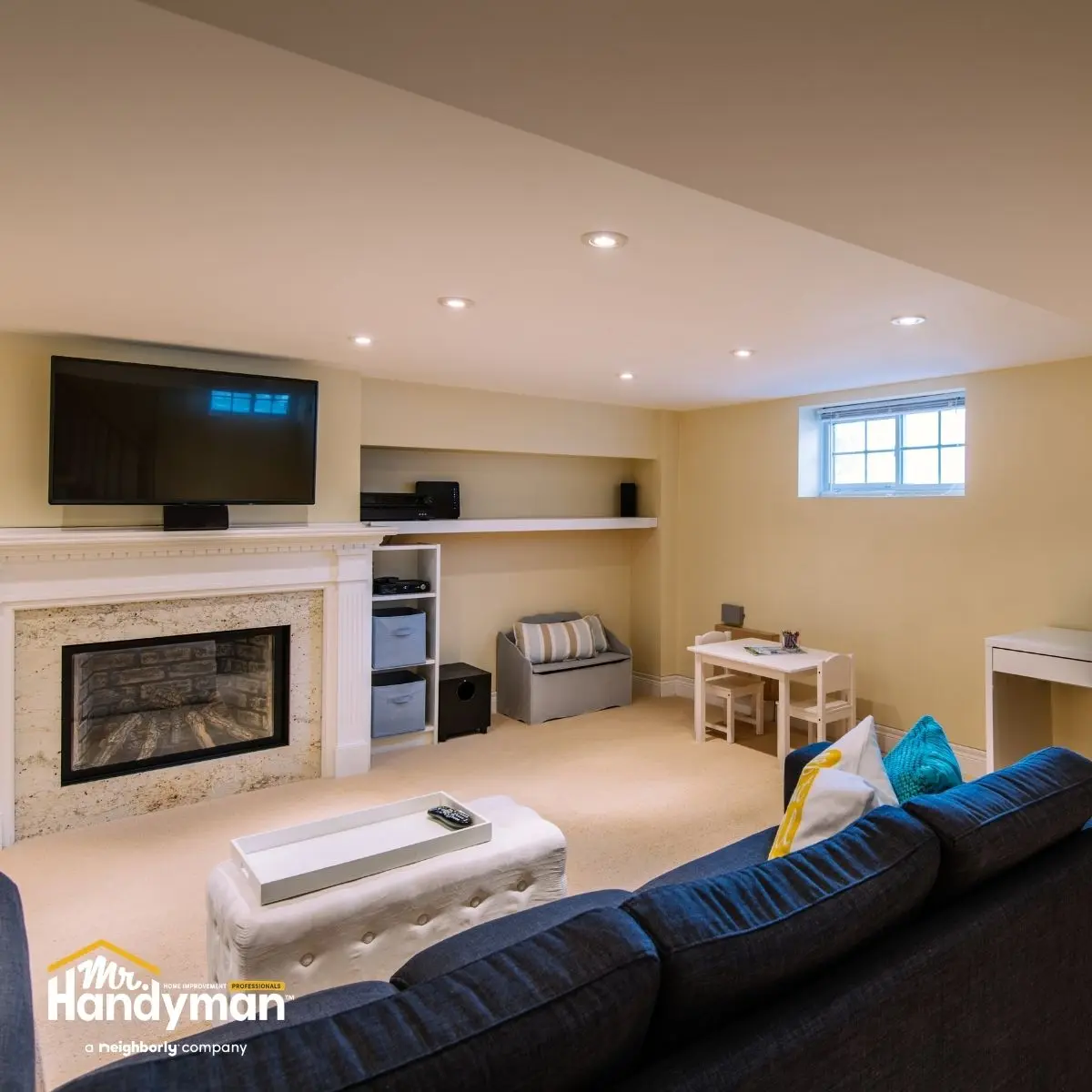
Basements are naturally dark because they're below grade with limited natural light. Small windows don't provide enough illumination to make the space feel inviting. Artificial lighting transforms dim basements into bright, functional areas.
Recessed lighting brightens the entire basement without taking up headroom, which matters in basements with low ceilings. Spacing recessed lights evenly across the ceiling eliminates dark corners and creates consistent illumination. LED bulbs are energy-efficient and produce bright, clean light.
Track lighting or surface-mount fixtures work in basements where running electrical for recessed lights isn't feasible. These fixtures install directly on ceilings or beams and provide adjustable, focused lighting.
Task lighting in specific areas improves functionality. Floor lamps near seating areas, desk lamps in home offices, or pendant lights over workbenches provide focused light where it's needed.
Window wells for basement windows increase natural light. Enlarging existing windows or adding new ones brings daylight into the space and makes it feel less confined. Egress windows are required by code for basement bedrooms and provide emergency exits.
Paint walls and ceilings in light colors to reflect light and make the space feel larger. White, light gray, or soft beige brightens basements and counteracts the heaviness of concrete and low ceilings.
Add Comfortable, Moisture-Resistant Flooring
Concrete floors are cold, hard, and uninviting. Adding flooring makes basements comfortable and usable, but choosing the right material matters because basements experience higher moisture levels than upper floors.
Luxury vinyl plank flooring resists moisture, installs easily, and mimics hardwood or tile. It's durable, comfortable underfoot, and suitable for basements where moisture is a concern. Floating installations don't require adhesive and can be removed if moisture issues develop.
Carpet tiles provide warmth and comfort and can be replaced individually if moisture damages a section. Rubber-backed or moisture-resistant carpet tiles are designed for below-grade spaces. Avoid wall-to-wall carpet in basements prone to dampness because it traps moisture and promotes mold.
Epoxy or painted concrete floors are budget-friendly and moisture-proof. Epoxy coatings seal concrete, resist stains, and create a durable surface that's easy to clean. Painted concrete brightens the space and protects against moisture.
Subfloor systems with built-in moisture barriers create a buffer between concrete and finished flooring. These systems elevate flooring slightly, allow air circulation, and prevent moisture from reaching finished surfaces.
Create Defined Spaces with Furniture and Layout
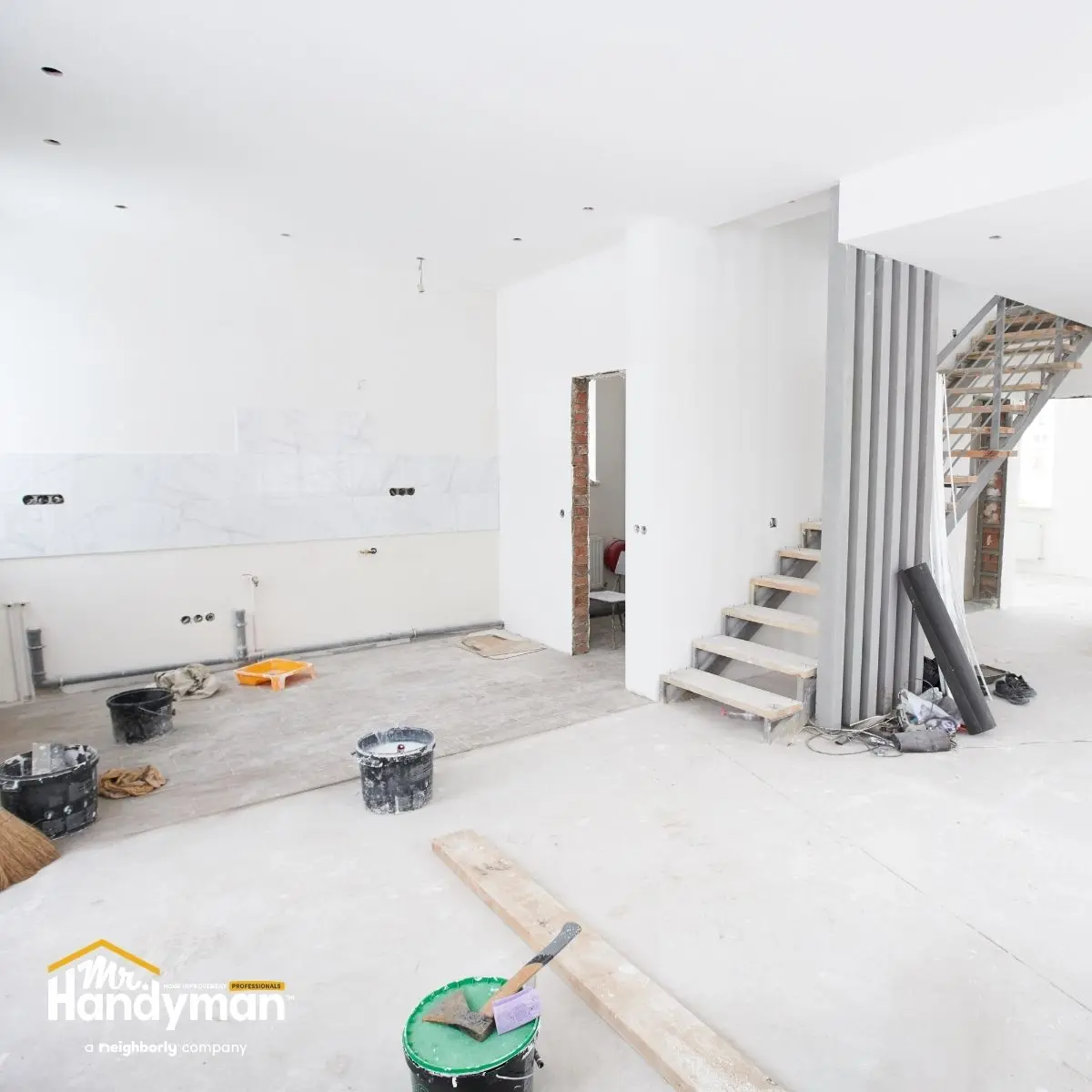
Basements often feel like one large, undefined room. Creating zones with furniture arrangement, area rugs, and room dividers makes the space functional and purposeful. Even without walls, defined areas make basements feel organized and intentional.
Home offices in basements provide quiet workspaces away from household activity. A desk, chair, filing cabinet, and good lighting create a functional office. Position the desk near a window if possible for natural light.
Playrooms keep toys and kid activities contained in one area. Soft flooring, storage bins, and durable furniture make basements ideal for children's spaces. Parents appreciate having play areas separated from main living spaces.
Gyms or exercise areas utilize basement space for equipment that's bulky and doesn't fit elsewhere. Rubber flooring protects concrete and reduces noise. Basements provide privacy for exercise without taking up valuable space upstairs.
Guest rooms add sleeping space for visitors. A bed, nightstand, and lamp create basic guest accommodations. Egress windows are required by code for basement bedrooms, so ensure compliance before marketing the space as a bedroom.
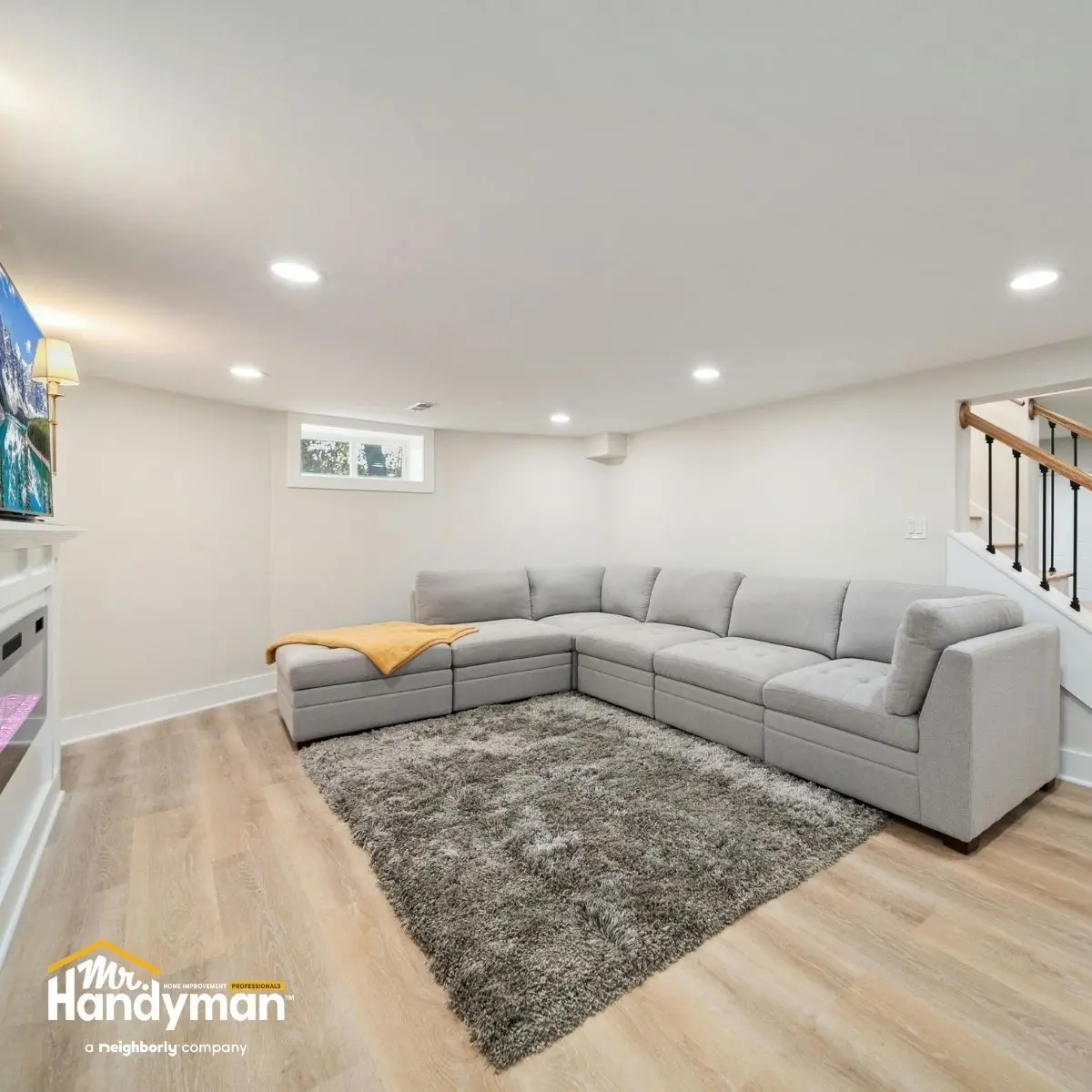
Entertainment spaces with seating, a TV, and game tables turn basements into family gathering areas. Sectional sofas, recliners, and media consoles create comfortable spaces for watching movies or hosting game nights. Basements naturally separate entertainment noise from bedrooms, which makes them ideal for these activities.
Insulate and Finish Walls for Comfort
Exposed concrete or stone foundation walls make basements feel cold and industrial. Insulating and finishing walls improves comfort, reduces energy costs, and makes the space feel like part of the home rather than a utility area.
Rigid foam insulation boards attach directly to concrete walls and provide thermal resistance without taking up much space. They prevent condensation and create a barrier between cold concrete and interior finishes. Foam boards work well in basements with limited clearance where framing walls would reduce usable space.
Framed walls with fiberglass or spray foam insulation create finished surfaces for drywall or paneling. Framing allows for electrical outlets, lighting, and more traditional wall finishes. Leave a gap between framing and concrete to allow airflow and prevent moisture from being trapped against the foundation.
Drywall creates smooth, paintable surfaces that make basements feel finished. Moisture-resistant drywall is recommended for basements to prevent mold growth if humidity levels rise. Tape, mud, and paint drywall just like upper floors for a cohesive appearance.
Paneling or beadboard adds texture and character while covering imperfect walls. These materials install quickly and hide minor flaws in concrete or framing. They're especially useful in basements where walls aren't perfectly straight or level.
Addressing exposed mechanicals like pipes, ductwork, and wiring improves appearance. Boxing in pipes with framed enclosures or painting them to blend with ceilings reduces visual clutter. If ceiling height allows, drop ceilings hide mechanicals while maintaining access for repairs.
Add Storage Solutions That Reduce Clutter
Basements naturally become storage areas, but unorganized storage creates chaos and wastes usable space. Adding dedicated storage solutions keeps belongings organized and frees up floor space for living areas.
Shelving units along walls provide vertical storage for bins, boxes, and seasonal items. Metal or plastic shelving resists moisture better than wood and supports heavy loads. Adjustable shelves accommodate items of different sizes.
Closets or storage rooms separate stored items from living areas. Framing a corner or alcove creates enclosed storage that keeps clutter out of sight. Adding doors makes the space feel more finished and prevents dust from accumulating on stored items.
Built-in cabinets or cubbies under stairs utilize awkward spaces that otherwise go unused. Custom shelving or cabinets fit these areas perfectly and provide storage for tools, sports equipment, or household supplies.
Pegboards on walls organize tools, craft supplies, or hobby equipment. They keep items visible and accessible without taking up floor space. Pegboards work well in workshop areas or utility zones where quick access matters.
Overhead storage racks in garages or utility areas hold seasonal decorations, camping gear, or rarely used items. These racks keep belongings off the floor and out of the way while remaining accessible when needed.
Upgrade HVAC and Ventilation for Comfort
Basements are often warmer in summer and cooler in winter than the rest of the house because they're partially underground. Without proper heating, cooling, and ventilation, they're uncomfortable and prone to moisture problems.
Extending HVAC ductwork into the basement brings conditioned air to the space and makes it usable year-round. Adding vents requires running ducts from the existing system, which is manageable if the furnace and air handler are already in the basement. If your HVAC system can't support additional zones, a mini-split system provides independent heating and cooling.
Portable heaters and air conditioners work as temporary solutions but aren't ideal for permanent living spaces. They're less efficient, take up floor space, and don't address underlying comfort issues.
Exhaust fans or ventilation systems reduce humidity and improve air quality. Bathrooms, laundry areas, and kitchenettes in basements need ventilation to remove moisture and odors. Whole-house ventilation systems or dedicated basement air exchangers bring in fresh air and exhaust stale air.
Insulating basement ceilings reduces heat loss from upper floors and makes basements feel warmer in winter. Insulation also reduces sound transmission, which matters if the basement is used as a home theater or playroom where noise carries to bedrooms above.
Install a Bathroom or Wet Bar for Functionality
Adding a bathroom or wet bar transforms a basement into a self-contained living area that doesn't require constant trips upstairs. These additions increase functionality and appeal, especially if the basement serves as a guest suite, rental unit, or entertainment space.
Basement bathrooms require proper drainage, which can be challenging if the basement floor is below the sewer line. Homes with floor drains or existing plumbing rough-ins simplify installation. Homes without these features may need ejector pumps to move waste upward to the main sewer line.
Basic bathrooms with a toilet, sink, and shower provide full functionality without excessive cost. Prefabricated shower stalls install quickly and resist moisture better than tiled showers. Pedestal sinks or small vanities save space in compact bathrooms.
Wet bars with a sink, small refrigerator, and counter space create convenience for entertaining. Guests can grab drinks and snacks without going upstairs, which keeps gatherings contained and reduces traffic through the main living areas. Wet bars don't require extensive plumbing—just a sink drain and water supply line.
Kitchenettes with a sink, microwave, and mini fridge turn basements into rental units or in-law suites. Adding a small stove or cooktop creates full kitchen functionality, though this requires additional ventilation and electrical capacity.
Tackle Small Projects That Make Big Differences
Not every basement improvement requires major construction or large budgets. Small projects improve comfort, appearance, and usability without significant time or expense.
Painting concrete floors with epoxy or concrete paint brightens the space and seals the surface. Paint hides stains, resists moisture, and creates a finished look that's more inviting than bare concrete.
Adding baseboards and trim where walls meet floors creates a polished appearance. Trim hides gaps, covers uneven edges, and makes finished spaces look intentional rather than DIY.
Installing a programmable thermostat dedicated to the basement allows independent temperature control. Basements often need different settings than upper floors, and separate thermostats prevent energy waste.
Sealing air leaks around windows, doors, and rim joists reduces drafts and improves energy efficiency. Caulk and spray foam fill gaps that allow conditioned air to escape and outdoor air to enter.
Updating light switches and outlets makes the space more functional. Adding dimmer switches allows lighting adjustments based on activity. Installing USB outlets provides convenient charging without adapters.
Frequently Asked Questions
Do I need permits to finish my basement?
Major work like adding bathrooms, electrical, or structural changes typically requires permits. Cosmetic improvements like painting, flooring, and furniture placement usually don't. Check local regulations before starting work.
How much does it cost to make a basement livable?
Costs vary widely based on scope. Basic improvements like flooring, lighting, and paint range from $2,000 to $5,000. Adding bathrooms, framing walls, or extensive HVAC work increases costs to $10,000 or more.
Can I finish a basement that has moisture problems?
Moisture must be addressed before finishing. Ignoring moisture leads to mold, damaged finishes, and wasted money. Solve drainage and humidity issues first, then proceed with improvements.
What's the best flooring for basements?
Luxury vinyl plank, carpet tiles, and epoxy coatings all work well. Choose based on moisture levels, budget, and intended use. Avoid materials that can't handle humidity or occasional dampness.
How do I make a basement feel less like a basement?
Maximize natural light with larger windows or window wells. Use light paint colors. Add comfortable flooring and furniture. Improve lighting with multiple sources. Create defined spaces that feel intentional.
Is it worth finishing a basement if I plan to sell?
Finished basements add value and appeal to buyers, especially if they provide functional living space. Basic improvements offer better returns than luxury finishes. Focus on moisture control, lighting, and usable layouts.
Turn Unused Space Into Functional Living Areas
Basements don't need complete overhauls to become usable. Small, targeted improvements that address moisture, lighting, flooring, and comfort transform them into spaces where people actually want to spend time. Whether you need a home office, playroom, gym, or guest suite, basements provide square footage that's already part of your home and waiting to be used.
Mr. Handyman of Easton, Bethlehem, Nazareth & Allentown handles basement improvements from moisture control to finishing walls, installing flooring, and adding lighting. We help homeowners turn underutilized basements into functional living spaces that add value and improve daily life.
Call or visit Mr. Handyman of Easton, Bethlehem, Nazareth & Allentown to discuss your basement project or schedule a consultation. A few improvements can turn wasted space into some of the most useful square footage in your home.