Doors and locks are the first and last line of defense in any commercial facility, but in gyms and fitness centers they carry responsibilities that go well beyond simple entry and exit. They control who accesses the building after hours. They separate member areas from staff-only spaces. They protect locker rooms, equipment storage, and administrative offices. They provide emergency egress when situations require rapid evacuation. They accommodate members with disabilities who have legal rights to full and equal access. When doors and locks function correctly, members move through the facility without friction and without thinking about any of this. When they don't, the consequences range from member frustration and negative reviews to security breaches, ADA violations, and liability exposure that threatens facility operations.
Fitness facilities in Easton, Bethlehem, Nazareth, and Allentown operate in buildings that reflect the region's varied commercial real estate landscape. Some facilities occupy purpose-built commercial spaces with modern door and hardware systems. Others operate in converted retail units, older industrial buildings, or historic commercial properties where door frames are worn, hardware is decades old, and ADA compliance was never fully addressed. These older buildings present specific challenges—frames that have shifted over years of settling, doors that no longer align properly with their frames, hardware that was never designed for the volume of use a fitness facility generates, and threshold conditions that create barriers for members using wheelchairs or mobility aids.
A commercial gym door operates differently from a residential door in every measurable way. A residential front door opens and closes perhaps twenty times per day. A gym entrance door opens and closes hundreds of times during operating hours, often with members pushing through while carrying bags, water bottles, and equipment. Hinges wear faster. Closers fatigue. Locks cycle through more operations in a week than residential hardware experiences in a year. Latches and strikes develop play from repeated impact. These realities make door and lock maintenance not a periodic consideration but an ongoing operational responsibility that affects safety, compliance, and member experience every day.
Security Requirements Specific to Fitness Facilities
Gyms have security needs that differ from most commercial environments because they operate across extended hours, maintain valuable equipment inventories, and manage spaces where members store personal belongings. A facility that opens at five in the morning and closes at eleven at night creates security challenges across a long operational window where staff coverage varies and access control becomes critical.
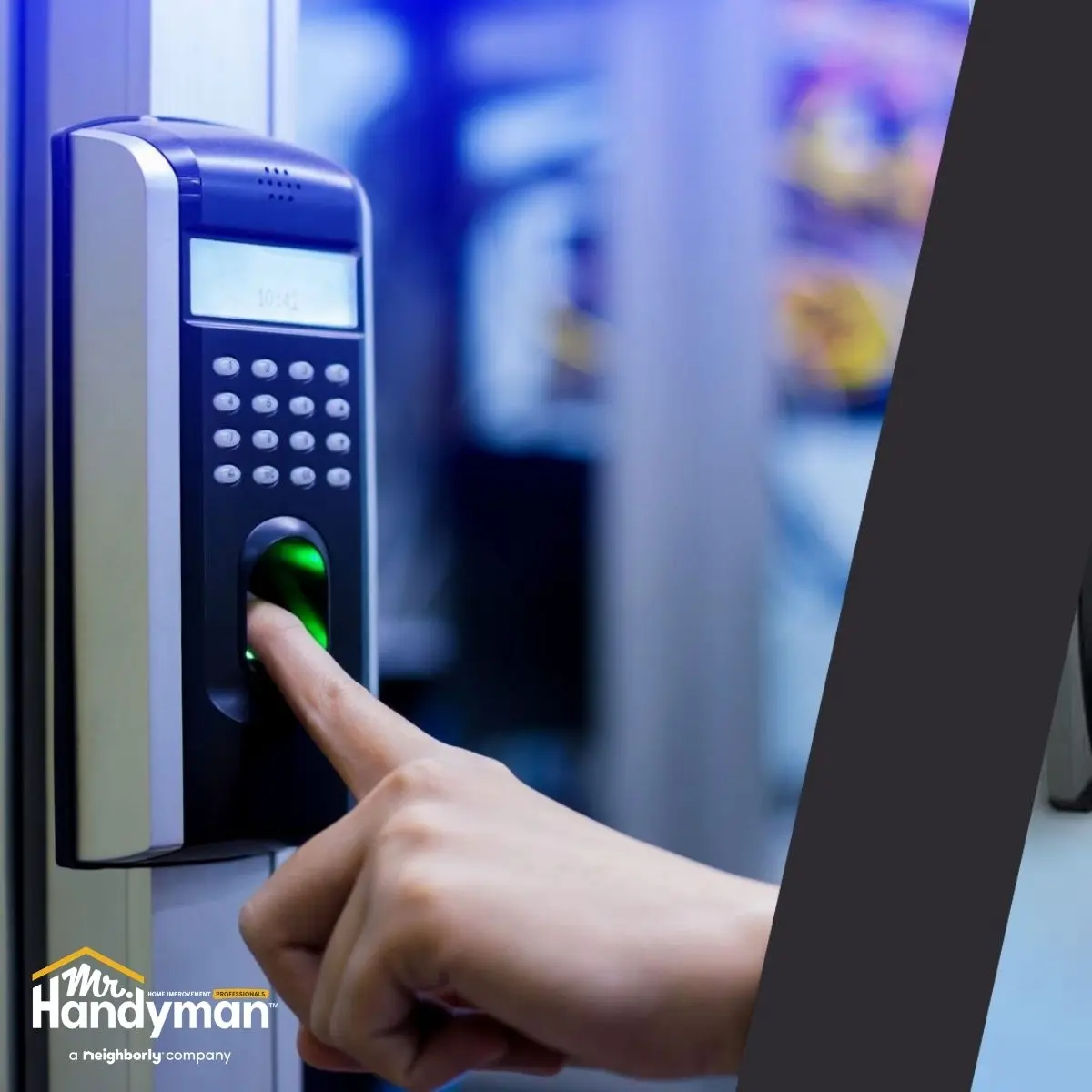
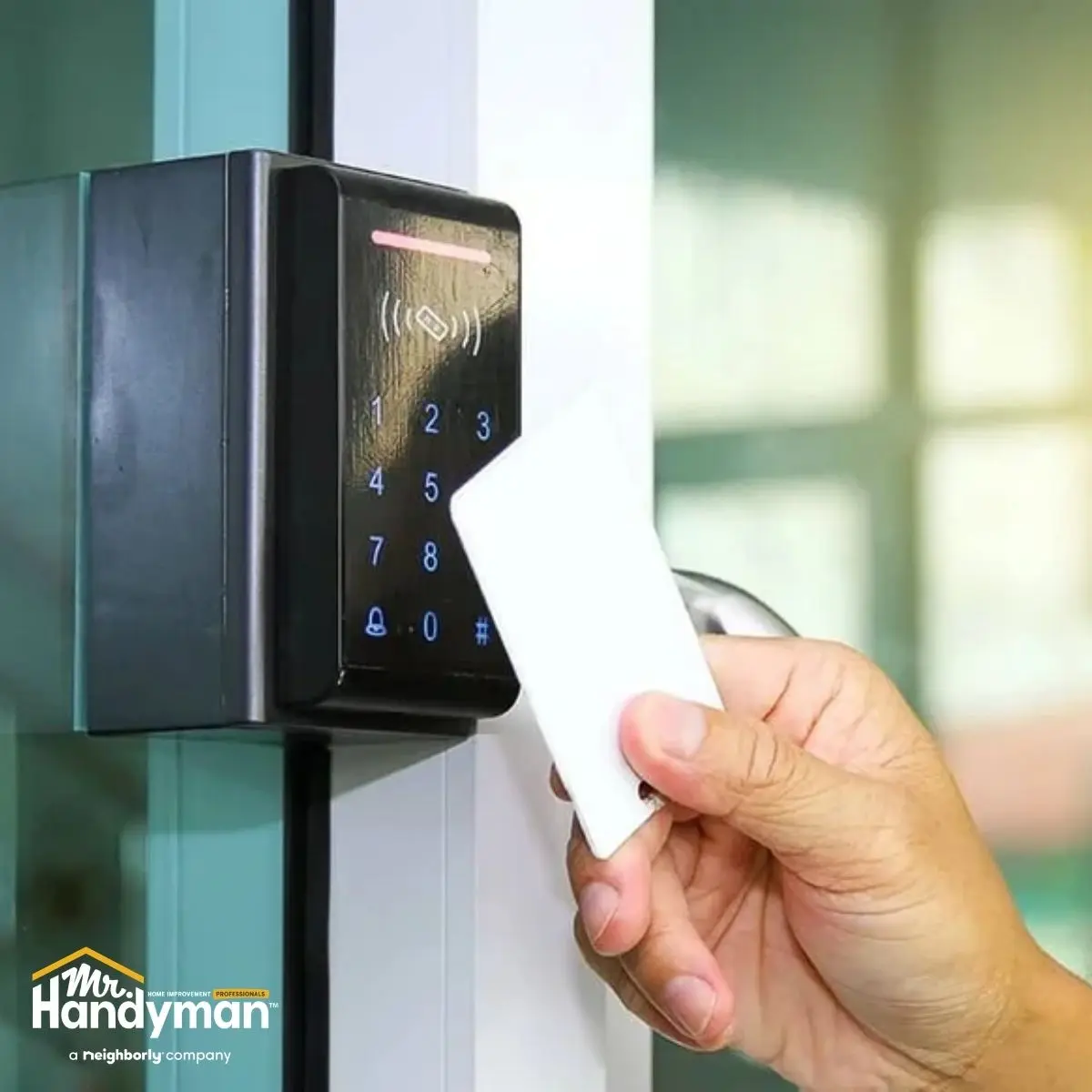
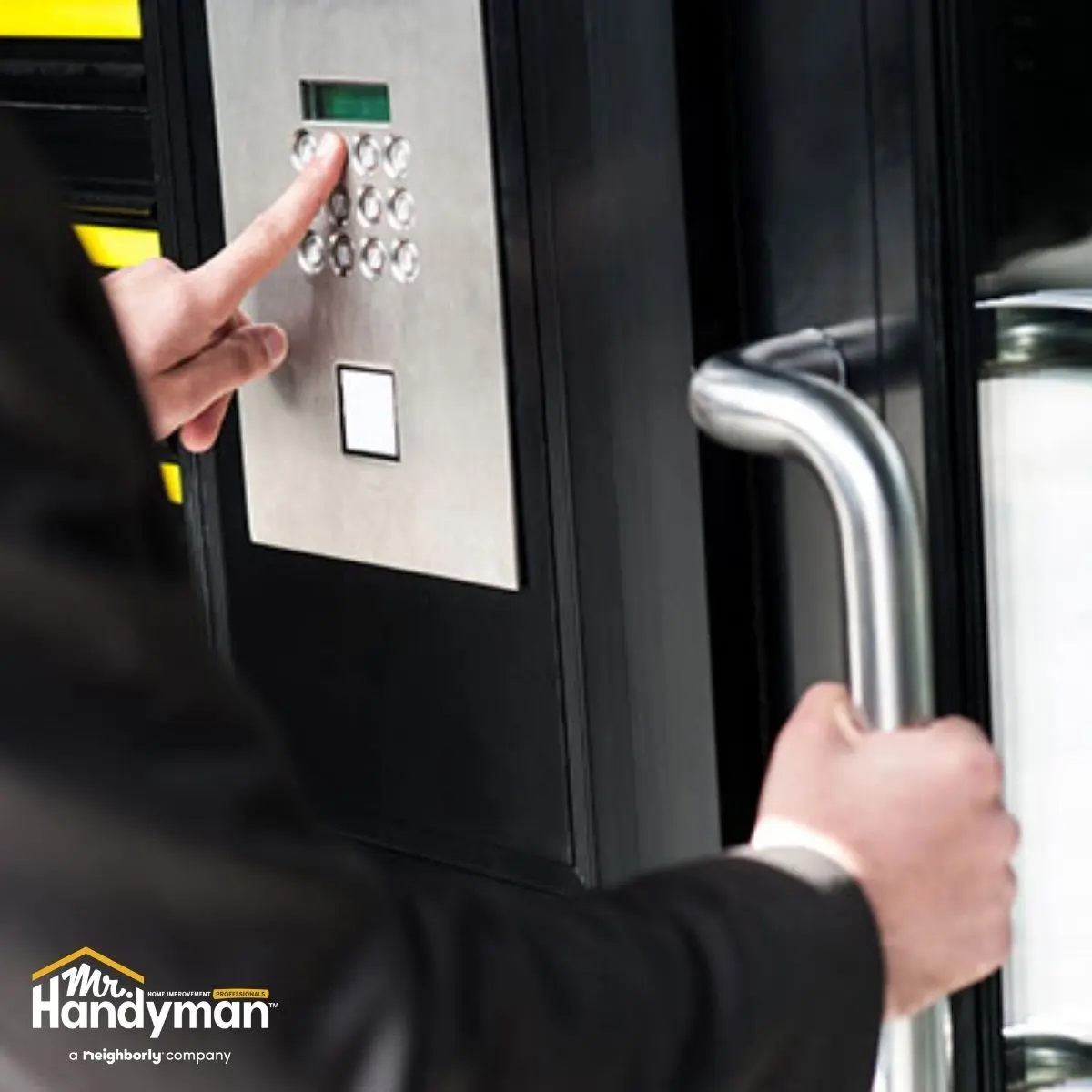
After-hours access systems including keypad entry, key fob systems, and card readers allow facilities to offer extended hours without staffing every shift. These systems depend entirely on door hardware that functions reliably. A door that doesn't close and latch completely after members enter defeats the entire purpose of electronic access control. Doors with misaligned strikes allow latches to bypass the strike plate, leaving the door technically unlocked even when the access system shows it as secured. Professional door maintenance ensures mechanical hardware functions correctly so electronic security systems perform as intended.
Locker room security requires doors and locks that provide reliable privacy and protection for members' personal belongings. Locker room doors that don't latch properly, locks that stick or fail to engage, and hinges that allow doors to swing open unexpectedly create conditions where members feel unsafe and unprotected. Members who don't trust locker room security store valuables elsewhere, complain to management, and ultimately choose facilities where security feels more reliable. The perception of security matters as much as actual security in influencing member confidence.
Staff-only areas including equipment storage rooms, mechanical spaces, and administrative offices require hardware that restricts unauthorized access effectively. Doors with failing locks or hardware that can be easily bypassed create inventory shrinkage, safety hazards in mechanical rooms, and privacy concerns in administrative areas. Rekeying locks when staff members leave and maintaining hardware that provides genuine access restriction protects facility assets and creates accountability for space access.
Emergency egress requirements create additional complexity. Commercial doors on egress routes must open from the inside without special knowledge or keys under all conditions. Panic hardware on exit doors must function reliably because failures during emergencies prevent evacuation. Doors that have been modified informally—propped open with wedges, secured with unauthorized hardware, or altered to prevent normal operation—create code violations and life safety hazards that facility operators are legally responsible for preventing.
ADA Compliance and What It Requires
The Americans with Disabilities Act establishes specific requirements for doors in commercial facilities that affect hardware selection, operating force, opening width, threshold height, and approach clearances. Gyms that don't meet these requirements face federal compliance obligations and liability exposure when members with disabilities encounter barriers to access.
Door opening width requirements specify minimum clear opening dimensions that accommodate wheelchair passage. Standard commercial doors often meet width requirements when properly maintained and aligned, but doors that have shifted, swollen, or been improperly repaired may no longer provide adequate clear width. Measuring actual clear opening width rather than nominal door width reveals compliance gaps that aren't apparent from visual inspection.
Operating force requirements limit how much force members must apply to open doors. Heavy door closers adjusted for maximum resistance, doors that stick in their frames due to settling or humidity swelling, and hardware that creates friction all increase operating force beyond ADA limits. Members with limited upper body strength or grip limitations—which includes many older members and those with certain disabilities—experience these barriers directly. Adjusting closer tension and addressing fit issues brings doors into compliance while improving usability for all members.
Threshold height requirements limit how high thresholds can protrude above floor level. Raised thresholds that were acceptable under older construction standards create trip hazards and barriers for wheelchair users. Replacing non-compliant thresholds with beveled or flush transitions eliminates barriers and reduces trip hazards for all members, not just those with mobility impairments.
Hardware requirements specify that door handles and operating mechanisms must be operable with a closed fist—lever handles comply while round knobs do not. Facilities with round knob hardware on any member-accessible door have an ADA compliance obligation to replace that hardware with lever handles. This requirement applies to interior doors including locker room doors, restroom doors, and doors leading to member spaces throughout the facility.
Automatic door operators eliminate the force requirement entirely and provide access that accommodates the widest range of members. Facilities that install automatic operators on primary entrances remove barriers proactively and create positive impressions for all members regardless of ability. Operators require maintenance to function reliably—sensors that don't detect approaching members, operators that move too slowly or too quickly, and mechanical components that develop noise or hesitation all need professional attention.
Common Door Problems in Commercial Gym Environments
Heavy use accelerates door deterioration in ways that low-traffic environments never experience. Identifying and addressing common problems before they create safety or compliance issues keeps doors functioning as designed.
Hinge wear develops from the weight and frequency of door operation. Commercial doors are heavy, and hinges that support them through hundreds of daily cycles develop play at the pin and barrel that allows doors to sag. Sagging doors drag on thresholds, fail to latch properly, and create gaps at the top corner that affect weatherstripping and security. Replacing worn hinges with commercial-grade hardware rated for high-cycle applications restores proper door operation and prevents the secondary problems that sagging creates.
Door closers require adjustment and eventual replacement as their hydraulic mechanisms wear. Closers adjusted too tightly increase operating force beyond ADA limits. Closers with failed seals allow hydraulic fluid to leak, which causes erratic operation and eventual failure to close doors completely. Doors that don't close completely create security gaps, allow conditioned air to escape, and fail to meet fire door requirements where applicable. Regular closer inspection and adjustment maintains proper operation and identifies units needing replacement before they fail entirely.
Strike plate misalignment prevents latches from engaging properly. Buildings settle over time, and door frames that were perfectly aligned during construction develop misalignment that causes latches to contact strike plate edges rather than entering cleanly. Members experience this as doors that require excessive force to close, that bounce back open after being pushed shut, or that make loud latching sounds from metal-on-metal contact. Adjusting strike plate position or replacing plates with extended versions that accommodate misalignment resolves these problems without frame reconstruction.
Weatherstripping deteriorates from repeated door operation and UV exposure on exterior doors. Failed weatherstripping allows drafts, moisture, and insects to enter while increasing the noise transmission between spaces. Gym entrance weatherstripping that fails lets outdoor air into temperature-controlled lobbies, which increases HVAC costs. Interior door weatherstripping between workout spaces helps manage sound levels that affect member experience in adjacent areas.
Lock Maintenance and Rekeying Protocols
Lock maintenance extends hardware lifespan and ensures security systems function as intended. Commercial locks in high-use environments require more frequent maintenance than residential hardware because they experience more operation cycles, more exposure to environmental contaminants, and more stress from members who don't handle hardware with the same care as property owners.
Lubrication with appropriate lock lubricants—graphite for pin tumbler locks, manufacturer-specified products for electronic and specialty hardware—prevents wear on internal components. Locks that operate stiffly or require excessive key force are developing internal wear that lubrication slows. Continuing to operate locks without lubrication accelerates wear until components fail and locks require replacement rather than maintenance.
Rekeying protocols protect facility security when staff members leave, when keys are lost, or when security concerns arise. Many facilities continue operating with the same key configuration for years despite staff turnover, creating security vulnerabilities from keys that are no longer accounted for. Rekeying is significantly less expensive than lock replacement and provides equivalent security restoration. Master key systems that allow different access levels for different staff roles require careful rekeying management when any key holder's access changes.
Electronic lock systems including keypad, fob, and card access hardware require software maintenance in addition to mechanical upkeep. Access credentials for departed staff must be removed promptly. Battery backup systems need testing to ensure electronic locks function during power outages. Audit trail reviews identify unusual access patterns that may indicate security concerns. Firmware updates address vulnerabilities in networked access systems.
Frequently Asked Questions
How often should commercial gym door hardware be professionally inspected?
High-traffic entrance doors benefit from quarterly inspection. Interior doors in moderate-traffic areas need inspection twice yearly. Any door showing signs of operational problems—sticking, failing to latch, unusual noise—should be inspected immediately rather than waiting for scheduled service.
What's the most common ADA violation found in gym facilities?
Round knob hardware on member-accessible doors is the most frequently cited violation. Door closer tension set too high creates the second most common compliance failure. Both issues are straightforward to correct with professional hardware assessment and adjustment.
Can I rekey gym locks myself or does it require a professional locksmith?
Standard pin tumbler locks can be rekeyed with appropriate kits by experienced maintenance staff. Master key systems, electronic locks, and high-security hardware require professional service to ensure rekeying is performed correctly and system integrity is maintained.
How do I know if my gym's doors meet ADA clear width requirements?
Measure the clear opening width with the door open 90 degrees from the face of the door to the opposite stop. The minimum required clear width is 32 inches for most commercial doors. Consulting with a professional who understands ADA requirements ensures measurement and assessment are performed correctly.
What should I do if a gym member reports difficulty operating a door?
Address the report immediately rather than adding it to a maintenance queue. Member reports of door difficulty often indicate developing problems that worsen with continued use. Document the report, inspect the door promptly, and make repairs before the condition deteriorates further.
When should gym doors be replaced rather than repaired?
Doors with structural damage, frames that can't be properly realigned, or hardware mounting areas that have deteriorated beyond repair warrant replacement. When repair costs approach 50 percent of replacement cost or when multiple repairs haven't resolved recurring problems, replacement is more economical.
Keep Every Door Functioning and Every Member Protected
Functional doors and locks in fitness facilities aren't background infrastructure—they're active components of member safety, security, and experience that require professional attention to perform reliably. Deferred door and lock maintenance creates compounding problems that affect compliance, liability, and the member experience that drives retention and reputation.
Mr. Handyman of Easton, Bethlehem, Nazareth & Allentown provides professional door and lock repair, maintenance, and ADA compliance services for fitness facilities throughout the region. From adjusting closers and replacing worn hardware to rekeying systems and addressing compliance gaps, we help facilities keep every door functioning as it should.
Call or visit Mr. Handyman of Easton, Bethlehem, Nazareth & Allentown to schedule door and lock assessment or request repairs. Every member who walks through your doors deserves reliable, safe, accessible hardware on the other side.