.webp)
Air quality in fitness facilities directly affects member health, workout performance, comfort, and satisfaction in ways that few other facility aspects can match. For gym and wellness center operators in Easton, Bethlehem, Nazareth, and Allentown, HVAC system maintenance represents far more than temperature control—it determines whether members breathe clean air during intense physical exertion or inhale contaminants, allergens, and pathogens that compromise health and undermine the wellness mission your facility promotes. Poor air quality drives members away, creates liability exposure, and contradicts the health-focused positioning that defines fitness industry success.
The challenge with HVAC maintenance is that air quality problems develop invisibly. Temperature issues announce themselves immediately through member complaints, but air quality deterioration happens gradually. Filters clog slowly over weeks reducing air exchange rates. Condensate drains become blocked allowing mold growth in ductwork. Outside air intakes get restricted reducing fresh air delivery. Ventilation systems that once provided adequate air exchange no longer meet demands as membership grows. Members don't consciously recognize declining air quality until it becomes severe, but they experience fatigue, headaches, respiratory irritation, and reduced workout performance that they might not connect to facility conditions.
Fitness facilities create uniquely challenging air quality conditions that standard commercial HVAC systems weren't designed to handle. Dozens or hundreds of people exercising intensely in confined spaces generate tremendous heat, humidity, and carbon dioxide. Sweat evaporating from skin adds moisture to air creating conditions that promote mold growth if not properly managed. Cleaning chemicals, rubber flooring off-gassing, and chalk dust introduce particulates and volatile compounds. Group fitness studios with thirty people in small rooms during high-intensity classes create air quality demands that exceed many commercial spaces. Without proper HVAC maintenance and adequate system capacity, these conditions quickly deteriorate to levels that affect member health and satisfaction.
Recent years have heightened awareness of indoor air quality and disease transmission in shared spaces. Members now evaluate facilities based on visible air quality measures including filtration systems, ventilation rates, and air purification technology. Facilities that demonstrate commitment to air quality through proper HVAC maintenance and transparent communication gain competitive advantage while those ignoring these concerns lose members to competitors prioritizing health and safety. HVAC maintenance has shifted from invisible facility operations to visible commitment to member wellness.
How Poor HVAC Maintenance Degrades Air Quality
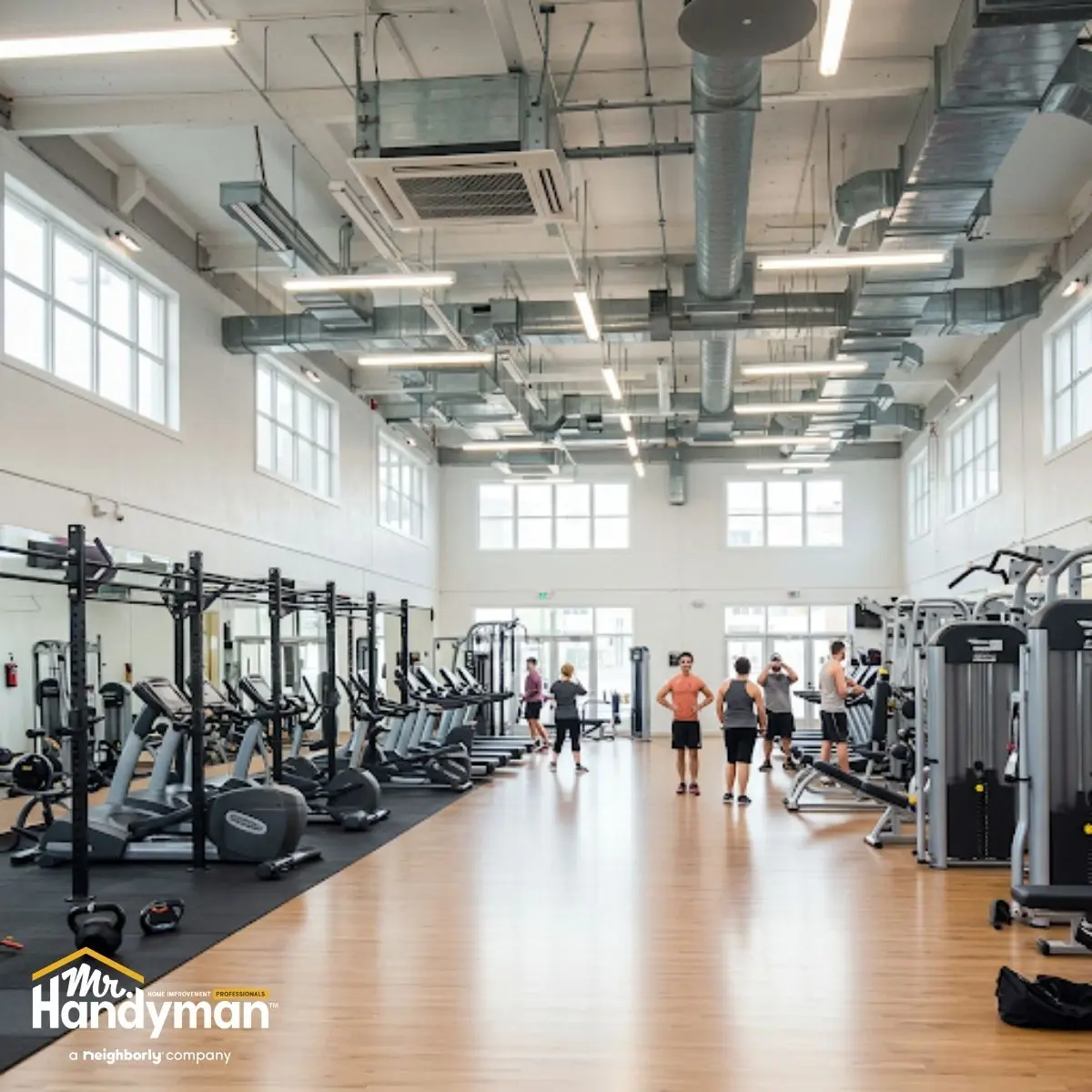
Understanding how HVAC systems fail and create air quality problems helps prioritize maintenance addressing the most critical health and comfort impacts.
Clogged air filters represent the most common and impactful HVAC maintenance failure. Filters trap dust, pollen, skin cells, chalk dust, and other particulates preventing circulation through facilities. As filters load with contaminants, airflow decreases reducing ventilation rates and fresh air delivery. Systems work harder trying to move air through restricted filters, increasing energy consumption and wear on components. Eventually airflow becomes so restricted that rooms feel stuffy, carbon dioxide levels rise, and members experience fatigue and discomfort they associate with the facility rather than inadequate ventilation.
Dirty evaporator and condenser coils reduce system capacity and efficiency while promoting biological growth. Dust accumulation on evaporator coils provides substrate for mold and bacteria growth in the moist environment created by normal cooling operation. These organisms then spread throughout facilities via air circulation. Dirty condenser coils restrict heat rejection reducing cooling capacity and forcing systems to run longer consuming excess energy while failing to adequately cool spaces.
Failed or clogged condensate drains create standing water in drain pans that becomes breeding ground for mold, bacteria, and algae. These organisms multiply in drain pans then enter air streams supplying facilities. Members breathe these biological contaminants during workouts. Musty odors from biological growth make facilities smell dirty regardless of surface cleaning efforts. Some members develop respiratory symptoms or allergic reactions from exposure to mold spores and bacterial endotoxins.
Inadequate outside air delivery results from blocked intakes, failed dampers, or systems never properly commissioned to provide adequate fresh air. Building codes specify minimum outside air requirements based on occupancy, but many fitness facilities operate at membership levels far exceeding original design assumptions. Without adequate outside air diluting indoor contaminants, carbon dioxide levels rise, odors accumulate, and members experience symptoms including headaches, fatigue, and difficulty concentrating during workouts.
Ductwork contamination from years of accumulated dust, debris, and biological growth continuously reintroduces contaminants into air even when filters are clean. Dust and particles that bypass filters or enter through leaks settle in ductwork. Moisture from condensation or humidity creates conditions supporting mold growth on accumulated debris. Every air circulation cycle picks up these contaminants and delivers them to occupied spaces.
Imbalanced systems create pressure differentials that pull unconditioned, unfiltered air into facilities through gaps around doors, windows, and building penetrations. Negative pressure conditions cause facilities to draw in outside air that hasn't passed through filtration systems. This brings in pollen, dust, vehicle exhaust, and other outdoor contaminants while increasing humidity loads that systems must manage.
Refrigerant leaks reduce cooling capacity forcing systems to run longer while failing to adequately dehumidify air. High humidity promotes mold growth throughout facilities and makes members uncomfortable during workouts. Leaked refrigerants also represent environmental concerns and code violations requiring immediate attention.
Health Impacts of Poor Air Quality in Fitness Facilities
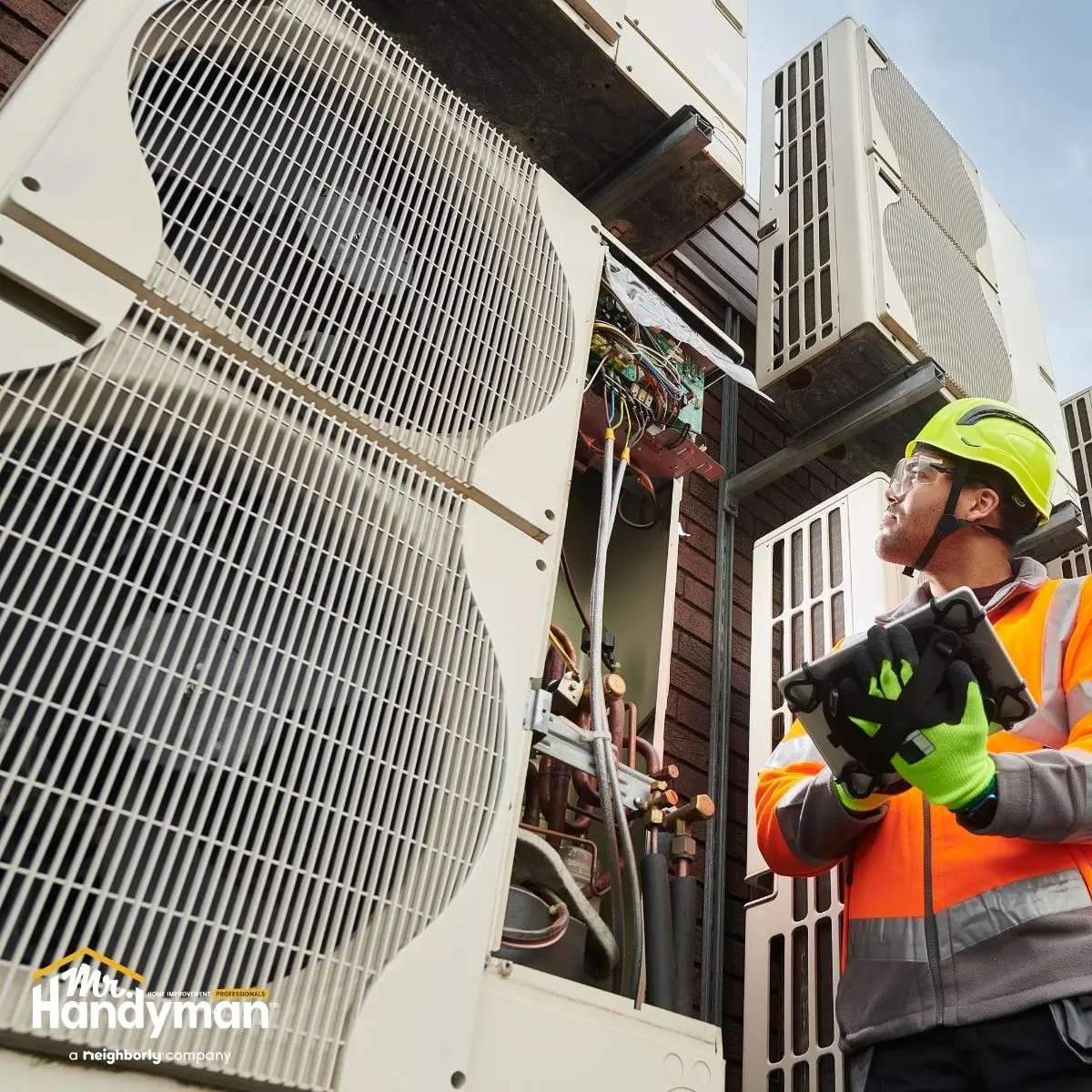
Air quality problems in fitness facilities create health impacts ranging from acute discomfort to chronic respiratory conditions affecting members who trust facilities to support their wellness goals.
Respiratory irritation from airborne particles, mold spores, and chemical contaminants affects members during intense exercise when breathing rates increase dramatically. Members inhale three to five times more air during vigorous exercise than at rest, dramatically increasing exposure to airborne contaminants. Dust, mold spores, and cleaning chemical residues that might cause minimal problems during normal breathing become significant irritants during intense workouts. Members experience coughing, throat irritation, and difficulty breathing they attribute to poor fitness rather than facility air quality.
Allergic reactions to mold, dust, and other airborne allergens affect sensitive members who might tolerate these exposures in other environments but react during exercise when breathing rates increase. Members with asthma or allergies experience symptoms during or after workouts that reduce their ability to exercise effectively. Some members who joined specifically to improve health find their conditions worsening due to poor air quality, creating ironic situation where seeking wellness causes health deterioration.
Carbon dioxide accumulation in poorly ventilated spaces causes headaches, fatigue, and reduced cognitive function. While carbon dioxide itself isn't particularly harmful at levels found in buildings, elevated levels indicate inadequate ventilation allowing other contaminants to accumulate. Members in group fitness classes in small studios with inadequate outside air often experience headaches and overwhelming fatigue disproportionate to actual workout intensity. They attribute this to class difficulty rather than recognizing air quality problems.
Disease transmission increases in poorly ventilated spaces where airborne pathogens remain concentrated rather than being diluted with outside air and removed through filtration. Respiratory illnesses spread more easily in gyms with inadequate ventilation. Members blame other members for spreading illness rather than recognizing that facility ventilation affects transmission rates. Recent awareness of airborne disease transmission makes this concern more salient to members evaluating facility safety.
Heat exhaustion and reduced performance result from inadequate cooling capacity or humidity control. When HVAC systems can't maintain comfortable temperatures during peak occupancy, member workout performance suffers. Heat stress during exercise creates real health risks particularly for older members or those with cardiovascular conditions. Members unable to complete usual workouts blame personal fitness decline rather than facility conditions.
Chronic exposure to poor air quality can contribute to development of respiratory conditions over time. Members who spend hours weekly in facilities with poor air quality experience cumulative exposures that may contribute to asthma development, chronic bronchitis, or other respiratory conditions. While attributing specific health conditions to facility exposures is difficult, facilities have ethical obligations to provide healthiest possible environments for members pursuing wellness.
Comprehensive HVAC Maintenance Programs
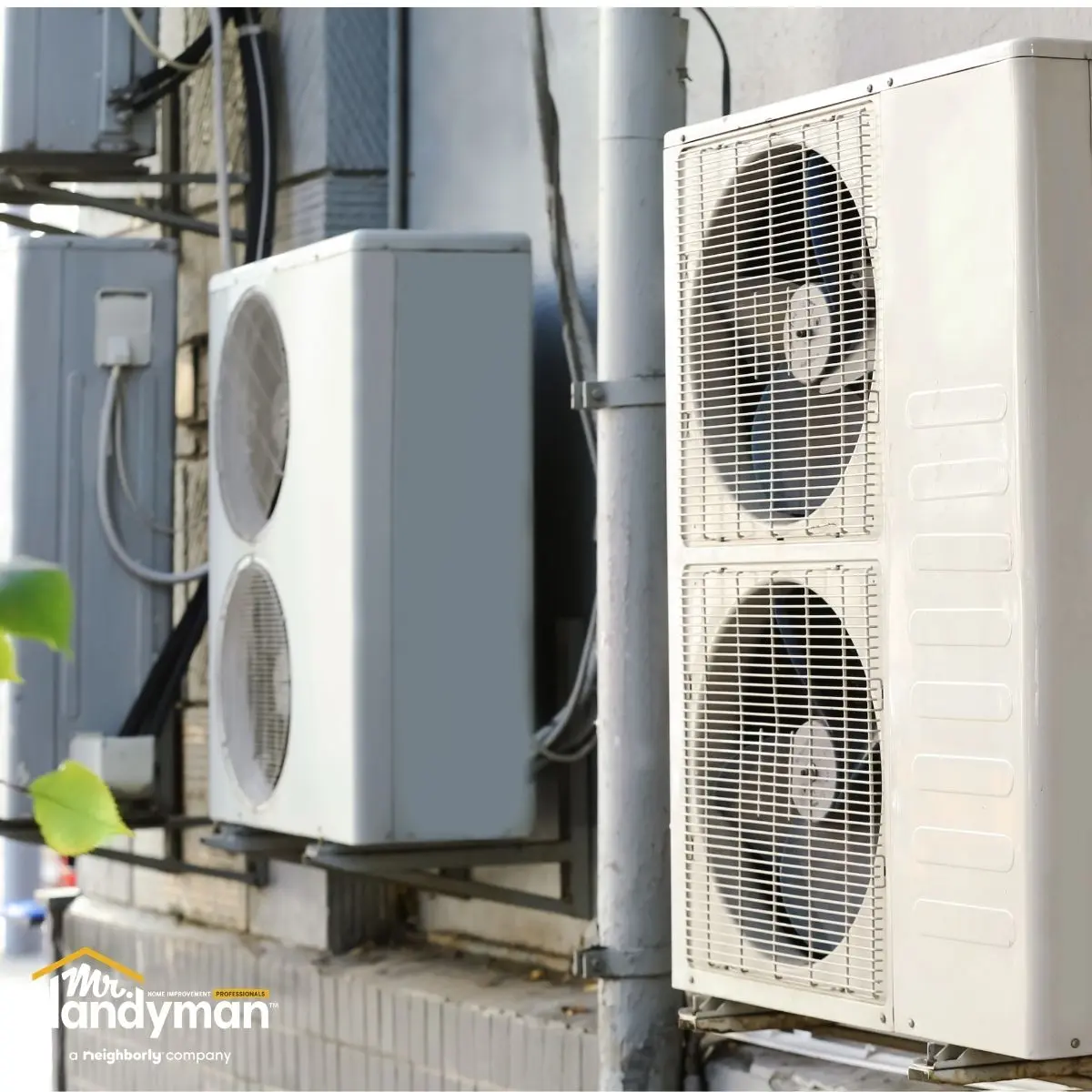
Systematic maintenance prevents air quality deterioration while ensuring systems operate efficiently and reliably during all operating conditions.
Monthly filter changes represent the single most impactful maintenance task for air quality and system performance. High-quality pleated filters rated MERV 11-13 capture more particles than standard fiberglass filters while allowing adequate airflow. Group fitness studios and high-use areas might need filter changes every two to three weeks during heavy use periods. Don't wait for filters to become fully loaded—change them on schedule even if they don't appear dirty.
Quarterly coil cleaning maintains heat transfer efficiency while preventing biological growth. Access panels on air handlers allow cleaning of evaporator coils without major disassembly. Professional coil cleaning removes dust and biological growth that reduce performance and create health concerns. Condenser coil cleaning improves heat rejection maintaining cooling capacity during summer peak loads.
Semi-annual condensate drain maintenance prevents blockages that cause overflow and biological growth. Flush drain lines with appropriate cleaning solutions. Verify drain pans are clean and draining properly. Install and maintain drain pan treatments that inhibit biological growth without introducing harmful chemicals to air streams.
Annual professional HVAC inspection evaluates overall system condition and identifies problems requiring attention. Technicians check refrigerant charge, test electrical connections, measure airflow, evaluate control operation, and identify worn components approaching failure. They recognize subtle signs of developing problems that facility staff miss. Professional inspection creates documentation of maintenance efforts that protects facilities if air quality complaints arise.
Bi-annual duct inspection and cleaning removes accumulated contaminants from ductwork. While ductwork doesn't need cleaning as frequently as some duct cleaning companies suggest, periodic inspection identifies contamination requiring attention. Focus on return air pathways where most contaminants enter systems and on areas near outside air intakes where moisture might accumulate.
Regular outside air intake inspection ensures adequate fresh air delivery. Verify intakes aren't blocked by landscaping, snow accumulation, or stored materials. Check that outside air dampers operate properly responding to controls. Measure carbon dioxide levels during peak occupancy to verify outside air rates meet requirements—levels consistently above 1000-1200 PPM suggest inadequate outside air delivery.
Immediate response to member complaints about air quality demonstrates concern while identifying problems that monitoring might miss. Members notice odors, stuffiness, or discomfort that indicate HVAC problems. Taking complaints seriously and investigating thoroughly builds member confidence while catching problems early.
Strategic HVAC Upgrades and Improvements
Beyond maintaining existing systems, strategic upgrades improve air quality, efficiency, and member experience while supporting health-focused facility positioning.
High-efficiency filtration systems capture more airborne particles improving air quality without requiring equipment replacement. Upgrading from MERV 8 to MERV 13 filters dramatically increases particle capture including mold spores, bacteria, and fine dust. Verify existing systems can handle increased pressure drop from higher efficiency filters—some systems need minor modifications to maintain adequate airflow with better filters.
Bipolar ionization or needlepoint ionization systems reduce airborne pathogens and odors while improving perceived air quality. These systems install in existing ductwork and generate ions that cause airborne particles to agglomerate and drop from air while deactivating some pathogens. They provide additional protection beyond filtration, particularly for airborne contaminants too small for mechanical filters to capture efficiently.
UV-C germicidal irradiation systems installed in air handlers kill mold, bacteria, and viruses on coils and in air passing through irradiated zones. These systems reduce biological growth on coils while providing some pathogen inactivation in air streams. They work continuously without requiring consumables or frequent maintenance beyond periodic bulb replacement.
Dedicated outside air systems ensure adequate fresh air delivery independent of heating and cooling operations. These systems precondition outside air before delivering it to spaces, reducing load on primary HVAC systems while guaranteeing minimum ventilation rates regardless of thermal demands. They work particularly well in group fitness studios requiring high outside air rates in small spaces.
Energy recovery ventilation systems capture energy from exhaust air to precondition incoming outside air. These systems reduce energy costs associated with heating or cooling outside air while ensuring adequate ventilation. They're particularly valuable in facilities requiring high outside air rates where energy costs of conditioning that air would otherwise be prohibitive.
Variable refrigerant flow systems provide precise temperature control in different zones while operating more efficiently than traditional systems. These systems allow simultaneous heating and cooling in different areas matching actual demands rather than compromising between conflicting needs. They work well in facilities with varied uses including hot yoga studios, general workout areas, and offices requiring different conditions.
Humidification and dehumidification systems independent of primary HVAC equipment maintain optimal humidity ranges year-round. Proper humidity control prevents mold growth, improves member comfort, and reduces disease transmission. Many HVAC systems don't adequately control humidity during shoulder seasons when heating and cooling demands are minimal.
Air Quality Monitoring and Communication
Visible commitment to air quality through monitoring and transparent communication strengthens member confidence while supporting premium positioning.
Carbon dioxide monitoring in group fitness studios and high-occupancy areas provides objective measurement of ventilation adequacy. Display monitors showing real-time CO2 levels demonstrate commitment to air quality while alerting staff to ventilation problems requiring immediate attention. Levels consistently below 1000 PPM during peak use indicate adequate ventilation. Levels regularly exceeding 1200-1500 PPM indicate inadequate ventilation requiring system assessment.
Particle counters and air quality sensors provide data on fine particulate matter, volatile organic compounds, and other air quality parameters. These sensors identify problems that CO2 monitoring alone misses. Trending data over time helps identify developing problems and verifies effectiveness of maintenance and upgrades.
Public display of air quality data builds member confidence and differentiates facilities from competitors who don't measure or communicate air quality information. Digital displays in lobbies or mobile app integration showing current air quality metrics demonstrates transparency and commitment to member health. This visible commitment matters more than ever as members evaluate facility safety and health practices.
Regular communication about HVAC maintenance and air quality initiatives educates members about facility commitments while managing expectations. Newsletter articles, social media posts, and lobby signage explaining filter change schedules, new air quality technology, or recent system upgrades show proactive facility management. Members appreciate transparency about efforts to protect their health.
Professional air quality assessments provide third-party verification of facility conditions. Annual testing by certified professionals creates documentation of air quality standards while identifying problems requiring attention. Test results showing healthy air quality provide powerful marketing content while protecting facilities if air quality complaints arise.
Frequently Asked Questions
How often should fitness facility HVAC filters be changed?
Monthly filter changes represent minimum frequency for most facilities. High-use facilities or those with significant dust sources like chalk might need changes every two to three weeks. Group fitness studios with high occupancy densities benefit from more frequent changes. Don't extend change intervals to save money—clogged filters cost far more in reduced air quality, energy waste, and system wear than filter replacement costs.
What air filtration level should fitness facilities use?
MERV 11-13 filters provide excellent balance between particle capture and airflow for most fitness facilities. Higher ratings capture more particles but create more airflow restriction. Lower ratings allow better airflow but miss many particles affecting air quality. Verify existing systems can handle MERV 13 filters without restricting airflow—some older systems need modifications for higher efficiency filtration.
How much outside air do fitness facilities need?
Building codes specify minimum rates based on occupancy, typically 15-20 cubic feet per minute per person. Group fitness studios with high-intensity exercise benefit from higher rates—30-40 CFM per person. Measure actual ventilation rates during peak use and CO2 levels to verify adequacy rather than assuming designed rates are being delivered.
Can HVAC upgrades happen without closing the facility?
Most upgrades occur during off-hours or in sections while other areas remain operational. Major equipment replacement might require temporary closures of specific zones but rarely requires complete facility closure. Work with contractors experienced in occupied building projects to minimize disruption.
How do facilities balance air quality needs with energy costs?
High-efficiency equipment, heat recovery systems, and proper maintenance reduce energy consumption allowing better air quality at reasonable costs. The energy cost of adequate ventilation and filtration represents necessary business expense—cutting corners on air quality to reduce energy costs undermines facility health mission and drives members away. Many air quality improvements including better filtration and proper maintenance actually reduce energy consumption.
Prioritize Air Quality That Supports Member Health
HVAC maintenance and air quality management represent fundamental responsibilities for fitness facilities promoting health and wellness. Proper system maintenance, strategic upgrades, and transparent communication about air quality demonstrate commitment to member health while creating competitive advantage in markets where members increasingly evaluate facility safety and air quality standards.
Managing a gym or wellness center in the Lehigh Valley? The experienced team at Mr. Handyman of Easton, Bethlehem, Nazareth & Allentown understands fitness facility HVAC demands and delivers maintenance, repairs, and upgrades that protect air quality while improving system efficiency. From routine maintenance to comprehensive system upgrades, we help facilities create healthy environments that support member wellness. Call or visit https://www.mrhandyman.com/easton-e-bethlehem-nazareth/ to discuss your facility's HVAC and air quality needs.